
Used Kenworth Conventional Day Cab Trucks For Sale in Missouri
Used Kenworth conventional day cab trucks for sale in Missouri: compare gearing, emissions history, and corrosion for interstate, grain, or quarry work.
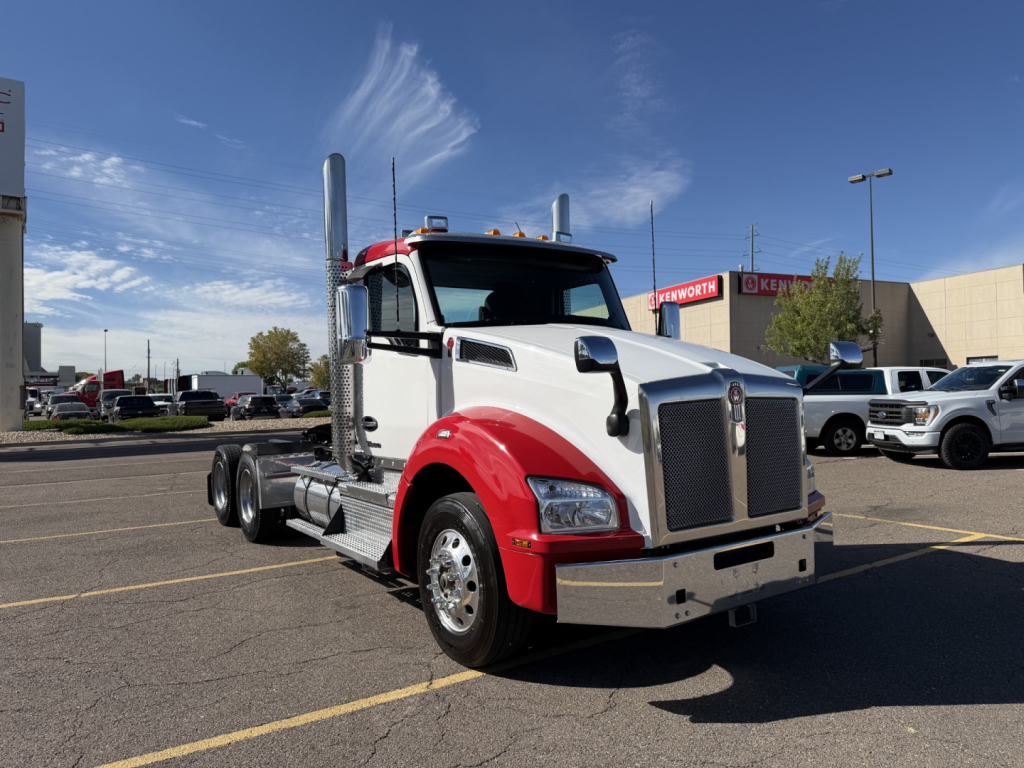
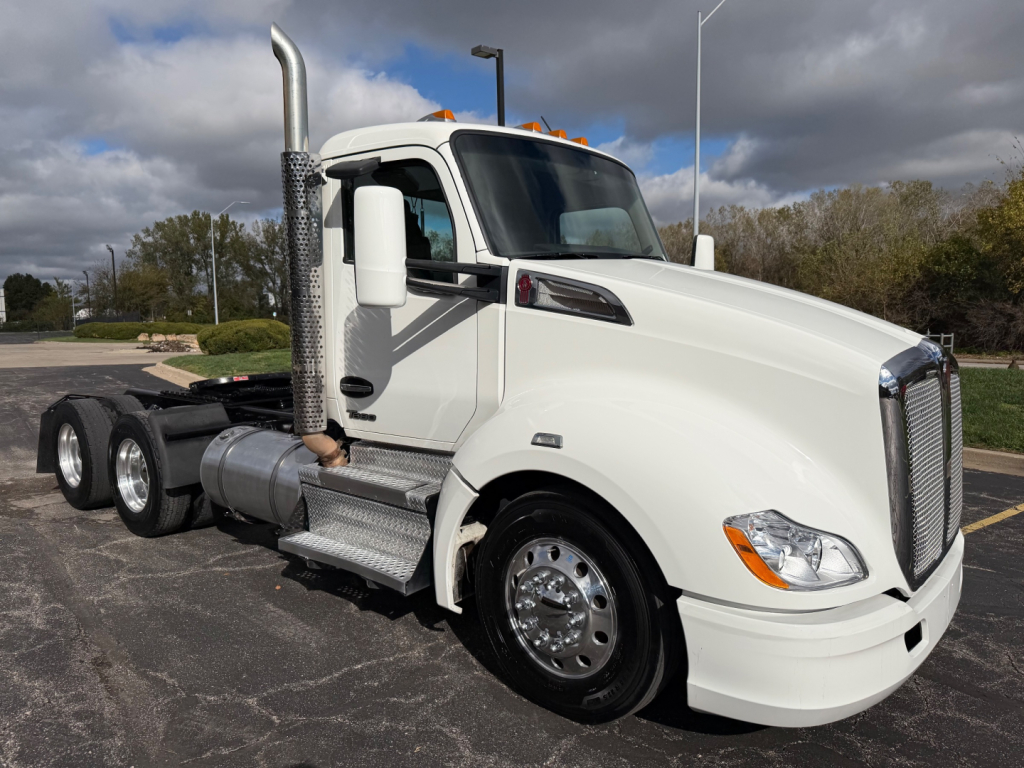
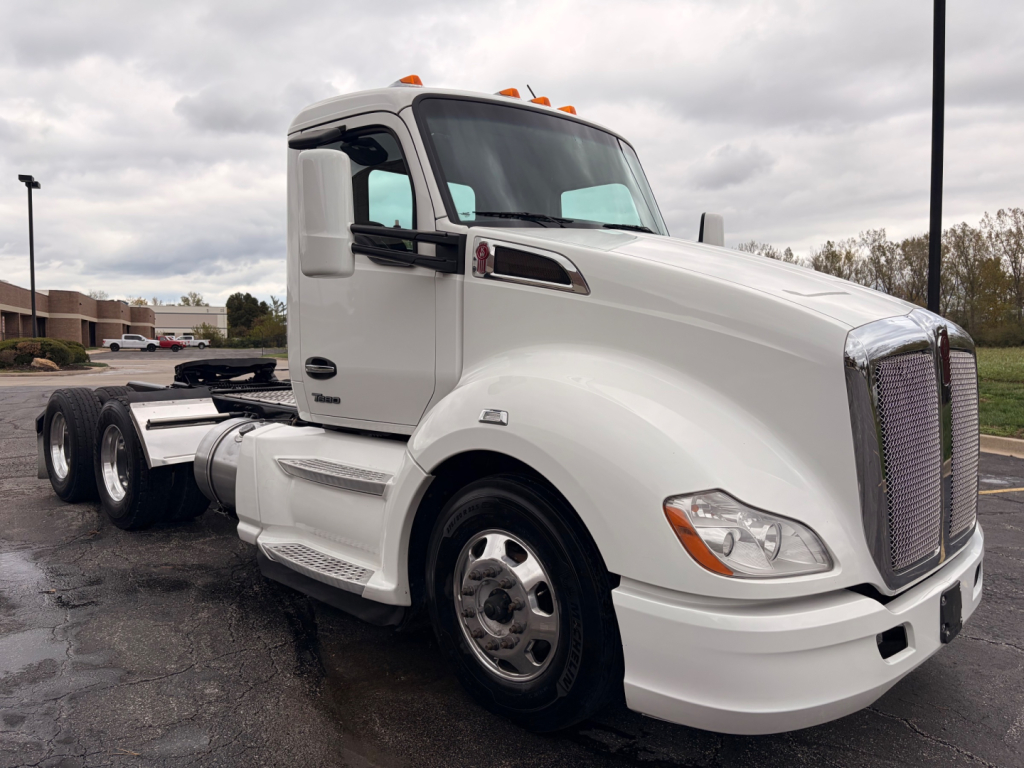
Selling a used kenworth conventional day cab truck? List your used kenworth conventional day cab truck for sale and reach thousands of commercial buyers.
Used Kenworth Conventional Day Cab Trucks in Missouri
Kenworth's T680 emphasizes highway aerodynamics, while the T880 provides a vocational platform offered in configurations suited to heavier site work. Older T800, T660, and W900 day cabs require different judgments about hood visibility, turning clearance, and chassis weight. Depending on engine year and model, common power includes PACCAR MX-13 and Cummins ISX15 or X15 engines. Eaton Fuller manuals and automated transmissions appear across generations, with PACCAR-branded automated transmissions on later trucks. Confirm the original build specifications rather than identifying the drivetrain from the hood badge.
Axle ratio only makes sense alongside transmission gearing, tire size, loaded weight, and cruising speed. A 2.79 rear ratio can suit highway work with the right transmission, but it is not interchangeable with a 3.42 specification for repeated loaded starts. Compare wheelbase, fifth-wheel travel, trailer swing clearance, and actual empty axle weights before committing to a day cab truck. A 12,000-pound steer axle and 40,000-pound tandem rating do not establish legal payload by themselves. Grain and dump trailers may also require a correctly matched PTO and wet kit, adding weight and maintenance obligations.
Engine emissions certification matters more than the truck's advertised model year alone. Most heavy-duty engines certified to 2007 standards use a diesel particulate filter; 2010-era Kenworth highway diesels generally add SCR and DEF. Later emissions generations bring different calibrations and hardware, so identify the engine family before assessing service needs. On used equipment, request DPF cleaning records, regeneration history, and repair documentation for DEF dosing and NOx sensors. Frequent short trips and extended idling deserve particular scrutiny because exhaust temperatures affect regeneration performance.
Missouri winter road treatments make frame rails, crossmembers, air tanks, brake plumbing, and wiring connectors priority inspection areas. Check fifth-wheel mounting, suspension bushings, torque rods, driveline joints, and cab mounts for wear from repeated coupling and rough approaches. Compare ECM mileage, engine hours, idle time, and fault history with maintenance records; low mileage can conceal substantial stationary operation. Start the engine cold and road-test the tractor under load when possible, checking cooling performance, clutch engagement, shifting, and engine braking. Documented injector, turbocharger, clutch, and aftertreatment work is more useful than a clean exterior alone.
Frequently Asked Questions about Used Kenworth Conventional Day Cab Trucks in Missouri
What CDL do I need to drive a Kenworth day cab tractor in Missouri?
A Class A CDL generally applies when a Kenworth day cab combination has a GCWR or actual combined weight of at least 26,001 pounds, whichever is greater, and the towed vehicle exceeds 10,000 pounds by rating or actual weight. The driver must also meet applicable air-brake and transmission requirements. Missouri agricultural exemptions have specific operating conditions, so farm use alone does not establish an exemption.
Can a tandem-axle Kenworth day cab haul 80,000 pounds in Missouri?
A properly configured Kenworth day cab and trailer can operate at 80,000 pounds gross on Missouri Interstate routes when axle weights, spacing, registration, and posted limits comply. Standard Interstate limits include 20,000 pounds on a single axle and 34,000 pounds on a tandem, subject to the bridge formula. Check the complete combination and intended route, including local bridges, rather than relying on tractor axle ratings.
What wet kit does a Kenworth day cab need for an end dump trailer?
An end dump trailer needs a wet kit matched to the trailer cylinder's pressure, flow, and oil-volume requirements. On a used Kenworth day cab, verify transmission PTO compatibility, pump rotation, reservoir capacity, filtration, and hose connections. A hydraulic system previously used for a walking-floor trailer is not automatically suitable for an end dump, even when the couplers connect.
How should I inspect an automated transmission in a used Kenworth day cab?
A diagnostic scan and a loaded road test are the strongest checks for a used Kenworth day cab's automated transmission. Review clutch-wear information where supported, stored faults, calibration status, and clutch replacement records. Test reverse engagement, low-speed backing, hill starts, and shifts at operating temperature. Confirm whether the transmission is an automated manual or a torque-converter automatic because inspection procedures and service requirements differ.
How can I tell whether a Kenworth day cab was converted from a sleeper?
The original Kenworth build record is the best starting point for identifying a sleeper-to-day-cab conversion. Compare the recorded cab configuration and wheelbase with the truck, then inspect the rear cab closure, mounts, wiring, and any frame modifications. A conversion is not automatically unsuitable, but undocumented structural work, water leaks, or poor cab sealing warrant further inspection before purchase.