
Used 2015 Conventional Daycab Trucks For Sale
Shop used 2015 conventional daycab trucks. Compare wheelbase, engine, transmission, axle ratio, suspension, and fifth wheel specs.
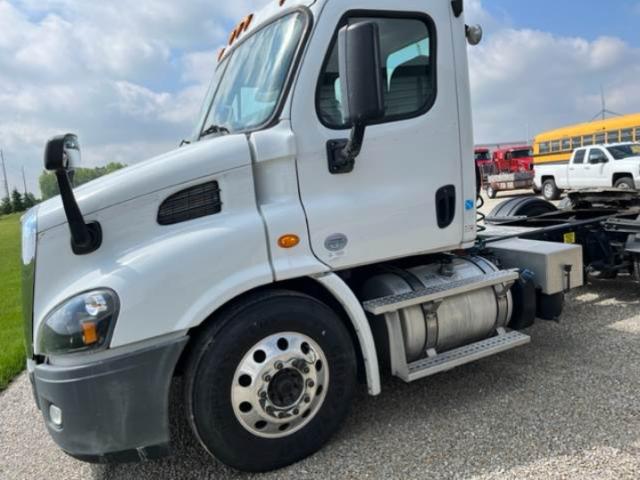
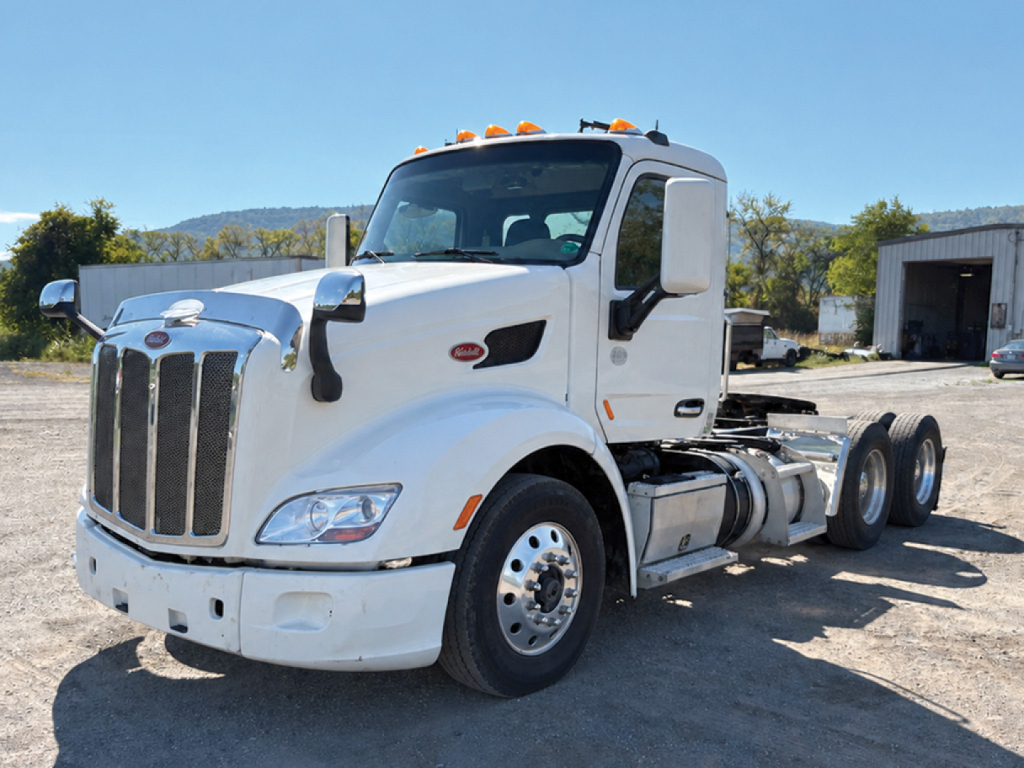
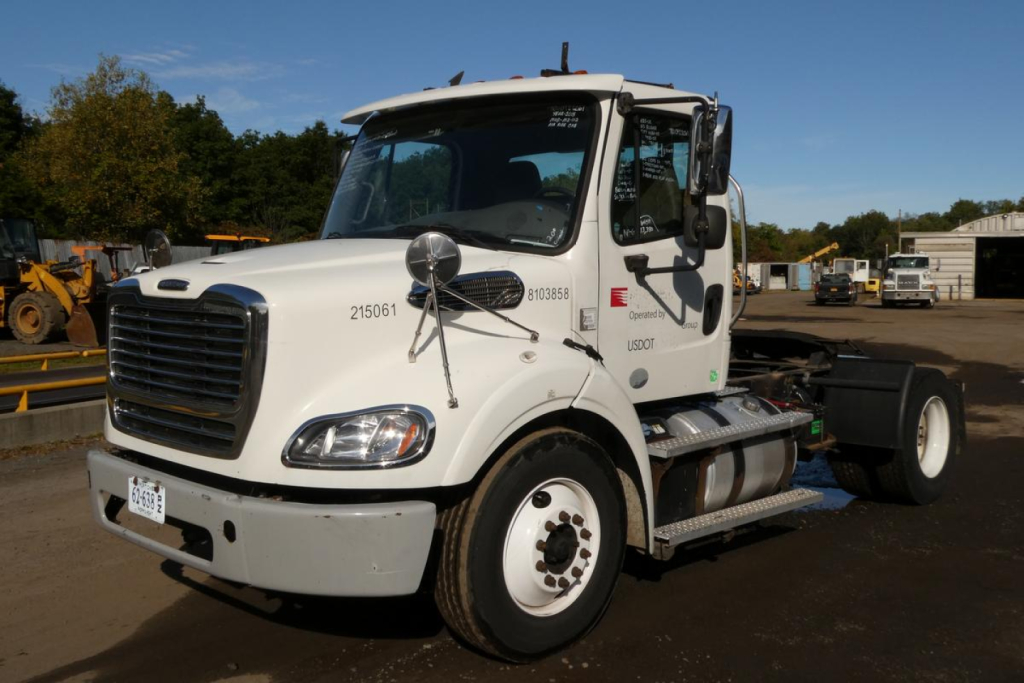
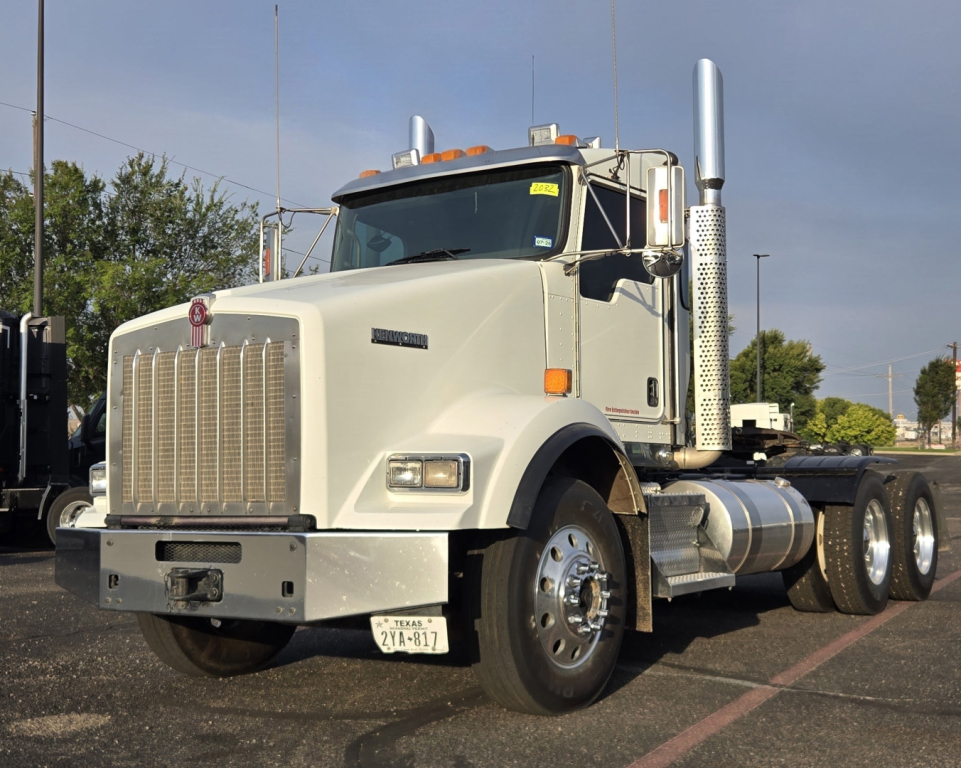
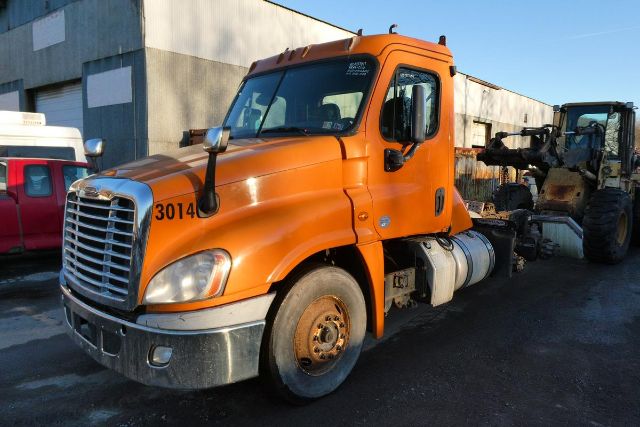
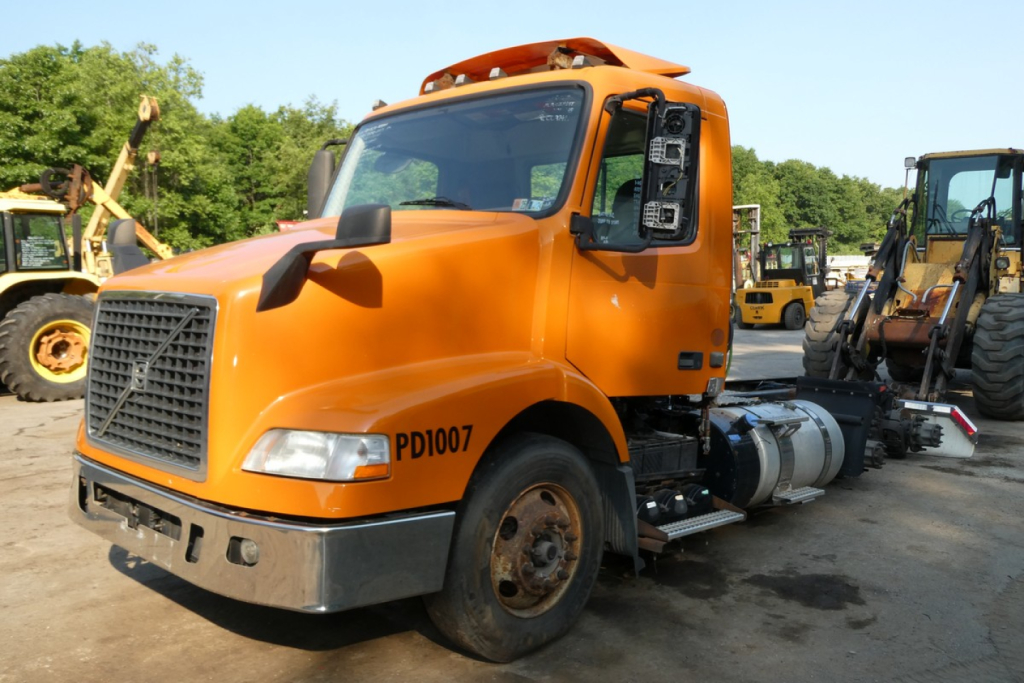
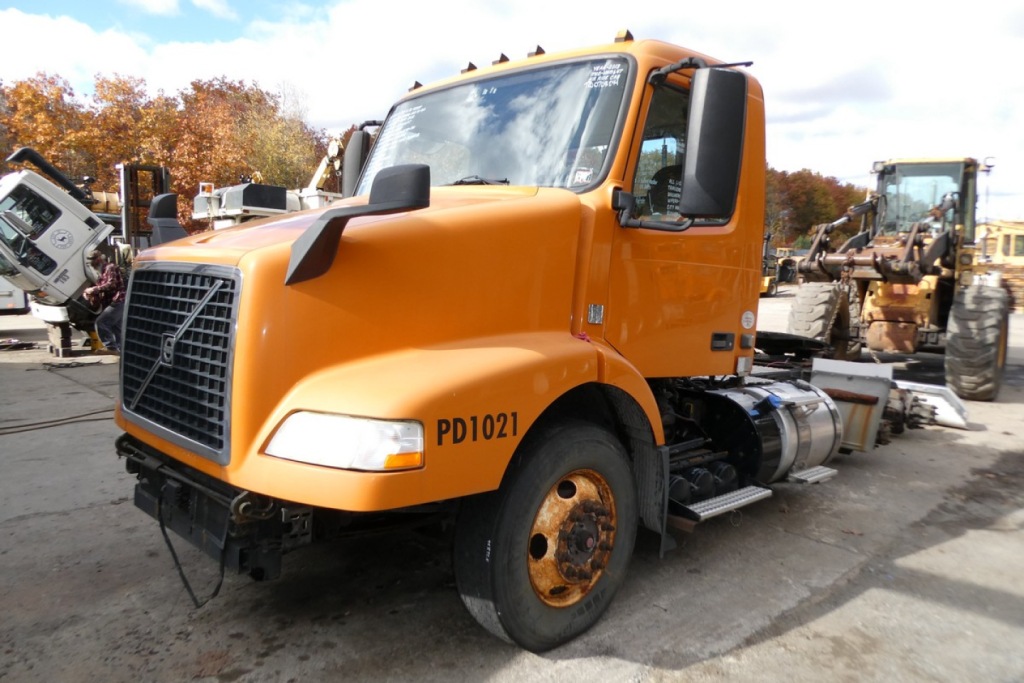
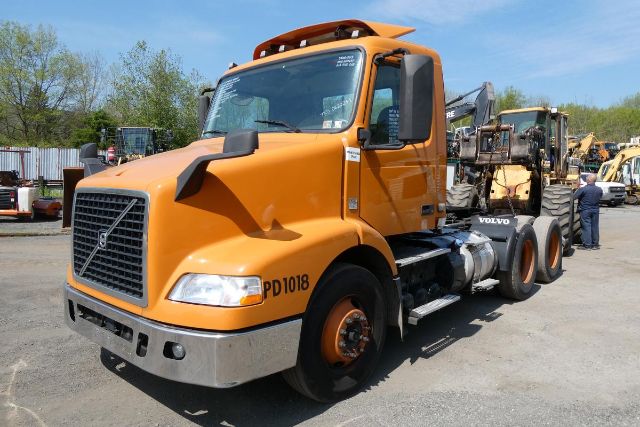
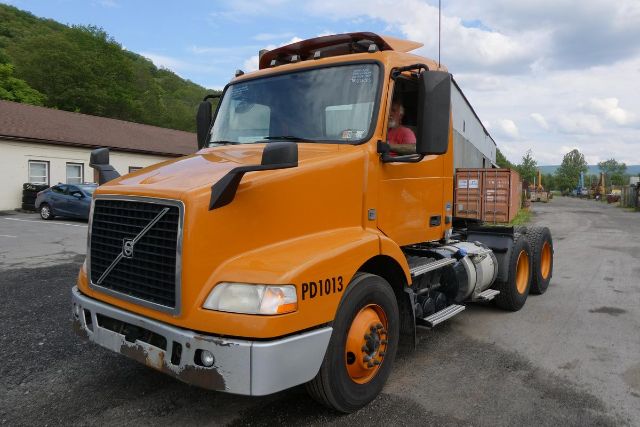
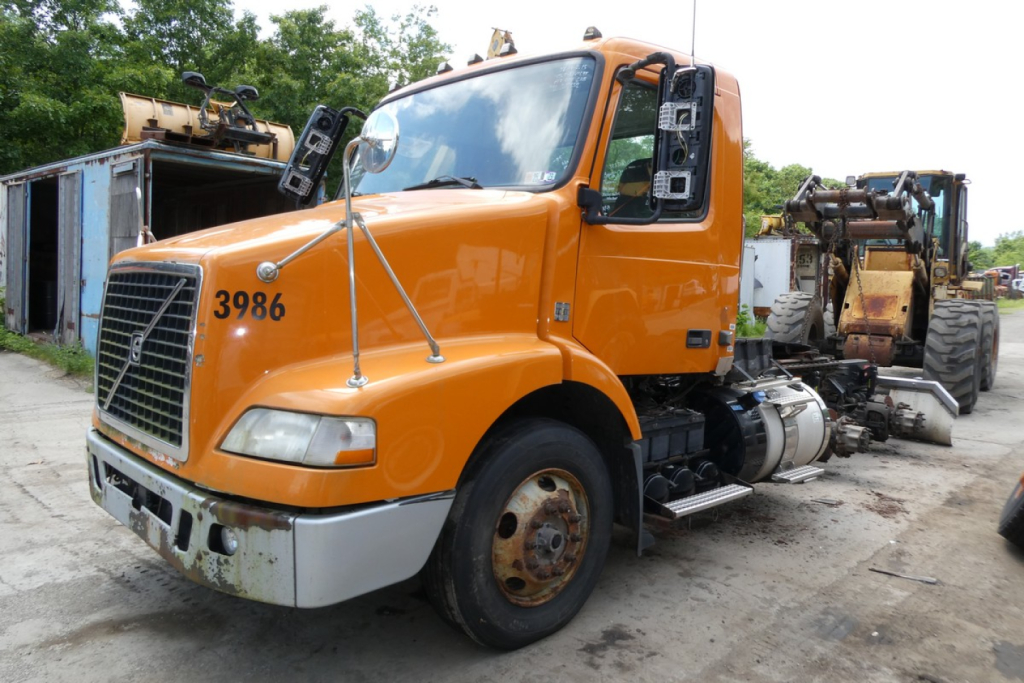

Selling a used 2015 conventional daycab truck? List your used 2015 conventional daycab truck for sale and reach thousands of commercial buyers.
Used 2015 Conventional Daycab Trucks
Frequently Asked Questions about Used 2015 Conventional Daycab Trucks
What should I look at first on a used 2015 conventional daycab truck?
Start with the drivetrain match: engine rating, transmission type, rear axle ratio, suspension, and wheelbase. A 455 hp road spec with a 3.42 ratio and air ride will behave very differently from a vocational daycab with a shorter wheelbase, heavier rear suspension, and deeper gearing. After that, review miles, engine hours, maintenance records, emissions history, and signs of idle-heavy service. On a 2015 truck, DEF and aftertreatment condition matter as much as the engine itself.
Are 2015 daycab trucks good for regional and local hauling?
Yes. A 2015 conventional daycab is often a strong fit for regional freight, dedicated routes, drayage, and city-to-city work because it reduces empty weight and keeps the chassis compact. Many buyers prefer daycabs for applications with frequent docking, tighter turns, and drivers who return home daily. The best spec depends on trailer type, average payload, terrain, and how often the truck runs at highway speed versus stop-and-go duty.
What wheelbase is common on a conventional daycab?
Common wheelbases often fall in the mid-150-inch to 200-inch range, but the right number depends on fifth wheel placement, bridge law requirements, trailer swing clearance, and whether the truck has extras like a wet kit, lift axle, or frame-mounted equipment. Shorter wheelbases improve maneuverability, while longer wheelbases can help with ride quality, frame space, and certain axle spread requirements. Buyers should also verify cab-to-axle and cab-to-end dimensions when planning body or equipment fitment.
Do used 2015 daycabs usually come with manual or automated transmissions?
Both are common. Many 2015 conventional daycab trucks were spec'd with 10-speed or 13-speed manuals, while automated manuals became increasingly common in regional and fleet service. A manual can appeal to buyers who want simplicity and direct control, especially in vocational or mixed-duty applications. An automated manual may improve driver acceptance and consistency, but buyers should confirm clutch life, shift performance, software updates, and overall service history.
What emissions-related issues are important on a 2015 used truck?
For a 2015 model, inspect the full emissions system including DEF components, DPF service history, regen frequency, sensors, wiring, and any fault codes. Ask whether the truck has had repeated derate events, injector problems, or aftertreatment replacements. A truck that runs well mechanically can still become expensive if the emissions system has been neglected, so a diagnostic scan and maintenance documentation are important before purchase.