
Used 2015 Volvo Conventional Daycab Trucks For Sale
Shop used 2015 Volvo conventional daycab trucks. Compare VNM specs, D11 or D13 engines, wheelbases, axles, transmissions, and PTO-ready setups.
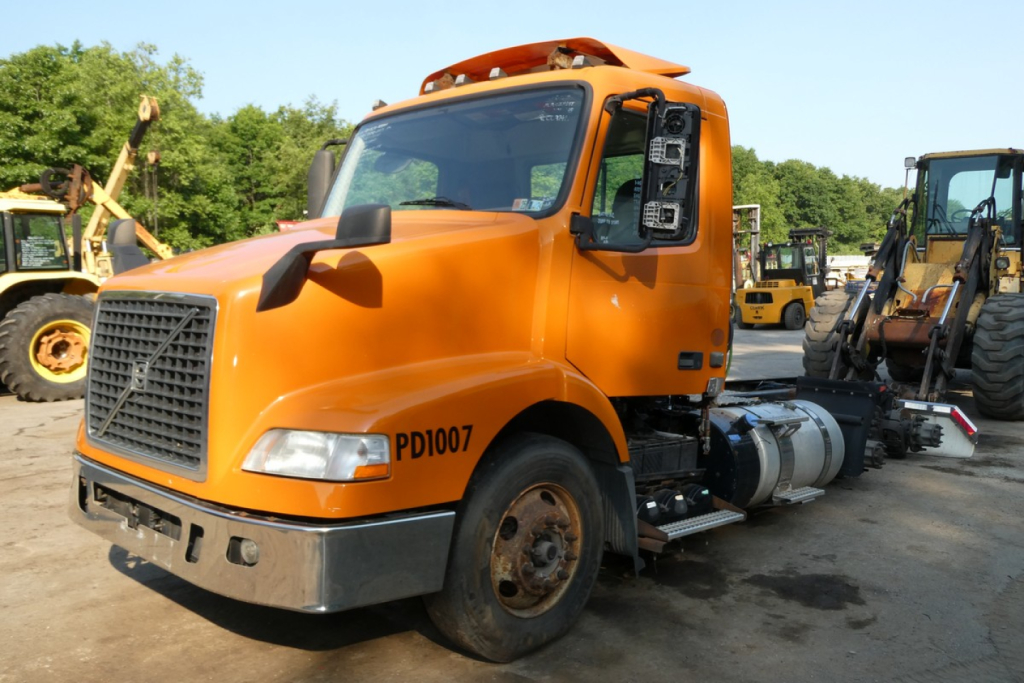
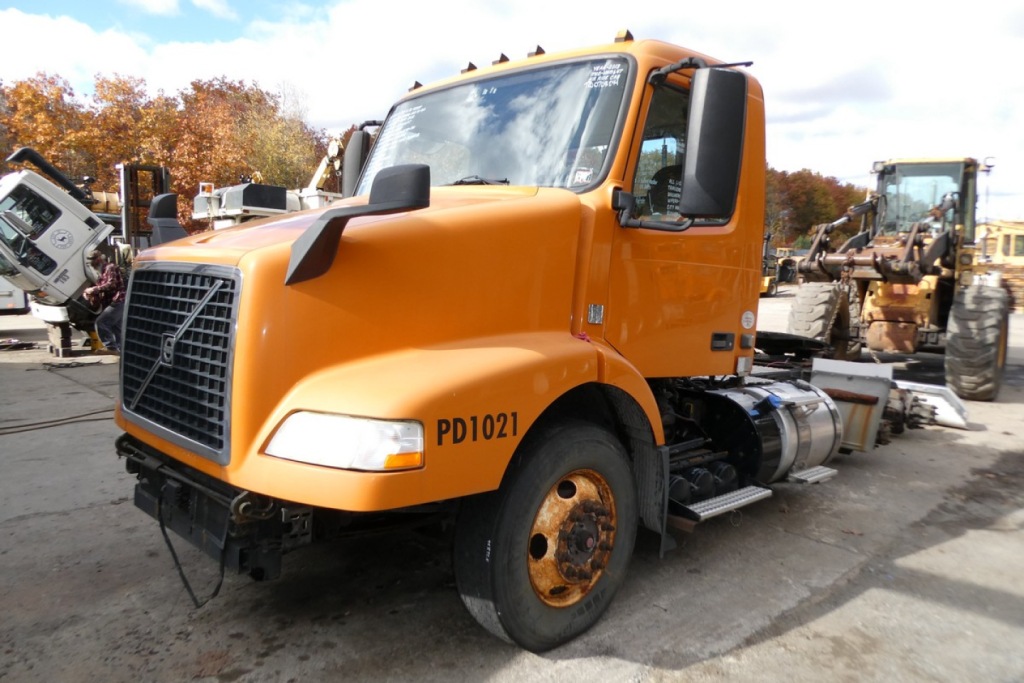
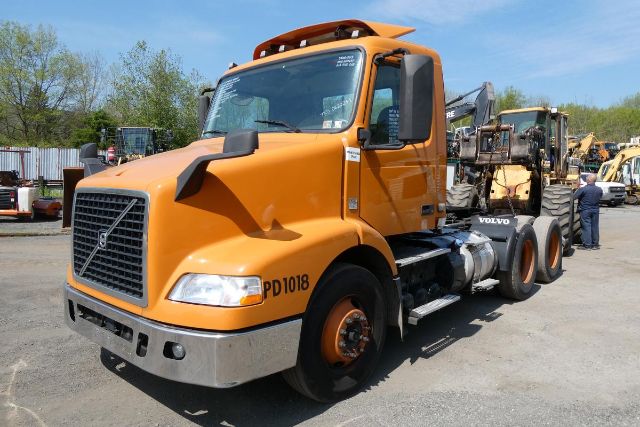
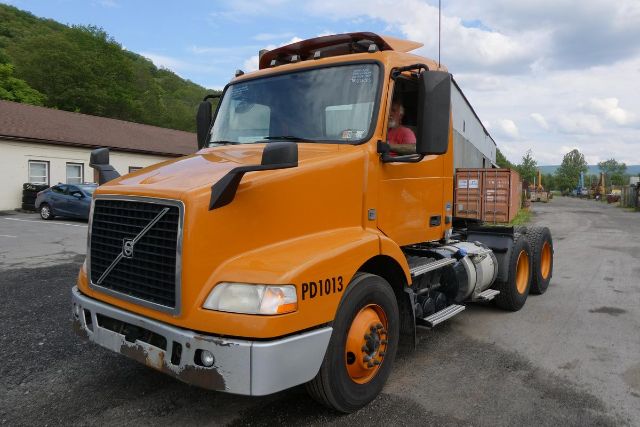
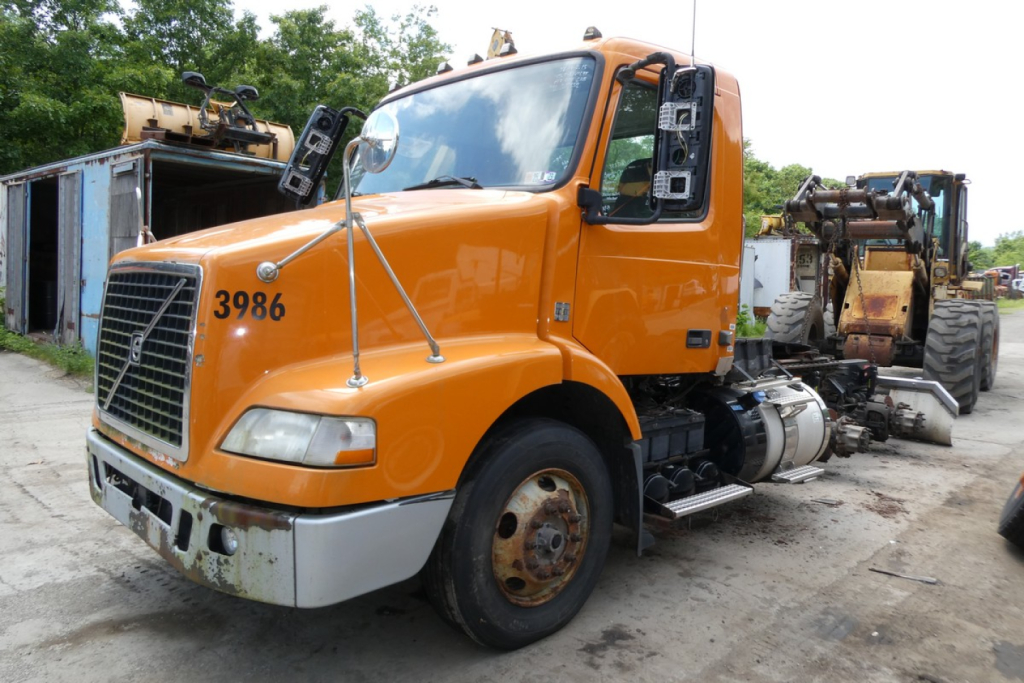
Selling a used 2015 volvo conventional daycab truck? List your used 2015 volvo conventional daycab truck for sale and reach thousands of commercial buyers.
Used 2015 Volvo Conventional Daycab Trucks
The most important spec split is usually engine and driveline. Many 2015 Volvo daycabs came with the Volvo D11 or D13, with horsepower commonly ranging from the mid-300s into the 400-plus range depending on application. A D11-powered truck can make sense for lower gross weights and city or short regional routes, while a D13 is more common for heavier vocational or highway work. Transmission choice matters just as much. Volvo I-Shift automated manuals are popular for fuel economy, driver acceptance, and reduced clutch wear, while a manual Fuller can still appeal to fleets that want a simpler service approach. Buyers should also compare rear axle ratings, ratio, and suspension setup because a 23,000-pound rear and 3.42 ratio daycab is a very different truck from a tandem 40,000-pound rear with a 2.64 ratio and power divider.
Wheelbase, cab-to-axle, and fifth wheel configuration determine how useful the truck will be in your operation. Shorter wheelbase Volvo daycabs are easier around terminals, docks, and urban routes, while longer tandem axle specs are better suited for heavier trailer work and higher GCWR applications. Common details in this class include stationary or air slide fifth wheels, single-frame layouts, 11R22.5 tires, steel hub-pilot wheels, and Volvo air ride suspensions. Air disc brakes are a strong selling point on many Volvo daycabs from this era because they improve stopping consistency and can simplify service diagnostics for some fleets. If the truck will be used for PTO or vocational upfitting, confirm frame space, transmission compatibility, and any existing hydraulic or electrical provisions before purchase.
On a used 2015 Volvo daycab, condition matters more than badge appeal. Odometer reading should be weighed against engine hours, idle time, service records, and signs of transmission or aftertreatment problems. Pay close attention to check-engine lights, DEF system history, clutch actuator operation on I-Shift units, air conditioning performance, and wear in suspension, steering, and brake components. A well-spec'd Volvo conventional daycab can be a durable, fuel-efficient choice for regional fleets and owner-operators, but the right truck is the one whose axle ratings, gearing, wheelbase, and maintenance history match the job it is expected to do every day.
Frequently Asked Questions about Used 2015 Volvo Conventional Daycab Trucks
What is the most common application for a 2015 Volvo conventional daycab?
A 2015 Volvo conventional daycab is most commonly used for regional freight, local pickup and delivery, port drayage, dedicated route work, and vocational tractor applications where a sleeper is unnecessary. The daycab layout reduces weight and improves maneuverability, which makes it a practical fit for shorter-haul operations with frequent stops, tight yards, or city driving.
How do I choose between a Volvo D11 and D13 in a used 2015 daycab?
The D11 is generally better suited to lighter gross weights, urban routes, and operations that prioritize lower curb weight and fuel efficiency. The D13 is the better choice for heavier trailers, more highway miles, steeper terrain, or demanding vocational service. The right decision depends on your average payload, route profile, axle ratings, and rear-end ratio, not just horsepower.
Is Volvo I-Shift a good transmission for a 2015 daycab truck?
Volvo I-Shift is widely regarded as a strong option for regional and local fleet work because it helps with fuel economy, reduces driver fatigue, and avoids much of the clutch wear associated with manual transmissions. On a used truck, the key is condition. Buyers should verify smooth engagement, clutch actuator performance, software history, and any prior transmission fault codes before making a decision.
What specs matter most when comparing used Volvo daycabs?
The most important specs are engine model, horsepower, transmission type, rear axle rating, axle ratio, suspension capacity, wheelbase, and fifth wheel setup. Those items determine how the truck will perform with your trailers and your route structure. Brake type, tire size, cab-to-axle measurement, and whether the truck has a power divider or air slide fifth wheel also matter when matching the truck to a specific operation.
What should I inspect first on a used 2015 Volvo conventional daycab?
Start with the emissions system, engine fault history, transmission operation, and maintenance documentation. Then inspect brake wear, suspension bushings and airbags, steering components, tires, frame condition, and any signs of oil, coolant, or air leaks. Odometer miles alone do not tell the whole story. Engine hours, idle time, and evidence of consistent service are often better indicators of remaining value.