
Used Conventional Daycab Trucks For Sale in Georgia
Shop used conventional daycab trucks in Georgia. Compare specs like wheelbase, engine, transmission, wet kit, suspension, and axle ratings.
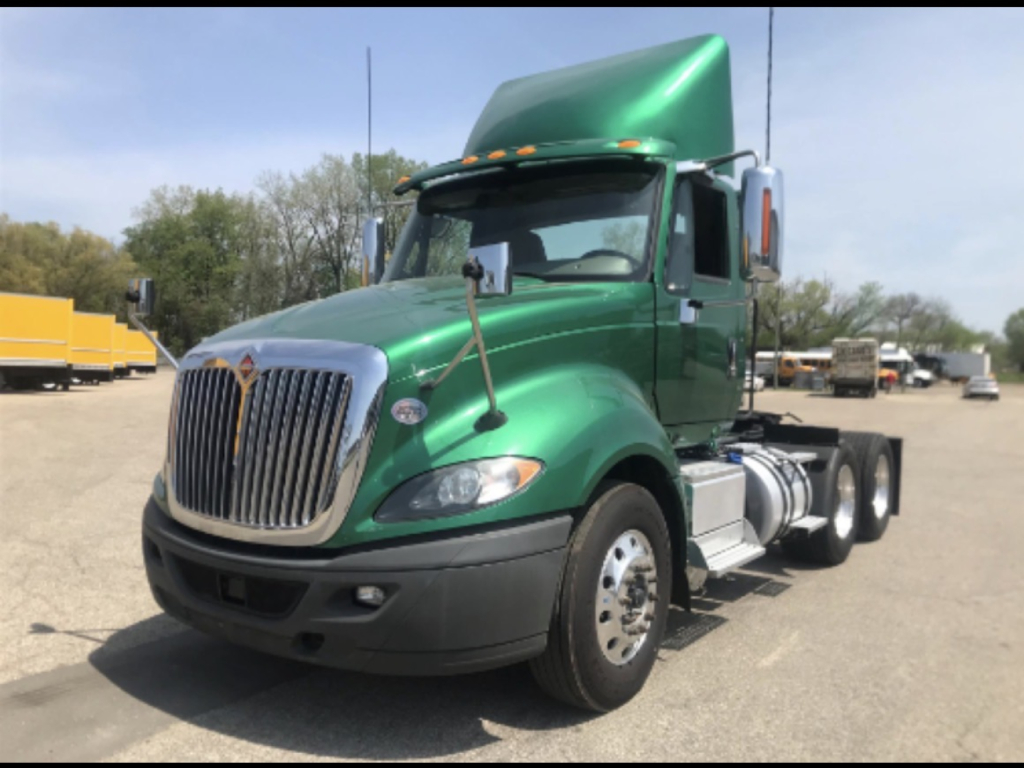
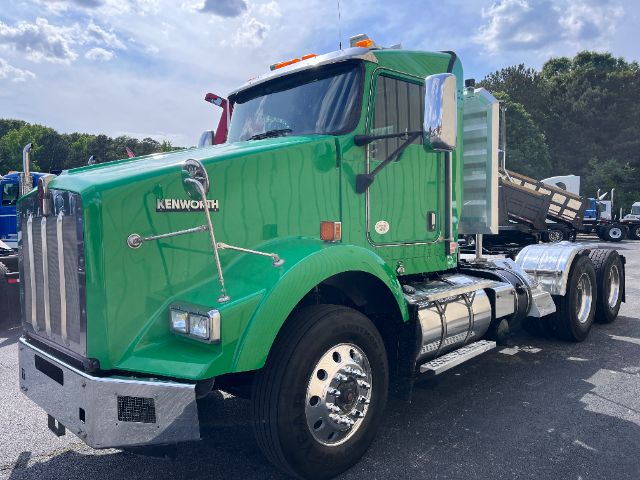
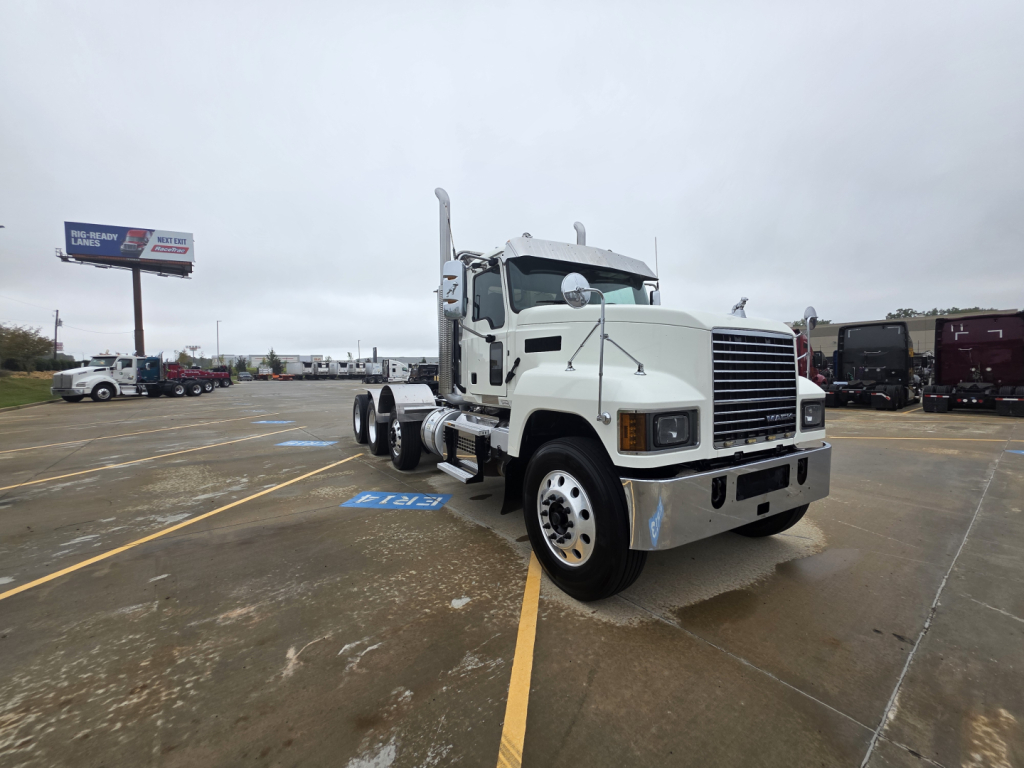
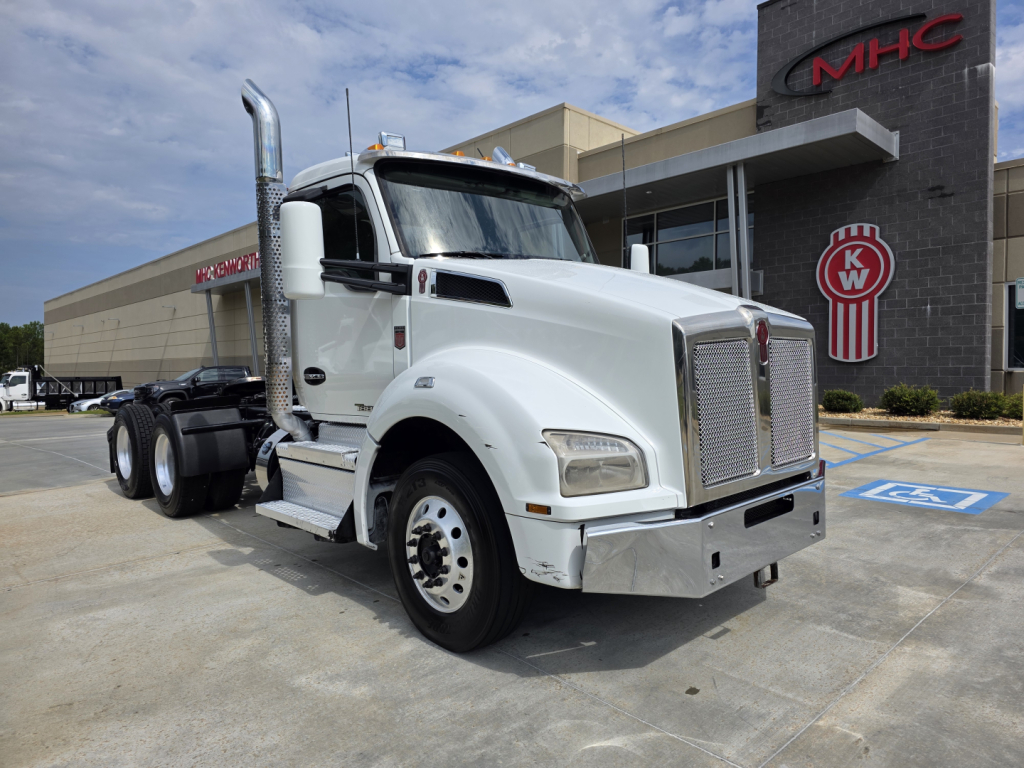
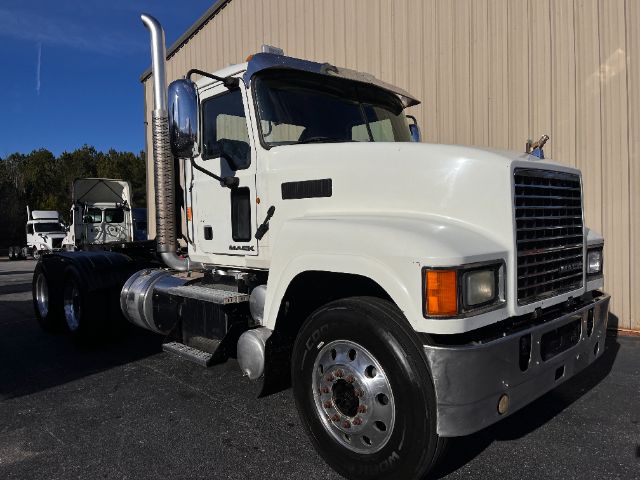
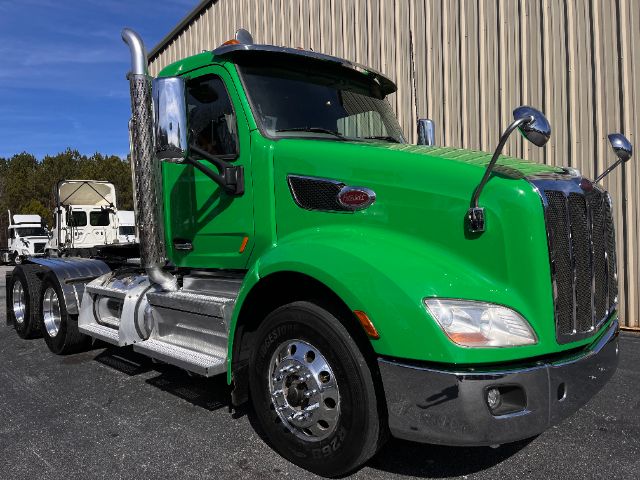

Selling a used conventional daycab truck? List your used conventional daycab truck for sale and reach thousands of commercial buyers.
Used Conventional Daycab Trucks in Georgia
The key buying decisions are engine, transmission, axle ratings, and frame setup. Common used specs in this category include 12,000-lb front axles, 40,000-lb rears, tandem air ride suspensions, and horsepower in the 400 to 450 HP range from engines like the Cummins ISX, Detroit DD13, or Mack MP8. Buyers should match gearing and transmission type to the job. An automated manual or automatic can help in city and regional service, while a 10-speed manual still appeals in vocational and mixed-duty applications. Wheelbase affects turning radius, deck space, and bridge law flexibility, and features like an air slide 5th wheel, dual exhaust, and aluminum wheels may matter depending on trailer mix and operating cost priorities.
A lot of used daycabs are configured for specialized trailer work. Wet kits are common on units that pull dump, walking floor, lowboy, or other hydraulic trailers, and a headache rack can be useful when the truck sees flatbed or equipment-hauling service. Suspension design also matters. Air ride generally improves ride quality and protects freight, while heavy-duty multi-bag setups are often preferred for higher GVW applications. Tire profile, kingpin setting compatibility, and 5th wheel travel range should all be checked if the truck will switch between trailer types.
Condition matters more than badge alone in this category. On a used conventional daycab, buyers should pay close attention to emissions system history, engine brake operation, clutch or automated transmission calibration, suspension wear, steer tire wear patterns, and signs of frame modifications around the 5th wheel area. Service records, ECM downloads, and evidence of recent repairs such as turbo, aftertreatment, or driveline work can tell you more than paint and interior appearance. The best daycab for the job is the one spec'd correctly for payload, trailer type, route density, and maintenance budget.
Frequently Asked Questions about Used Conventional Daycab Trucks in Georgia
What is a conventional daycab truck used for?
A conventional daycab truck is a highway tractor without a sleeper compartment, designed for routes where the driver returns the same day or does not need overnight accommodations. These trucks are commonly used for regional freight, drayage, tanker work, dump trailer pulling, port service, dedicated shuttle runs, and some heavy haul support. Their shorter overall length and lower curb weight can improve maneuverability and payload efficiency compared with a sleeper tractor.
What specs matter most when buying a used daycab?
The most important specs are engine rating, transmission type, rear axle ratio, suspension, axle capacities, wheelbase, and 5th wheel setup. A buyer should also confirm whether the truck has a wet kit, sliding 5th wheel, or other job-specific equipment. Matching those specs to the trailer and route is critical. A truck used for regional dry van freight may need a different configuration than one pulling a dump trailer or operating in stop-and-go port service.
Is an automatic or manual transmission better in a used conventional daycab?
That depends on the application and driver preference. Automated manual and fully automatic transmissions are popular in regional and urban operations because they reduce driver fatigue, help with consistency in stop-and-go traffic, and can simplify hiring. Manual transmissions remain common in vocational service and with fleets that prefer direct driver control. On a used truck, condition is just as important as transmission type, so shift quality, clutch wear, calibration, and service history should be checked carefully.
Why do some daycab trucks have a wet kit?
A wet kit supplies hydraulic power from the tractor to the trailer. It is commonly used when pulling hydraulic dump trailers, walking floor trailers, lowboys, and other specialized equipment. If your operation requires hydraulic trailer functions, buying a used daycab with the correct wet kit can save time and installation cost. Buyers should verify pump type, reservoir size, plumbing condition, and whether the system matches the trailer equipment they plan to run.
What should I inspect on a used conventional daycab in Georgia?
Focus on mechanical condition, emissions history, and how the truck was previously used. Inspect the engine, aftertreatment system, suspension, steering, brakes, tires, frame rails, and 5th wheel area for wear or modification. In Georgia and the Southeast, regional and port-related use can mean a lot of low-speed cycles, idling, and frequent trailer hookups, so signs of driveline wear, air system leaks, and suspension fatigue deserve close attention. Maintenance records and an ECM report can help confirm mileage, idle hours, and fault history.