
Used 2022 Conventional Daycab Trucks For Sale
Shop used 2022 conventional daycab trucks with current emissions, strong spec variety, and regional-haul capability for vocational or fleet use.
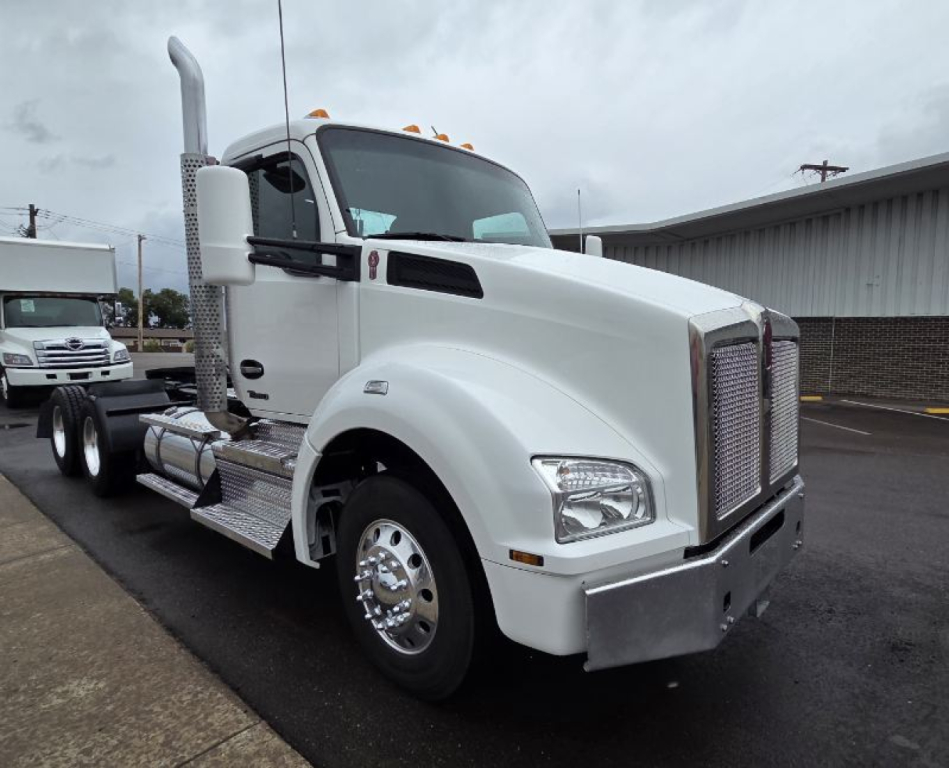
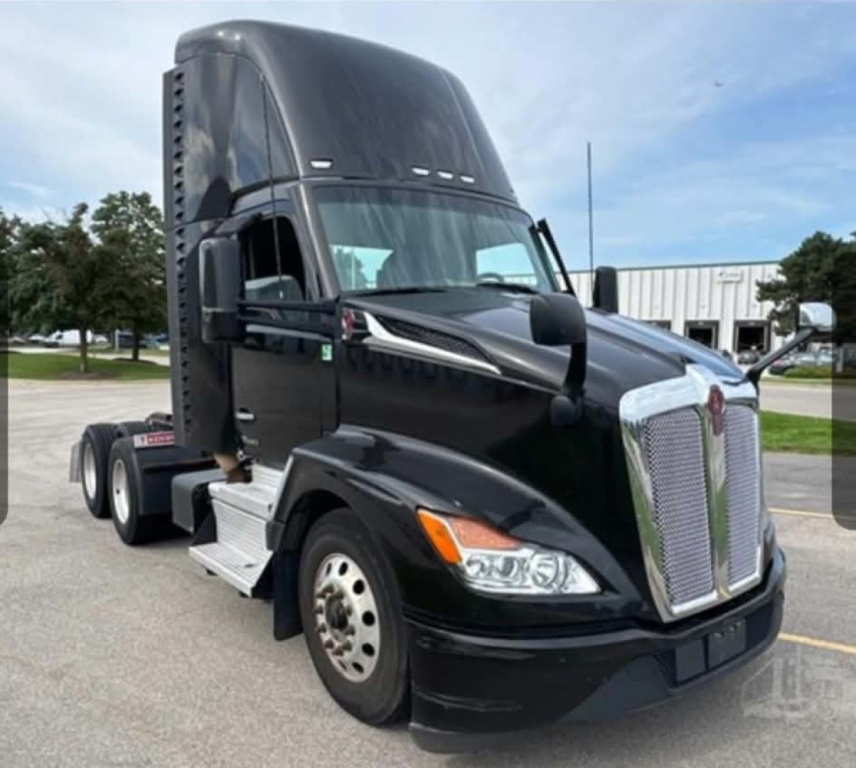
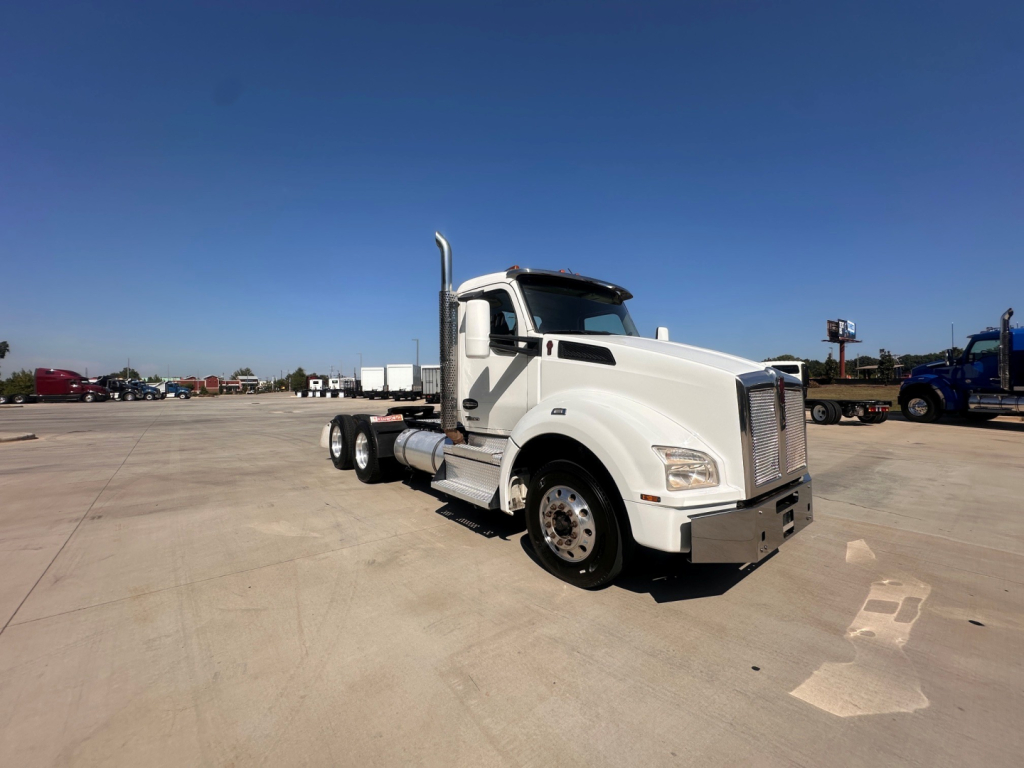
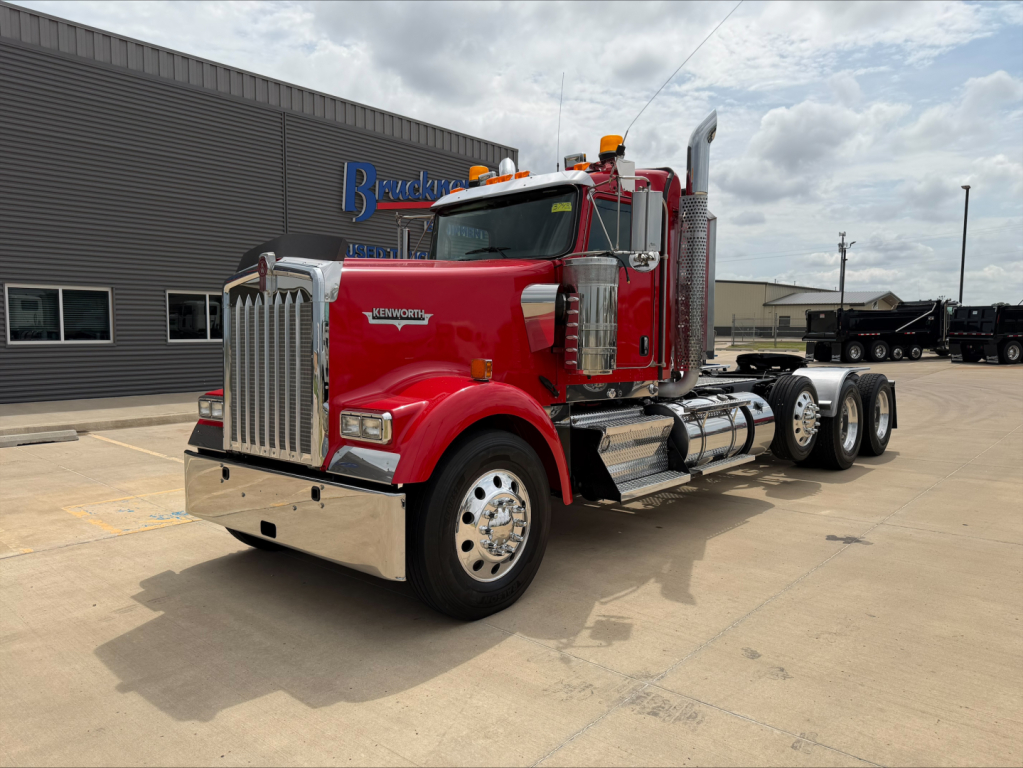
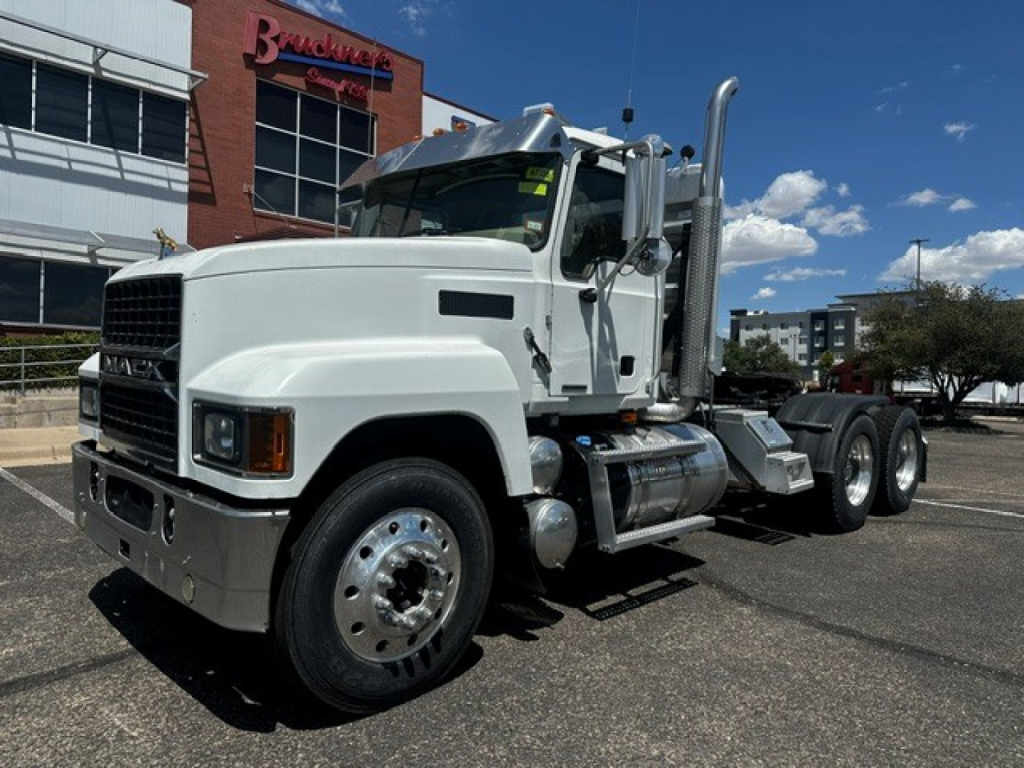
2022 Kenworth T680
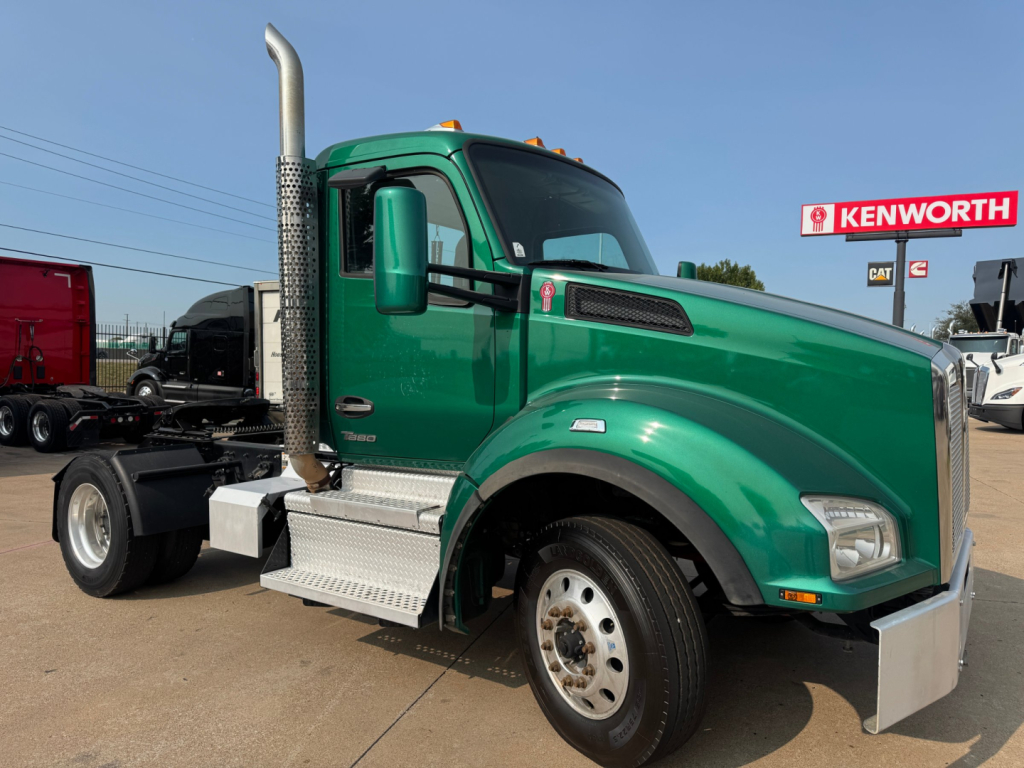
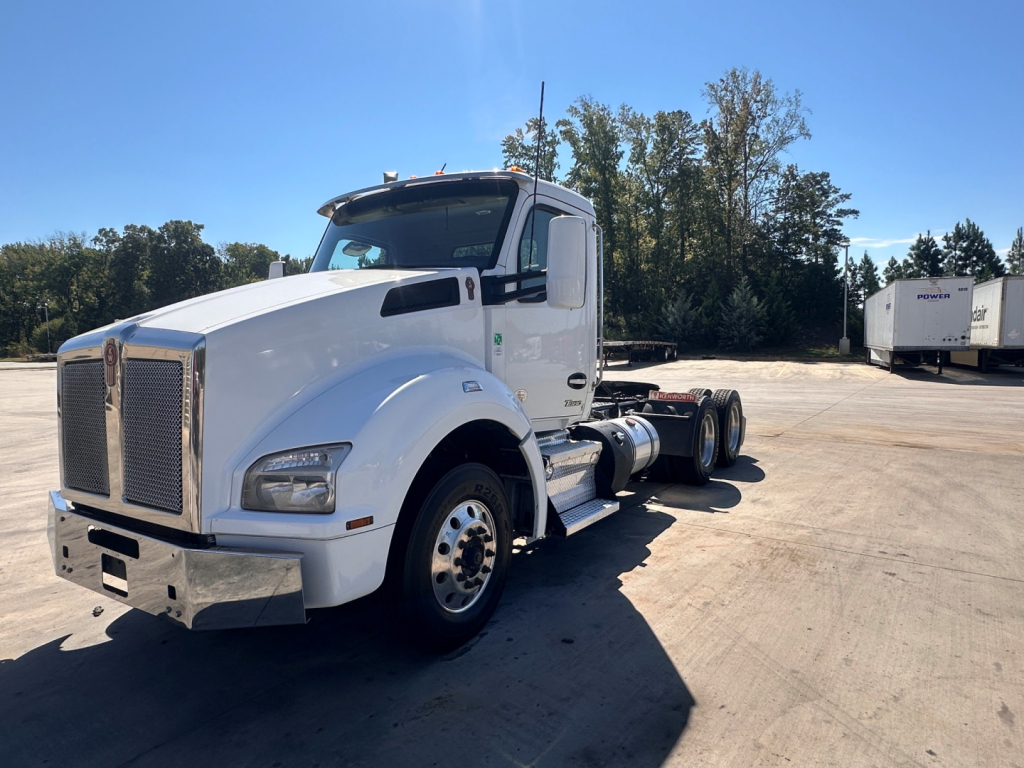
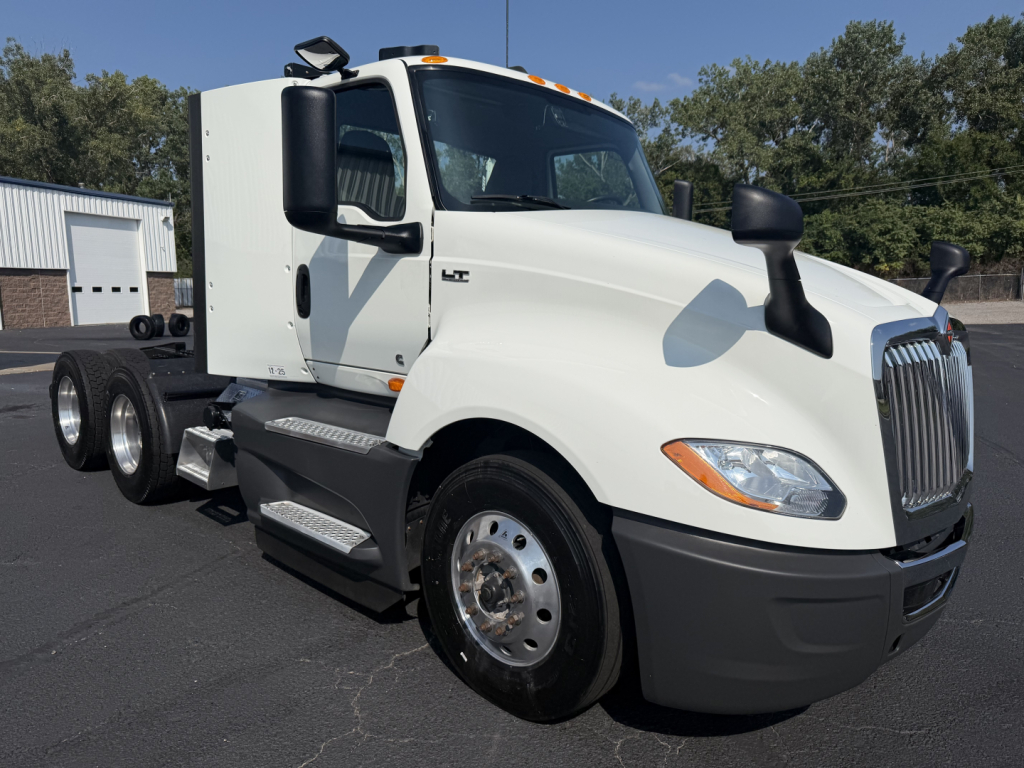
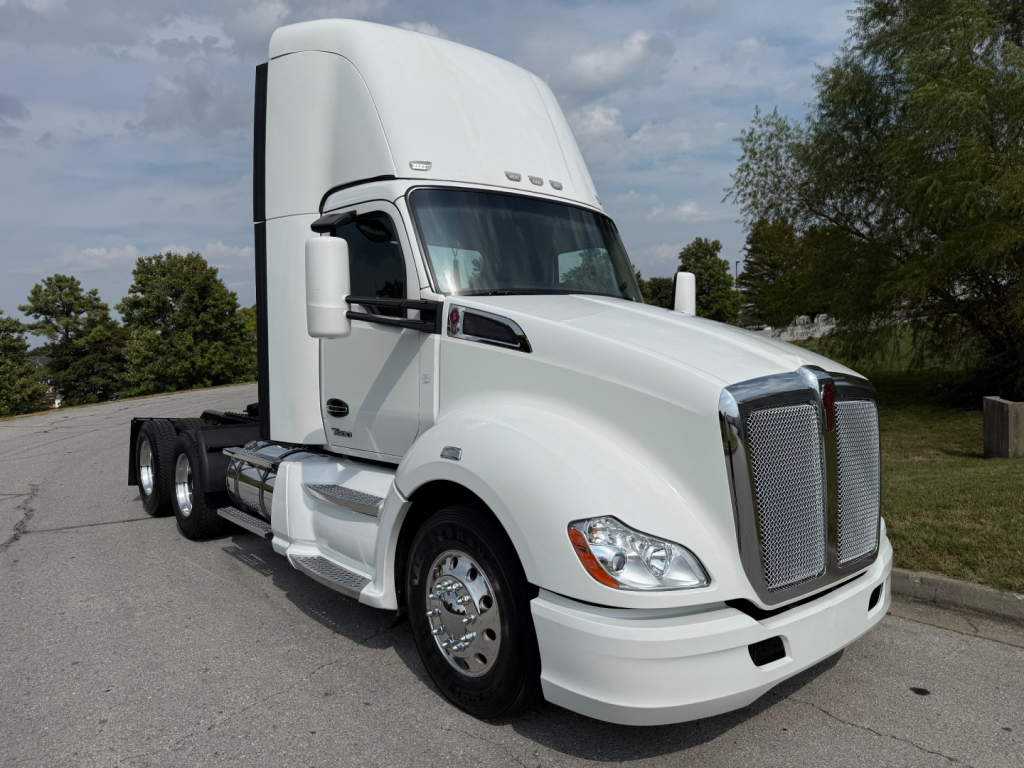
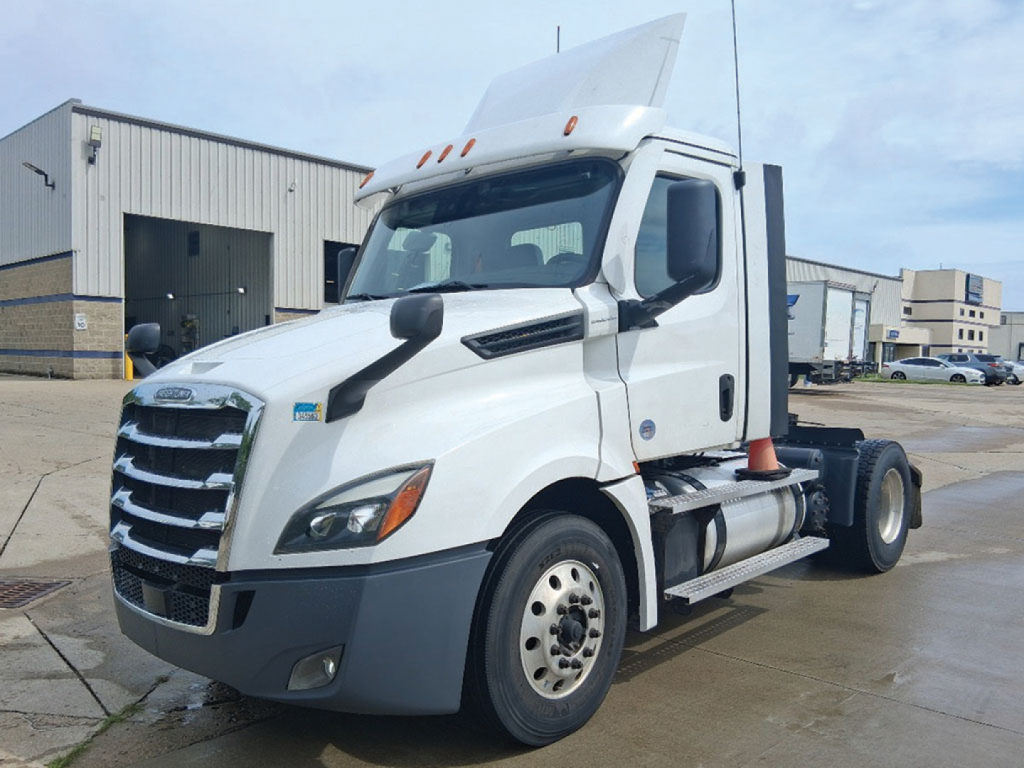
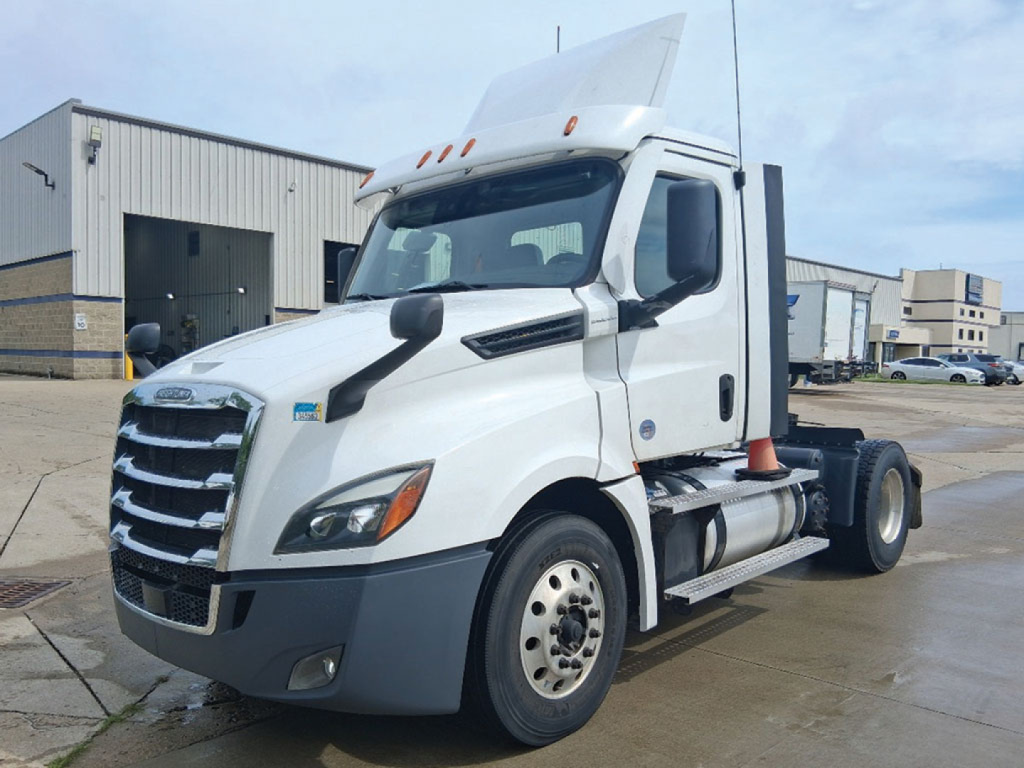
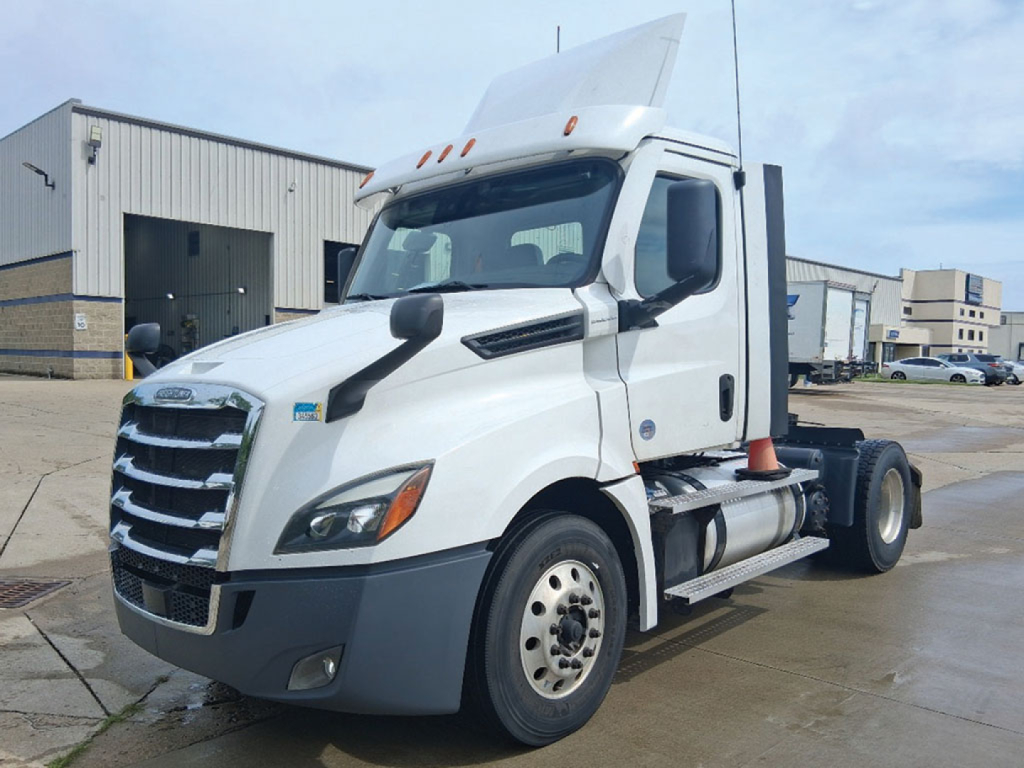
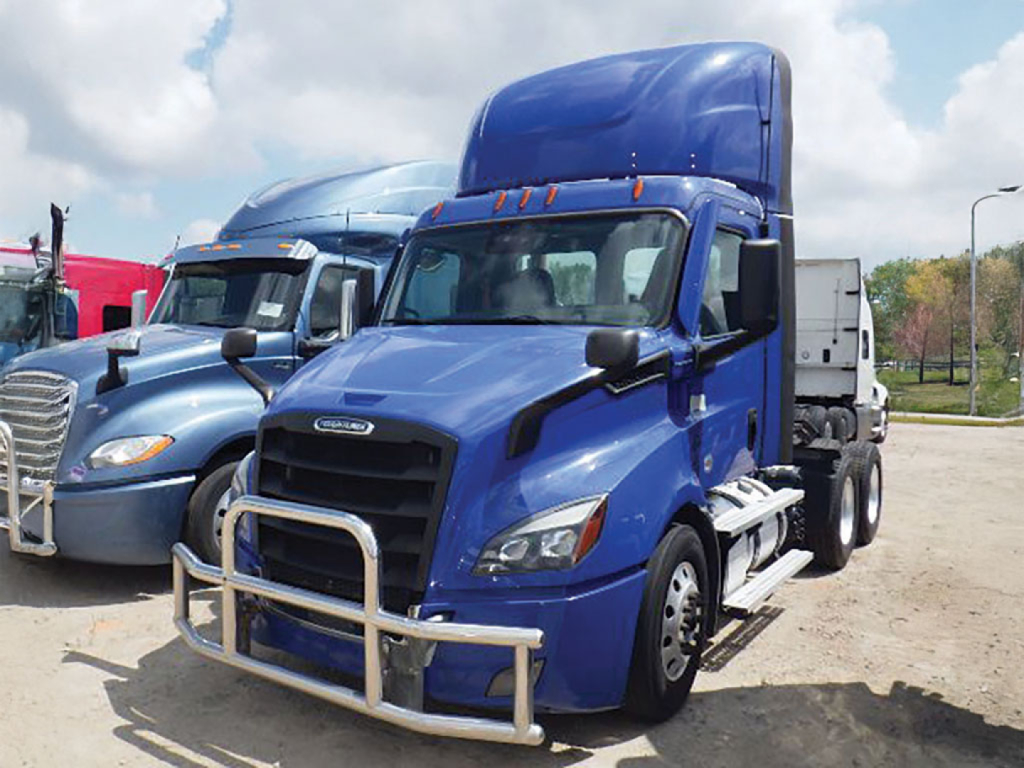
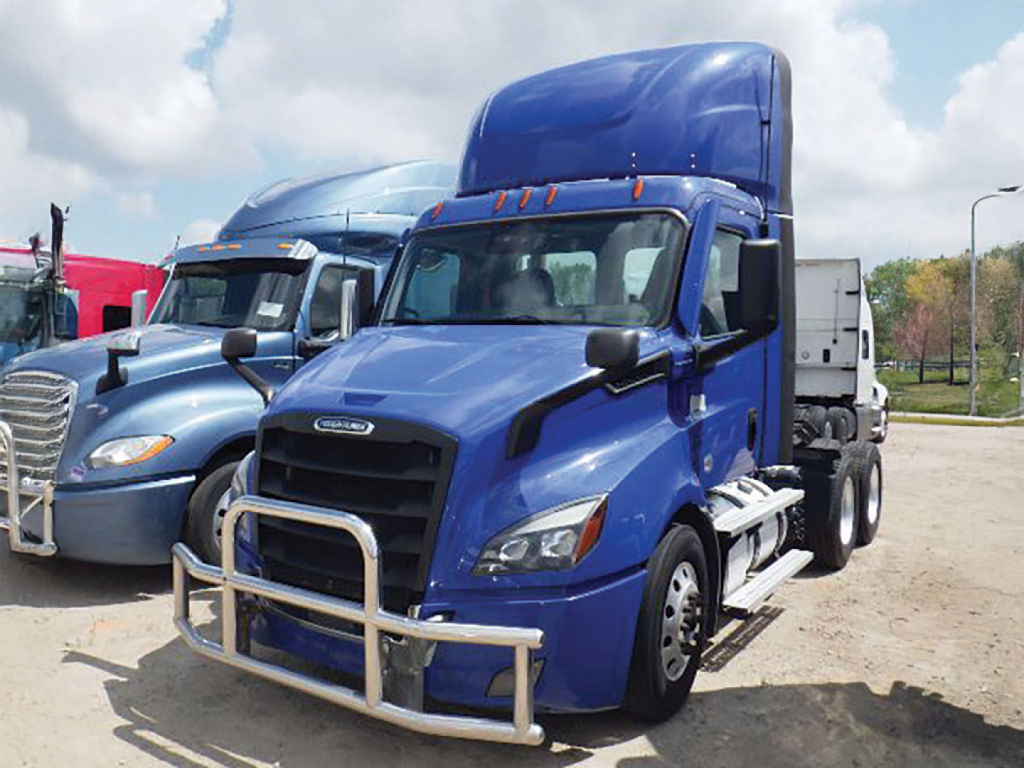
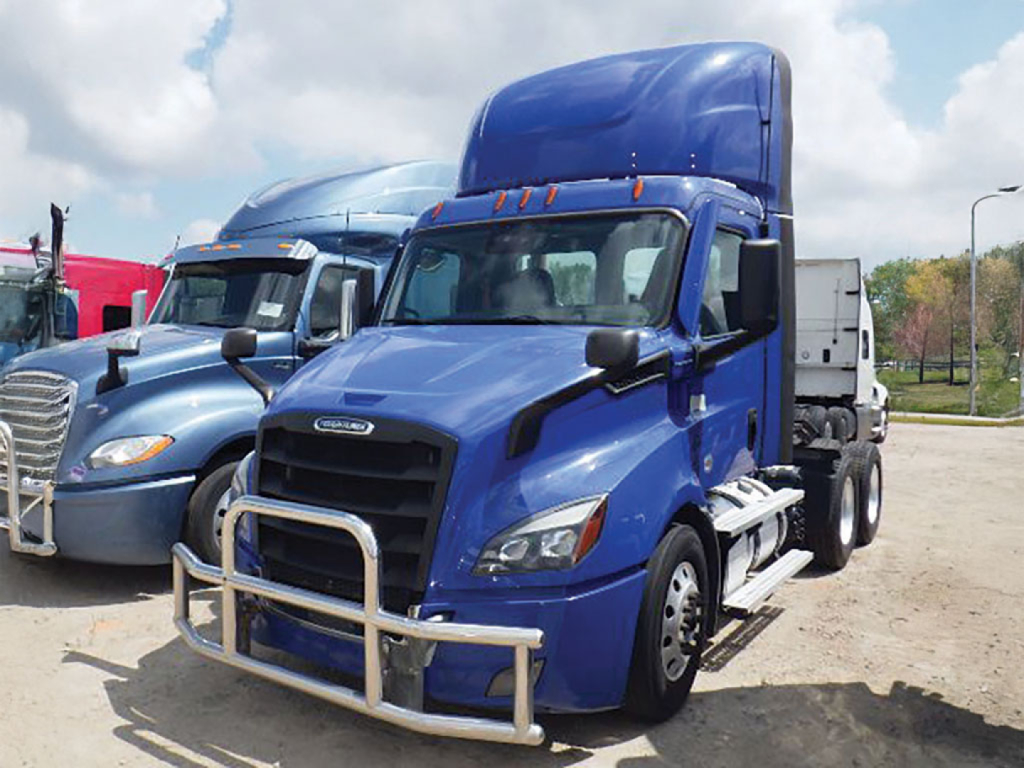
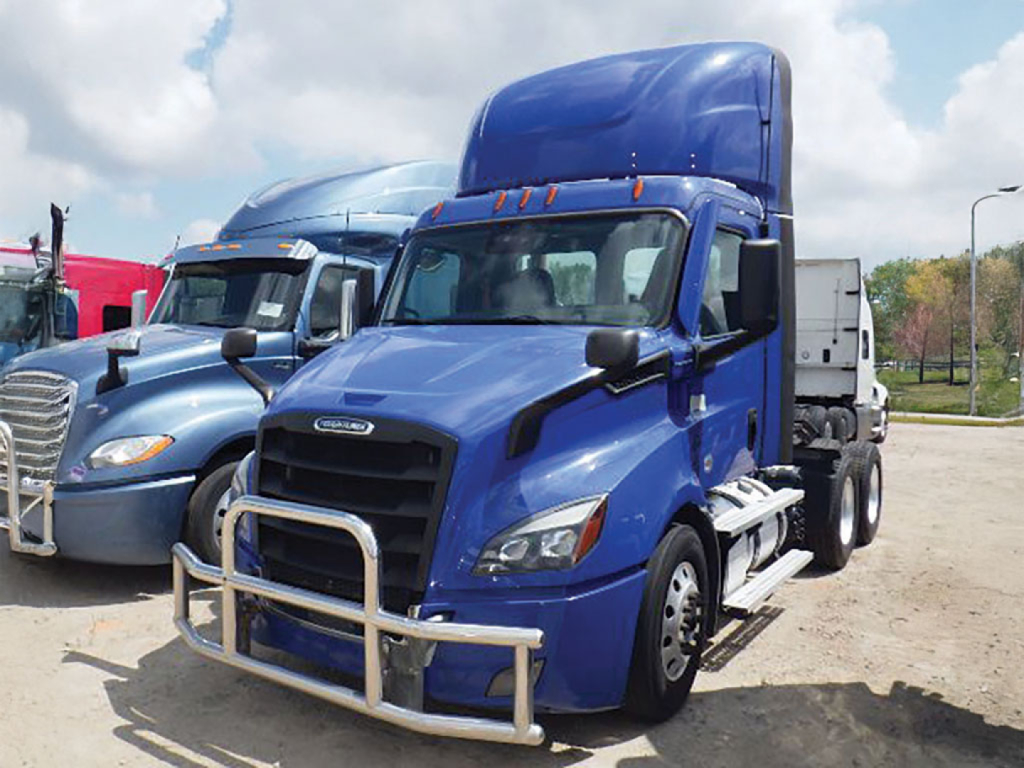
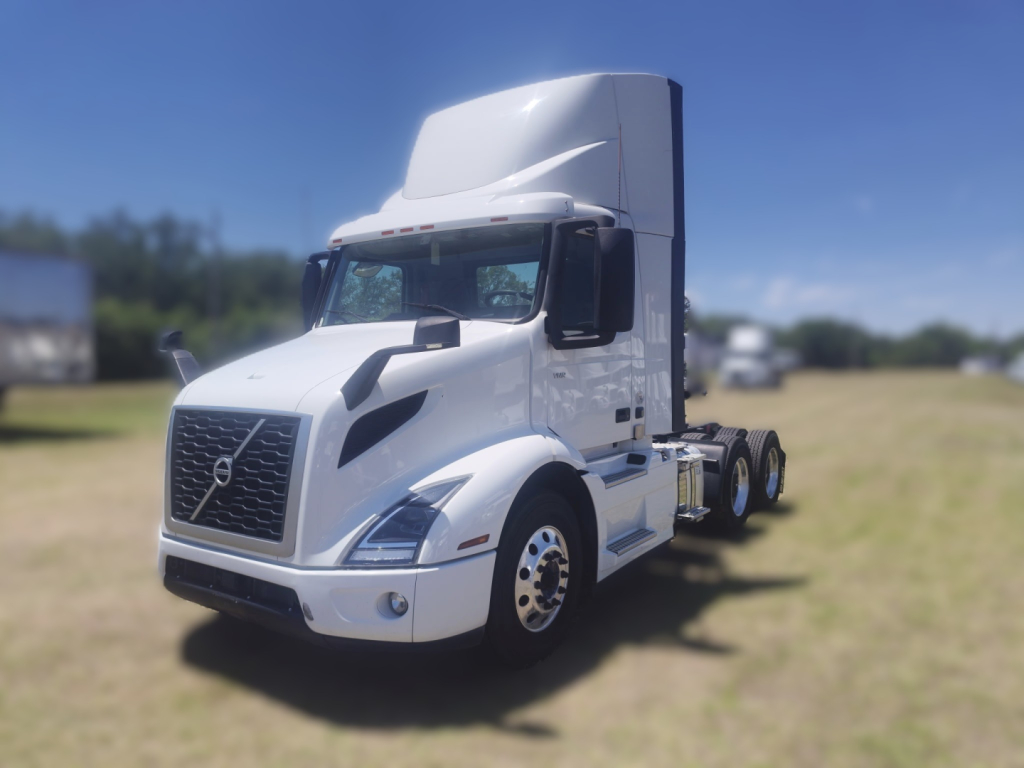
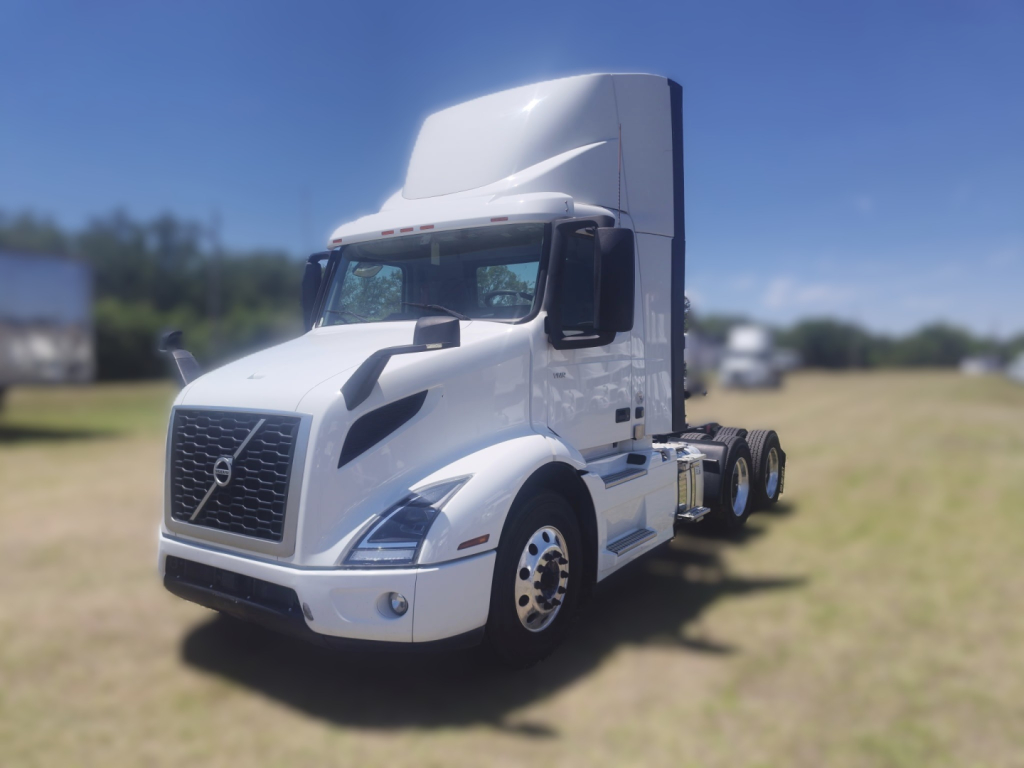
2022 Volvo VNR64T300
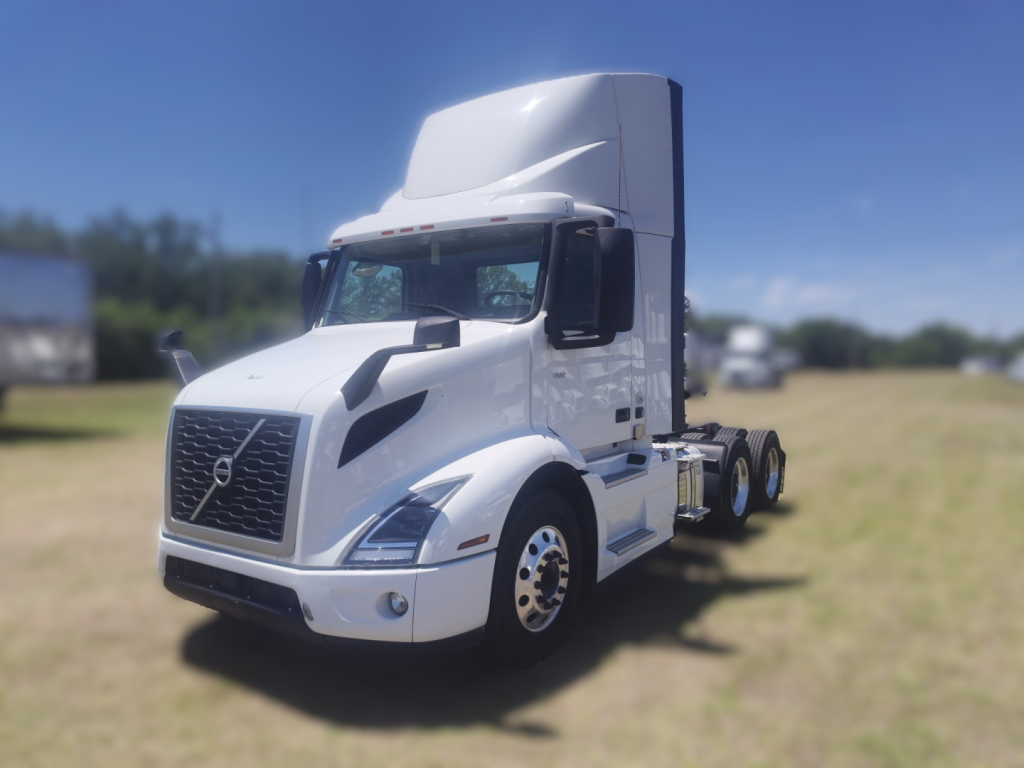
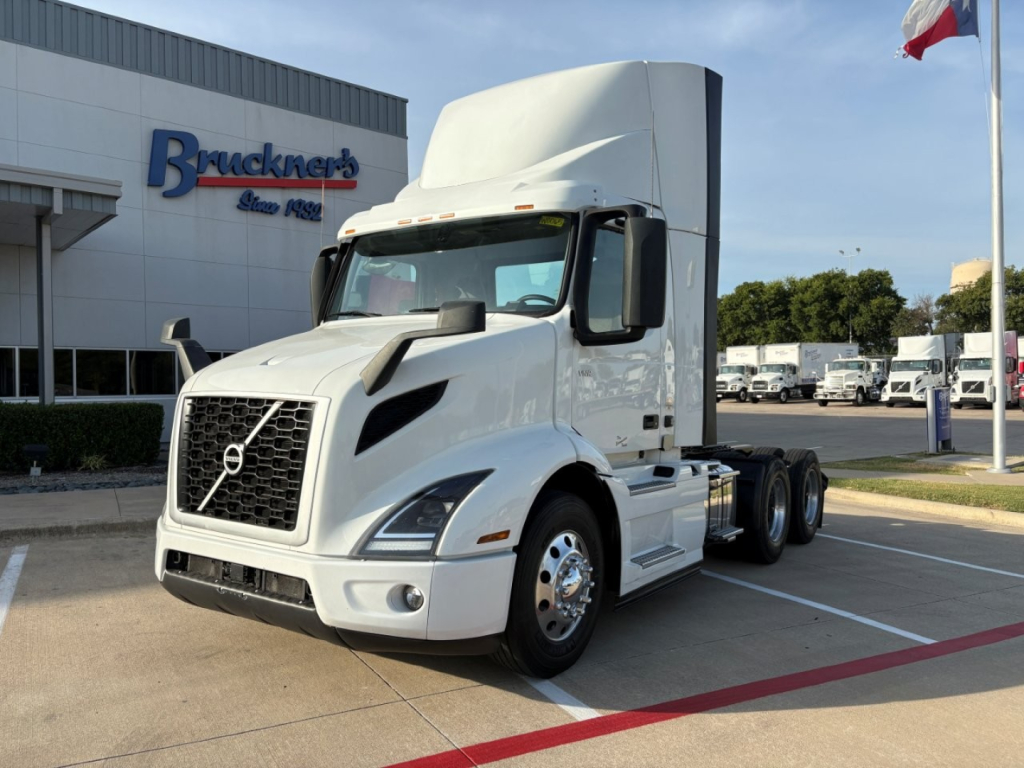
2022 Volvo VNR64T300
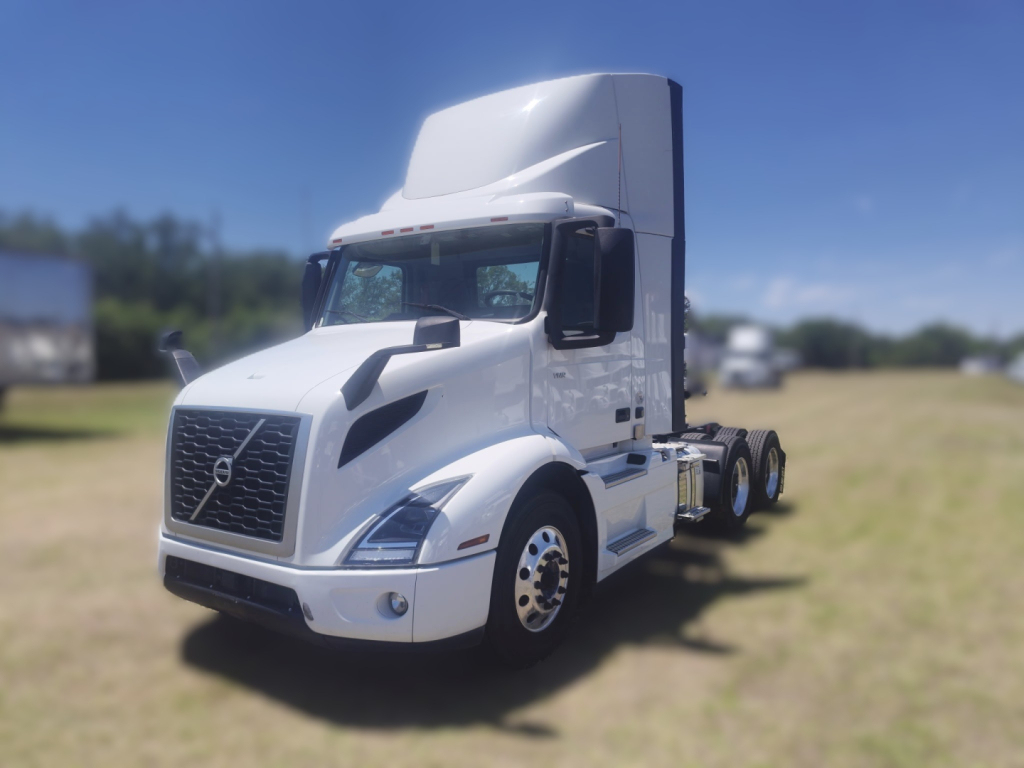
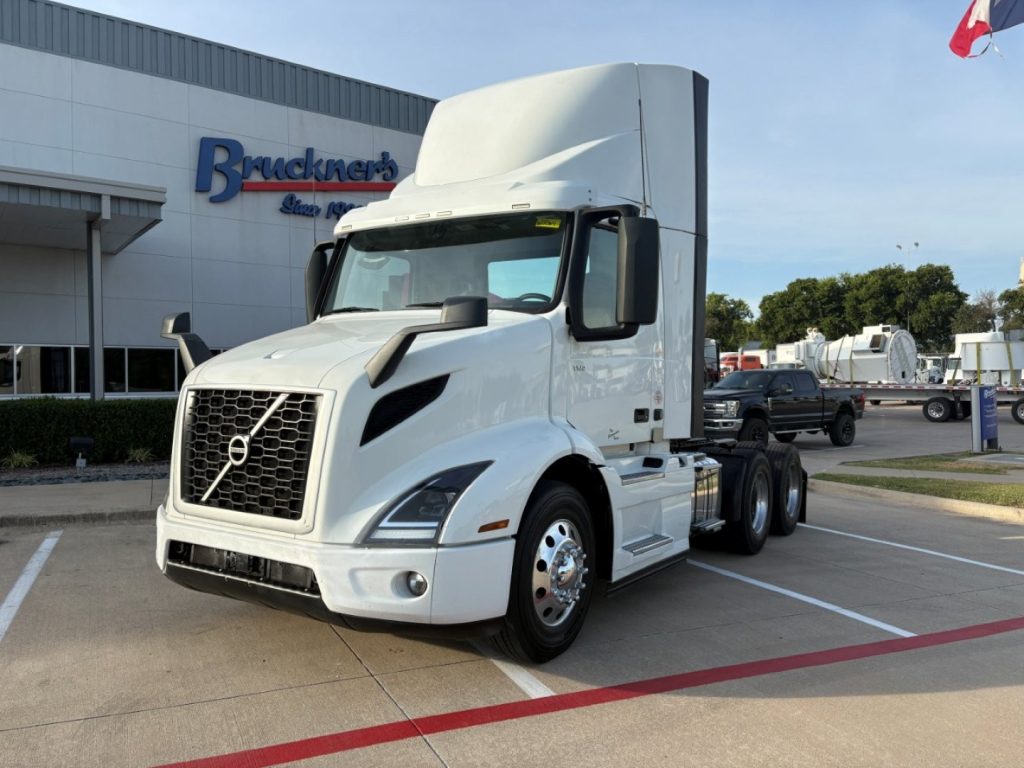
2022 Volvo VNR64T300
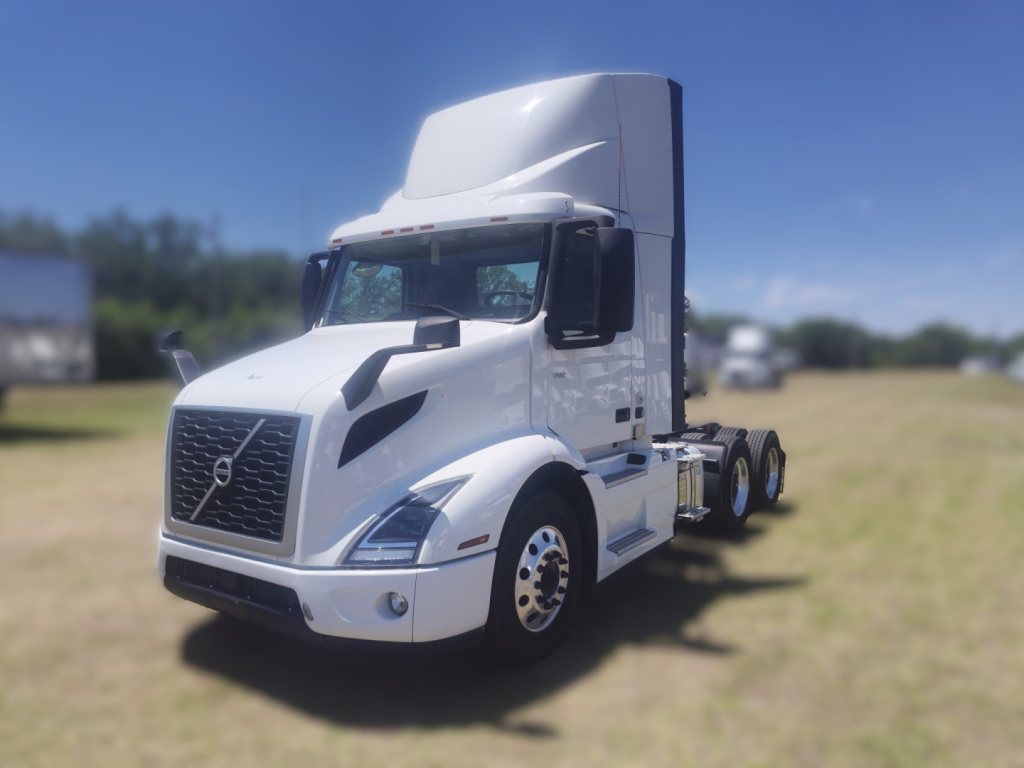
2022 Volvo VNR64T300
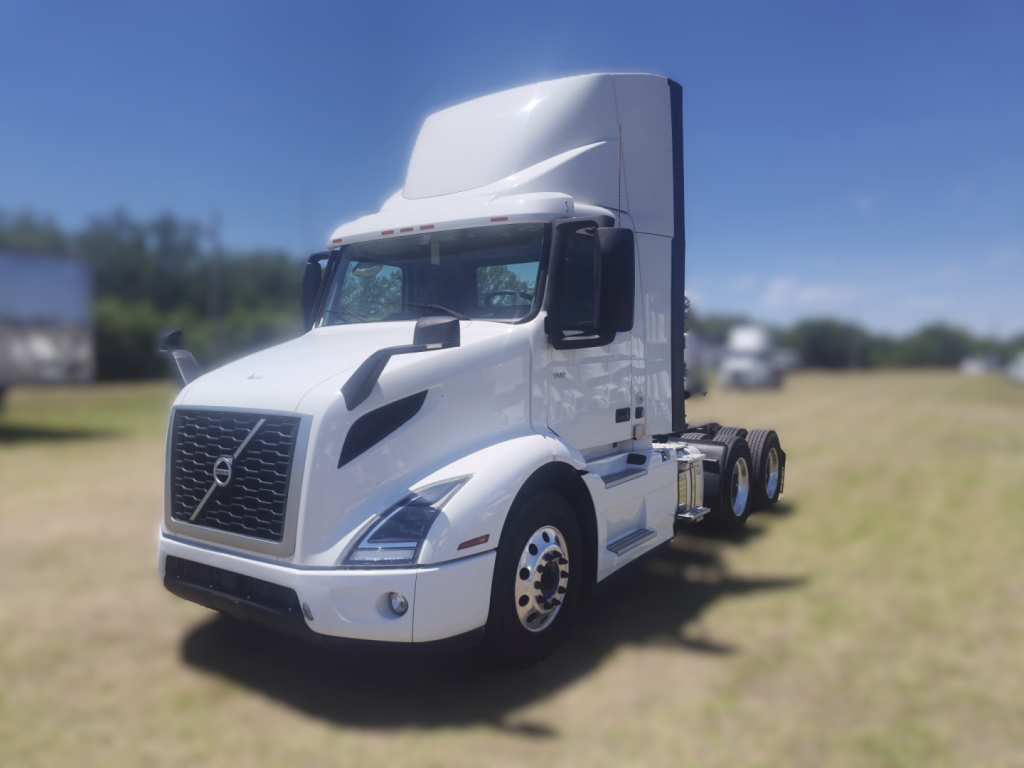
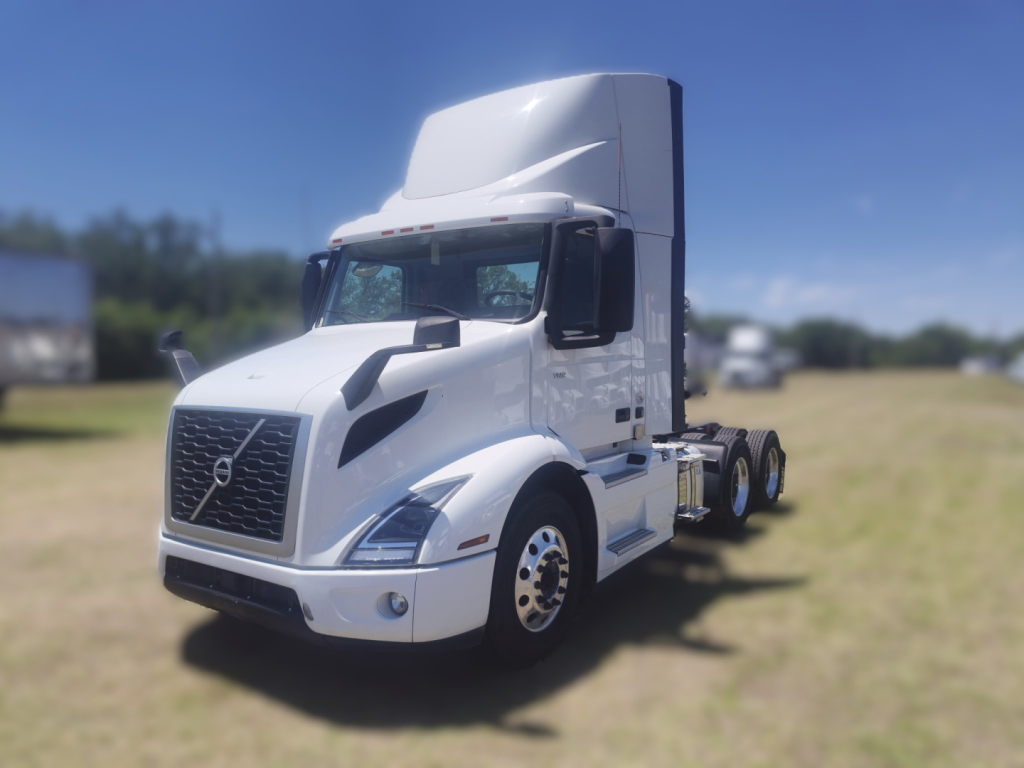
2022 Volvo VNR64T300
Showing 1 to 28 of 37 results
Selling a used 2022 conventional daycab truck? List your used 2022 conventional daycab truck for sale and reach thousands of commercial buyers.
Used 2022 Conventional Daycab Trucks
Specs vary widely even within the same model year, so it pays to match the truck to the job. Common 2022 daycab configurations include 4x2 and 6x4 layouts, front axles around 12,000 pounds, and rears from 20,000 to 46,000 pounds depending on regional or vocational use. Buyers will typically see engine ratings in the 350 to 500 horsepower range with torque calibrated for stop-and-go work, heavier gross combination weights, or fuel-focused highway service. Popular engines in this segment include the Detroit DD13 and DD15, Cummins X12 and X15, Paccar MX-13, and Mack MP series, paired with automated manuals such as the DT12, mDRIVE, Endurant, or Ultrashift, though some fleets still prefer manual transmissions for vocational duty. Rear axle ratios often range from fuel-economy oriented highway gearing up to shorter vocational ratios that improve launch and low-speed control.
A 2022 model year truck often brings the features buyers now expect in fleet turnover units: collision mitigation systems, lane departure warnings, adaptive cruise, disc brakes on some specs, and improved telematics integration. Cab layout matters on a daycab because the truck will see frequent entries, exits, and urban maneuvering. Look for usable dash storage, seat condition, visibility, turning radius, and suspension type, especially if the truck will spend its life on rough terminals, city streets, or job sites. Wheelbase and cab-to-axle dimensions deserve close attention because they affect trailer clearance, bridge law compliance, and how the truck handles tight docks. Sliding fifth wheels, air-ride suspensions, full lockers, wet kits, pintle hitches, and PTO provisions can make one daycab far more suitable than another for the same basic route.
For a used 2022 conventional daycab, inspection priorities should include aftertreatment service history, idle hours, transmission calibration history, brake wear, bushing and suspension condition, and signs of prior fleet maintenance discipline. On newer daycabs, mileage alone does not tell the whole story. A truck with moderate miles but high engine hours may have spent years in heavy urban duty, while a higher-mile unit on steady regional lanes can sometimes show cleaner wear patterns. Review ECM data against the odometer, confirm any active fault codes, and pay attention to tire wear, driveline vibration, DEF system performance, and cooling system records. Buyers comparing multiple listings should focus on total operating fit: engine and transmission pairing, axle ratio, wheelbase, suspension, and intended gross weight are what determine whether a 2022 daycab will be efficient and durable in the lane it is asked to run.
Frequently Asked Questions about Used 2022 Conventional Daycab Trucks
What is a conventional daycab truck best used for?
A conventional daycab truck is best suited for regional haul, local and dedicated routes, port and intermodal work, tanker service, flatbed operations, and many vocational applications where the driver returns home daily. It eliminates sleeper weight and length, which can improve payload, maneuverability, and docking performance. The right spec depends on whether the truck will spend most of its time on highway miles, in city traffic, or pulling heavier loads in vocational service.
What should I look for when buying a used 2022 conventional daycab?
Focus on the job-critical specs first: wheelbase, axle ratings, fifth wheel position, suspension type, transmission, rear axle ratio, and engine horsepower and torque. Then review maintenance records for the emissions system, transmission software updates, brake service, and cooling system work. Engine hours, idle time, and ECM data are especially important on daycabs because many have lived in stop-and-go duty cycles that create different wear patterns than highway mileage alone would suggest.
Are 2022 daycab trucks mostly automatic?
Most 2022 conventional daycab trucks on the market are equipped with automated manual transmissions. Fleets moved heavily toward automated gearboxes for fuel economy consistency, reduced driver fatigue, and easier onboarding. Manual transmissions still appear in some vocational or specialized applications, but buyers shopping late-model daycabs should expect automated manuals to be the dominant transmission type.
How do wheelbase and axle ratio affect a daycab truck?
Wheelbase has a major effect on turning radius, trailer swing clearance, ride quality, and bridge positioning. A shorter wheelbase is often preferred for city work and tight terminals, while a longer wheelbase may suit certain vocational bodies or ride preferences. Axle ratio affects launch performance, cruising RPM, fuel economy, and gradeability. Lower numerical ratios usually favor highway efficiency, while higher numerical ratios provide stronger low-speed pulling power for heavier or more demanding routes.
Why do engine hours matter on a used daycab?
Engine hours help show how the truck was actually used. A daycab with relatively low miles but high hours may have spent much of its life idling, waiting at terminals, working in ports, or running dense urban routes. That kind of service can increase wear on emissions components, cooling systems, and accessories even if odometer miles look attractive. Comparing engine hours to mileage gives a clearer picture of true duty cycle and expected maintenance needs.