
Used 2022 Conventional Daycab Trucks For Sale in Illinois

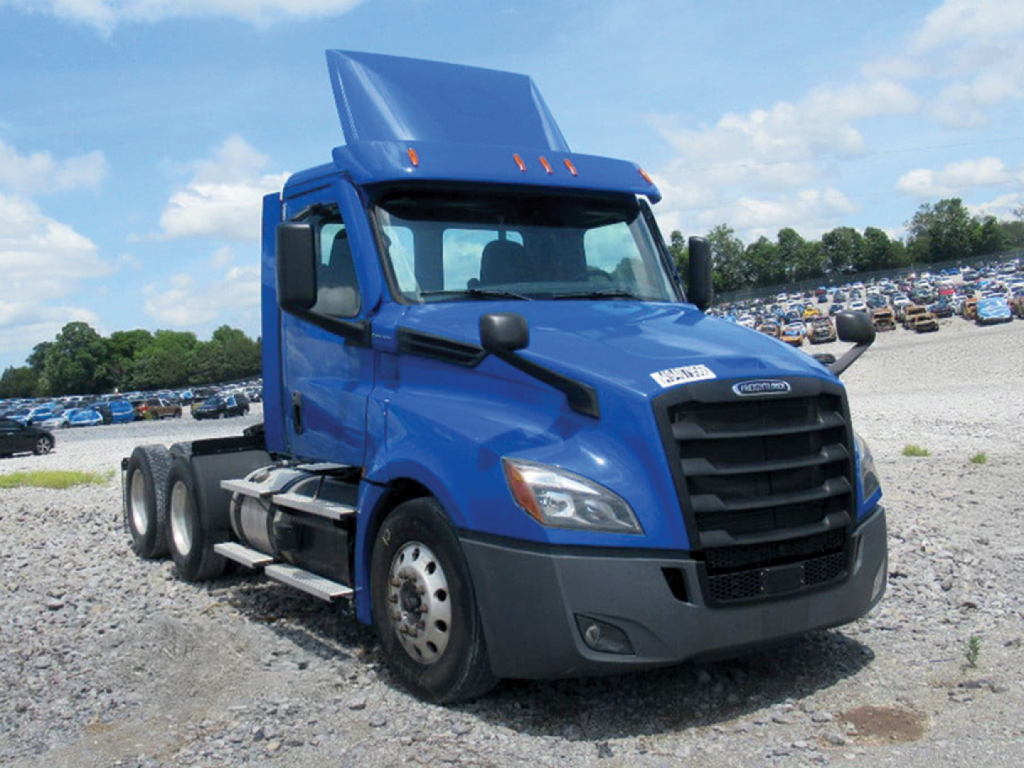
Have used 2022 conventional daycab truck to sell? List it here to reach thousands of buyers.
Used 2022 Conventional Daycab Trucks in Illinois
For a 2022 model year, expect modern aerodynamic cabs, automated manual transmissions, and power ratings that usually fall in the 400 to 450 HP range. Engines in this segment are often spec'd for fuel economy and regional performance rather than long-haul top-end speed. Popular combinations include 12-speed automated transmissions, engine brakes, and rear axle ratios in the 2.4 to 2.7 range, which help balance startability with lower cruise rpm. Disc brakes, low-profile 22.5 tires, aluminum wheels, roof fairings, and cab extenders are common on fleet-spec trucks because they reduce maintenance and improve efficiency.
Illinois buyers should pay close attention to the truck's intended route profile. A daycab running Chicago-area distribution, intermodal work, or short regional freight may need a different spec than a truck assigned to downstate agriculture, warehouse transfer, or heavier van and reefer lanes. Tight urban operation favors shorter wheelbase maneuverability, good driver visibility, and a fifth wheel position that works with multiple trailer lengths. Higher-mileage highway use puts more value on aero packages, cruise integration, collision mitigation systems, and drivetrain specs built around fuel burn. If winter traction matters, review tire configuration, suspension condition, and any weight distribution limits tied to the wheelbase and kingpin setting.
Condition matters as much as brand in a used 2022 conventional daycab. Check idle hours versus road miles, service history, brake life, transmission calibration history, emissions system maintenance, and any signs of frame or suspension wear from yard work or heavy hook-and-drop cycles. Interior wear can also tell you a lot about the duty cycle. For many buyers, the best truck in this category is not the highest horsepower unit, but the one with the right rear ratio, wheelbase, and maintenance background for the freight it will pull every day.
Frequently Asked Questions about Used 2022 Conventional Daycab Trucks in Illinois
What is a conventional daycab truck best used for?
A conventional daycab truck is best suited for local and regional hauling where the driver returns home daily and does not need sleeper accommodations. Common applications include dry van, reefer, flatbed, drayage, dedicated retail delivery, LTL relay, and yard-to-warehouse transfer work. The main advantage is lower weight and simpler packaging compared with a sleeper tractor, which can improve maneuverability, payload potential, and operating efficiency on shorter routes.
What specs matter most when buying a used 2022 daycab?
The most important specs are wheelbase, rear axle ratio, engine rating, transmission type, rear axle capacity, and fifth wheel configuration. These directly affect turning radius, trailer compatibility, fuel economy, launch performance, and legal axle distribution. Buyers should also review suspension type, brake setup, tire size, and whether the truck has aerodynamic components such as fairings and cab extenders, since those details influence operating cost over time.
Is an automated manual transmission common in 2022 conventional daycabs?
Yes. By 2022, automated manual transmissions were standard or very common in many fleet-spec conventional daycabs. They are widely used because they help with fuel economy, driver consistency, and easier operation in stop-and-go traffic. A buyer should still confirm service records, clutch and calibration history, and how the transmission was matched to the engine and rear ratio, because performance can vary depending on the original spec.
What wheelbase is typical for a daycab tractor?
Many conventional daycabs used in regional freight fall around the mid-170-inch wheelbase range, though the correct length depends on trailer type, kingpin setting, bridge law requirements, and how tight the operating environment is. A shorter wheelbase generally improves maneuverability in urban or terminal work, while a longer wheelbase can help with axle spread and ride quality. The right choice depends on where and how the truck will be used.
What should I inspect on a used Illinois daycab truck?
For an Illinois-operated daycab, inspect frame condition, suspension wear, brake components, tires, wheel seals, and signs of corrosion from winter road treatment. Review emissions system service, idle time, and any history of frequent stop-and-go or yard work, since those duty cycles can accelerate wear. It is also smart to verify the fifth wheel operation, steering play, alignment condition, and whether the truck's axle ratio and wheelbase fit the trailer lengths and freight weights it is expected to handle.