
Used 2022 Conventional Daycab Trucks For Sale in Nevada
Have used 2022 conventional daycab truck to sell? List it here to reach thousands of buyers.
Used 2022 Conventional Daycab Trucks in Nevada
For a 2022 model year, expect modern powertrains in the 350 to 455 horsepower range, commonly paired with automated manual transmissions, though some fleets still spec manuals for vocational or driver-preference reasons. Typical engines in this class include mid-bore and heavy-duty platforms such as the Cummins X15, Detroit DD13 or DD15, Paccar MX series, and Navistar A26, depending on make. Rear axle ratings often land around 40,000 pounds on tandem setups, with ratios like 2.64, 2.79, 3.08, or 3.25 chosen based on fuel economy targets versus startability and grade performance. If the truck will spend most of its time pulling van or reefer trailers on interstate lanes, a taller ratio may make sense. If it will see frequent starts, heavier loads, or mixed vocational use, a deeper ratio and the right transmission calibration can be more important than headline horsepower.
Spec details separate an efficient daycab from one that creates trailer or route limitations. Check wheelbase, fifth wheel type, and kingpin setting carefully, especially if the truck will switch among 28-foot pups, 48-foot trailers, and 53-foot vans. Sliding fifth wheels add flexibility, while fixed setups can save weight in dedicated service. Air ride suspension is standard on many highway-oriented units, but suspension brand and condition still matter for ride quality and tire wear. Buyers should also look closely at fuel tank capacity, exhaust layout, fairings, frame spacing for auxiliary equipment, and brake specification. Disc brakes, collision mitigation, adaptive cruise features, and factory telematics became more common by 2022, and those items can improve safety, uptime tracking, and driver acceptance in fleet use.
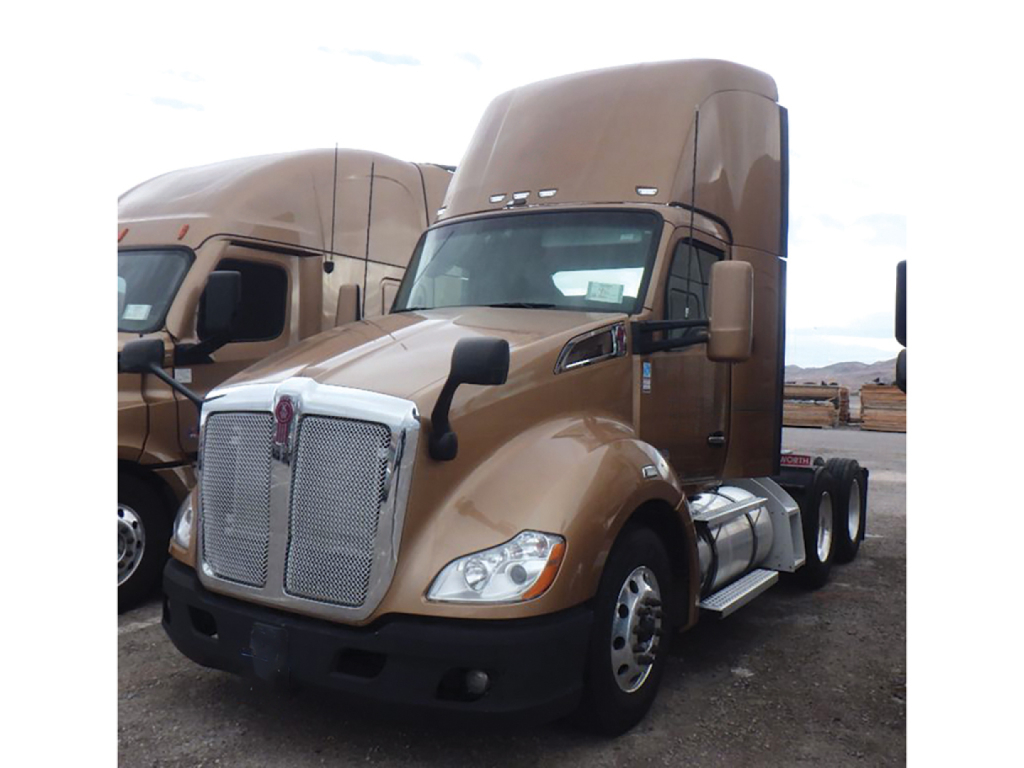
A 2022 used conventional daycab often hits a practical sweet spot between current technology and lower acquisition cost than new. The best value usually comes from matching the truck to the job, not just choosing the newest engine or the highest horsepower rating. Review maintenance history, idle hours, aftertreatment service records, tire spec, and any signs of prior PTO or vocational use. In Nevada’s hot, dry operating conditions, cooling system health, A/C performance, and DPF-SCR service history deserve extra attention. A well-spec'd daycab with the right axle ratio, wheelbase, and fifth wheel arrangement can be a highly productive tractor for regional freight and terminal-based operations.
Frequently Asked Questions about Used 2022 Conventional Daycab Trucks in Nevada
What is a conventional daycab truck used for?
A conventional daycab truck is used for freight operations that return the driver home the same day or do not require sleeper accommodations. Common applications include regional haul, local and dedicated routes, intermodal drayage, tanker service, dump and vocational tractor work, and warehouse shuttle operations. The non-sleeper layout reduces weight and usually improves maneuverability compared with a sleeper tractor.
What should I check first on a used 2022 daycab tractor?
Start with wheelbase, axle ratio, transmission type, and fifth wheel configuration because those items determine how the truck will perform with your trailers and routes. After that, review engine hours, maintenance records, aftertreatment history, tire wear patterns, brake condition, and suspension components. On a 2022 model, electronic safety systems and emissions service history are also important because they affect both uptime and repair cost.
Are 2022 conventional daycabs mostly automatic?
Many 2022 conventional daycab trucks were spec'd with automated manual transmissions because fleets wanted fuel economy, easier driver onboarding, and consistent shift performance. Manual transmissions still appear in some vocational, heavy-start, or owner-operator applications, but automatics are common in regional and fleet service. The right choice depends on terrain, load profile, driver pool, and maintenance preference.
How important is axle ratio on a daycab?
Axle ratio is one of the most important specs on a daycab because it affects fuel economy, launch performance, gradeability, and cruising RPM. Ratios such as 2.64 or 2.79 are often chosen for highway fuel efficiency, while 3.08 or 3.25 may better suit heavier loads, more stop-and-go work, or mixed on-road and vocational use. A truck with the wrong ratio can feel underpowered in your application even if the engine horsepower looks adequate on paper.
What matters most for a daycab operating in Nevada?
For Nevada service, buyers should pay close attention to cooling capacity, A/C performance, tire condition, and aftertreatment health because high ambient temperatures and long highway pulls can expose weak points quickly. Route profile also matters. A truck working urban Las Vegas freight may need a shorter wheelbase and tighter maneuverability, while a regional tractor running longer interstate lanes may benefit from taller gearing, larger fuel capacity, and aerodynamic equipment.