
Used Conventional Daycab Trucks For Sale in Nebraska
Shop used conventional daycab trucks in Nebraska. Compare specs, wheelbase, axle ratios, engine options, and daycab applications.
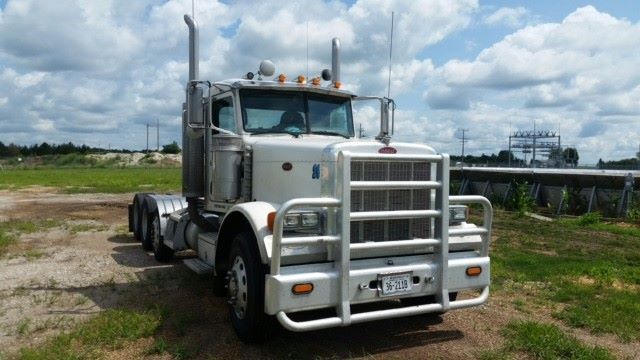
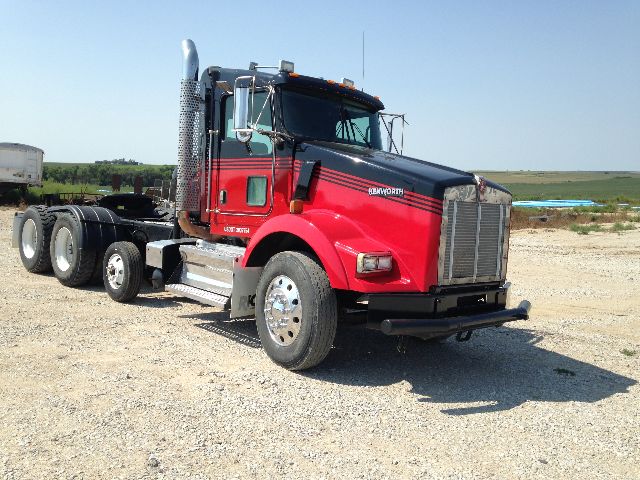
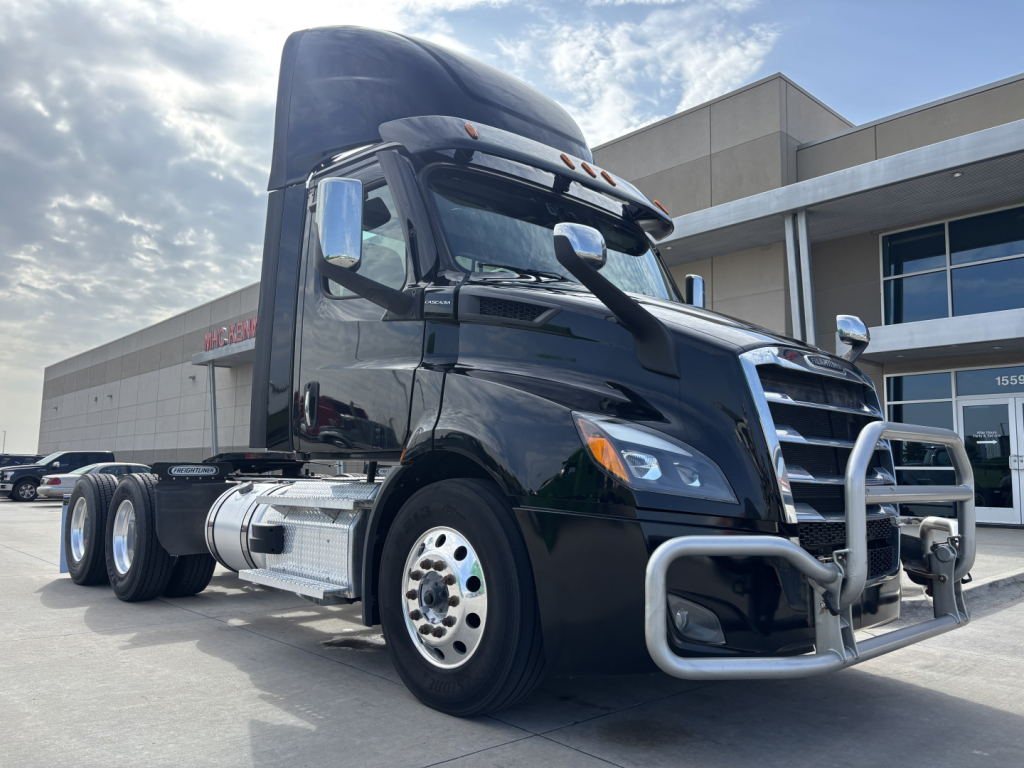
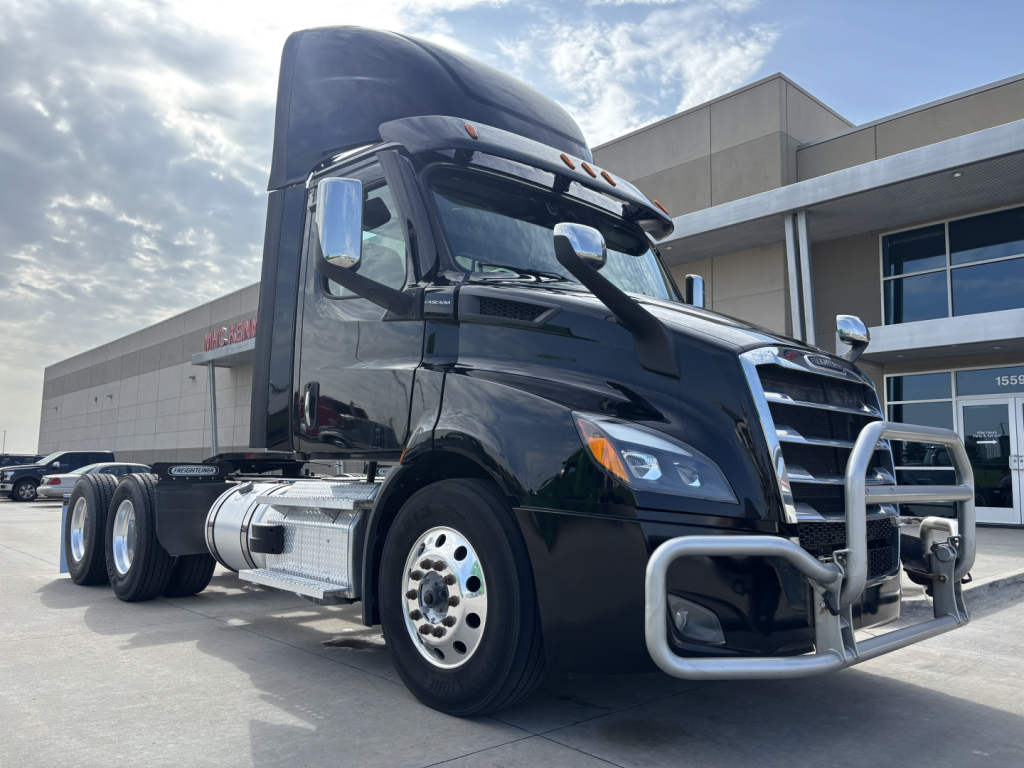
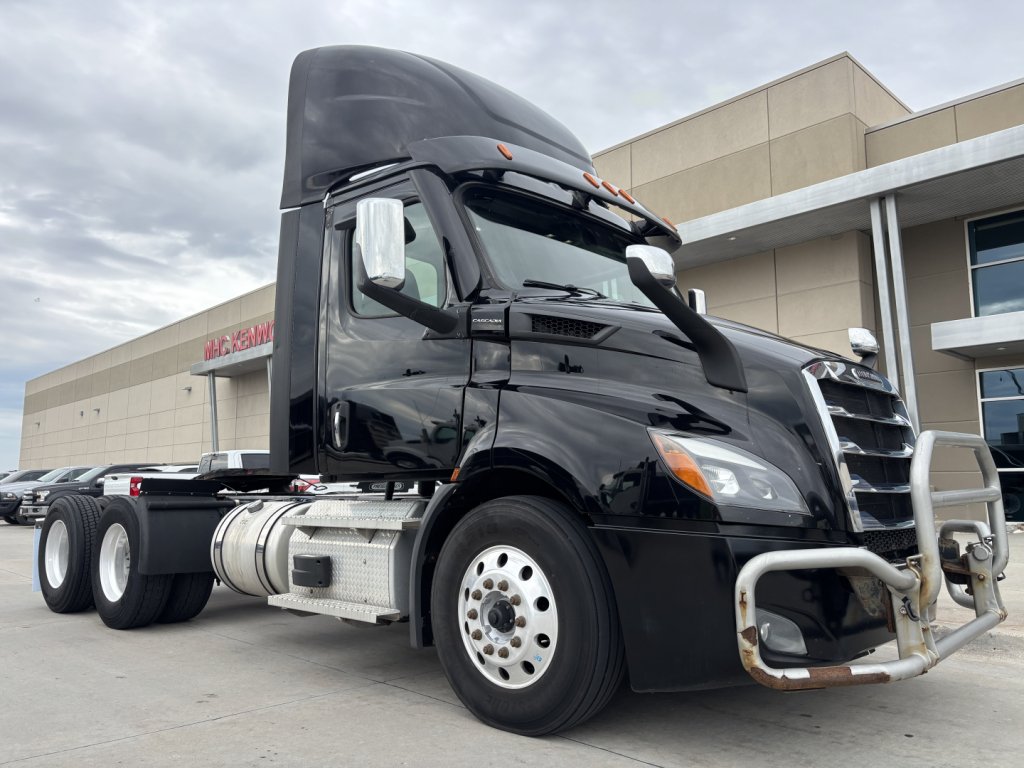
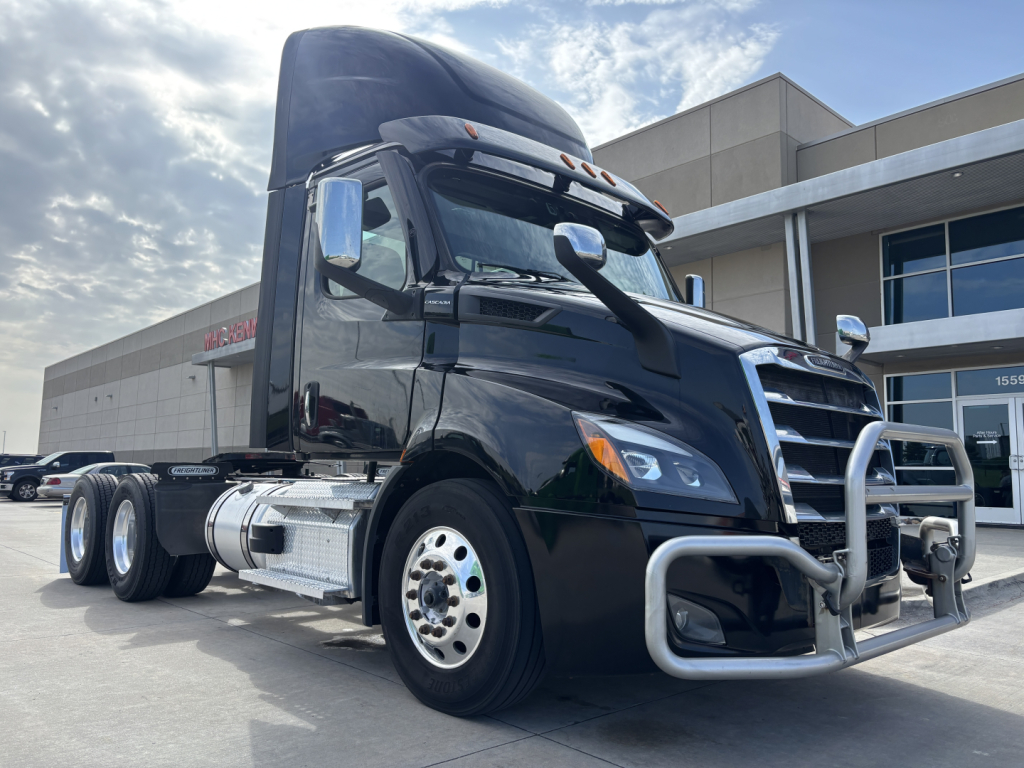
Have used conventional daycab truck to sell? List it here to reach thousands of buyers.
Used Conventional Daycab Trucks in Nebraska
The spec choices on a conventional daycab directly affect operating cost and job fit. Common engines in this class include Cummins X15, Detroit DD15, Navistar A26, and older big-bore platforms, typically in the 400 to 500 horsepower range. Most used daycabs on the market are set up with 10-speed manual, automated manual, or full automatic transmissions, plus 40,000 lb rears and air ride suspension. Wheelbase is a major decision point. A shorter wheelbase generally helps in city work, feedlots, plants, and crowded docks, while a 174 to 180 inch wheelbase is common on highway-oriented regional tractors that still need stable ride quality and enough room for fairings, fuel capacity, and an adjustable or air-slide fifth wheel. Rear axle ratios such as 3.25 or 3.42 can make a meaningful difference in cruise RPM, launch feel, and fuel economy.
Nebraska buyers often look closely at durability items before anything cosmetic. Check brake type, especially drum versus disc, and confirm tire size, wheel material, suspension condition, and kingpin setting range if the truck will pull different trailer lengths. Aerodynamic equipment like roof fairings and cab extenders can help fuel economy on highway lanes, while quarter fenders, deer guards, and aluminum tanks are practical spec details on working trucks. If the truck will spend time on gravel lots, ethanol plants, livestock routes, or seasonal farm traffic, inspect frame condition, fifth wheel wear, steering components, and signs of corrosion or impact damage underneath. On emissions-era trucks, engine history, fault codes, aftertreatment maintenance, and transmission calibration matter as much as horsepower.
A good used conventional daycab should match the lane, trailer mix, and average gross weight, not just the badge on the hood. Heavy regional freight may justify a 450 to 500 horsepower platform with an engine brake, taller rear ratio, and full aero package. Urban and vocational-style tractor work may benefit more from a simpler drivetrain, tighter wheelbase, and easier service access. Buyers comparing used daycab trucks for sale in Nebraska should weigh total operating cost, driver acceptance, parts support, and how the truck is configured for the real work it will do each week.
Frequently Asked Questions about Used Conventional Daycab Trucks in Nebraska
What is a conventional daycab truck used for?
A conventional daycab truck is primarily used for local and regional hauling where the driver returns home the same day and does not need a sleeper berth. Common applications include terminal shuttles, dedicated retail routes, agricultural hauling, plant-to-warehouse moves, and short-to-medium over-the-road lanes. The conventional hood design provides good service access and broad drivetrain availability, which makes this truck class common in general freight fleets.
What specs matter most when buying a used daycab tractor?
The most important specs are engine rating, transmission type, rear axle ratio, wheelbase, suspension, and fifth wheel setup. These determine how the truck pulls, cruises, turns, and matches to your trailer mix. Buyers should also verify brake type, tire size, fuel capacity, emissions system history, and rear axle rating. A daycab that is correctly spec'd for gross weight and route profile will usually outperform a more powerful truck that is mismatched to the job.
Is a daycab better than a sleeper for regional work?
For many regional and local operations, a daycab is the better fit because it is lighter, shorter, and easier to maneuver than a sleeper tractor. That can improve payload potential, reduce unnecessary weight, and make docking or yard work simpler. A sleeper still makes sense if drivers regularly stay out overnight or need more onboard storage, but for same-day turns and dedicated lanes, a daycab is often the more efficient choice.
What wheelbase is common on a conventional daycab?
Many highway-oriented conventional daycabs fall in the mid-170-inch range, though the right wheelbase depends on trailer swing clearance, axle placement, and the type of work. Shorter wheelbases are preferred for tighter urban or industrial environments, while longer setups can improve ride quality and packaging for fuel tanks, fairings, and sliding fifth wheels. The best choice depends on how often the truck needs to maneuver in confined areas versus run steady highway miles.
What should I inspect on a used emissions-era daycab truck?
Focus on maintenance records, engine hours, fault codes, aftertreatment service history, clutch or transmission calibration, brake wear, suspension components, and fifth wheel condition. On used daycabs, idle time and stop-and-go use can matter as much as mileage because many have worked in regional or local cycles. It is also smart to inspect the frame rails, steering linkage, driveline, and signs of prior body or front-end damage, especially on trucks that have worked in tight yards or high-traffic routes.