
Used Conventional Daycab Trucks For Sale in Pennsylvania
Used conventional daycab trucks for sale in Pennsylvania. Compare tandem axle specs, engine options, wheelbase, fifth wheel height, and emissions.
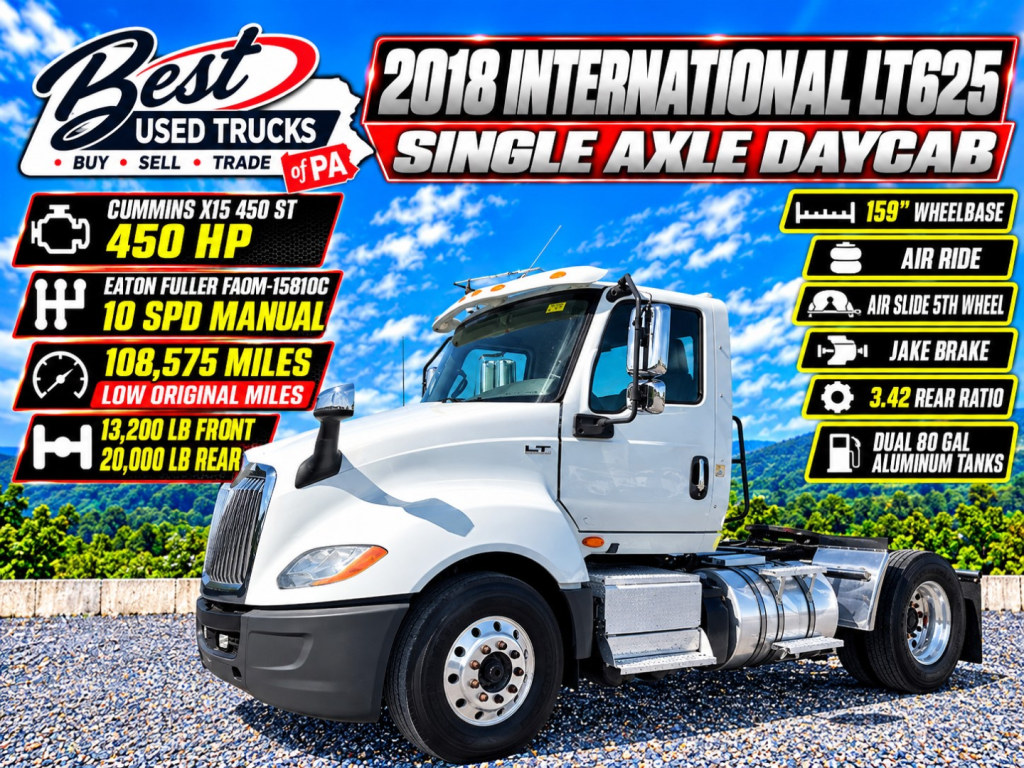
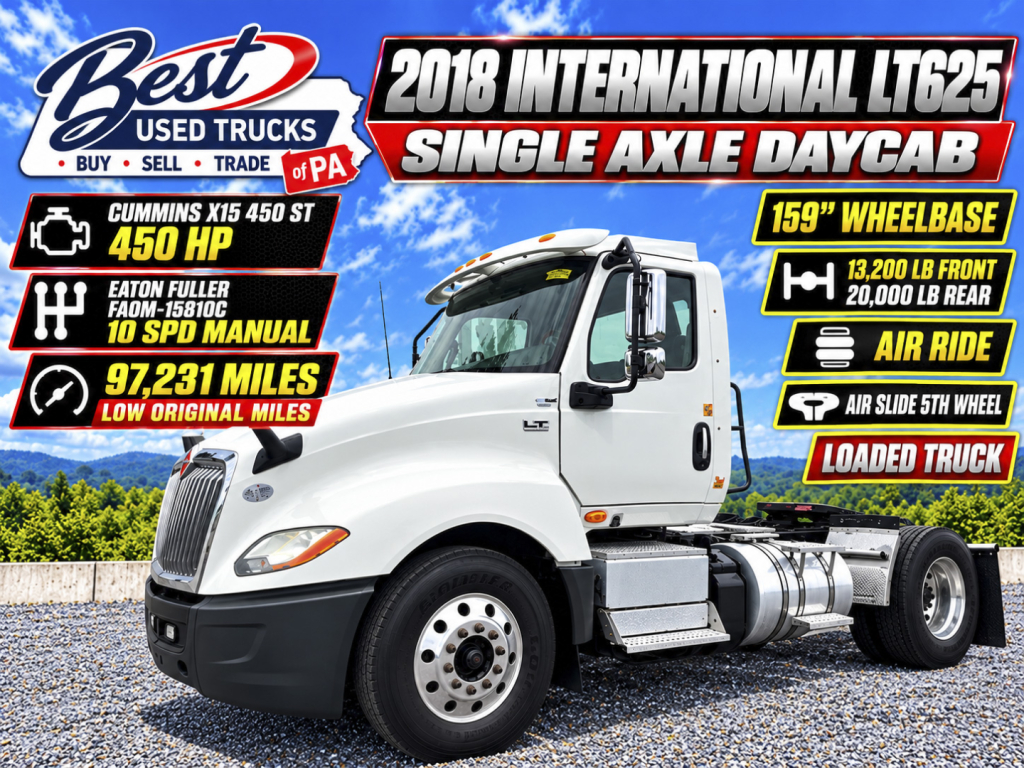
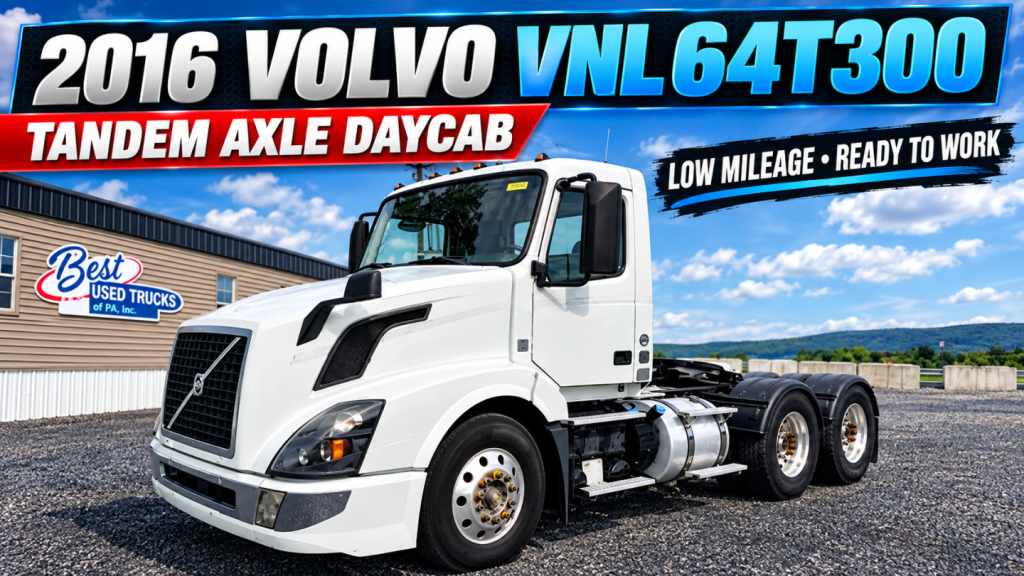
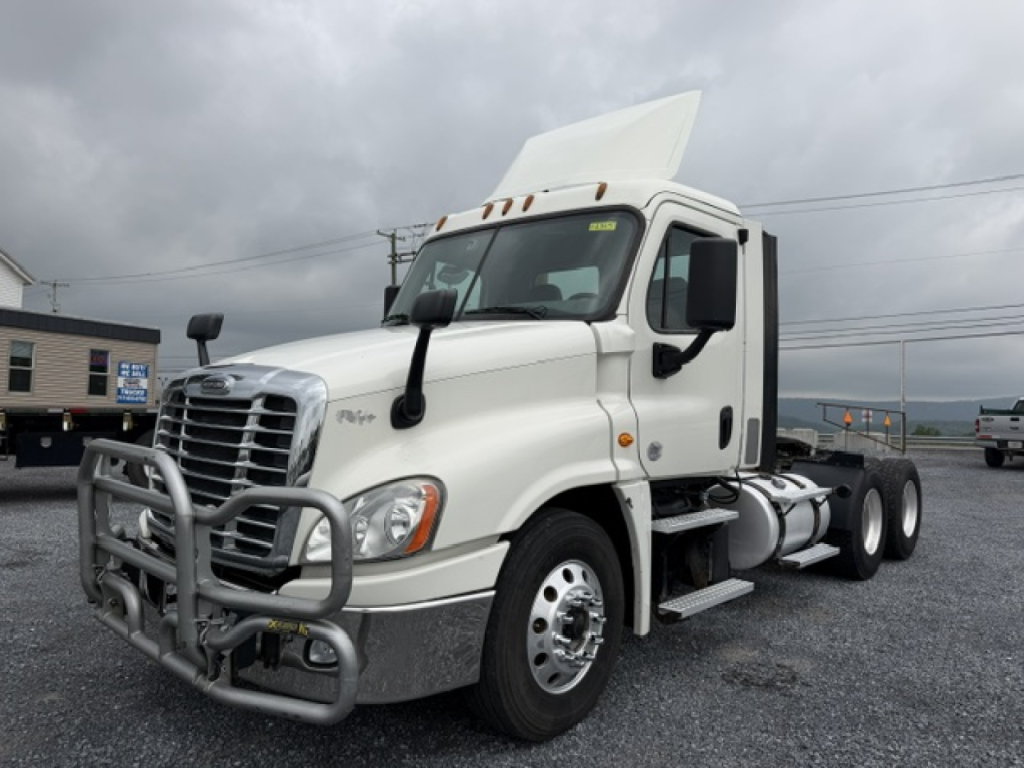
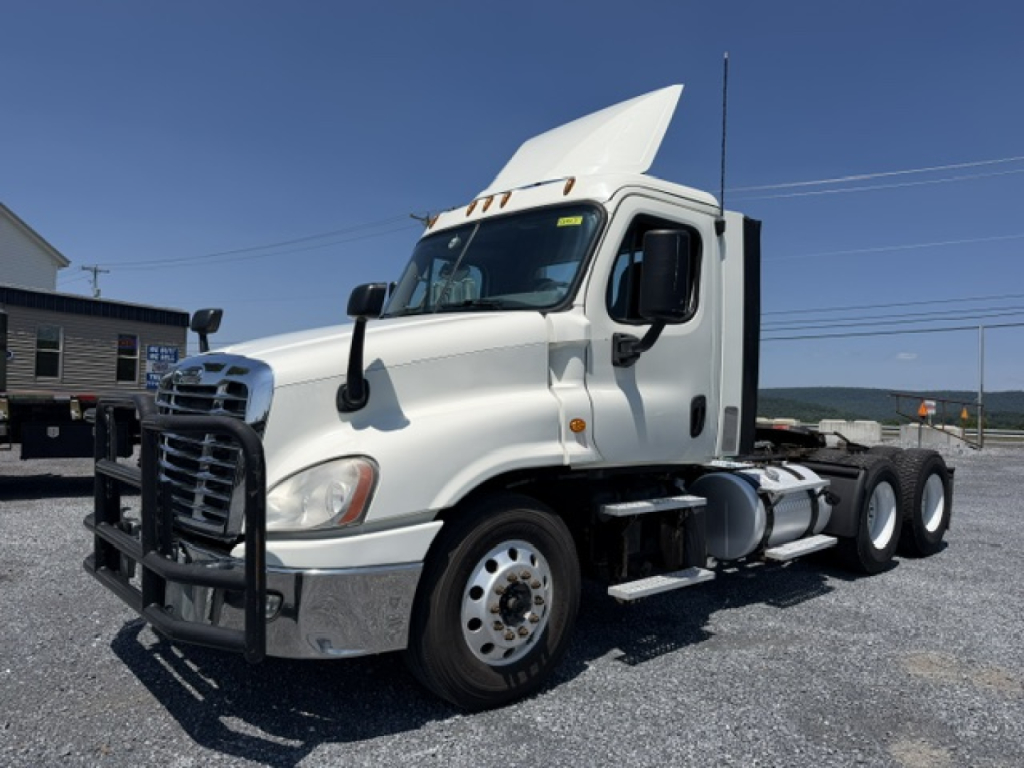
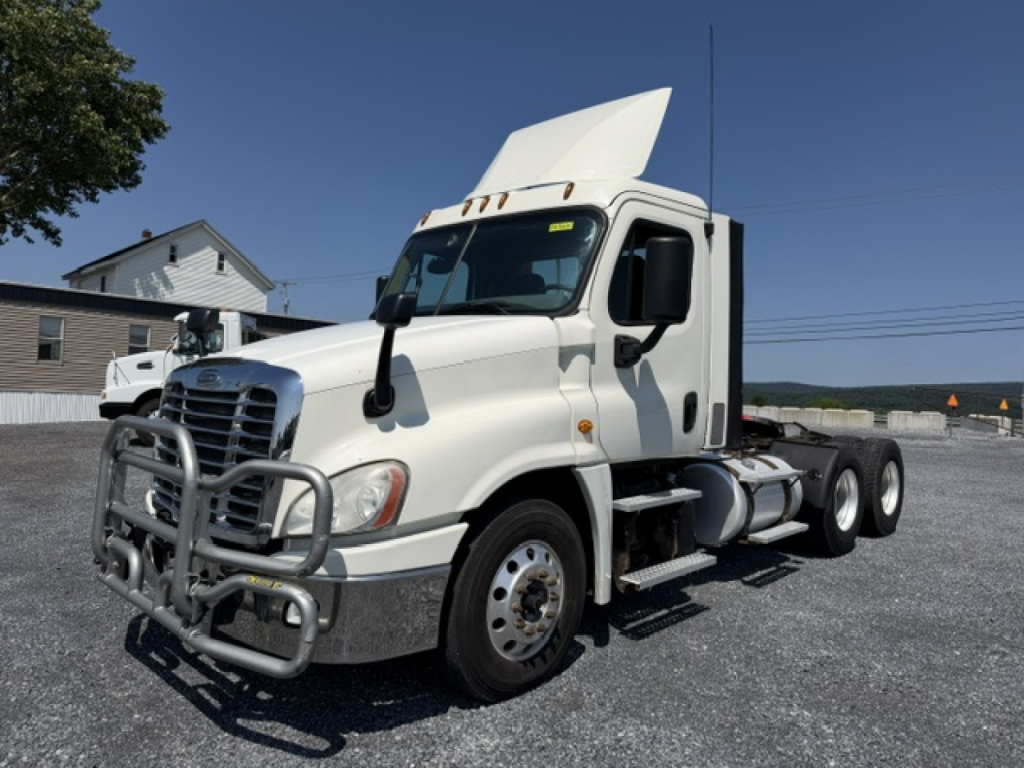
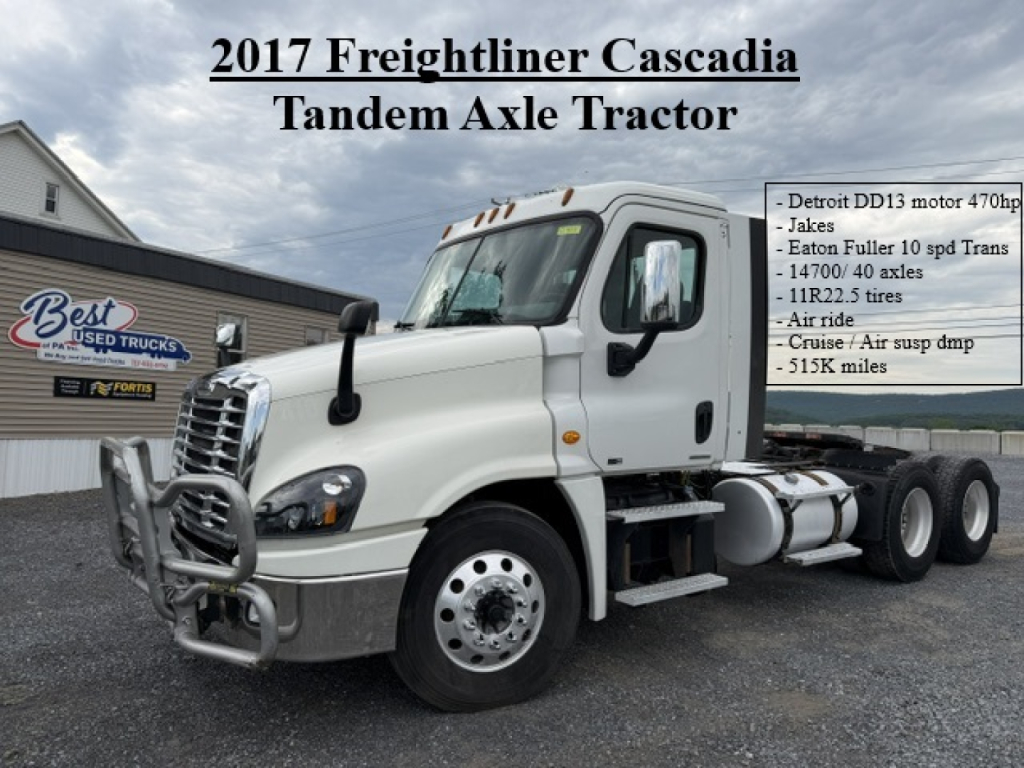
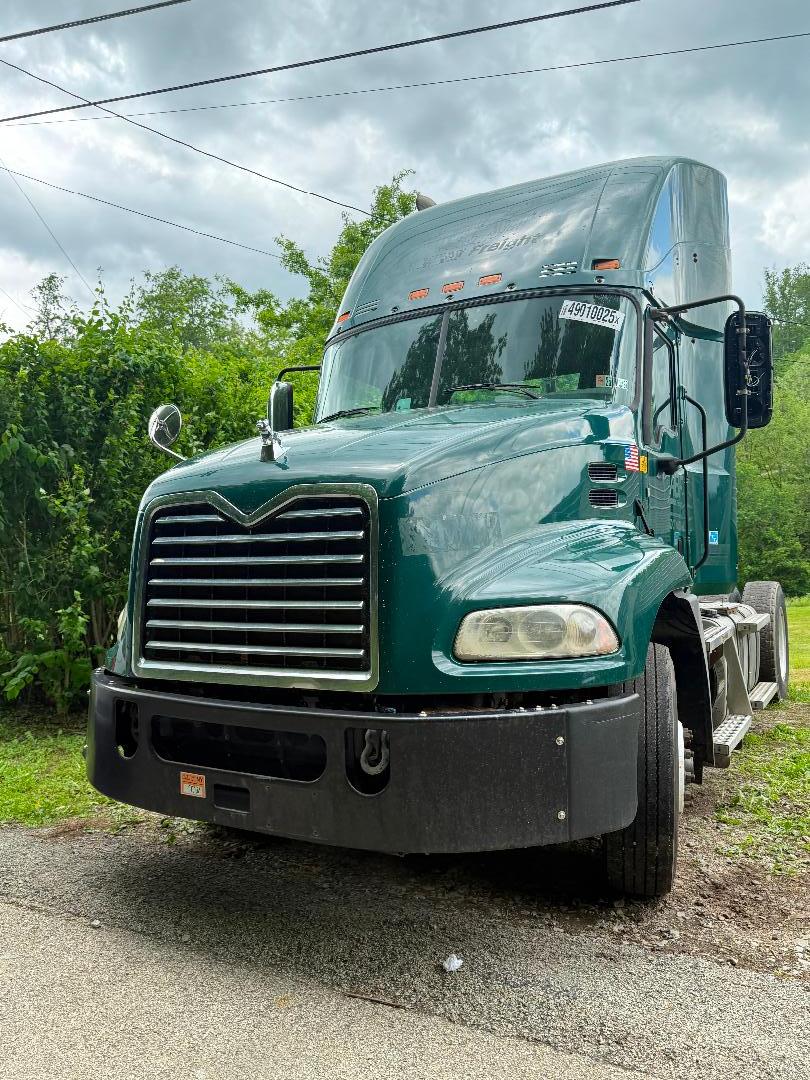
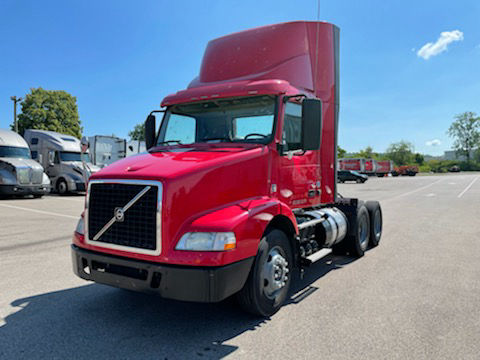

Selling a used conventional daycab truck? List your used conventional daycab truck for sale and reach thousands of commercial buyers.
Used Conventional Daycab Trucks in Pennsylvania
The key fitment decisions on a conventional daycab are axle ratings, rear ratio, wheelbase, and fifth wheel setup. A typical Pennsylvania-spec used daycab may carry a 12,000-lb to 14,700-lb front axle and 40,000-lb rears on air ride, which is a practical setup for van, reefer, tank, and many flatbed lanes. Fifth wheel height is important if you are matching to existing trailers, especially with mixed fleets running low-height dry vans, containers, or heavier vocational trailers. Air slide fifth wheels, suspension dump valves, differential lock, traction control, and heated mirrors are common features that add real value in Northeast weather and tight terminal work. Tire size, aluminum versus steel wheels, and suspension spec also affect ride quality, service cost, and bridge compliance.
Emissions strategy is a major buying point in this class. Older pre-emissions or early-emissions daycabs can be attractive to buyers focused on lower upfront cost and less aftertreatment complexity, but they need close scrutiny for age-related wear, engine history, and parts support. Newer used daycabs generally deliver better aerodynamics, quieter cabs, improved safety systems, and more efficient powertrains, which matters if the truck will spend time on the Pennsylvania Turnpike, I-78, I-80, I-81, or urban routes around Philadelphia and Pittsburgh. Mileage should always be evaluated alongside idle time, maintenance records, clutch or transmission history, DPF and SCR service where applicable, and signs of corrosion from winter road treatment. A southern-origin truck can be appealing in this region because frame, cab mounts, crossmembers, and electrical connections may show less rust.
A good used conventional daycab is not just a horsepower decision. It needs to match trailer gap, kingpin setting, loaded weight, route profile, and how often the truck backs into tight docks or moves through congested industrial areas. Buyers should pay close attention to brake type, frame condition, ECM data, suspension wear, driveline vibration, and the relationship between rear ratio and cruise speed. For fleets adding drivers, cab ergonomics, visibility, and switch layout can matter as much as mechanical spec because a daycab spends its life in repeated entries, exits, and low-speed maneuvers. When the spec is right, a used conventional daycab can be one of the most cost-effective tractors in commercial service, especially for short-haul and regional operations that need durability, maneuverability, and easy trailer compatibility.
Frequently Asked Questions about Used Conventional Daycab Trucks in Pennsylvania
What is a conventional daycab truck used for?
A conventional daycab truck is a highway tractor without a sleeper compartment, designed for local and regional work where the driver returns the same day. Common applications include dry van, reefer, container drayage, tanker, flatbed, and dedicated shuttle runs. The conventional hood layout provides easy engine access and familiar serviceability, which is one reason these trucks remain popular in mixed commercial fleets.
What specs matter most when buying a used conventional daycab?
The most important specs are axle ratings, wheelbase, rear ratio, engine horsepower and torque, transmission type, suspension, and fifth wheel height. Those numbers determine whether the truck matches your trailers, payload, terrain, and expected road speed. Buyers should also check emissions equipment, mileage versus engine hours, tire size, brake configuration, and features such as differential lock, suspension dump, and sliding fifth wheel because those items directly affect operating cost and day-to-day usability.
Is an automatic or manual transmission better in a used daycab?
An automated manual is often the better fit for regional and urban daycab work because it reduces driver fatigue, improves consistency in stop-and-go traffic, and can help protect the driveline from poor shifting habits. A manual transmission can still make sense for buyers who want lower purchase cost, have experienced drivers, or prefer simpler diagnostics on older equipment. The right choice depends on driver pool, route density, service support, and how much value you place on ease of operation versus familiarity.
How do I evaluate emissions on a used conventional daycab?
Start by confirming the engine model year and emissions system type, then review maintenance records for DPF cleaning, sensor replacement, DEF system service, and any history of derates or forced regens. A road test and diagnostic scan are important because emissions faults may not be obvious during a visual inspection. Pre-emissions trucks avoid some aftertreatment complexity, but newer emissions-equipped trucks can offer better fuel economy, better cab refinement, and stronger resale appeal when properly maintained.
Why does wheelbase and fifth wheel height matter on a daycab tractor?
Wheelbase affects turning radius, ride quality, bridge spacing, and how the tractor balances weight with different trailers. Fifth wheel height affects trailer levelness, driveline angle, and compatibility with your existing fleet. If the truck is too tall or too low for the trailers you run, it can create loading problems, poor weight distribution, excessive wear, and clearance issues, so these dimensions should be checked before purchase rather than treated as minor details.