
Used 2017 Conventional Daycab Trucks For Sale in Pennsylvania
Browse used 2017 conventional daycab trucks in Pennsylvania. Compare specs, wheelbases, engine ratings, axle setups, and transmission options.
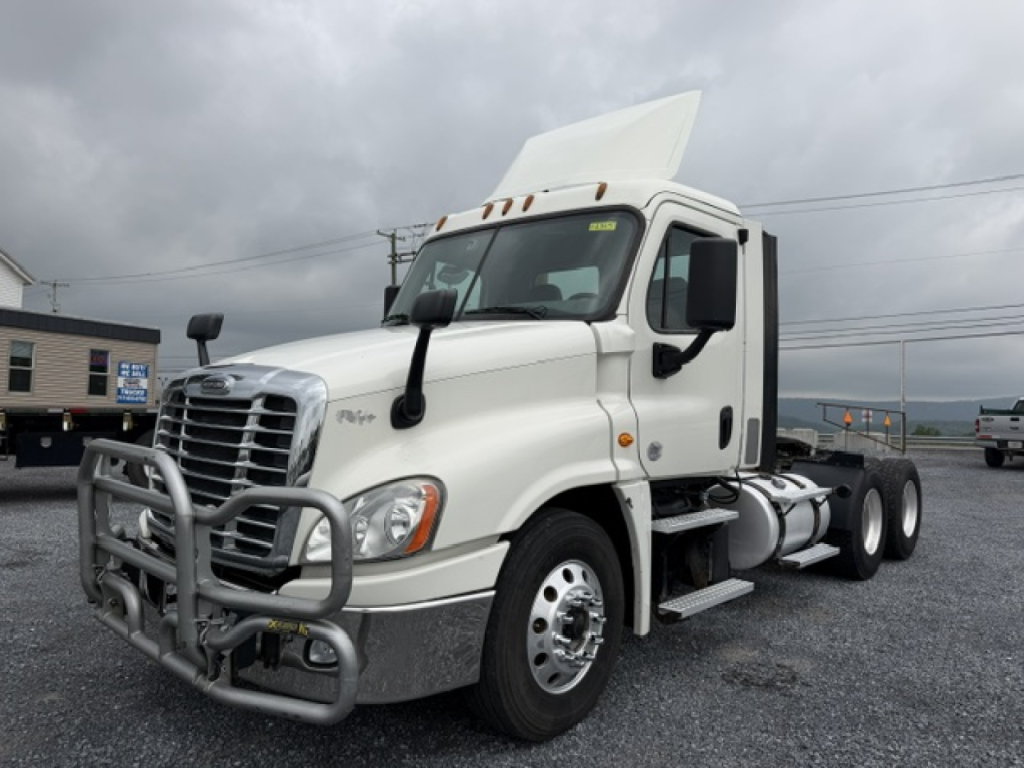
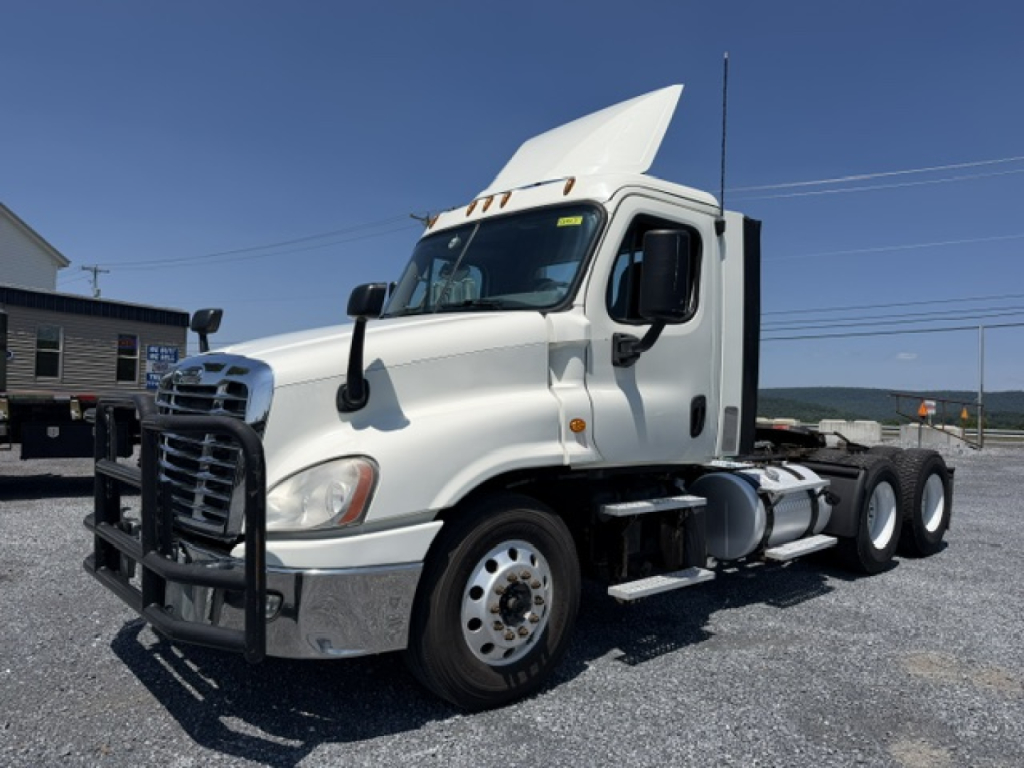
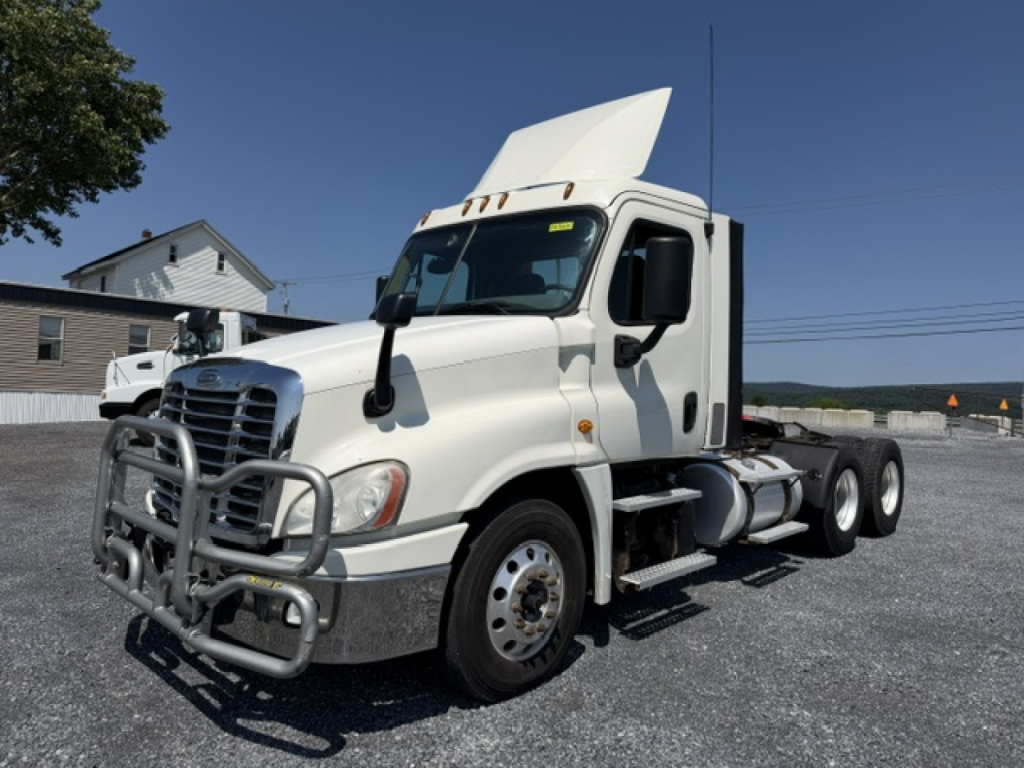
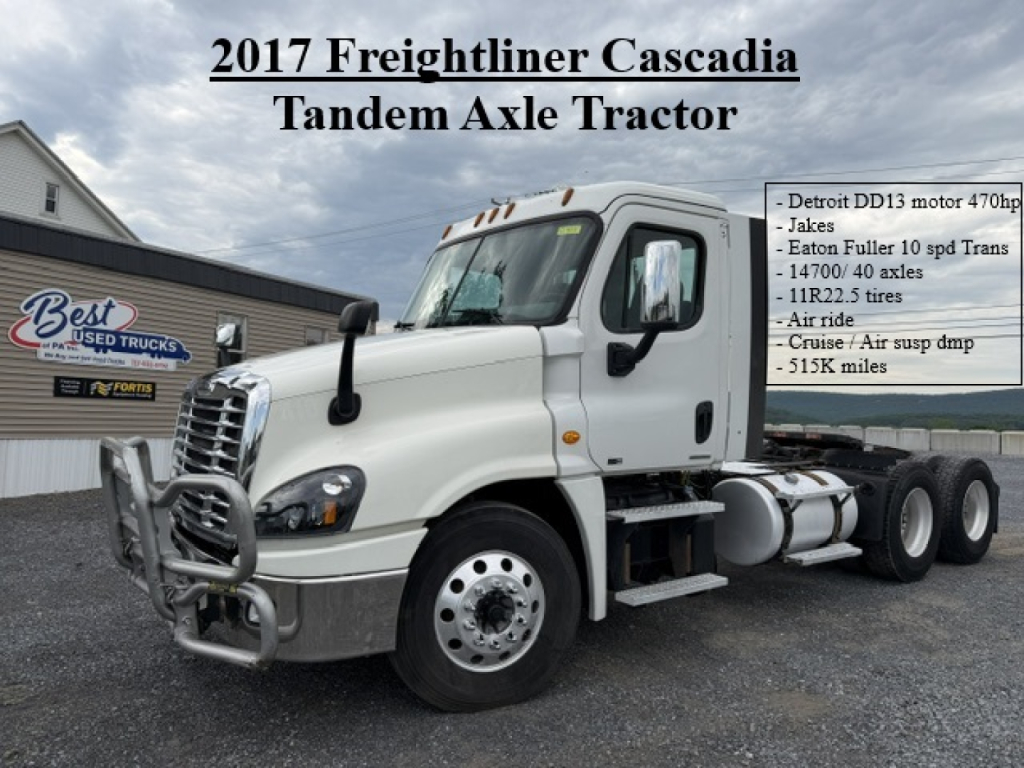
Selling a used 2017 conventional daycab truck? List your used 2017 conventional daycab truck for sale and reach thousands of commercial buyers.
Used 2017 Conventional Daycab Trucks in Pennsylvania
For most buyers, the key spec decisions are wheelbase, axle configuration, engine rating, transmission type, and rear axle ratio. In this class, tandem axle daycabs commonly carry 40,000 lb rears and are often spec'd for 3.25, 3.36, 3.55, or 3.70 ratios depending on startability and cruise speed targets. Single axle daycabs can make sense for lighter regional work where payload, bridge laws, and tire costs favor a simpler setup. Engine ratings in the daycab market often land around 350 to 500 hp, with popular platforms including Detroit DD13 and DD15, Cummins ISX and X15, Paccar MX, Mack MP7, and Navistar A26. Manual 10-speed and 13-speed transmissions remain common in vocational or mixed-duty service, while automated manuals are widely used for fleet consistency, fuel economy, and easier driver onboarding.
A 2017 conventional daycab should also be evaluated by how it was previously used. A highway daycab on dedicated freight can have a very different wear profile than a truck used in city P&D, refuse transfer, or heavy stop-and-go work. Buyers should look closely at engine brake performance, clutch or AMT service history, fifth wheel condition, suspension type, and any signs of frame modifications. Wheelbase matters more than many first-time buyers expect because it affects trailer swing clearance, kingpin settings, turning radius, and how the truck fits a 28-foot pup, 53-foot van, flatbed, tanker, or dump transfer application. Common features in this category include air ride suspension, air slide or adjustable fifth wheels, aluminum fuel tanks, roof fairings, disc or drum brakes, and 22.5-inch wheel packages.
For Pennsylvania buyers, terrain and climate should influence the spec. Western and central Pennsylvania routes put more value on engine brakes, gearing that can hold speed on grades, and driveline durability under mixed elevation. Winter operation makes tire condition, suspension bushings, brake performance, and corrosion worth extra attention, especially on trucks exposed to road salt. A good used 2017 daycab should match the freight first, then the route, then the driver preference. When those three line up, a conventional daycab can be one of the most cost-effective tractors in a regional fleet.
Frequently Asked Questions about Used 2017 Conventional Daycab Trucks in Pennsylvania
What is a conventional daycab truck used for?
A conventional daycab truck is a road tractor with no sleeper compartment, designed for runs where the driver returns the same day or does not need overnight accommodations. Common applications include regional freight, local pickup and delivery, drayage, dedicated route work, bulk hauling, and terminal-to-terminal moves. The shorter cab and lighter weight can improve maneuverability, reduce tare weight, and simplify operation in urban or yard environments.
What should I look for when buying a used 2017 conventional daycab?
Focus first on drivetrain match and service history. Check the engine make and horsepower, transmission type, rear axle ratio, suspension, wheelbase, and axle rating to make sure the truck fits the trailers and terrain it will handle. Then review maintenance records for emissions components, clutch or AMT calibration history, brake work, suspension wear, and any frame or fifth wheel repairs. A daycab with the wrong gearing or wheelbase can be more expensive to live with than a higher-mile truck that was properly spec'd from the start.
Is a tandem axle or single axle daycab better?
It depends on the job. Tandem axle daycabs are the standard choice for heavier freight, broader trailer compatibility, and better weight distribution under varying loads. Single axle daycabs can reduce tire, brake, and maintenance costs and may be ideal for lighter regional freight or specialized operations with lower gross weights. The deciding factors are payload needs, bridge law requirements, trailer type, and whether the routes involve steep grades or frequent starts under load.
Are automatic transmissions common in 2017 daycab trucks?
Yes. By 2017, automated manual transmissions were already common in fleet-spec conventional daycabs, especially for regional and linehaul work. They are popular because they help standardize driver performance, reduce missed shifts, and can support fuel economy goals. Manual transmissions are still desirable in some applications, especially where drivers prefer direct control or where the truck sees vocational or mixed on-road and off-road duty.
Why does wheelbase matter on a conventional daycab?
Wheelbase affects turning radius, bridge measurement, trailer gap, weight distribution, and compatibility with different trailer lengths and kingpin settings. A shorter wheelbase usually helps maneuverability in tight terminals and urban delivery points, while a longer wheelbase can improve ride quality and may better suit certain trailer combinations or equipment placements. Buyers should confirm that the wheelbase matches the intended trailer setup rather than assuming all daycabs are interchangeable.