
Used 2017 Conventional Day Cab Trucks For Sale
Compare used 2017 conventional day cab trucks for sale by axle layout, gearing and emissions history to match local deliveries and regional freight.
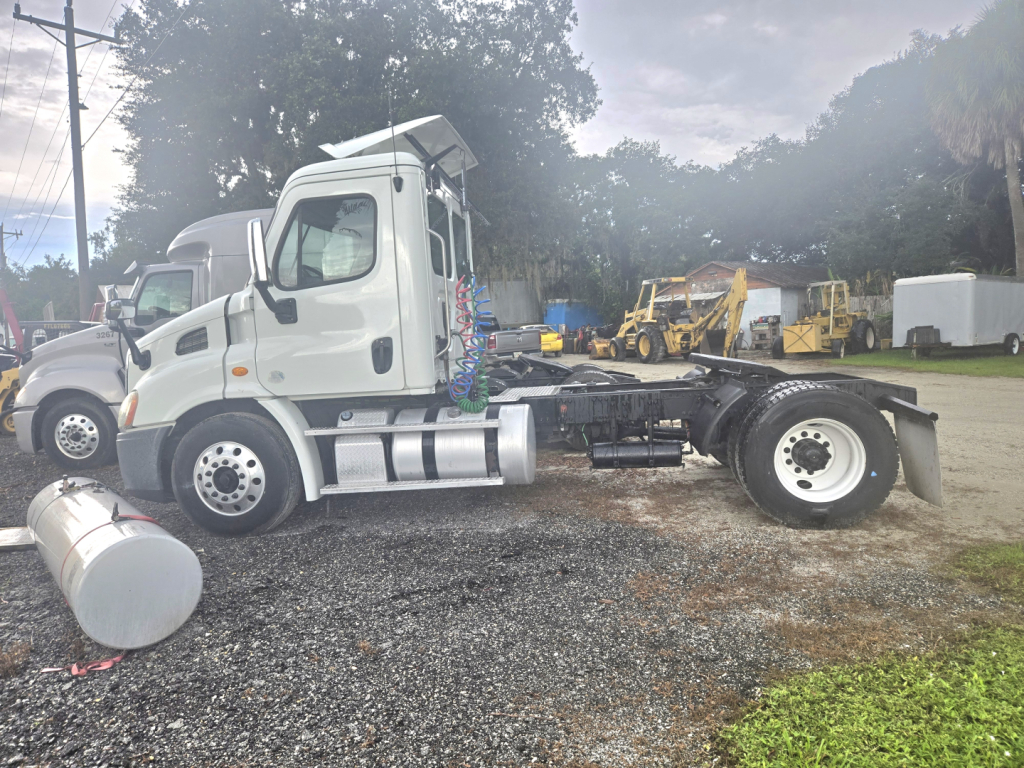
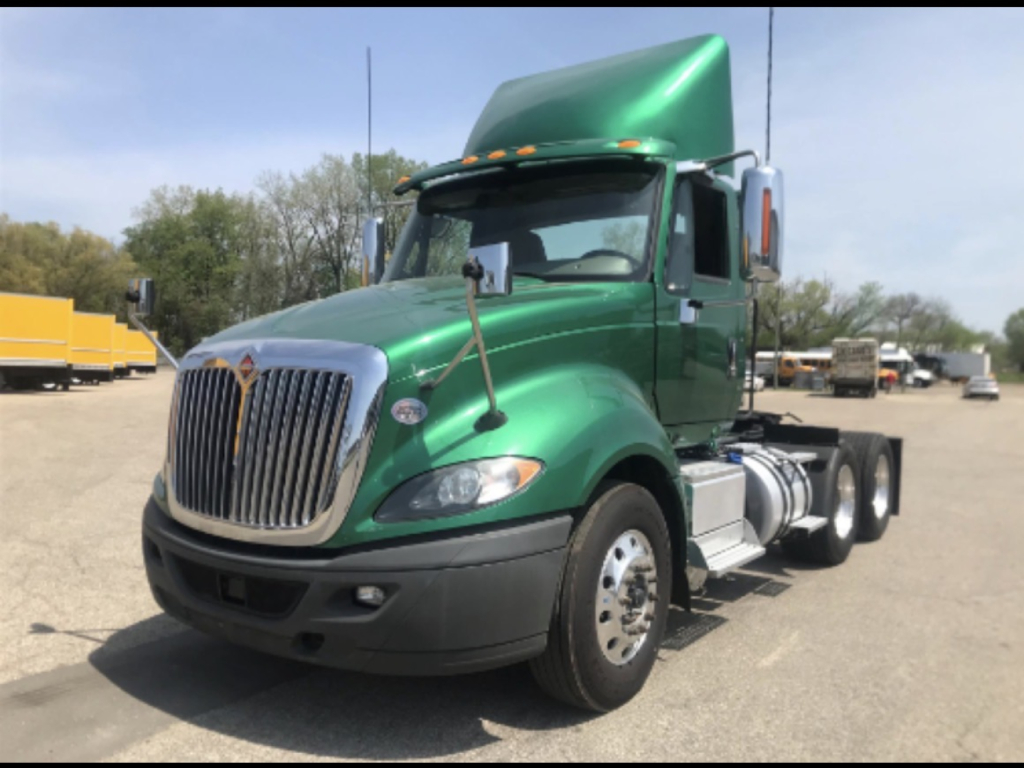
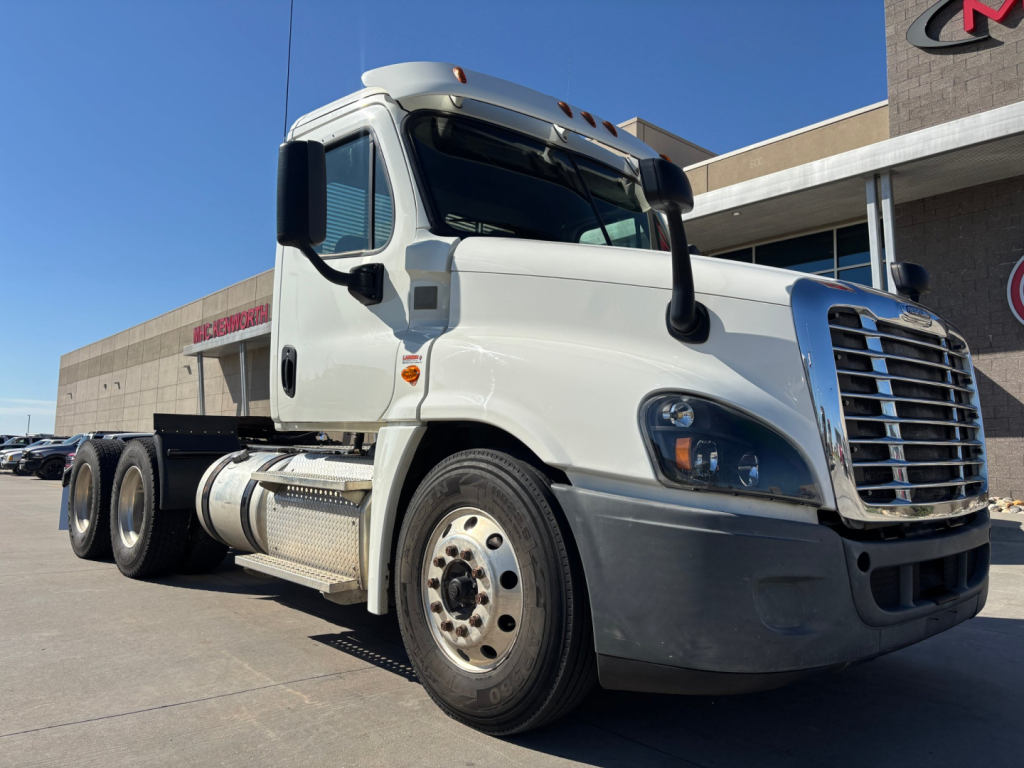
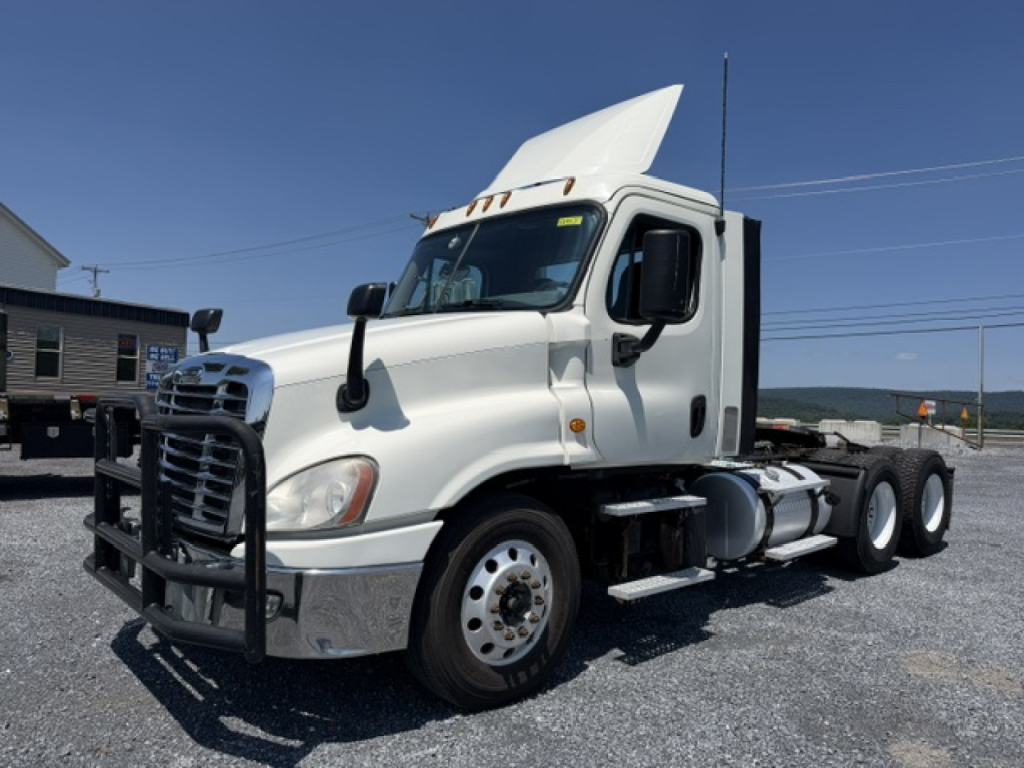
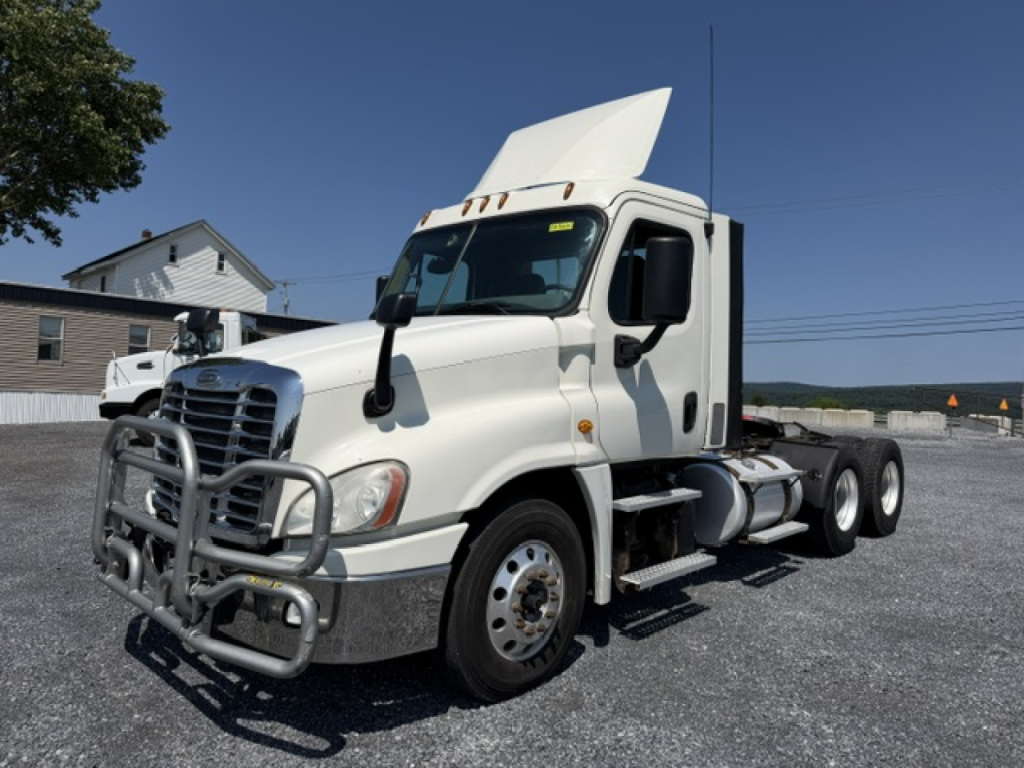
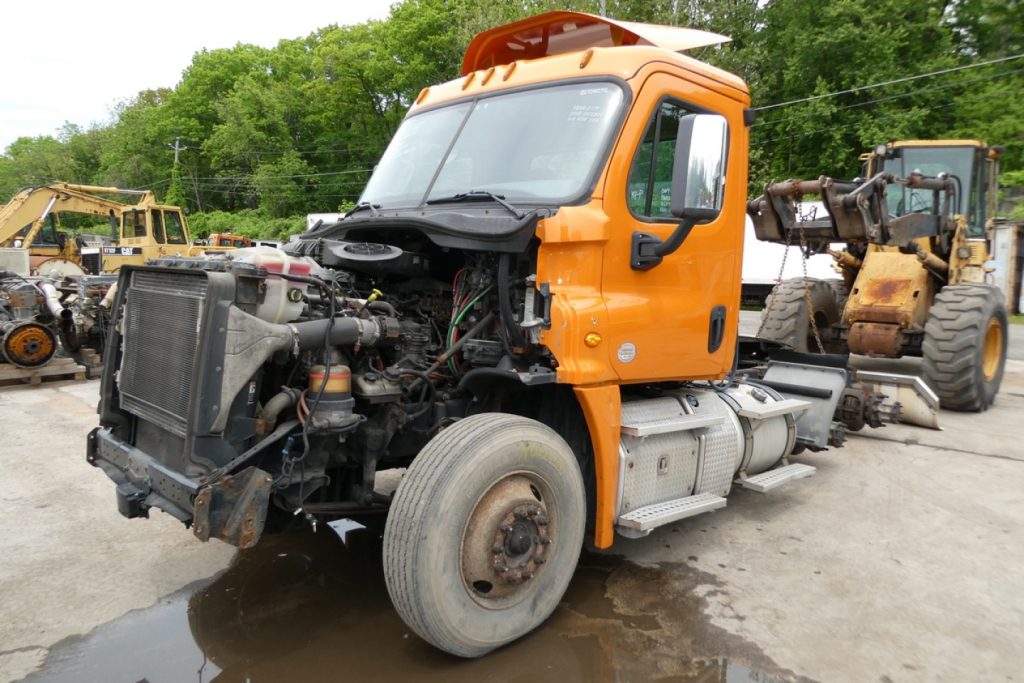
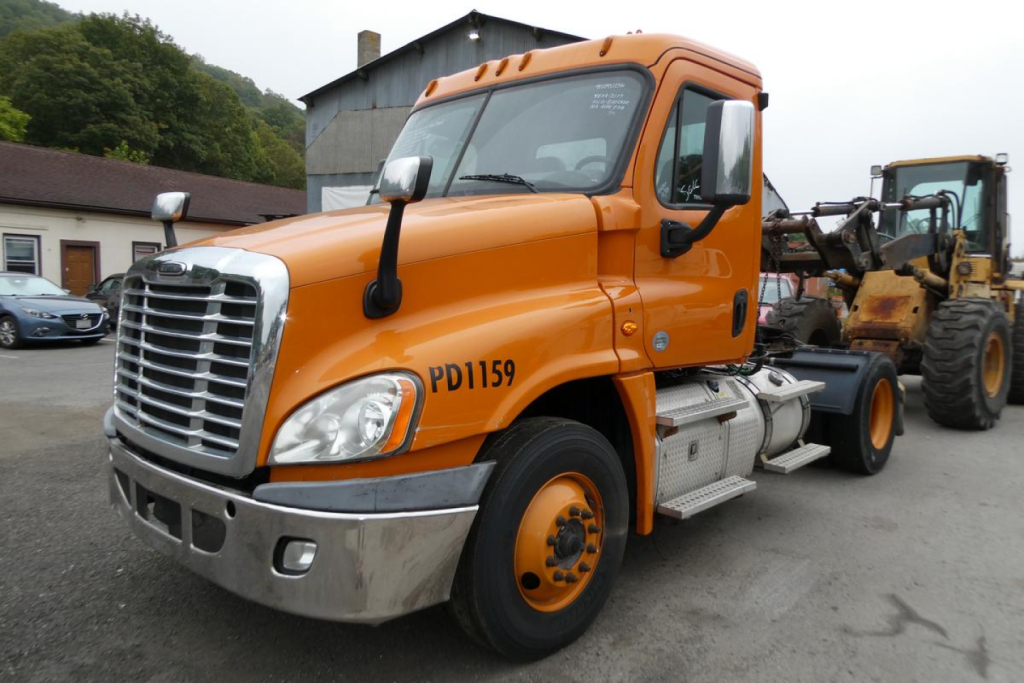
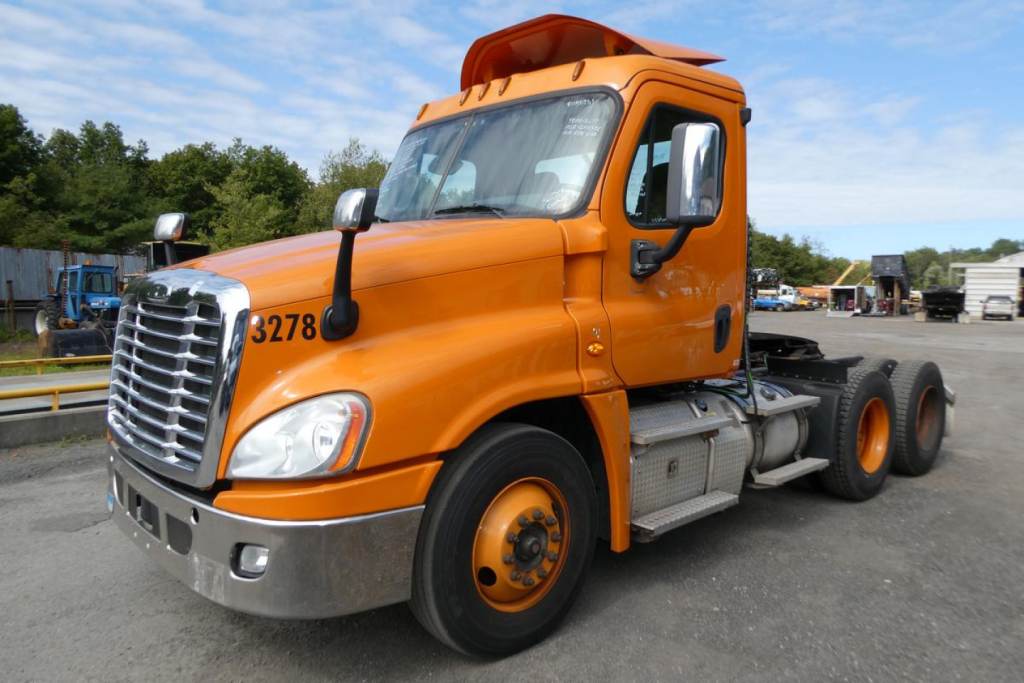
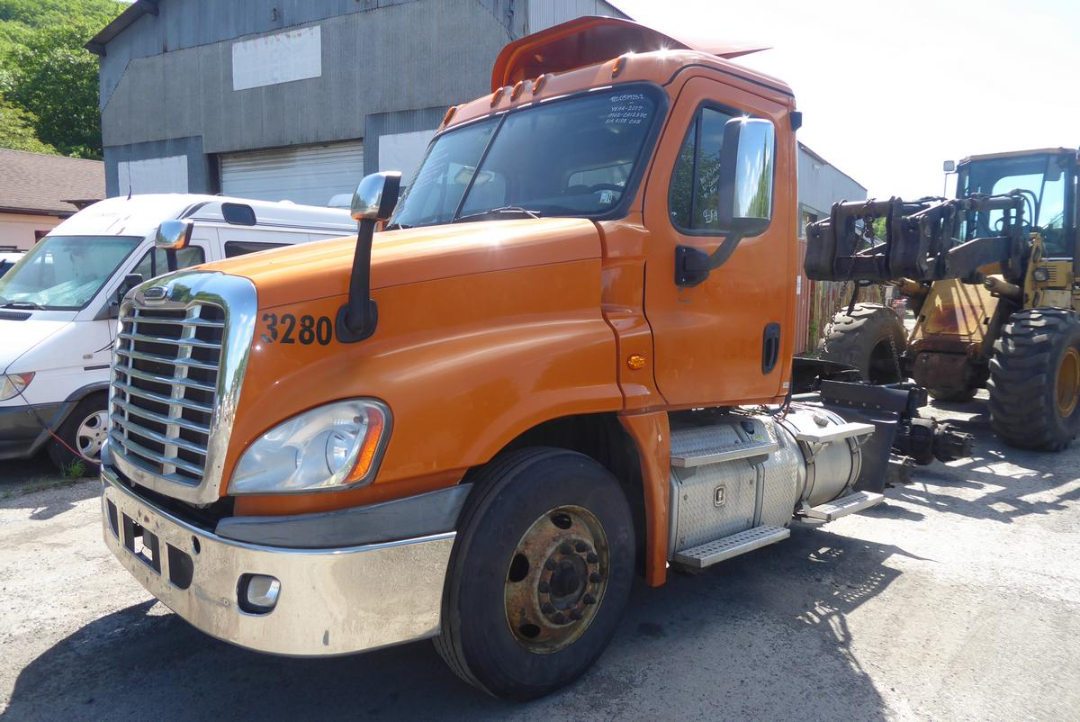
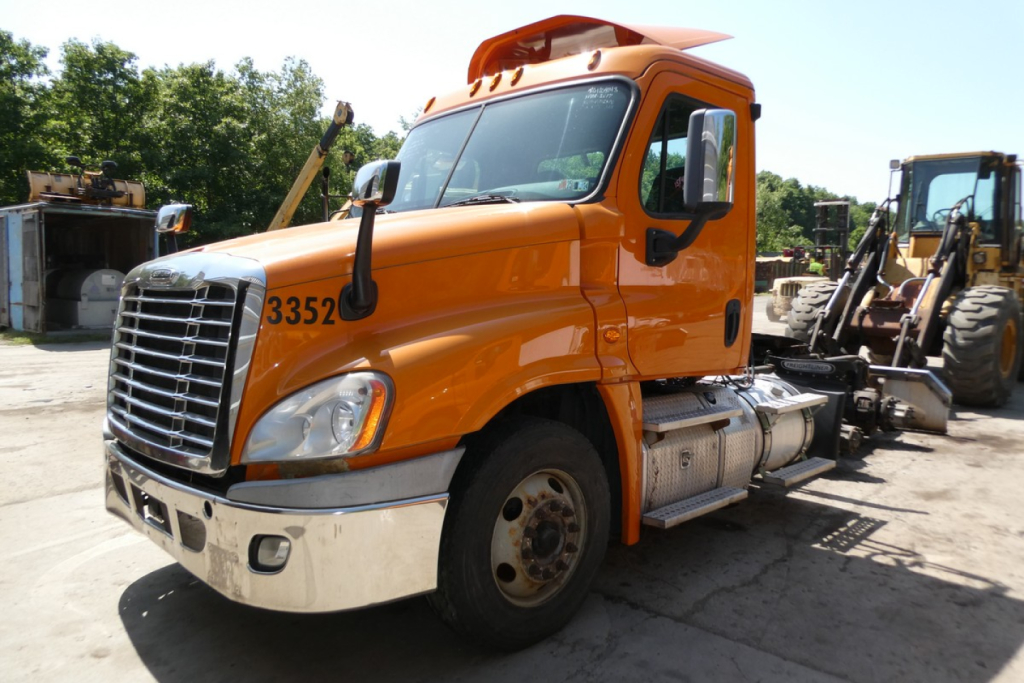
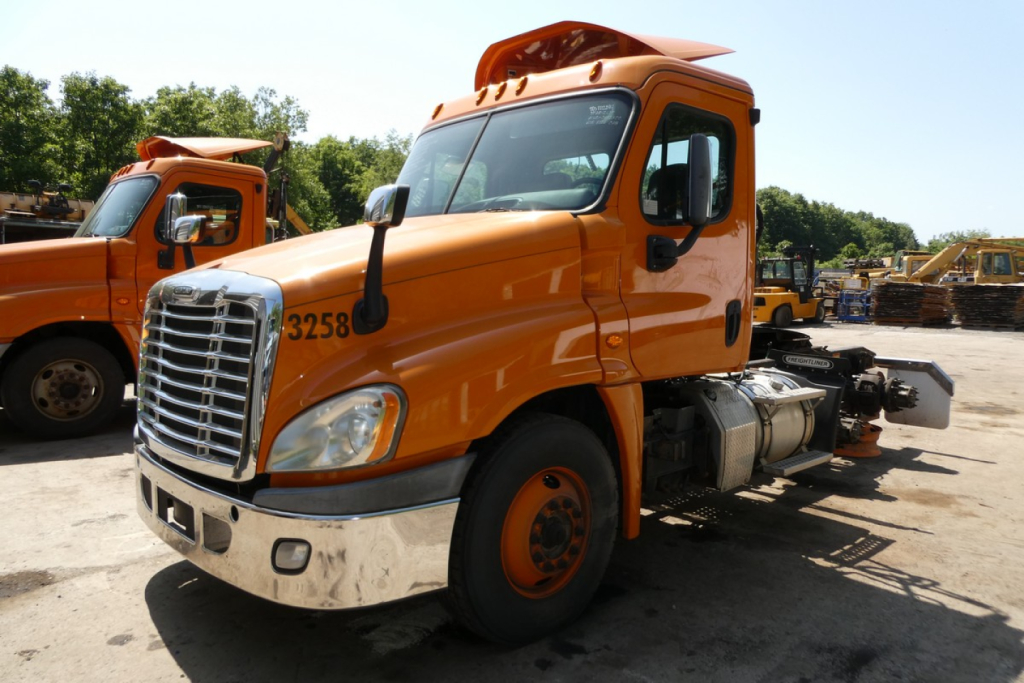
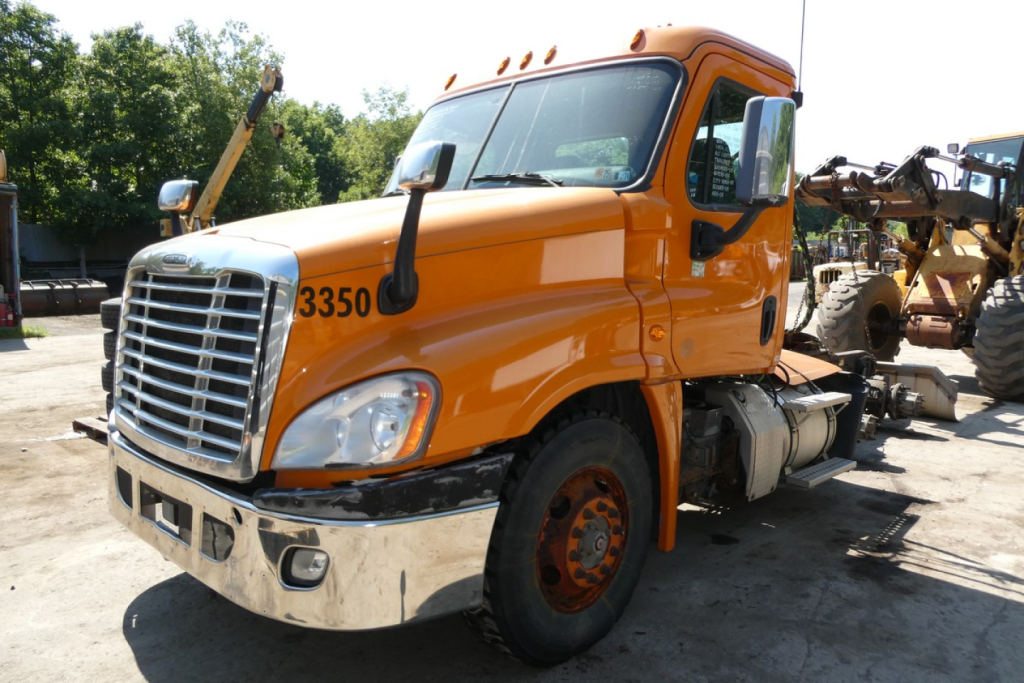
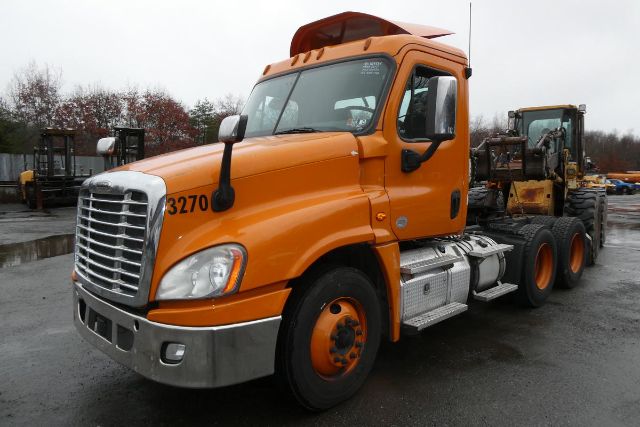
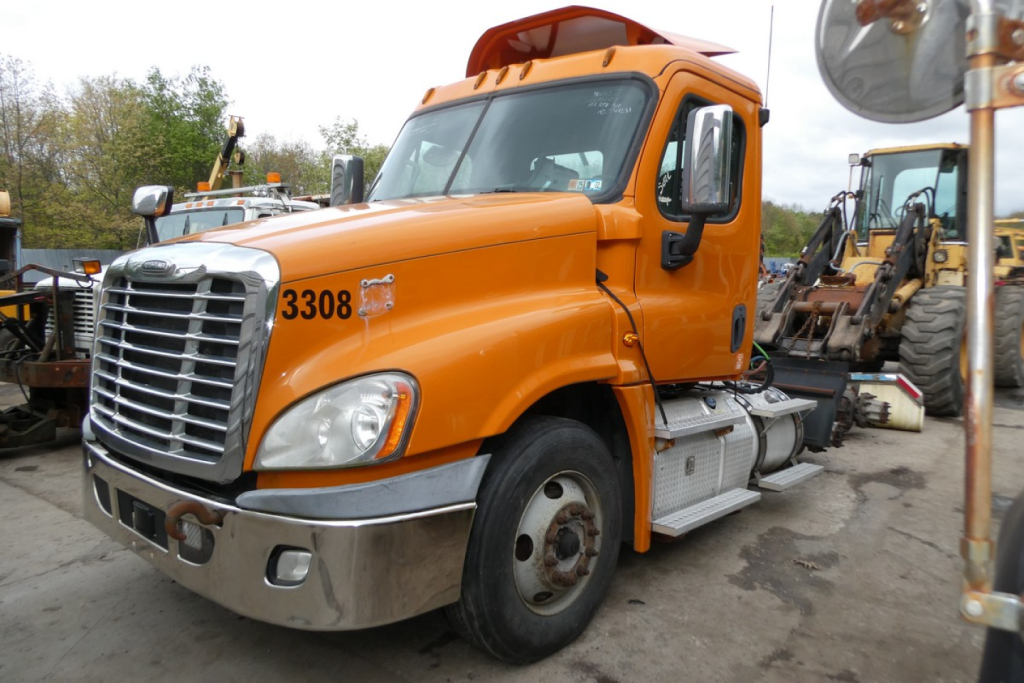
Selling a used 2017 conventional day cab truck? List your used 2017 conventional day cab truck for sale and reach thousands of commercial buyers.
Used 2017 Conventional Day Cab Trucks
Freightliner Cascadia day cabs commonly pair Detroit DD13 or DD15 engines with Eaton manuals or Detroit DT12 automated manuals. Other 2017 choices include Kenworth T680 and Peterbilt 579 highway tractors, Volvo VNL day cabs, Mack Pinnacles and International ProStars. Confirm the exact engine family and transmission model rather than relying on the hood badge; an automated manual still has a clutch, and a seller's description of automatic does not establish transmission type.
Axle layout and gearing should match the trailer, terrain and loaded starting conditions. A 6x2 tandem has one driven rear axle, while a 6x4 has two; traction requirements should guide that choice. Compare rear axle ratio together with transmission top gear and tire size, since a numerically low ratio can suit highway operation but compromise repeated loaded starts if incorrectly matched. Short wheelbases improve maneuverability, but fifth-wheel position, trailer swing clearance and axle loading still need checking. Tractor GVWR and axle ratings do not by themselves establish the legal combined weight for a particular route.
Request maintenance invoices and an ECM download showing mileage, engine hours, idle time and available fault history. High hours relative to miles can indicate extensive idling or low-speed work. Prioritize documented DPF ash cleaning, regeneration problems, SCR repairs and recurring derates, then inspect cold-start behavior, crankcase pressure, coolant condition and oil analysis. Road-test a complete, running tractor under load to assess shifting, clutch engagement, differential noise and operating temperatures. A non-running tractor or one missing drivetrain components requires a repair assessment before it can be evaluated as working equipment.
Across the United States and Canada, previous operating conditions can matter more than the truck's current location: inspect salt-exposed frames, crossmembers, brake plumbing and electrical connectors for corrosion. Check steering joints, suspension bushings, air springs and cab mounts for cumulative urban-service wear, and verify cold-weather starting equipment for northern operation. California buyers should verify CARB compliance and Clean Truck Check obligations, while Canadian buyers should confirm provincial inspection requirements and the axle-spacing rules governing their intended routes.
Frequently Asked Questions about Used 2017 Conventional Day Cab Trucks
Can I add a wet kit to a used 2017 day cab tractor?
A wet kit can be added to many 2017 day cab tractors, but the transmission must support the correct PTO installation. Confirm PTO compatibility by transmission model and serial number, especially with automated manuals. Match pump flow, operating pressure, reservoir capacity and return plumbing to the trailer. Dump trailers, walking floors and lowboys can require different hydraulic circuits, and a short wheelbase can restrict reservoir mounting space.
How do I inspect the fifth wheel on a used 2017 day cab?
Check fifth-wheel jaw engagement and kingpin play with a correctly sized test kingpin or the manufacturer's inspection procedure. On a 2017 day cab tractor, also inspect the top plate, mounting brackets, slider rails, locking pins and frame attachments for cracks, excessive wear or unauthorized welding. Verify that both slider locks engage fully. A successful tug test alone does not establish that the fifth wheel is within wear limits.
Can a 2017 diesel day cab operate in California?
A compliant 2017 diesel day cab can operate in California, but chassis model year alone does not prove compliance. Verify the installed engine's certification and applicable CARB Truck and Bus requirements, particularly if the engine has been replaced. Most diesel day cab tractors over 14,000 pounds GVWR operating in California also fall under Clean Truck Check, including trucks registered outside California. Missing or tampered emissions equipment requires correction.
What should I check before importing a 2017 day cab from the US into Canada?
Confirm Canadian import admissibility before purchasing a US-market 2017 day cab tractor. For a truck under 15 years old, review Transport Canada requirements, applicable Registrar of Imported Vehicles procedures, certification labels and any required modifications. Verify documentation for the chassis and installed engine, especially after major replacements. Federal import clearance does not replace the destination province's commercial safety inspection, registration requirements or axle-weight limits.