
Used 2009 Conventional Daycab Trucks For Sale
Shop used 2009 conventional daycab trucks built for regional haul, local delivery, port work, and vocational tractor applications.
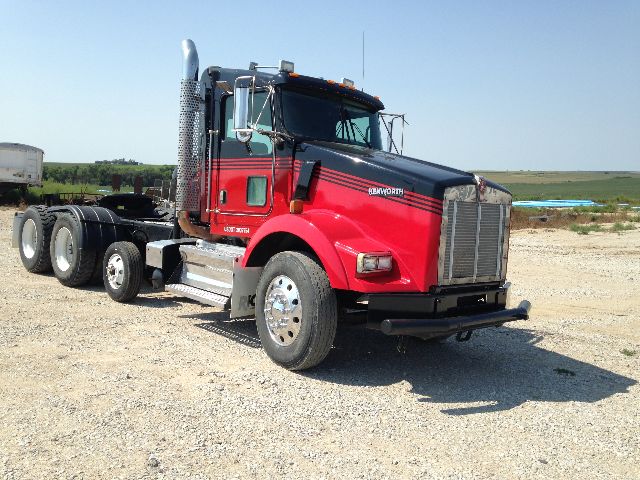
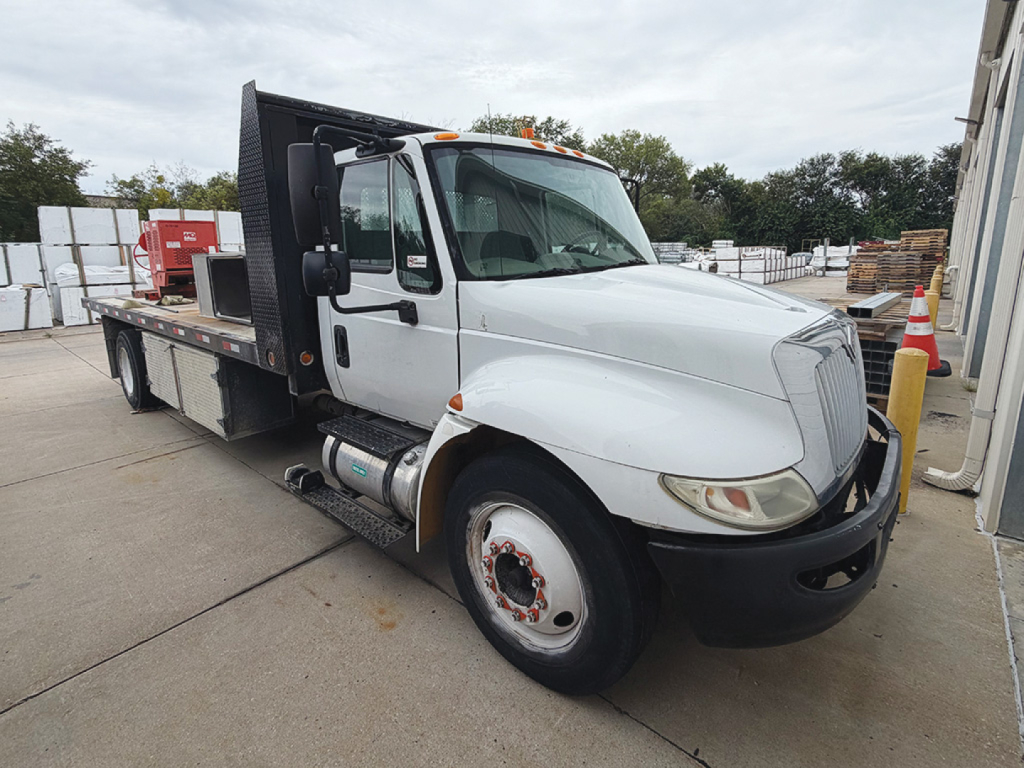
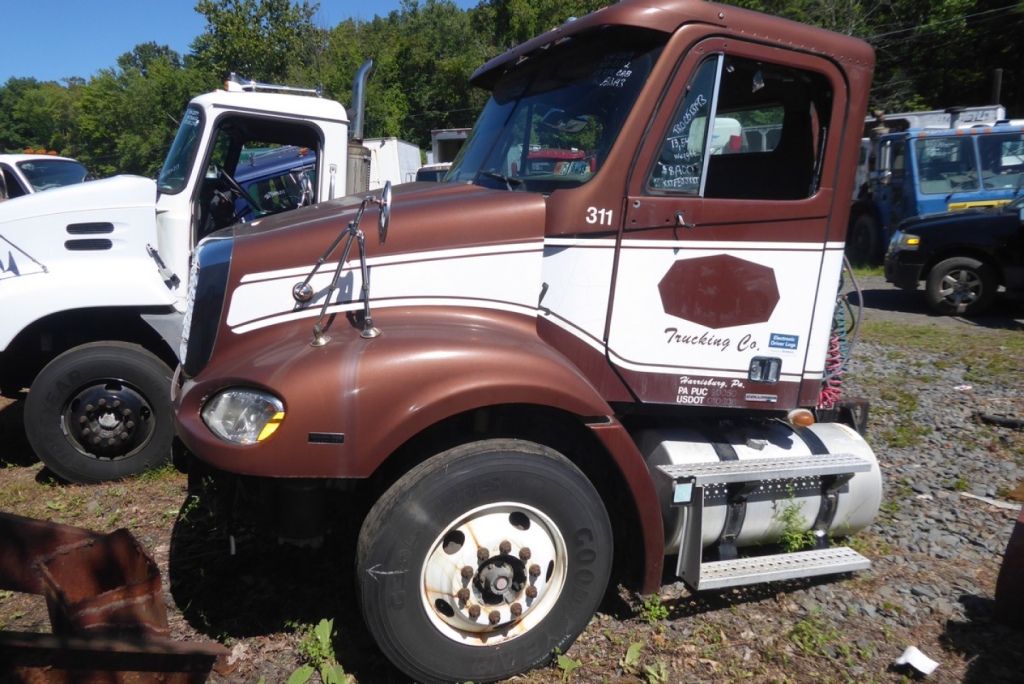
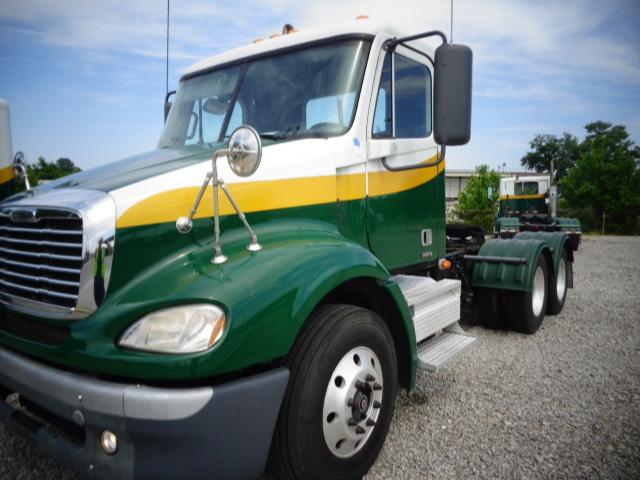
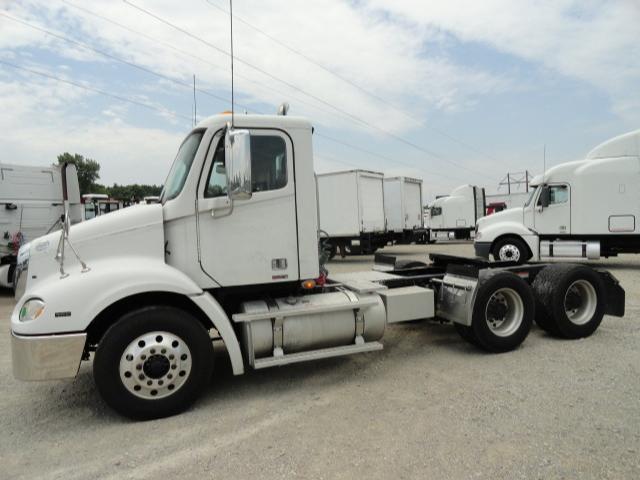

Selling a used 2009 conventional daycab truck? List your used 2009 conventional daycab truck for sale and reach thousands of commercial buyers.
Used 2009 Conventional Daycab Trucks
For a 2009 model year, the first buying decision is emissions. Many 2009 conventional daycab trucks fall into the pre-DEF generation, which appeals to buyers looking for simpler aftertreatment than later SCR-equipped trucks. That does not automatically mean lower operating cost, because condition, engine history, and prior duty cycle matter more than model year alone. Common engines in this class include Detroit Diesel, Cummins, Caterpillar on some earlier chassis, Volvo, and Mack platforms, paired with 10-speed, 13-speed, or automated manual transmissions. Pay close attention to horsepower and torque ratings, rear axle ratio, wheelbase, and suspension type, since those specs determine how well the truck fits city P&D work versus highway regional hauling.
A 2009 daycab can be spec'd very differently from one truck to the next. Typical front axle ratings are around 12,000 pounds, with rears ranging from lighter single-axle setups to 40,000-pound tandem configurations. Wheelbases often fall in the 150-inch to 230-inch range depending on fifth wheel placement, bridge law needs, and trailer type. Buyers pulling vans or reefers usually focus on fuel economy and turning radius, while heavy-haul or vocational users may prioritize double frame construction, locking differentials, higher GVWR, and a sliding fifth wheel. Air ride suspension, engine brakes, aluminum wheels, and air disc brakes can all add value depending on the route and maintenance standards.
When evaluating a used 2009 conventional daycab, the smartest approach is to compare engine hours against odometer miles, review service records, and inspect for frame alterations, fifth wheel wear, suspension bushing condition, and signs of hard yard or port service. Check the emissions system, clutch or AMT calibration, injector history, and cooling system health. Cab condition matters too, especially seat wear, HVAC function, dash warning lights, and electrical accessories that affect driver comfort on multi-stop regional routes. A well-matched 2009 daycab still has solid value for short-haul freight and terminal-based operations, especially when the axle specs, gearing, and engine platform line up with the job.
Frequently Asked Questions about Used 2009 Conventional Daycab Trucks
What is a conventional daycab truck used for?
A conventional daycab truck is used for hauling freight on routes where a sleeper berth is not necessary. Common applications include regional dry van and reefer lanes, port drayage, local container work, terminal-to-terminal shuttles, P&D service, and some vocational tractor jobs such as dump, lowboy, and equipment transport. The shorter cab helps reduce weight and improves maneuverability compared with a sleeper tractor.
Are 2009 daycab trucks pre-DEF?
Many 2009 conventional daycab trucks are from the emissions period before DEF became standard on heavy-duty on-highway trucks. That is one reason some buyers target this model year. Even so, emissions equipment can vary by engine make and build date, so it is important to verify the exact engine family, aftertreatment setup, and compliance label on the truck rather than assuming all 2009 models are configured the same way.
What specs matter most when buying a used 2009 conventional daycab?
The most important specs are engine make and rating, transmission type, axle configuration, rear ratio, wheelbase, suspension, and fifth wheel setup. Those details affect fuel economy, startability, cruising RPM, bridge compliance, and how easily the truck handles tight docks or heavier trailers. Buyers should also look at engine hours, maintenance records, brake type, frame rail condition, and whether the truck was used in regional highway service or severe stop-and-go duty.
Is a daycab better than a sleeper for local or regional work?
For local and regional applications, a daycab is often the better fit because it is lighter, shorter, and easier to position in urban areas, terminals, and customer yards. It typically carries less unnecessary chassis weight than a sleeper tractor, which can help payload and operating efficiency. A sleeper still makes sense for teams, overnight runs, or routes with frequent layovers, but for daily return-to-base operations, a daycab is usually the more efficient spec.