
Used 2021 Conventional Daycab Trucks For Sale
Shop used 2021 conventional daycab trucks with tandem axles, fleet-spec powertrains, and short wheelbases for local and regional hauling.
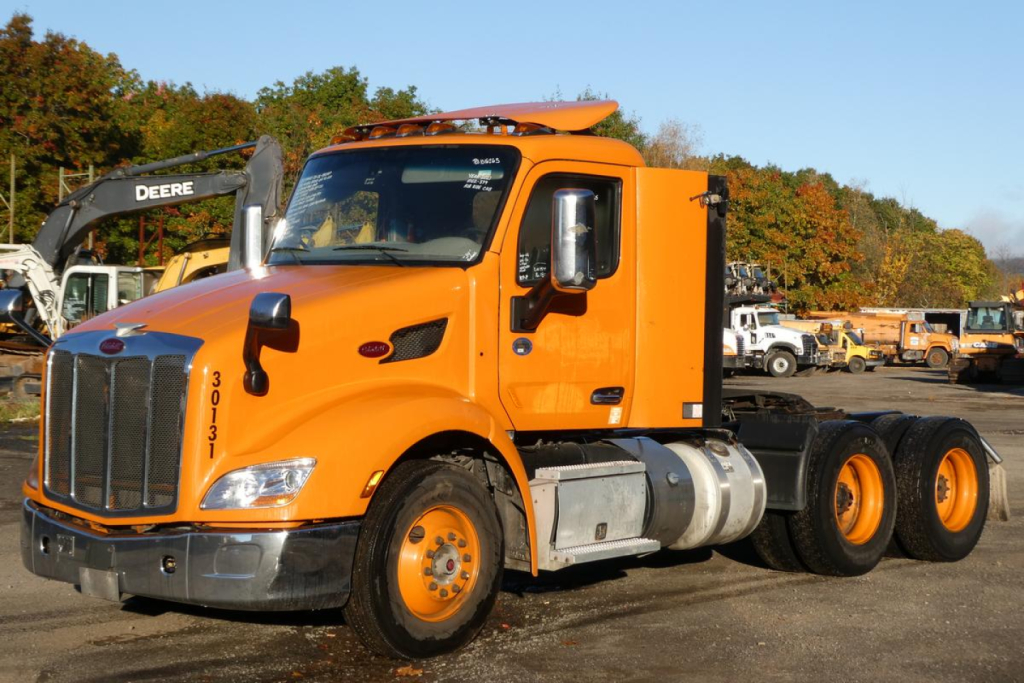
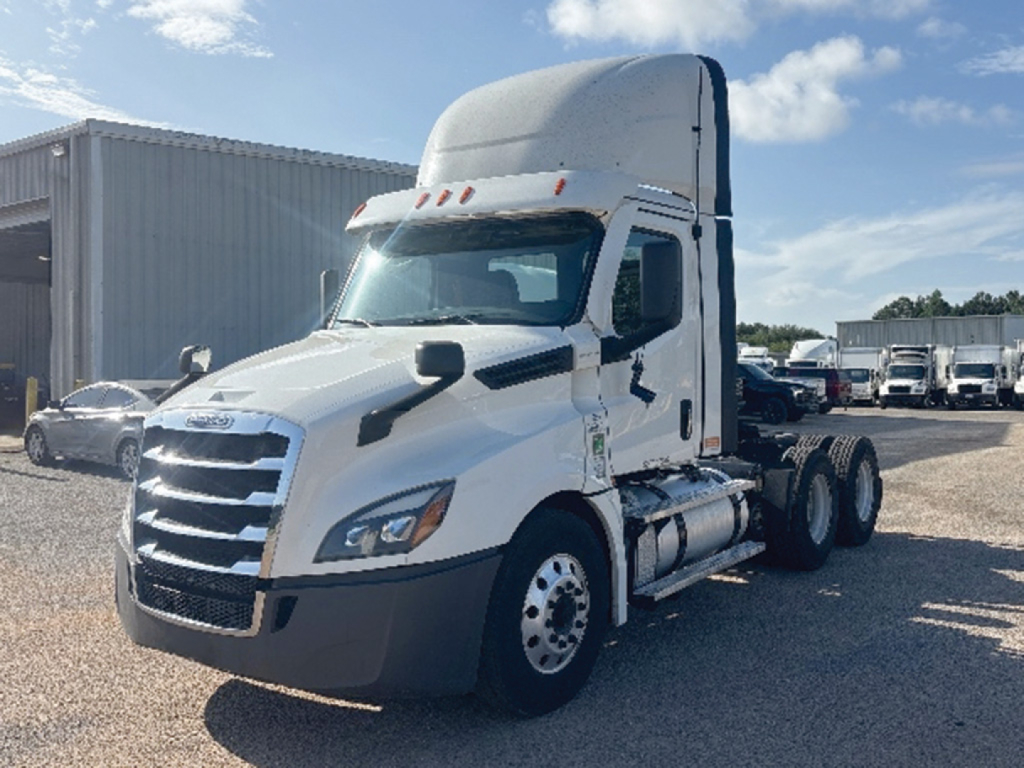
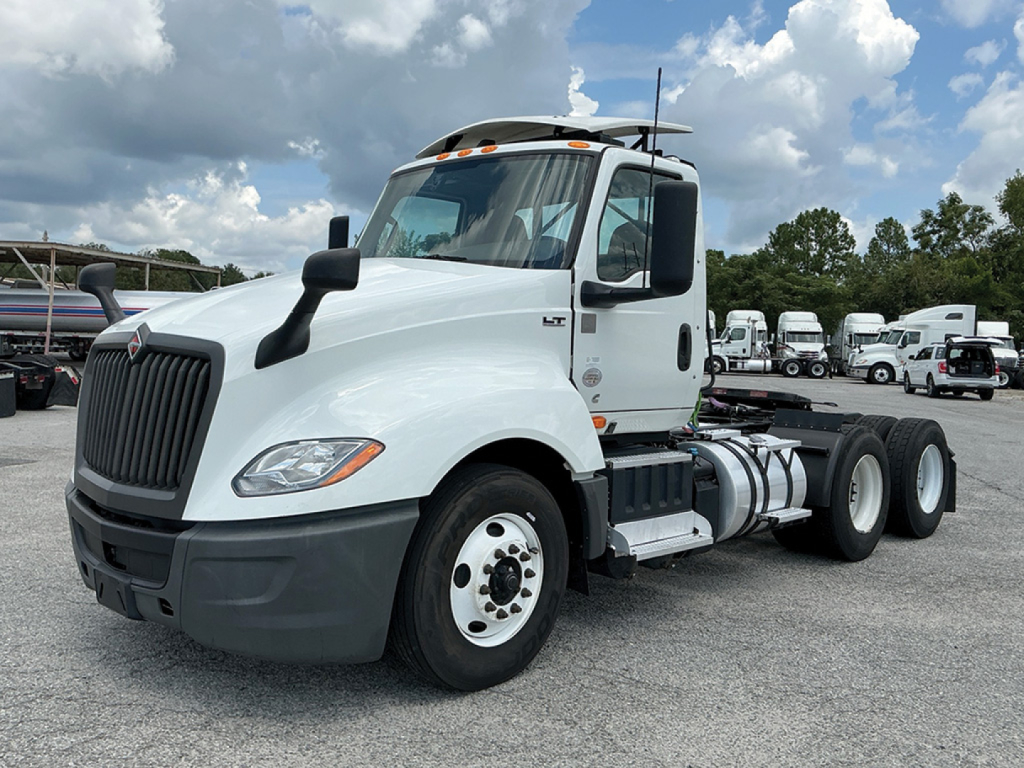
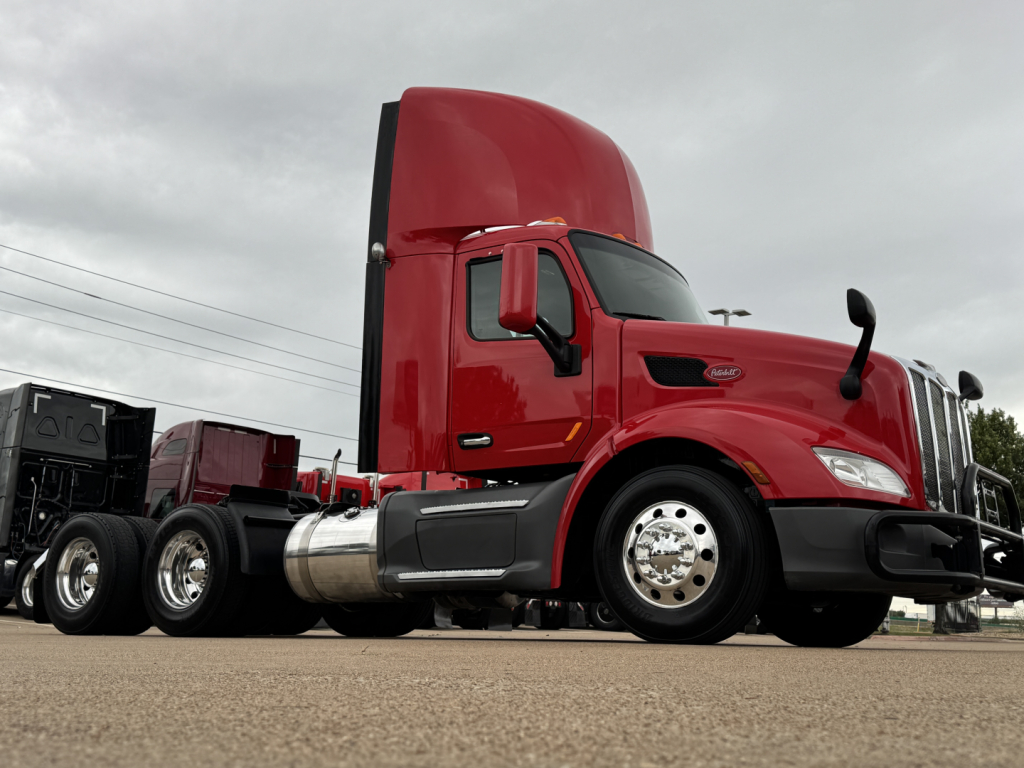
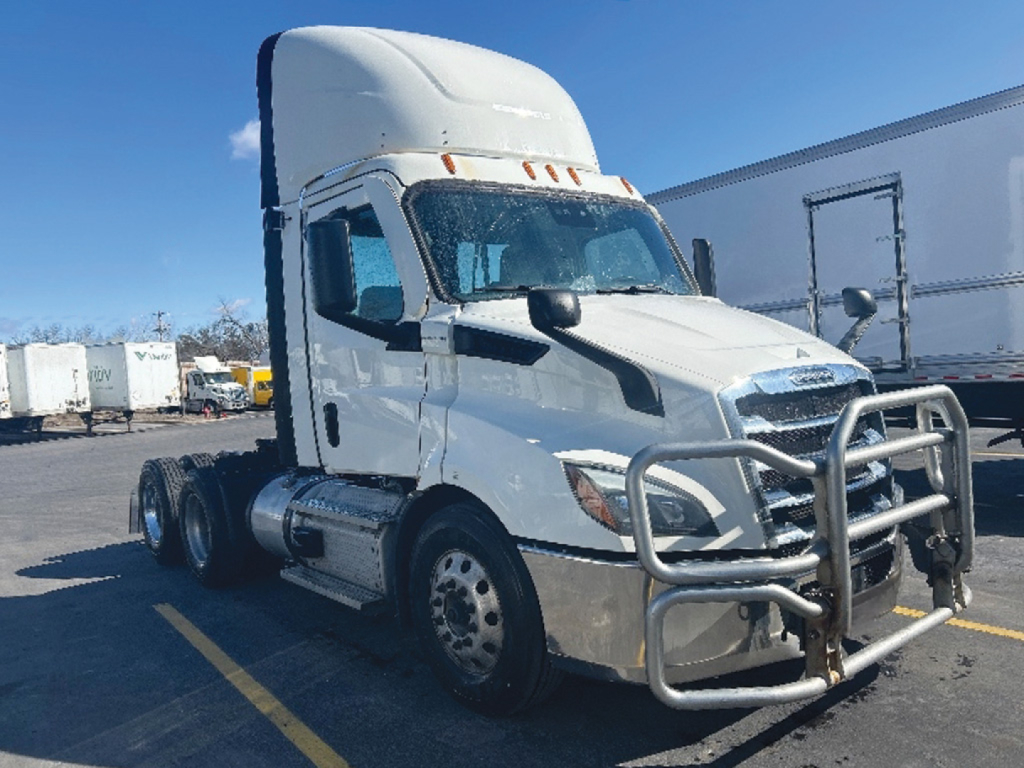
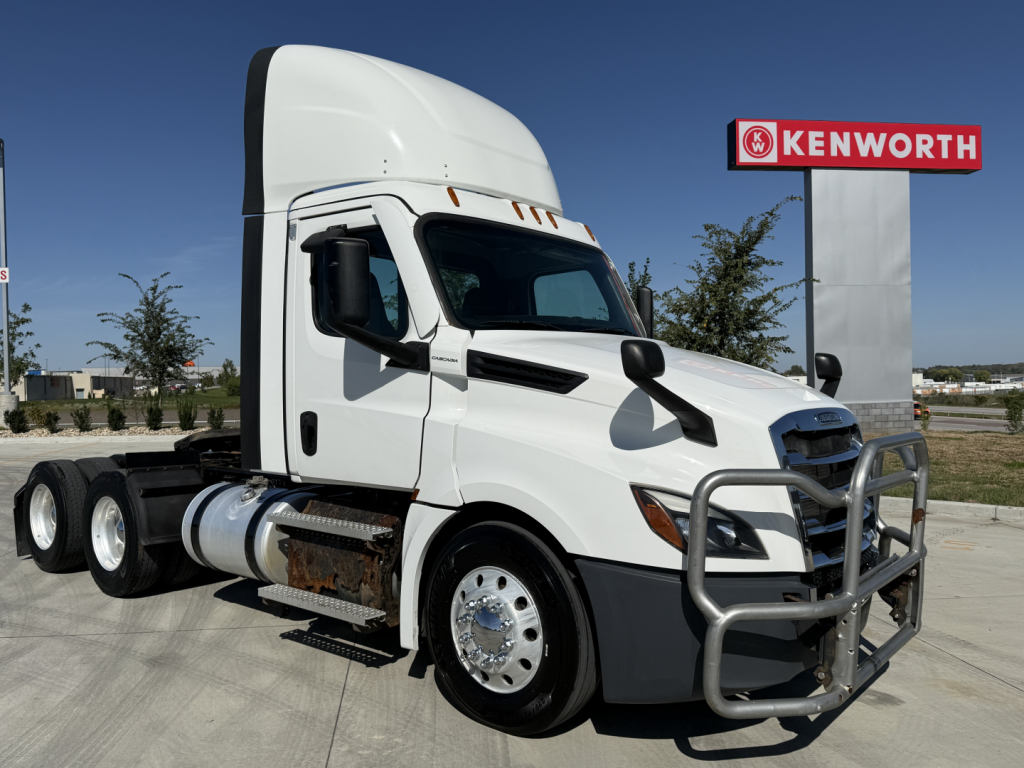
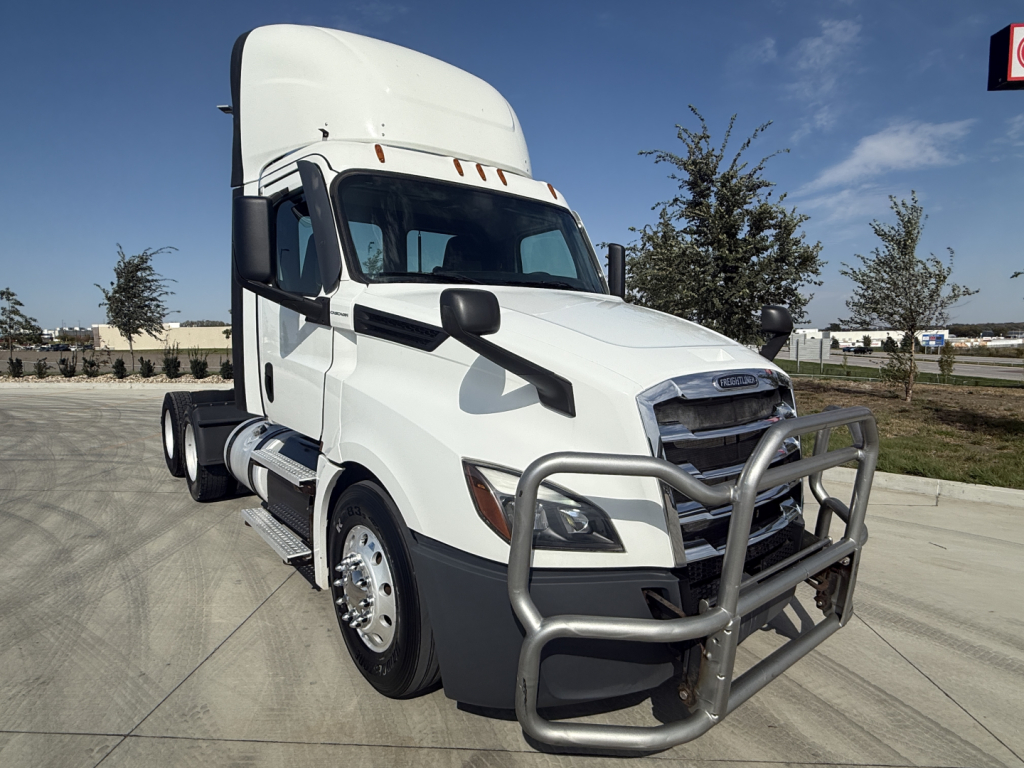
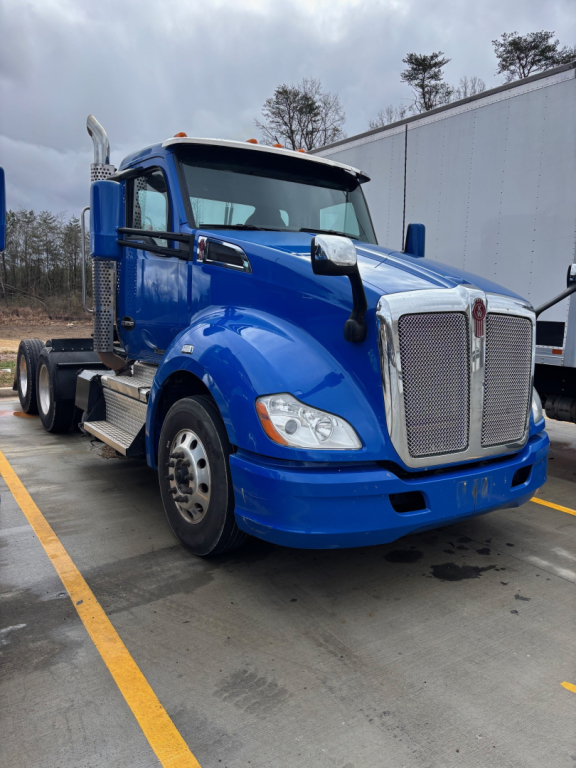
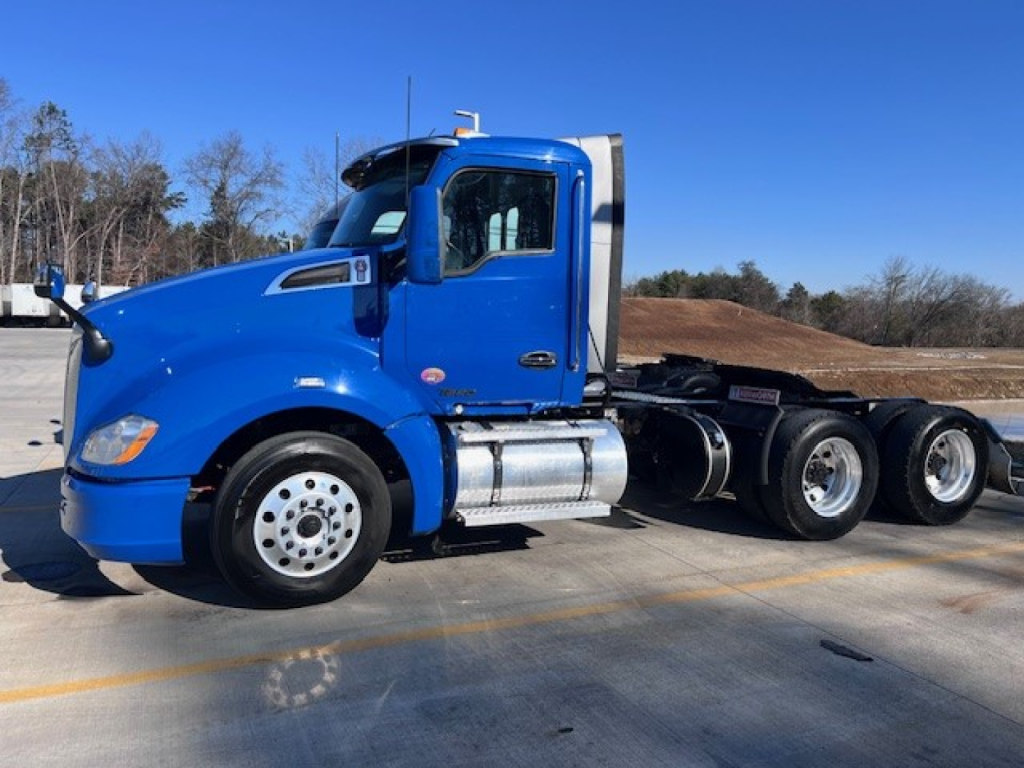
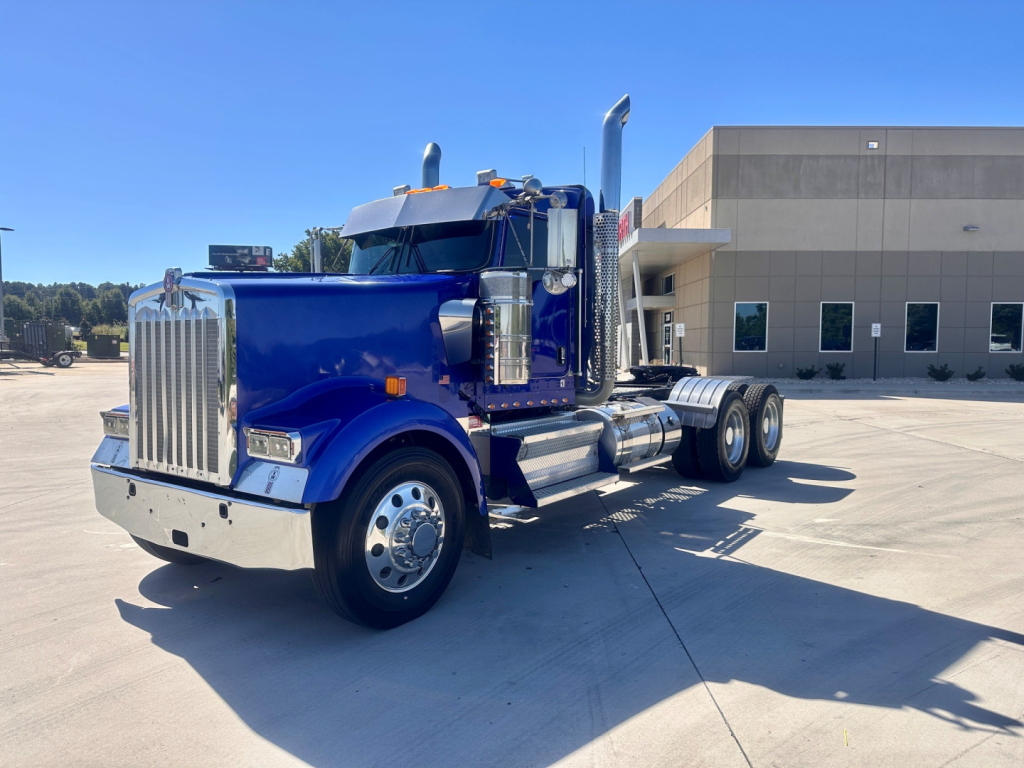
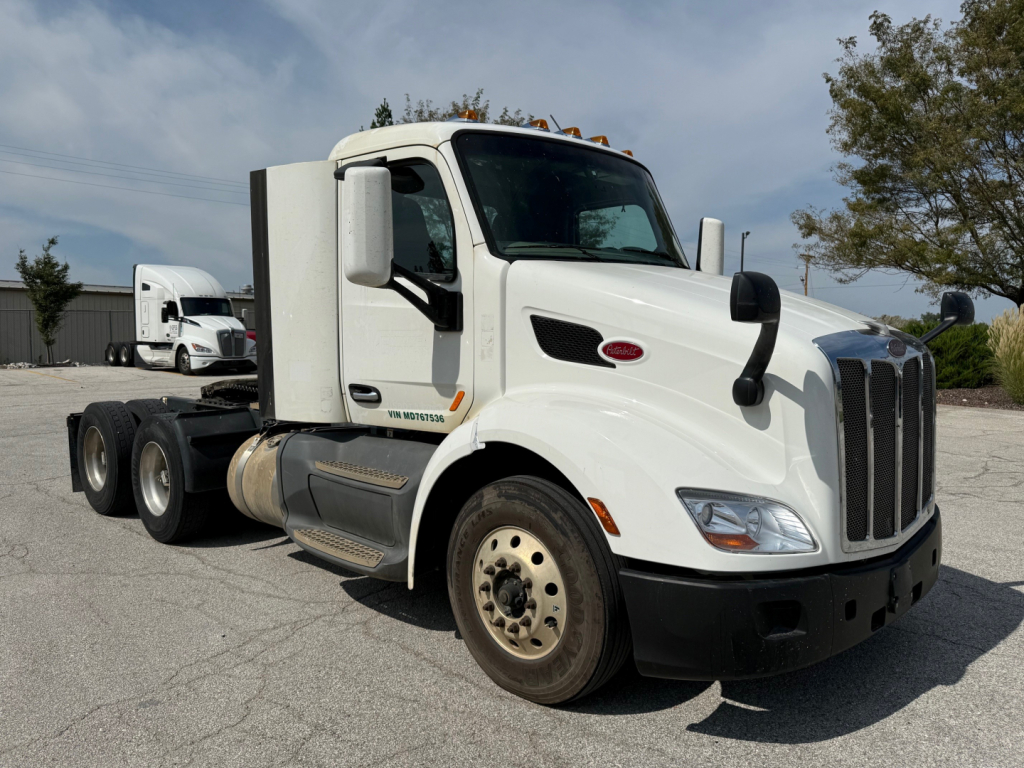
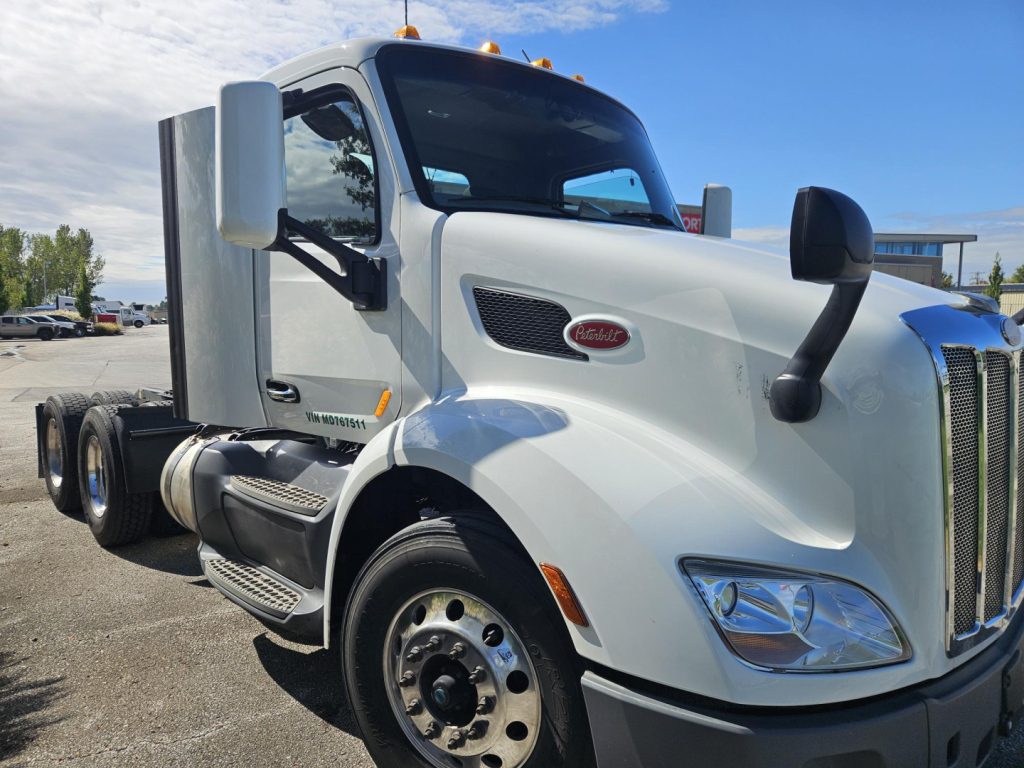
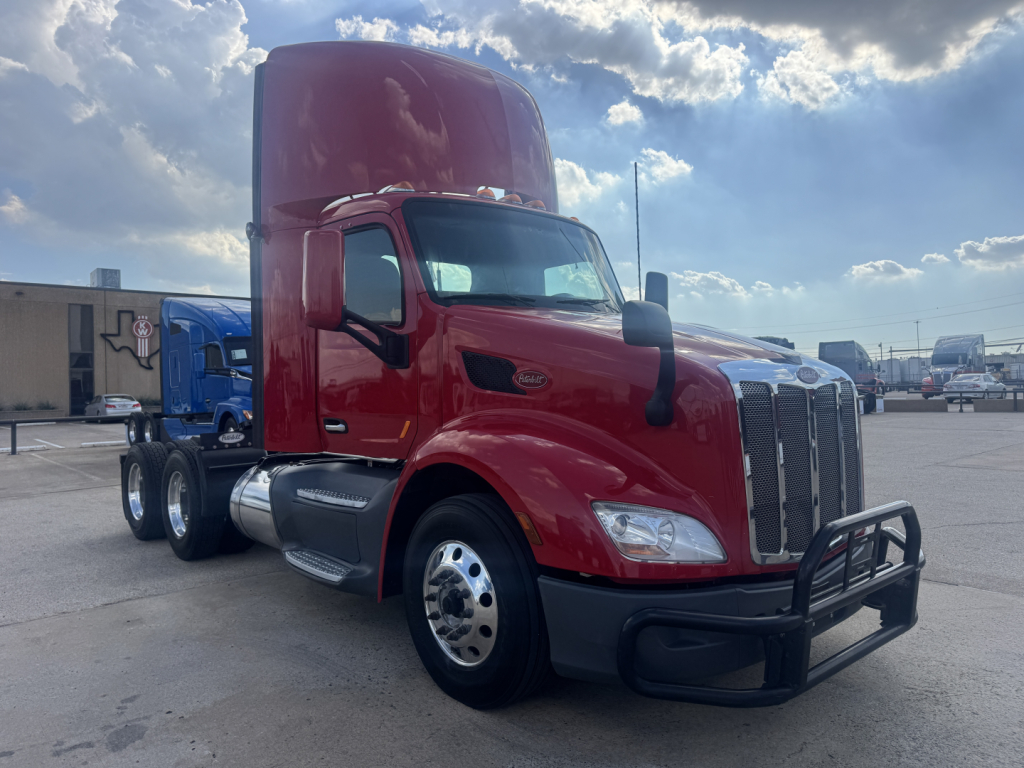
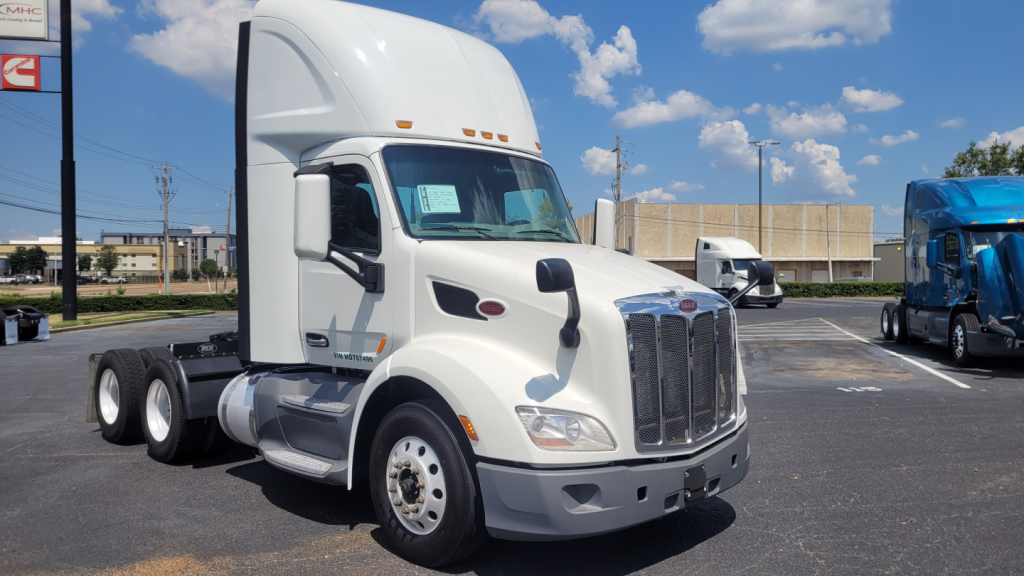
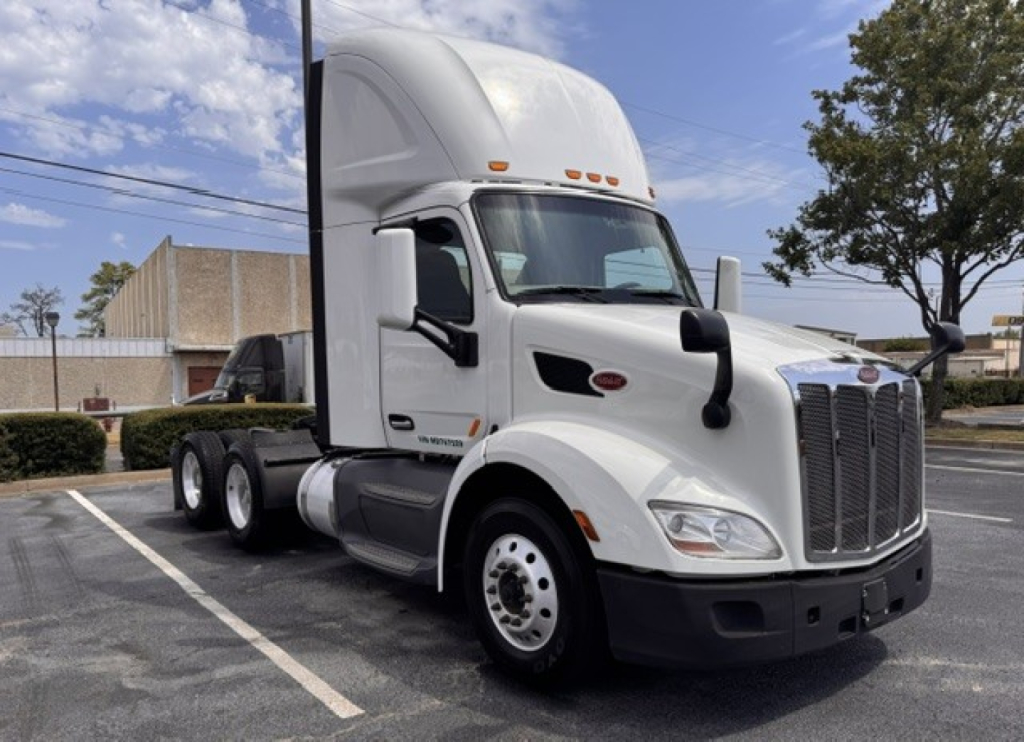
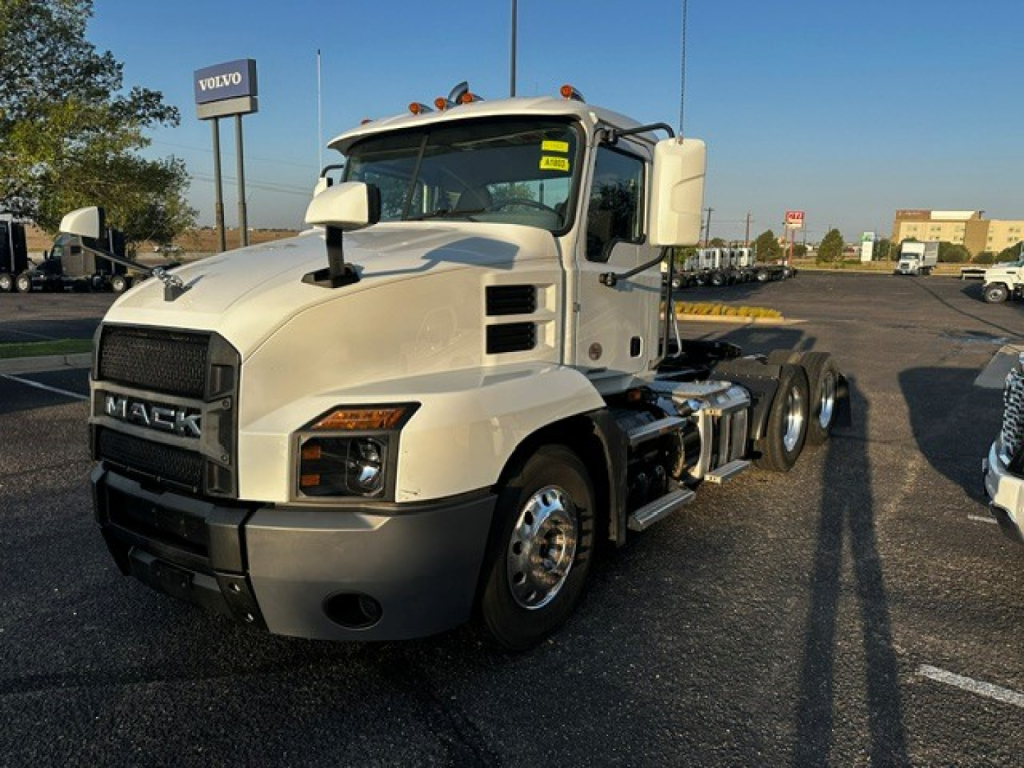
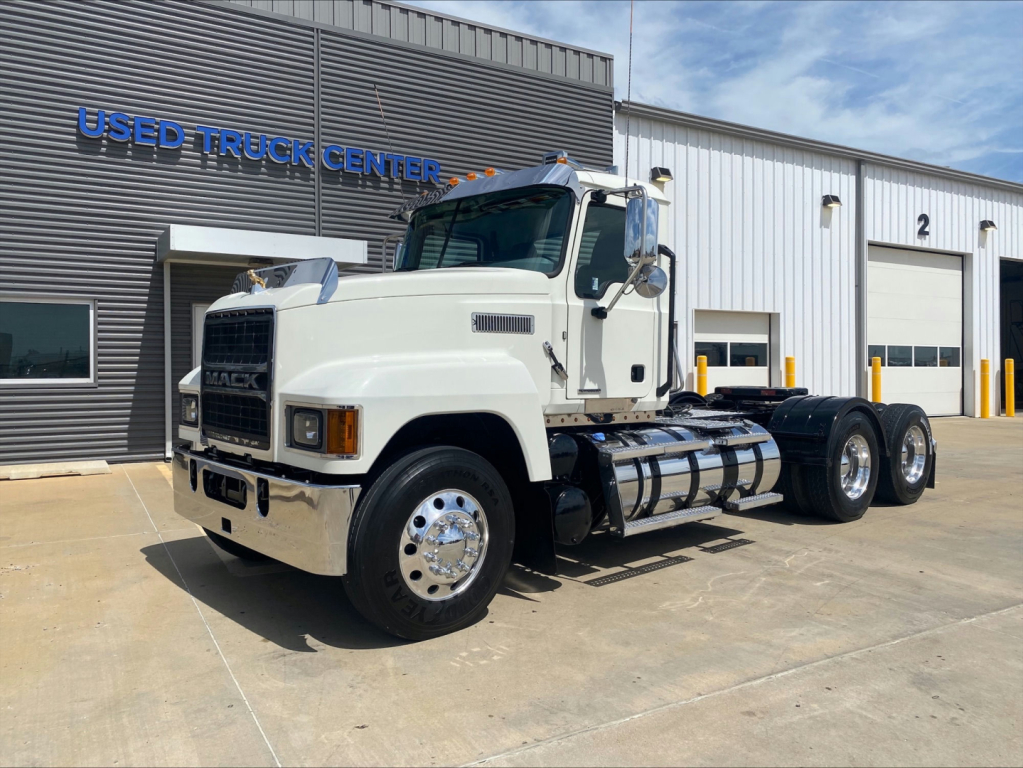
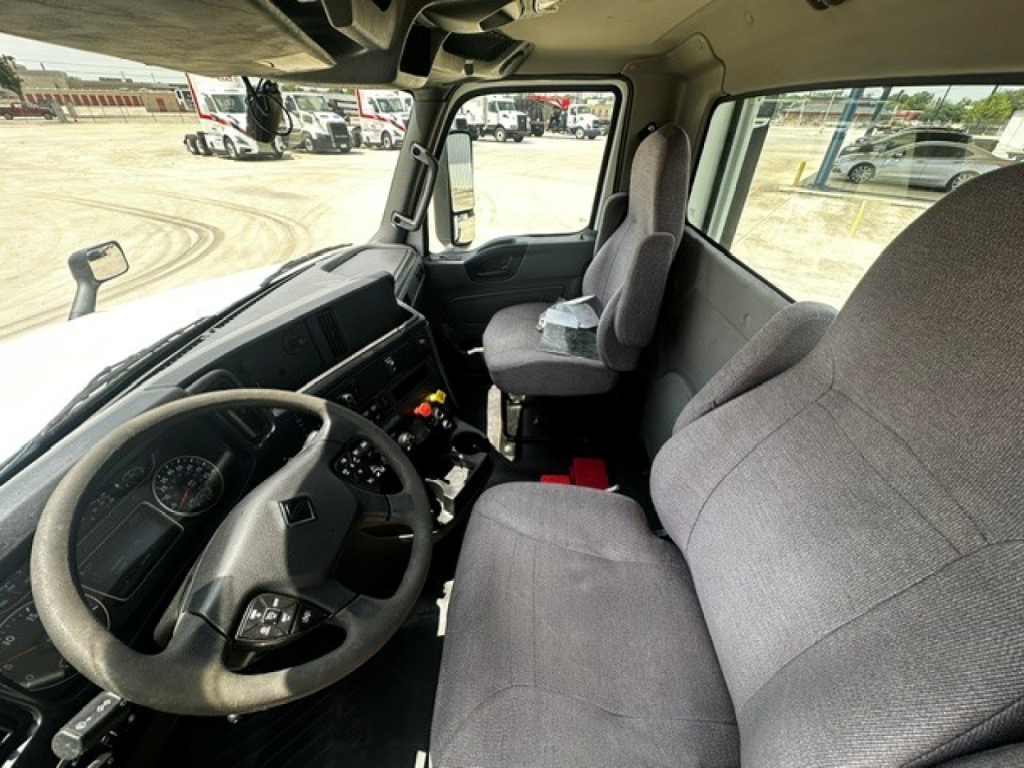
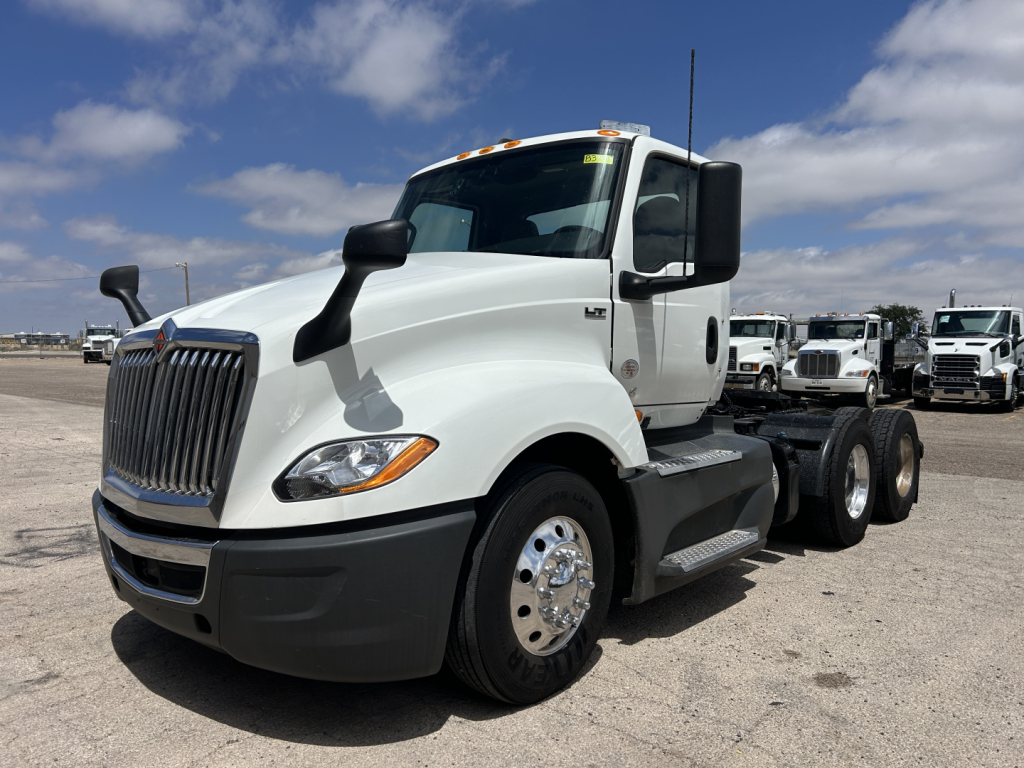

2021 Volvo VNR 300
2021 Volvo VNR 300
Selling a used 2021 conventional daycab truck? List your used 2021 conventional daycab truck for sale and reach thousands of commercial buyers.
Used 2021 Conventional Daycab Trucks
Powertrain choice matters more than trim level in this category. Many 2021 daycabs are spec'd with 11 to 13 liter diesel engines in the 400 to 455 hp range, paired with automated manual transmissions such as a Detroit DT12 or Eaton Endurant-type setup, though some fleets still ordered traditional manual transmissions. Rear axle ratios like 3.08, 3.25, and 3.42 are common and should match the truck's intended duty cycle. A 3.08 ratio usually favors fuel economy on faster regional lanes, while deeper ratios can help in stop-and-go service, heavy gross weights, or short-haul work with more starts and grades. Buyers should also pay attention to engine brake performance, PTO compatibility if vocational use is planned, and whether the truck has a sliding or fixed 5th wheel.
For chassis and cab specs, focus on the details that affect trailer compatibility and operating cost. Wheelbase, cab-to-axle, and 5th wheel placement determine bridge law compliance, swing clearance, and how well the tractor will handle different trailer lengths. Air disc brakes are increasingly common on newer daycabs and can be a plus for stopping performance and service consistency. Tire size, suspension type, and frame configuration also matter. Single-frame highway specs keep tare weight down, while heavier applications may call for a double-frame or a more vocational suspension package. Inside the cab, the practical items are visibility, seat condition, HVAC performance, switch layout, collision mitigation systems, and telematics support, especially if the truck is going back into fleet service.
On a used 2021 conventional daycab, condition should be evaluated with the same discipline as a linehaul sleeper. Compare dash miles to ECM miles and engine hours, review idle time, check for aftertreatment history, and look closely at DEF system repairs, DPF service intervals, and any fault-code patterns. Inspect the hood, bumper, fairings, frame rails, crossmembers, and 5th wheel plate for signs of hard coupling or yard damage. Fleet-maintained 2021 units can be strong value because they often balance modern safety and emissions equipment with enough service history to spot trends before purchase. The best buy is usually the truck whose wheelbase, axle ratio, transmission, and maintenance record match the route, trailer set, and gross weights it will actually run.
Frequently Asked Questions about Used 2021 Conventional Daycab Trucks
What is a conventional daycab truck used for?
A conventional daycab truck is used for operations where the driver returns home or to a terminal instead of needing sleeper accommodations. Common applications include regional freight, local pickup and delivery, container drayage, dedicated contract lanes, fuel hauling, and short-to-medium length trailer work. The daycab layout reduces weight and overall length compared with a sleeper tractor, which can improve maneuverability and leave more available payload.
What engine and transmission specs are common in a 2021 conventional daycab?
Most 2021 conventional daycab trucks are spec'd with modern diesel engines in the 11 to 13 liter class, usually rated around 400 to 455 horsepower with torque matched for regional highway work. Automated manual transmissions are very common in this year range because fleets favored fuel economy, easier driver onboarding, and reduced clutch wear. Buyers should confirm horsepower, torque rating, transmission model, rear axle ratio, and any PTO provisions because those details have a direct effect on startability, cruise rpm, fuel economy, and application fit.
How do I choose the right axle ratio and wheelbase in a used daycab?
The right axle ratio and wheelbase depend on the trailer, terrain, average gross weight, and how much city driving the truck will see. Lower numerical ratios such as 3.08 usually suit highway-oriented regional lanes and can keep engine rpm down for fuel savings. Higher numerical ratios such as 3.42 can be better for frequent starts, heavy loads, and mixed terrain. Wheelbase affects turning radius, bridge compliance, and trailer gap, so it should be matched to the trailer lengths and loading environments the truck will handle every day.
What should I inspect first on a used 2021 daycab truck?
Start with maintenance records, ECM data, and any active or recent fault codes. Then inspect the aftertreatment system, including DEF components, DPF history, sensors, and regeneration records, because emissions repairs can be expensive and recurring if the root cause was never corrected. After that, check frame condition, suspension wear, brake type and remaining life, tire wear patterns, and signs of collision or coupling damage around the front end and 5th wheel. A clean service history that aligns with miles, hours, and physical condition usually tells more than cosmetic appearance alone.
Are air disc brakes worth looking for on a used conventional daycab?
Air disc brakes can be a strong advantage on a used daycab because they generally deliver more consistent stopping performance, shorter stopping distances in many conditions, and simpler pad inspection compared with drum brakes. They can also reduce brake fade in demanding service. The tradeoff is that replacement parts and repair costs may be higher depending on the fleet's shop setup and local parts support. For buyers running frequent urban stops, regional highway speeds, or safety-sensitive freight, air disc brakes are often a worthwhile spec to consider.