
Used 2021 Mack Conventional Daycab Trucks For Sale
Shop the used 2021 Mack conventional daycab truck category. Compare MP7 and MP8 power, mDRIVE specs, axle ratings, wheelbase, and ratios.
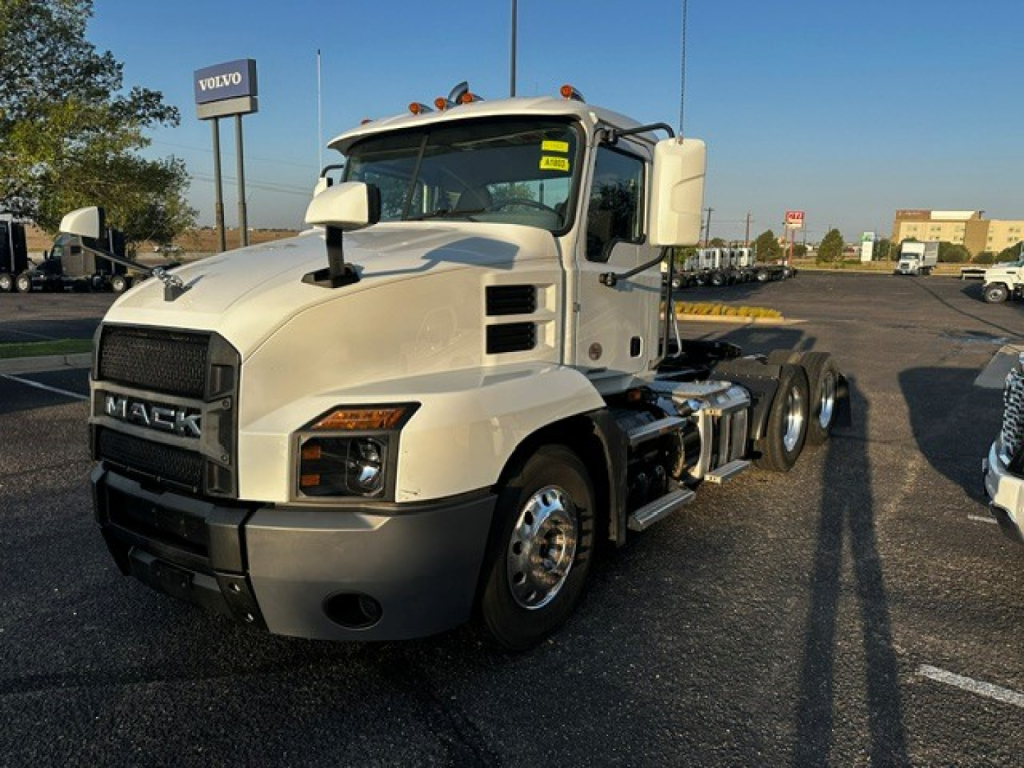
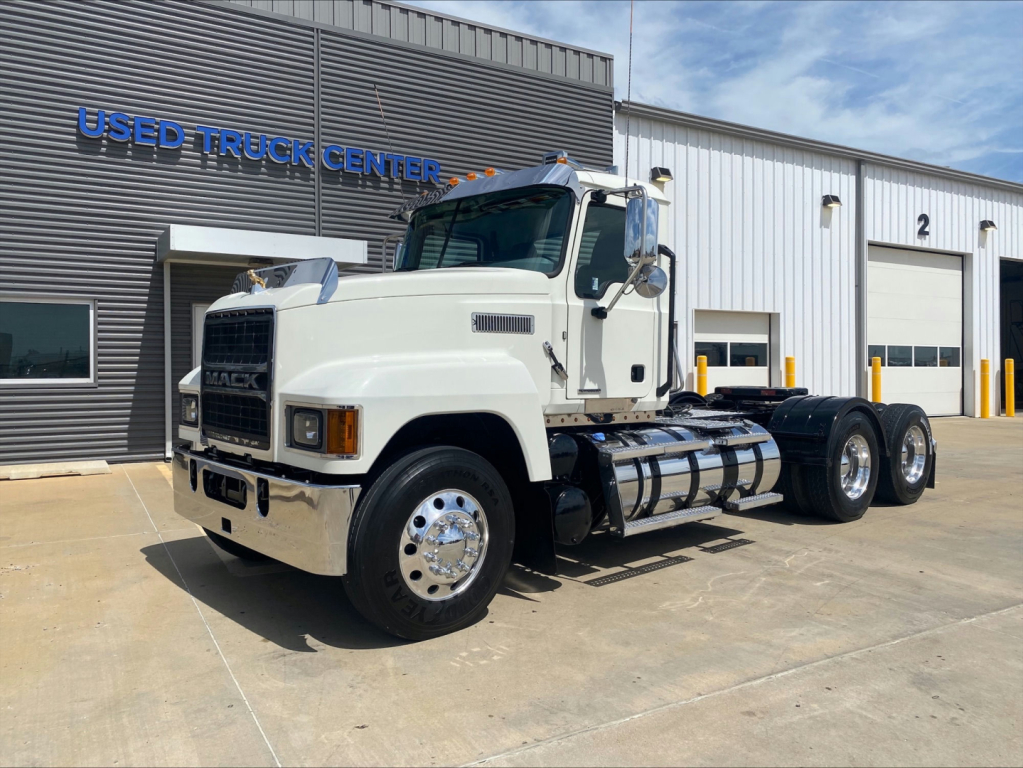

Selling a used 2021 mack conventional daycab truck? List your used 2021 mack conventional daycab truck for sale and reach thousands of commercial buyers.
Used 2021 Mack Conventional Daycab Trucks
The big buying decisions usually start with the powertrain. Many 2021 Mack daycabs are spec’d with MP7 or MP8 diesel engines, commonly paired with the Mack mDRIVE automated manual transmission. Horsepower can vary from the low 400s into the 500 hp range depending on intended use, with torque and rear axle ratio playing just as much of a role as headline horsepower. A single-axle setup may fit lighter regional freight and fuel-focused operations, while tandem-axle tractors with 40,000 lb rears are more common for heavier gross weights and broader route flexibility. Wheelbase, often in the mid-160-inch to 200-inch range, affects turning radius, trailer gap, ride quality, and how the truck fits your trailer mix.
Buyers should also look closely at suspension, brake, and fifth wheel specs. Air ride suspension is common on Mack conventional daycabs and helps ride quality while protecting freight and improving driver comfort. Rear ratio choices such as 2.80, 3.07, 3.25, or 3.55 change how the truck performs on grade, in stop-and-go service, and at highway cruise speeds. An adjustable fifth wheel can add flexibility across different trailer lengths and kingpin settings. PTO and wet kit provisions matter if the tractor may be used for dump, lowboy, or hydraulic trailer applications. Safety and driver-assist equipment also became more common by this model year, so buyers may find collision mitigation, integrated telematics, and updated dash controls depending on original fleet spec.
Condition matters as much as configuration on a used 2021 model. Service history, aftertreatment performance, idle hours, tire wear, brake life, and signs of prior frame or suspension repair all deserve close review. Mack daycabs are widely recognized for durable driveline components and fleet-friendly serviceability, but the right truck still depends on matching the spec to the job. For high-mile regional freight, prioritize maintenance records, emissions system history, and gearing that supports your cruise speed. For city and vocational work, focus more on wheelbase, axle rating, PTO capability, and maneuverability. A properly spec’d 2021 Mack conventional daycab can be a strong fit for buyers who want modern aerodynamics, Mack integrated power, and a tractor designed around hard daily use.
Frequently Asked Questions about Used 2021 Mack Conventional Daycab Trucks
What is the typical engine and transmission setup in a 2021 Mack conventional daycab?
Many 2021 Mack conventional daycab trucks are equipped with Mack MP7 or MP8 diesel engines and the Mack mDRIVE automated manual transmission. MP7 specs are often chosen for regional efficiency and lighter weight applications, while MP8 configurations are more common when higher horsepower and torque are needed. The best setup depends on gross combination weight, terrain, cruise speed, and how much stop-and-go work the truck sees.
Is a 2021 Mack daycab better suited for regional or local work?
A 2021 Mack daycab can handle both, but it is most often spec’d for regional haul, drayage, local delivery, dedicated routes, and vocational tractor work. The absence of a sleeper shortens the tractor, improves maneuverability, and usually reduces empty weight. Buyers running overnight lanes typically need a sleeper, but operations based on daily return-to-terminal schedules often prefer a daycab for its efficiency and lower operating complexity.
What rear axle ratio should I look for in a used Mack daycab?
Rear axle ratio should match the truck’s route profile and trailer weight. Lower numerical ratios such as 2.80 or 3.07 generally support lower engine rpm and better fuel economy at highway speed, while ratios like 3.25 or 3.55 can improve launch, gradeability, and performance in heavier or more demanding service. The right ratio also depends on tire size, transmission gearing, and your target cruise speed, so it should be evaluated as part of the whole driveline spec.
What should I inspect first on a used 2021 Mack conventional daycab?
Start with maintenance records, engine hours, mileage, emissions system history, and any evidence of recurring fault codes or derates. Then inspect tires, brakes, suspension bushings, air system integrity, fifth wheel wear, and frame condition. On a 2021 model, buyers should pay close attention to aftertreatment service history, transmission calibration and shifting behavior, and signs of damage from prior yard, trailer, or front-end impacts.
Are Mack conventional daycabs good for vocational tractor applications?
Yes, many Mack conventional daycab trucks are well suited for vocational tractor duty when properly spec’d. Buyers often look for PTO capability, wetline setup, heavier rear axles, suitable wheelbase, and gearing that supports low-speed pulling or frequent starts. A road-spec daycab and a vocational-spec daycab can look similar at a glance, so the actual value comes from confirming axle ratings, frame configuration, hydraulic provisions, and intended use before purchase.