
Used 2021 Conventional Daycab Trucks For Sale in Texas
Shop used 2021 conventional daycab trucks in Texas. Compare wheelbase, engine, axle ratio, transmission, and regional hauling specs.
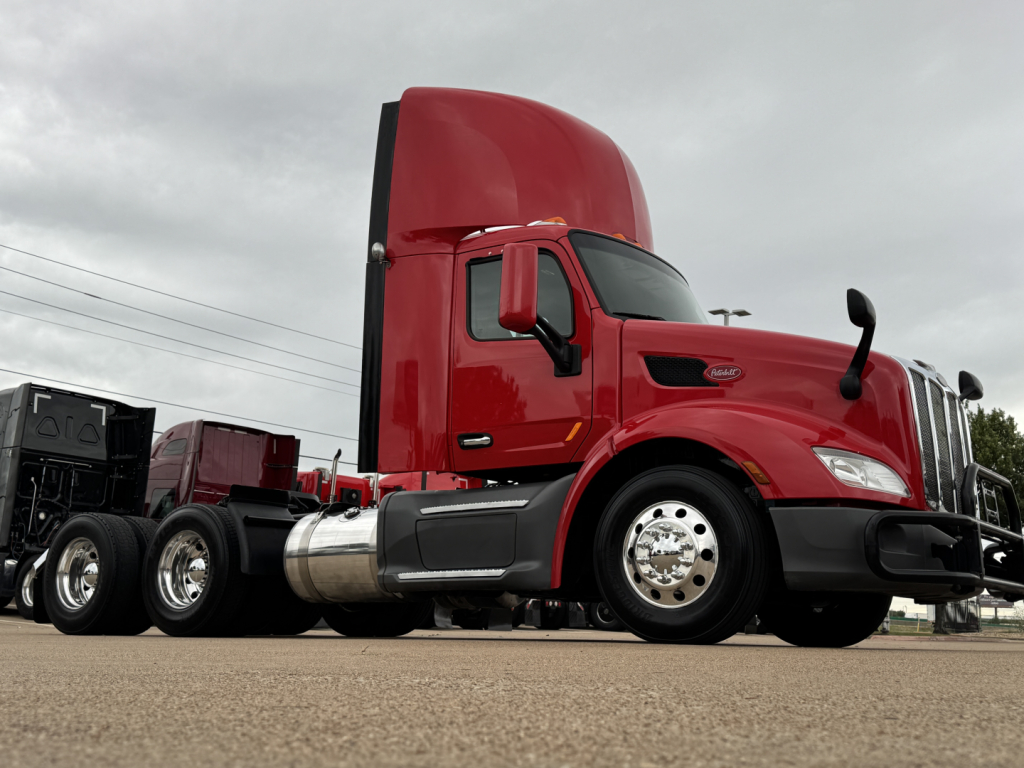
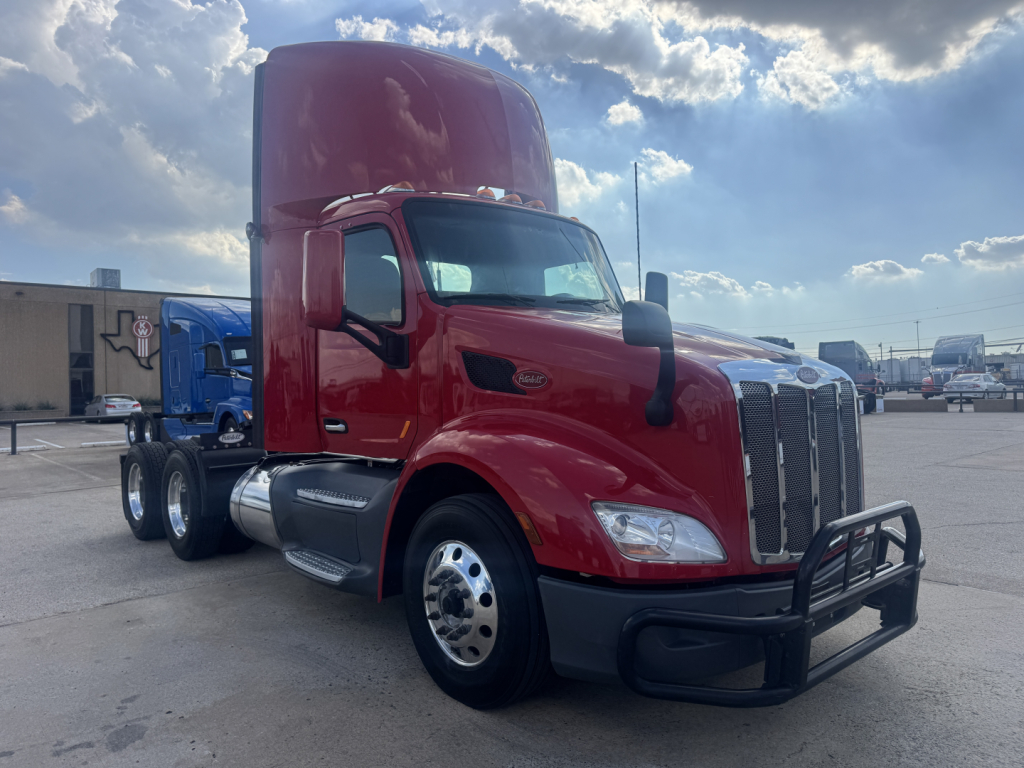
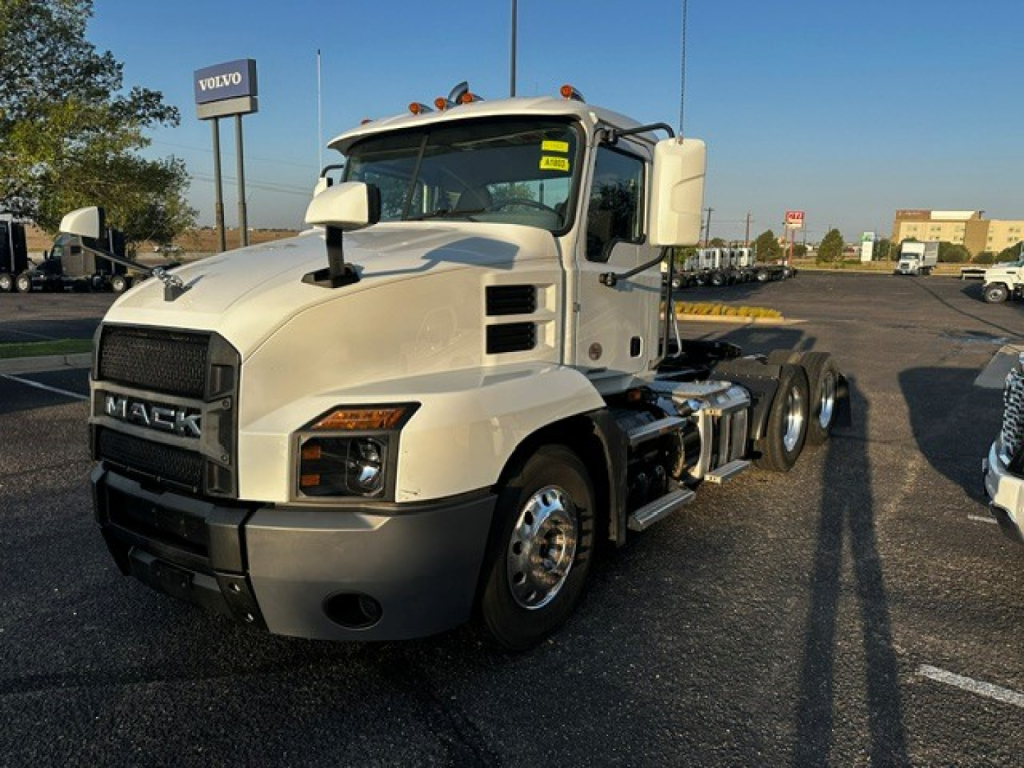
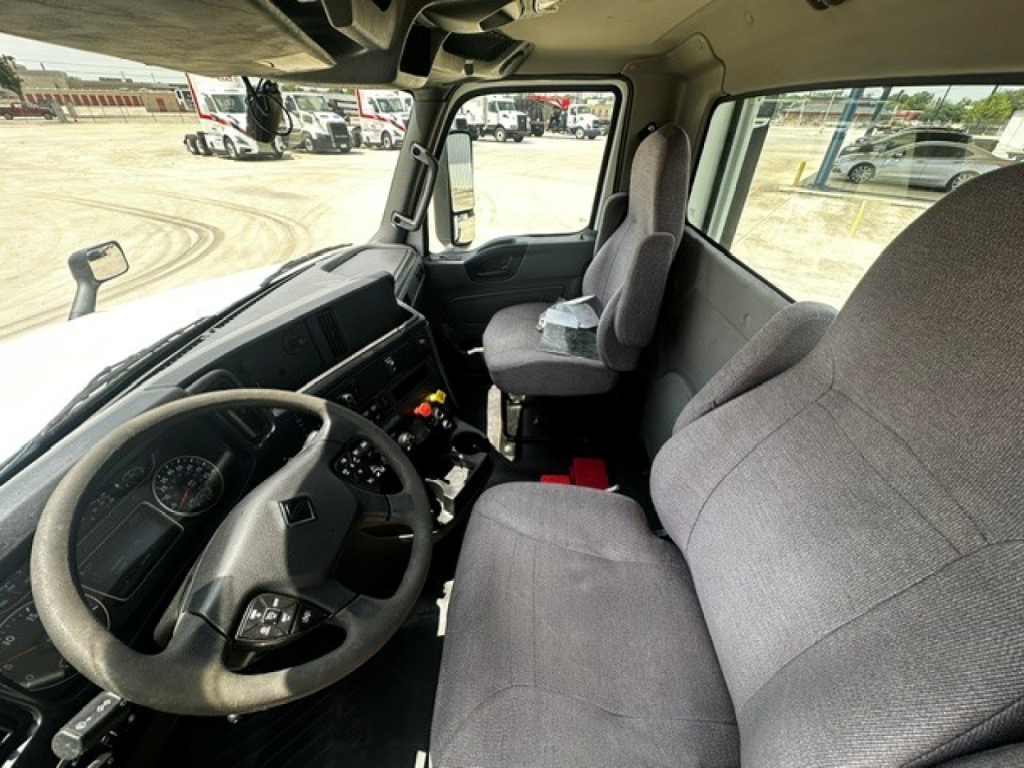

Selling a used 2021 conventional daycab truck? List your used 2021 conventional daycab truck for sale and reach thousands of commercial buyers.
Used 2021 Conventional Daycab Trucks in Texas
The most important buying decisions usually come down to powertrain, wheelbase, and rear axle ratio. Many 2021 conventional daycab trucks were spec'd with 10-speed, 12-speed automated manual, or traditional manual transmissions, paired with engines in the 400 to 505 horsepower range depending on the intended duty cycle. A shorter wheelbase helps in tight urban lanes, yard environments, and crowded customer docks, while a longer wheelbase can improve ride quality and allow for fuel capacity, headache racks, wet kits, or other frame-mounted equipment. Axle ratio matters more than many buyers expect. A faster ratio can support fuel economy on highway runs, while a deeper ratio may fit heavier starts, vocational use, or frequent stop-and-go work.
Texas operating conditions make cooling system health, A/C performance, and emissions history especially important on a used 2021 daycab. Trucks working in Dallas-Fort Worth, Houston, San Antonio, Austin, the Permian Basin, or South Texas often see long idle periods, high ambient temperatures, and mixed highway-to-city cycles. Buyers should pay close attention to aftertreatment maintenance, engine hours versus odometer miles, tire wear patterns, suspension condition, brake life, and signs of prior fleet service. It also helps to review fifth wheel type and position, PTO provisions, fuel tank capacity, fairing configuration, and any evidence of prior application changes. A former linehaul tractor may be spec'd very differently from a truck used in construction support or oilfield service.
The 2021 model year can be a strong value point because it is new enough to offer modern driver-assist features, updated interiors, and efficient powertrains, but old enough that a buyer can assess maintenance records and real-world uptime. Common makes in this class include Mack, Volvo, Freightliner, Peterbilt, Kenworth, International, and Western Star. The best used conventional daycab is not just the lowest-mile truck. It is the one with the right gearing, suspension, cab configuration, and service history for the lanes, trailer weights, and daily mileage you actually run.
Frequently Asked Questions about Used 2021 Conventional Daycab Trucks in Texas
What is a conventional daycab truck used for in Texas?
A conventional daycab truck is commonly used for regional hauling, drayage, local freight, tanker work, flatbed operations, dump applications, and dedicated delivery routes. The lack of a sleeper reduces weight and overall length, which helps with maneuverability in city traffic, customer yards, and terminal operations. In Texas, this configuration is especially common on short-haul and medium-haul lanes where the driver returns daily.
What should I check first on a used 2021 conventional daycab?
Start with the powertrain spec and maintenance history. Confirm the engine model, horsepower rating, transmission type, axle ratio, and wheelbase, then compare those specs to your trailer weights and route profile. After that, review engine hours, aftertreatment service records, tire and brake condition, suspension wear, cooling system performance, and any fault code history. A truck with the correct spec and documented maintenance is usually a better buy than one that only looks clean cosmetically.
Is an automated manual or manual transmission better in a 2021 daycab?
That depends on the application and driver mix. Automated manuals are common in 2021 model trucks because they can improve fuel consistency, reduce driver fatigue, and simplify training across a fleet. A manual transmission can still make sense for certain vocational jobs, driver preference, or applications involving specialized control. The better choice is the one that matches your operating environment, maintenance support, and driver availability.
What wheelbase works best for a conventional daycab truck?
A shorter wheelbase generally works better for urban pickup and delivery, port work, and tight docks because it improves turning and maneuverability. A longer wheelbase may be a better fit for highway comfort, larger fuel capacity, frame-mounted equipment, or certain trailer combinations. The ideal wheelbase depends on bridge law considerations, trailer gap, weight distribution, and any added equipment such as a wet kit, toolboxes, or headache rack.
Why does axle ratio matter on a used daycab tractor?
Axle ratio affects launch performance, cruise RPM, fuel economy, and how well the truck matches your trailer weight and road speed. A numerically lower ratio can favor fuel-efficient highway operation, while a numerically higher ratio can provide better pulling power in heavier or more stop-and-go service. On a used 2021 conventional daycab, the axle ratio should be evaluated together with engine torque, transmission gearing, and the actual duty cycle the truck will run.