
Used 2024 Conventional Daycab Trucks For Sale
Shop used 2024 conventional daycab trucks with key specs, axle ratings, wheelbase options, engine choices, and vocational setup insights.
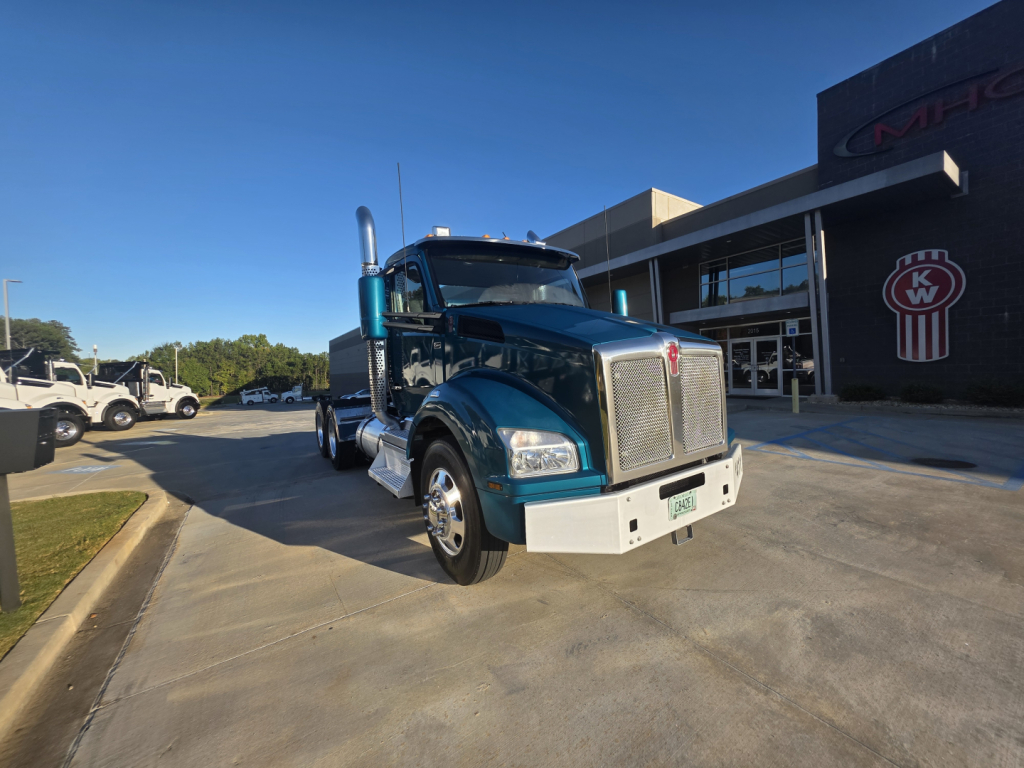
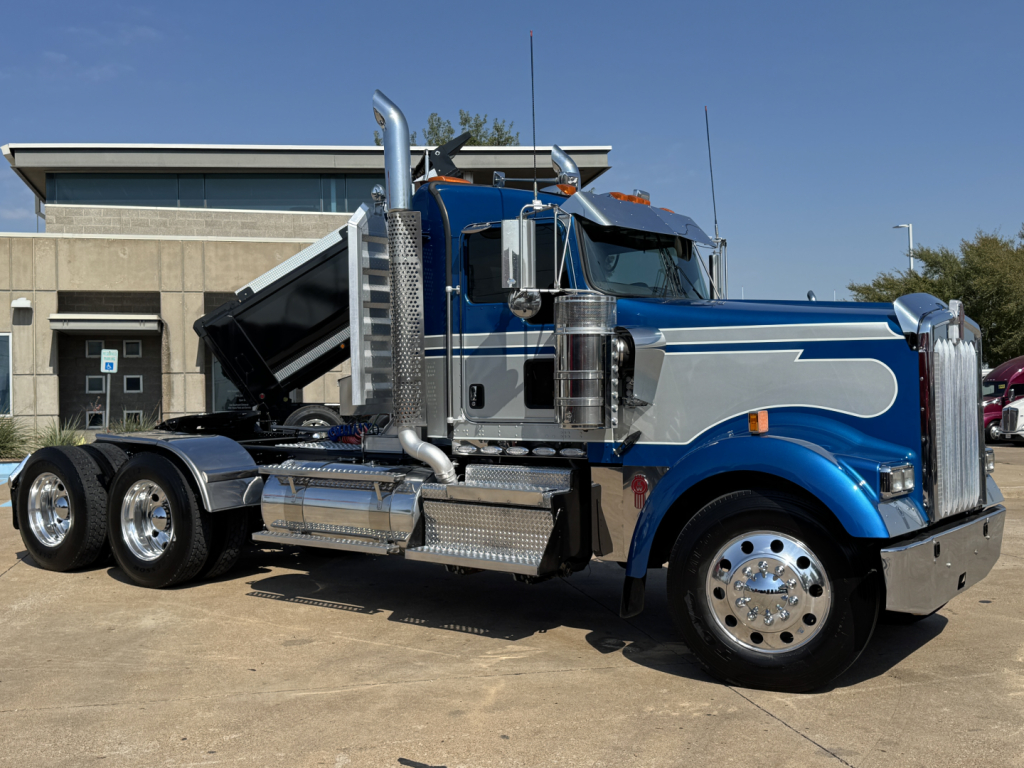
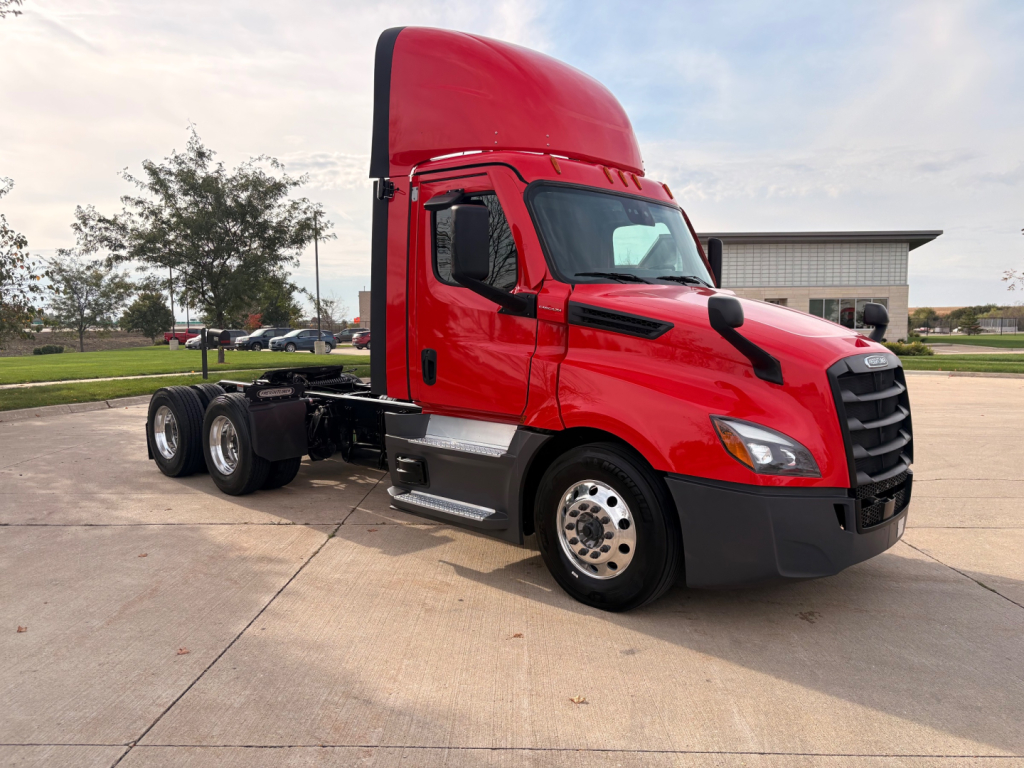
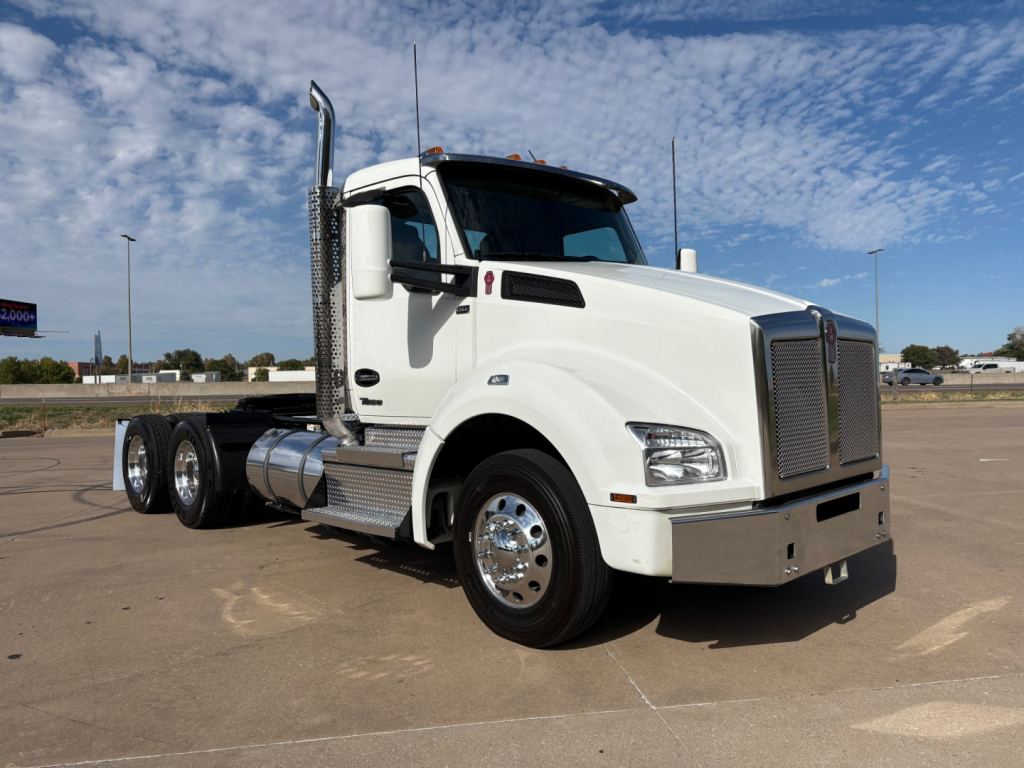
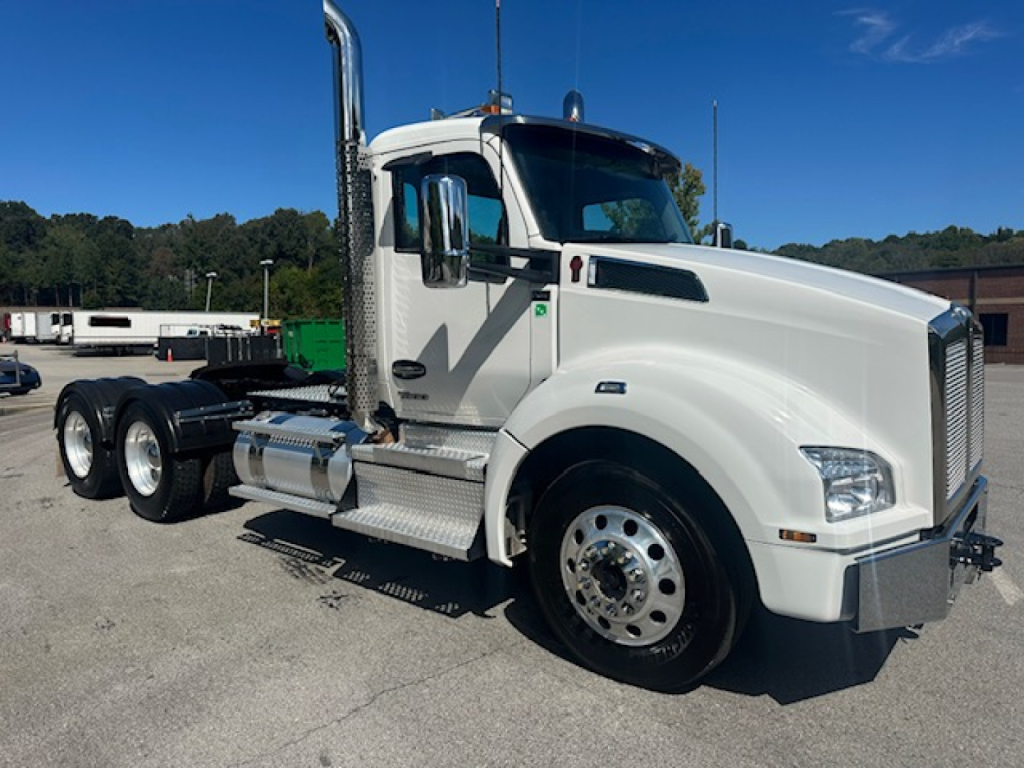
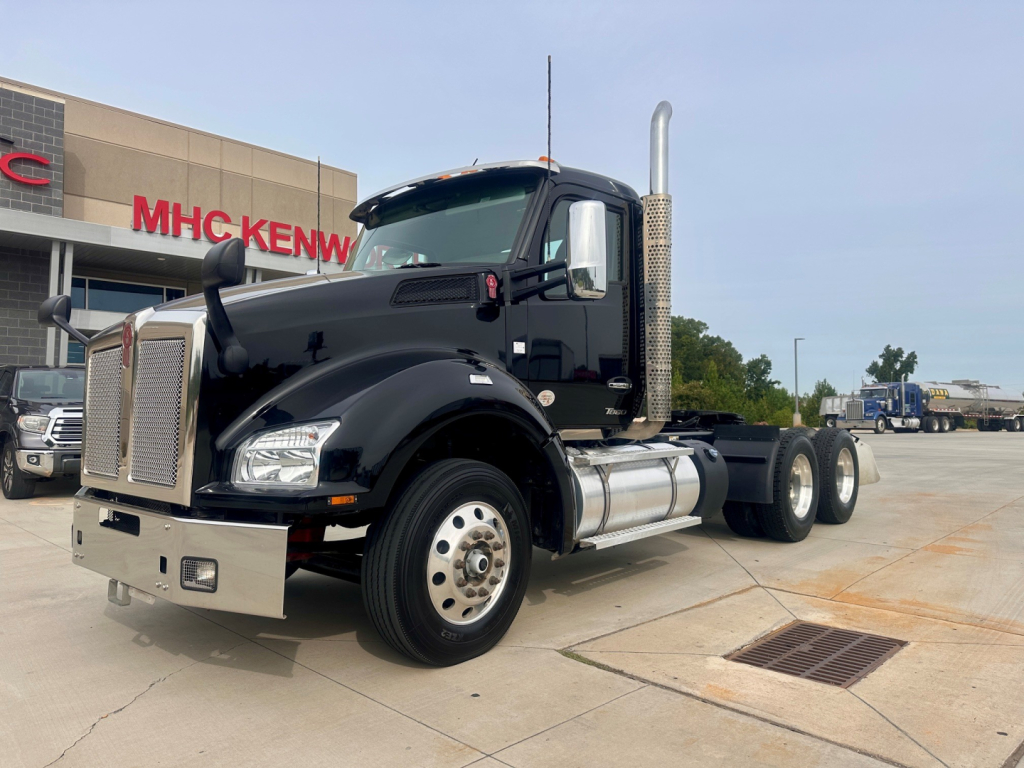
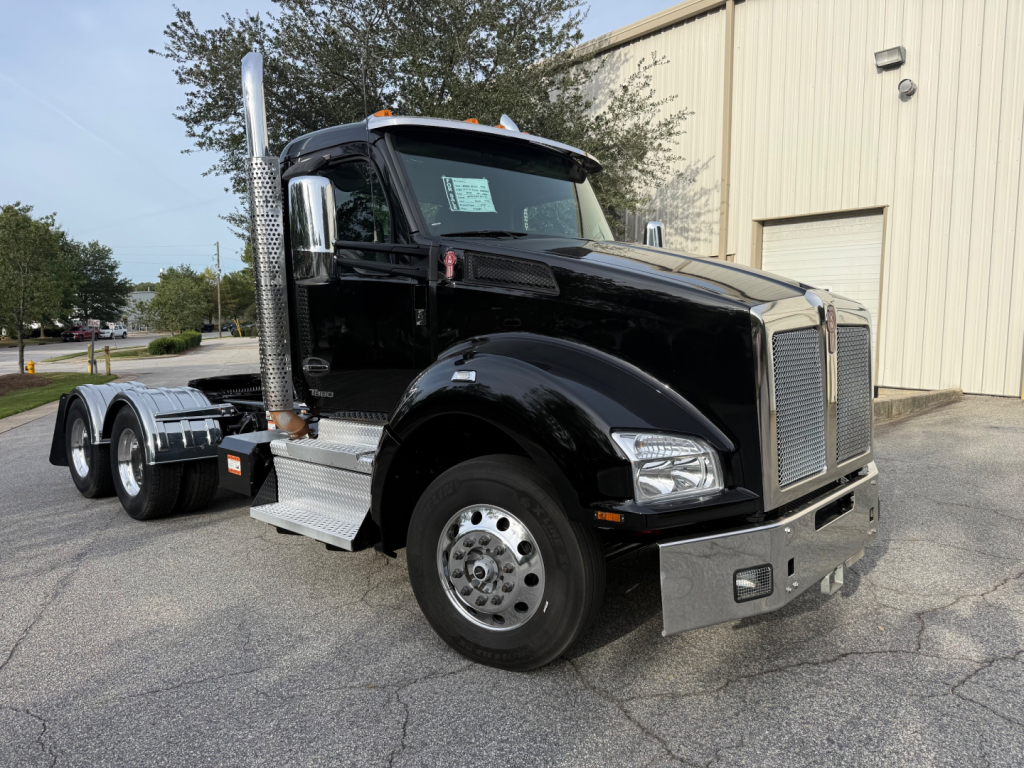

Selling a used 2024 conventional daycab truck? List your used 2024 conventional daycab truck for sale and reach thousands of commercial buyers.
Used 2024 Conventional Daycab Trucks
The most important buying decisions usually come down to engine, transmission, rear axle ratio, wheelbase, and fifth wheel setup. Common engines in this class include 11-liter to 15-liter diesels, with many 2024 daycabs centered around 400 to 500 horsepower and torque ratings matched to regional freight or heavier vocational loads. Automated manual transmissions are now common, although some fleets still prefer manual gearboxes for specialized applications. A typical tandem axle daycab may carry a 12,000-pound front axle and 40,000-pound rears, with air ride suspension, power divider, and 11R22.5 rubber frequently seen in the market. Pay close attention to axle ratio and transmission pairing because that combination has a direct effect on startability, cruise RPM, fuel burn, and how well the truck fits city work versus higher-speed highway lanes.
Frame layout and back-of-cab equipment matter more on a daycab than many buyers expect. Some trucks are simple on-highway tractors with an air slide fifth wheel and fairings, while others are configured with wet line kits, PTO provisions, headache racks, deck plates, or frame space for hydraulic and vocational accessories. Wheelbase and cab-to-axle dimensions should match the trailer swing clearance and bridge law needs of the operation. Buyers comparing used 2024 conventional daycab trucks should also look closely at brake type, fuel capacity, tire condition, emissions system history, and any signs of heavy idle time. ECM miles and engine hours together can tell a more complete story than odometer readings alone.
A newer used 2024 daycab can be attractive because it may still offer modern safety systems, improved aerodynamics, quieter cabs, and updated powertrain controls without the cost of a brand-new unit. The best value depends on application. A fleet pulling van or reefer freight may prioritize a lighter aero spec with a tall overdrive and lower numerical ratio, while a buyer pulling dumps, lowboys, or tanker loads may lean toward a shorter ratio, heavier suspension, and PTO-ready spec. The category is also commonly referred to as a day cab tractor, conventional day cab, or non-sleeper semi truck. For most buyers, the right truck is the one whose spec sheet matches the route, trailer, and payload instead of simply the newest badge on the hood.
Frequently Asked Questions about Used 2024 Conventional Daycab Trucks
What is a conventional daycab truck used for?
A conventional daycab truck is used for operations that return the driver home daily or do not require overnight accommodations. Common applications include regional freight, drayage, local dedicated lanes, LTL work, tanker service, dump and lowboy pulling, and yard-to-terminal movement. Because there is no sleeper, the chassis is often lighter and more maneuverable, which makes the truck well-suited for urban and regional use.
What specs matter most when buying a used 2024 conventional daycab?
The core specs are engine rating, transmission type, rear axle ratio, suspension, axle capacities, wheelbase, and fifth wheel position. Those items determine how the truck starts under load, cruises at highway speed, turns in tight areas, and handles a specific trailer or commodity. Buyers should also review engine hours, emissions system service history, brake type, tire size, and any PTO or wet kit equipment if the truck will be used in vocational service.
Are automated manual transmissions common in 2024 daycab trucks?
Yes. Automated manual transmissions are very common in 2024 conventional daycab trucks, especially in fleet and regional haul specs. They help with driver consistency, fuel economy, clutch life, and ease of training across mixed driver pools. Manual transmissions still have a place in certain heavy-haul or vocational applications, but most late-model highway daycabs now use automated manuals from Detroit, Volvo, Eaton, and other major suppliers.
How do I choose the right wheelbase for a daycab tractor?
Wheelbase should be selected around trailer type, bridge requirements, turning radius, and any back-of-cab equipment. A shorter wheelbase is generally better for tight terminals, city routes, and port work, while a longer wheelbase may be needed for frame-mounted accessories, larger fuel capacity, wet line systems, or improved ride quality. Cab-to-axle and cab-to-end dimensions are just as important because they affect trailer clearance and usable frame space.
Is a used 2024 daycab better than an older sleeper tractor for regional work?
In many regional applications, yes. A used 2024 daycab can offer lower empty weight, simpler packaging, easier maneuverability, and newer safety and fuel-efficiency features than an older sleeper tractor. It is often a better fit when overnight accommodation is unnecessary. The better choice still depends on the exact route, payload, driver expectations, and maintenance condition of the truck being considered.