
Used Conventional Daycab Trucks For Sale in Iowa
Compare used conventional daycab trucks for sale in Iowa by gearing, axle ratings, emissions history, and corrosion before grain or regional hauling.
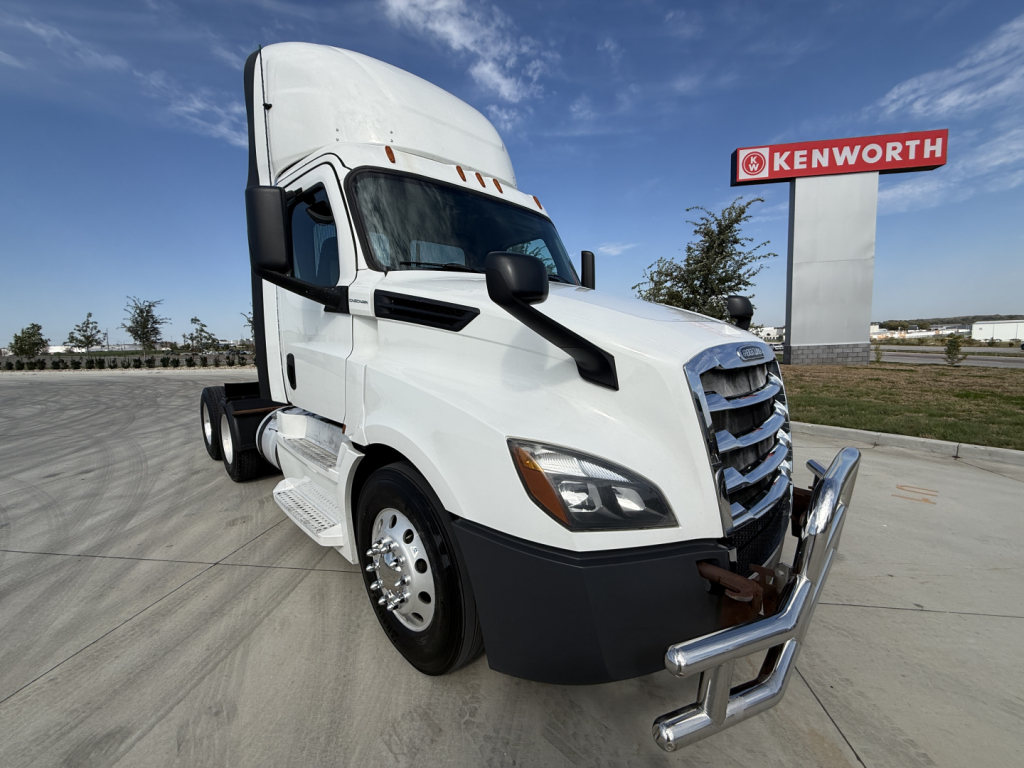
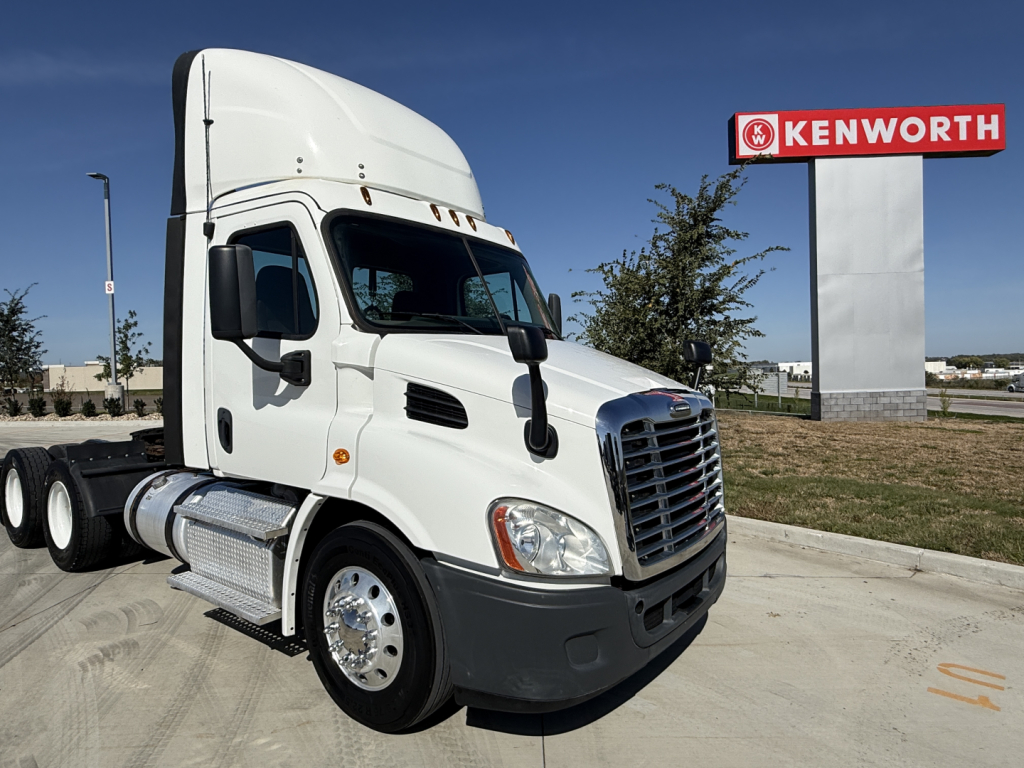
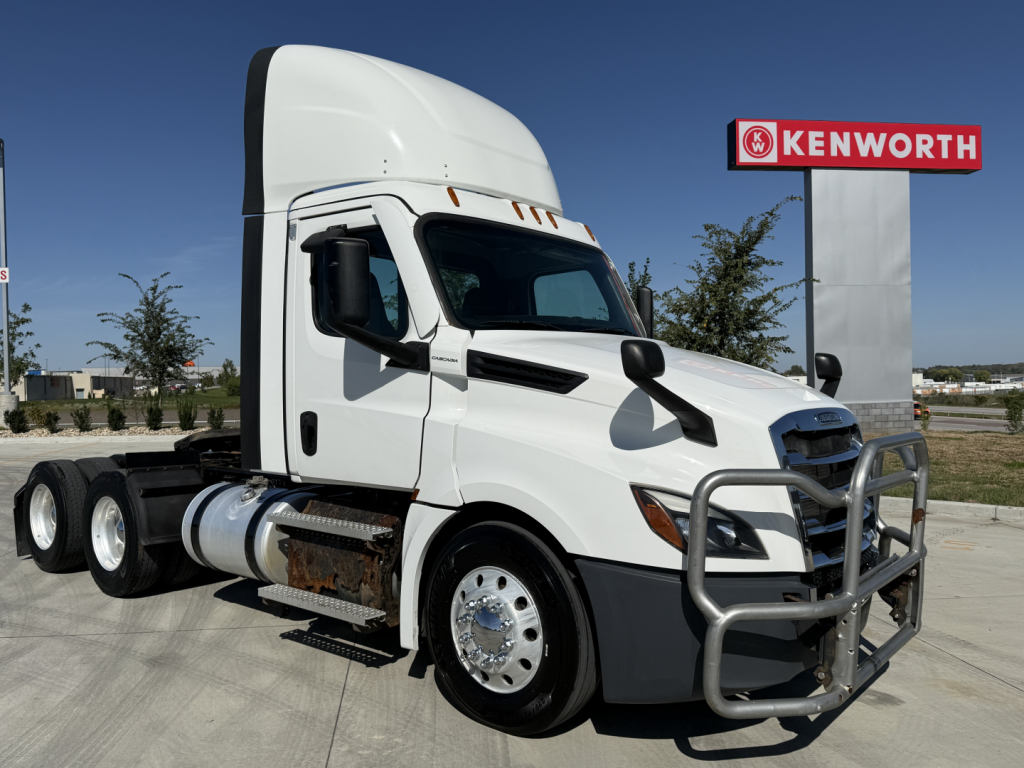
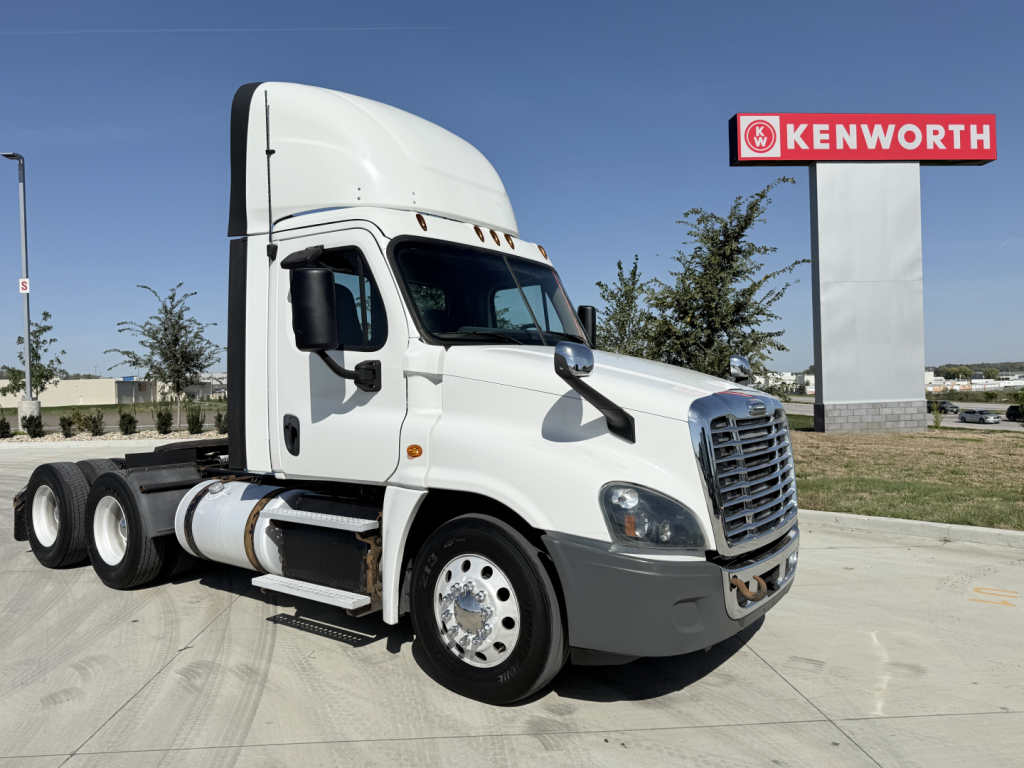
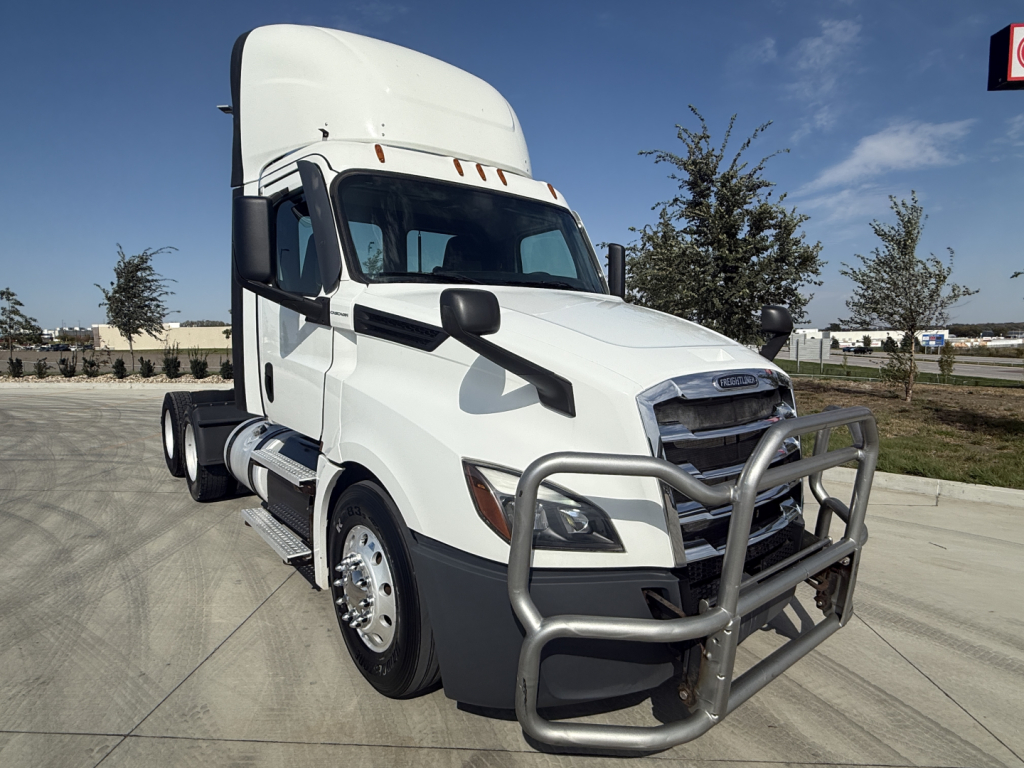
Selling a used conventional daycab truck? List your used conventional daycab truck for sale and reach thousands of commercial buyers.
Used Conventional Daycab Trucks in Iowa
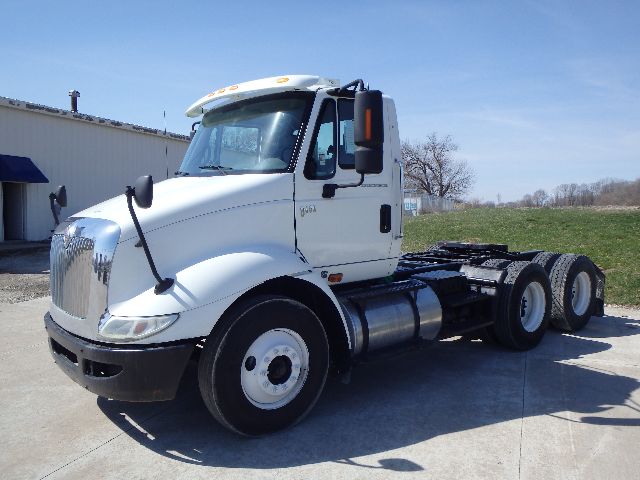
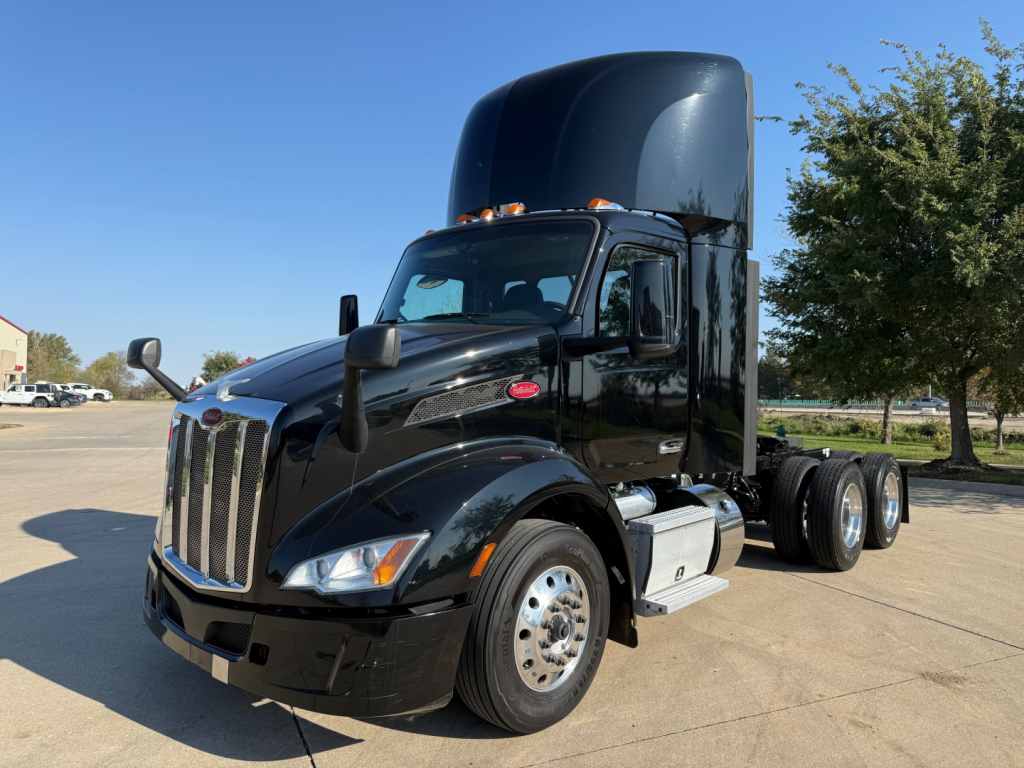
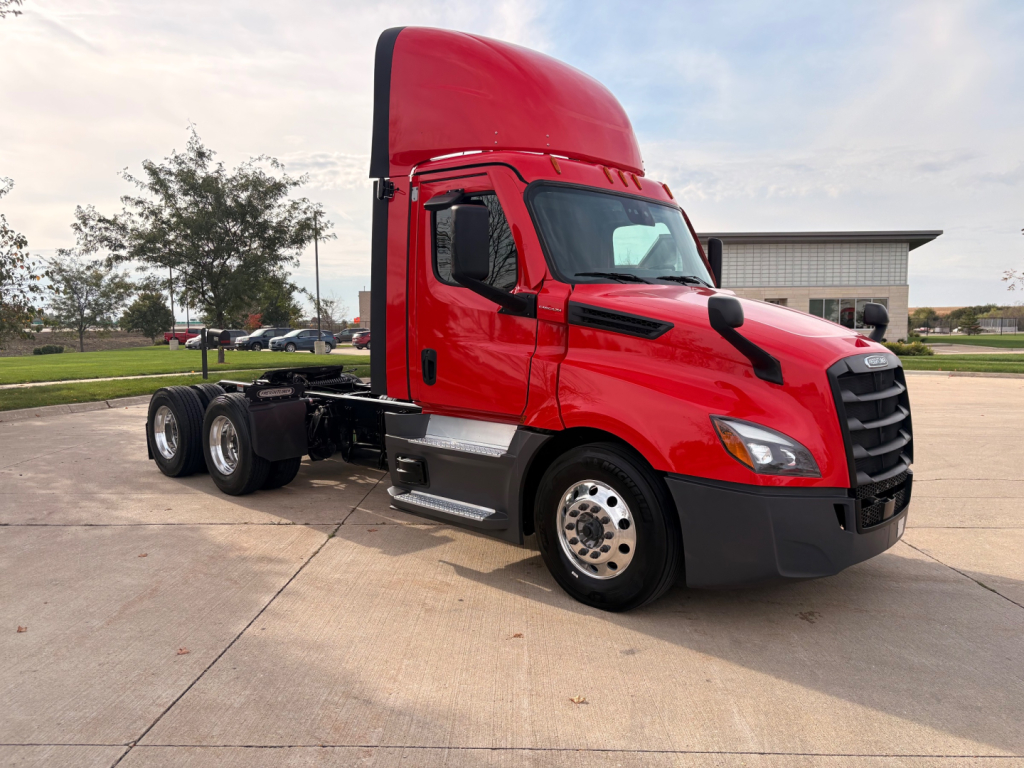
Wheelbase and fifth-wheel travel determine maneuverability, trailer swing clearance, and how weight transfers to the steer axle. Shorter tractors can work well in tight grain yards, but hopper landing gear, livestock trailers, and frame-mounted hydraulic equipment still need clearance. Across makes, familiar pairings include Freightliner Cascadia day cabs with Detroit DD13 engines and DT12 automated transmissions, Peterbilt 579s with PACCAR MX-13 power, and older International 8600s with Cummins ISM engines. Compare the actual build sheet rather than assuming a model name guarantees a particular drivetrain.
On used equipment, pull ECM mileage, engine hours, idle time, and fault history, then reconcile those readings with maintenance records. A truck's model year does not establish its engine's emissions configuration: many 2007-era highway diesels introduced DPF systems, while many 2010-era engines added SCR and DEF. Verify the engine emissions label and inspect aftertreatment service records, including DPF cleaning and sensor replacement. Older tractors warrant close checks for cooling-system deterioration, clutch wear, oil leaks, and suspension play; newer automated units need documented transmission service and a loaded road test.
Iowa winter road treatments make frame rails, crossmembers, brake lines, electrical grounds, and fifth-wheel mounts priority corrosion checks. Inspect rail interiors and suspension brackets, not just freshly painted exterior surfaces, and check steering components and spring hangers for rough-road wear from rural collection routes. Confirm tire, axle, and GVWR ratings against the intended combination, and verify Iowa route restrictions and bridge limits before assigning grain or livestock work; rated capacity alone never establishes legal payload.
Frequently Asked Questions about Used Conventional Daycab Trucks in Iowa
Does a day cab need a wet kit to pull a grain trailer?
A grain hopper with air-operated gates does not require a hydraulic wet kit, but an end-dump trailer generally does. Match the day cab's PTO, pump flow, operating pressure, reservoir capacity, and hose connections to the trailer manufacturer's requirements. A tractor previously used for dry-van freight may lack both hydraulic equipment and the frame space for the correct installation.
How much weight can a day cab and trailer legally haul in Iowa?
A standard five-axle tractor-trailer is normally limited to 80,000 pounds gross on Iowa Interstate highways, with axle and federal bridge-formula limits also applying. The usual limits are 20,000 pounds on a single axle and 34,000 pounds on a tandem, subject to spacing and equipment ratings. Posted bridges, local roads, and special permits can change allowable operation, so evaluate the day cab and trailer as one combination.
Should I choose a single-axle or tandem-axle day cab for Iowa farm hauling?
A tandem-drive day cab is the stronger choice for frequent loaded grain or livestock work on gravel approaches because it offers more drive-axle capacity and traction. A single-drive-axle tractor can suit lighter paved-road shuttle work, but trailer loading and axle spacing may limit legal gross weight. Differential locks, suspension travel, and tire condition still matter; tandem axles do not eliminate the risk of getting stuck.
How do I verify warranty coverage on a late-model used day cab?
A VIN-based manufacturer coverage report is the reliable way to confirm remaining factory warranty on a used day cab. Verify the original in-service date, mileage and hour limits, transfer requirements, and whether coverage includes the engine, transmission, and aftertreatment. Basic vehicle coverage and emissions coverage can expire at different times, and an extended service contract is not the same as a factory warranty. Keep copies of the confirmed terms.
How should I inspect an automated transmission in a used day cab?
A loaded road test and a transmission diagnostic scan are the two essential checks for a used day cab with an automated manual transmission. Watch for delayed engagement, harsh low-speed shifts, clutch slip, and fault codes after the drivetrain reaches operating temperature. Request clutch wear or adaptation data where supported, along with clutch replacement and transmission service records. Unloaded driving alone can hide problems that appear when pulling a hopper out of a yard.