
Used Conventional Daycab Trucks For Sale in Texas
Shop used conventional daycab trucks in Texas. Compare specs, wheelbases, axle ratios, engines, and transmissions for regional and local hauling.
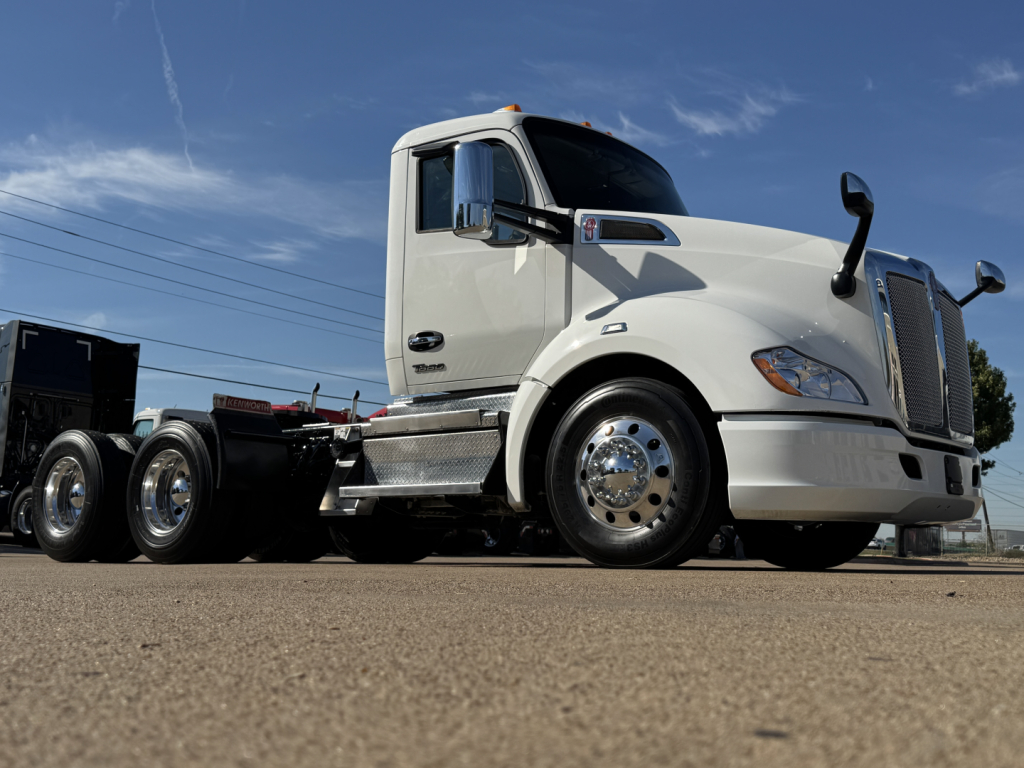
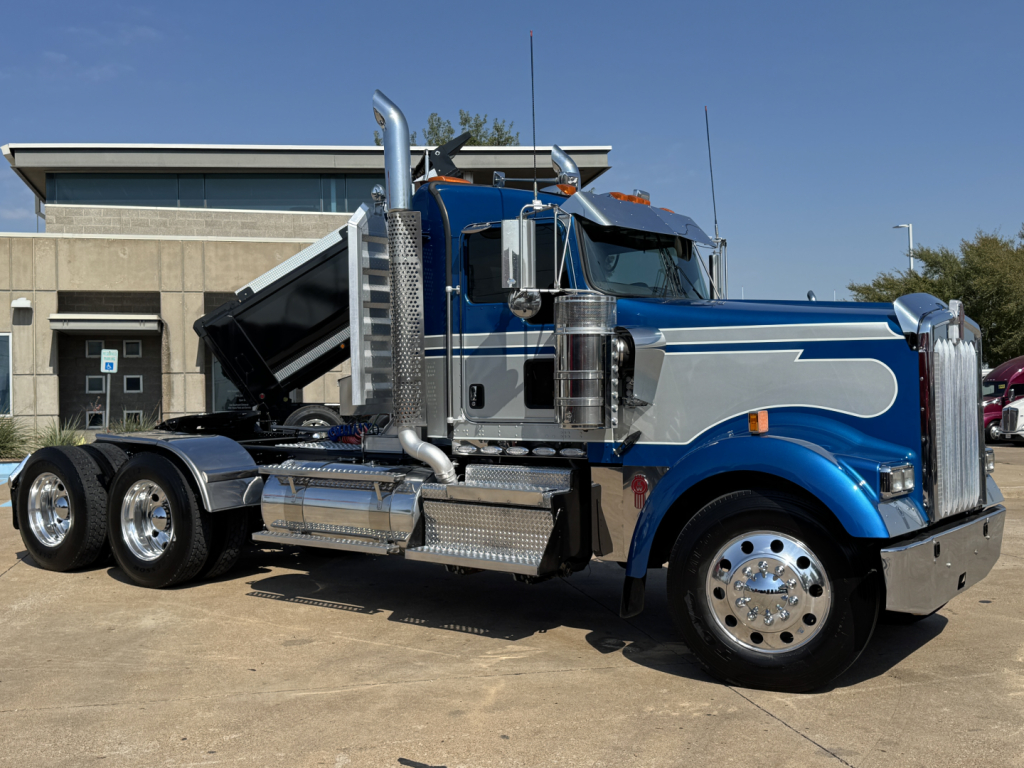
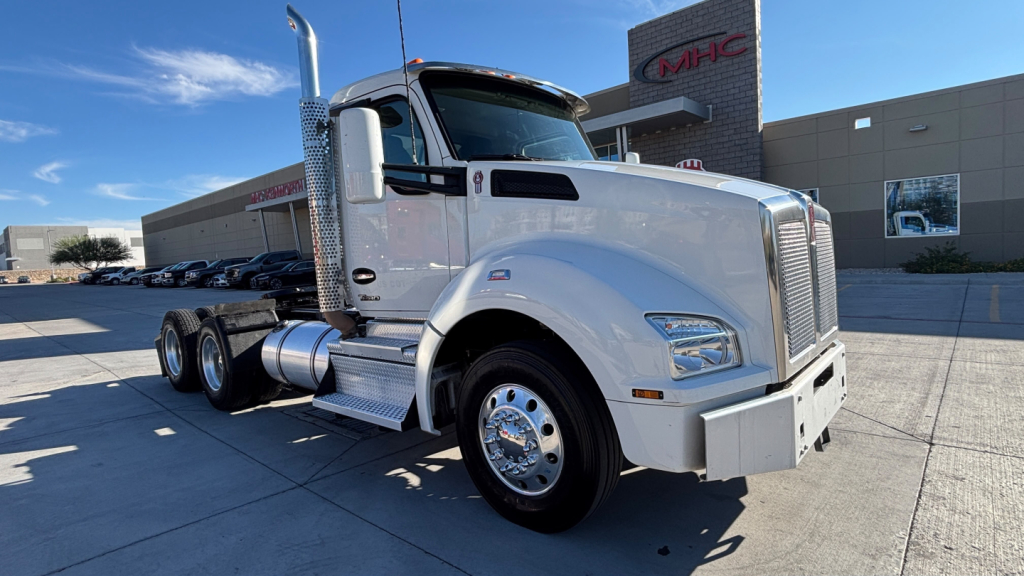
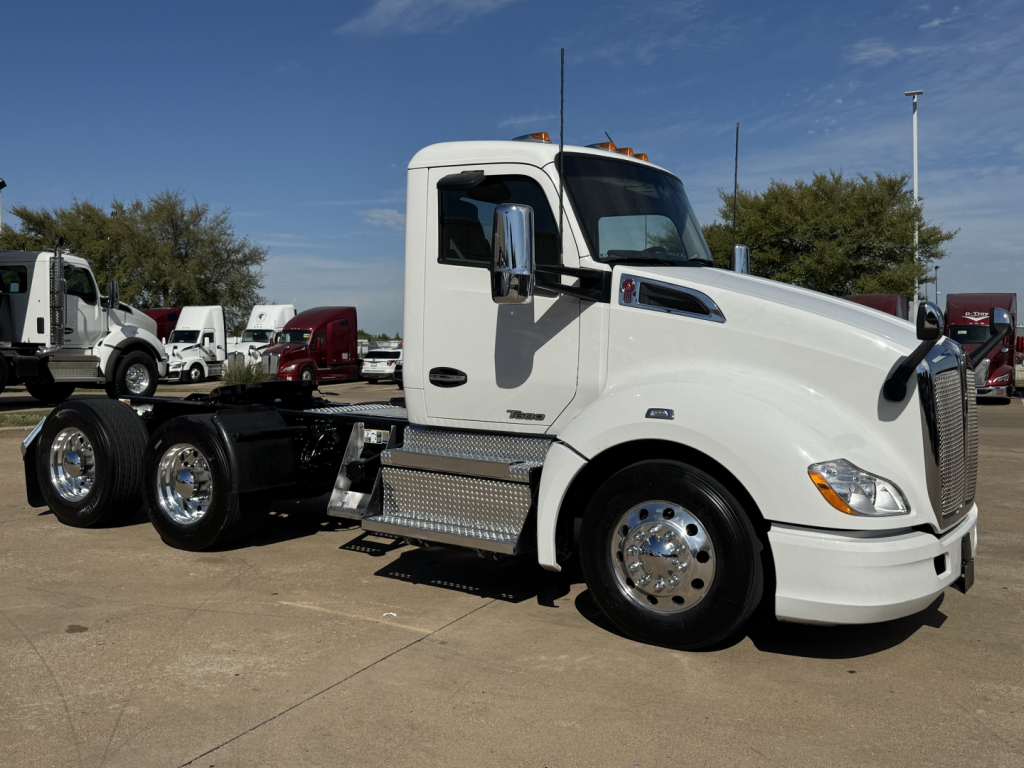
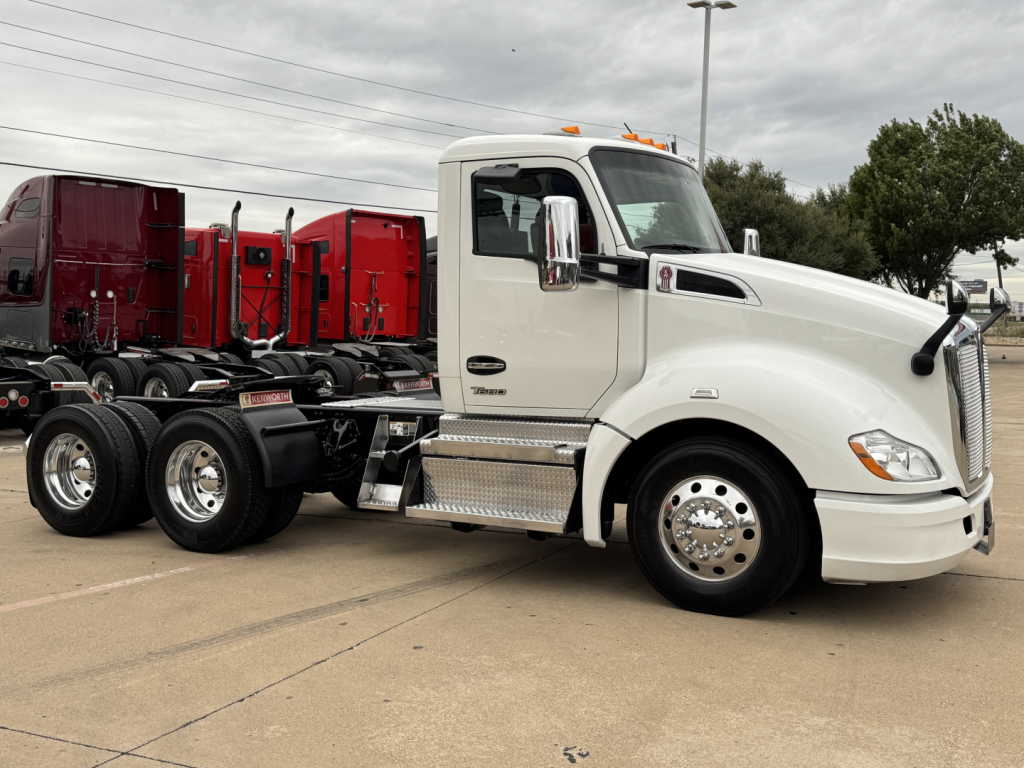
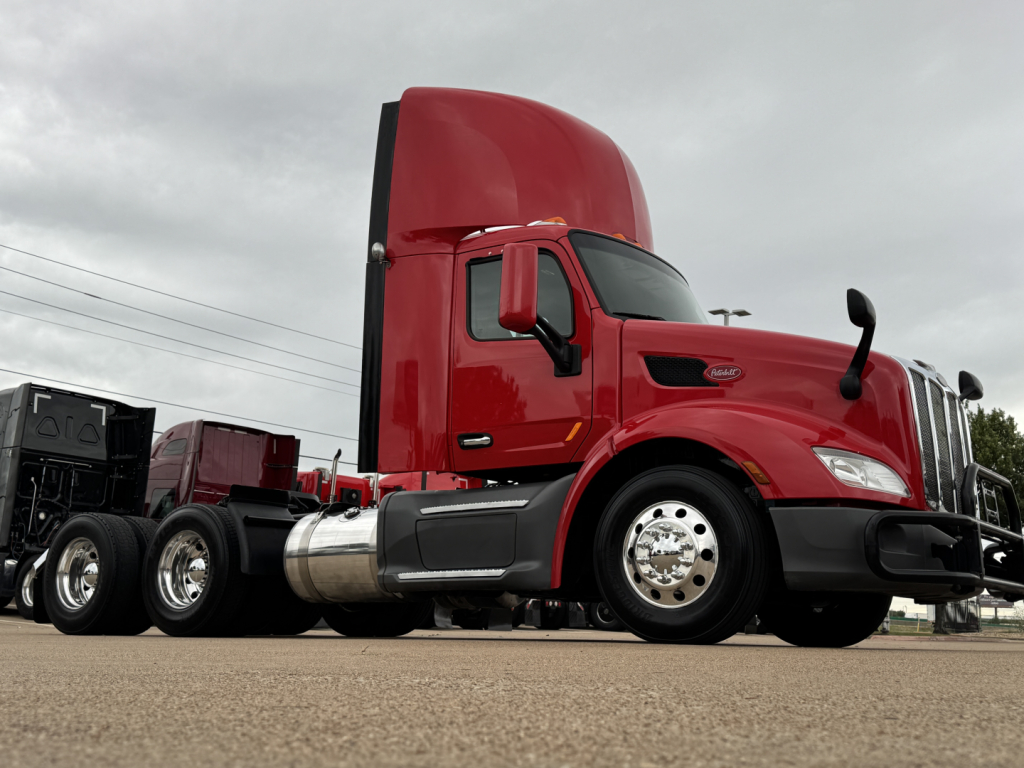
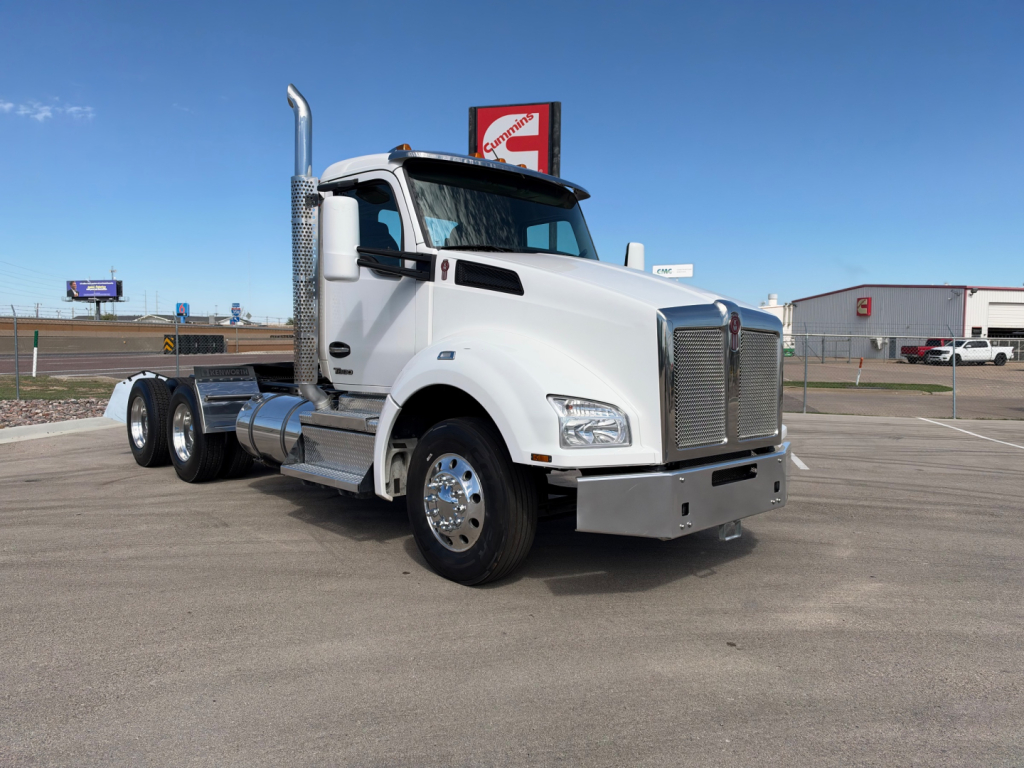
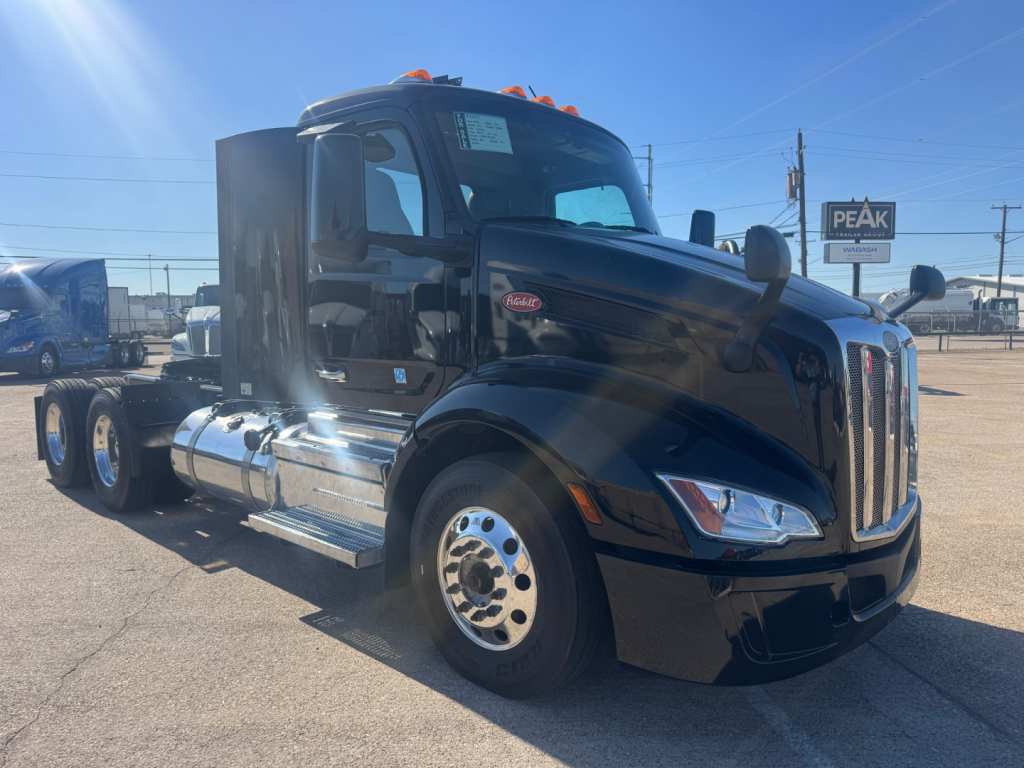
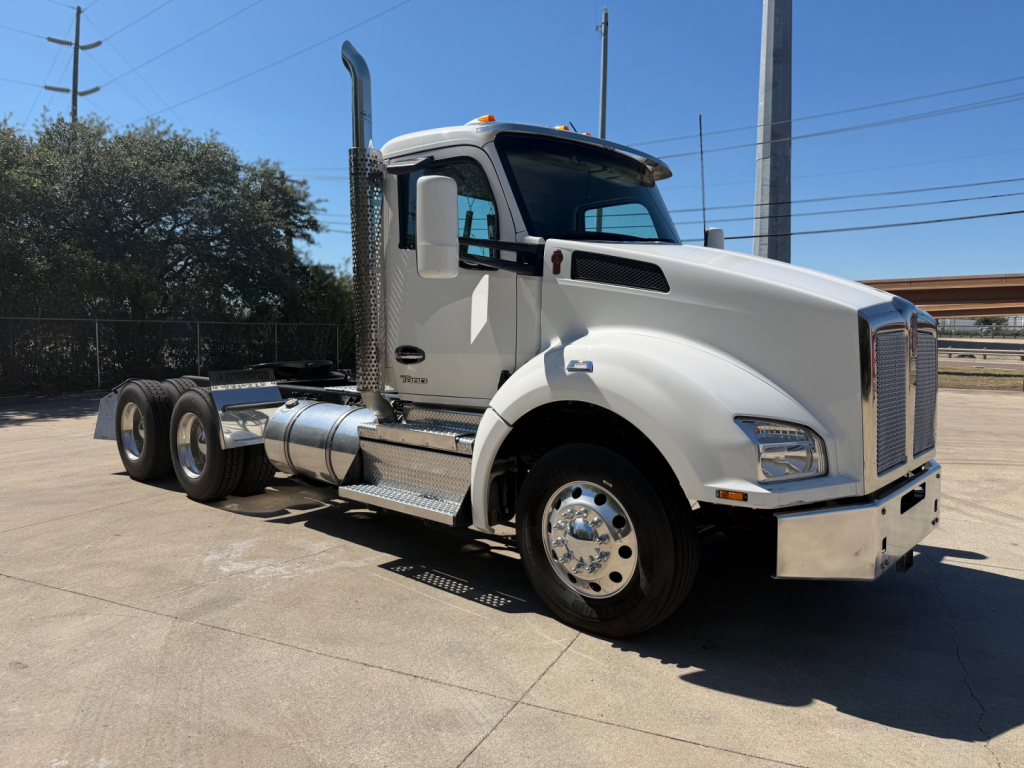
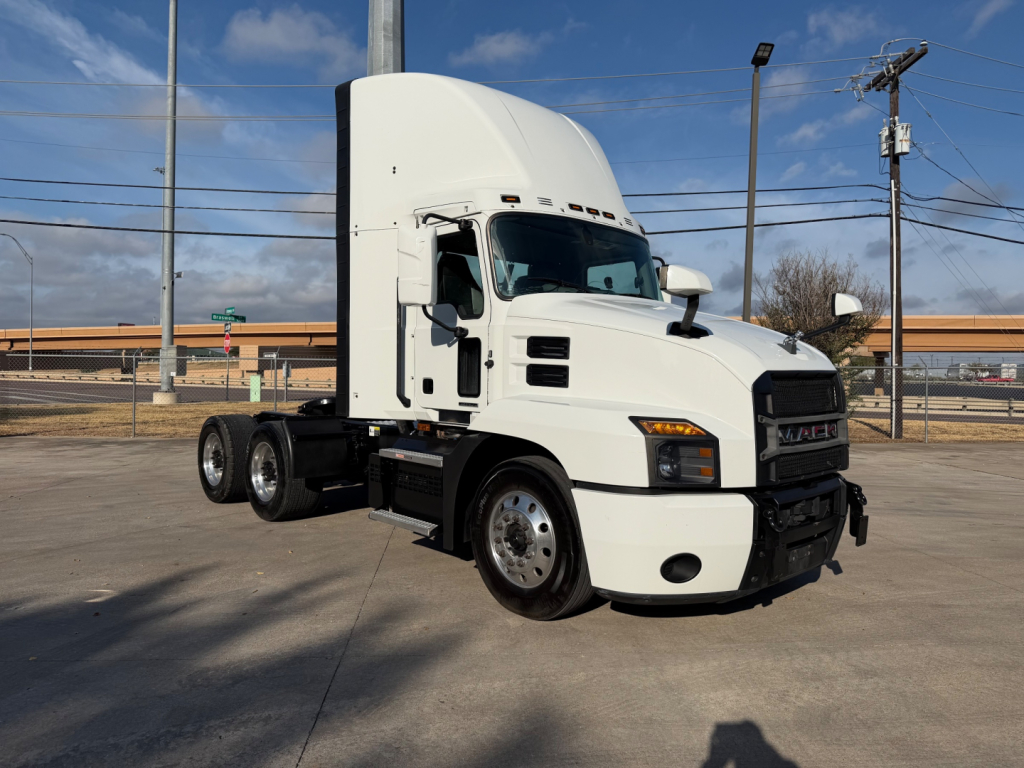
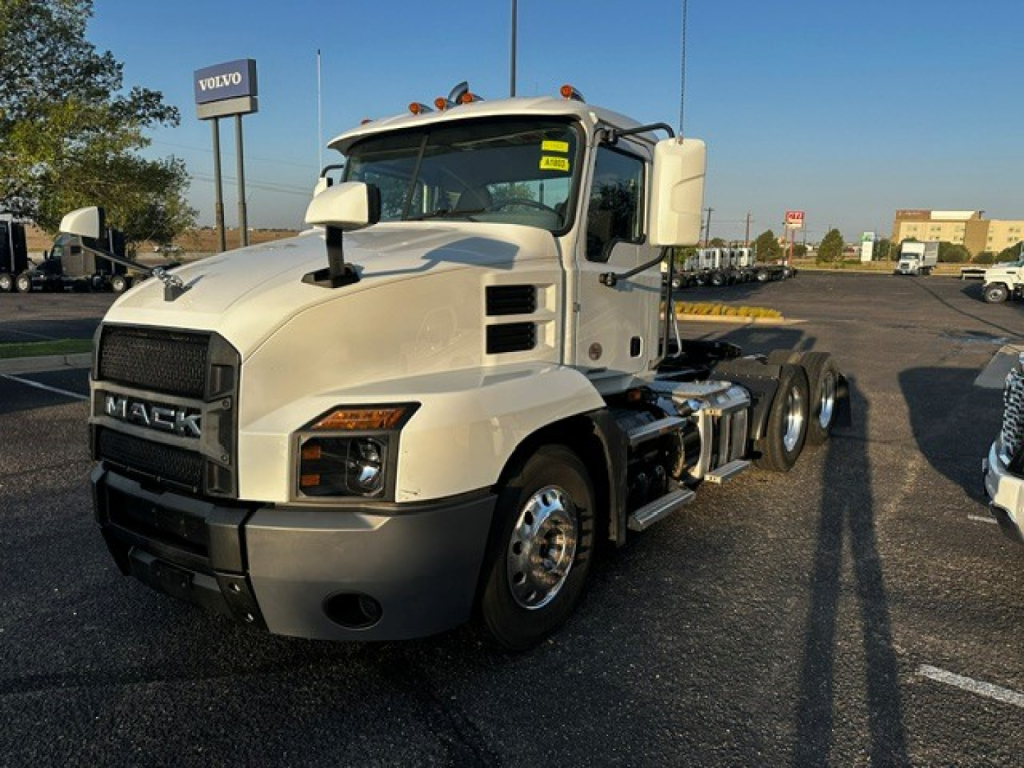
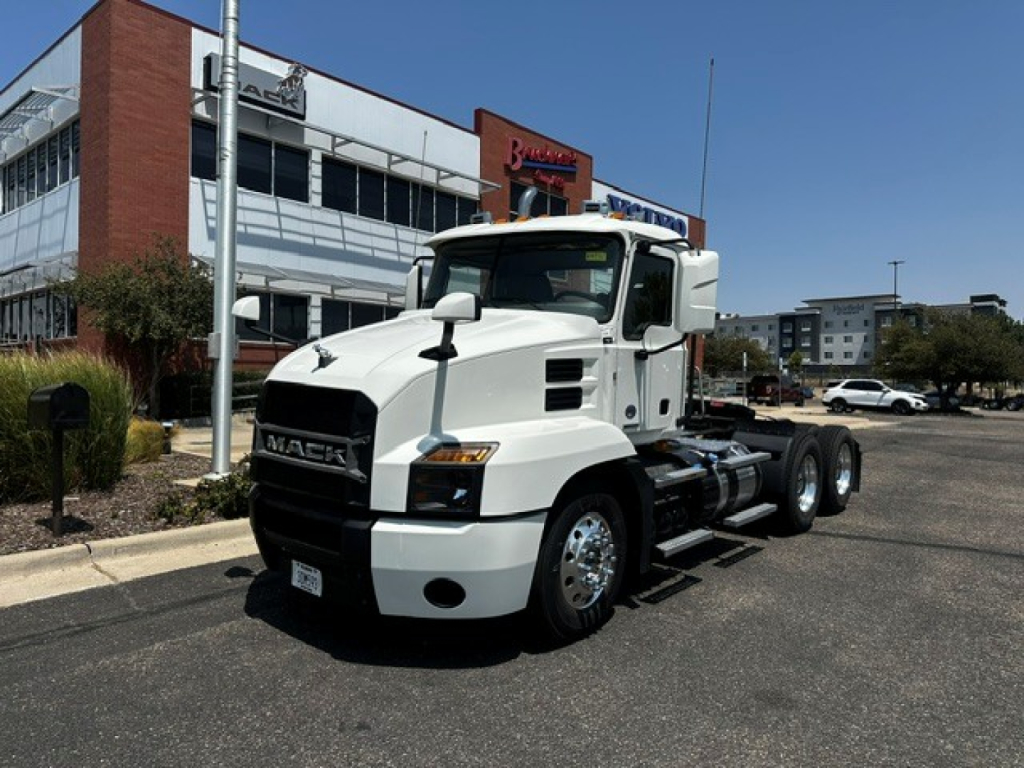
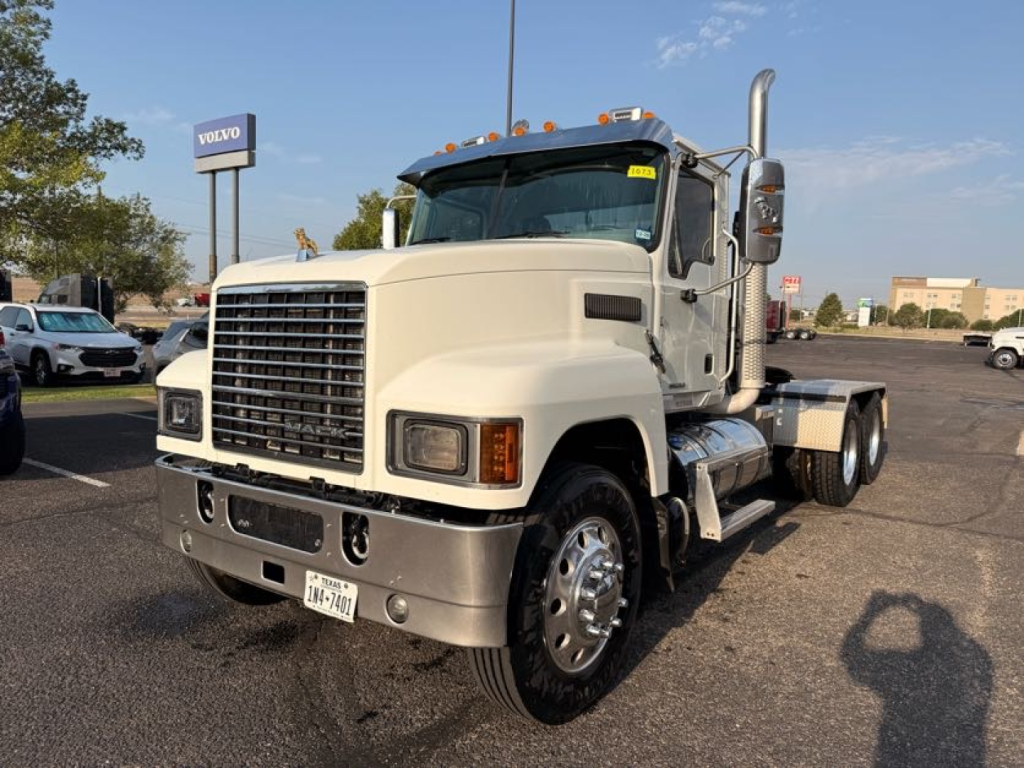
2023 Mack ANTHEM 64T
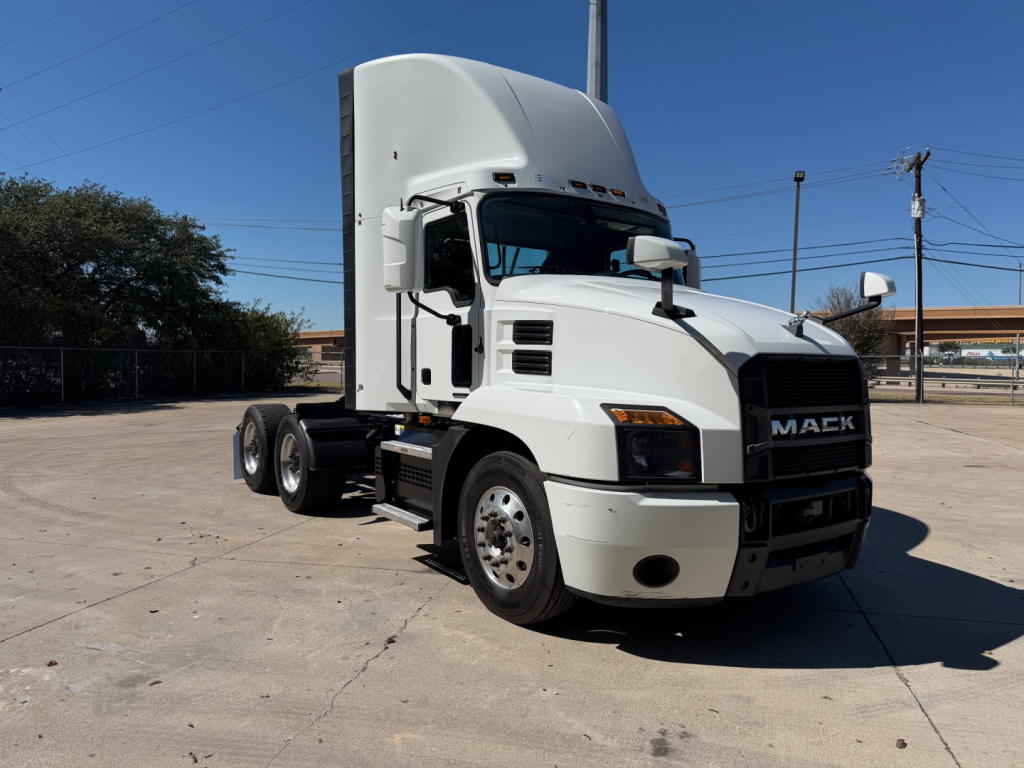
2023 Mack ANTHEM 64T
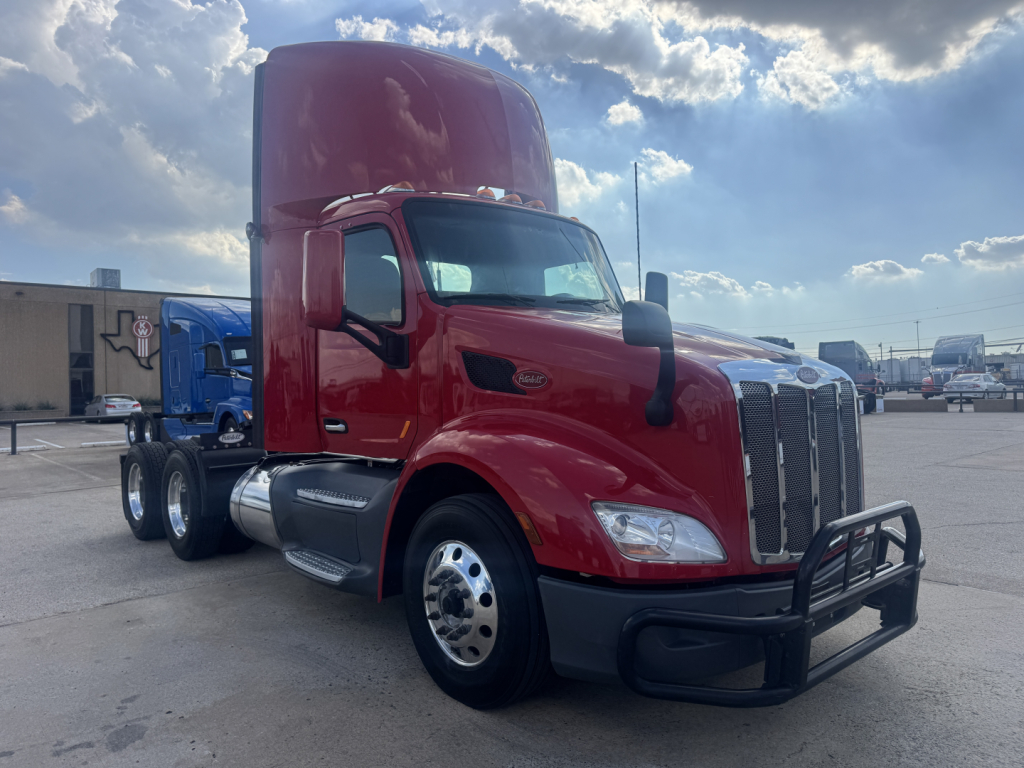
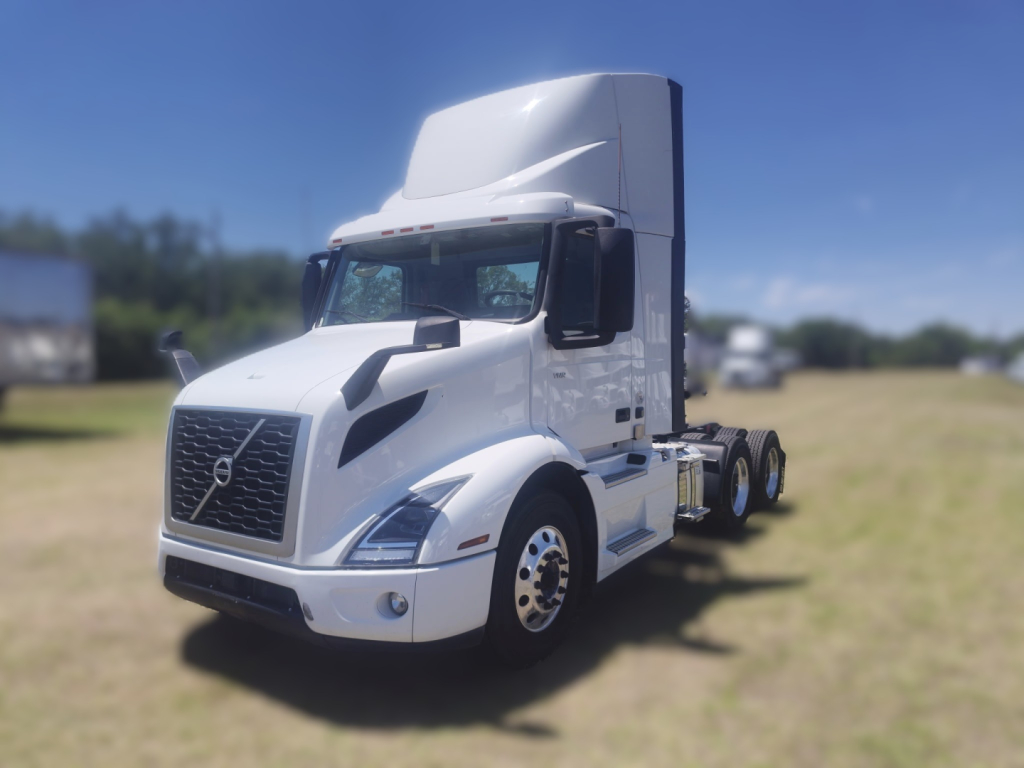
2022 Volvo VNR64T300
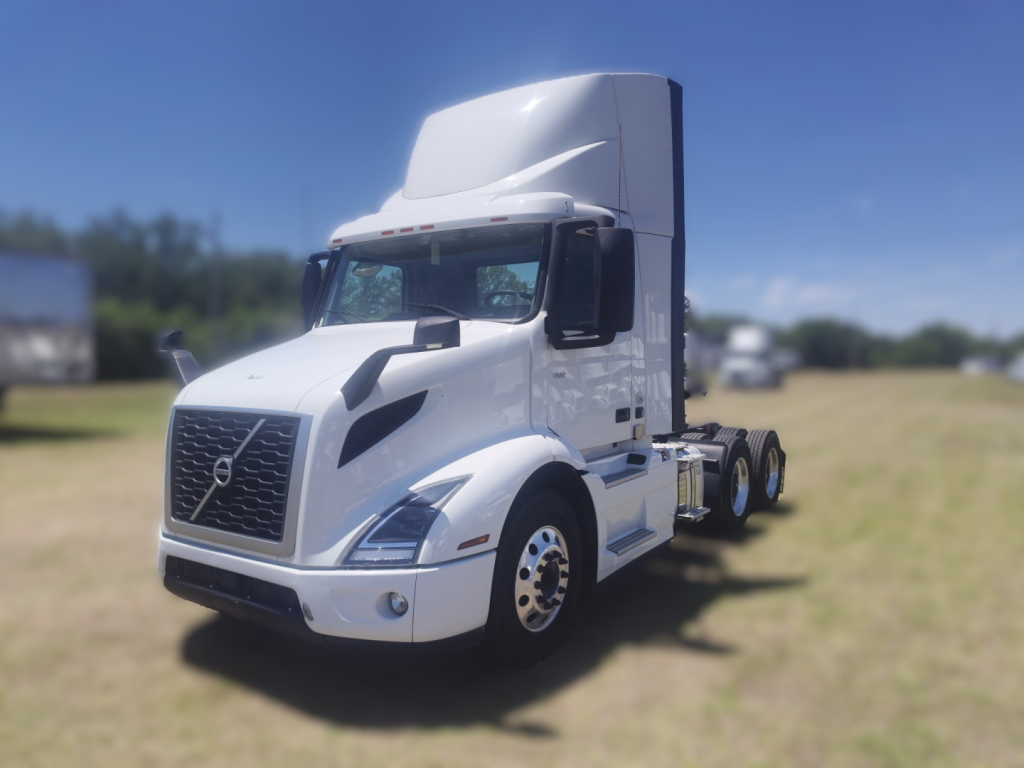
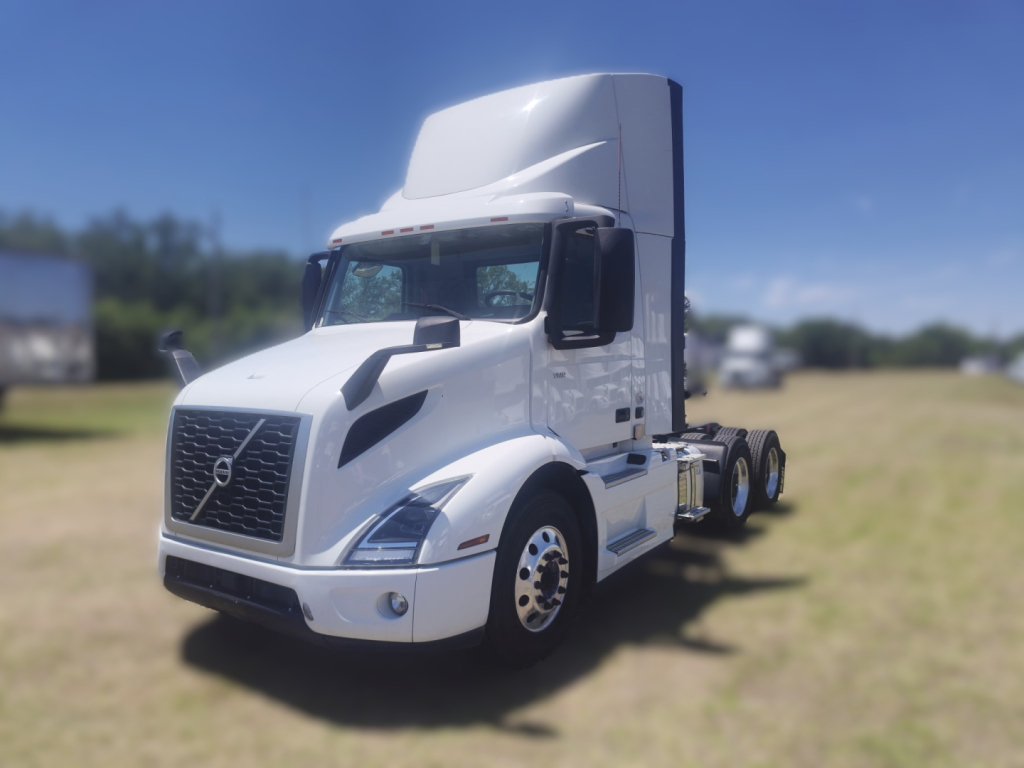
2022 Volvo VNR64T300
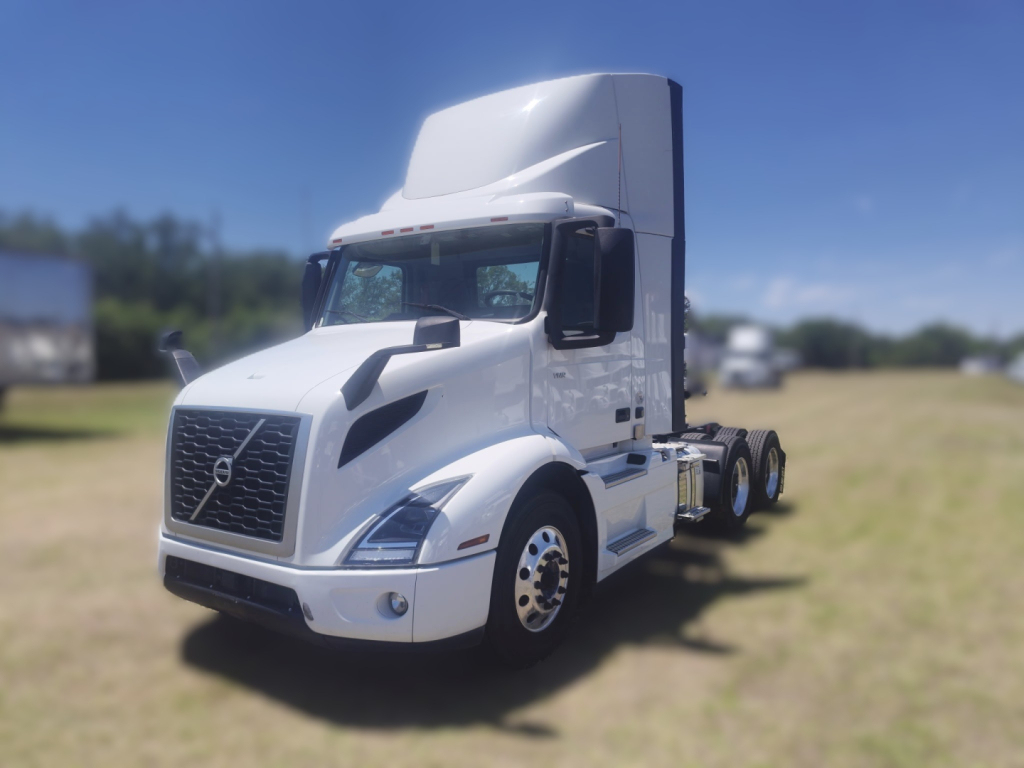
2022 Volvo VNR64T300
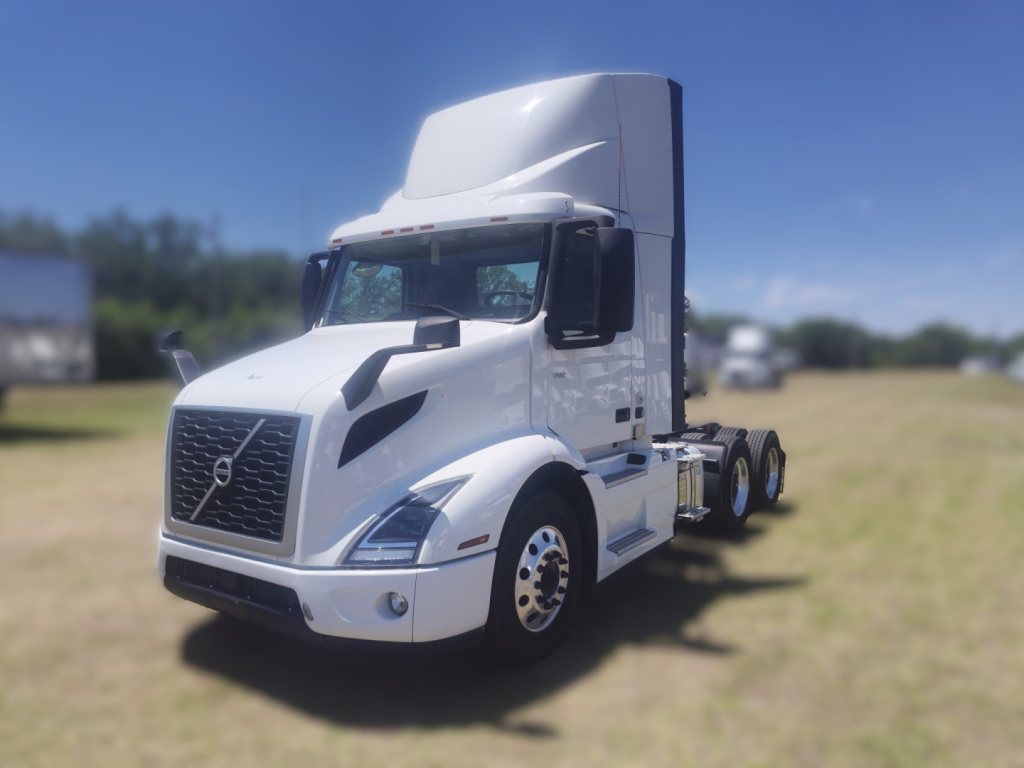
2022 Volvo VNR64T300
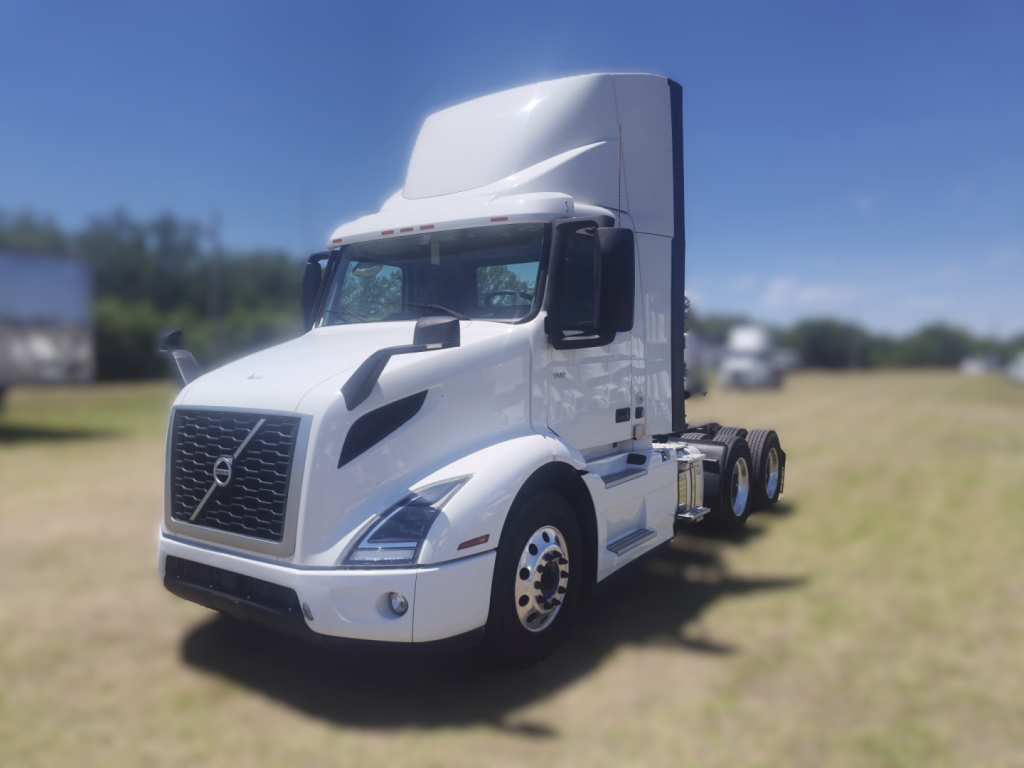
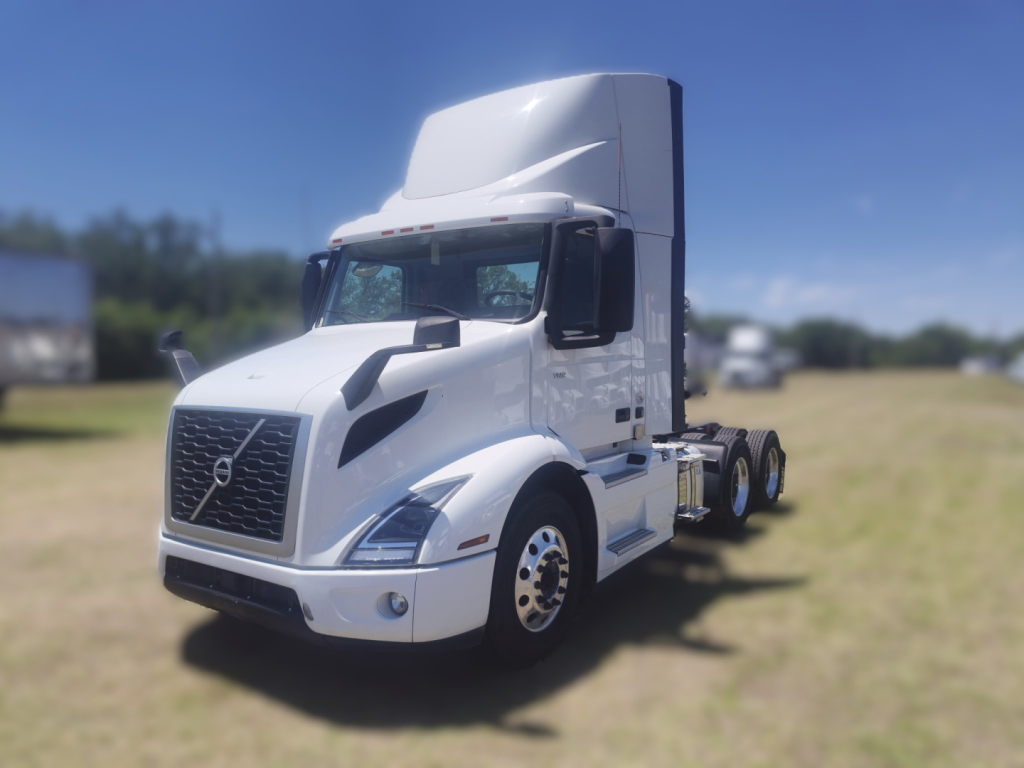
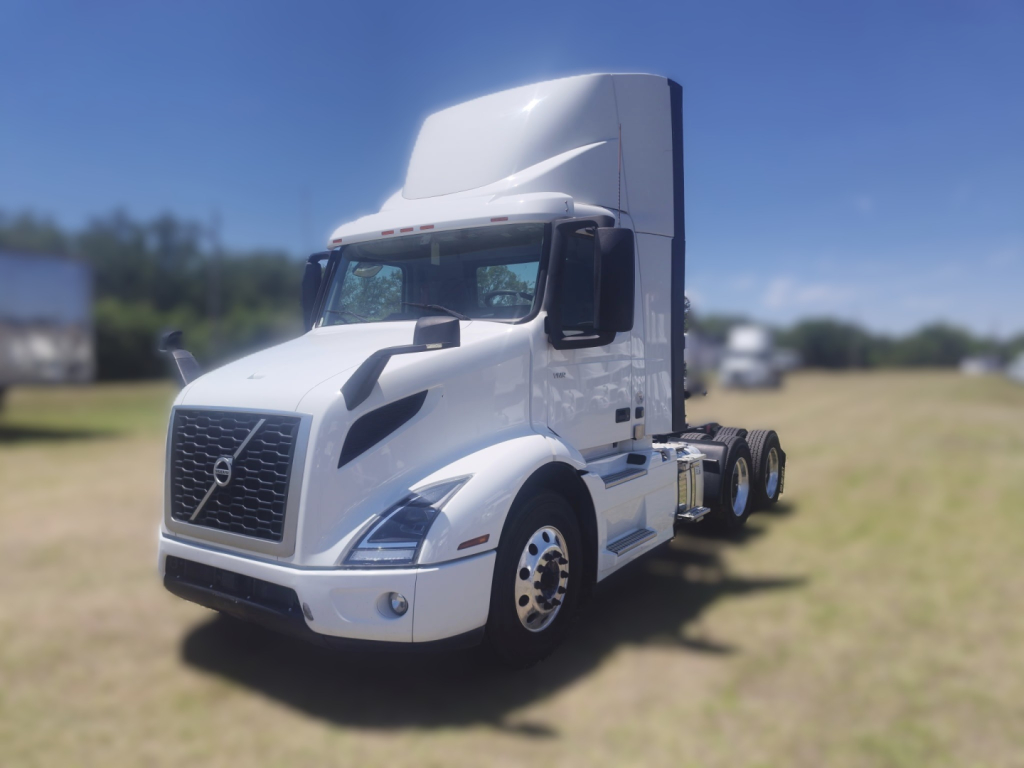
2022 Volvo VNR64T300
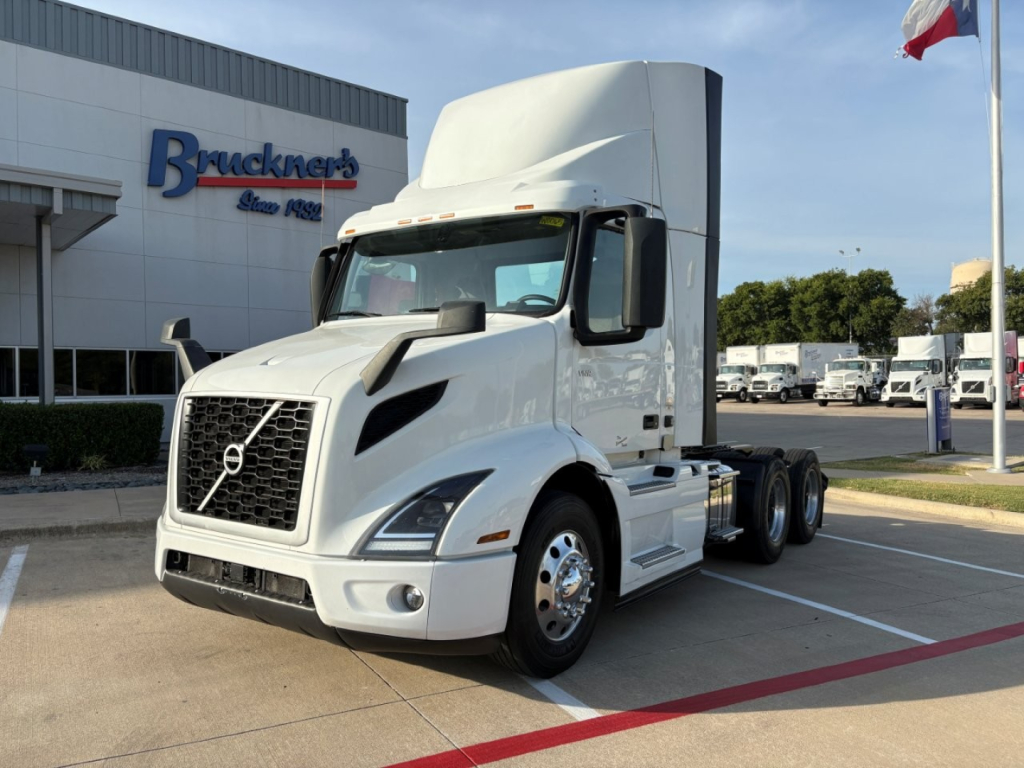
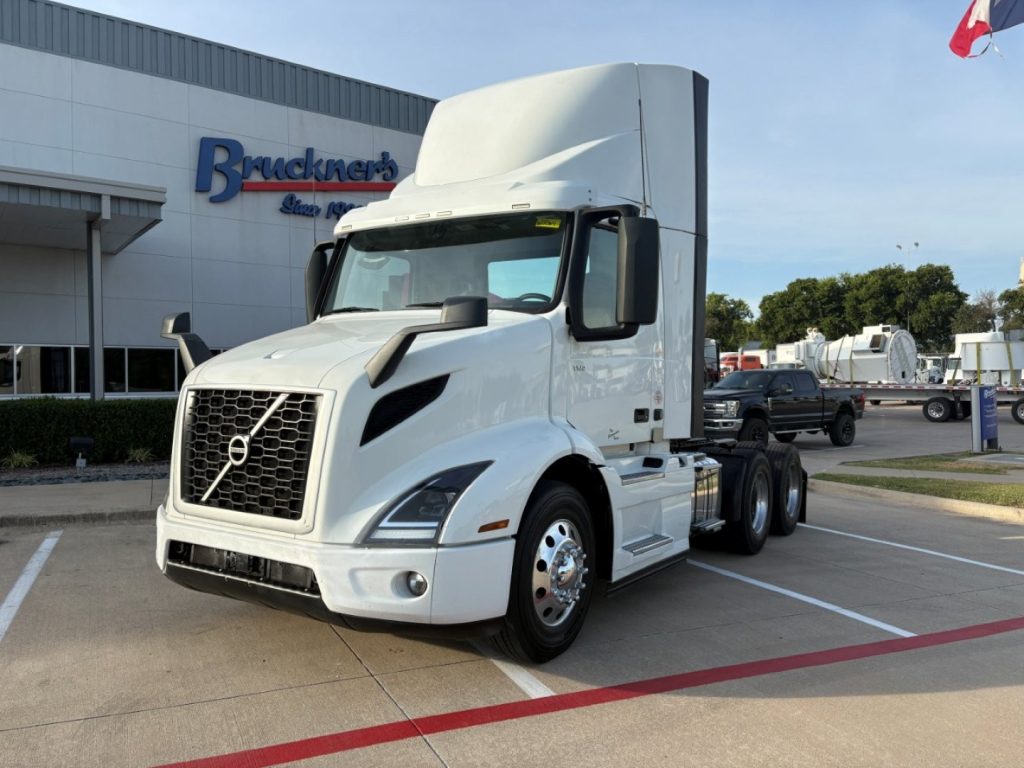
Showing 1 to 28 of 65 results
Selling a used conventional daycab truck? List your used conventional daycab truck for sale and reach thousands of commercial buyers.
Used Conventional Daycab Trucks in Texas
A buyer should start with the drivetrain. Common specs in this category include 12.8L to 13L engines in the 400 to 455 horsepower range, tandem rear axles, and automated manual transmissions such as Volvo I-Shift or Mack mDRIVE, along with traditional manual options on some trucks. Rear axle ratios around 3.08 to 3.55 are common, and they make a real difference in launch, cruise RPM, and fuel burn. Wheelbase also matters more than many first-time buyers expect. A shorter wheelbase helps with turning radius and urban work, while a longer wheelbase can improve ride quality, PTO packaging, deckplate space, and trailer clearance for certain applications. If the truck will pull tank, dump, lowboy, or other hydraulic equipment, check for a wet kit, PTO setup, frame space, and suspension spec before comparing price alone.
Cab and chassis details often separate a solid daycab from one that only looks good on paper. Look at front axle rating, suspension type, fifth wheel position, brake configuration, tire size, and fuel capacity in relation to the route. Air ride suspension is common for freight-sensitive applications, while heavier vocational use may call for different frame and suspension setups. Texas buyers should also pay attention to cooling system health, idle history, A/C performance, and emissions system service records because heat, traffic, and long run times can expose weak points fast. On used models, miles are only one part of the story. Maintenance history, clutch or transmission calibration history, aftertreatment service, and evidence of consistent fleet maintenance usually tell you more about remaining life than odometer reading by itself.
Popular models in this category include the Volvo VNL daycab and Mack Pinnacle or Anthem daycab configurations, but the core buying logic stays the same across makes. Match the truck to the lane, trailer, and average payload. A regional van or reefer tractor may prioritize aerodynamics and fuel economy, while a flatbed or tanker setup may need different gearing, frame options, and PTO readiness. A good used conventional daycab should deliver a clean service record, a drivetrain spec that fits the job, and a chassis layout that does not force expensive changes after purchase.
Frequently Asked Questions about Used Conventional Daycab Trucks in Texas
What is a conventional daycab truck used for?
A conventional daycab truck is a highway tractor without a sleeper compartment, designed for local and regional hauling where the driver returns home the same day or does not need overnight accommodations in the truck. Common applications include dry van, reefer, flatbed, tanker, drayage, and dedicated route service. The shorter cab layout reduces weight, improves maneuverability, and usually lowers acquisition cost compared with a sleeper tractor.
What specs matter most when buying a used daycab in Texas?
The most important specs are engine horsepower, transmission type, rear axle ratio, wheelbase, axle ratings, and suspension. In Texas, buyers should also pay close attention to cooling system condition, A/C performance, emissions system maintenance, and tire condition because high temperatures, long idle periods, and mixed highway-city operation can be hard on used trucks. The right spec depends on the trailer type, average payload, terrain, and how much time the truck spends in tight urban environments versus open interstate lanes.
Is an automated manual transmission a good choice for a used conventional daycab?
An automated manual transmission is a strong choice for many daycab operations because it can improve fuel economy, reduce driver fatigue, and simplify hiring by widening the pool of qualified drivers. Systems such as Mack mDRIVE and Volvo I-Shift are common in regional fleet trucks. The main thing to verify on a used truck is service history, software updates, calibration quality, and how the transmission was spec'd for the axle ratio and intended load.
How do wheelbase and axle ratio affect daycab performance?
Wheelbase affects turning radius, ride quality, deckplate space, and equipment packaging. A shorter wheelbase is generally better for city work, port operations, and tight yards, while a longer wheelbase may suit regional highway use or trucks needing additional frame space for PTO or hydraulic components. Axle ratio affects launch performance and cruise RPM. A lower numerical ratio can support better fuel economy at highway speeds, while a higher numerical ratio can improve pulling power and low-speed performance under heavier loads.
What should I inspect first on a used conventional daycab truck?
Start with maintenance records, engine hours, fault codes, and evidence of emissions system work. Then inspect tire wear, brake condition, suspension components, frame integrity, fifth wheel wear, and signs of uneven loading or alignment issues. In the cab, confirm A/C output, gauge operation, warning lights, and transmission behavior on a road test. A used daycab with documented preventive maintenance and a drivetrain spec that matches the intended application is usually a better long-term buy than a lower-priced truck with gaps in service history.