
Used 2023 Conventional Daycab Trucks For Sale
Browse used 2023 conventional daycab trucks with key specs, drivetrain options, axle ratings, and fleet-friendly features for regional hauling.
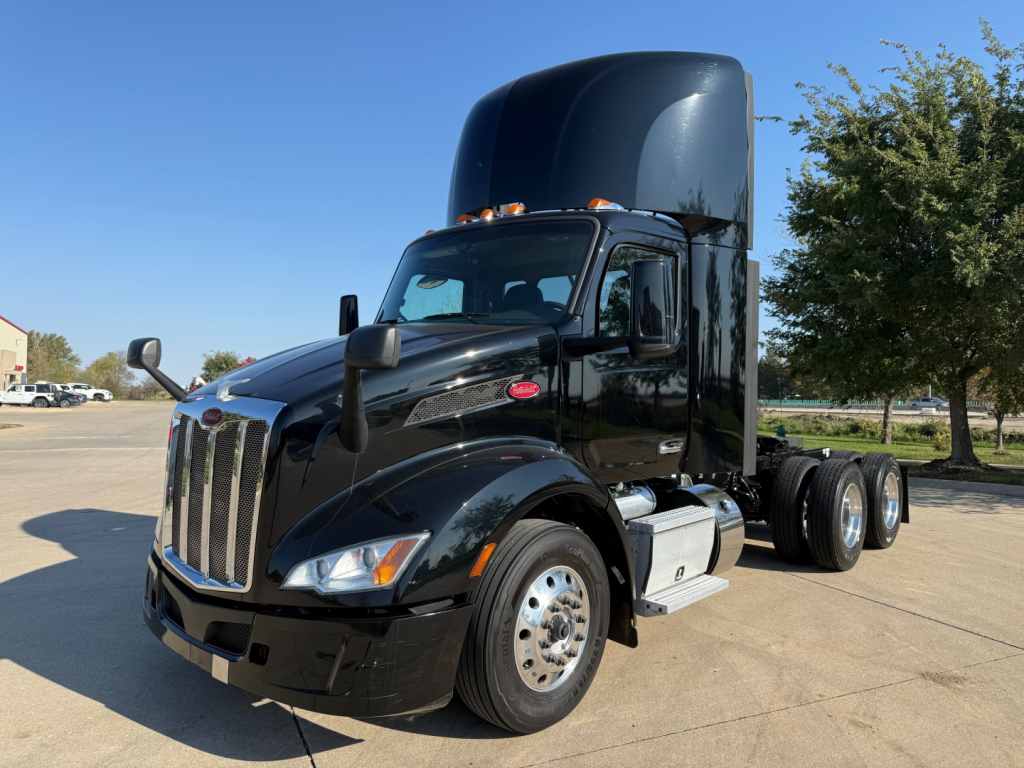
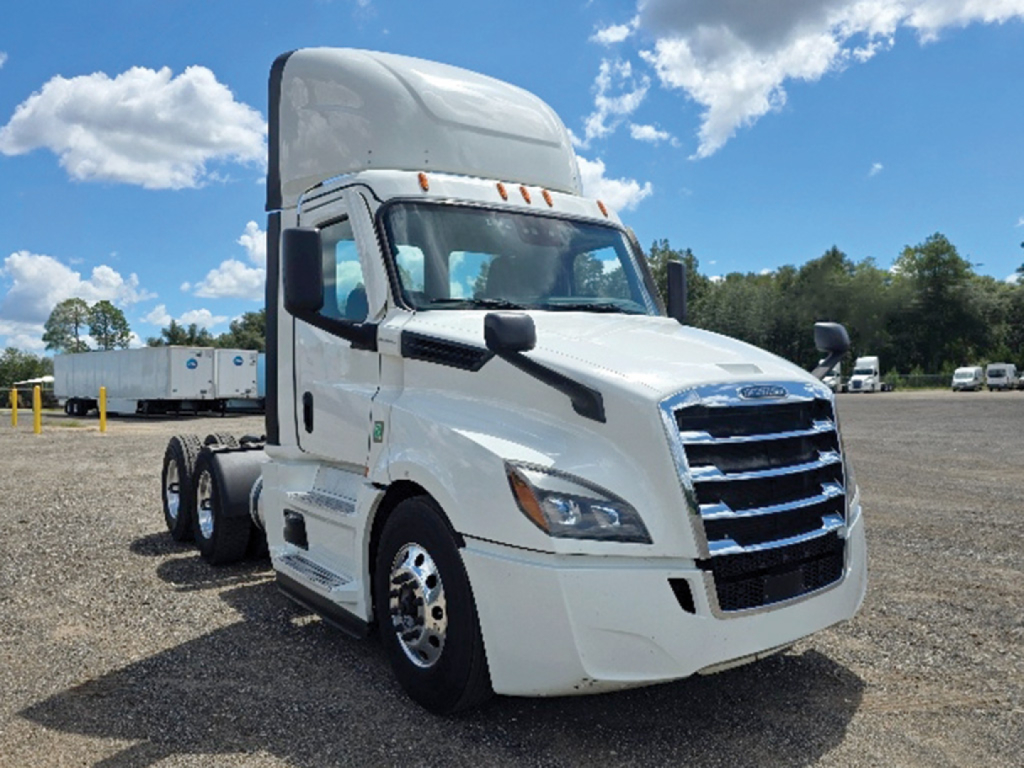
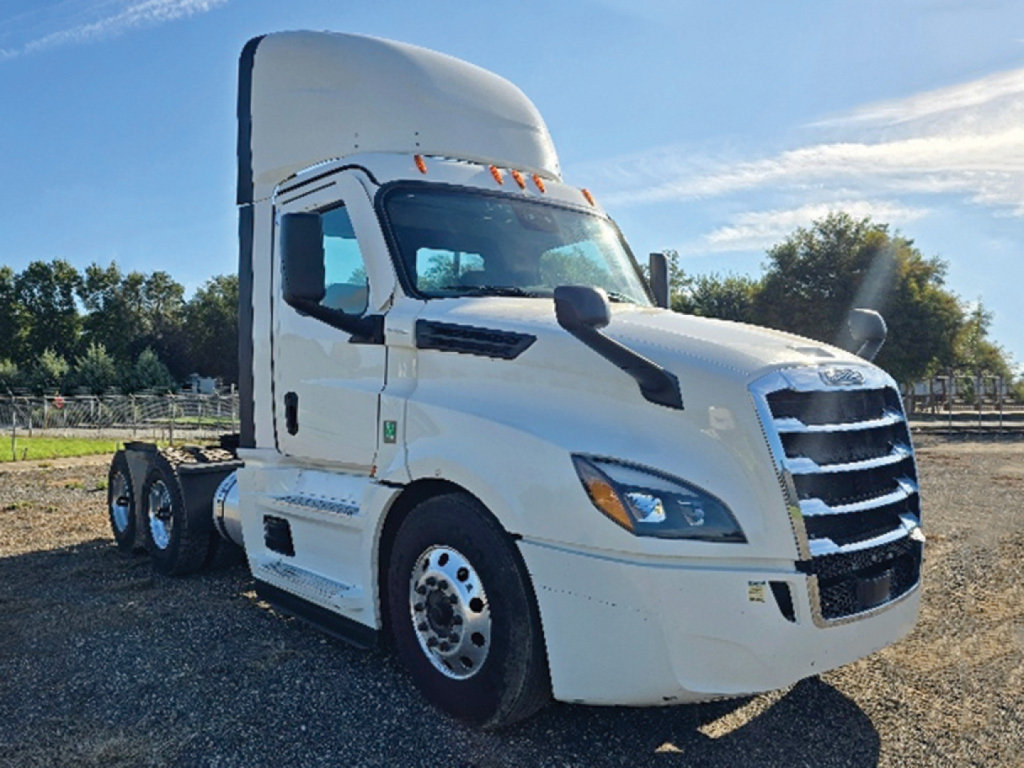
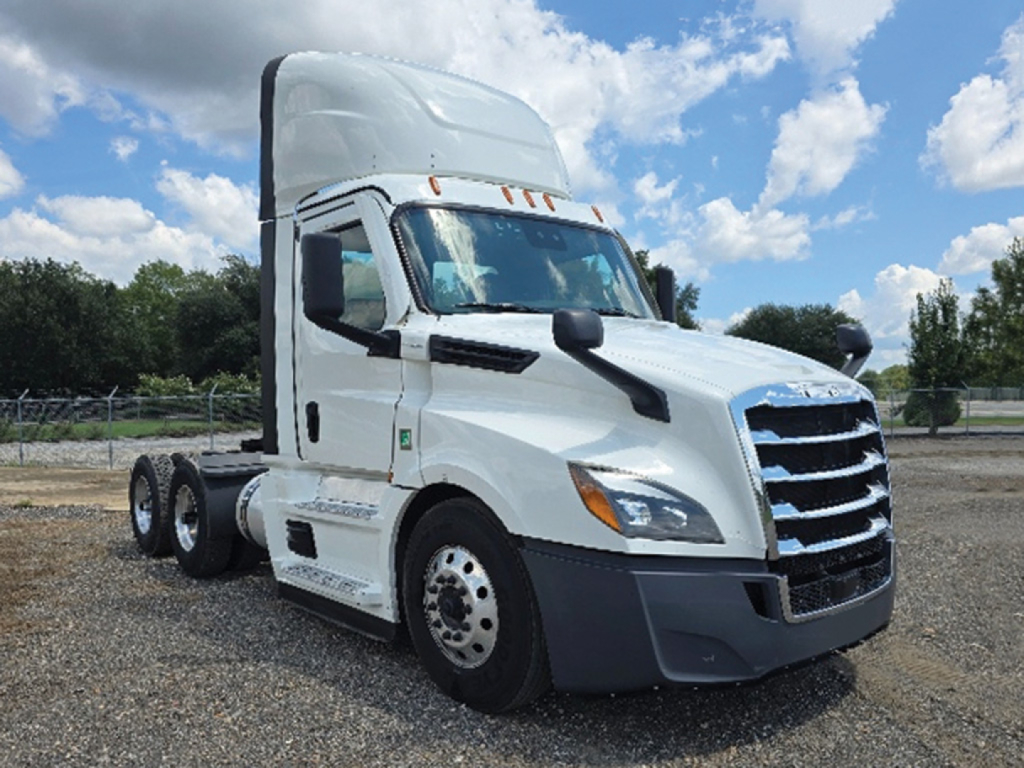
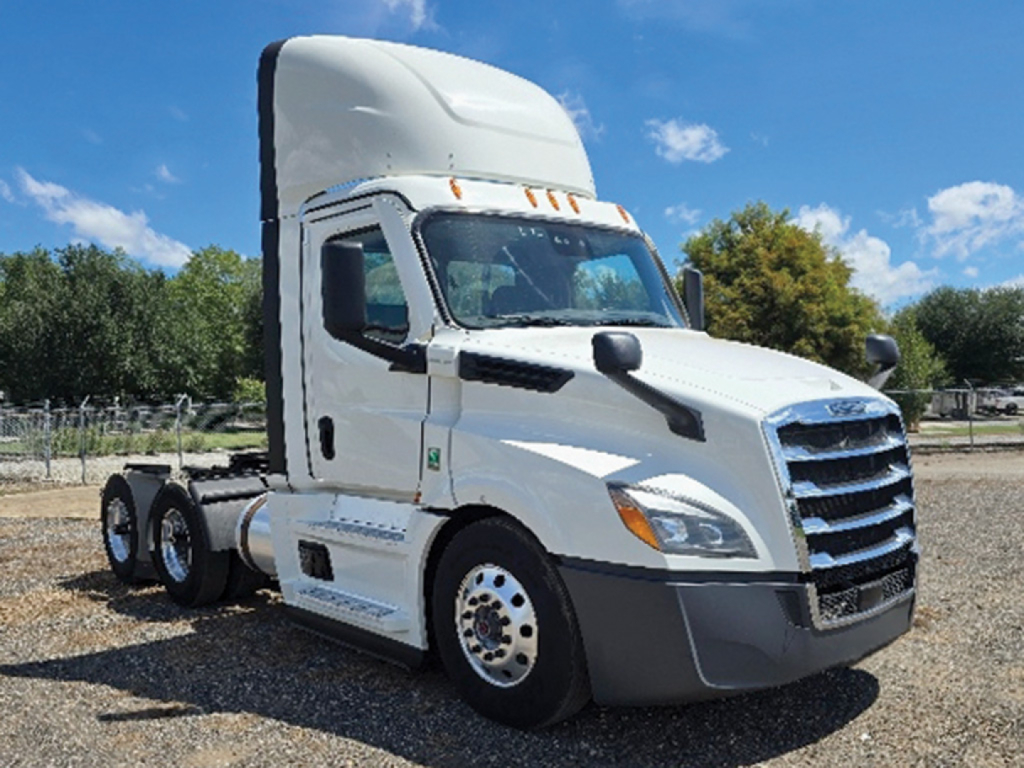
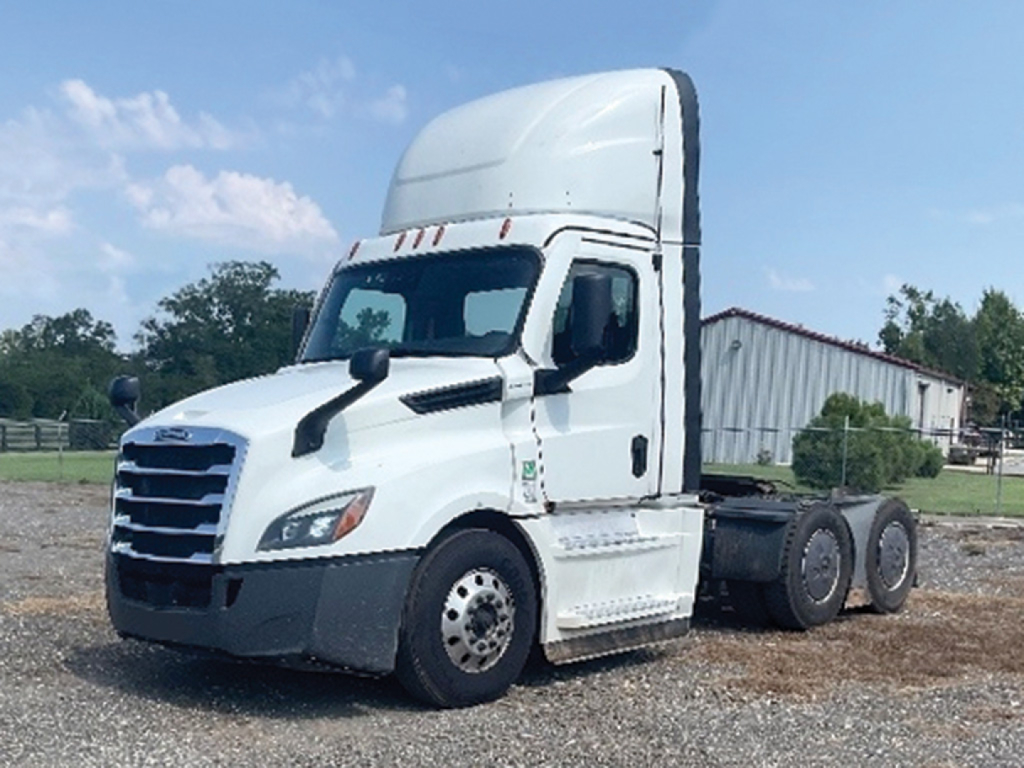
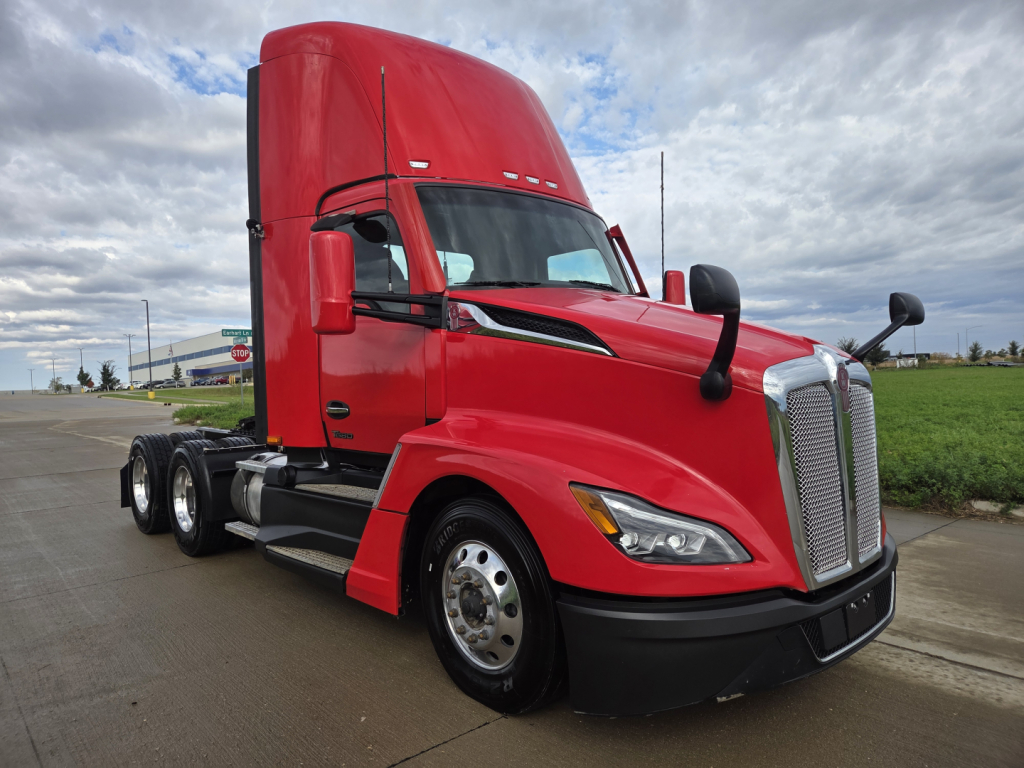
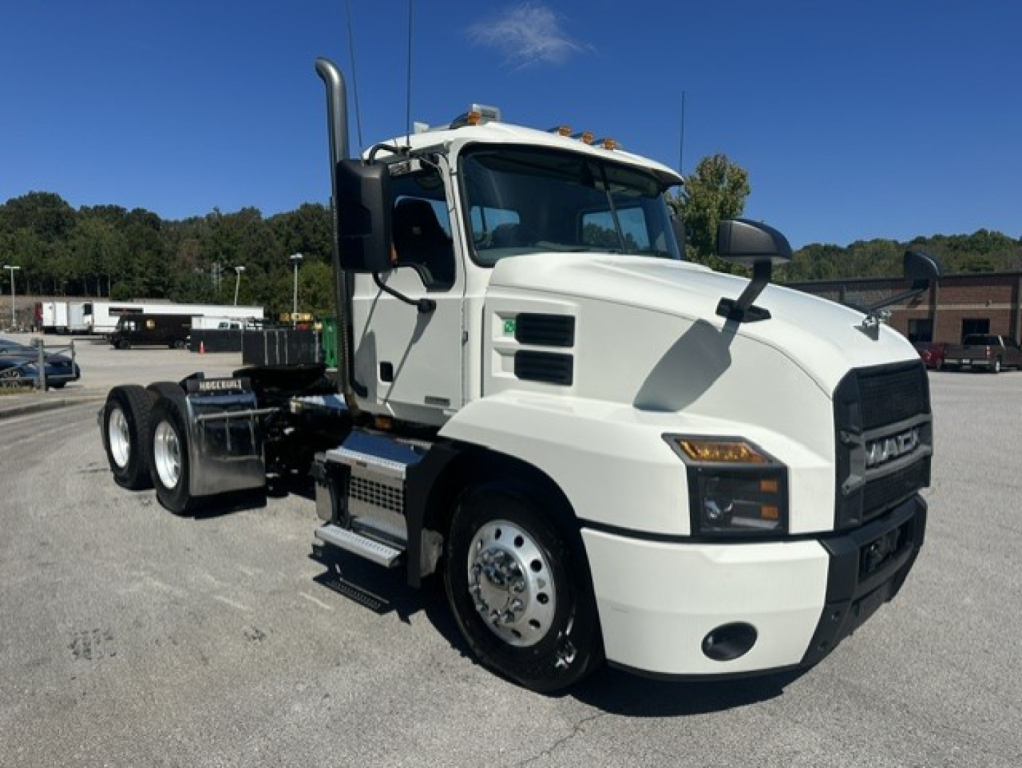
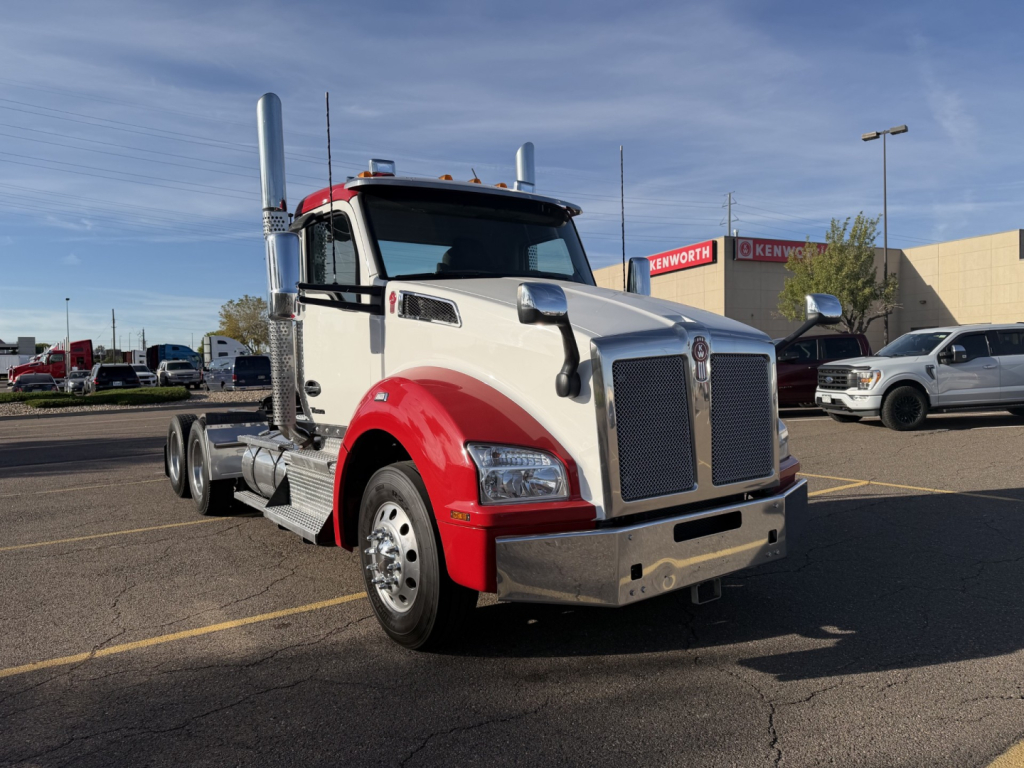
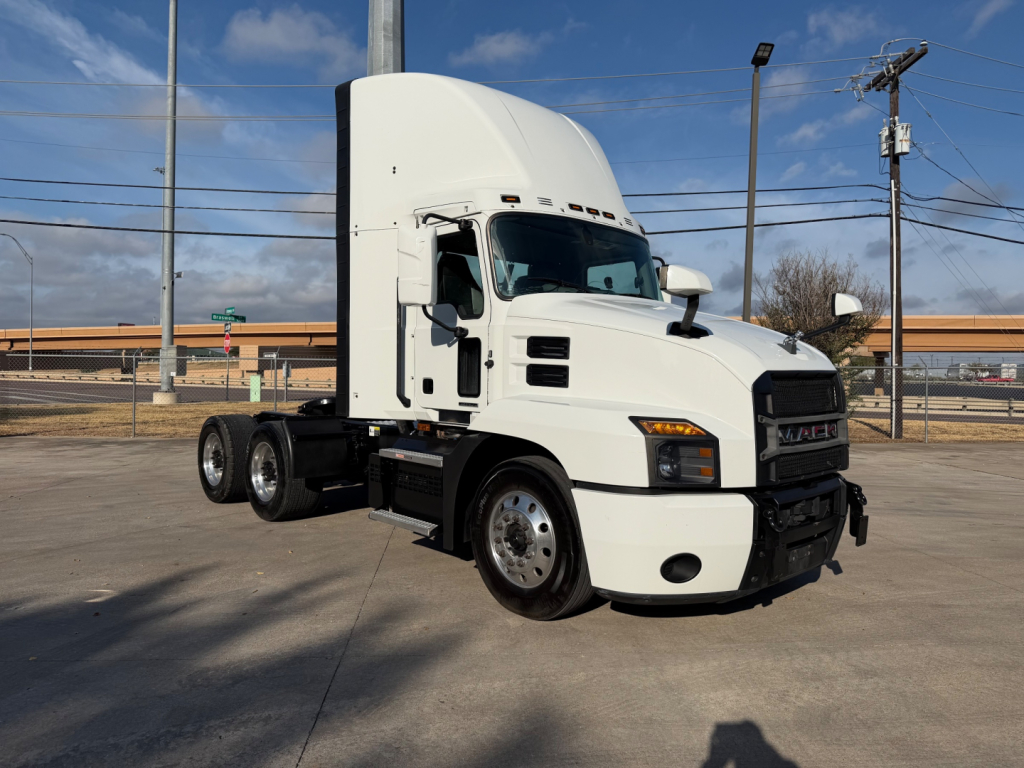
2023 Mack ANTHEM 64T
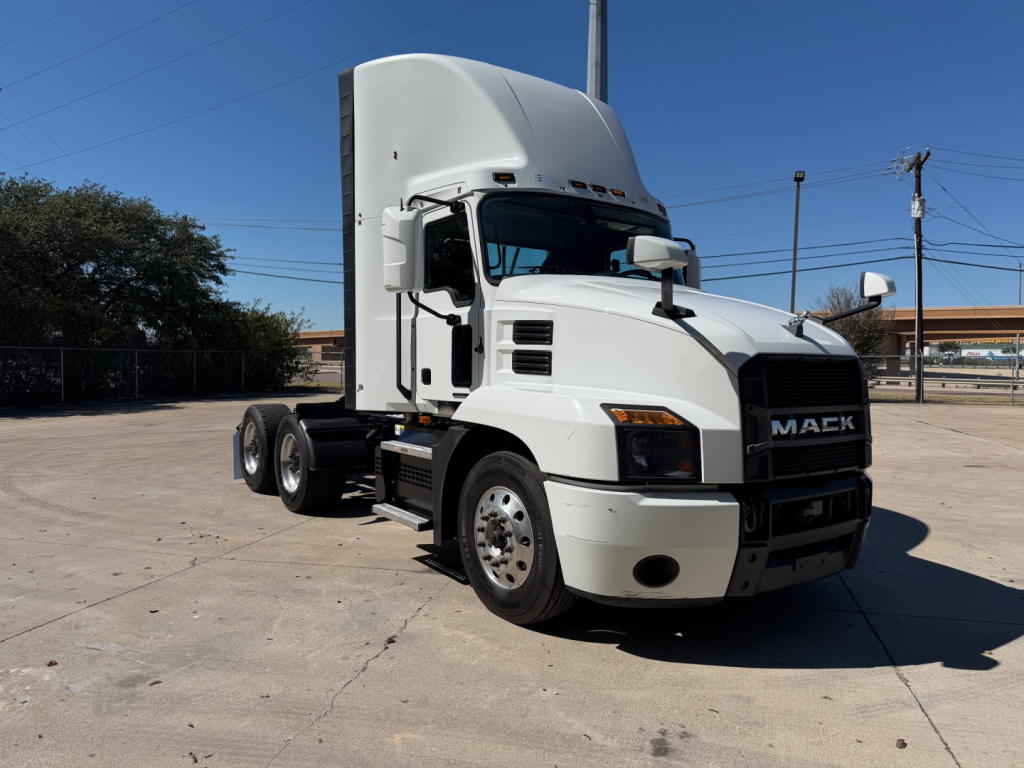
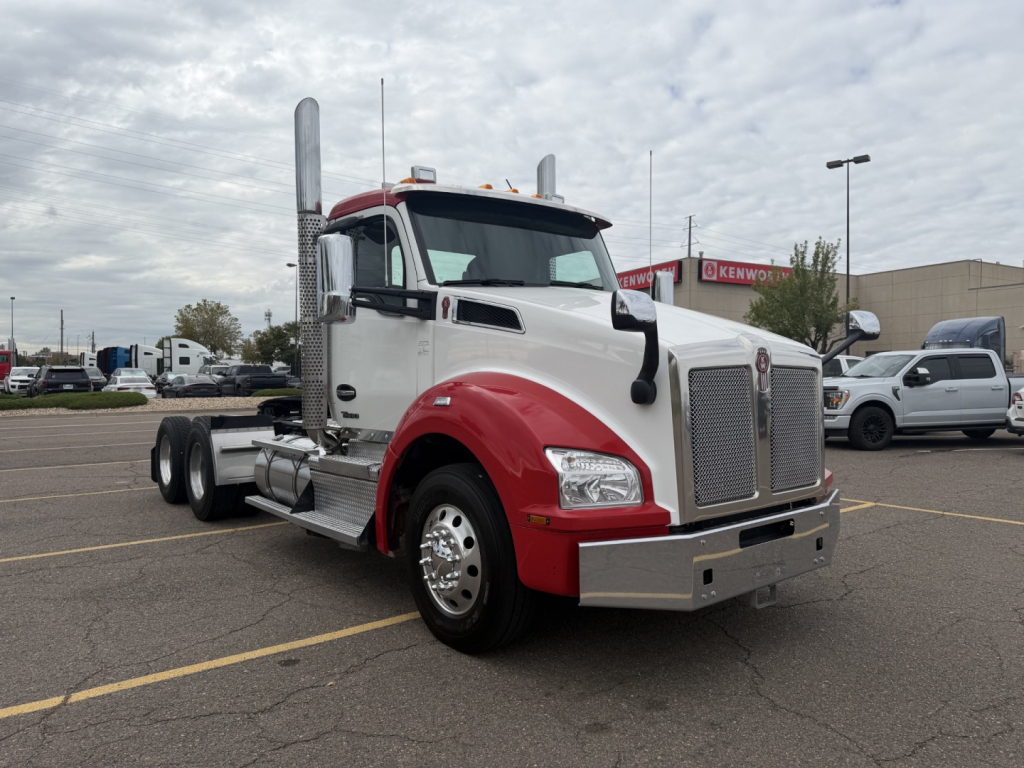
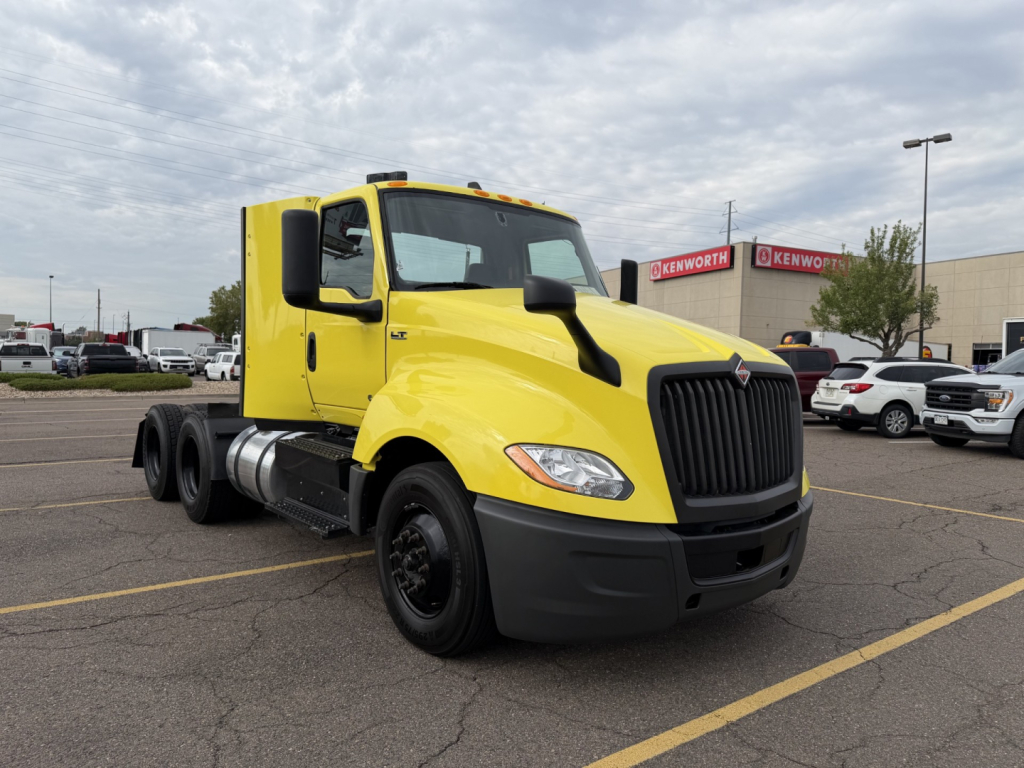
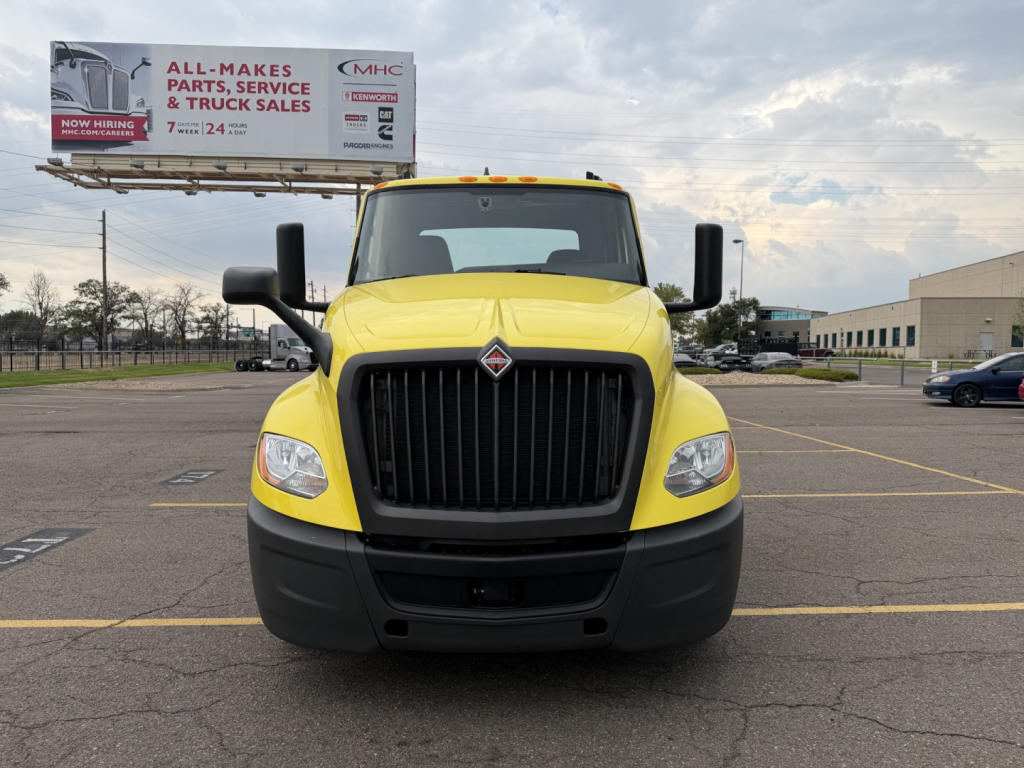
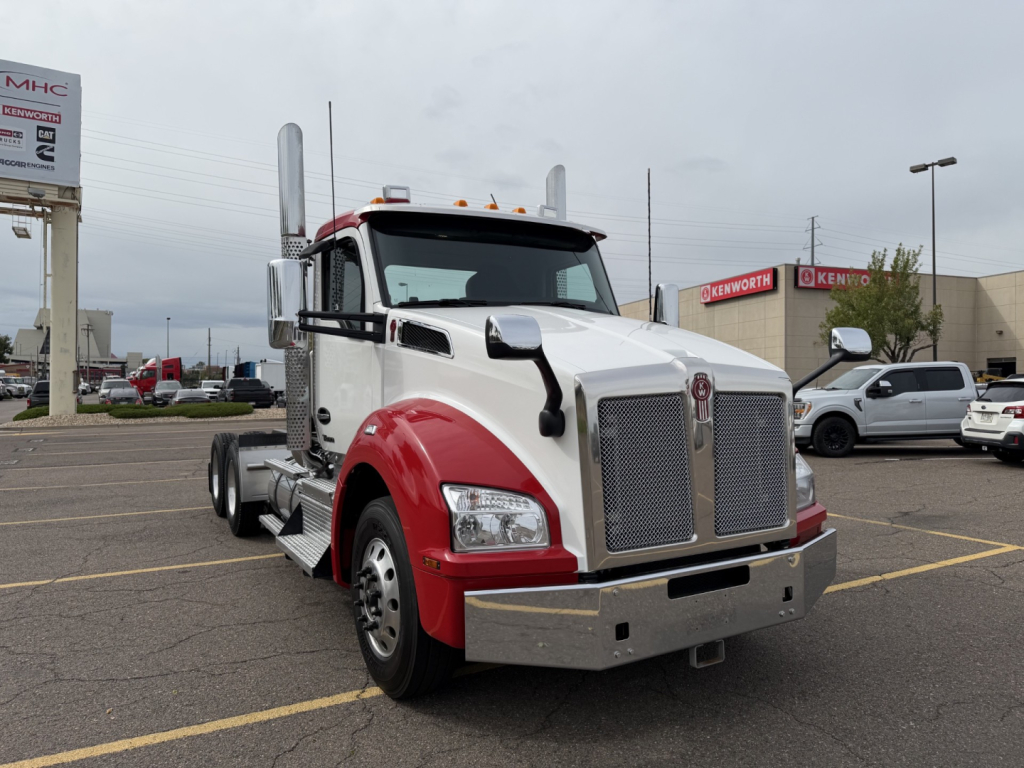
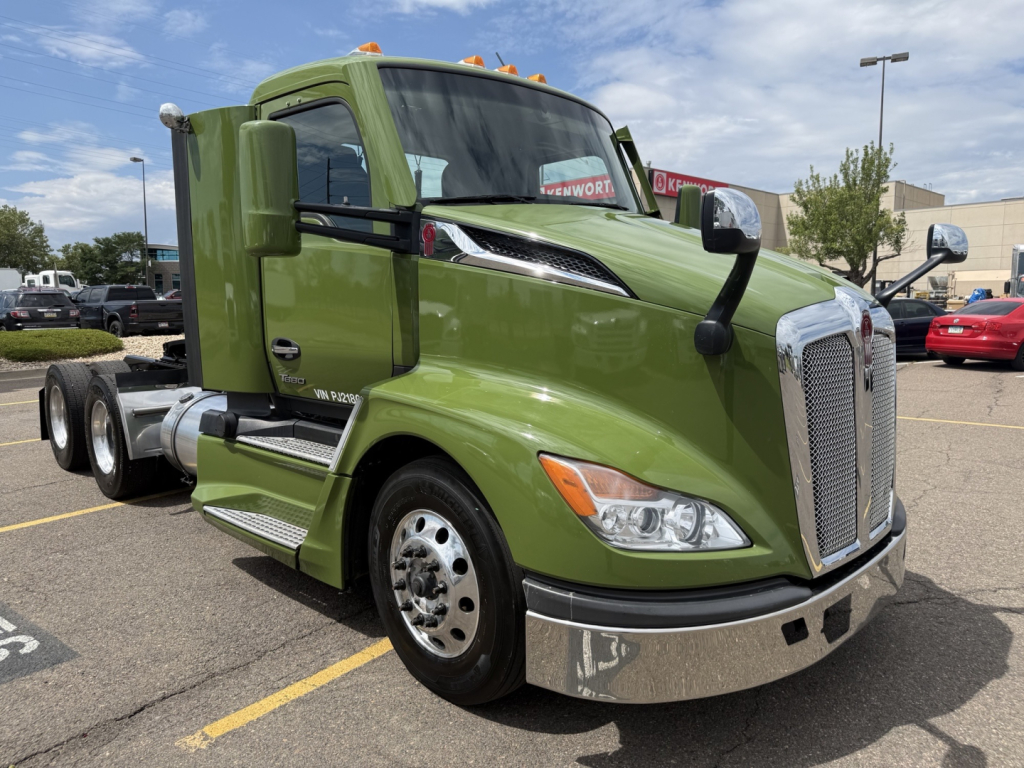
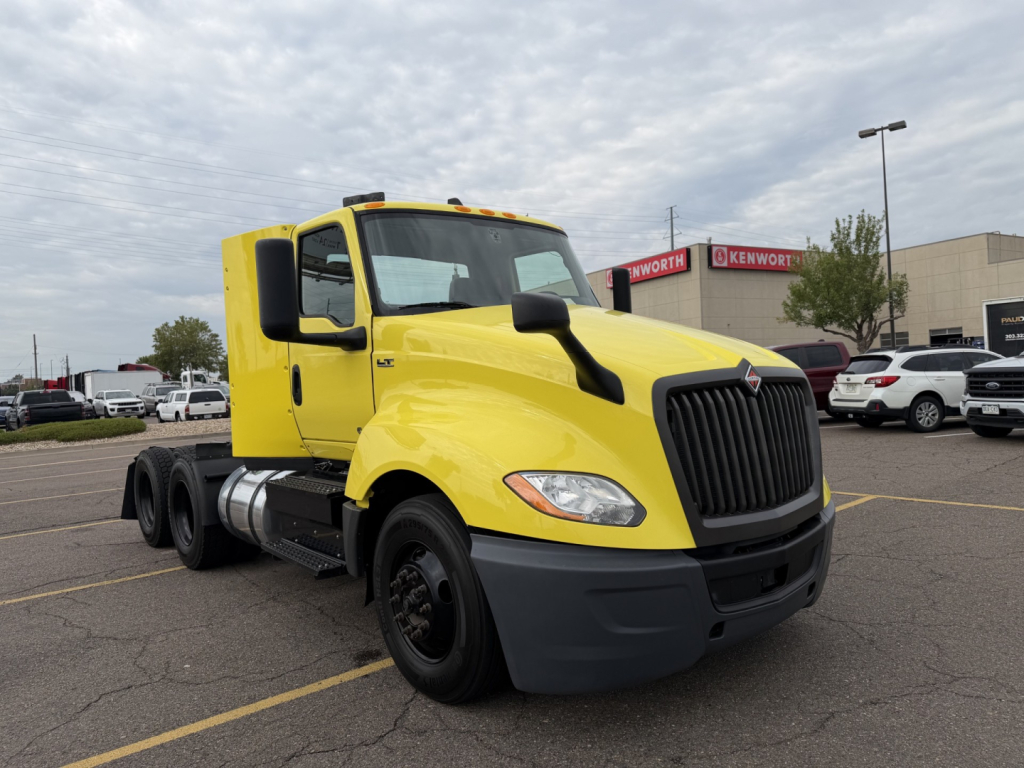
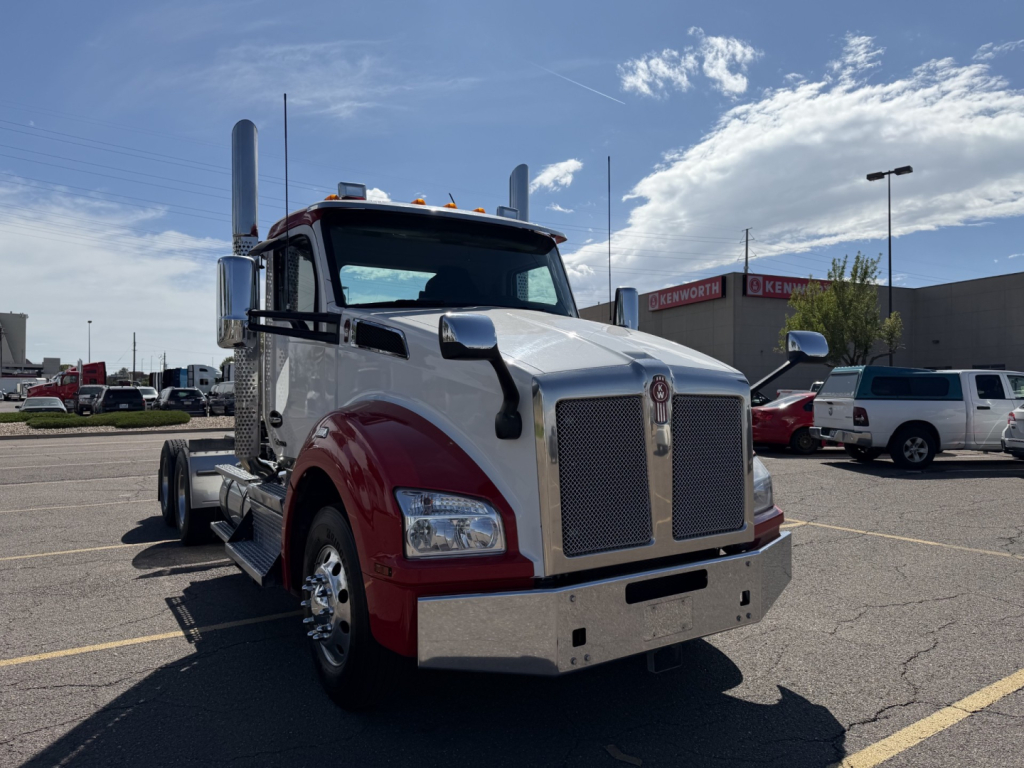
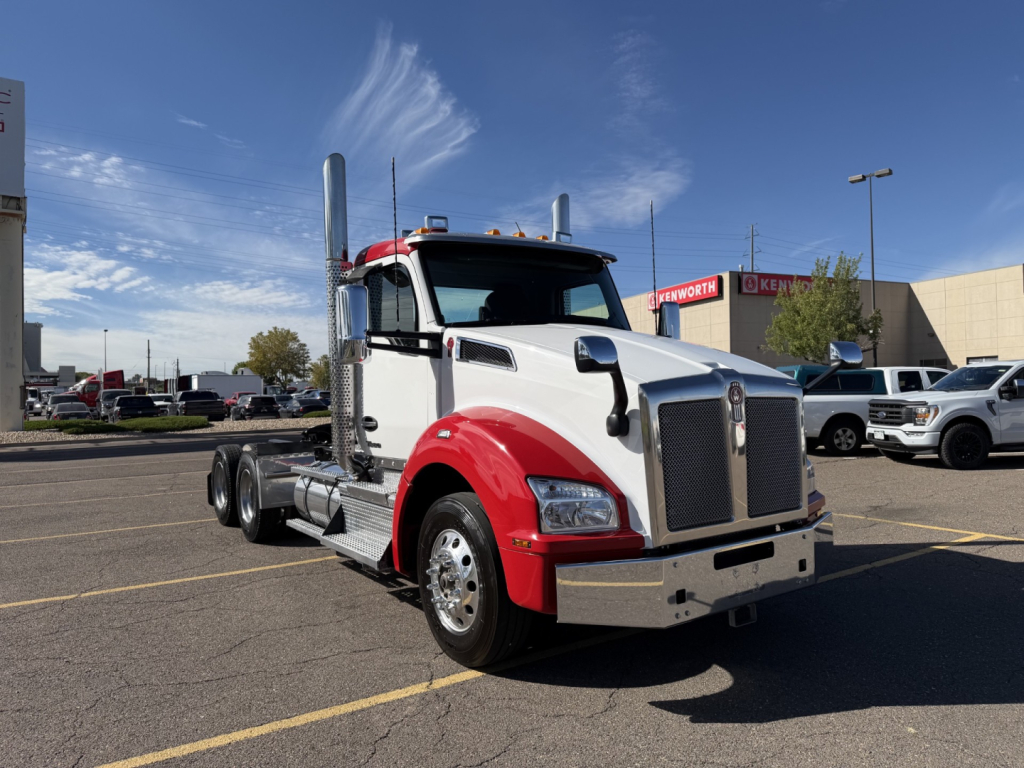
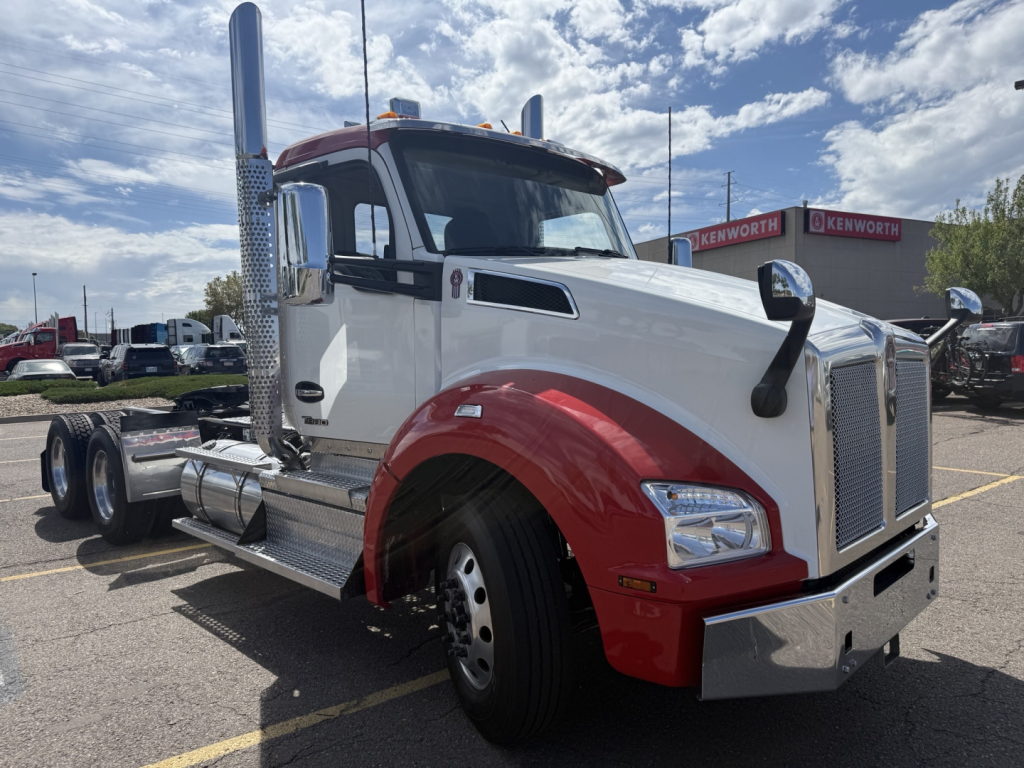
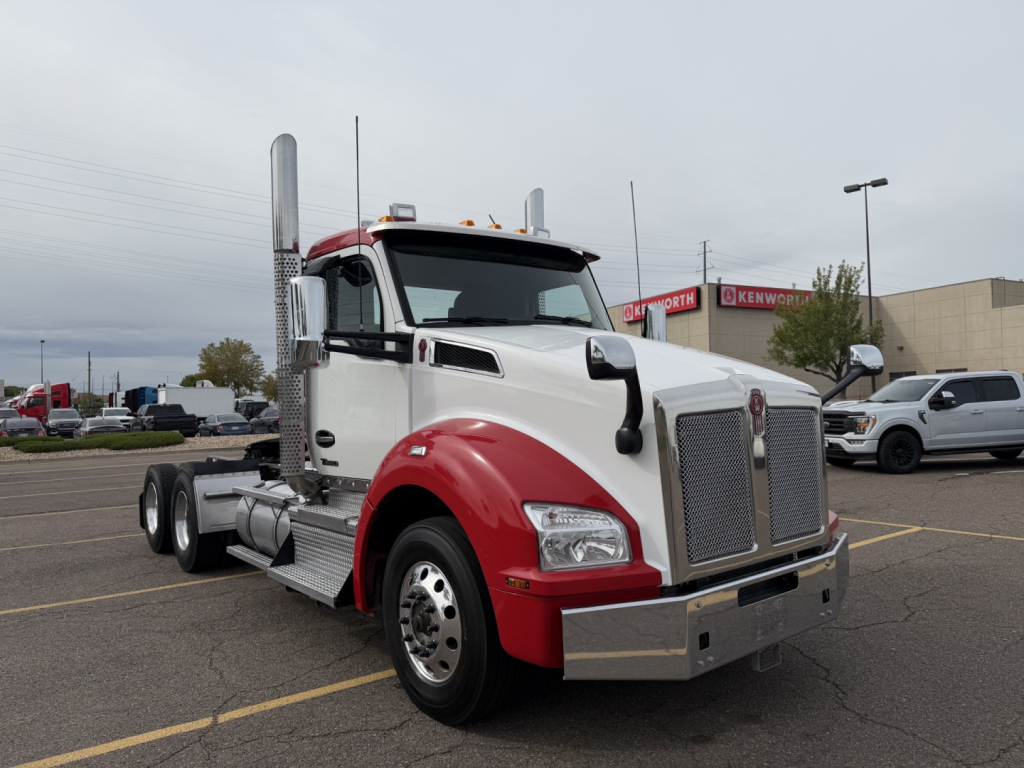
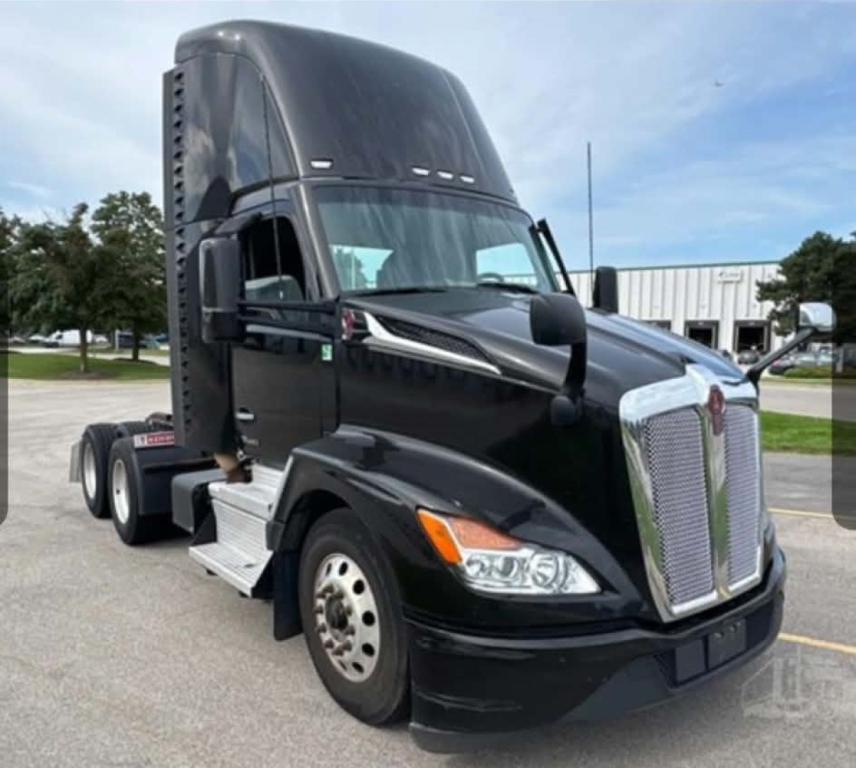
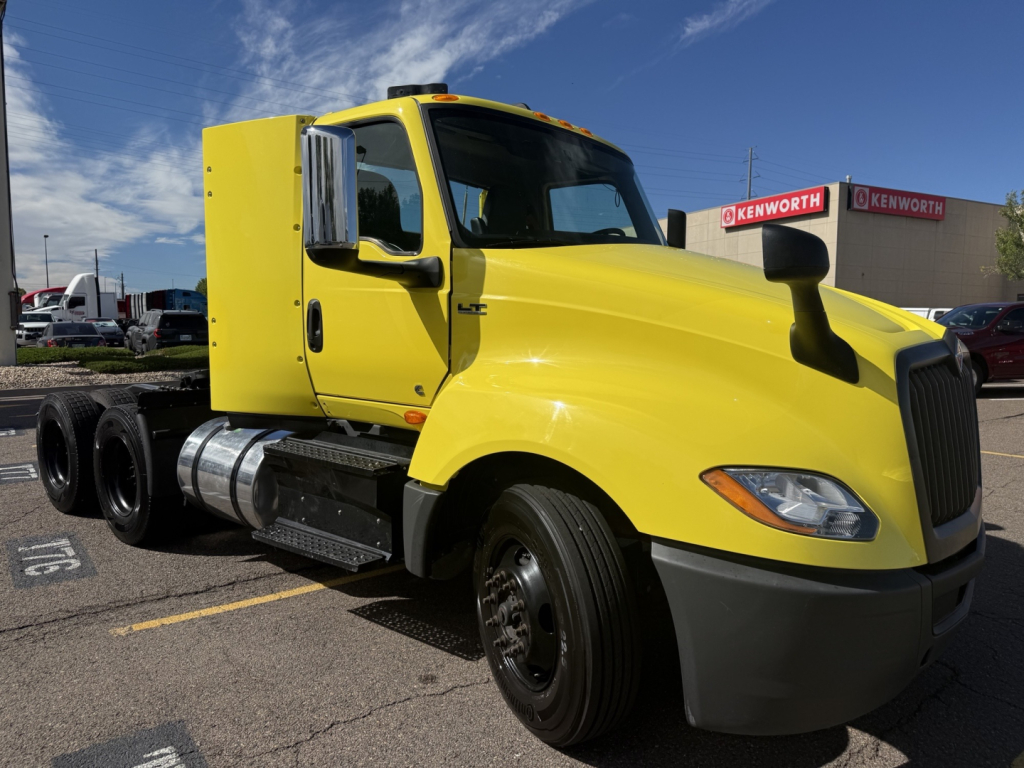
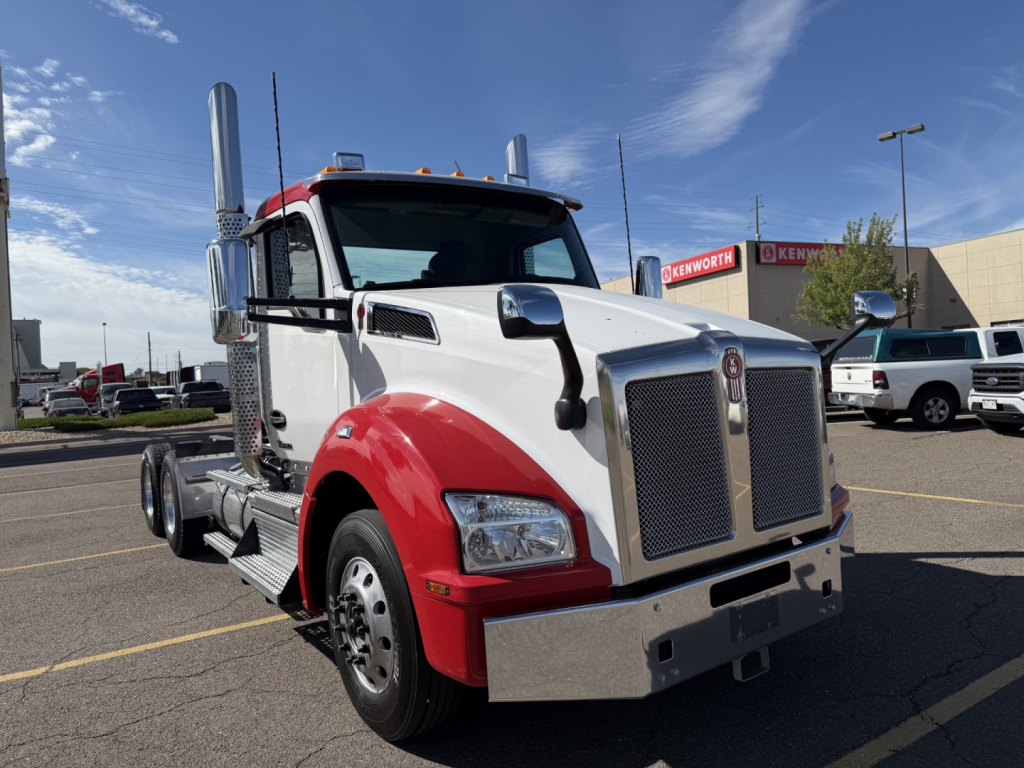

Showing 1 to 28 of 29 results
Selling a used 2023 conventional daycab truck? List your used 2023 conventional daycab truck for sale and reach thousands of commercial buyers.
Used 2023 Conventional Daycab Trucks
On 2023 models, the most common specs center around 12 to 15 liter diesel engines, automated manual or 10-speed manual transmissions, and rear axle ratings from around 23,000 to 40,000 pounds depending on the intended use. Typical power ranges land between roughly 400 and 500 horsepower, often paired with ratios like 2.64, 2.79, 3.08, 3.36, or 3.55 depending on cruise speed and startability needs. Buyers should compare wheelbase, cab-to-axle, and fifth wheel setup closely because those measurements determine trailer swing clearance, bridge law flexibility, and whether the truck fits your existing trailer fleet. Suspension type, front axle rating, and whether the truck has a single frame or double frame also matter if the tractor may be repurposed for PTO or vocational service.
A 2023 conventional daycab often brings newer emissions hardware, better aerodynamics, improved collision mitigation, and more driver-assist technology than older fleet units. Common engine platforms in this class include Detroit DD13 and DD15, Cummins X15, PACCAR MX-13, and Volvo D13, usually backed by automated manuals such as DT12, Endurant, or I-Shift. Buyers should verify maintenance history on aftertreatment components, confirm software updates and fault code status, and compare engine hours against odometer miles to judge idle exposure. Air disc brakes, adaptive cruise, lane departure systems, tire pressure monitoring, and factory telematics are more common on late-model daycabs and can make a real difference in safety, tire life, and driver acceptance.
The best used 2023 daycab truck is the one whose spec matches the lane, trailer, and duty cycle. A short wheelbase tractor can be ideal for city turns and drop-and-hook work, while a longer wheelbase may ride better and package PTO equipment or axle spreads more cleanly. Look closely at axle ratios, fairing configuration, fuel capacity, brake type, and kingpin setting compatibility with the trailers you already run. If the truck will stay in regional service, fuel economy and uptime usually matter more than maximum horsepower. If it will see heavy starts, steep grades, or specialized hauling, prioritize torque, cooling capacity, suspension rating, and drivetrain durability over cosmetic condition alone.
Frequently Asked Questions about Used 2023 Conventional Daycab Trucks
What is a conventional daycab truck used for?
A conventional daycab truck is primarily used for local and regional hauling where the driver returns home daily and does not need a sleeper. Common applications include dry van, reefer, flatbed, container drayage, tanker, and dedicated route service. Many fleets also use daycab tractors in vocational roles when the truck needs a fifth wheel, PTO capability, or easier maneuverability than a sleeper tractor provides.
What should I check first on a used 2023 daycab tractor?
Start with the drivetrain and the truck’s operating history. Review engine make, horsepower, transmission type, axle ratio, rear axle rating, and wheelbase to make sure the spec matches the work. Then verify service records, fault codes, aftertreatment history, brake condition, tire wear, and engine hours relative to miles. On a 2023 model, electronic safety systems, emissions components, and software updates should be checked just as carefully as the basic mechanicals.
Are automated manual transmissions common in 2023 conventional daycabs?
Yes. Automated manual transmissions are very common in 2023 daycab trucks because they help with fuel economy, driver training, and clutch life in stop-and-go service. Systems such as Detroit DT12, Eaton Endurant, and Volvo I-Shift are widely used in regional fleets. Buyers should still confirm calibration, clutch wear data when available, and how the transmission was spec’d with the axle ratio and engine torque curve.
What axle ratio is best for a daycab truck?
The best axle ratio depends on load, terrain, cruise speed, and transmission setup. Lower numerical ratios such as 2.64 or 2.79 are often chosen for fuel-efficient highway and regional lanes, while ratios like 3.08, 3.36, or 3.55 can provide better startability and grade performance for heavier or more demanding applications. The right choice should be based on gross combination weight, trailer type, and how often the truck operates in hills, traffic, or off-highway conditions.
How important are wheelbase and cab-to-axle on a conventional daycab?
Wheelbase and cab-to-axle are critical because they affect turning radius, trailer clearance, weight distribution, and body or equipment fitment. A shorter setup usually works better in city and terminal environments, while a longer setup may improve ride quality and allow room for larger tanks, PTO equipment, or specialized trailer requirements. Buyers should compare these dimensions against their trailers, loading docks, and bridge law needs before choosing a truck.