
Used Conventional Daycab Trucks For Sale in Illinois
Shop used conventional daycab trucks in Illinois. Compare single-axle and tandem daycabs for local haul, regional freight, PTO, and vocational work.
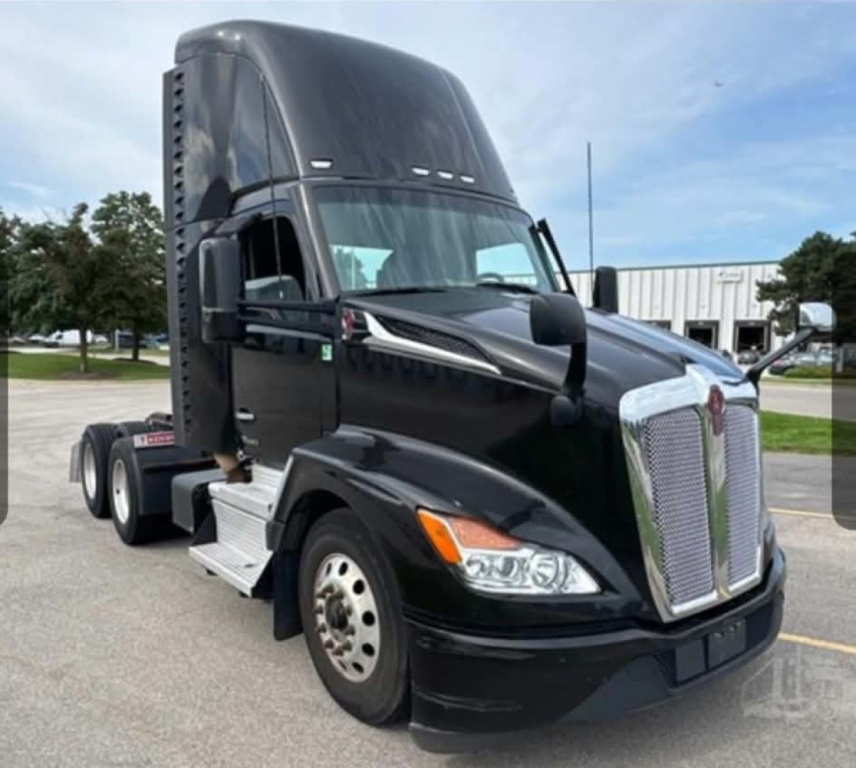
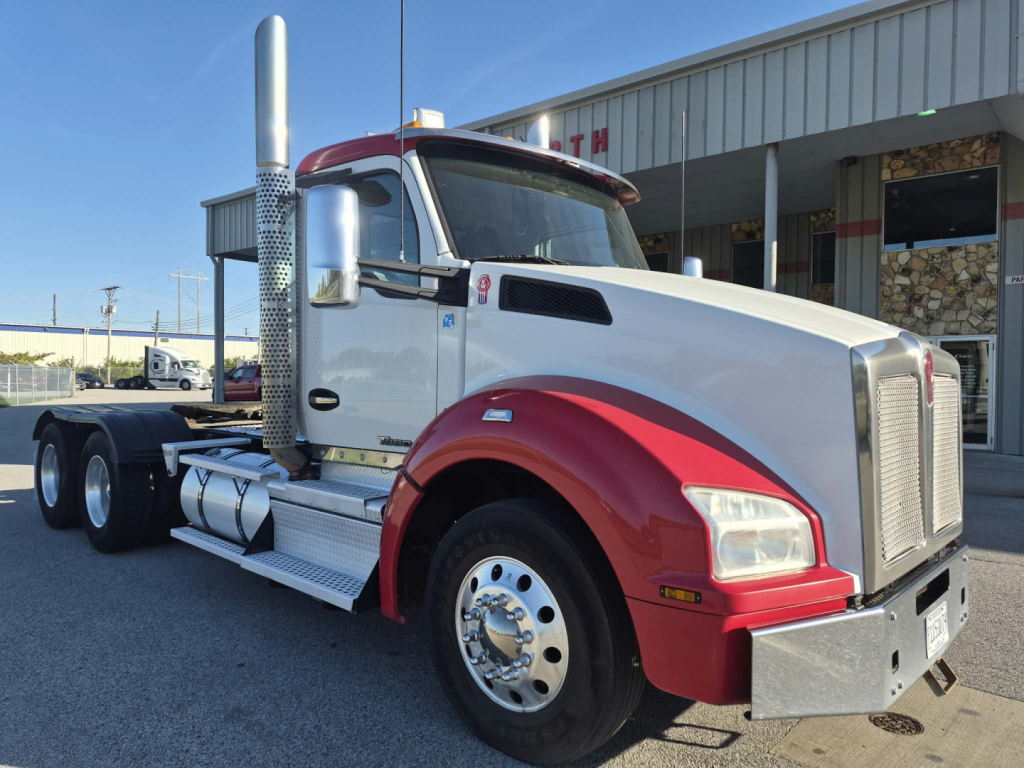
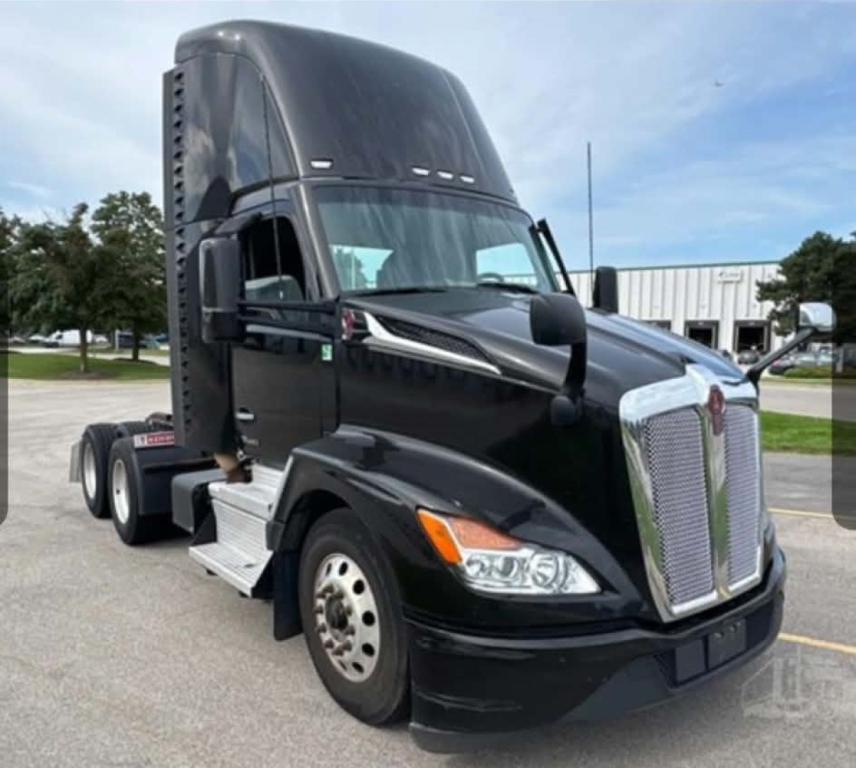

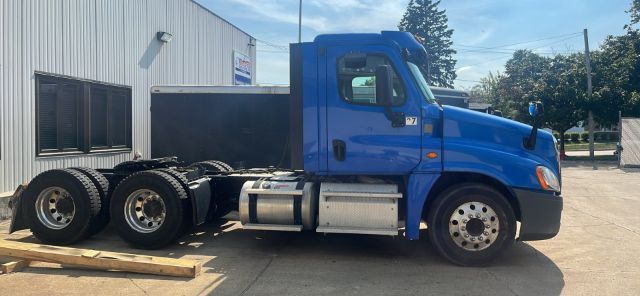
Selling a used conventional daycab truck? List your used conventional daycab truck for sale and reach thousands of commercial buyers.
Used Conventional Daycab Trucks in Illinois
The first buying decision is application. A tandem-axle road tractor with a sliding fifth wheel, air ride suspension, and 40,000 lb rears fits trailer work, heavier regional lanes, and operations that need flexibility on kingpin settings. A single-axle daycab is often the better tool for lighter freight, tighter urban routes, and lower operating cost. In the used market, common engines include Cummins ISX15, Cummins L9, PACCAR PX-7, and MX-13 platforms, typically paired with Eaton Fuller manuals or Allison automatics depending on whether the truck was spec'd for linehaul, city work, or vocational duty. Rear axle ratios, often ranging from highway-friendly low 2s into the mid-5s on straight truck or severe-service specs, tell you a lot about how the truck will perform under load and at interstate speeds.
Cab and chassis specs deserve as much attention as engine make. Wheelbase affects trailer swing, bridge compliance, and body upfit options. A short wheelbase daycab around the 170 to 190 inch range is common on terminal tractors, regional haulers, and units running a pintle or sliding fifth wheel. Longer wheelbases are more common when the chassis carries a van body, liftgate, tag axle, or other straight truck equipment. Buyers should confirm suspension type, brake configuration, front axle rating, fuel capacity, PTO provisions, and whether the truck has locking differentials, engine brake, or an air slide fifth wheel. On Illinois routes with winter weather, stop-and-go congestion, and mixed interstate use, those details have a direct effect on uptime, driver comfort, and fuel burn.
Condition matters more on a used daycab because many of these trucks spend their lives in dense traffic, docks, and fleet service. Look closely at idle hours, transmission behavior, aftertreatment history, frame condition, steering play, suspension wear, and any signs of body or fairing damage from yard use. If the truck is a straight truck on a daycab chassis, inspect the body floor, scuff liners, door frame, liftgate capacity, and wheelbase-to-body match. A good used conventional daycab should fit the route first, not just the budget. When the axle rating, ratio, transmission, and chassis layout match the job, a daycab can be one of the most efficient assets in a fleet.
Frequently Asked Questions about Used Conventional Daycab Trucks in Illinois
What is a conventional daycab truck?
A conventional daycab truck is a hooded truck chassis or tractor with no sleeper compartment behind the cab. It is designed for local, regional, and return-to-base operations where overnight accommodations are not needed. Compared with sleeper tractors, daycabs are usually lighter, shorter, and easier to maneuver in urban areas, terminals, and customer yards.
Is a single-axle or tandem-axle daycab better?
It depends on the load, trailer, and route. A single-axle daycab usually costs less to operate, turns tighter, and works well for lighter freight and city routes. A tandem-axle daycab provides more traction, higher rear axle capacity, and better suitability for heavier trailer work, bulk hauling, and regional applications. Buyers should match axle configuration to gross combination weight, bridge limits, and commodity type.
What should I check on a used conventional daycab in Illinois?
Pay close attention to rust, frame condition, suspension wear, brake life, steer axle and rear axle ratings, and signs of hard yard use. In Illinois, seasonal road treatment and winter exposure can affect frames, crossmembers, airlines, and electrical connections. Also review engine hours, DPF and SCR service history, clutch or automatic transmission operation, and tire wear patterns that may point to alignment or suspension issues.
Are automatic transmissions common in used daycab trucks?
Yes. Many used daycabs, especially straight trucks and urban delivery units, are equipped with Allison automatics or automated manual transmissions because they reduce driver fatigue in stop-and-go traffic. Manual Eaton Fuller transmissions are still common in highway and regional tractors. The right choice depends on route density, driver pool, maintenance preference, and whether the truck is used for PTO or vocational work.
Can a conventional daycab be used as both a tractor and a straight truck platform?
Yes. The same basic conventional daycab chassis can be configured as a fifth-wheel tractor or built into a straight truck with a van body, flatbed, dump body, or other upfit. That is why wheelbase, frame length, rear axle ratio, and transmission choice are so important. A tractor spec and a straight truck spec may both be daycabs, but they are built for very different operating demands.