
Used Kenworth Conventional Daycab Trucks For Sale in Illinois
Used Kenworth conventional daycab trucks in Illinois, from T680 to T880, with PACCAR or Cummins power, efficient drivetrains, corrosion protection.
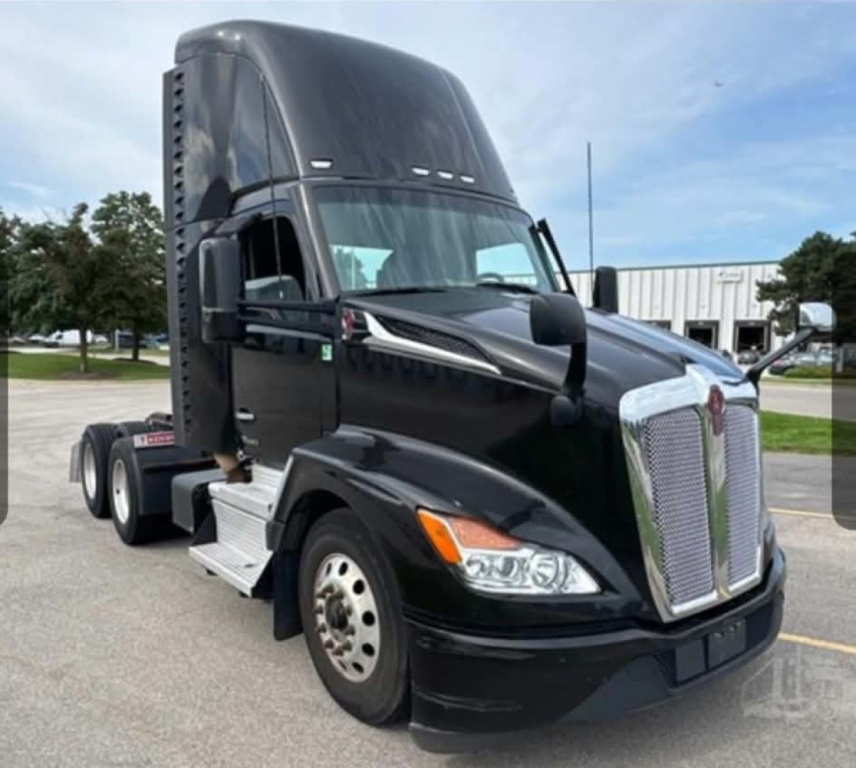
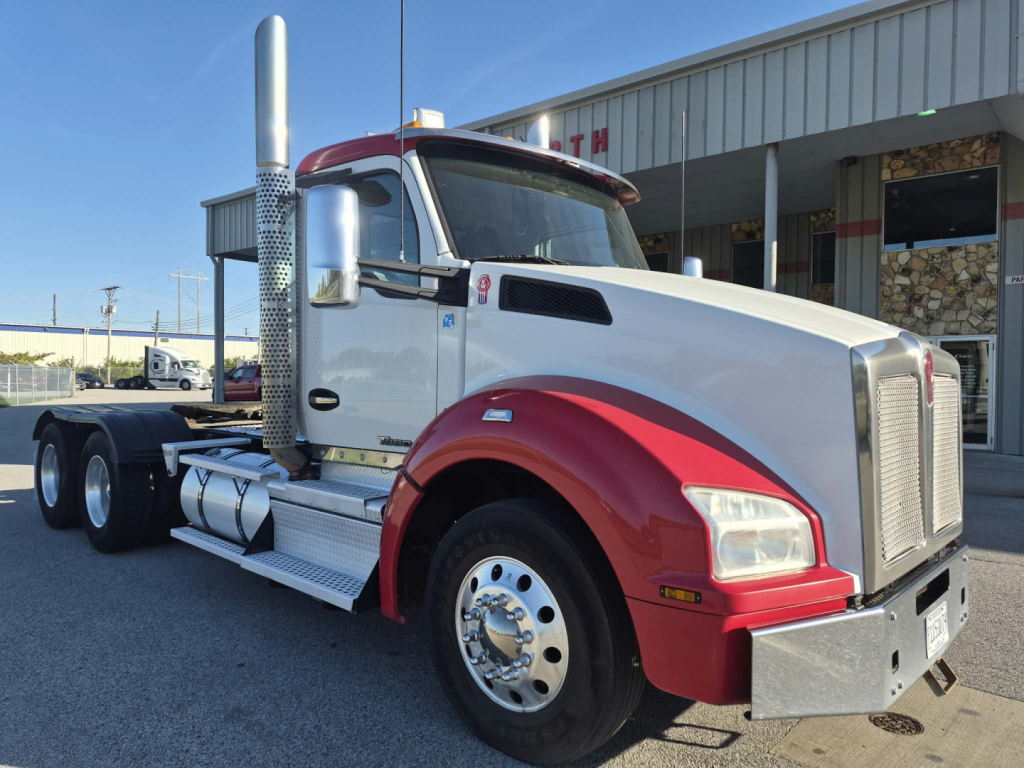
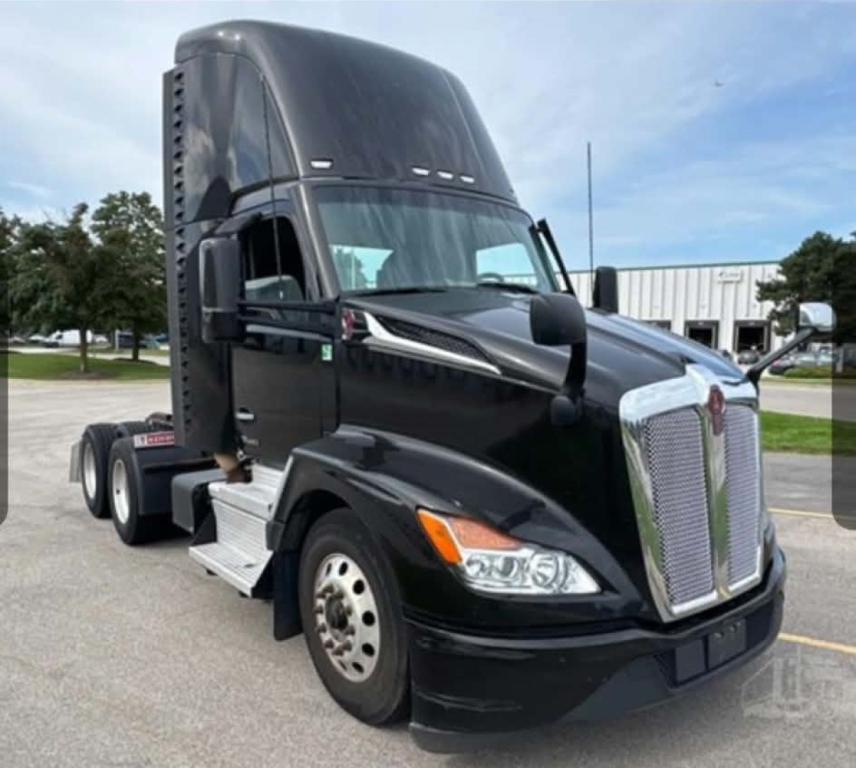
Selling a used kenworth conventional daycab truck? List your used kenworth conventional daycab truck for sale and reach thousands of commercial buyers.
Used Kenworth Conventional Daycab Trucks in Illinois
Structural integrity matters on a used daycab, not just the engine. Frame rails on Kenworths commonly use 120 to 150 ksi steel with crossmember spacing that supports fifth wheel loads and trailer swing. Inspect the cab floor and step boxes for cracking or soft spots, especially on units that ran heavy vocational routes, and check the fifth wheel plate and slider rails for wear and fastener integrity. Corrosion resistance is strong due to Kenworth’s aluminum cab, e coat processes, and stainless or composite hardware, but Illinois road salt still attacks frame flanges, suspension hangers, brake chambers, battery boxes, and cab mounts. Verify clean paint under scale, intact wiring seals, and dry air and DEF lines.
Tare weight drives payload and fuel economy. Aero daycabs like the T680 reduce drag, and lightweight specs such as aluminum wheels, aluminum crossmembers, smaller DEF and dual purpose battery boxes, and disc brakes can remove hundreds of pounds. A 6x2 saves additional weight and parasitic loss, but traction in snow and dock approaches can suffer, so weigh the gain in mpg against winter grip. Wide base singles cut rolling resistance and weight, yet duals provide redundancy and traction on rough sites. Choose suspension carefully, AG400L and AG380 air ride balance ride quality, weight, and durability, heavier vocational suspensions add mass but handle off pavement loads.
Thermal integrity affects driver comfort and component life. Check HVAC performance, door and window seals, insulated floor mats, and under dash ducting for strong heat output in Illinois winters and stable cooling in summer. Confirm proper engine cooling package sizing for stop and go work, and look for block heaters, oil pan heaters, heated mirrors, and air dryer service history. Gear ratios should match the route, downsped setups with 2.64 to 3.08 rears and direct or overdrive transmissions cut fuel burn on I 55 or I 80, while steeper ratios help launch on urban routes and bridge approaches. Verify aftertreatment health, recent DPF cleaning, NOx sensor and DEF pump function, and smooth regen history, and inspect the sliding fifth wheel travel and wheelbase for legal weight distribution under Illinois bridge rules.
Frequently Asked Questions about Used Kenworth Conventional Daycab Trucks in Illinois
Which Kenworth daycab model fits regional freight in Illinois versus vocational work?
For pure regional and intermodal haul, a T680 daycab offers the best aerodynamics and typically the lowest tare weight, which improves mpg and payload. For vocational or heavy on off pavement work, a T880 or older T800 provides higher front axle ratings, optional double frame sections, and set forward or set back axle choices for bridge and maneuverability. W900 daycabs appeal for cooling capacity and service access, but they are heavier and less aero than a T680.
What axle ratios and transmissions work best for Chicago stop and go versus highway routes?
Urban routes with frequent stops benefit from steeper axle ratios such as 3.25 to 3.70 paired with a 10 or 13 speed or an automated 12 speed that keeps the engine in its torque band at low speed. Highway dominant routes favor downsped pairings, for example a PACCAR MX 13 or Cummins X15 with a direct or overdrive top gear and 2.64 to 3.08 rears, which lowers cruise rpm and fuel burn on I 55, I 57, and I 80. Verify that the transmission shift logic, clutch health, and PTO provisions match your duty cycle.
How do I evaluate corrosion on a used Kenworth daycab from Illinois?
Inspect frame flanges and crossmember interfaces for scaling, pitting, or delamination, then probe suspect areas with a pick to confirm sound metal. Check suspension hangers, torque rod brackets, fifth wheel rails, battery boxes, and DEF tanks and straps for rust or chemical attack. Look under the cab for floor panel corrosion near the steps and cab mounts, confirm harness seals at bulkheads, and review maintenance records for undercarriage washing and anti corrosion treatments. Aluminum cabs resist rot, but steel hardware and brackets still need close inspection.
Are 6x2 axles or wide base singles a good idea for Illinois operations?
They can be, if your work is primarily paved and you prioritize weight savings and fuel economy. A 6x2 and wide base singles reduce tare and rolling resistance, which helps on regional highway lanes, but traction on snow, ice, and dock ramps can be lower than a 6x4 with duals. If you choose a 6x2, spec a good traction control strategy, proper load based control, and quality winter tires, or consider a liftable pusher for mixed conditions.
What should I check on the aftertreatment system of a PACCAR MX or Cummins X15 daycab?
Confirm recent DPF cleaning or replacement intervals, look for active fault codes, and review SCR performance data, NOx sensors, DEF pump and doser operation, and coolant line integrity. Verify that the unit completes passive or parked regens without derates, and inspect for exhaust leaks upstream of the aftertreatment. Units with high idle hours may need closer scrutiny of EGR coolers, VGT actuators, and pressure sensors. A healthy aftertreatment system is key to uptime and fuel efficiency.