
Used Peterbilt Conventional Daycab Trucks For Sale in Illinois
Shop used Peterbilt conventional daycab trucks in Illinois. Compare 386 and 579 specs, wheelbases, drivetrains, axles, and cab features.
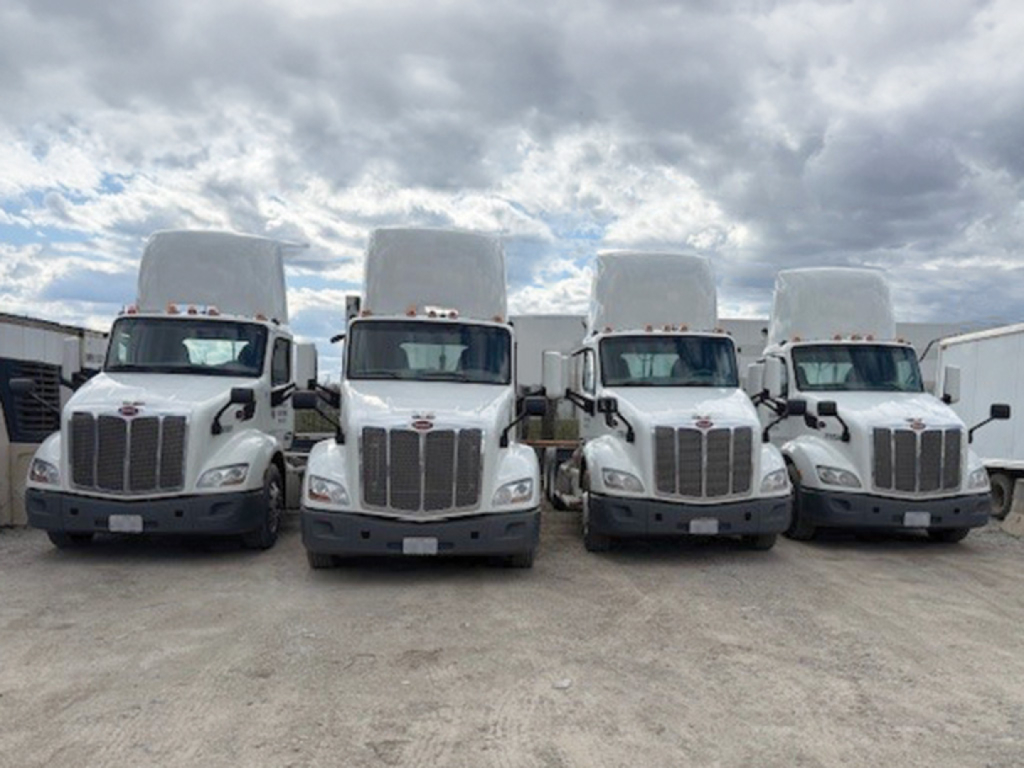
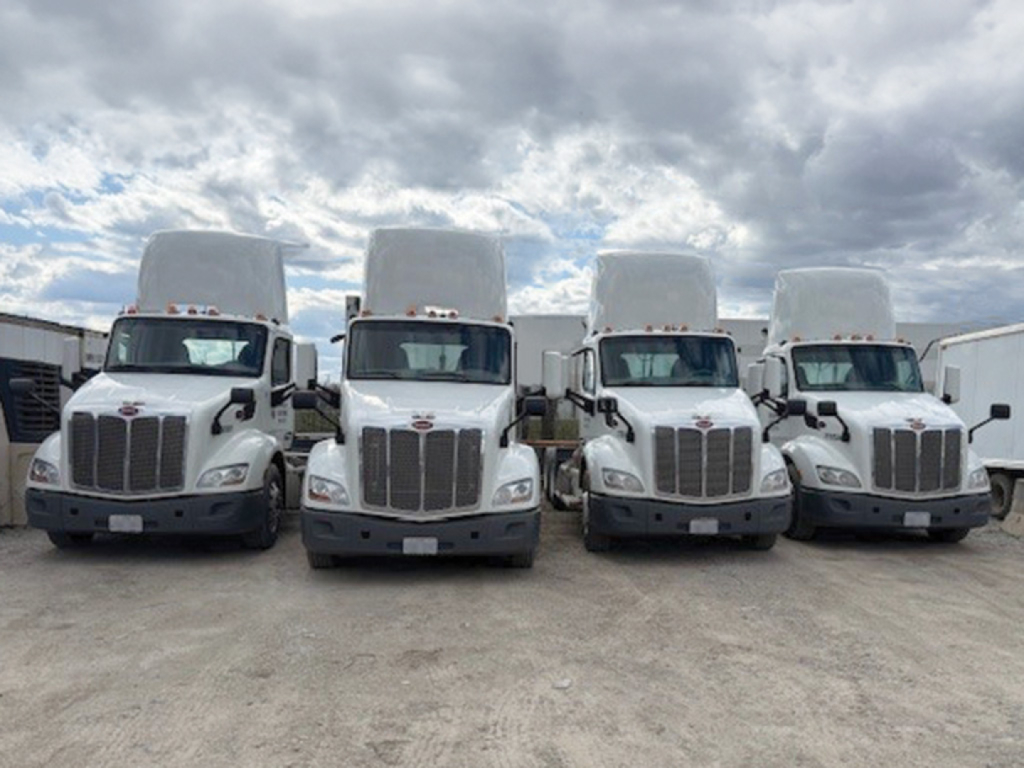
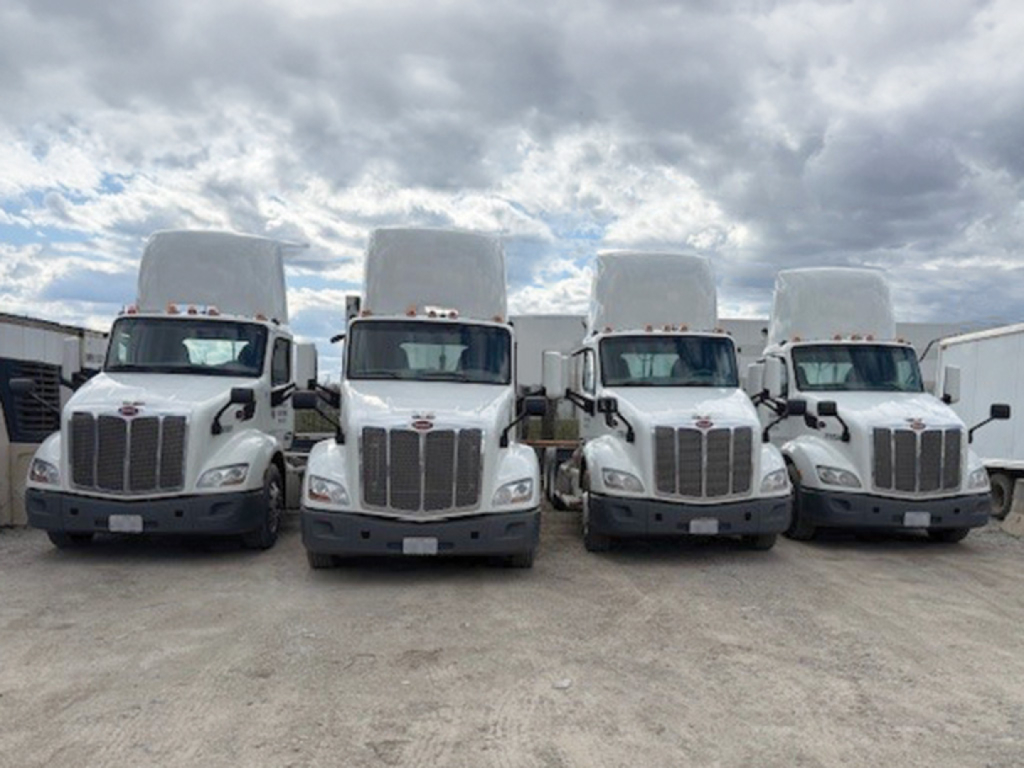
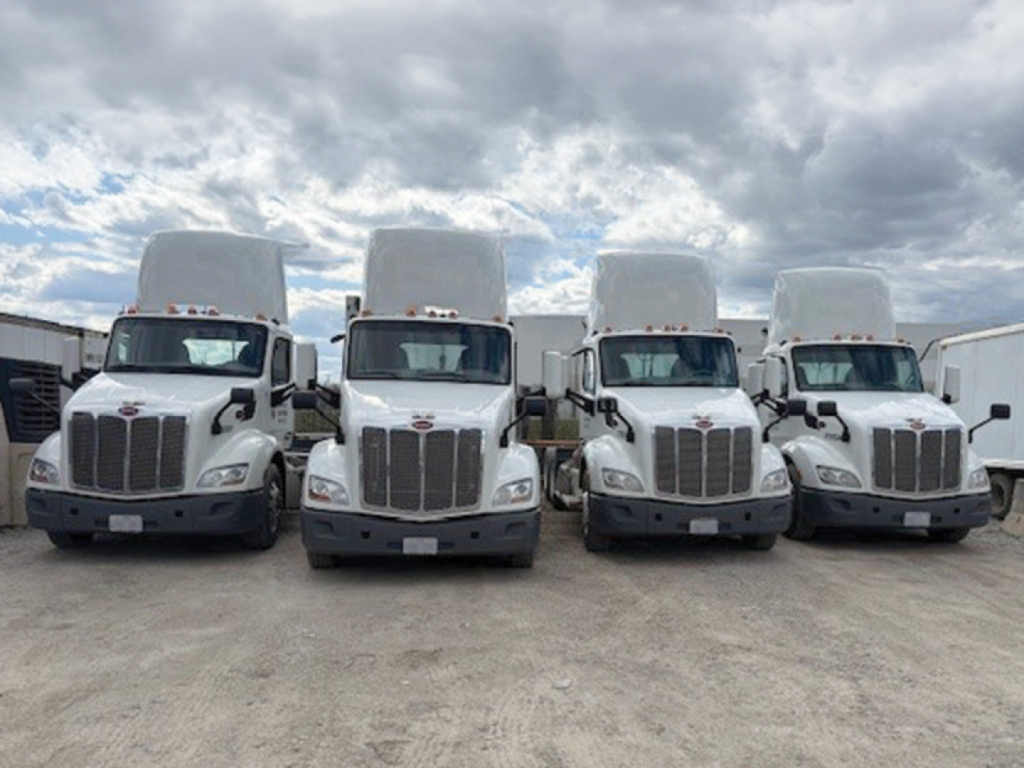
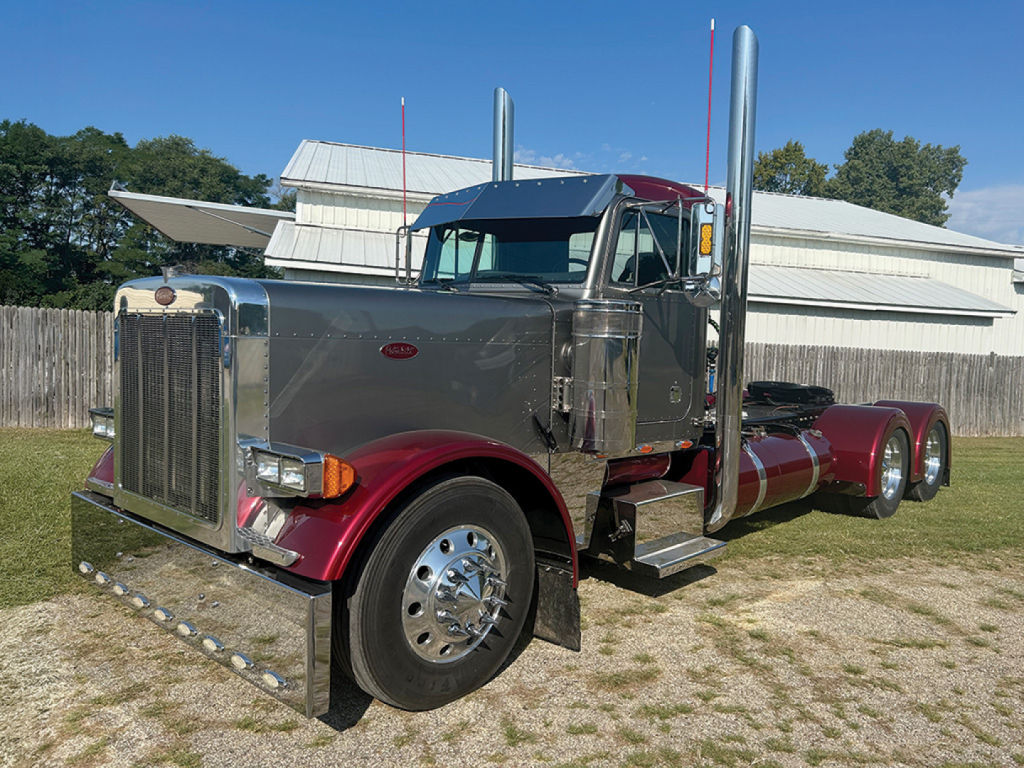

Looking for the easiest place to sell your used peterbilt conventional daycab truck? List it here to reach thousands of buyers.
Used Peterbilt Conventional Daycab Trucks in Illinois
Two of the most common models in this category are the Peterbilt 386 and Peterbilt 579 daycab. Older 386 trucks are often found with proven vocational and regional specifications, while newer 579 daycabs typically bring more aerodynamic bodywork, updated interiors, and improved fuel economy potential. Common engine choices include the PACCAR MX-13 and Cummins platforms, usually paired with Eaton Fuller manual transmissions or automated manuals. Buyers should pay close attention to horsepower and torque ratings, rear axle ratio, wheelbase, front axle capacity, and suspension type because those specs determine how well the truck will handle a 53-foot van, tanker, container chassis, or heavier local work.
A used daycab should be evaluated around its duty cycle, not just model year or odometer. For regional freight, a tandem axle air ride truck with a 40,000 lb rear axle rating, 12,000 to 13,000 lb front axle, and an air-slide fifth wheel is a versatile setup. Wheelbase matters more than many buyers expect. A shorter wheelbase helps in tight terminals and urban deliveries, while a longer wheelbase can improve ride quality and bridge law flexibility depending on the trailer and load. Brake configuration, tire size, and wheel type also affect operating cost. Front disc brakes, low-profile 22.5 tires, aluminum wheels, and a clean aftertreatment history can all be meaningful value points on a used Peterbilt.
For Illinois buyers, emissions system condition and maintenance records deserve extra attention because daycabs in regional service often spend time idling, operating in traffic, and making frequent starts and stops. Review DPF and SCR service history, injector and aftertreatment work, clutch or transmission repairs, and any warranty coverage that may remain on major components. Interior condition matters too, especially in fleet-retained trucks where seat wear, switchgear condition, and ELD wiring readiness can indicate how the truck was used and maintained. A well-spec'd used Peterbilt daycab can deliver a good balance of resale value, driver appeal, and application flexibility when the chassis spec matches the freight.
Frequently Asked Questions about Used Peterbilt Conventional Daycab Trucks in Illinois
What is a Peterbilt conventional daycab truck best used for?
A Peterbilt conventional daycab is best suited for local and regional hauling where a sleeper is unnecessary. Common applications include dry van, reefer, tanker, flatbed, intermodal drayage, dedicated route work, and some vocational operations. The daycab layout reduces overall weight and length compared with a sleeper truck, which can improve maneuverability and payload efficiency for buyers focused on shorter runs and frequent stops.
What should I check first on a used Peterbilt daycab?
Start with the engine and emissions maintenance history, then review transmission type, axle ratings, wheelbase, and fifth wheel setup. On used Peterbilt daycabs, aftertreatment repairs, DPF service intervals, SCR performance, and any injector or sensor replacement history are especially important. Service records can tell you more about long-term value than paint or chrome because these trucks often work hard in regional service cycles.
What is the difference between a Peterbilt 386 daycab and a Peterbilt 579 daycab?
The Peterbilt 386 is generally associated with an earlier generation conventional platform, while the 579 is a newer aerodynamic design with more modern cab features and fuel-efficiency advantages. A 386 may appeal to buyers looking for a simpler spec or a proven regional tractor, while a 579 often attracts buyers who want a more current interior, updated dash layout, and improved airflow around the hood and cab. The right choice depends on application, budget, and how much value you place on aerodynamics and newer technology.
Which specs matter most on a daycab tractor in Illinois?
Wheelbase, axle ratings, suspension, engine rating, rear axle ratio, and brake setup are the main specs to compare. Illinois buyers often need a truck that can handle urban maneuvering around Chicago, steady interstate miles, and a range of trailer types. A tandem axle daycab with air ride suspension, a 12,000 to 13,000 lb front axle, 40,000 lb rears, and a properly matched wheelbase is a common target because it works across many regional and dedicated applications.
Is a manual or automated transmission better in a used Peterbilt daycab?
That depends on route profile, driver pool, and maintenance preference. A manual Eaton Fuller can be a good fit for buyers who want a familiar, durable drivetrain and have drivers comfortable with shifting. An automated manual can reduce driver fatigue in stop-and-go traffic and help with driver recruiting, especially in regional or urban work. The better choice is the one that matches your operation and has a documented maintenance history.