
Used 2024 Conventional Daycab Trucks For Sale in Illinois
Browse used 2024 conventional daycab trucks in Illinois. Compare aerodynamic specs, wheelbase, engine options, and regional fleet features.
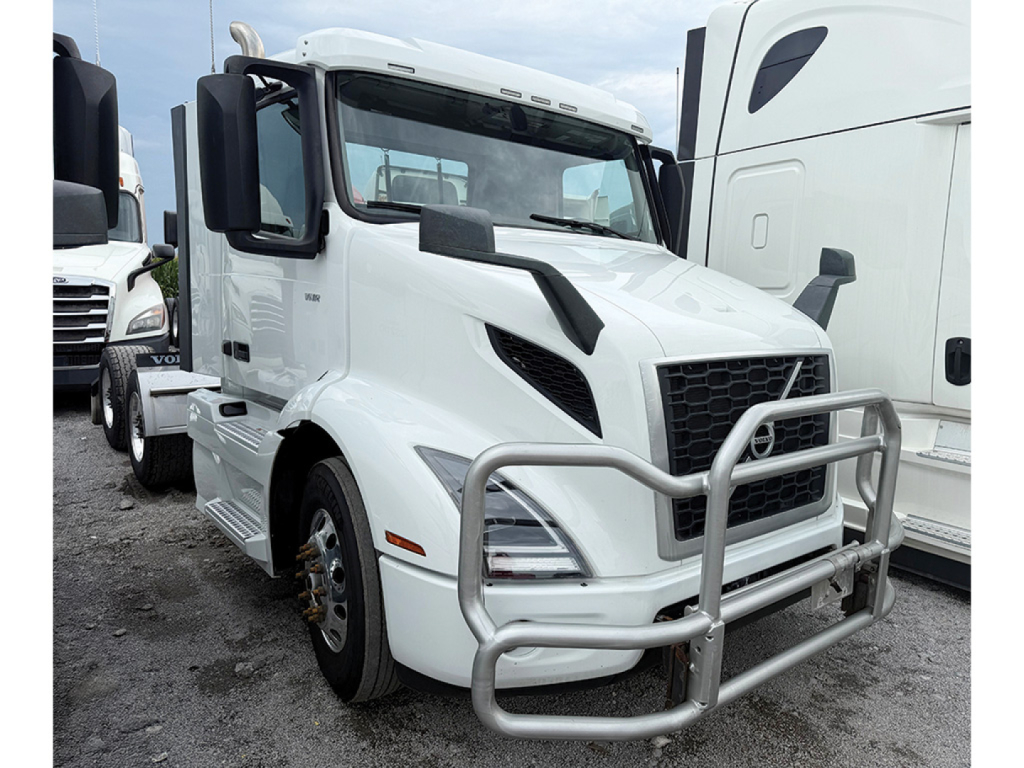
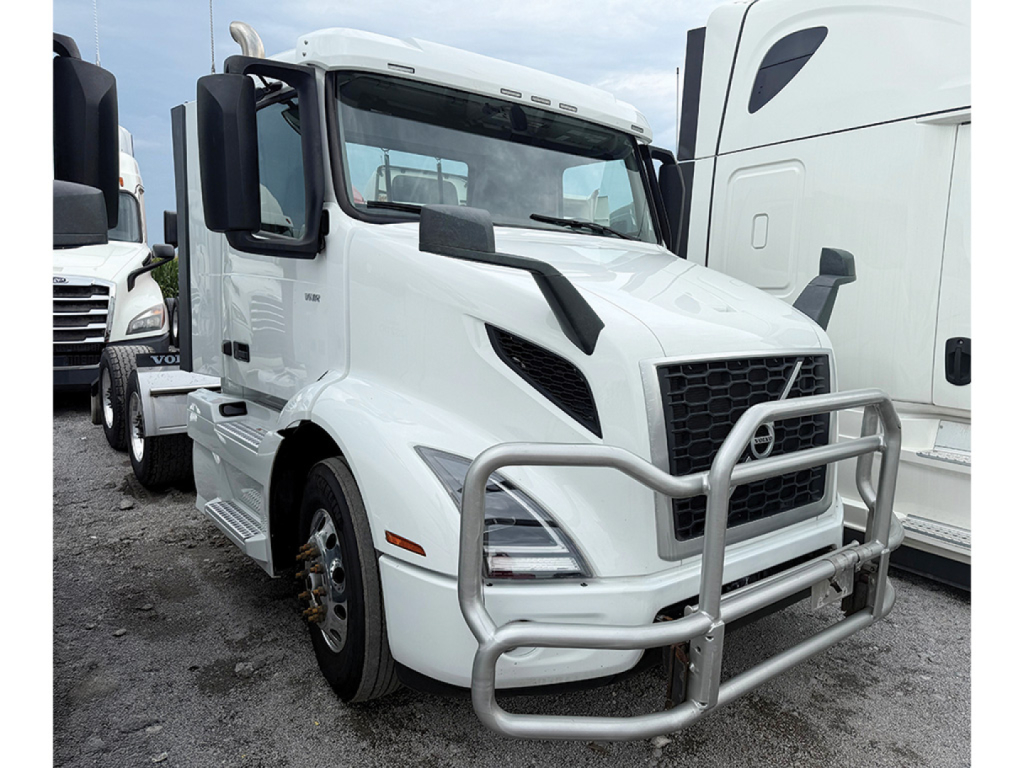
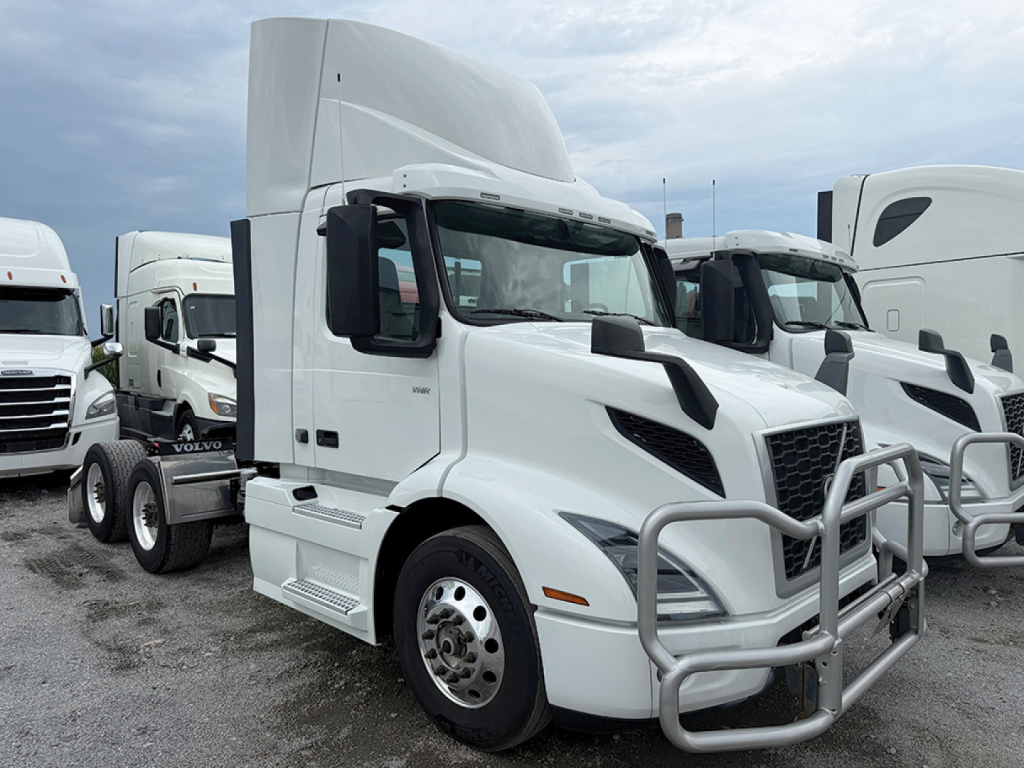
Looking for the easiest place to sell your used 2024 conventional daycab truck? List it here to reach thousands of buyers.
Used 2024 Conventional Daycab Trucks in Illinois
For a 2024 model year conventional daycab, the core buying decisions usually start with engine, transmission, and rear axle ratio. Common specs in this class include 11-liter to 13-liter diesel engines in the 400 to 430 horsepower range, automated manual transmissions, and 40,000 lb tandem rears with economy-focused ratios such as 2.47, 2.64, or 2.79. That combination fits fleets pulling dry vans, reefers, and lighter bulk or general freight where cruising efficiency matters more than severe-duty startability. Wheelbases in the upper 170-inch to mid-180-inch range are common because they give enough room for fuel capacity and fairings while still keeping the truck maneuverable in yards, docks, and urban delivery environments.
Aerodynamics and driver-assist features matter more in this category than many buyers expect. Late-model daycabs often include roof fairings, cab extenders, quarter fenders, and horizontal or single-stack exhaust layouts to manage airflow around van and reefer trailers. Many 2024 units also carry collision mitigation systems, digital dash layouts, air-slide fifth wheels, and disc brake configurations. Buyers comparing trucks in Illinois should pay attention to tire spec, including low-profile rubber or super singles, along with fuel tank layout, fifth wheel travel, and suspension type. Air ride suspension remains the standard choice for ride quality and freight protection, especially for fleets trying to reduce driver fatigue on dense regional routes.
A used 2024 conventional daycab can be a strong fit for buyers who want current emissions technology, modern safety systems, and lower age-related downtime without stepping into a new-truck price point. Focus on application match more than badge alone. A VNR 300, T-680 Next Gen, 579, or similar aerodynamic daycab may look comparable on paper, but differences in cab layout, service network, engine family, software strategy, and gearing can change total operating cost. For Illinois buyers, it also makes sense to evaluate cold-weather starting performance, corrosion exposure, front axle set-back feel in tight urban work, and how the spec will perform at legal highway weights across flat interstate lanes versus stop-and-go metro duty.
Frequently Asked Questions about Used 2024 Conventional Daycab Trucks in Illinois
What is a conventional daycab truck used for?
A conventional daycab truck is used for freight operations that do not require an overnight sleeper berth. Typical applications include regional haul, local delivery, intermodal drayage, dedicated fleet routes, LTL support, and terminal-to-terminal moves. The layout gives buyers a full highway tractor chassis with a shorter, lighter non-sleeper cab, which improves maneuverability and often reduces tare weight compared with a sleeper tractor.
What specs are common on a used 2024 conventional daycab?
Most used 2024 conventional daycabs are equipped with aerodynamic bodywork, automated manual transmissions, tandem rear axles rated around 40,000 lbs, and diesel engines in the 400 to 430 horsepower range. Rear axle ratios commonly fall in the fuel-economy range, especially on fleet-spec regional units. Buyers will also frequently see air ride suspension, air-slide fifth wheels, aluminum wheels, low-profile 22.5 tires, and driver-assist systems such as collision mitigation and integrated cruise functions.
Is a 2024 daycab better for regional work than a sleeper tractor?
For regional and local operations, a daycab is often the more efficient choice because it removes unnecessary sleeper weight, shortens overall tractor length, and usually improves visibility and maneuverability around terminals and docks. That matters in dense freight markets like Illinois where drivers may make multiple stops or trailer swaps in a single shift. A sleeper still has value for teams, irregular routes, or operations that regularly push beyond daily return schedules.
What should I check when comparing used 2024 daycab trucks in Illinois?
Start with the powertrain spec and confirm it matches the freight and trailer type you intend to pull. Review horsepower, torque, transmission model, rear axle ratio, wheelbase, and fifth wheel travel. Then look at practical fleet details such as tire type, brake configuration, fuel capacity, fairing package, and safety electronics. In Illinois, it is also smart to inspect for winter-related corrosion, verify service records, and consider how the truck is geared for interstate cruising versus heavy stop-and-go urban work around major freight hubs.
Are aerodynamic daycab trucks good for fuel economy?
Yes. Aerodynamic conventional daycabs are designed to reduce drag and improve fuel efficiency, especially when paired with van or reefer trailers. Features such as roof fairings, cab extenders, side fairings, and carefully matched ride height all help the tractor manage airflow more effectively. Fuel economy gains depend on speed, trailer type, axle ratio, and route profile, but this category is generally preferred by fleets focused on reducing cost per mile in regional highway service.