
Used Mack Conventional Daycab Trucks For Sale in Illinois
Used Mack conventional daycab trucks for sale in Illinois. Compare MP engines, axle specs, wheelbase, transmission, and daycab fleet fit.
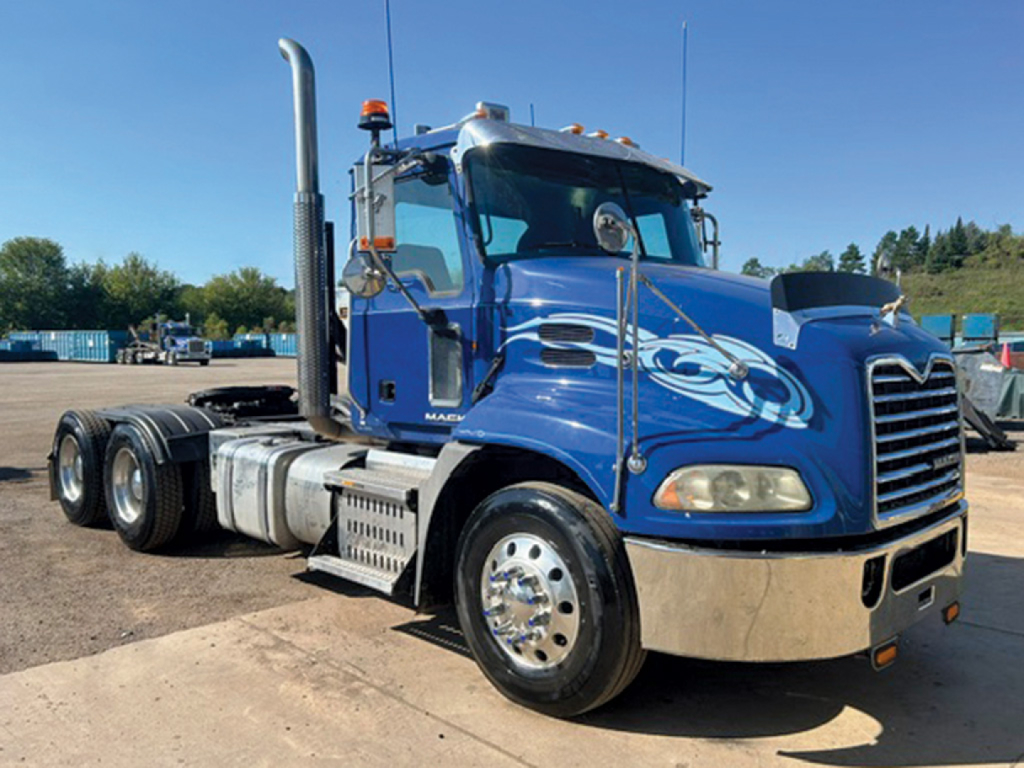

Have used mack conventional daycab truck to sell? List it here to reach thousands of buyers.
Used Mack Conventional Daycab Trucks in Illinois
The first buying decision is usually powertrain and axle specification. Common Mack conventional daycab models include the CXU613, often paired with Mack MP7 or MP8 engines, manual or automated transmissions, engine brakes, and rear axle ratings suited to either highway or more demanding vocational use. A buyer should look closely at horsepower, torque, rear-end ratio, and transmission gearing because those specs determine startability, cruise rpm, fuel economy, and how well the truck handles Illinois route conditions. A 2.64 ratio may fit lighter highway work and fuel-conscious regional fleets, while deeper gearing may make more sense for heavier loads, frequent city starts, or specialized trailer applications.
Chassis setup matters just as much as engine spec. Wheelbase, fifth-wheel type, suspension, and fuel capacity all affect where the truck fits in a fleet. Air ride suspension is common on highway-oriented daycabs and helps with ride quality and trailer protection. Air-slide fifth wheels add flexibility when adjusting kingpin settings across different trailer lengths and axle spreads. Buyers should also check front axle capacity, rear suspension condition, brake type, tire size, and whether the truck has fleet-friendly features like aluminum wheels, dual tanks, fairings, cab extenders, and quarter fenders. For Illinois operations, corrosion history, frame condition, and the state of suspension and brake components deserve close attention because seasonal weather and road treatments can accelerate wear.
Cab condition and driver layout have real productivity value in a daycab. Items like air conditioning, tilt and telescoping steering, cruise control, visibility, seat condition, and power accessories can make a noticeable difference on multi-stop or regional routes. Since these are used trucks, service records, engine hours, emissions system history, clutch or transmission condition, and signs of prior heavy-duty vocational use should be reviewed carefully. A well-matched used Mack daycab can be a cost-effective choice for fleets and owner-operators that need a dependable conventional tractor with no sleeper weight penalty and a spec built around local or regional work.
Frequently Asked Questions about Used Mack Conventional Daycab Trucks in Illinois
What is a Mack conventional daycab best used for?
A Mack conventional daycab is best suited for local and regional hauling where the driver returns regularly and does not need sleeper accommodations. Common applications include dry van, flatbed, tanker, grain, dump-related tractor work, container drayage, and dedicated route service. The daycab layout reduces overall weight and wheelbase compared with many sleeper tractors, which can improve maneuverability and payload flexibility in urban, terminal, and short-haul operations.
What Mack engines are commonly found in used conventional daycab trucks?
Many used Mack conventional daycab trucks are equipped with Mack MP7 or MP8 diesel engines, depending on the intended duty cycle and original spec. The MP7 is commonly seen in regional and highway applications where a balance of power and fuel economy is important, while the MP8 is often selected for higher horsepower and heavier loads. Buyers should compare horsepower, torque, emissions system service history, and engine brake function because those details affect operating cost and route suitability more than engine badge alone.
How important are rear axle ratio and transmission choice on a daycab?
Rear axle ratio and transmission choice are critical because they determine how the truck accelerates, holds speed, and performs under load. A faster ratio such as 2.64 can support lower cruise rpm and improved fuel economy in highway service, but it may be less ideal for heavy starts or frequent stop-and-go work. A 10-speed manual remains common in used fleets and gives broad service familiarity, while automated manual transmissions may improve driver consistency and reduce fatigue. The right combination depends on gross weight, terrain, trailer type, and how often the truck operates in traffic versus open highway.
What should I inspect on a used Mack daycab in Illinois?
In Illinois, buyers should pay close attention to frame corrosion, cab mounts, suspension wear, brake condition, air system leaks, and the condition of wiring and connectors exposed to winter road treatment. It is also smart to inspect tire wear patterns, kingpin and fifth-wheel wear, driveline condition, and any evidence of hard vocational use. On the powertrain side, review fault codes, emissions repairs, coolant and oil condition, engine hours, and maintenance records. A clean-looking truck can still have expensive deferred maintenance, so a thorough mechanical inspection is important.
Why choose a daycab instead of a sleeper tractor?
A daycab is the better fit when overnight accommodations are not needed and the operation benefits from a shorter, lighter tractor. Eliminating the sleeper can improve maneuverability, reduce empty weight, simplify cab layout, and in some applications lower acquisition cost. For regional fleets, municipal contractors, and local freight operations, a conventional daycab often delivers the right balance of comfort, durability, and productivity without carrying unused sleeper space.