
Used 2017 Conventional Daycab Trucks For Sale in Illinois
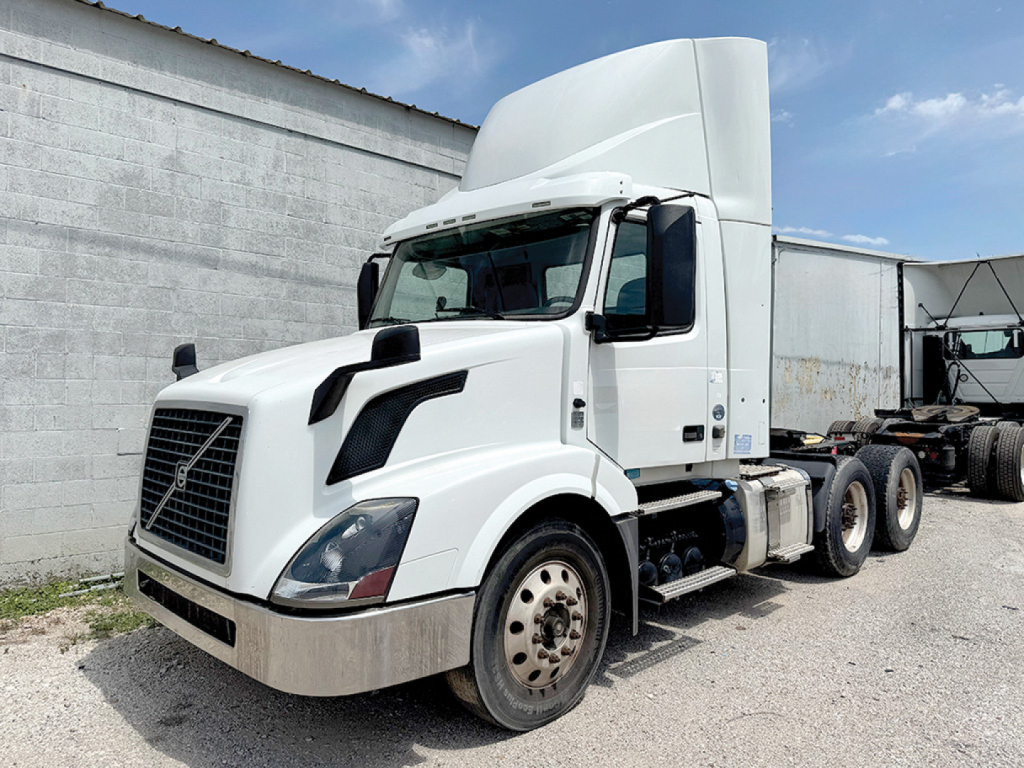
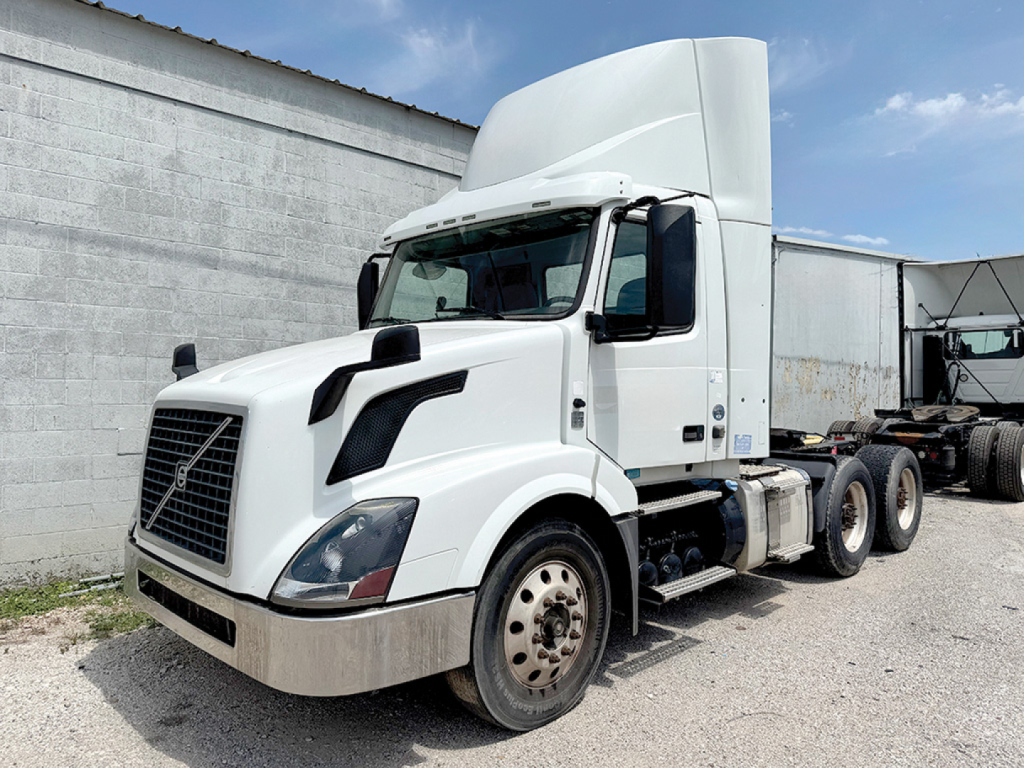
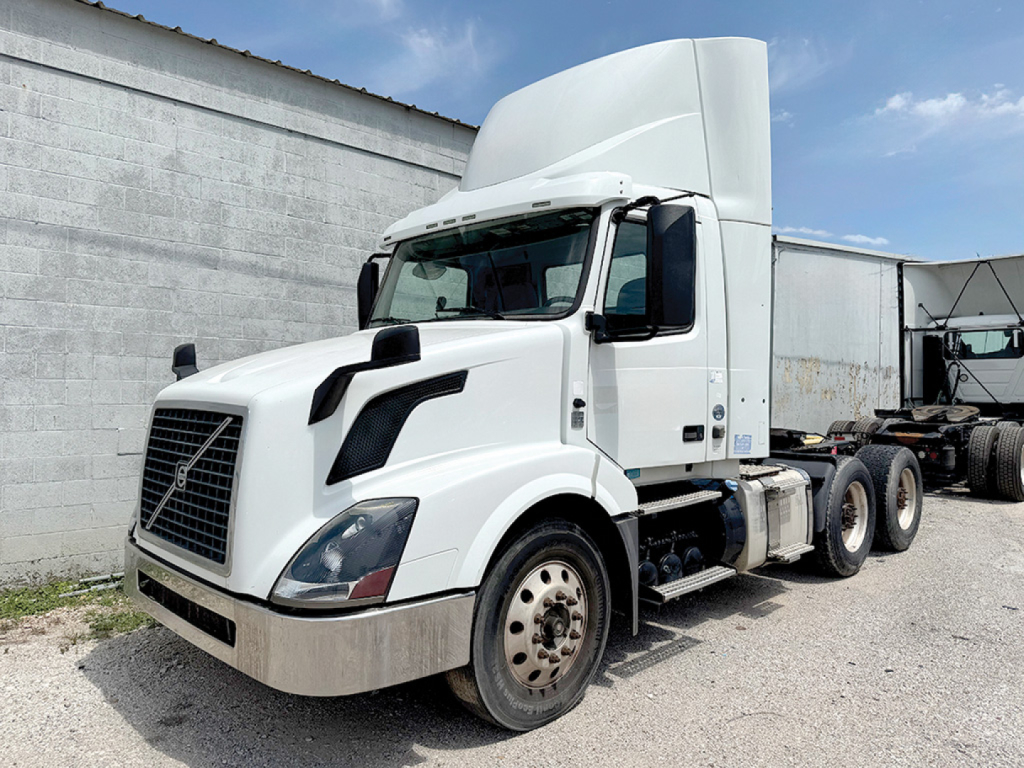
Have used 2017 conventional daycab truck to sell? List it here to reach thousands of buyers.
Used 2017 Conventional Daycab Trucks in Illinois
For this model year, buyers will usually focus first on powertrain matching. Many 2017 daycabs were built with 11 to 15 liter diesel engines in roughly the 350 to 455 horsepower range, paired with automated manual or traditional manual transmissions. Common rear axle ratings are around 40,000 pounds on tandem axle tractors, and axle ratios often fall into fuel-economy oriented ranges like 2.47, 2.64, or 2.85 for highway and regional service. Wheelbase is another key decision point. Shorter wheelbases improve turning radius and are popular for city and yard-heavy work, while longer wheelbases can help with ride quality, frame-mounted equipment, and fuel capacity. An adjustable or air-slide 5th wheel is worth noting if trailer mix changes often, since kingpin settings can vary across van, reefer, and flatbed operations.
Spec details make a real difference in total operating cost. Air ride suspension is common on linehaul-oriented daycabs and usually preferred for driver comfort and freight protection, while spring suspension may show up in more vocational or severe-service applications. Buyers should check brake type, tire size, and wheel material, especially if standardization across a fleet matters. Fuel tank layout, fairings, cab extenders, quarter fenders, and exhaust routing all affect service access and aerodynamic efficiency. On a used 2017 truck, emissions history is especially important. Review aftertreatment service records, idle hours, transmission calibration history, and any documentation on injector, turbo, DPF, DOC, or SCR work. Cab condition, driver seat wear, steering play, and suspension bushing life can tell you as much about prior use as the odometer.
The best 2017 conventional daycab for sale is the one whose spec matches the lane, trailer, and payload. For Illinois fleets, that often means balancing highway gearing for fuel economy with enough low-speed drivability for urban traffic and dock work. A daycab with a clean maintenance file, the right 5th wheel setup, and sensible wheelbase will usually outperform a cheaper truck with the wrong rear ratio or an unsuitable suspension package. Buyers comparing used conventional daycab trucks should look beyond make and model and focus on how the truck was built to work.
Frequently Asked Questions about Used 2017 Conventional Daycab Trucks in Illinois
What is a conventional daycab truck used for?
A conventional daycab truck is used for regional hauling, local delivery, drayage, dedicated routes, and terminal-to-terminal freight where overnight sleeper space is not needed. The non-sleeper cab keeps overall weight down and improves maneuverability, which makes this style of tractor popular in metro freight markets, distribution networks, and short-haul operations.
What should I check first on a used 2017 conventional daycab?
Start with the powertrain spec and maintenance history. Confirm engine make, horsepower, transmission type, rear axle ratio, suspension, wheelbase, and 5th wheel configuration. Then review service records for DPF, DOC, SCR, injector, turbo, clutch or automated manual transmission work, along with idle hours and fault-code history. A correct spec with documented maintenance is usually more valuable than a lower-priced truck with gaps in service history.
What wheelbase works best on a daycab tractor?
The best wheelbase depends on the job. A shorter wheelbase generally helps with turning radius, backing into tight docks, and urban work. A longer wheelbase can improve ride quality, allow larger fuel capacity, and better support certain frame layouts or trailer combinations. Buyers should match wheelbase to route density, yard access, trailer length, and desired bridge law flexibility.
Are automated manual transmissions common in 2017 daycab trucks?
Yes. By 2017, automated manual transmissions were common in conventional daycab trucks from major OEMs. They can improve driver consistency, reduce clutch wear, and support fuel-economy programming when matched with the right axle ratio. Buyers should still verify shift performance, calibration status, and service history because software updates and clutch actuator condition have a direct effect on drivability.
Why does rear axle ratio matter on a used daycab?
Rear axle ratio affects startability, cruise RPM, fuel economy, and how well the truck handles its intended load. Lower numerical ratios such as 2.47 or 2.64 are often chosen for highway fuel savings, while higher numerical ratios can be better for heavier loads, frequent stop-and-go operation, or lower-speed work. The ratio needs to match engine torque, transmission gearing, tire size, and route profile to avoid a truck that feels underpowered or inefficient.