
Used 2020 Conventional Daycab Trucks For Sale in Illinois
Browse used 2020 conventional daycab trucks in Illinois. Compare specs, engines, wheelbases, axle ratios, and regional hauling fit.
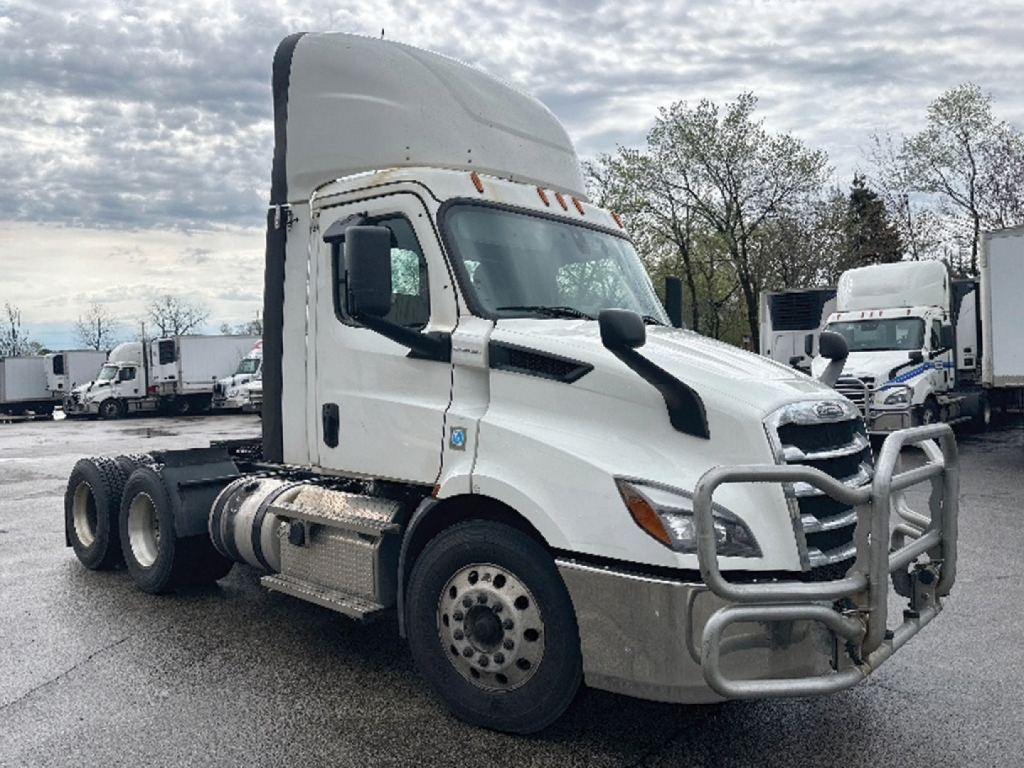
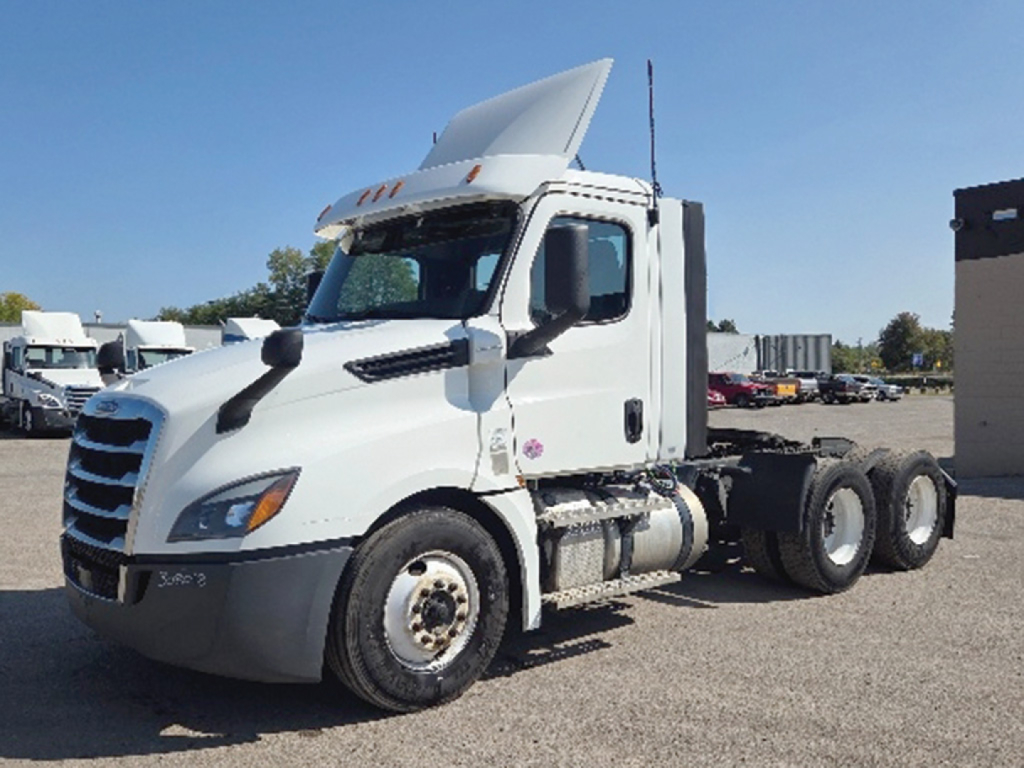
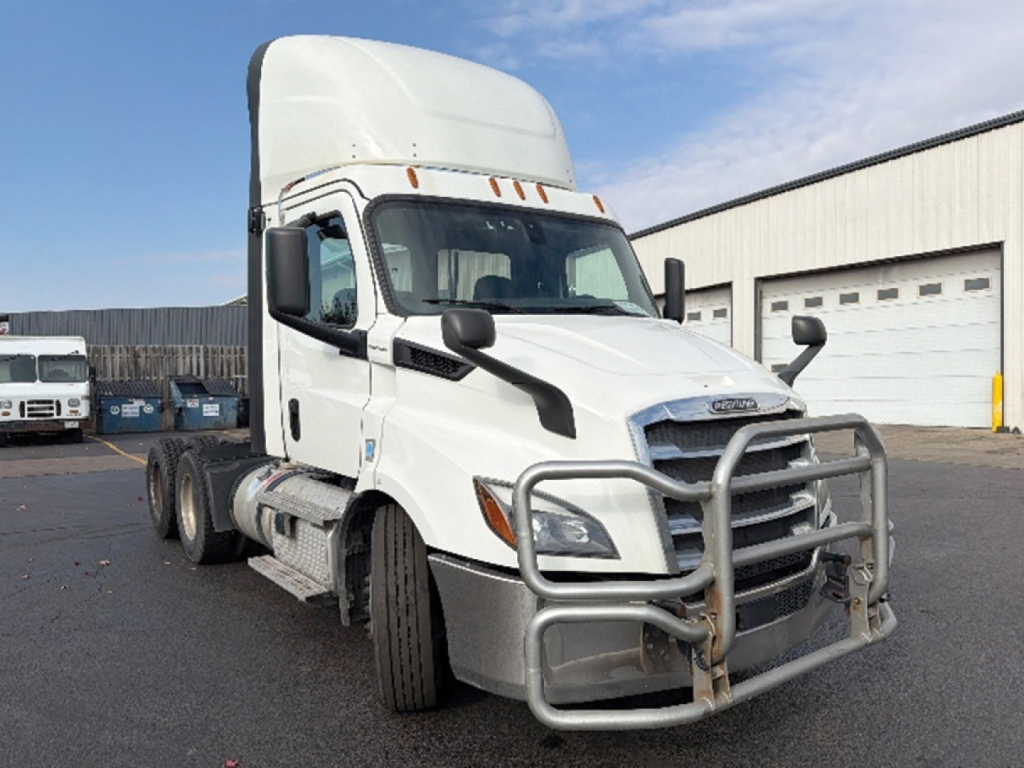
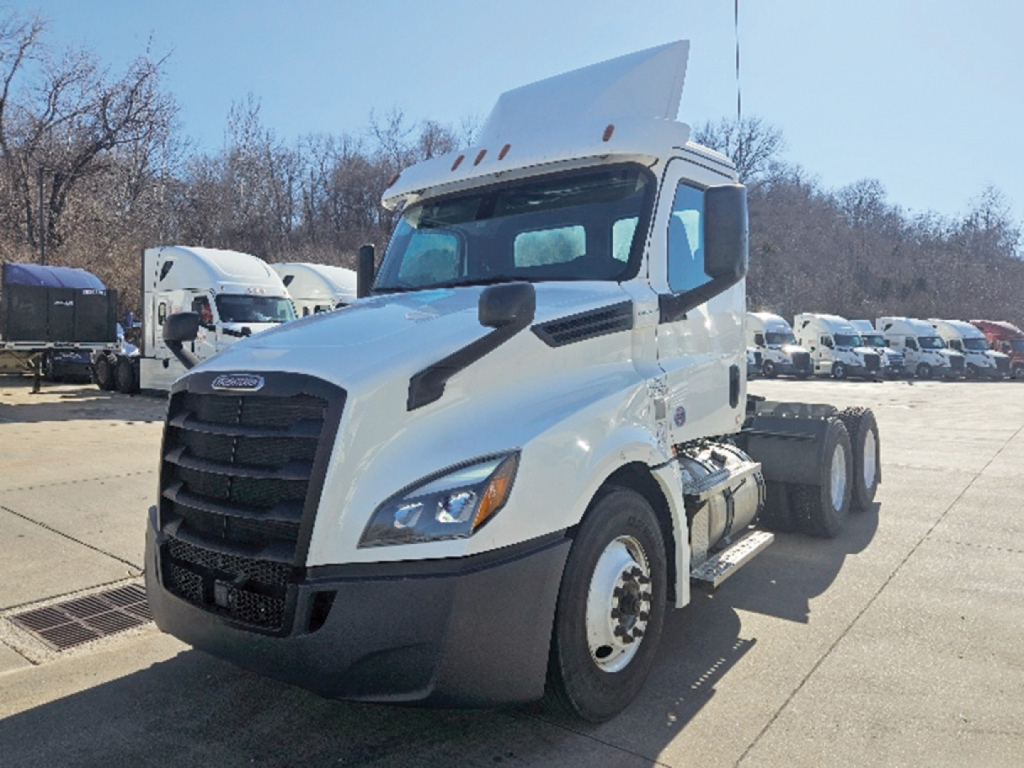


Looking for the easiest place to sell your used 2020 conventional daycab truck? List it here to reach thousands of buyers.
Used 2020 Conventional Daycab Trucks in Illinois
The main buying decisions usually come down to engine, transmission, axle ratio, and wheelbase. In this class, it is common to see power in the 400 to 455 horsepower range from platforms such as the Detroit DD15, Volvo D13, Mack MP7, and PACCAR MX series. Most 2020 daycabs are spec'd with automated manual transmissions such as Detroit DT12, Volvo I-Shift, mDRIVE, or comparable Eaton units, which can help with driver acceptance and fuel economy in stop-and-go regional service. Rear axle ratings around 40,000 pounds are typical, and ratios in the mid-2s to low-3s usually point to fuel-conscious highway or regional specs rather than heavy vocational gearing.
Cab and chassis details matter more than many buyers expect on a daycab. Wheelbases in the mid-170-inch range are common and can make a real difference in bridge law compliance, trailer gap, turning radius, and how the truck fits tight yards or urban docks. Air ride suspension, sliding or adjustable fifth wheels, dual fuel tanks, roof fairings, cab extenders, and quarter fenders are all common features in this category because these trucks are often expected to pull van, reefer, or dry bulk trailers efficiently. Brake spec is also worth checking closely. Many 2020 road-spec daycabs came with disc brakes or newer drum setups, and that can affect maintenance planning, stopping performance, and wheel-end service costs.
For Illinois buyers, it is smart to look beyond mileage and focus on application history. A daycab that spent its life on steady regional lanes may wear very differently than one used in dense urban drayage or constant yard switching. Review idle hours, emissions service history, transmission calibration records, tire spec, and whether the truck runs low-profile duals or super singles. Also confirm the fifth wheel type, frame layout, tank size, and fairing package against the trailers and lanes the truck will actually run. A well-matched 2020 conventional daycab can deliver strong uptime, easier driver onboarding, and lower operating cost than an over- or under-spec'd tractor.
Frequently Asked Questions about Used 2020 Conventional Daycab Trucks in Illinois
What is a conventional daycab truck used for?
A conventional daycab truck is a highway tractor without a sleeper compartment, built primarily for local, regional, dedicated, drayage, and terminal-based freight. It is commonly used where the driver returns home daily or does not need overnight accommodations. Compared with a sleeper tractor, a daycab usually offers lower weight, a shorter overall package, and easier maneuverability in yards, docks, and urban freight corridors.
What engine and transmission specs are common in a 2020 conventional daycab?
Many 2020 conventional daycab trucks were spec'd with engines in the 400 to 455 horsepower range and paired with automated manual transmissions. Common combinations include Detroit DD15 with DT12, Volvo D13 with I-Shift, Mack MP7 with mDRIVE, and PACCAR MX engines with Eaton or PACCAR automated transmissions. These specs are popular because they balance fuel economy, drivability, and enough power for regional highway work with loaded trailers.
What wheelbase is best for a used daycab tractor?
The best wheelbase depends on trailer type, axle placement, and operating environment. A shorter wheelbase generally improves turning radius and works well in tight yards, city docks, and intermodal service. A slightly longer wheelbase can help with ride quality, frame space, and trailer gap management on highway applications. Many conventional daycabs in this segment fall in the mid-170-inch range because it fits a broad mix of regional and general freight use.
Are 2020 daycab trucks in Illinois good for regional freight?
Yes. Illinois is a strong market for regional daycab tractors because the state supports a high volume of warehouse distribution, manufacturing freight, intermodal traffic, and short-to-mid-haul lanes across the Midwest. A 2020 daycab with an aerodynamic package, fuel-efficient axle ratio, and automated manual transmission is often well suited for Illinois-based operations that run into Indiana, Wisconsin, Iowa, Missouri, and Michigan.
What should I inspect first on a used 2020 conventional daycab?
Start with maintenance records, engine hours, emissions system history, and transmission service data. Then verify axle ratio, rear axle rating, wheelbase, fifth wheel style, suspension, brake type, and tire setup to make sure the truck matches the trailers and routes it will handle. On a fleet-spec 2020 truck, the difference between a good buy and a poor fit often comes down to prior application, idle time, and how closely the original spec matches your current operation.