
Used 2005 Conventional Daycab Trucks For Sale
Shop used 2005 conventional daycab trucks with specs, drivetrain guidance, axle options, and application insights for regional hauling.
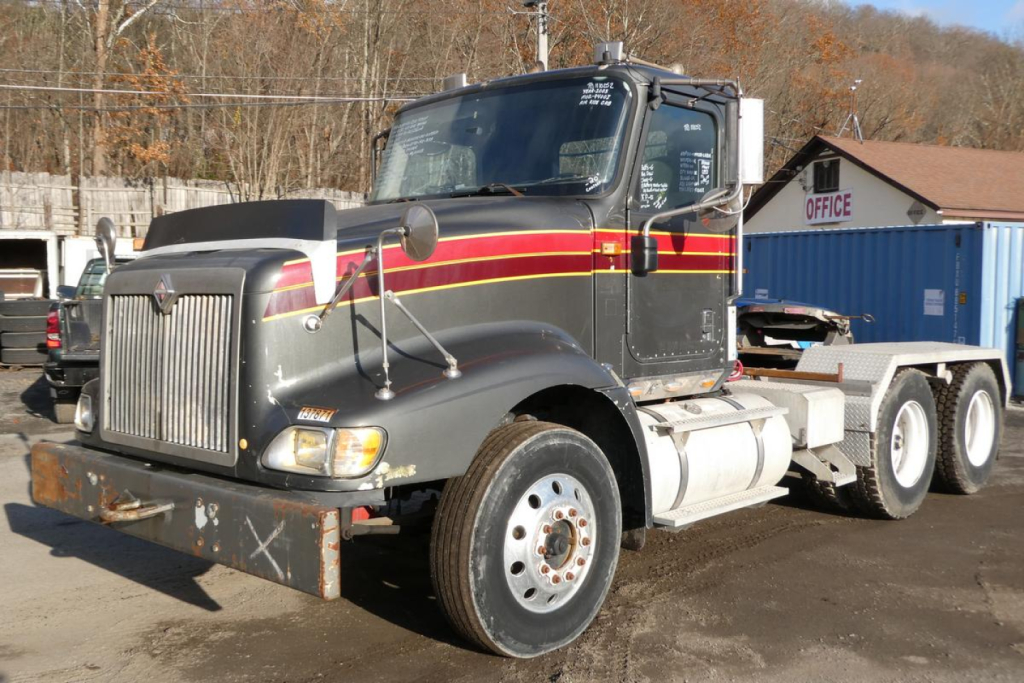
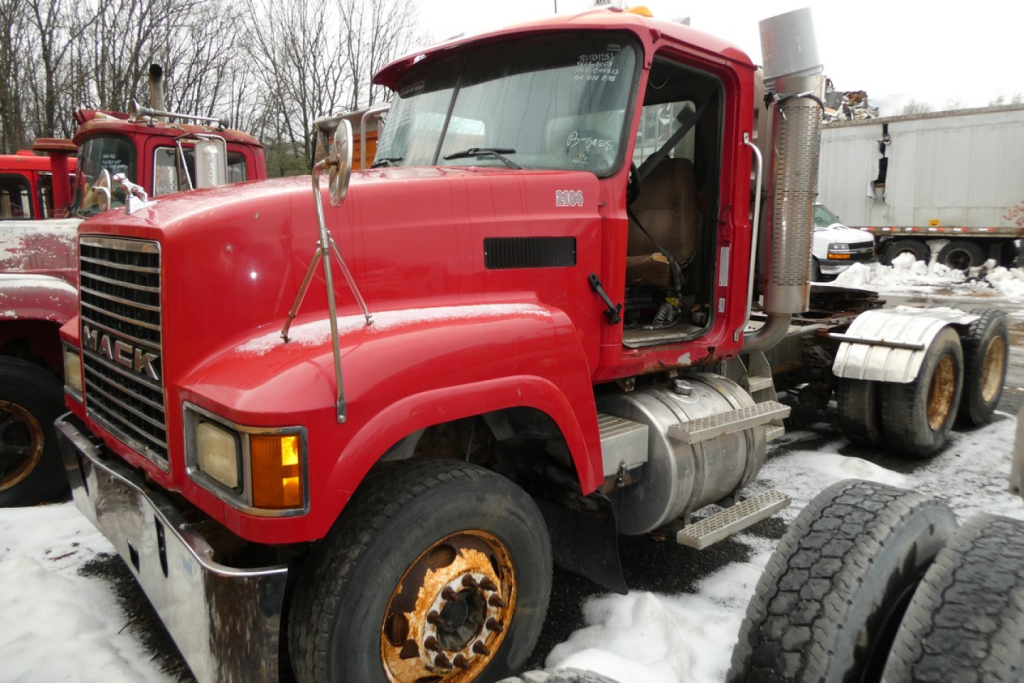
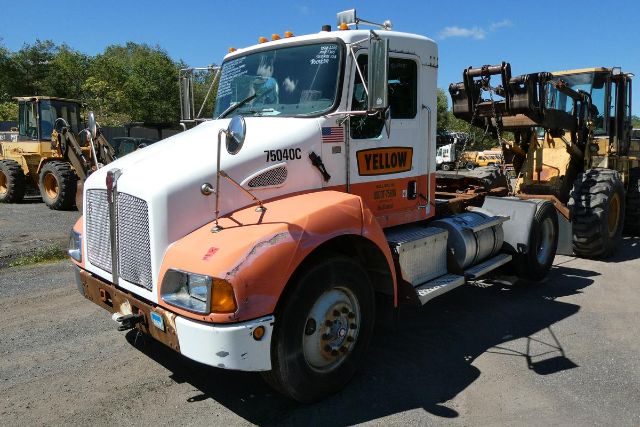
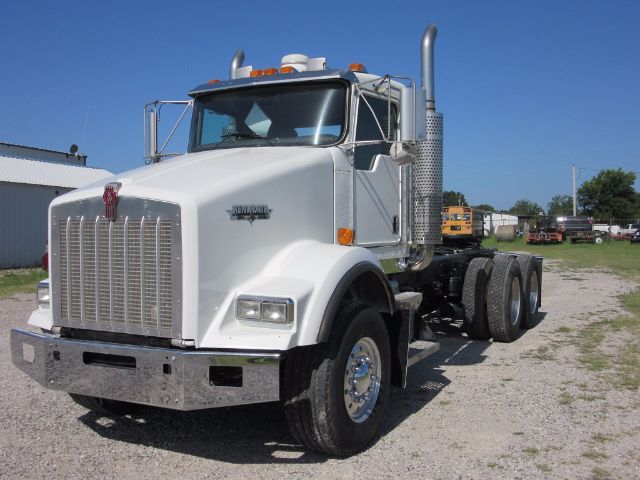
Selling a used 2005 conventional daycab truck? List your used 2005 conventional daycab truck for sale and reach thousands of commercial buyers.
Used 2005 Conventional Daycab Trucks
The main buying decisions usually come down to engine, transmission, wheelbase, and rear axle ratio. Many 2005 daycabs were spec'd with Detroit Diesel Series 60, Cummins ISX or ISM, Caterpillar C13 or C15, and similar heavy-duty platforms, often in the 330 to 475 horsepower range depending on the truck's intended work. Transmissions are commonly 10-speed, 13-speed, or automated manuals in later conversions, paired with ratios like 3.36, 3.55, or 3.73 depending on highway speed and startability needs. Shorter wheelbase trucks are easier to place at docks and in urban yards, while longer wheelbase daycabs can offer better ride quality and room for frame-mounted equipment such as wet kits, headache racks, toolboxes, or larger fuel capacity.
A buyer should also pay close attention to axle ratings, suspension type, brake configuration, and frame condition. Typical front axles in this category are around 12,000 pounds, with rears commonly at 23,000 to 40,000 pounds depending on fleet or vocational spec. Air ride suspension is popular for regional van and reefer work, while heavier vocational daycabs may use more robust suspension packages for dump, lowboy, or PTO-driven applications. Drum brakes are still common on 2005 trucks, though brake condition, slack adjusters, and air system health matter more than the original spec alone. On older used daycabs, rust, crossmember condition, prior frame modifications, steering wear, clutch life, and fifth wheel plate wear deserve a close inspection because these directly affect uptime and reconditioning cost.
For many operations, a 2005 conventional daycab still works well as an affordable tractor for dedicated lanes, warehouse-to-warehouse runs, grain, container drayage, and fleet support duty. The best unit is not just the lowest-priced truck. It is the truck with the right wheelbase, gearing, maintenance history, and driveline match for the load and route. Buyers comparing listings should verify engine family, brake type, suspension, tire size, mileage, hours, and any evidence of engine in-frame work, transmission replacement, or differential repair. On an older daycab, those details matter more than appearance and often tell you whether the truck is ready for work or headed for a major shop bill.
Frequently Asked Questions about Used 2005 Conventional Daycab Trucks
What is a conventional daycab truck?
A conventional daycab truck is a highway tractor with a standard hooded cab and no sleeper compartment. It is designed for local, regional, and short-haul service where the driver returns daily rather than staying overnight in the truck. Compared with sleeper tractors, a daycab is typically lighter, shorter, and easier to maneuver in tight docks, yards, and city routes.
Why do some buyers look specifically for a used 2005 daycab?
The 2005 model year is attractive to many buyers because it generally falls before later emissions equipment became standard on heavy-duty diesel trucks. In many cases that means no DPF and no DEF, which can reduce maintenance complexity and lower the risk of emissions-related downtime. Buyers still need to confirm the exact engine family and build spec, but 2005 trucks are often considered a simpler platform to own and repair.
What specs matter most on a used 2005 conventional daycab?
The most important specs are engine model, horsepower, transmission type, rear axle ratio, wheelbase, suspension, axle ratings, and brake setup. These determine how the truck will perform with your load, route, and operating speed. A regional van tractor may need a different ratio and wheelbase than a port tractor, heavy haul daycab, or PTO truck, so the right spec depends on application more than brand alone.
How many miles is too many on a 2005 daycab truck?
Mileage by itself does not determine value on a heavy-duty daycab. Maintenance history, engine hours, rebuild records, transmission condition, and differential health are often more important than the odometer alone. A well-maintained truck with documented engine work and consistent fleet service can be a better buy than a lower-mile truck with poor records, rust, or major driveline wear.
Can a 2005 daycab be used for regional and vocational work?
Yes, many 2005 conventional daycabs are versatile enough for both regional freight and certain vocational jobs, depending on how they were spec'd. Highway-oriented trucks are common in dry van, reefer, and container service, while heavier specs may be equipped for dump, lowboy, tanker, or PTO applications. The key is to confirm frame layout, wheelbase, axle capacity, gearing, and any installed hydraulic or electrical equipment before matching the truck to the job.