
Used Sterling Conventional Daycab Trucks For Sale
Browse used Sterling conventional daycab trucks with tandem or single axle setups, common diesel engines, and specs suited for local and regional hauling.
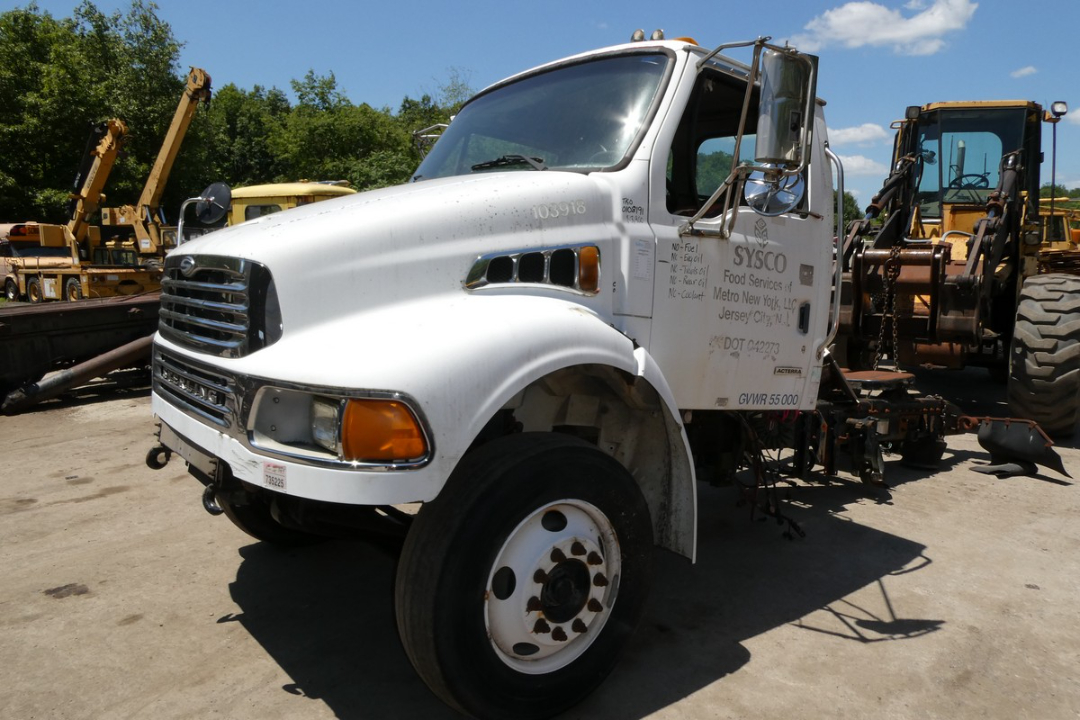
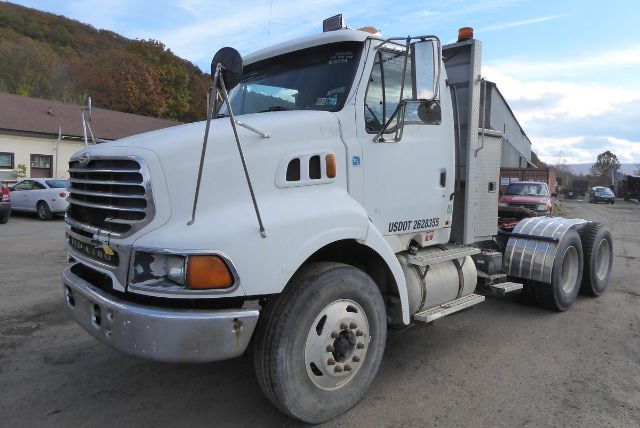

Selling a used sterling conventional daycab truck? List your used sterling conventional daycab truck for sale and reach thousands of commercial buyers.
Used Sterling Conventional Daycab Trucks
The first decision is usually axle and application. Tandem axle 6x4 Sterling daycabs are typically spec'd for heavier gross combination weights, loaded trailer work, and mixed highway use. Single axle 4x2 configurations fit lighter regional routes, yard work, short bulk hauls, and some body-builder applications. Wheelbase, cab-to-axle, and fifth wheel type matter more than many buyers expect, especially if the truck will pull different trailer lengths or needs an air-slide fifth wheel for kingpin setting flexibility. Common specs in this category include 9-speed Fuller manual transmissions, Allison automatics on lighter or vocational setups, rear axle ratings around 23,000 to 40,000 pounds, and suspension choices such as Hendrickson air ride or Freightliner AirLiner-style setups.
Engine selection on a used Sterling daycab deserves close attention because these trucks were often ordered with well-known diesel platforms from Caterpillar, Cummins, and Mercedes-Benz. Horsepower can range from lighter medium-duty ratings around 200 hp up to highway tractor specs in the 400 hp class, so the intended route and payload should drive the choice. A Caterpillar C12 in a tandem axle tractor is a very different truck from a smaller-displacement automatic-equipped unit built for local service. On any used daycab, review engine brake operation, transmission model, rear ratio, PTO provisions, and maintenance history. A truck with a 3.90 rear ratio, 11R22.5 rubber, and a 40,000-pound rear on air ride will behave much differently on the road than a shorter-wheelbase vocational spec with deep gearing.
Condition matters as much as spec on older Sterling trucks. Pay attention to odometer and engine hours together, because many daycabs spend long periods idling or working in stop-and-go service. Check cab mounts, steering components, brake wear, ABS function, suspension bushings, frame condition, and any signs of prior vocational stress around the fifth wheel or rear frame section. Sterling daycabs can still make sense for buyers who want a basic, serviceable truck for regional freight, port drayage, farm support, equipment moves, or vocational conversion, provided the truck's wheelbase, axle ratings, and drivetrain are matched to the job.
Frequently Asked Questions about Used Sterling Conventional Daycab Trucks
What are Sterling conventional daycab trucks typically used for?
Sterling conventional daycab trucks are commonly used for local and regional hauling, port work, farm and grain service, equipment transport, and vocational tractor applications. A daycab layout removes the sleeper to save weight and improve maneuverability, which makes these trucks a strong fit for operations where drivers return daily and the truck sees frequent stops, tight yards, or short-route trailer swaps.
What should I check first on a used Sterling daycab?
Start with the drivetrain spec and the truck's intended use. Confirm the engine make and horsepower, transmission type, rear axle ratio, axle ratings, wheelbase, and suspension. Then inspect condition items that affect cost right away, including engine blow-by, clutch wear, transmission operation, brake lining and drum condition, suspension wear, tire age and tread, frame integrity, and fifth wheel wear. On older fleet trucks, engine hours can be just as important as mileage.
Are Sterling daycab trucks good for heavy hauling?
Some are, but it depends on the exact configuration. Tandem axle Sterling daycabs with a 6x4 setup, a heavy rear suspension, and a 40,000-pound rear axle rating are much better suited for loaded trailer work and higher GCW applications than a single axle or medium-duty spec. Heavy hauling also depends on wheelbase, frame strength, transmission, and rear ratio, so buyers should match the truck's build sheet to the weight and terrain of the job.
Which engines are common in used Sterling conventional daycabs?
Used Sterling conventional daycabs are often equipped with Caterpillar, Cummins, or Mercedes-Benz diesel engines, depending on year and original application. Highway tractors may carry engines in the 350 to 430 hp range, while lighter conventional models can be much lower. The best choice depends on parts support in your area, your preferred service network, and whether the truck will spend more time in stop-and-go work or steady highway operation.
How important are wheelbase and fifth wheel setup on a daycab tractor?
They are critical because they directly affect trailer compatibility, turning radius, bridge law positioning, and overall usability. A shorter wheelbase helps in urban or yard environments, while a longer wheelbase can improve ride quality and stability. An air-slide fifth wheel adds flexibility for different trailer kingpin settings and axle loading, which is especially useful in mixed trailer fleets or regional operations that need to stay compliant across varying load positions.