
Used 2011 Conventional Daycab Trucks For Sale
Shop used 2011 conventional daycab trucks with practical specs for regional haul, local delivery, vocational work, and terminal operations.
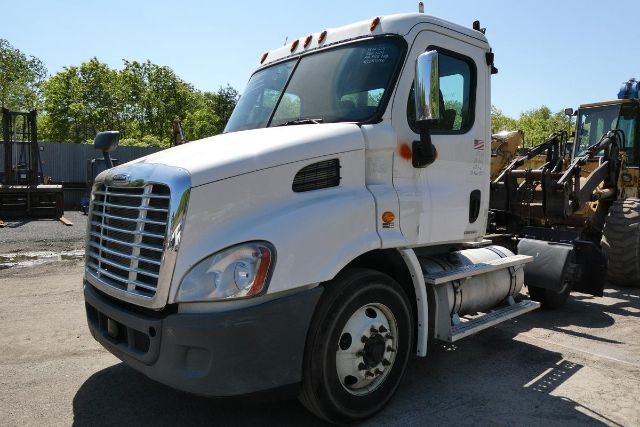
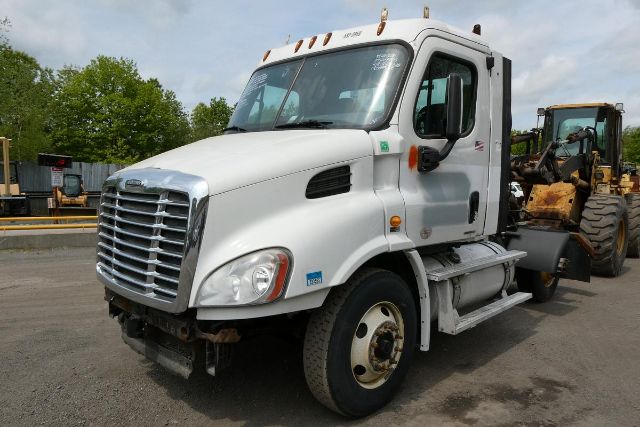
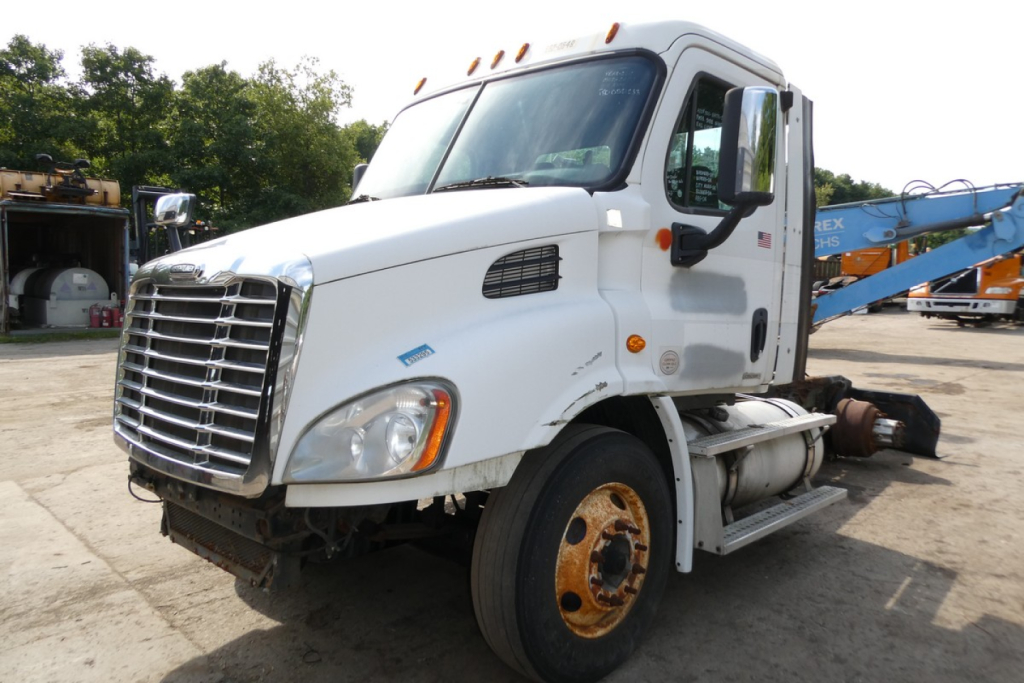
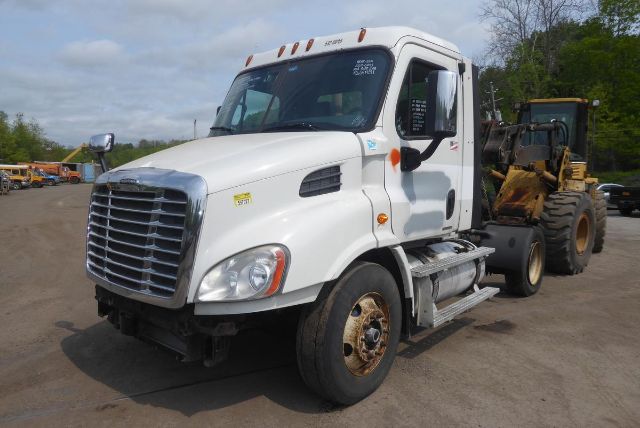
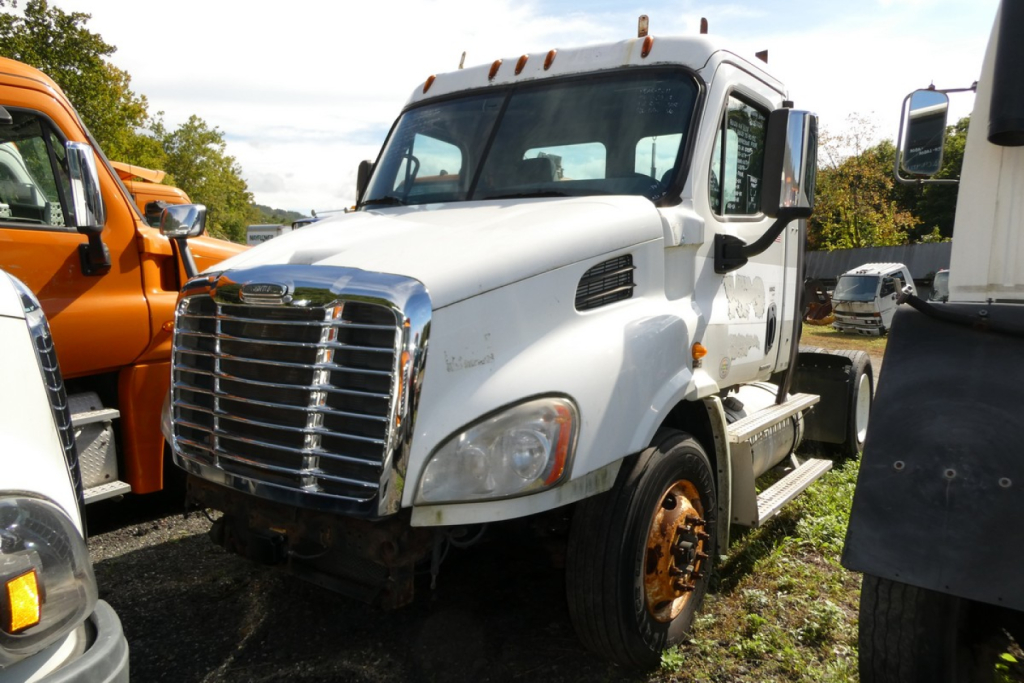
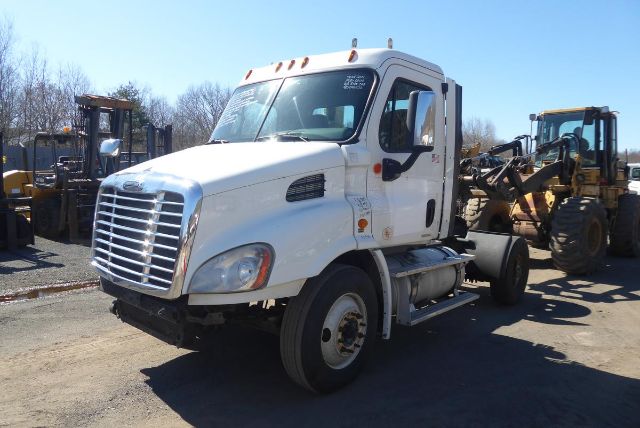
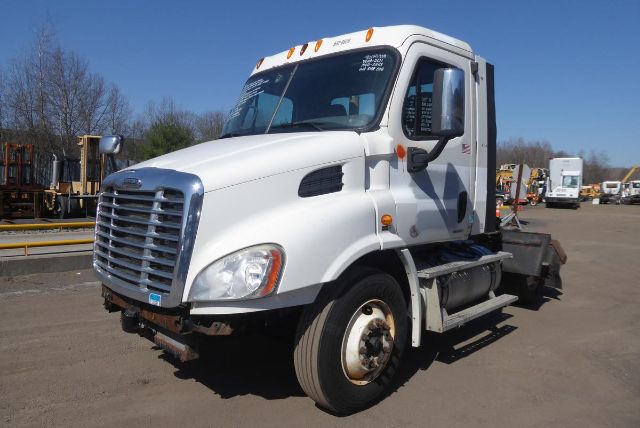
Selling a used 2011 conventional daycab truck? List your used 2011 conventional daycab truck for sale and reach thousands of commercial buyers.
Used 2011 Conventional Daycab Trucks
In the 2011 model year, common platforms include Freightliner Cascadia 113 and 125, Kenworth T660 and T800, Peterbilt 386 and 367, Volvo VNL daycab configurations, and International ProStar daycab models. Typical engines in this age group include Detroit DD13 and DD15, Cummins ISX, Paccar MX, and some MaxxForce offerings depending on make. Horsepower commonly falls in the 380 to 500 range, with torque and rear axle ratio playing a bigger role than peak horsepower for startability and fuel economy. Transmissions are often 10-speed or 13-speed manuals, though some automated manuals appear in later-spec fleet units. Wheelbases commonly run from the mid-150-inch range into the 200-inch range depending on fifth wheel placement, wet kit installation, lift axles, and intended trailer type.
A buyer comparing used 2011 conventional daycab trucks should pay close attention to emissions equipment and service history. This model year is firmly in the DEF era for many makes, so DPF condition, DEF system repairs, fault history, parked regens, and aftertreatment replacement records matter. Engine hours can be as important as odometer miles on regional and PTO-heavy units. Frame condition, crossmember corrosion, suspension wear, kingpin and bushing play, clutch life, and evidence of prior fifth wheel or slider relocation should all be checked closely. If the truck has a pusher axle, wetline kit, pintle hitch, blower, or hydraulic setup, confirm that the added equipment matches the intended application and that axle ratings and bridge compliance still work for the loads you plan to pull.
Cab spec matters more than many buyers expect. Air ride cab suspension, air ride seats, insulation, aerodynamic fairings, tank capacity, and dash layout affect driver retention and operating cost on local and regional routes. A short wheelbase single-axle daycab may fit tight urban work better, while a tandem-axle tractor with air slide fifth wheel and 40,000-pound rears is better suited for heavier van, flatbed, tanker, or hopper service. The strongest value usually comes from matching the truck to the route, trailer, and average payload instead of chasing the biggest engine on the page. A well-maintained 2011 conventional daycab can still be a productive truck when the spec is right and the maintenance records support the miles.
Frequently Asked Questions about Used 2011 Conventional Daycab Trucks
What is a conventional daycab truck used for?
A conventional daycab truck is used for freight operations that return the driver home daily or do not require sleeper space. Common applications include regional hauling, local delivery, drayage, dedicated fleet routes, dump and bulk work, tanker service, flatbed hauling, and terminal-to-terminal moves. The absence of a sleeper reduces overall weight and shortens the tractor, which can improve maneuverability and payload in the right application.
What should I check first on a used 2011 conventional daycab truck?
Start with engine and emissions history, then verify transmission type, axle ratings, wheelbase, and fifth wheel setup. On a 2011 truck, DPF and DEF system condition is especially important, along with fault codes, regen history, and any record of injector, turbo, EGR, or aftertreatment replacement. After that, inspect frame rails, suspension, steer axle wear, driveline condition, and signs of hard vocational use such as PTO hours, wet kit wear, or hitch stress.
Is a 2011 daycab better with a manual or automated transmission?
That depends on route type, driver pool, and maintenance preference. A 10-speed or 13-speed manual can be simpler to diagnose and remains common in vocational and heavy-haul applications. An automated manual can reduce driver fatigue and improve consistency in regional service, but repair costs and software-related issues should be considered on older units. The right choice is usually the one that fits the operation and the technicians available to support it.
What axle and suspension specs are common on conventional daycab trucks?
Most conventional daycab trucks are spec'd as single-axle or tandem-axle tractors. Front axles are often around 12,000 pounds, while tandem rear suspensions commonly range from 40,000 to 46,000 pounds depending on application. Air ride suspensions are common in regional and highway service because they improve ride quality and help protect the trailer and cargo. Vocational setups may include heavier suspensions, lift axles, pusher axles, or dual-purpose hitch arrangements for more specialized work.
How important is wheelbase on a daycab tractor?
Wheelbase is a major buying decision because it affects turning radius, bridge compliance, trailer gap, ride quality, and room for accessories such as headache racks, wetline kits, battery boxes, and extra fuel capacity. Shorter wheelbases are usually better in city and port environments where maneuverability matters. Longer wheelbases can track better on the highway and may be necessary when the truck is equipped for specialized trailer hookups or hydraulic systems.