
Box Trucks For Sale
Browse box trucks for sale with common GVWRs, box lengths, liftgate options, and specs for delivery, moving, and dry freight work.
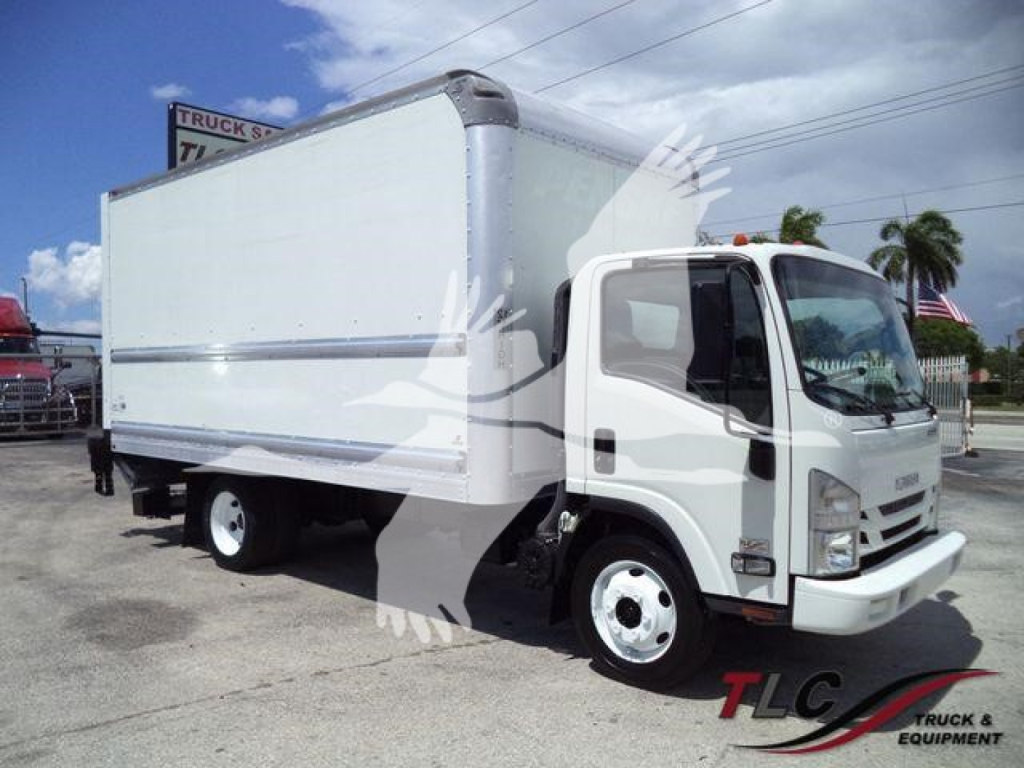
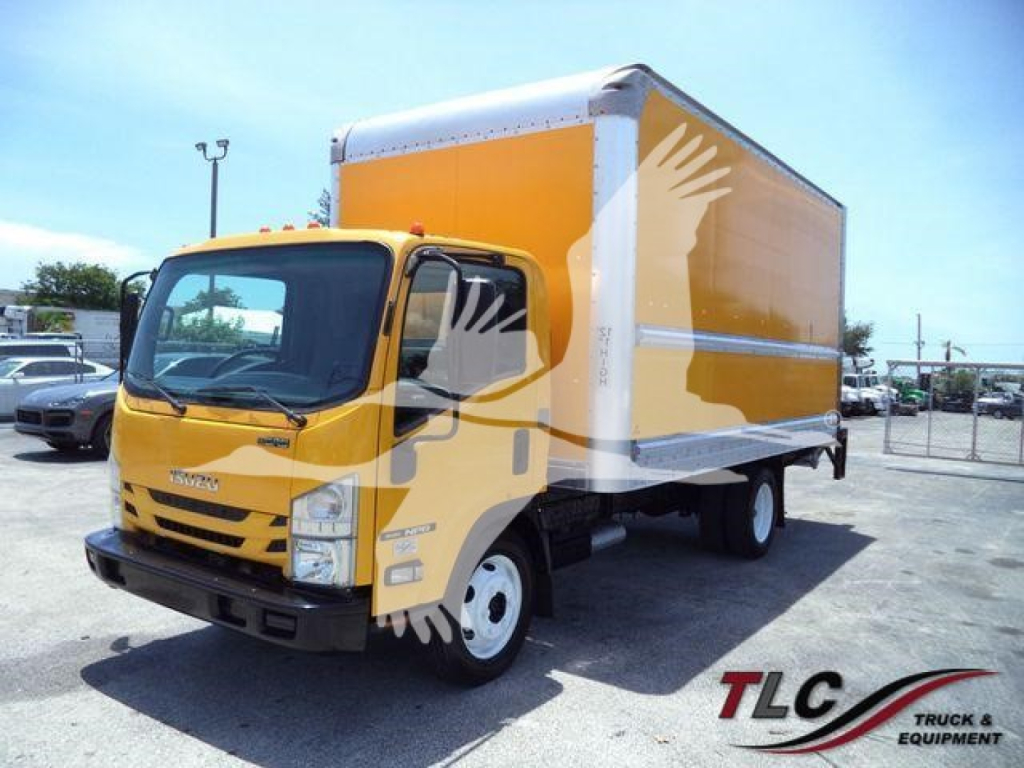
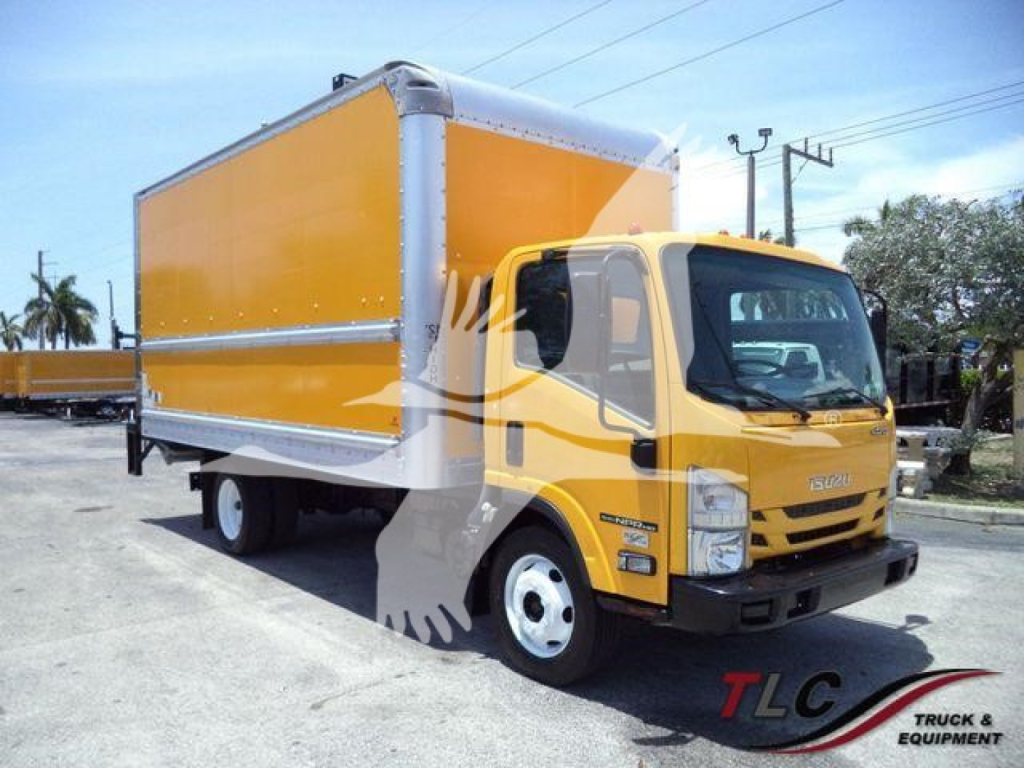
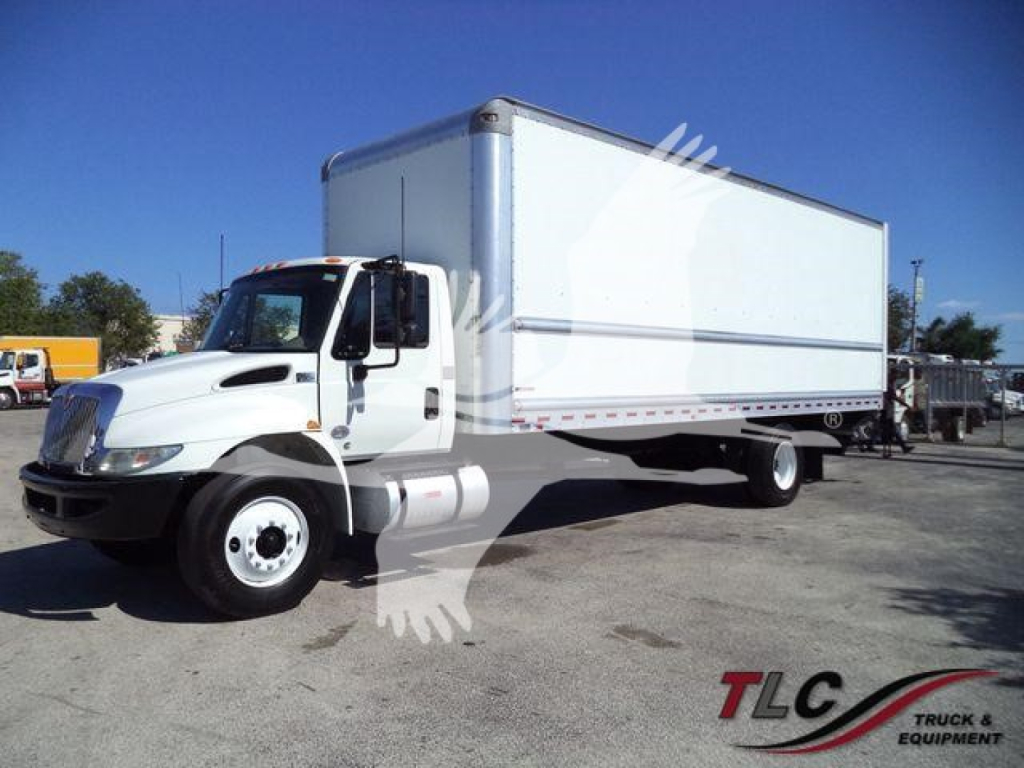
Showing 97 to 120 of 171 results
Have box truck to sell? List it here to reach thousands of buyers.
Box Trucks
Frequently Asked Questions about Box Trucks
What size box truck is best for local delivery or moving work?
The right size depends on payload, route density, and dock access. A 14 to 16 foot box truck is common for city delivery, retail runs, and lighter moving jobs because it is easier to maneuver and park. A 20 to 26 foot unit is better suited for furniture, appliances, wholesale freight, and larger household moves where cube capacity matters as much as weight capacity. Buyers should match interior box length, door opening height, and liftgate rating to the freight they handle most often.
What GVWR should I look for in a box truck?
GVWR determines how much truck and payload the chassis is designed to carry, and it also affects CDL requirements in some applications. Lighter box trucks around 14,500 to 19,500 pounds GVWR are common for parcel, bakery, linen, and route delivery work. Medium-duty units around 23,500 to 26,000 pounds GVWR are widely used because they offer stronger payload capability without always crossing into CDL territory, depending on configuration and local rules. Buyers should confirm actual empty weight, body weight, and liftgate weight before estimating legal payload.
Are diesel or gas box trucks better?
Diesel box trucks are typically preferred for higher mileage routes, heavier payloads, and medium-duty service because they deliver strong low-end torque and usually hold up well in commercial use. Gas engines can make sense for lighter duty applications, shorter routes, and fleets focused on lower upfront cost and simpler emissions systems. The best choice depends on annual miles, stop-and-go usage, idling time, maintenance capability, and the chassis class being considered.
What body features matter most on a used box truck?
The body condition often matters as much as the chassis. Buyers should inspect the floor for rot, delamination, and forklift damage, and check the roof, front cap, and corners for leaks or prior repairs. Roll-up doors should track smoothly and seal well. Inside the body, logistics track, scuff liners, shelving, and translucent roofs can add real operational value. If the truck has a liftgate, verify platform size, capacity, cycle operation, and any signs of corrosion or hydraulic issues.
What axle, brake, and suspension specs are common on medium-duty box trucks?
Most medium-duty box trucks in this category use a single rear axle, 19.5-inch wheels, and either hydraulic or air brake systems depending on GVWR and chassis model. Front axles around 7,000 to 8,000 pounds and rear axles from roughly 13,500 to 19,000 pounds are common. Spring suspension is still standard on many straight trucks because it is durable and simple to maintain, though the ride can be firm when empty. Rear axle ratio, wheelbase, and cab-to-axle dimensions should be checked carefully because they affect body fitment, turning radius, and highway drivability.