
Box Trucks For Sale in Florida
Browse box trucks for sale in Florida, including dry freight and moving trucks with liftgates, roll-up doors, and Class 4-6 GVWR options.
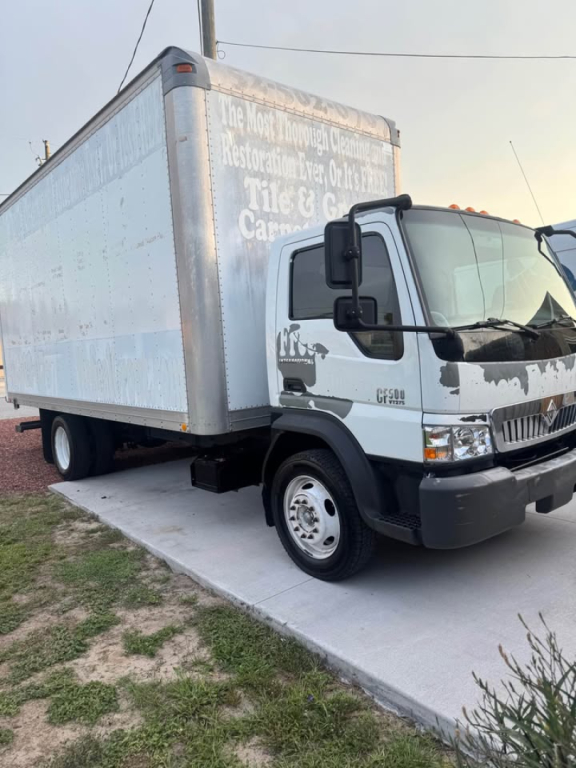
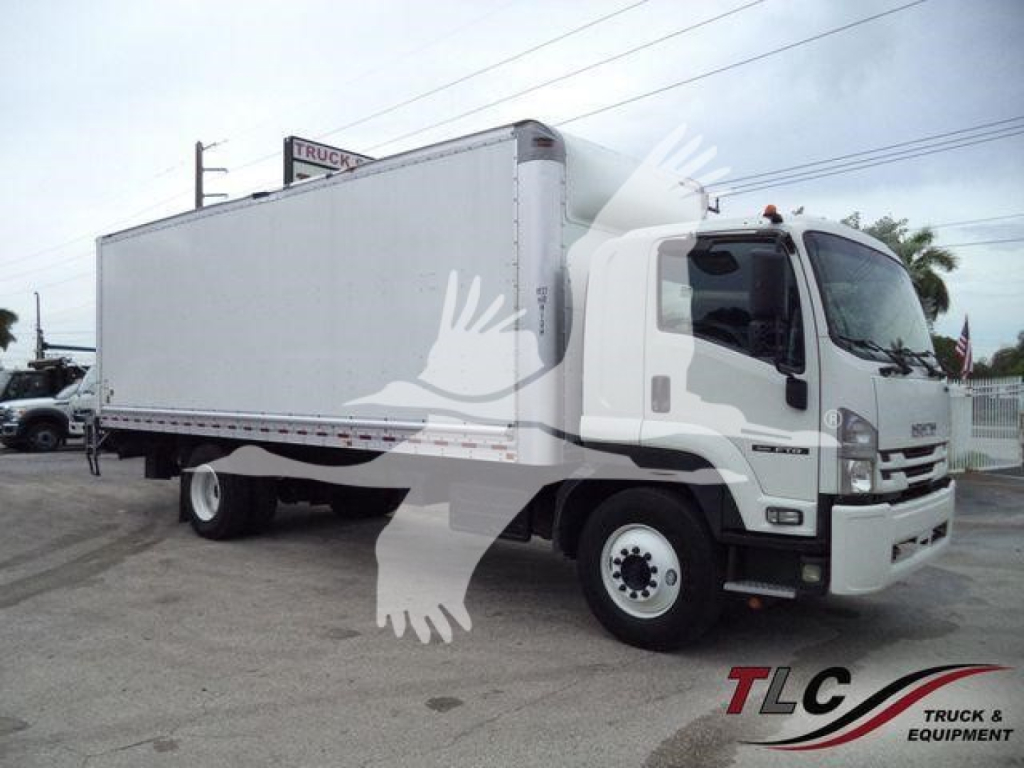
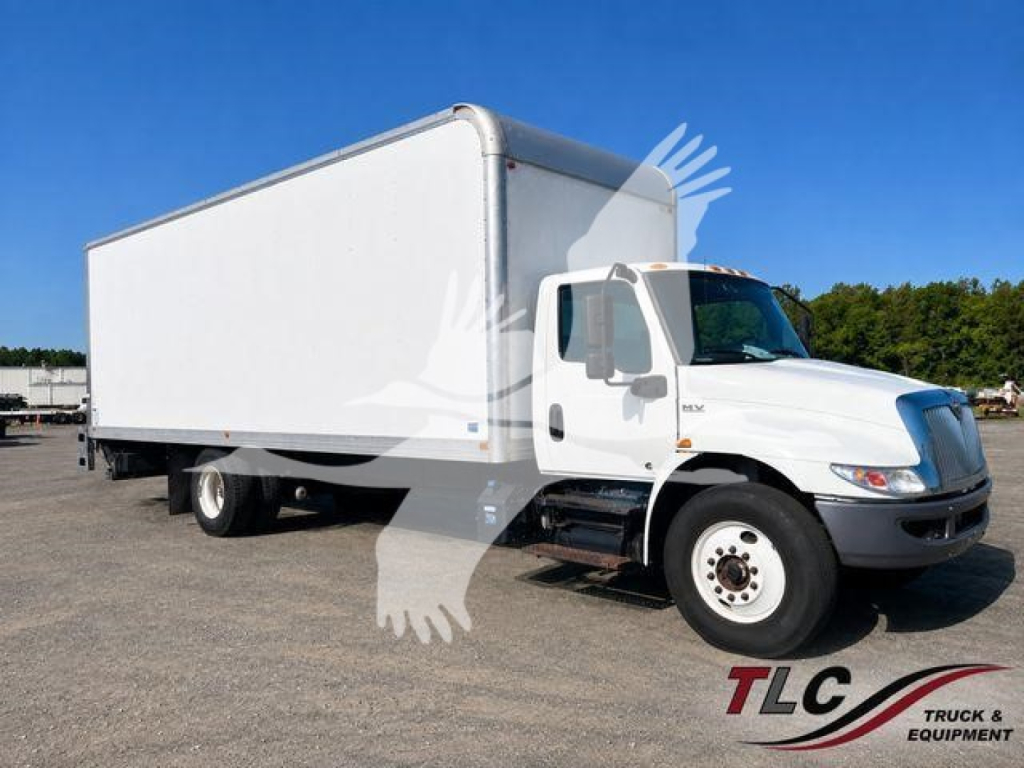
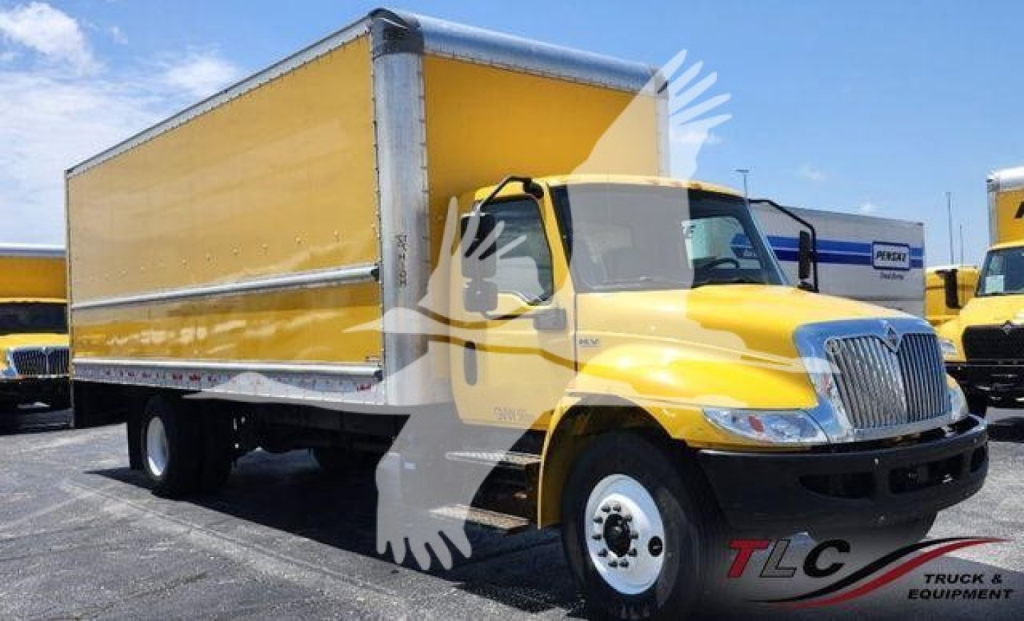
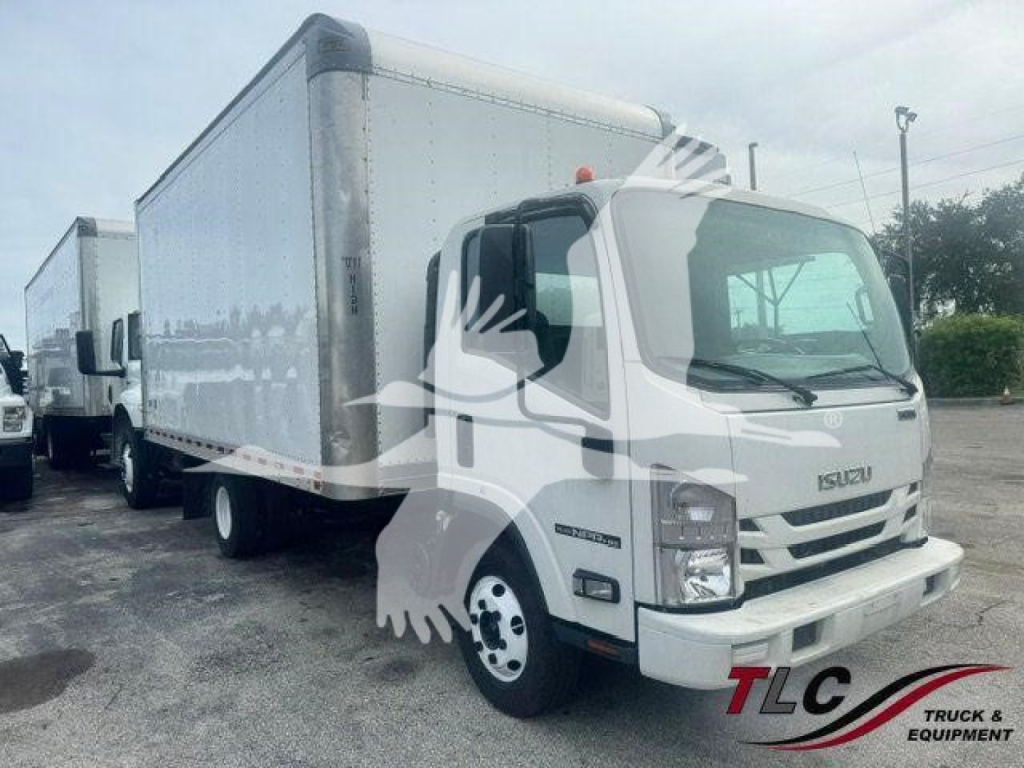
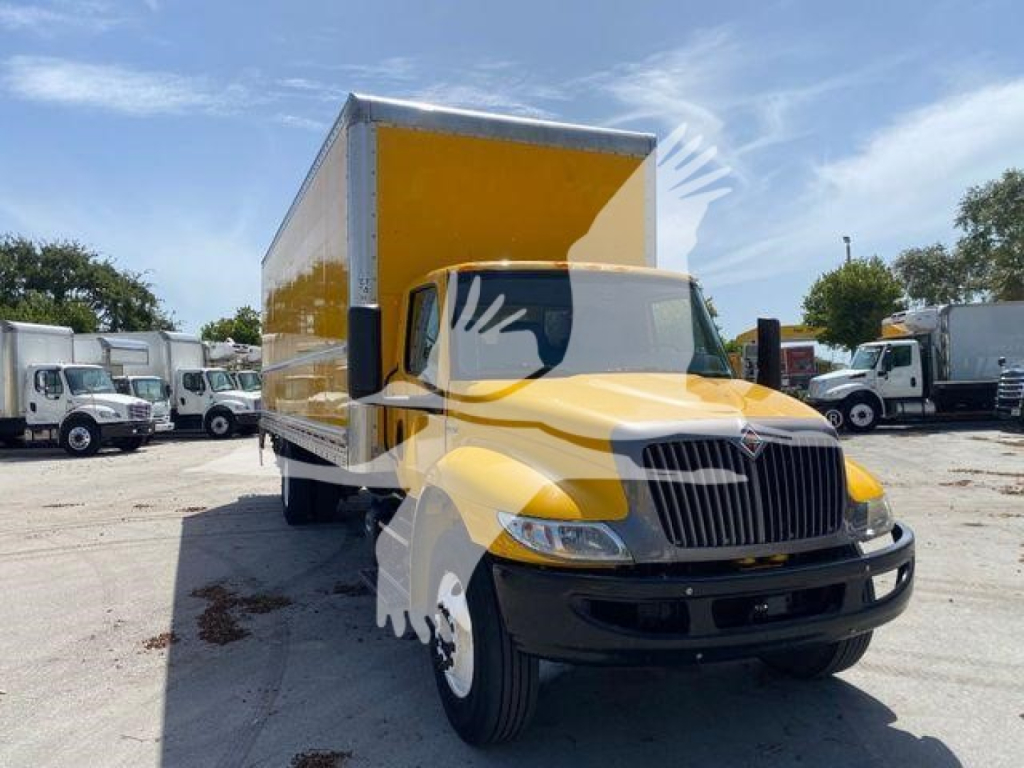
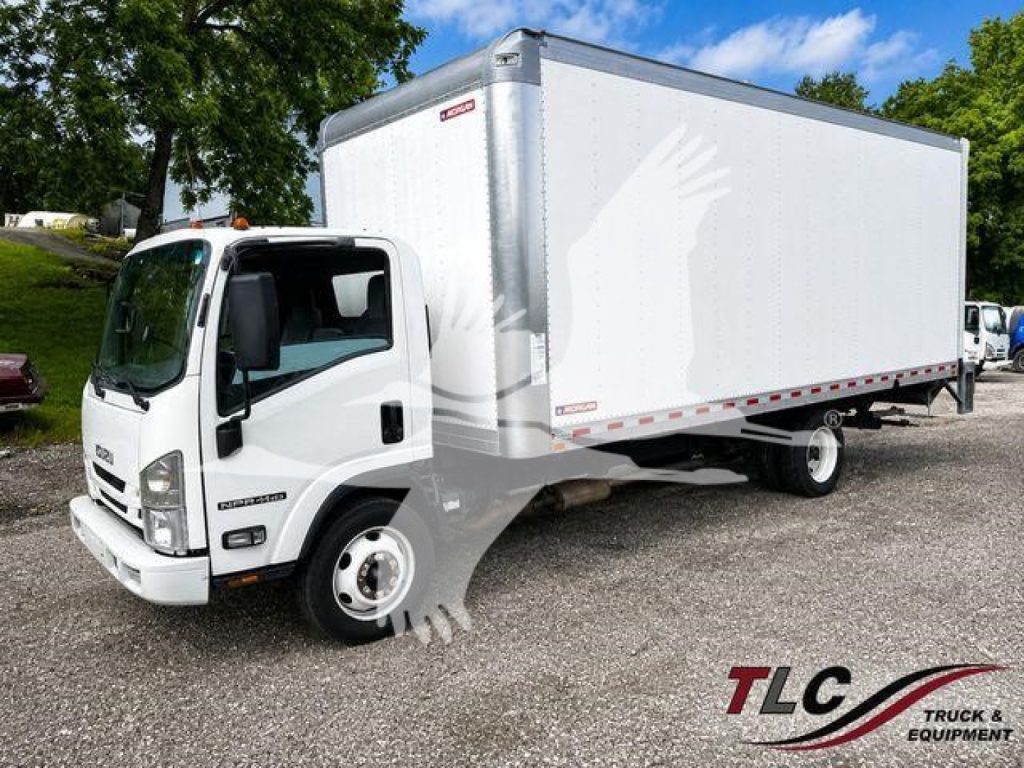
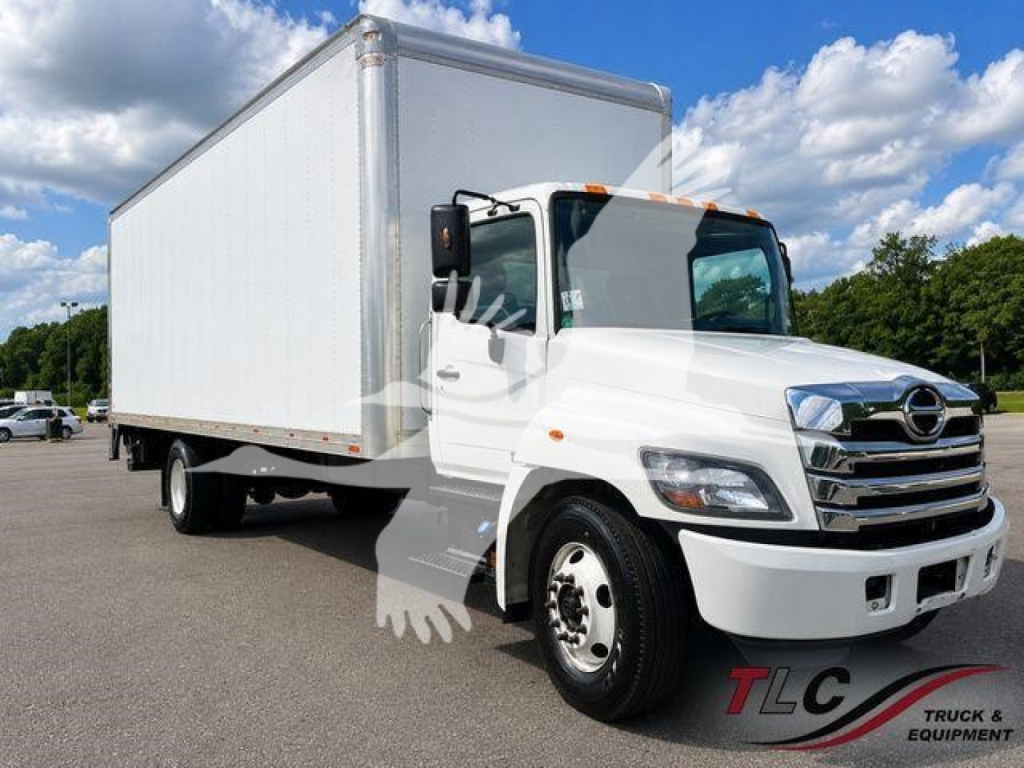
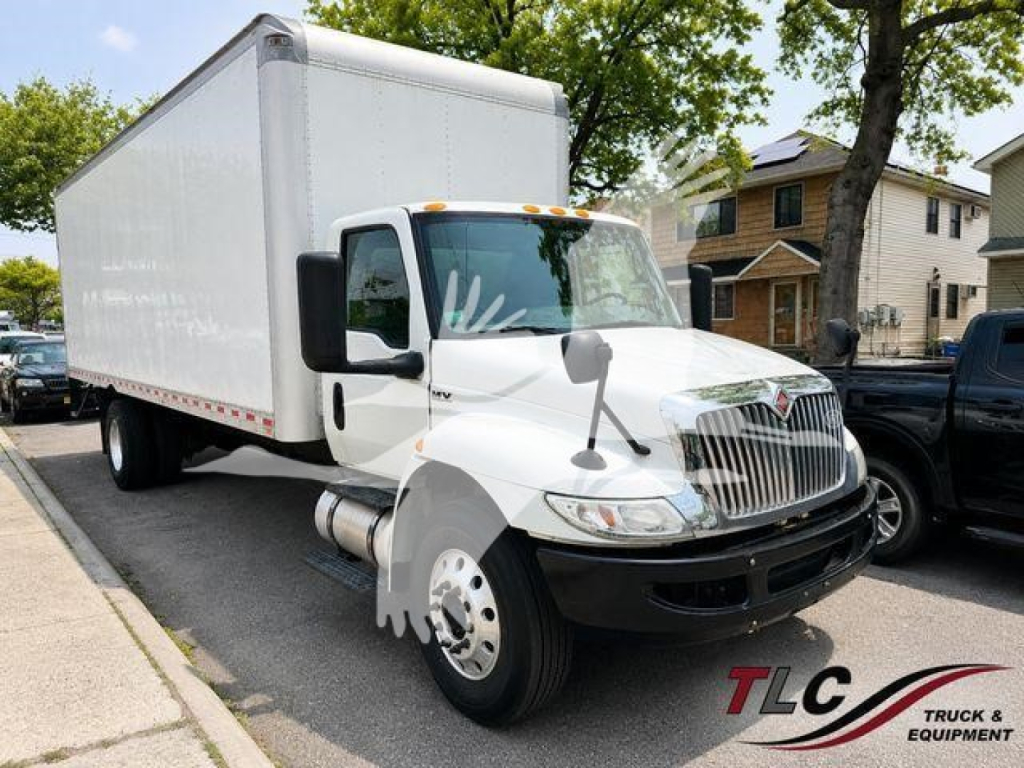
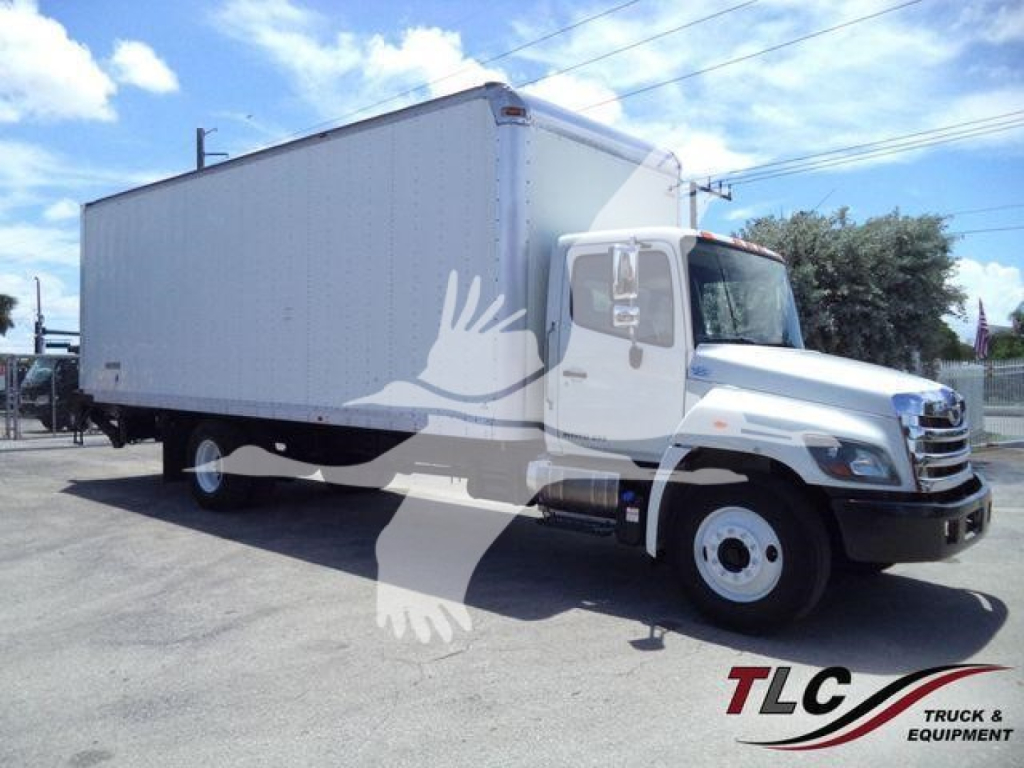
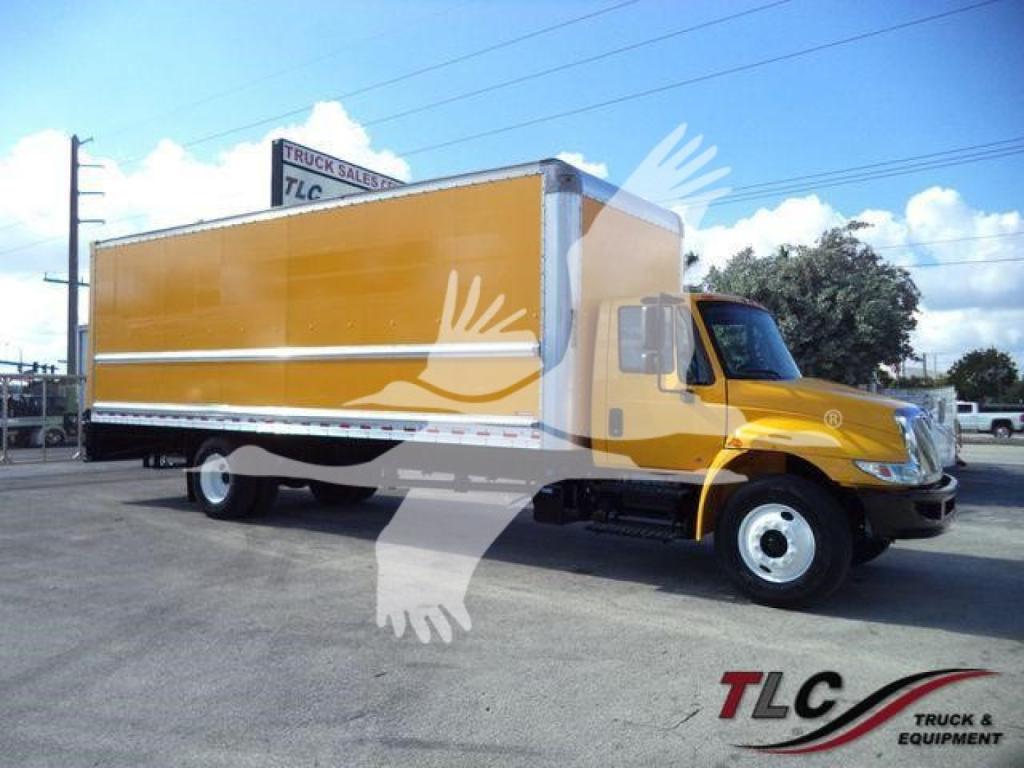
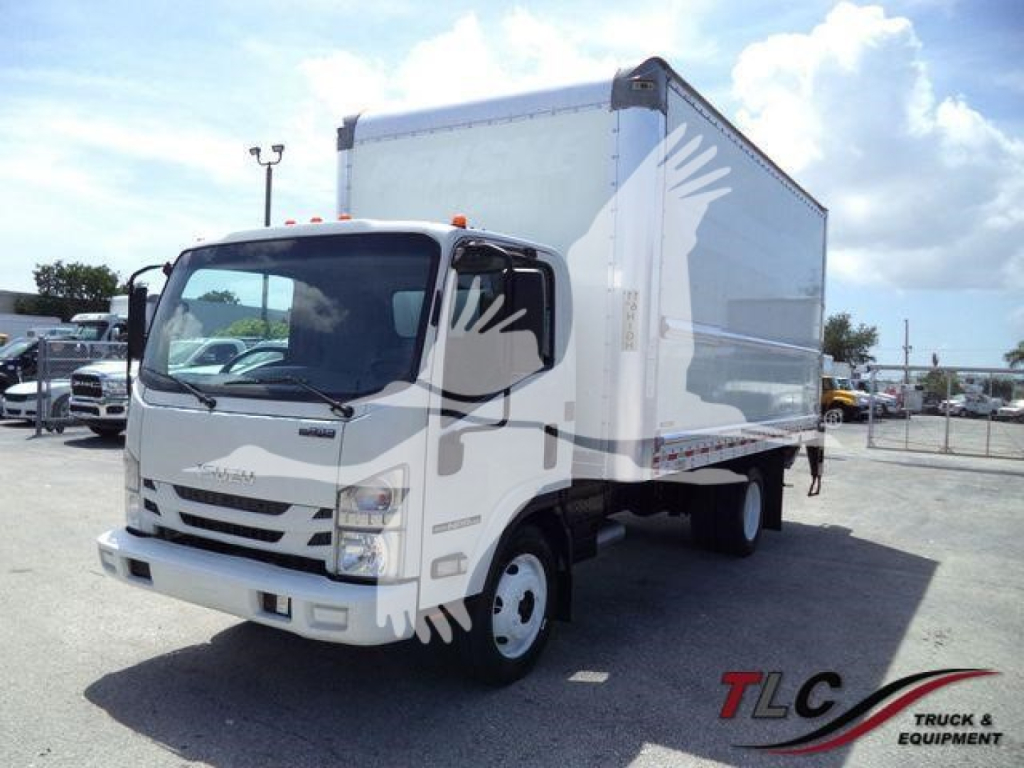
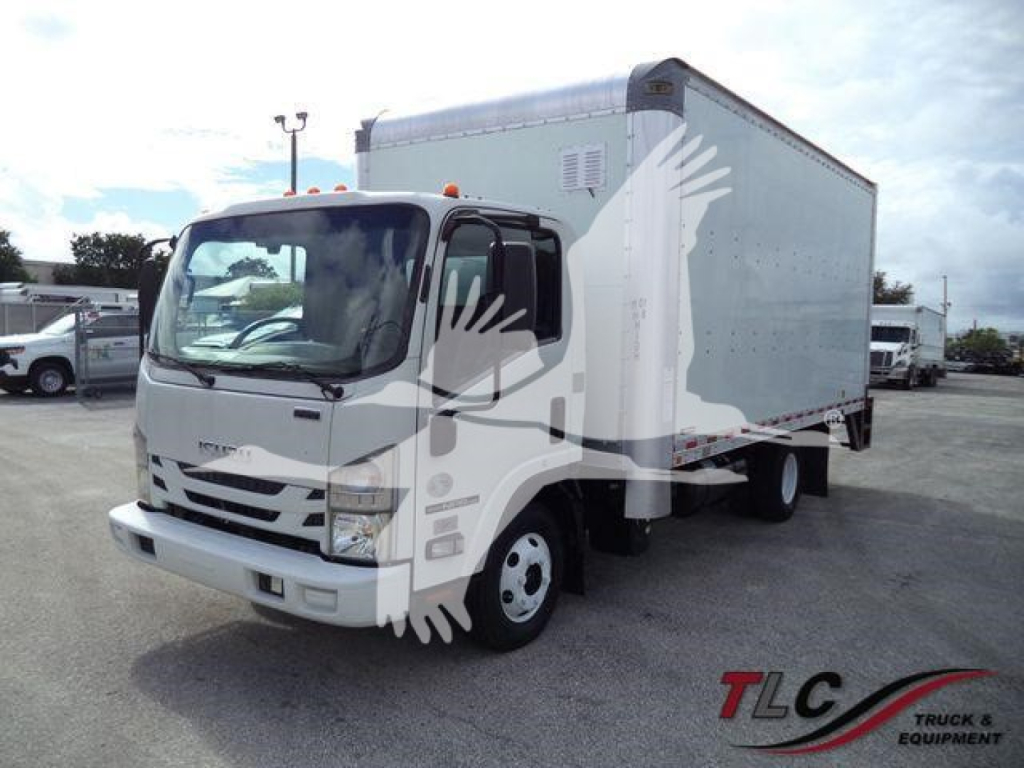
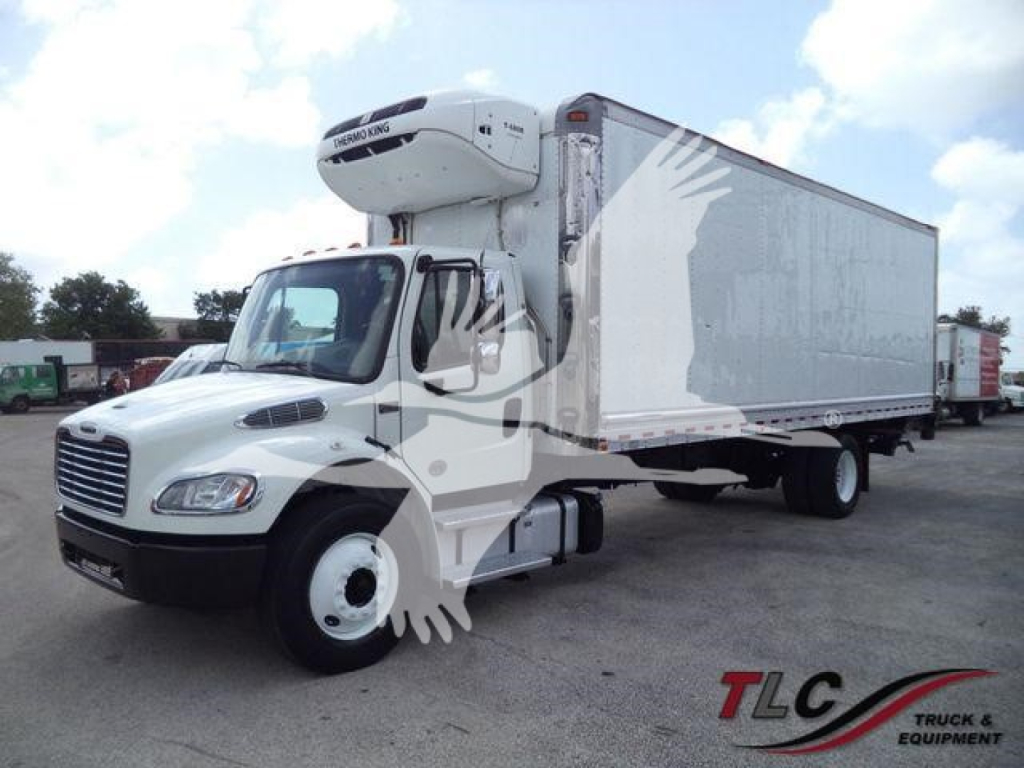
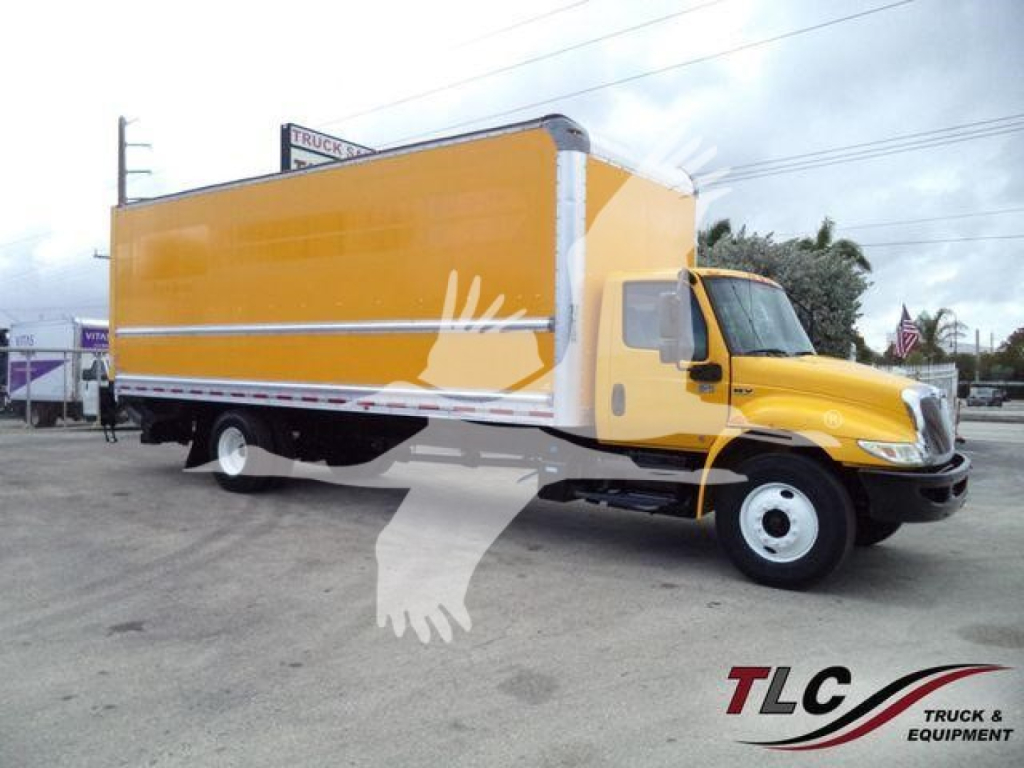
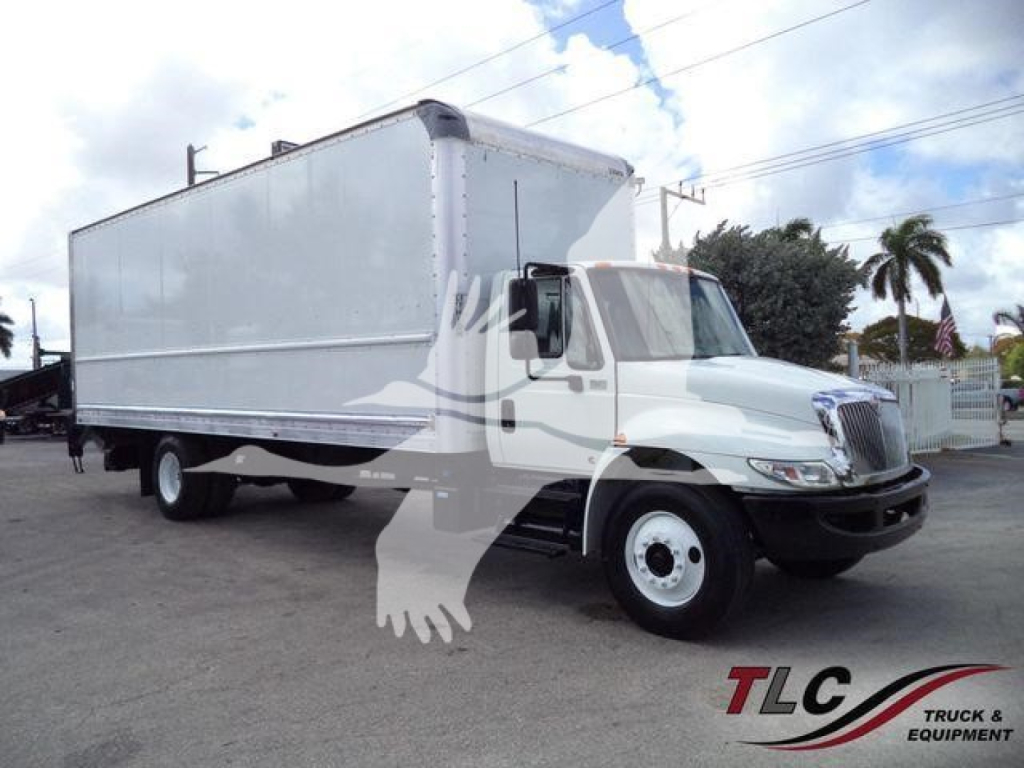
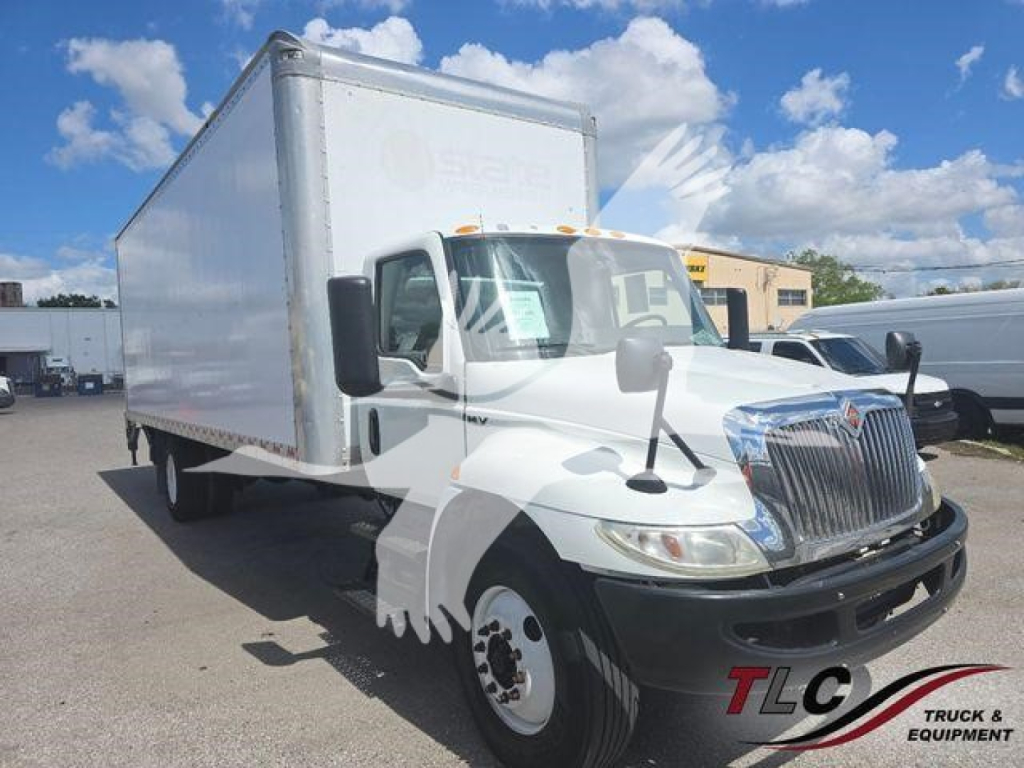
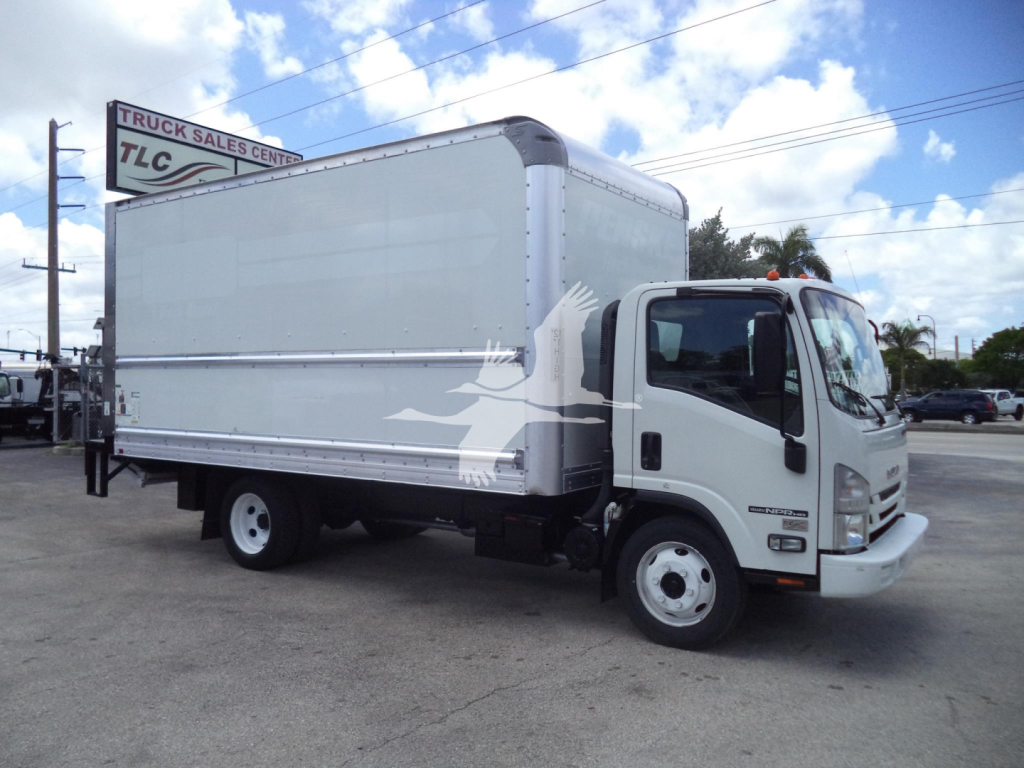
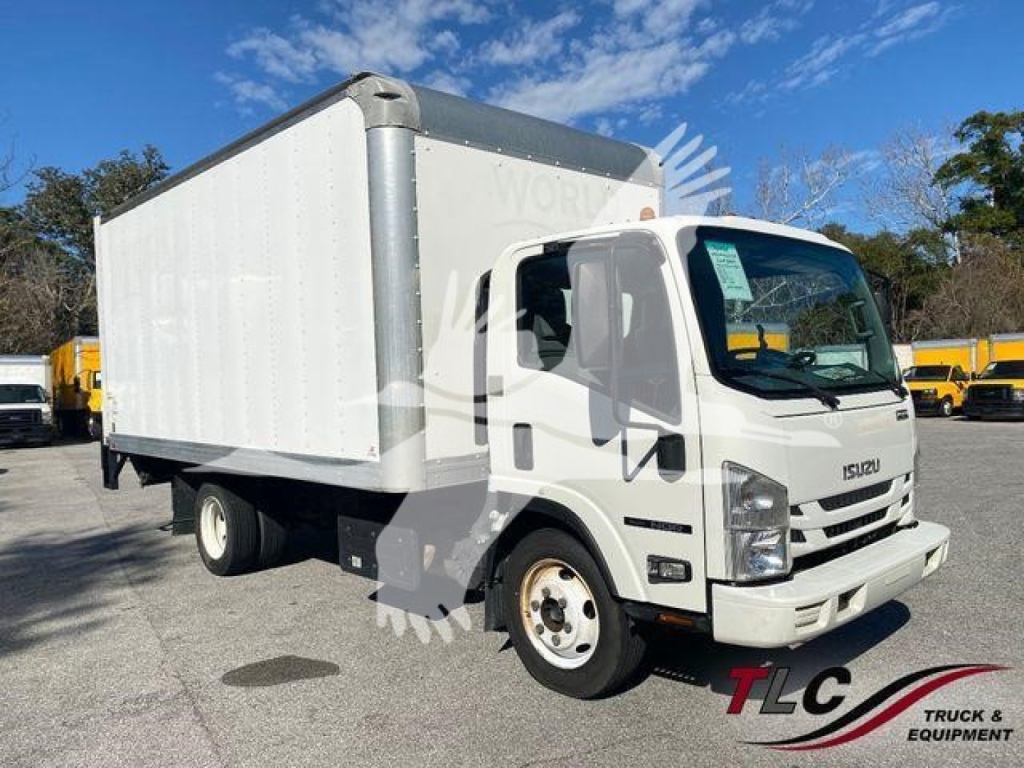
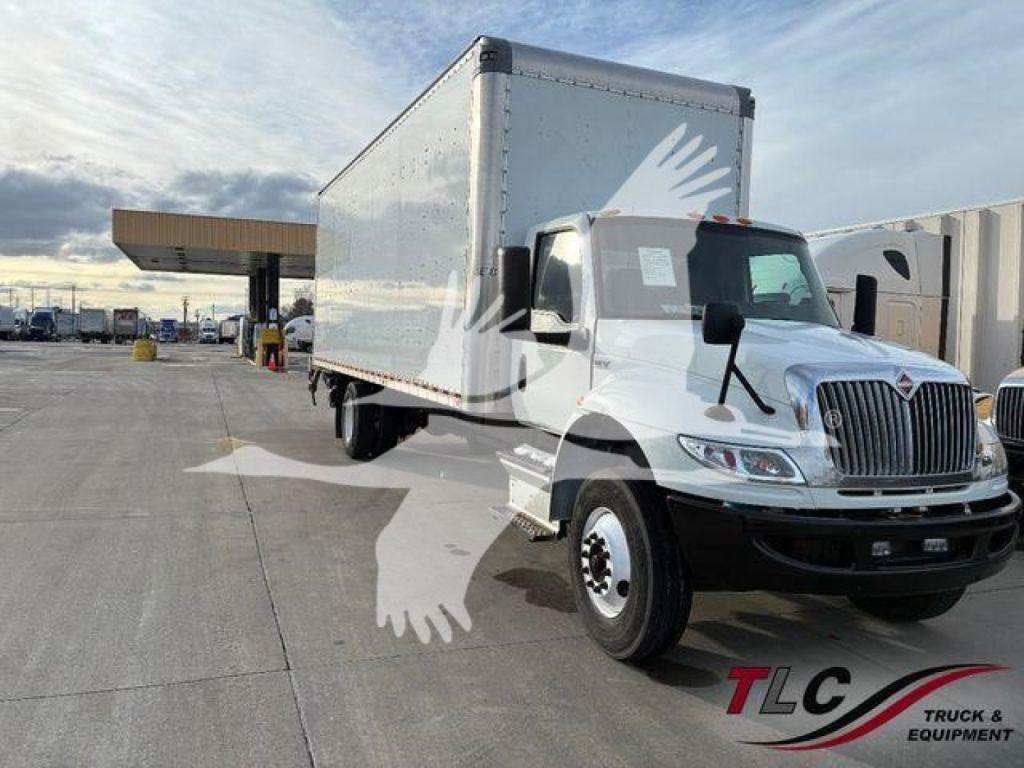
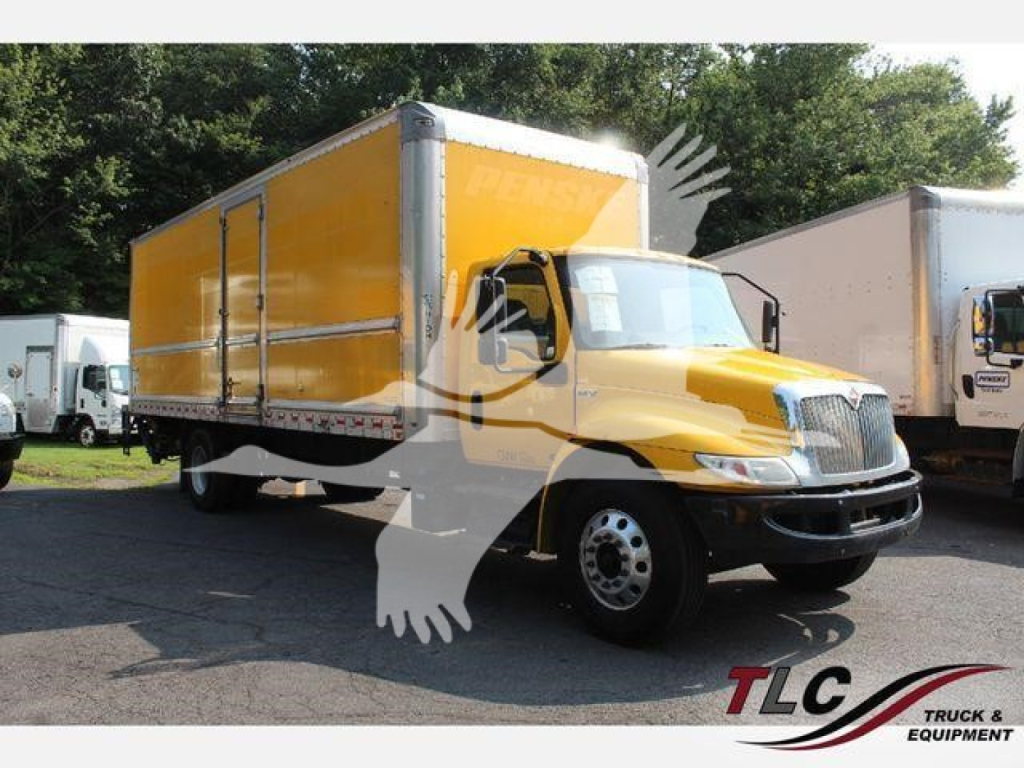
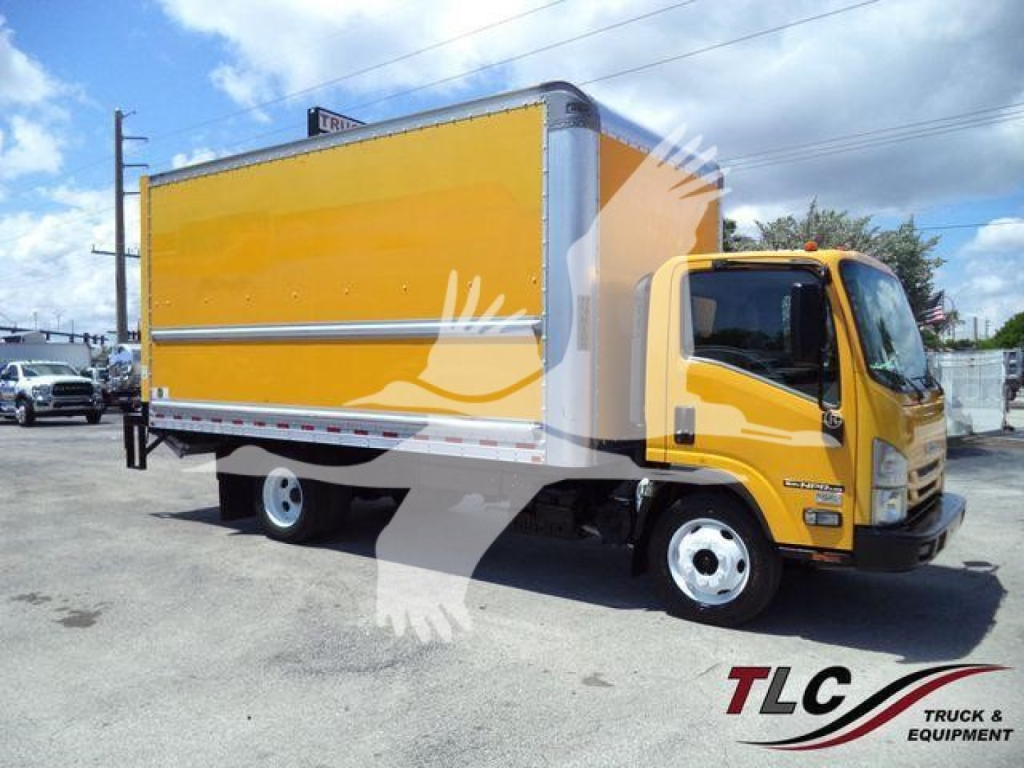
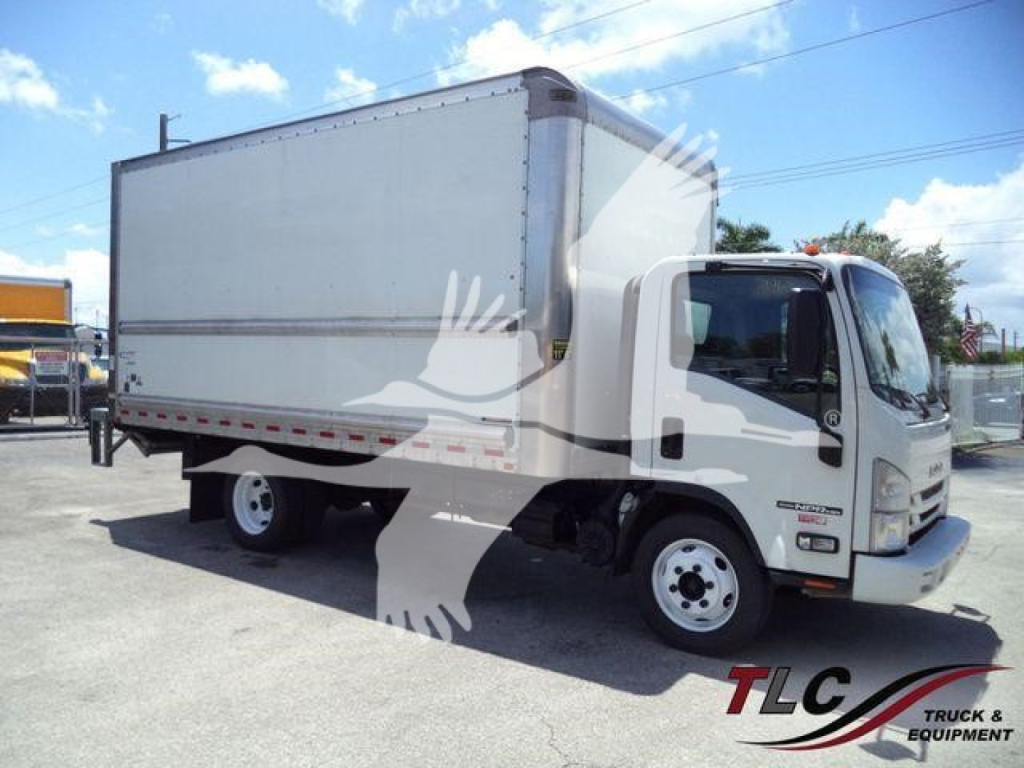
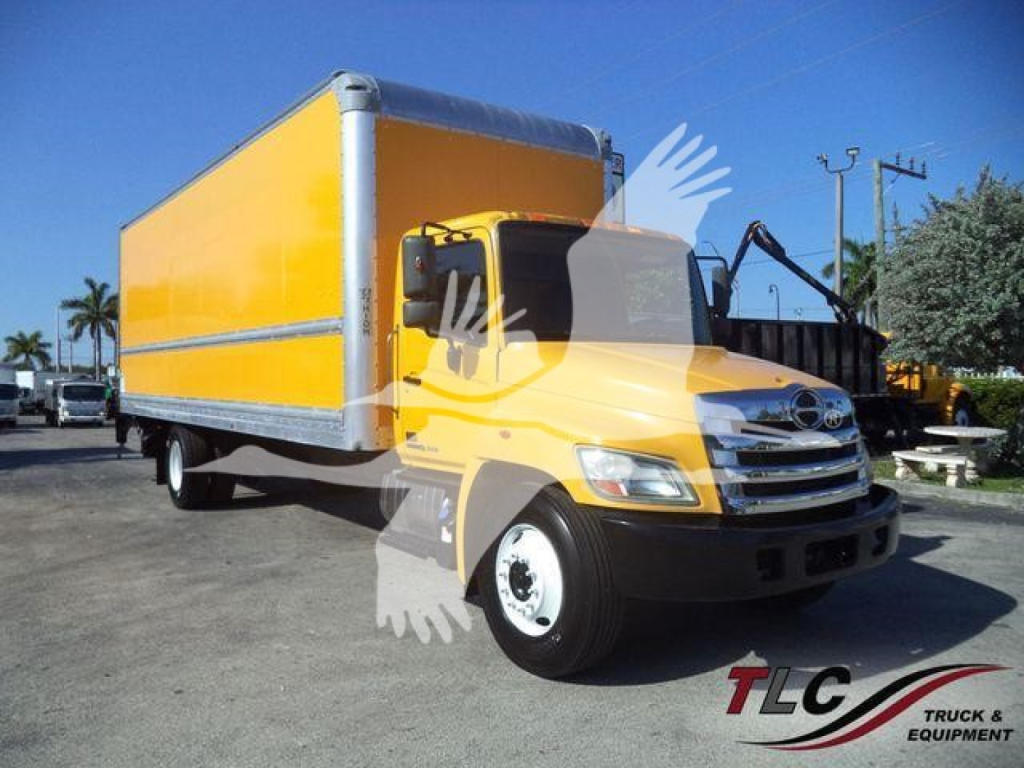
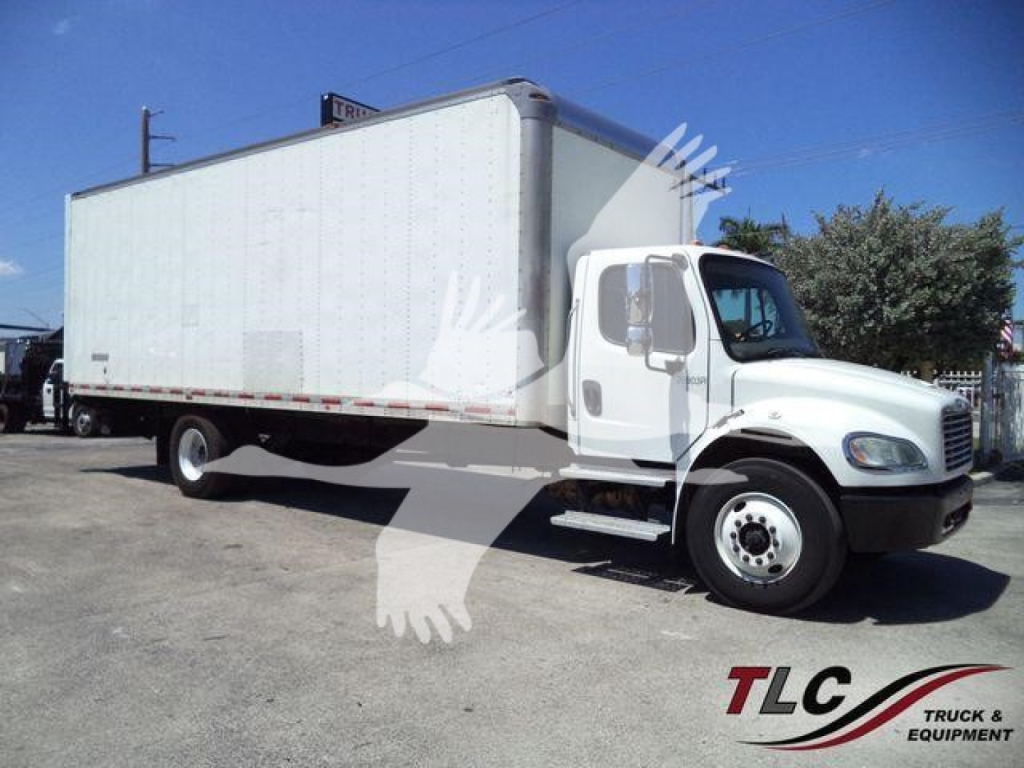
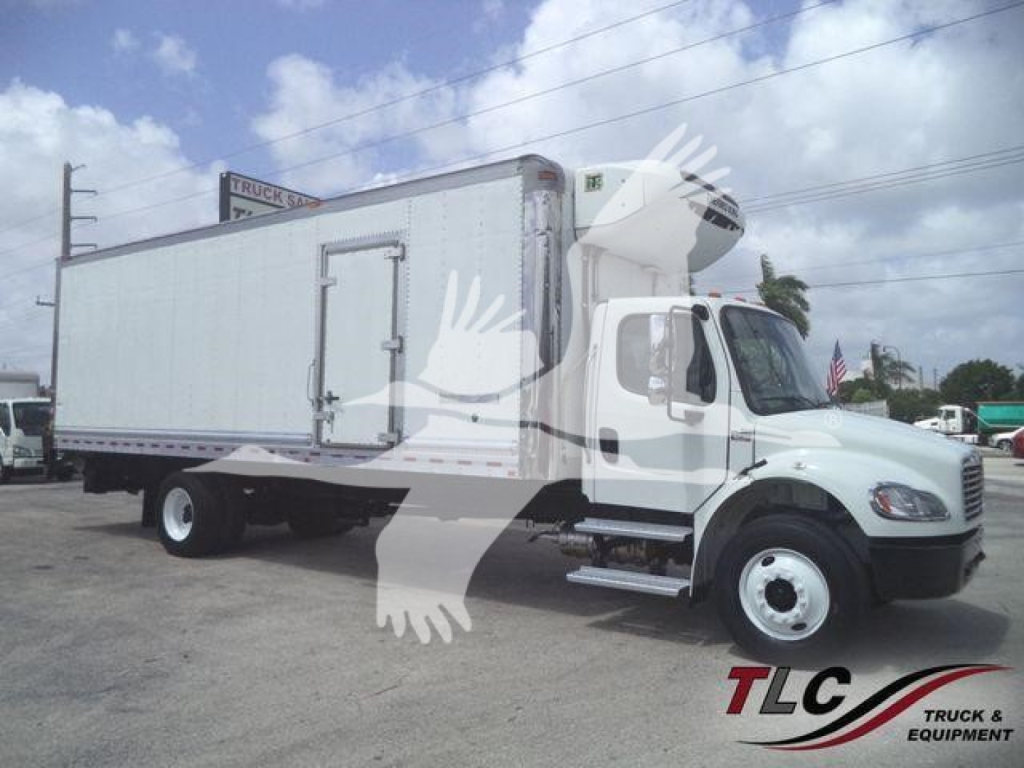
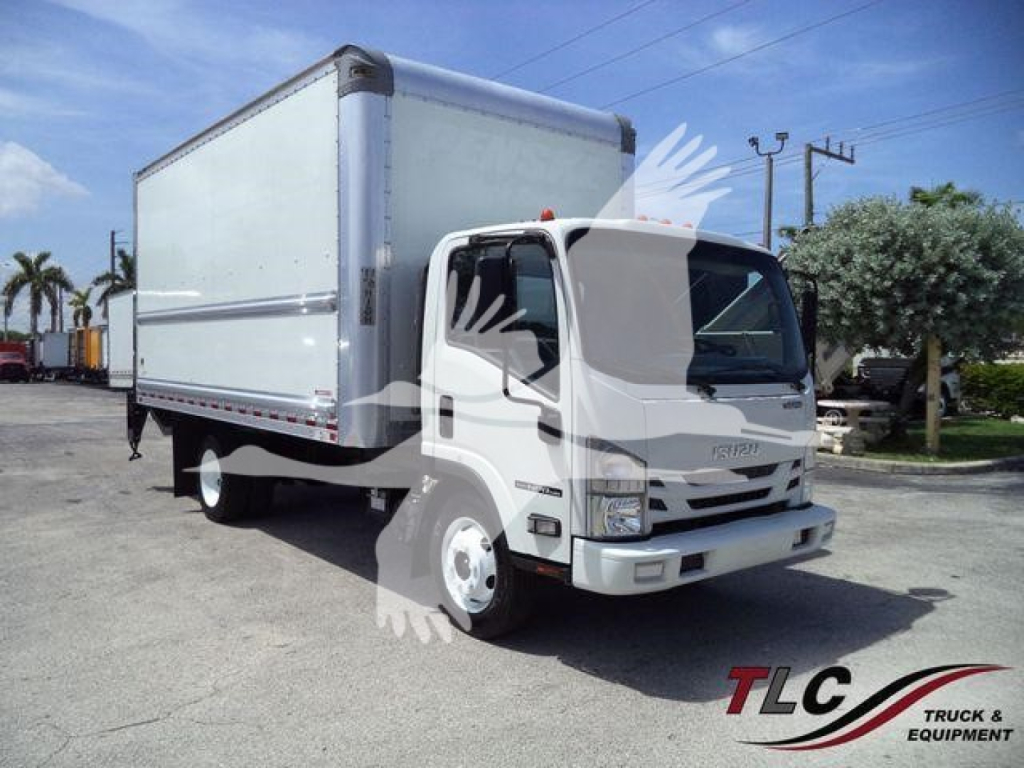
Showing 1 to 28 of 84 results
Selling a box truck? List your box truck for sale and reach thousands of commercial buyers.
Box Trucks in Florida
Frequently Asked Questions about Box Trucks in Florida
What size box truck is best for local delivery or moving work?
A 14-foot to 18-foot box truck is a common choice for local delivery, furniture, appliance, and light moving work because it stays maneuverable in urban areas and tighter loading zones. A 20-foot to 26-foot body adds cube capacity for larger routes, bulkier freight, or commercial moving, but it also changes turning radius, parking flexibility, and bridge or neighborhood access. Body height, door opening, and interior width matter just as much as floor length because they determine how efficiently pallets, carts, or household goods can be loaded.
Should I choose a gas or diesel box truck?
Gas box trucks are often favored for shorter routes, lower annual mileage, and fleets that want simpler emissions systems and easier service access. Diesel box trucks usually make more sense when payload is heavier, daily mileage is higher, or the truck spends more time on sustained routes where torque and fuel economy matter. On medium-duty cab-over platforms, a diesel engine is often paired with a higher GVWR and stronger payload capability, while gas engines can be a practical fit for lighter-duty urban delivery cycles.
What features matter most on a dry freight box body?
The most important body features depend on cargo type and loading method. A roll-up rear door is standard for dock and route work, while a tuck-under liftgate is important when deliveries are made without a dock. E-track or logistic track helps secure mixed cargo, and scuff liners protect the inside walls from pallet and cart damage. Buyers should also check body dimensions, floor condition, roof integrity, rear frame design, and whether the body is set up for palletized freight, hand-unload routes, or moving applications.
What should I look for when buying a used box truck in Florida?
In Florida, condition checks should focus on both chassis and body. Inspect the box roof, front top cap, corners, door seals, and floor for water intrusion or delamination. Check the liftgate operation, roll-up door alignment, and any corrosion on body hardware, crossmembers, or electrical connections. On the chassis, review GVWR, tire date codes, brake condition, service records, cooling system performance, and signs of heavy stop-and-go wear. Air conditioning performance also matters in Florida because these trucks often run local routes with frequent cab entry and exit.
How important is GVWR when comparing box trucks?
GVWR is one of the most important numbers on a box truck because it determines the legal operating class and strongly affects payload. A truck with a longer body does not automatically carry more freight if the chassis rating is too light for the cargo. Buyers should compare GVWR, empty weight, axle ratings, and intended load type together. For example, a 16-foot truck on a lighter chassis may be ideal for parcel, linen, or retail routes, while a 24-foot body hauling denser freight may require a much heavier platform to stay compliant and productive.