
2020 Box Trucks For Sale in Florida
Shop 2020 box trucks in Florida. Compare GVWR, box length, liftgate setup, fuel type, and chassis specs for delivery and moving work.
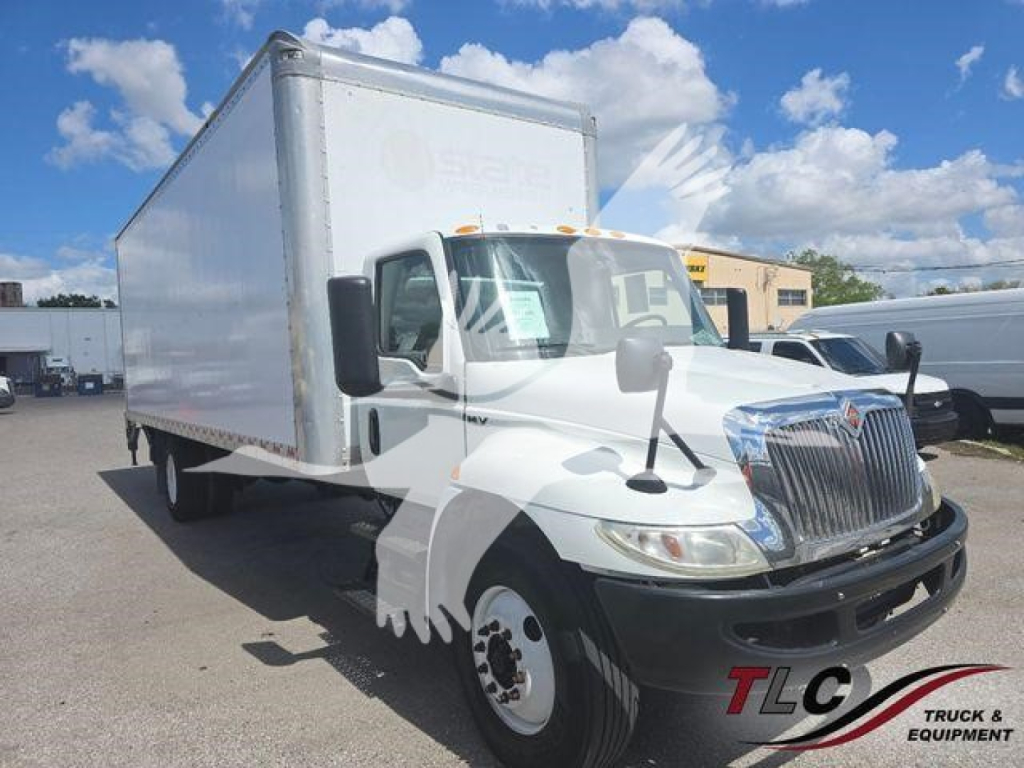
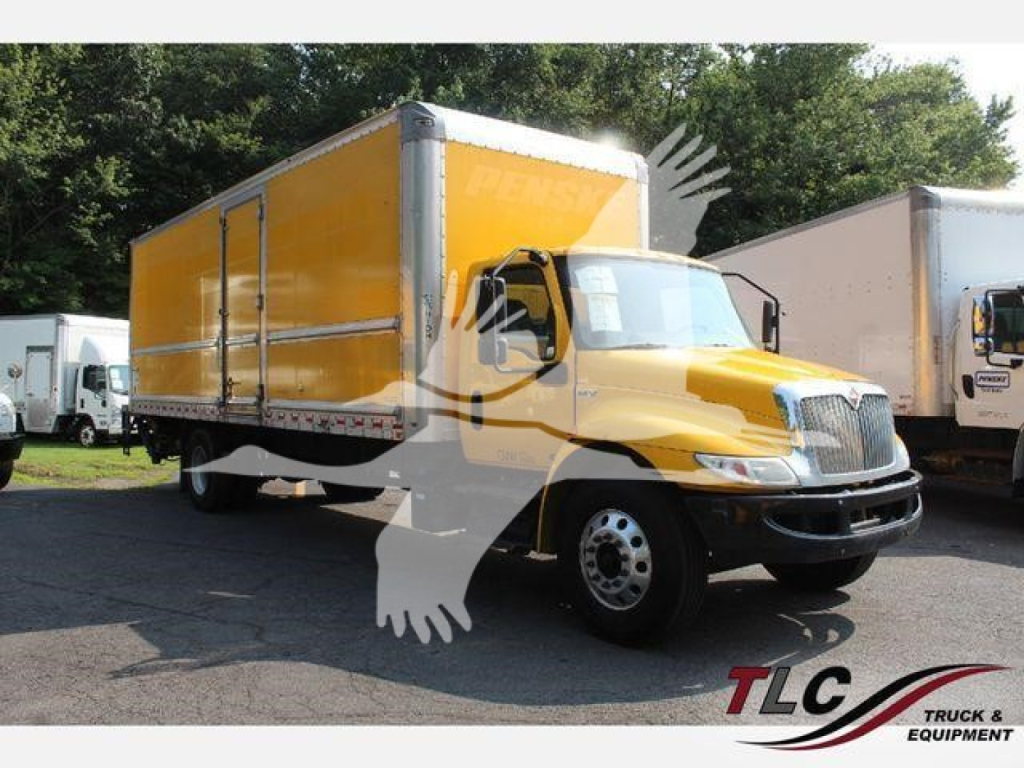
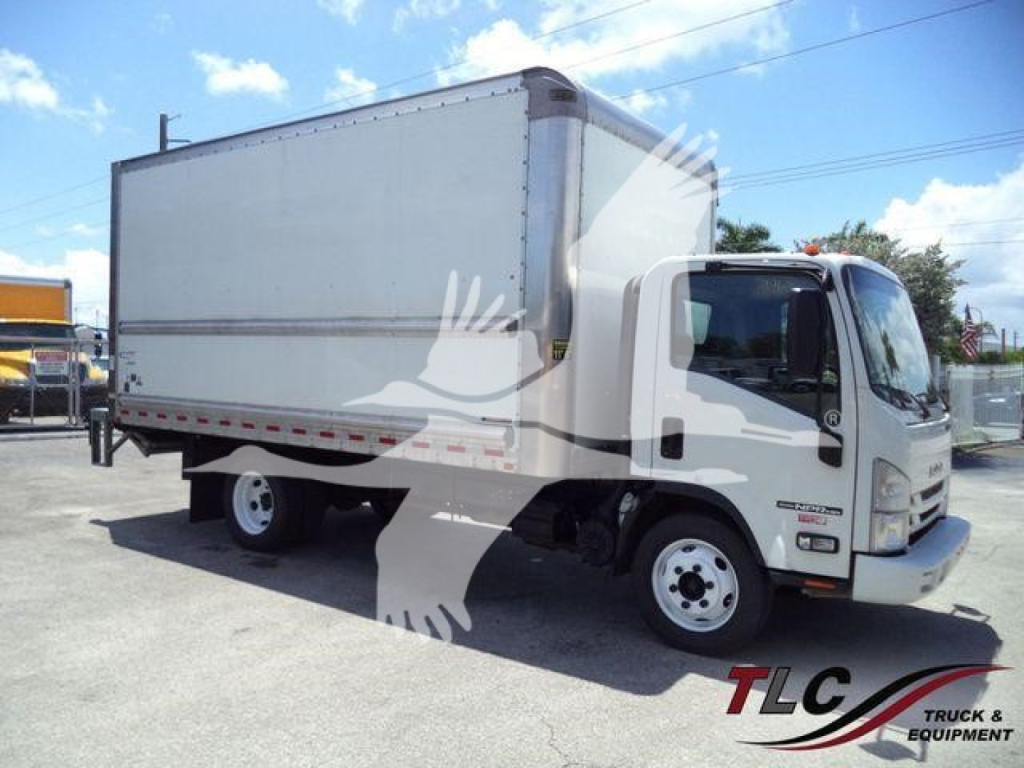
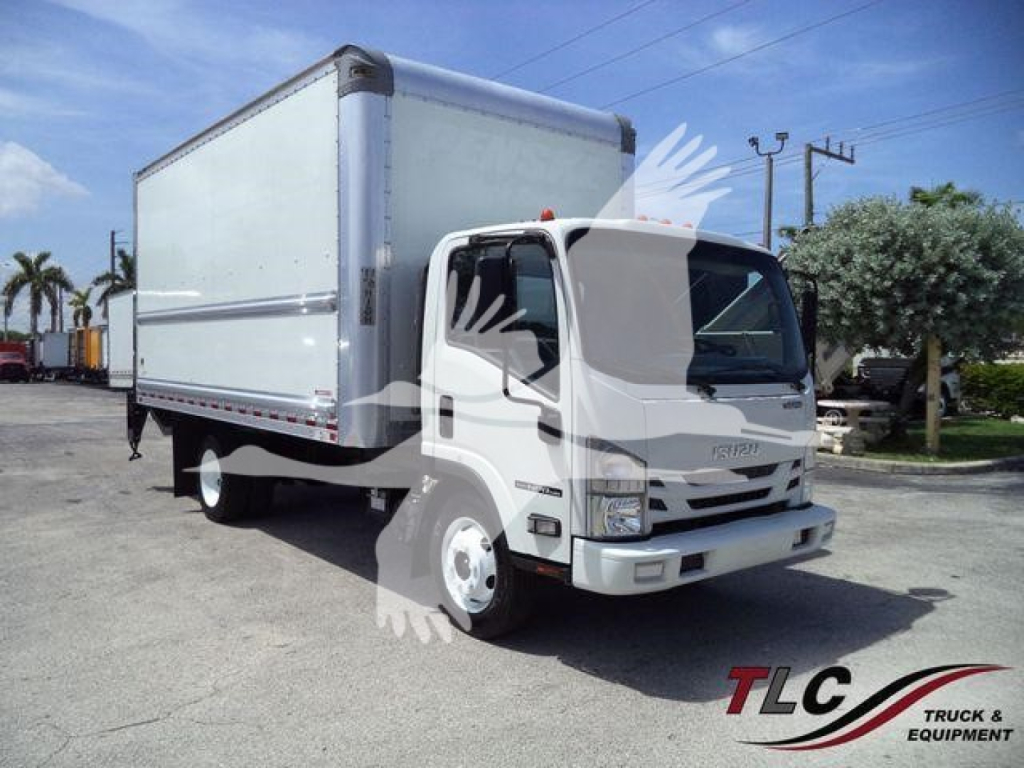
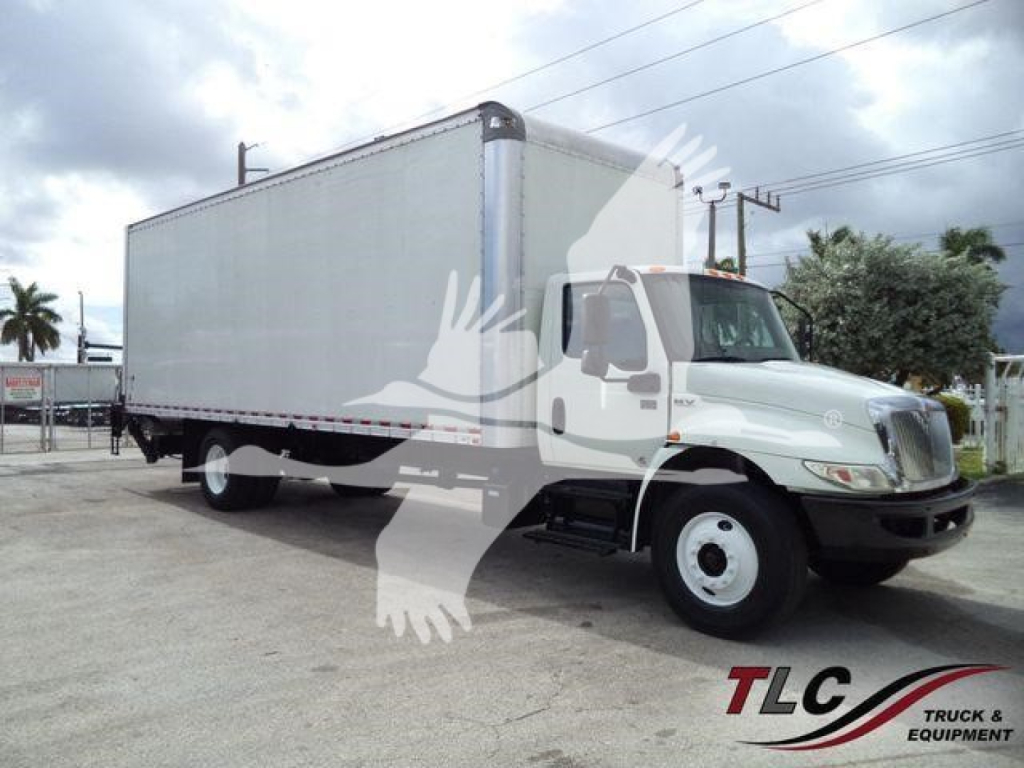
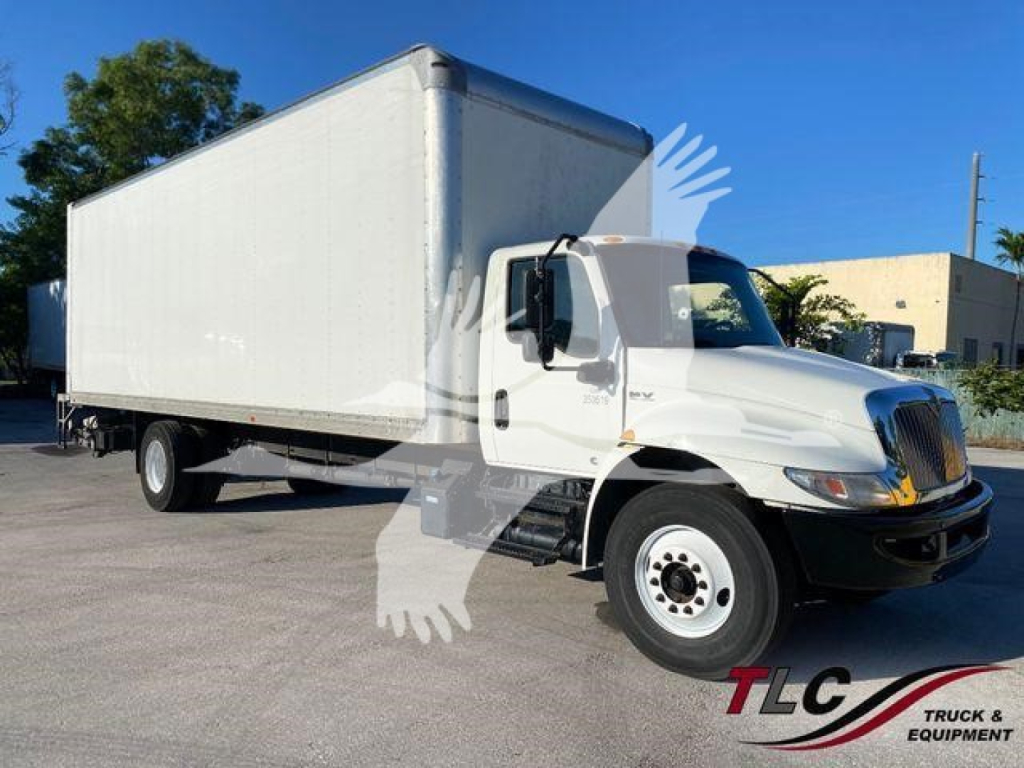
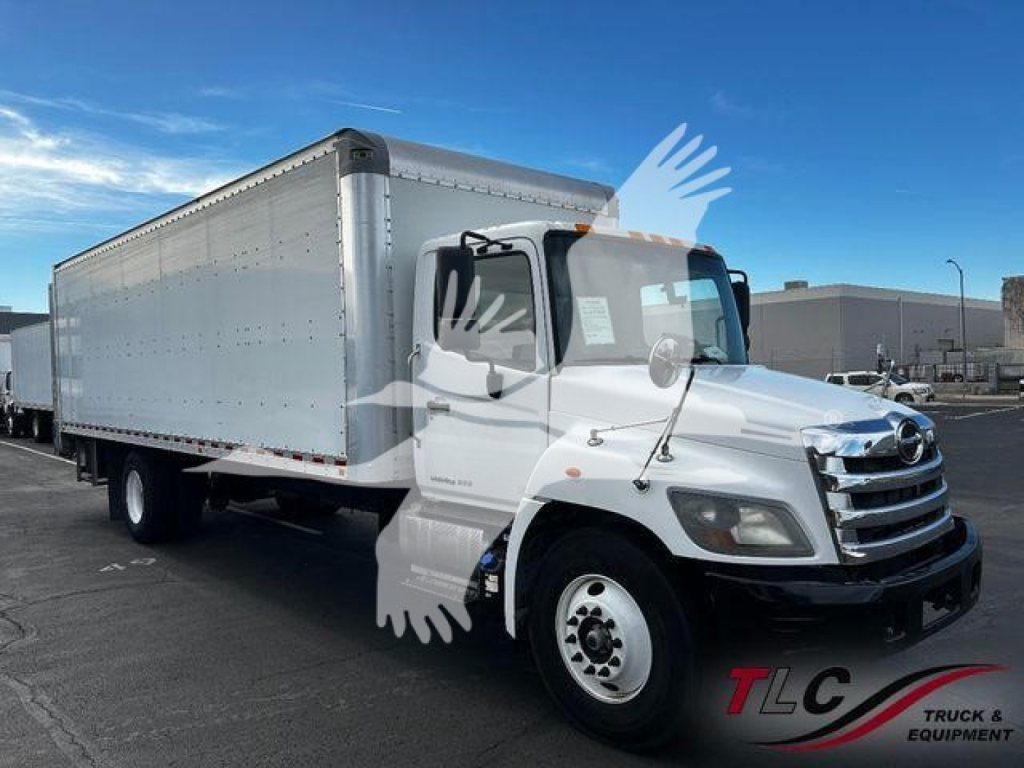
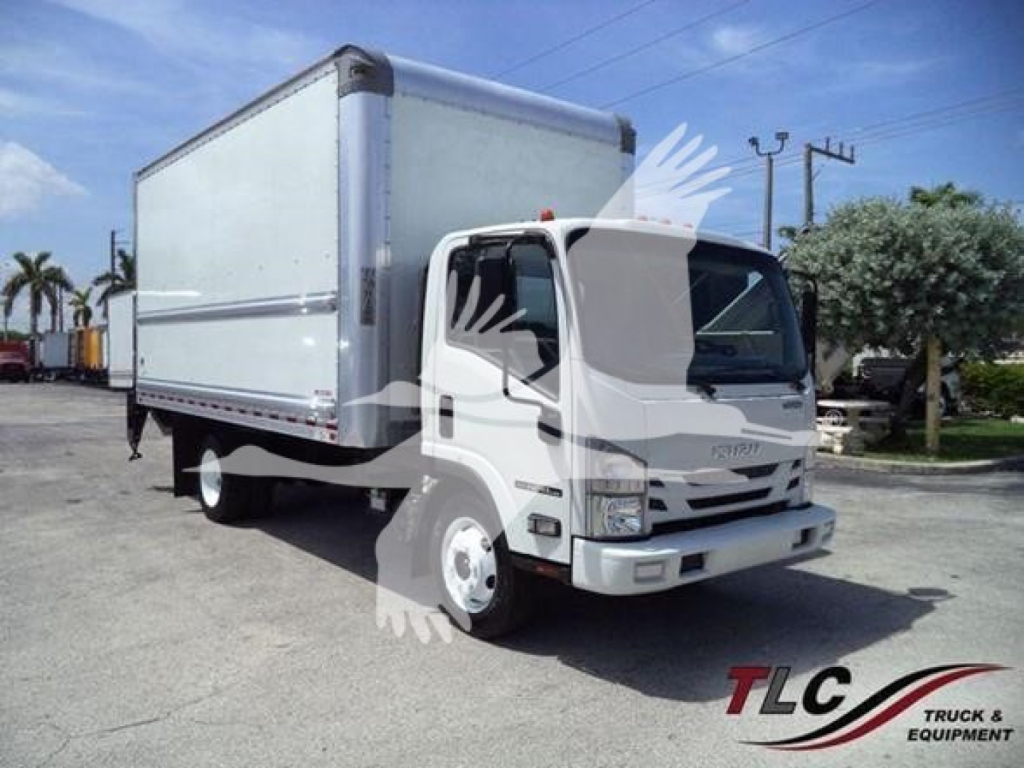
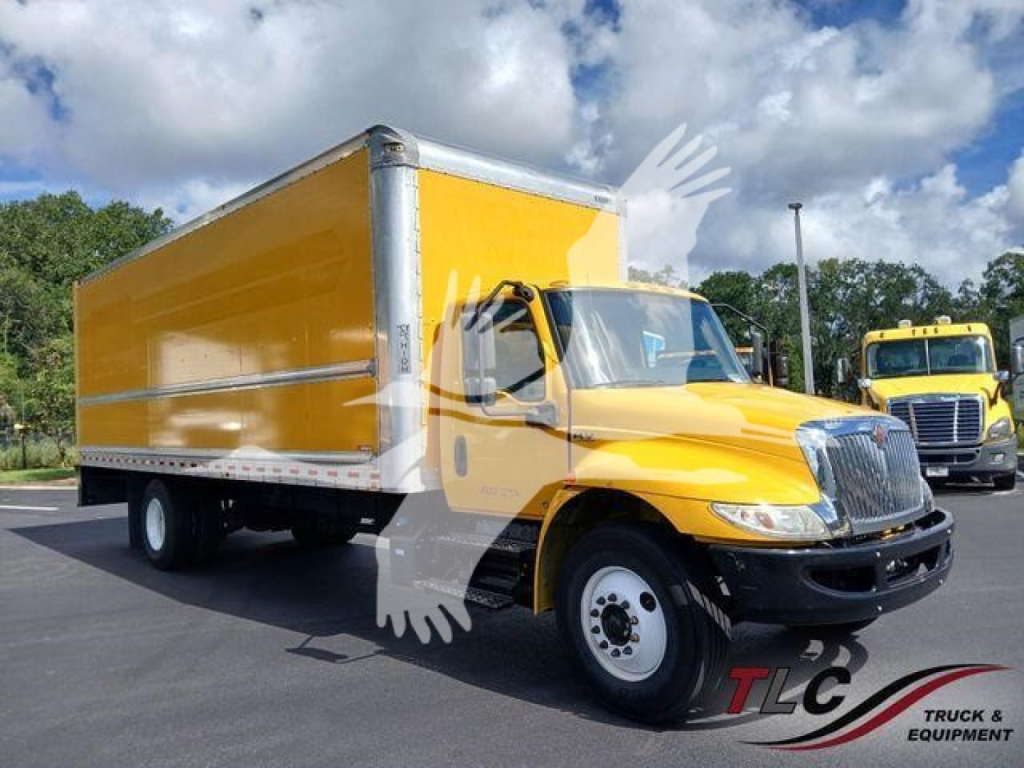
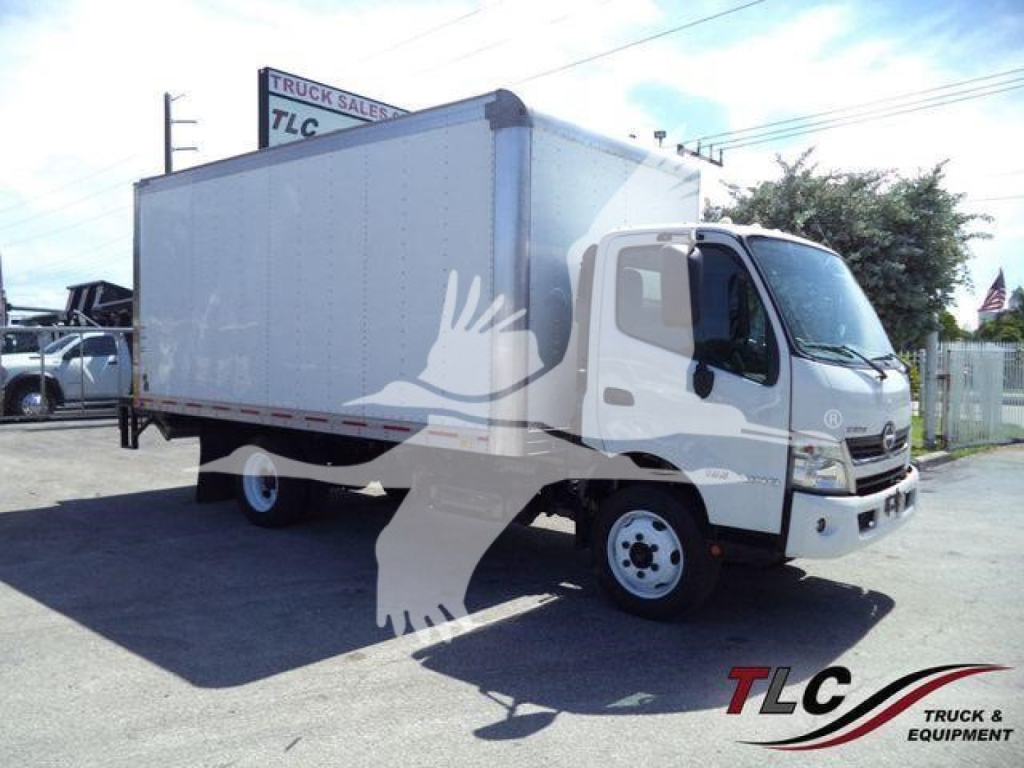
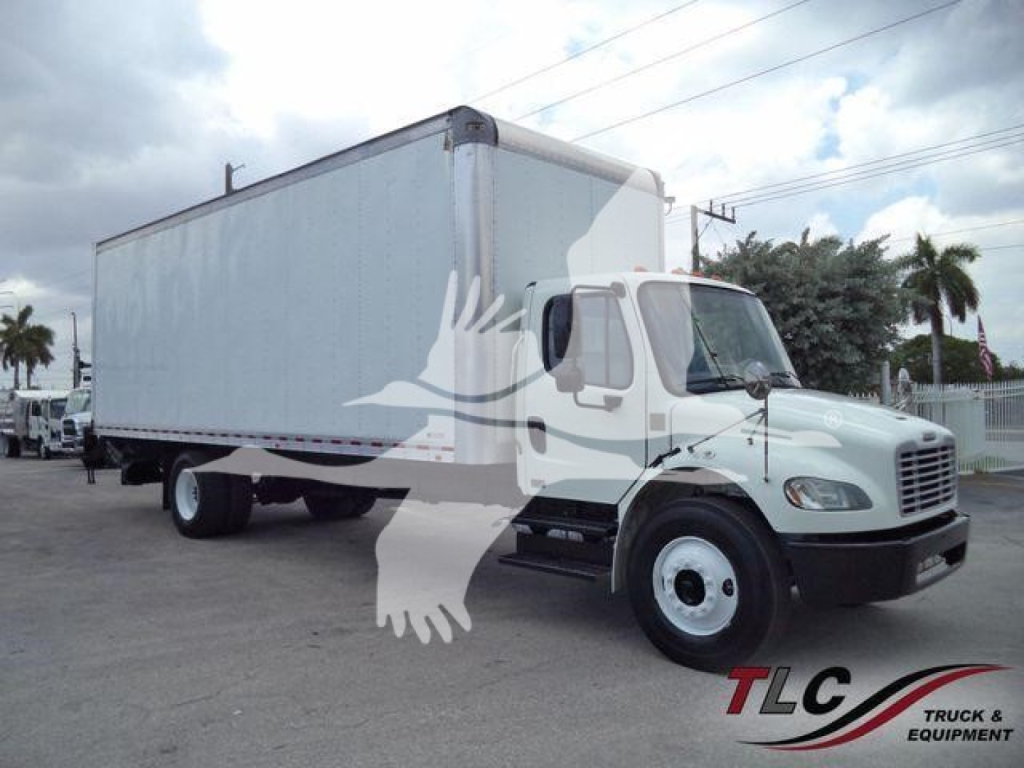
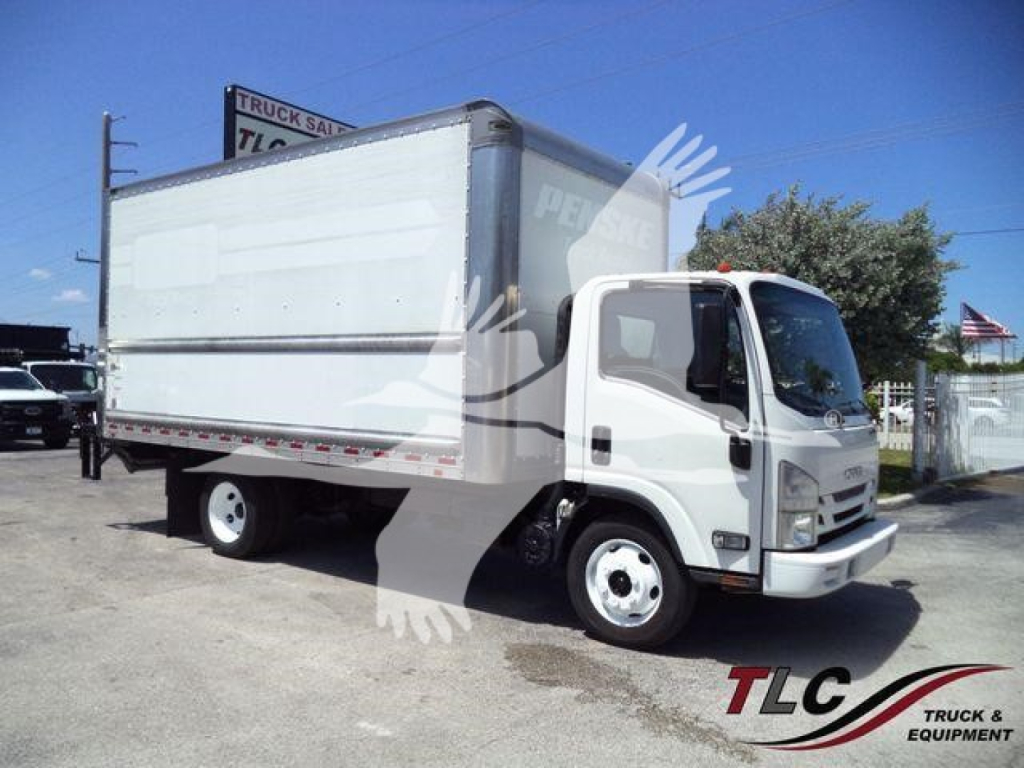
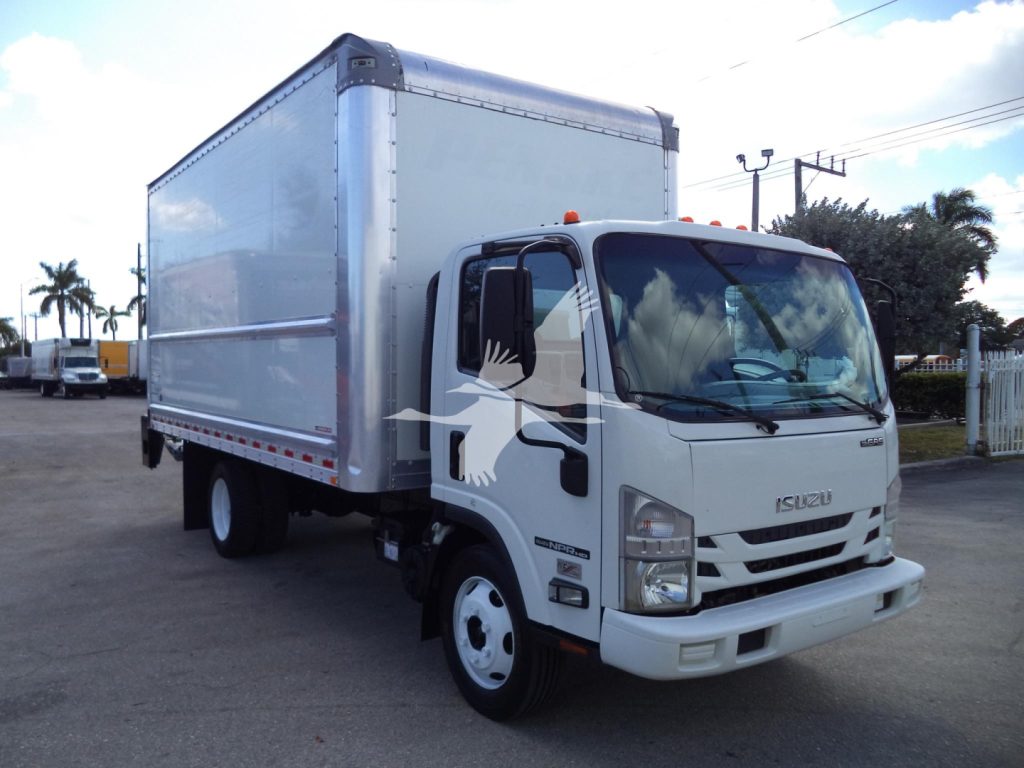
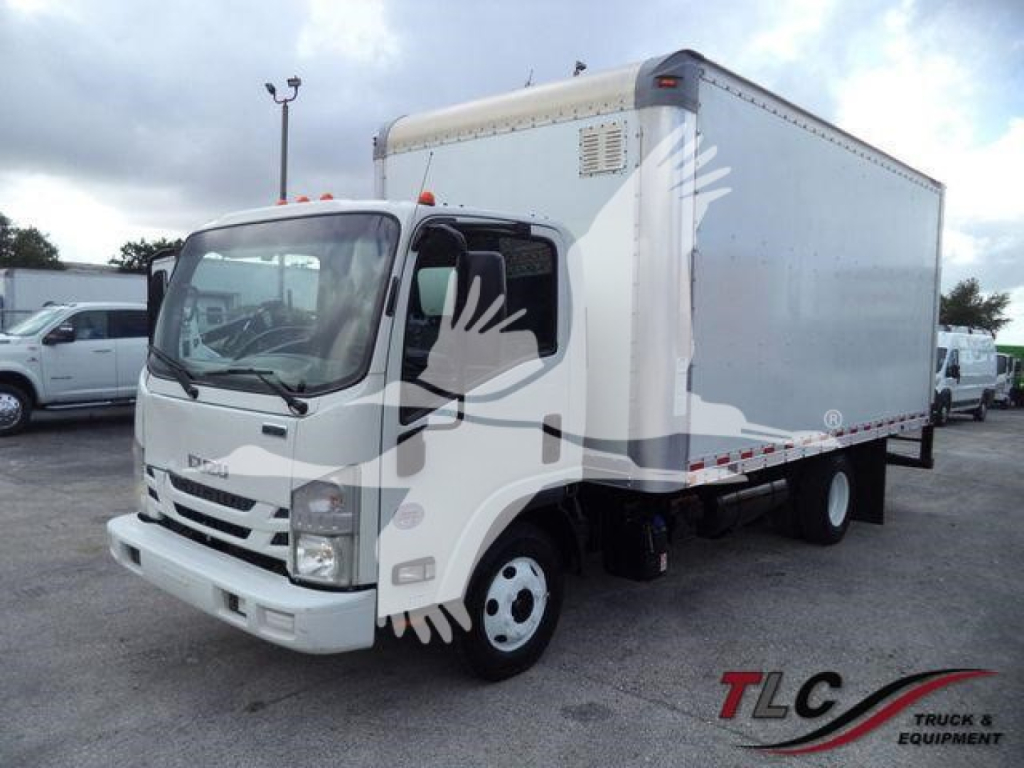
Selling a 2020 box truck? List your 2020 box truck for sale and reach thousands of commercial buyers.
2020 Box Trucks in Florida
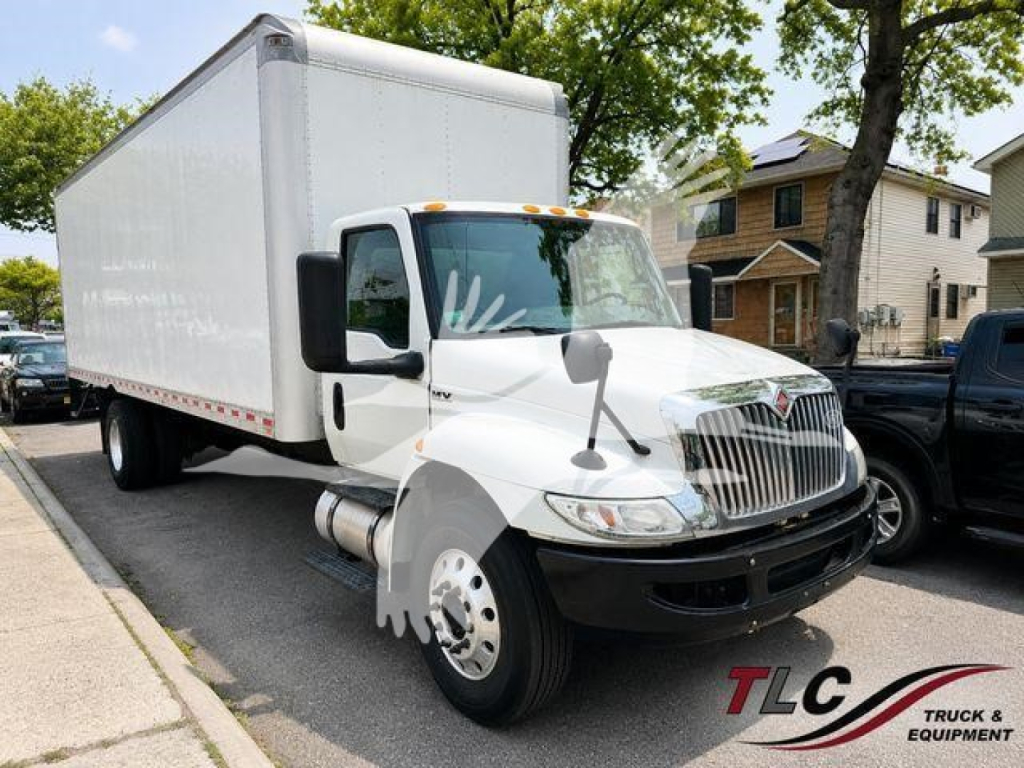
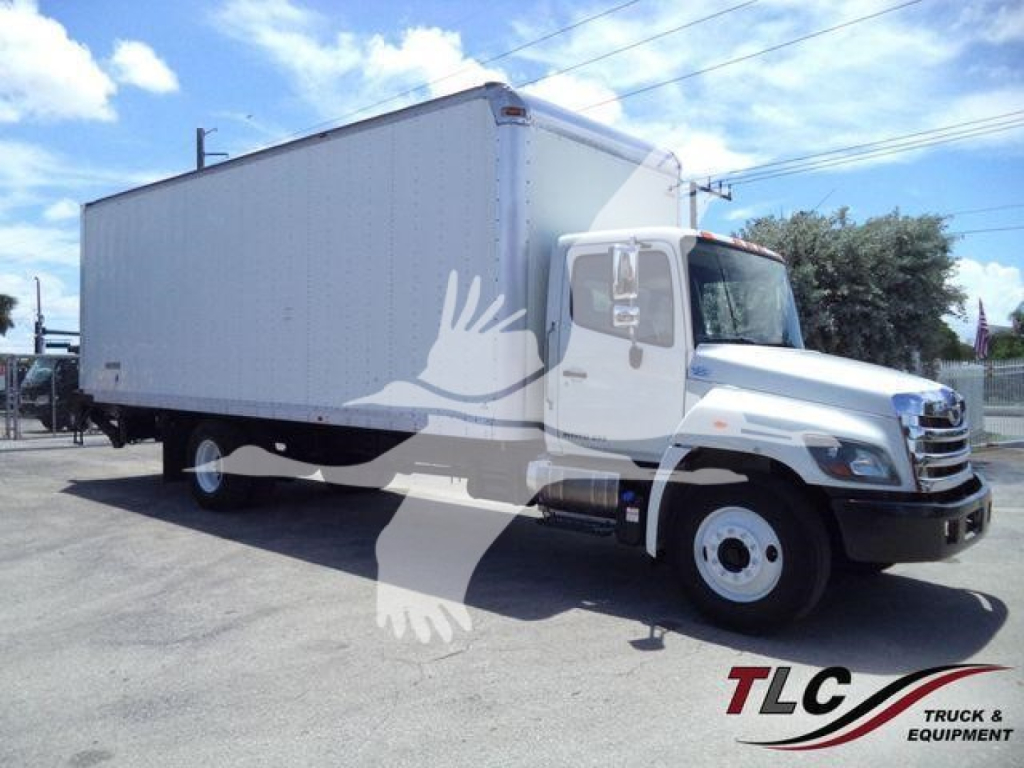
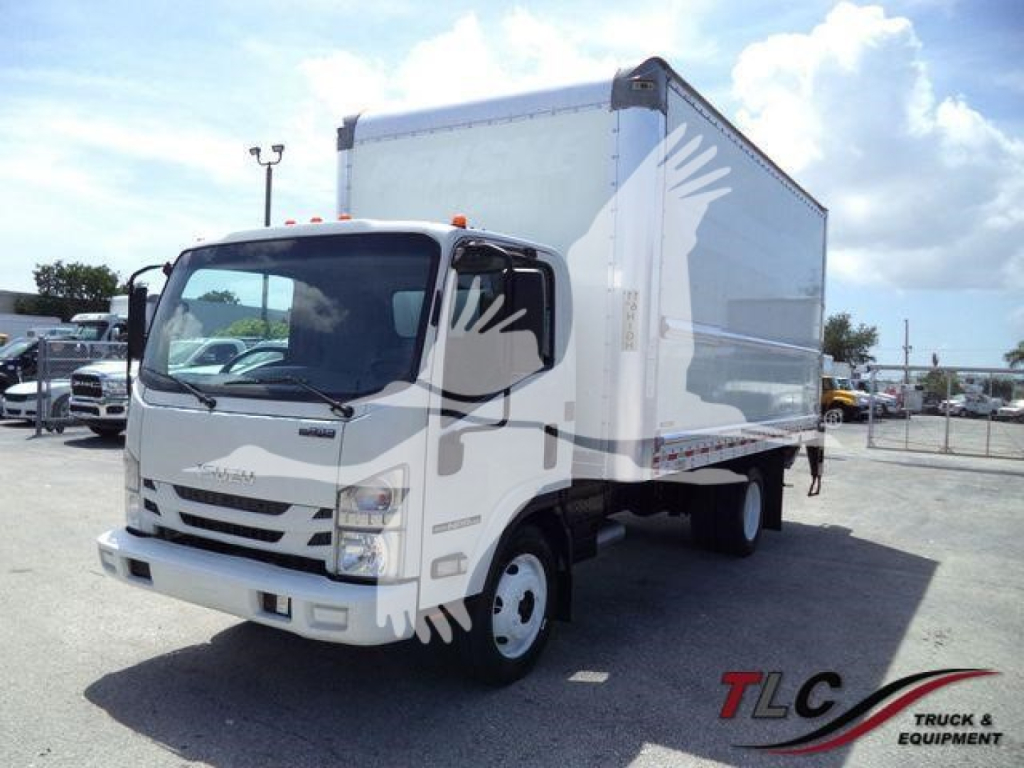
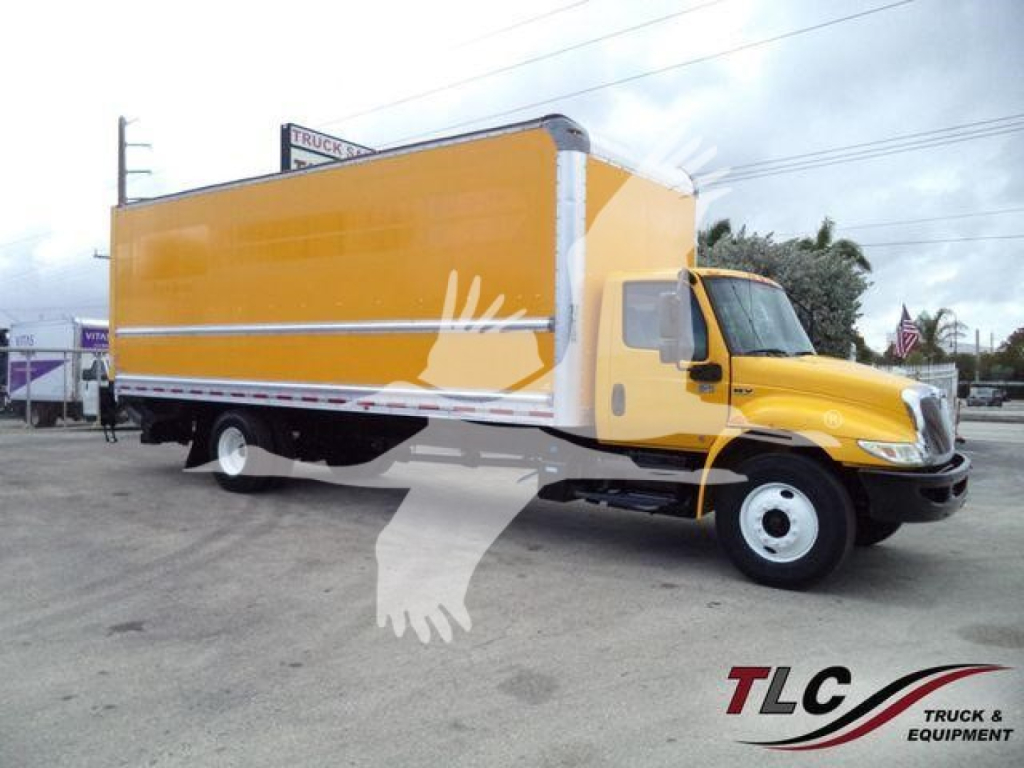
Many 2020 box trucks in this class were built on Isuzu NPR HD, Freightliner M2 106, and similar medium-duty platforms with automatic transmissions and either gas or diesel power. Gas cabover trucks are popular for shorter urban routes, simpler maintenance profiles, and lower entry cost. Diesel chassis are still common when buyers need stronger torque, heavier payload capability, or longer daily mileage. Pay close attention to the body spec, not just the chassis badge. Interior box height, body width, door opening, floor condition, E-track layout, and roof integrity matter as much as engine choice if the truck is going to earn every day. A 16-foot body with a tuck-under liftgate works well for local delivery and tighter streets, while a 24-foot or 26-foot dry van body is better suited for moving, palletized freight, and route work with higher cube demands.
Florida buyers should look closely at corrosion, body sealing, and cooling-system performance. A box truck may live in a warm climate, but coastal exposure, humidity, and stop-and-go duty can be hard on roll-up doors, liftgate wiring, aluminum and steel body components, and cab A/C systems. Liftgate capacity is another major separator in this category. Many 2020 units carry 2,000-pound to 3,000-pound tuck-under liftgates, which can determine how useful the truck is for appliances, beverages, medical freight, or any operation without a dock at every stop. If the truck is being used for furniture or parcel work, check for scuff liners, tiedown rails, wood slat or E-track systems, and rear step access. If uptime matters, look at tire size, brake type, and parts support for the chassis brand in your service area.
A good 2020 box truck purchase comes down to matching the wheelbase, body length, GVWR, and liftgate to the actual route. Under-26,000-pound setups are often preferred because they can simplify hiring and routing, but they still need enough legal payload after body weight and equipment are accounted for. Buyers comparing listings should verify axle ratings, transmission model, fuel type, cargo body manufacturer, and any signs of prior rental or high-stop fleet use. When the specifications line up, a 2020 box truck can be a strong fit for delivery fleets, independent movers, and businesses that need enclosed cargo capacity with better maneuverability than a tractor-trailer.
Frequently Asked Questions about 2020 Box Trucks in Florida
What should I check first on a 2020 box truck?
Start with GVWR, box length, and liftgate capacity because those three items determine what the truck can legally carry and how useful it will be on your route. After that, verify fuel type, axle ratings, wheelbase, and transmission model. On the body, inspect the floor, front wall, roof, roll-up door, seals, and tiedown system. A clean chassis with the wrong body spec can be a poor fit, while the right body setup often adds more real-world value than a small difference in engine output.
Is a gas or diesel 2020 box truck better for Florida delivery work?
It depends on the duty cycle. Gas box trucks are common in local delivery, moving, and city route work because they usually cost less up front and can be a practical match for lower annual mileage. Diesel box trucks tend to make more sense when the truck runs heavier, travels longer distances, or needs stronger low-end torque on a regular basis. In Florida, where many routes involve frequent stops, idle time, and urban traffic, the better choice is usually the one that best matches your payload and maintenance plan rather than a blanket preference for one fuel type.
What box length is most common on a 2020 box truck?
Common lengths include 14, 16, 20, 24, and 26 feet. A 14-foot or 16-foot box truck is easier to maneuver in tight delivery areas and often fits lighter-duty service, retail delivery, and contractor use. A 24-foot or 26-foot box truck gives you more cargo cube for moving and route distribution, but it also changes turning radius, parking convenience, and total empty weight. The right length depends on the freight profile, stop density, and whether the operation is limited more by cube or by payload.
Do most 2020 box trucks come with a liftgate?
Many do, but not all, and capacity varies enough that it should never be assumed. In this market, 2,000-pound to 3,000-pound tuck-under liftgates are common. The correct liftgate depends on the freight and the stop environment. A truck delivering palletized freight to locations without docks may need a stronger gate and good platform dimensions, while parcel or furniture work may place more importance on quick cycling, rear access, and platform stability. Always confirm the gate brand, rated capacity, operating condition, and whether it folds or stores in a way that fits your loading process.
Is a 26,000-pound GVWR box truck important for licensing?
Yes. Many buyers target box trucks at or under 26,000 pounds GVWR because that threshold can simplify driver qualification in many operations by avoiding CDL requirements for the truck alone. That does not mean every under-26,000-pound truck has the same usable payload. Body weight, liftgate weight, fuel type, and chassis spec all reduce remaining legal capacity. The smart move is to compare GVWR against actual empty weight and expected cargo so the truck works on paper and on the road.