
2020 Box Trucks For Sale
Shop 2020 box trucks with common specs, GVWR ranges, body lengths, liftgate options, and delivery-ready features for local freight work.

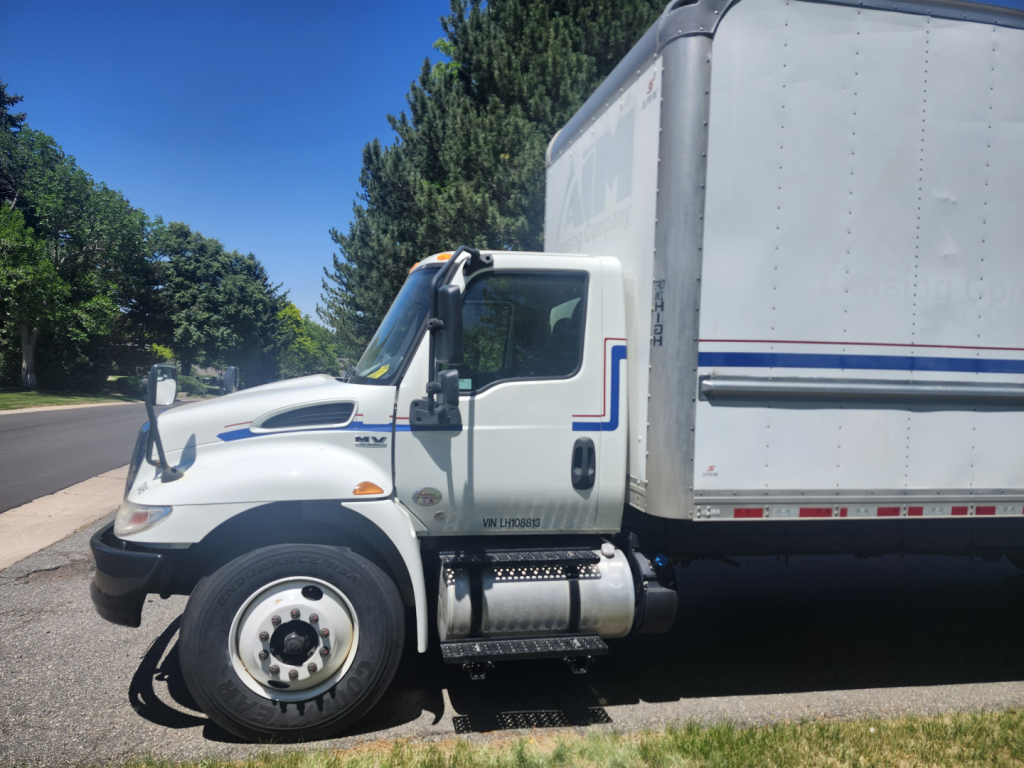
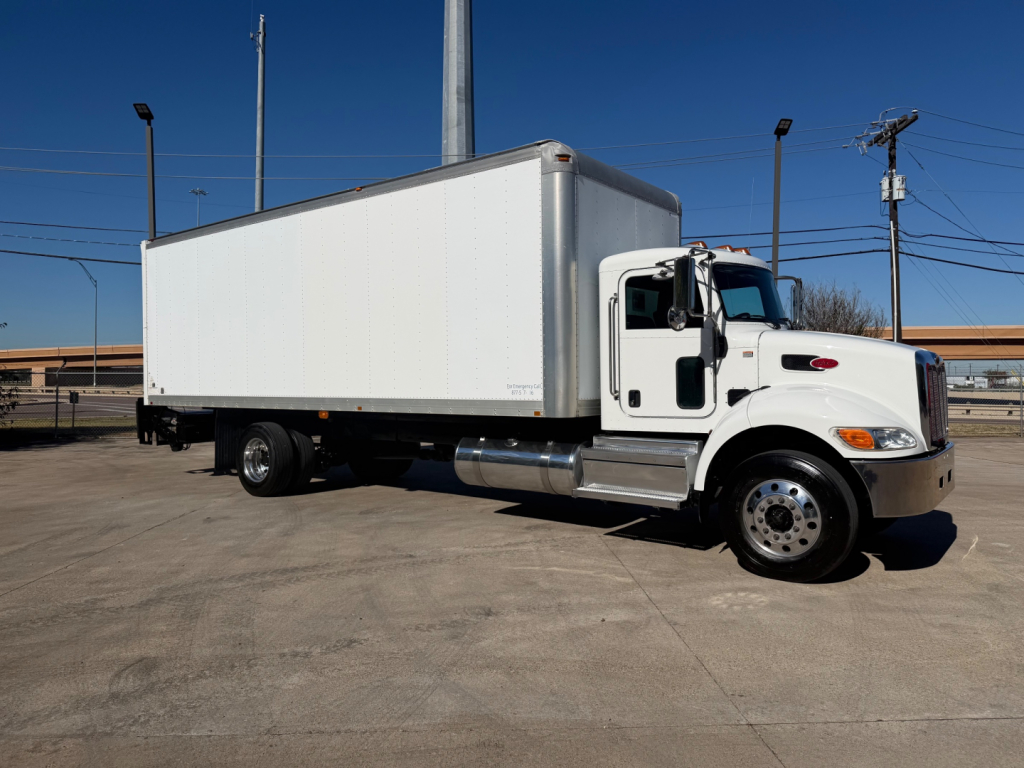
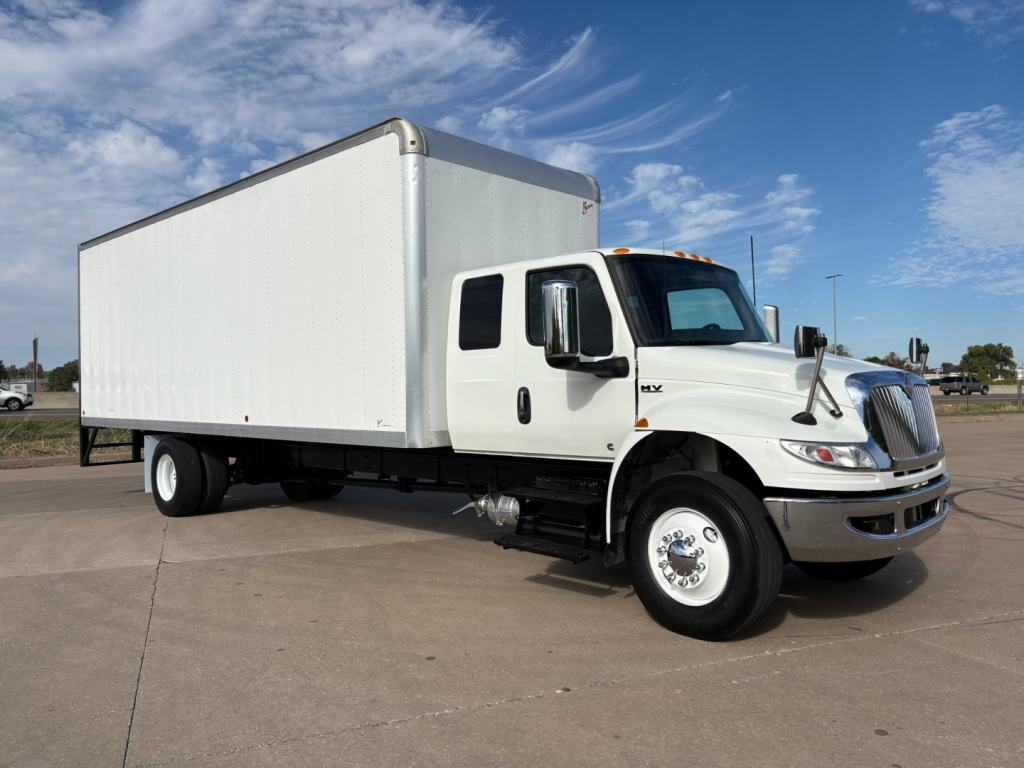
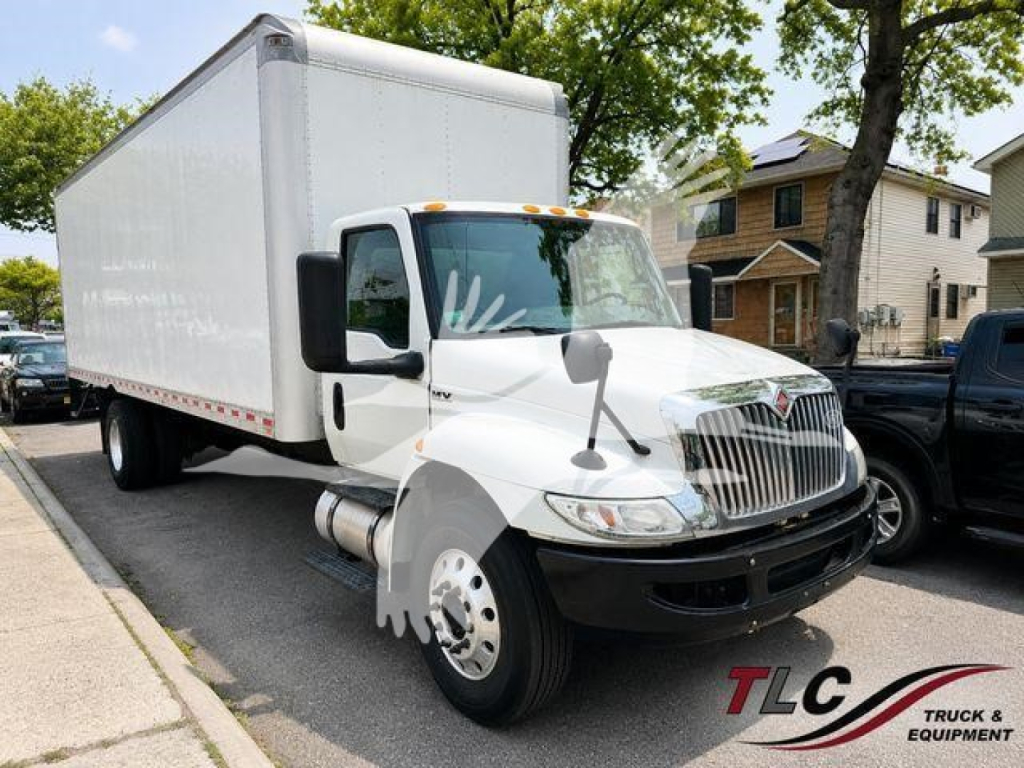
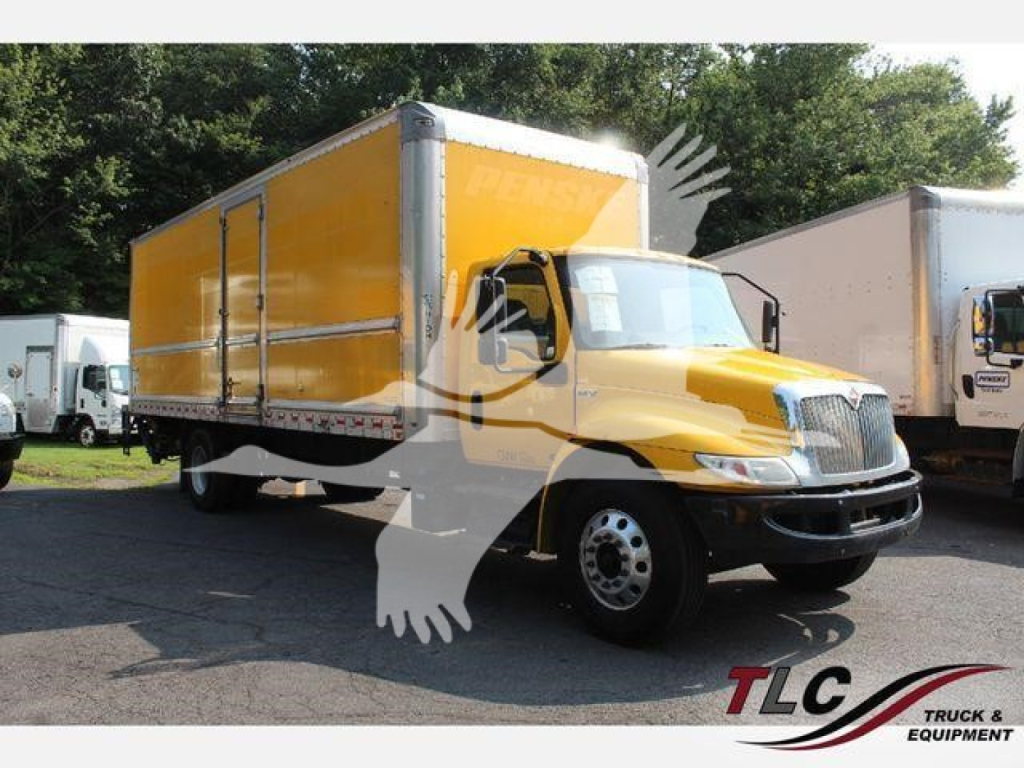
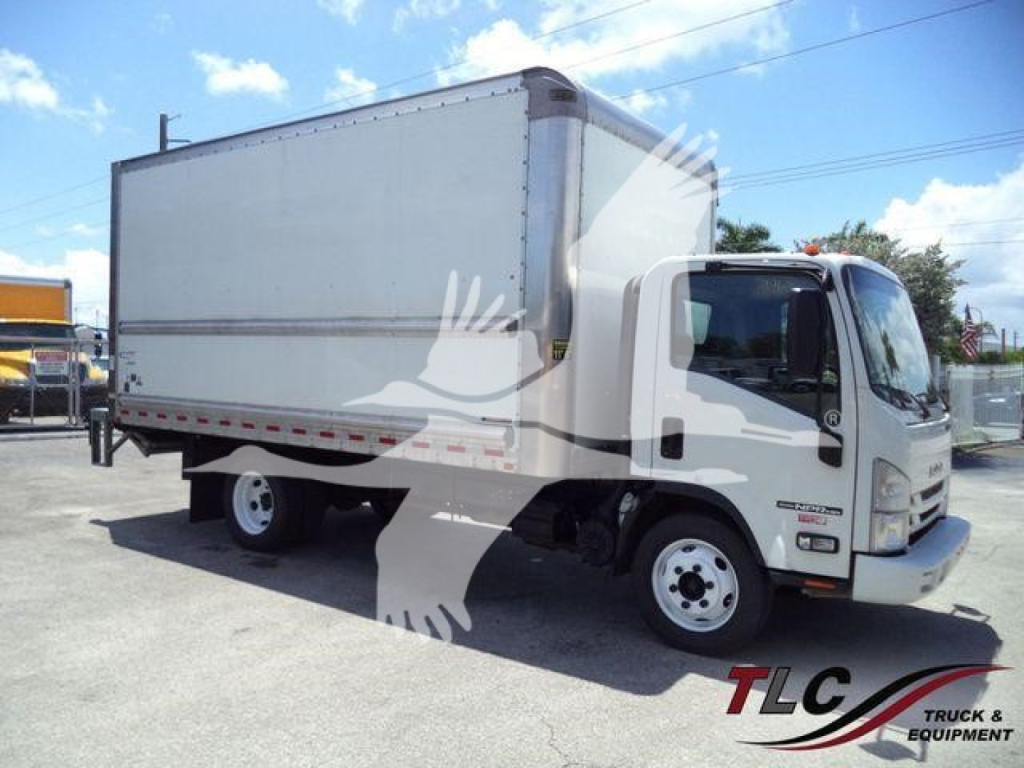
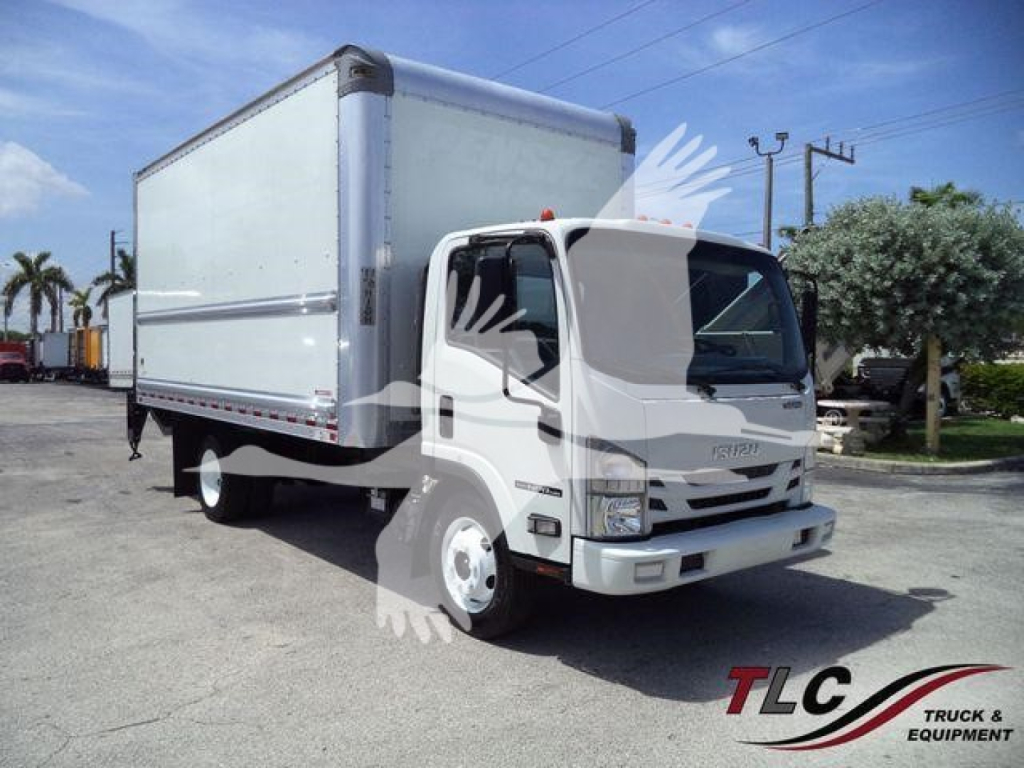
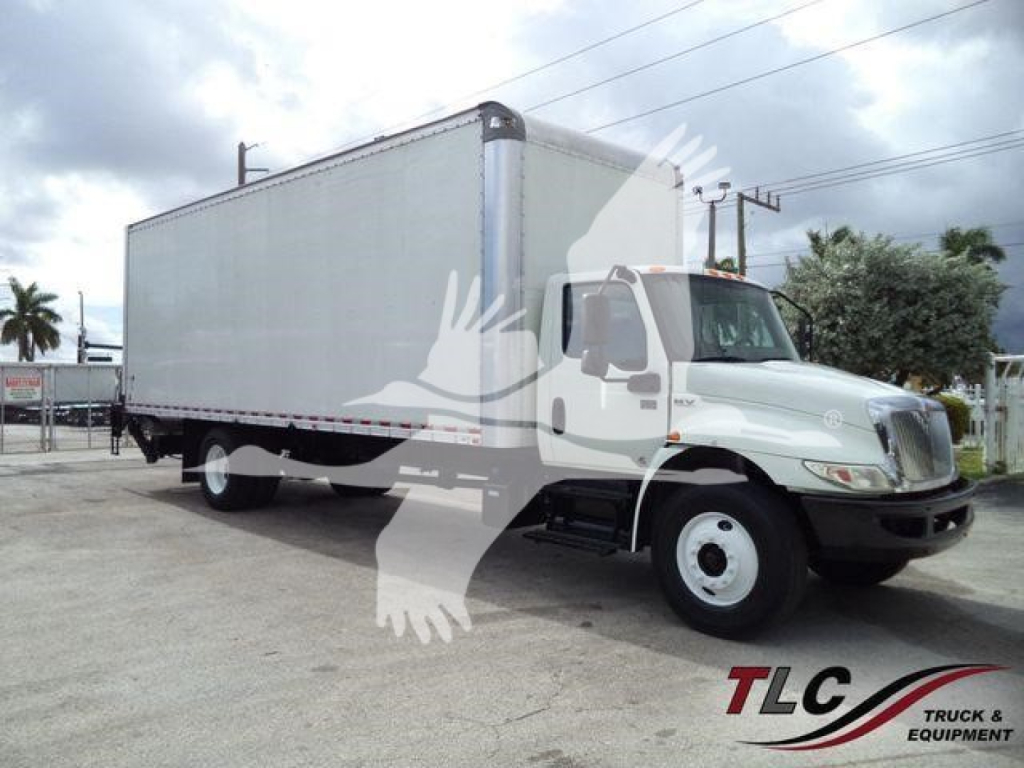
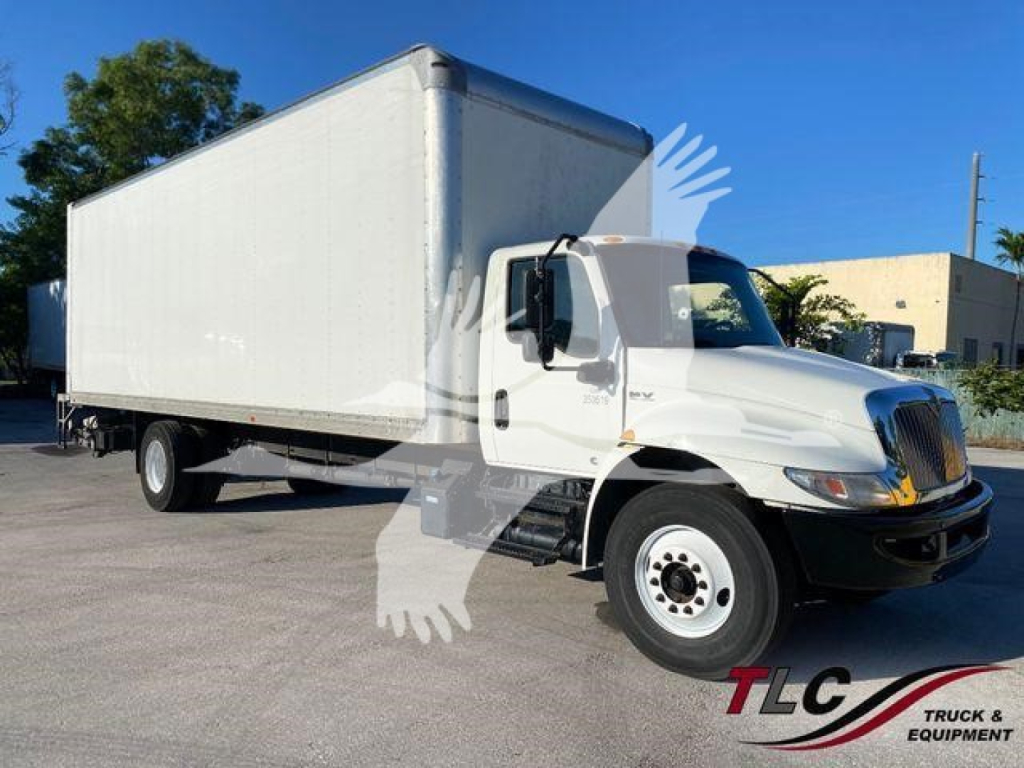
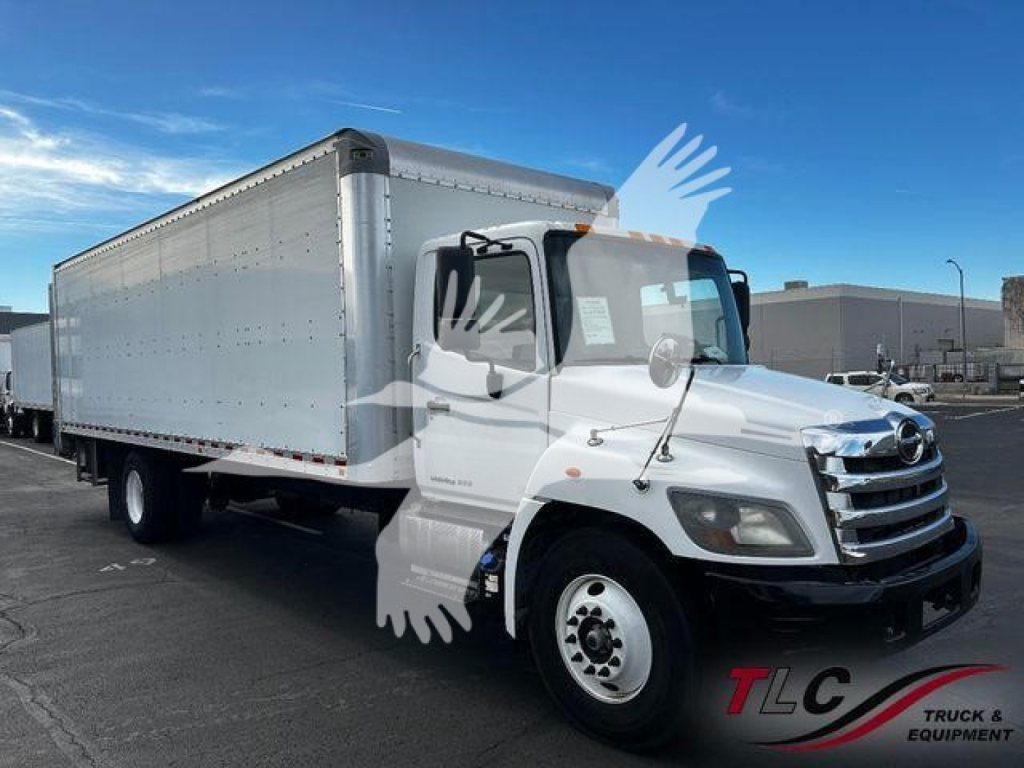
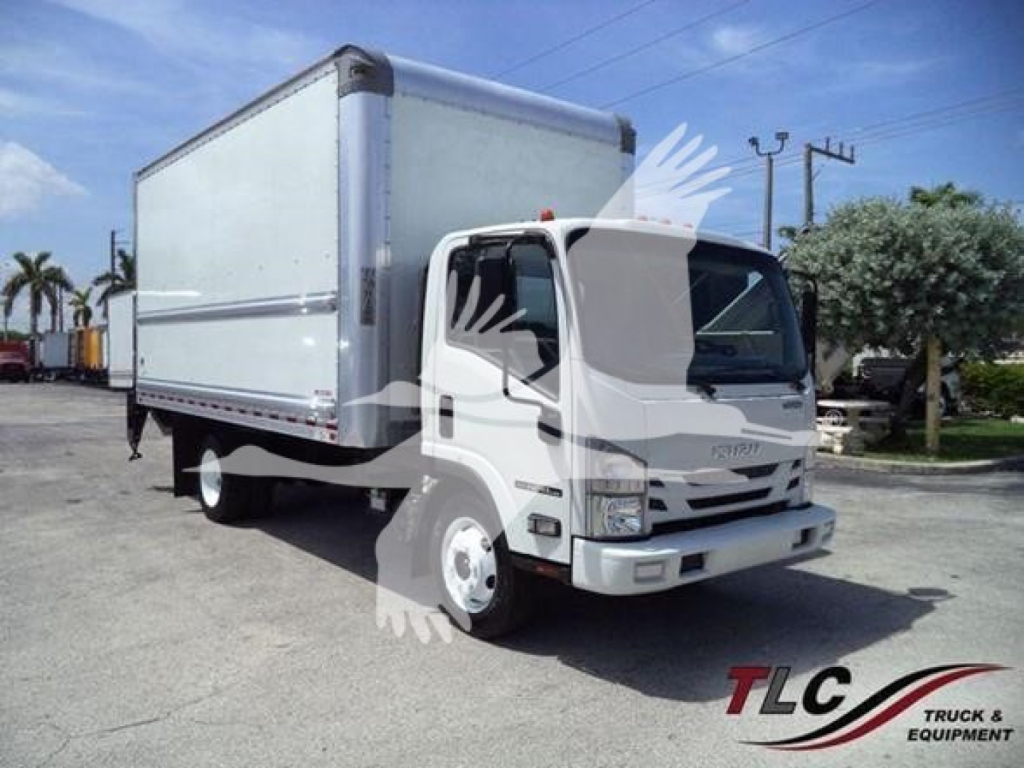
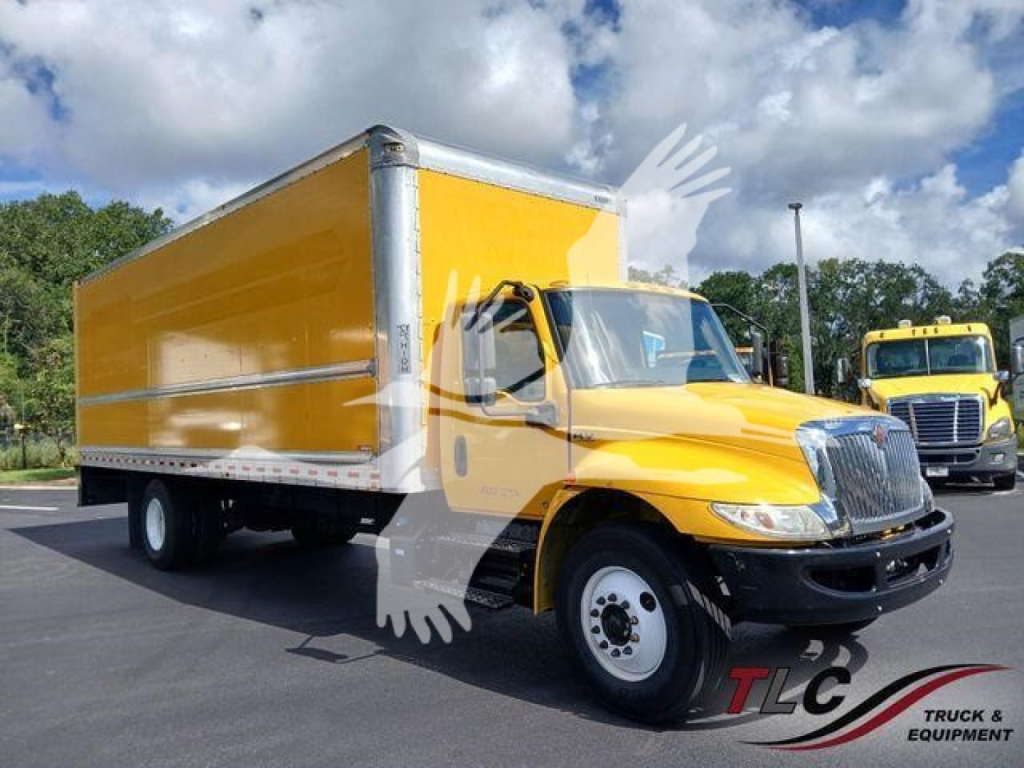
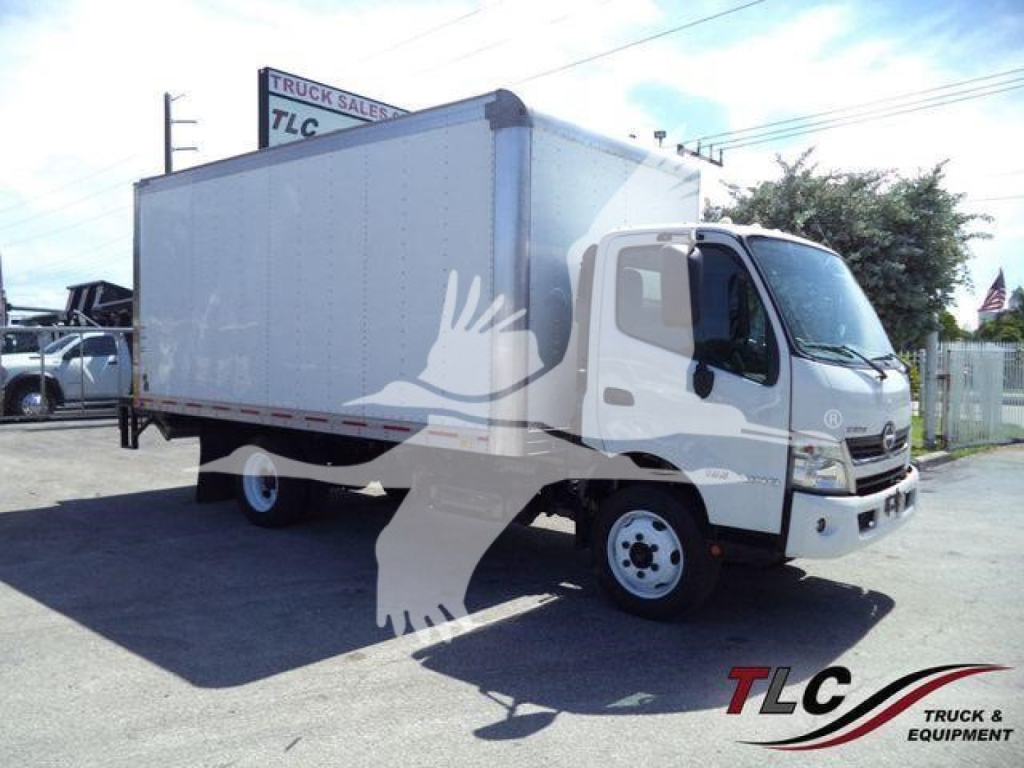
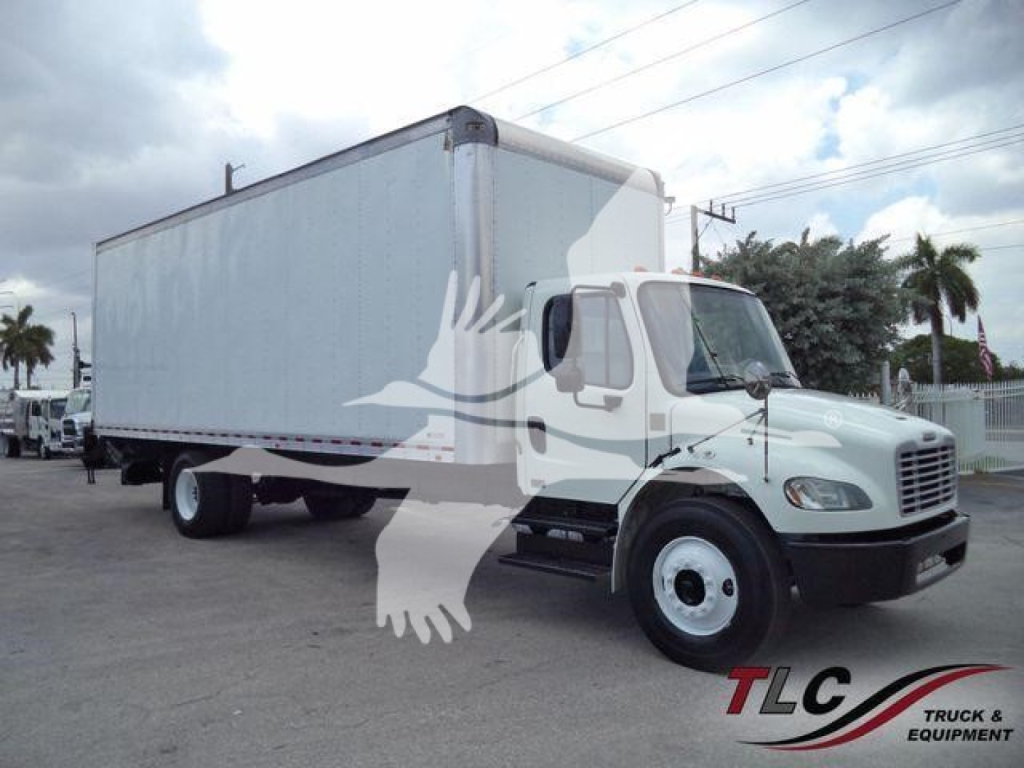
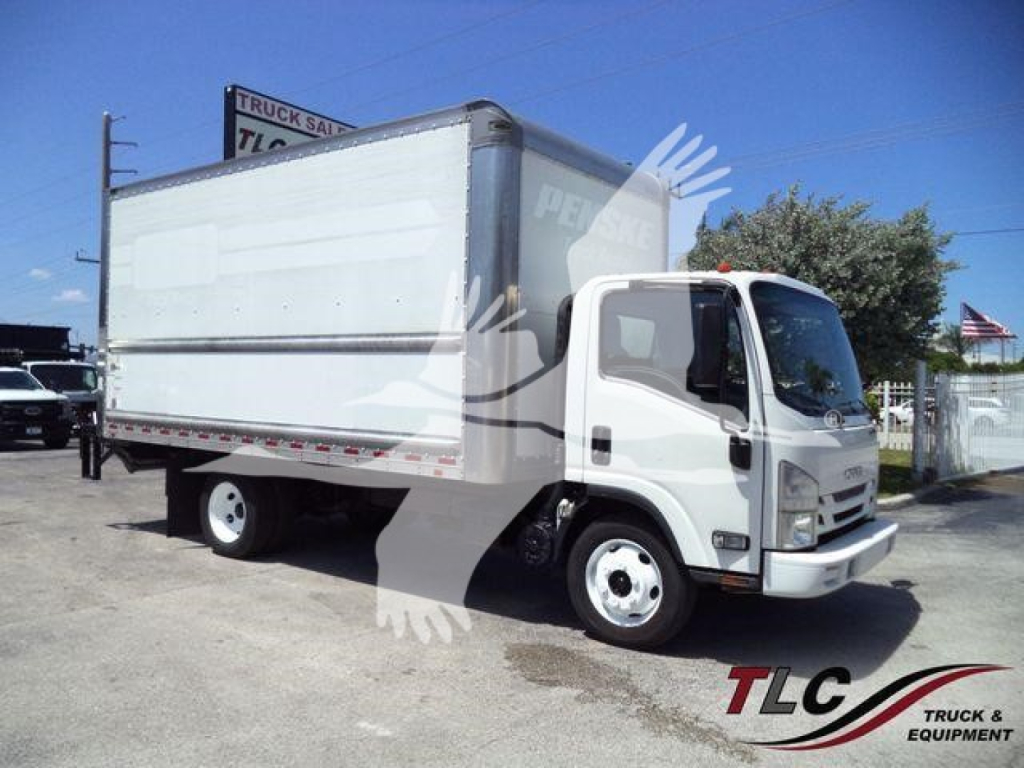
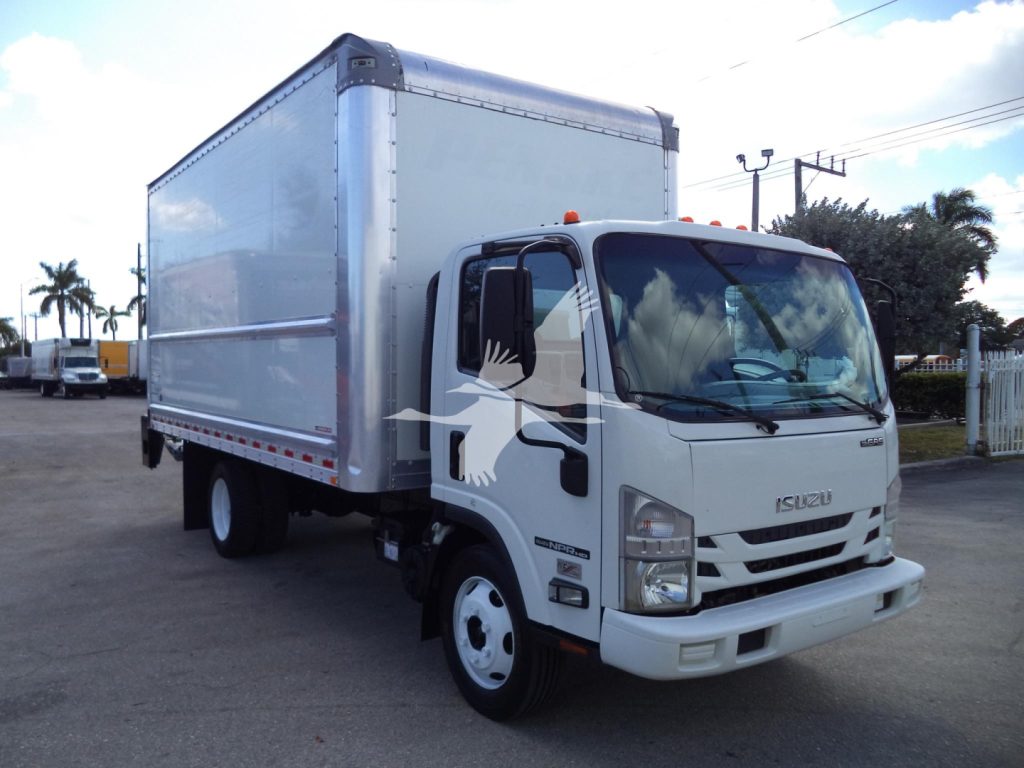

Selling a 2020 box truck? List your 2020 box truck for sale and reach thousands of commercial buyers.
2020 Box Trucks
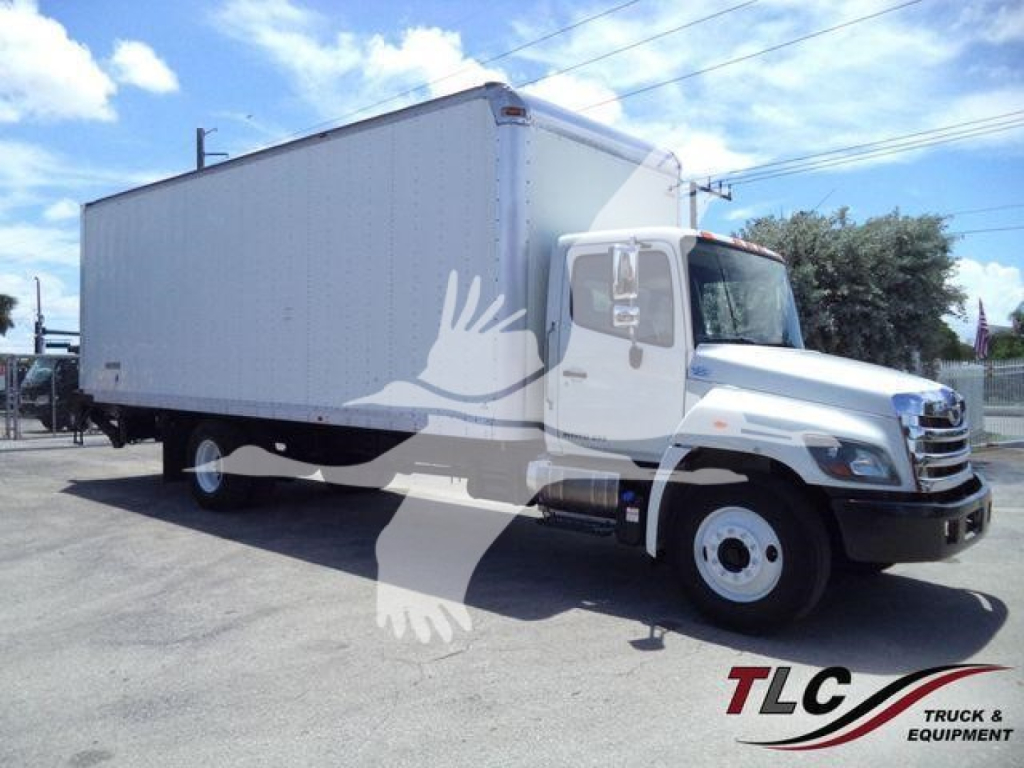
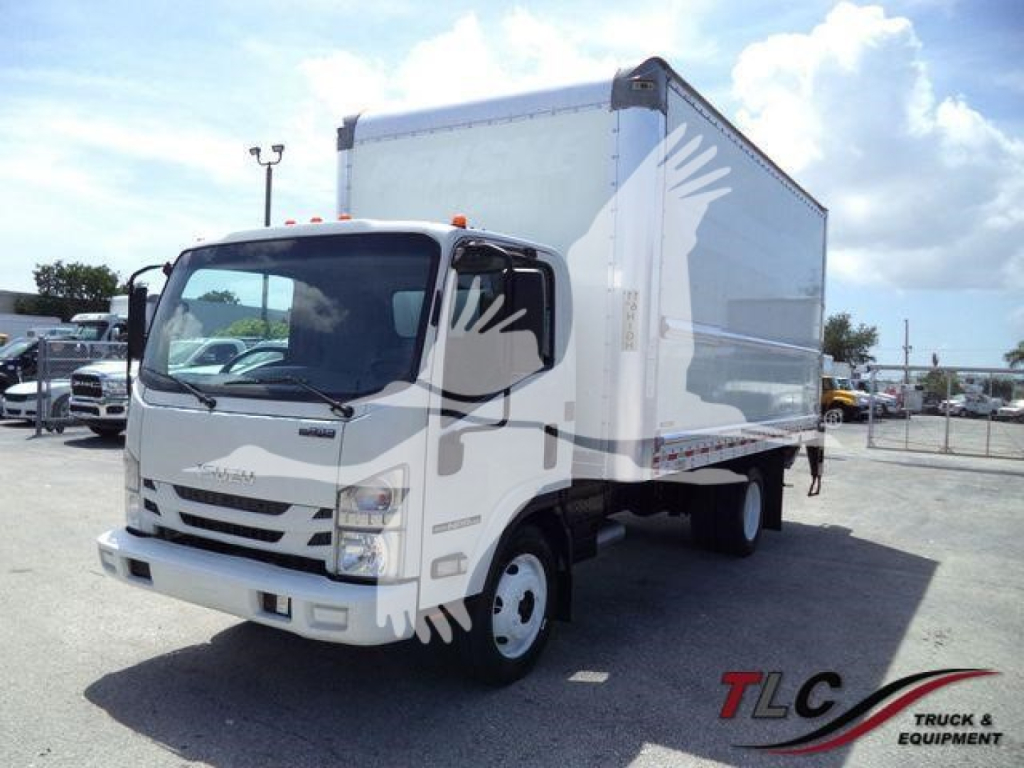
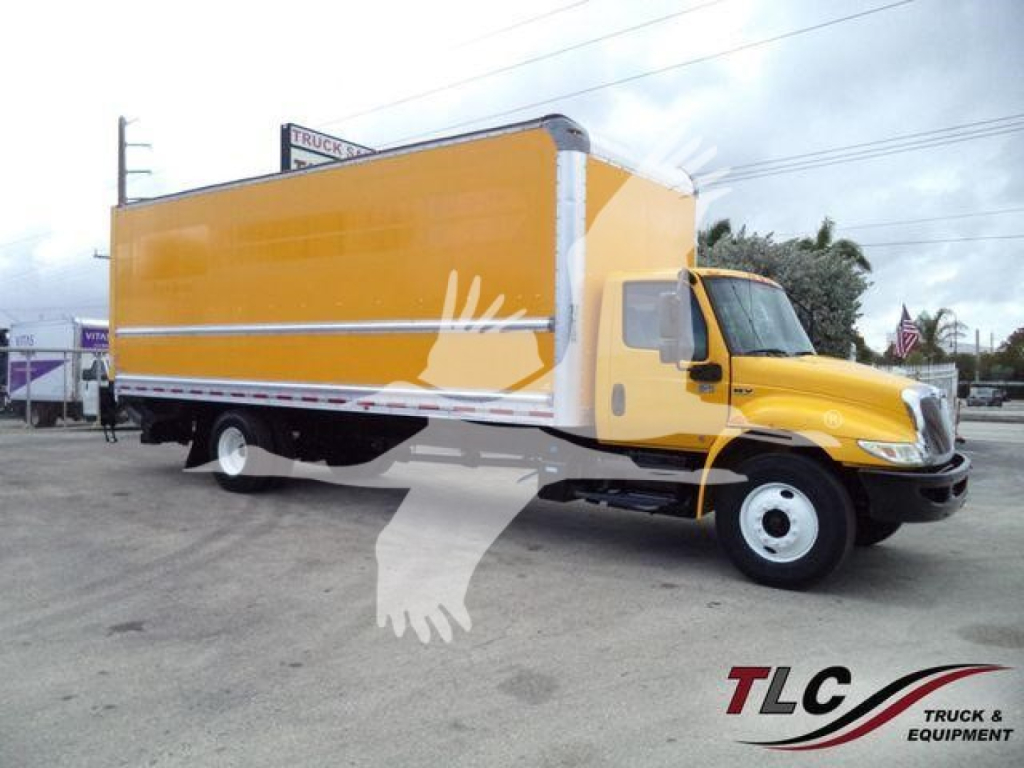
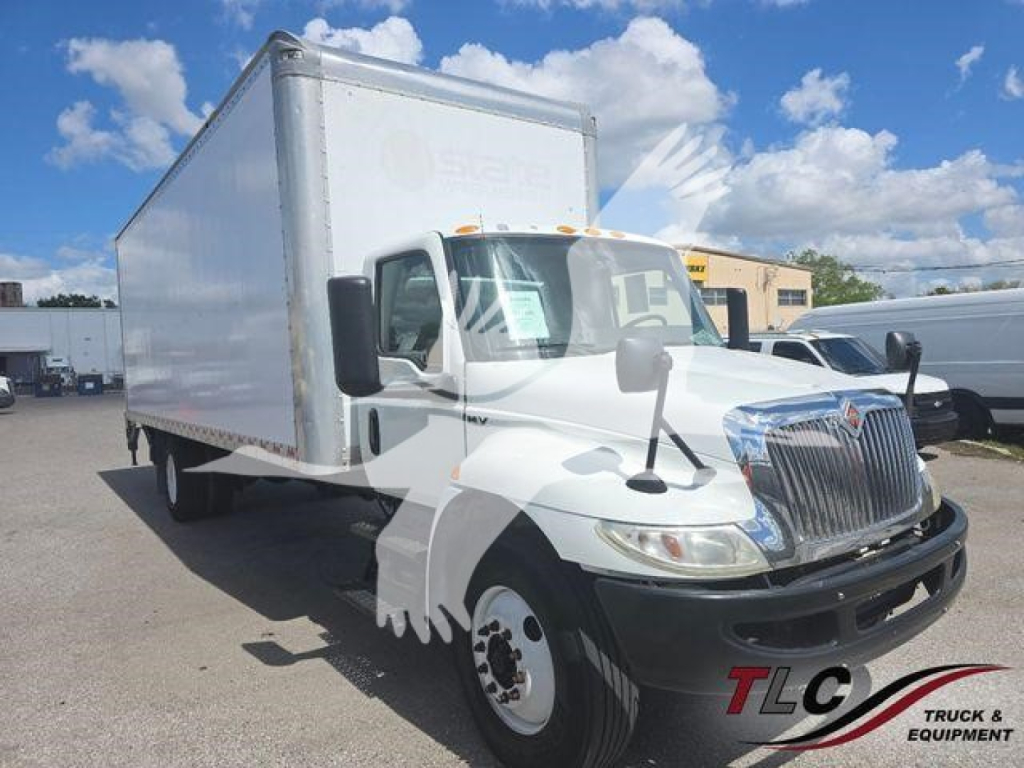
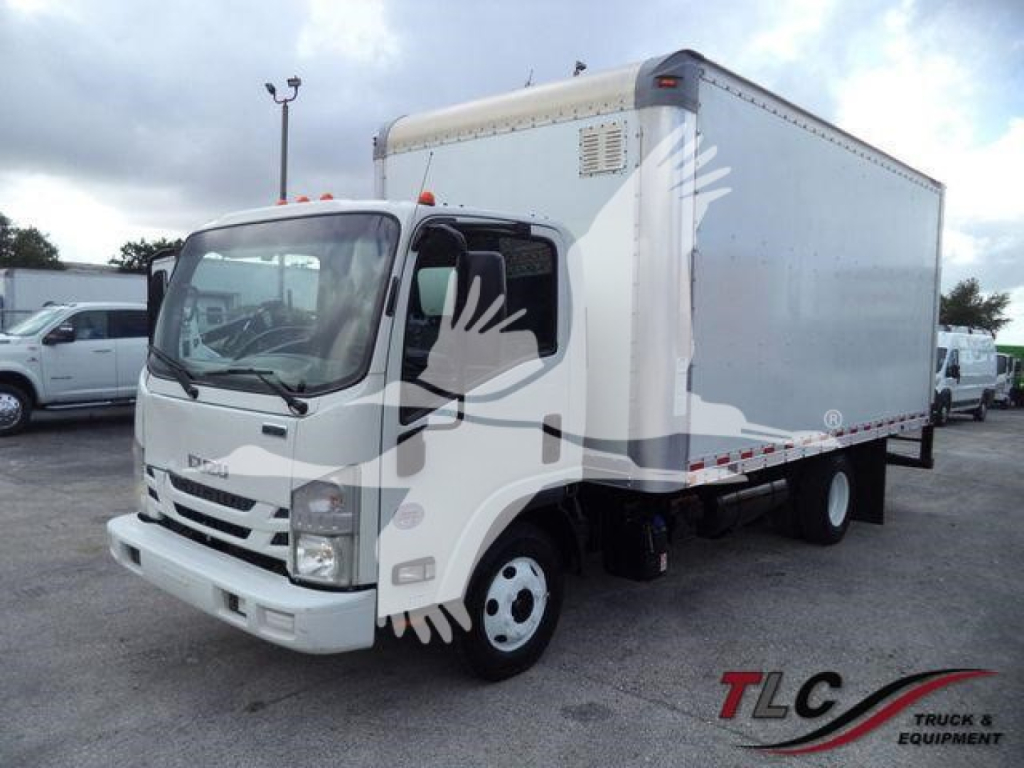
On 2020 models, common chassis include the Freightliner M2 106, International MV or 4300-series successors, Hino conventional models, Ford F-650, Chevrolet Silverado MD, and Mack medium-duty platforms. Diesel engines in this segment often include Cummins B6.7 or comparable medium-duty powerplants paired with Allison automatic transmissions. That combination is popular for a reason: predictable serviceability, easy driver onboarding, and good performance in stop-and-go operation. Air brakes, spring or air suspension, 22.5-inch rubber, and aluminum fuel tanks are all common depending on spec. If the truck will spend most of its time in urban delivery, turning radius, step-in height, cab visibility, and door access matter just as much as horsepower.
Body spec is where a 2020 box truck either fits the work or creates daily headaches. Morgan, Supreme, Kidron, Johnson, and similar dry freight bodies are common in this year range. Pay close attention to inside height, door opening dimensions, floor condition, E-track placement, scuff liners, and roof integrity. A liftgate can be essential for routes without docks, and buyers should verify platform size, weight rating, and whether the gate style matches the freight. Roll-up rear doors are standard on many box trucks, but swing doors can make more sense for forklift loading at certain docks. Side doors, pull-out ramps, translucent roofs, and cargo lighting can also affect productivity more than many buyers expect.
The best 2020 box truck is usually the one with the right body length, payload capacity, and route-friendly spec for the freight being moved. Mileage and engine hours matter, but so do maintenance history, DOT inspection status, tire condition, brake wear, and signs of water intrusion or body repair. For reefer buyers, moving companies, furniture delivery fleets, and parcel contractors, the same basic rule applies: match chassis capacity to real-world cargo weight, and match body equipment to how freight is loaded and unloaded every day. A well-spec'd 2020 box truck can still offer a practical balance of emissions-era equipment, driver comfort, and operating efficiency for regional and city work.
Frequently Asked Questions about 2020 Box Trucks
What GVWR should I look for in a 2020 box truck?
GVWR depends on payload, body length, and whether you need to stay non-CDL. A 25,950-lb GVWR box truck is a common choice because it can support a 24-foot or 26-foot body while remaining under the standard CDL threshold in many applications. If freight is heavy, routes include liftgate deliveries, or pallet counts are consistently high, a higher Class 6 or Class 7 rating may be a better fit. Buyers should compare actual empty weight, body weight, and expected cargo weight instead of relying on body length alone.
Is a 26-foot 2020 box truck usually non-CDL?
A 26-foot body can be non-CDL, but body length does not determine CDL status by itself. The key number is gross vehicle weight rating. Many 26-foot box trucks are spec'd at 25,950 lbs GVWR specifically to stay under the CDL threshold, but others are rated higher and require a CDL depending on local and federal rules. Always verify the door sticker and chassis rating before assuming a truck is non-CDL.
What engines and transmissions are common in 2020 box trucks?
Many 2020 box trucks in the medium-duty market use diesel engines such as the Cummins B6.7 paired with an Allison automatic transmission. That setup is common on Freightliner, International, Mack, and other chassis because it performs well in stop-and-go delivery service and is familiar to many service networks. Some lighter-duty models may use smaller diesel engines or gas engines depending on GVWR and intended use. Buyers should also confirm rear axle ratio, brake type, and suspension setup because those specs affect route performance just as much as engine make.
What should I inspect on the box body of a 2020 box truck?
The body deserves as much attention as the chassis. Check the floor for soft spots, patchwork, or forklift damage. Inspect the roof and front wall for leaks, the corners and rails for impact repairs, and the roll-up door for smooth operation and seal condition. Look at E-track, scuff liners, cargo lighting, and door opening height to make sure the interior matches your freight. If the truck has a liftgate, confirm its rated capacity, platform condition, hydraulic function, and whether it is appropriate for palletized freight, appliances, or hand-unload work.
How many miles is acceptable on a used 2020 box truck?
Mileage should be evaluated with service records, engine hours, and the type of work the truck performed. A 2020 box truck with higher mileage from steady highway or regional work may be a better buy than a lower-mile truck that spent its life in severe stop-and-go delivery. Medium-duty diesels can remain productive well past 200,000 miles when maintenance is consistent. Brake life, tire wear, suspension condition, emission system history, and body condition often tell more about remaining value than odometer reading alone.