
2020 Isuzu Box Trucks For Sale
Browse 2020 Isuzu box trucks with diesel or gas power, low-cab-forward visibility, and body options suited for delivery, moving, and dry freight.
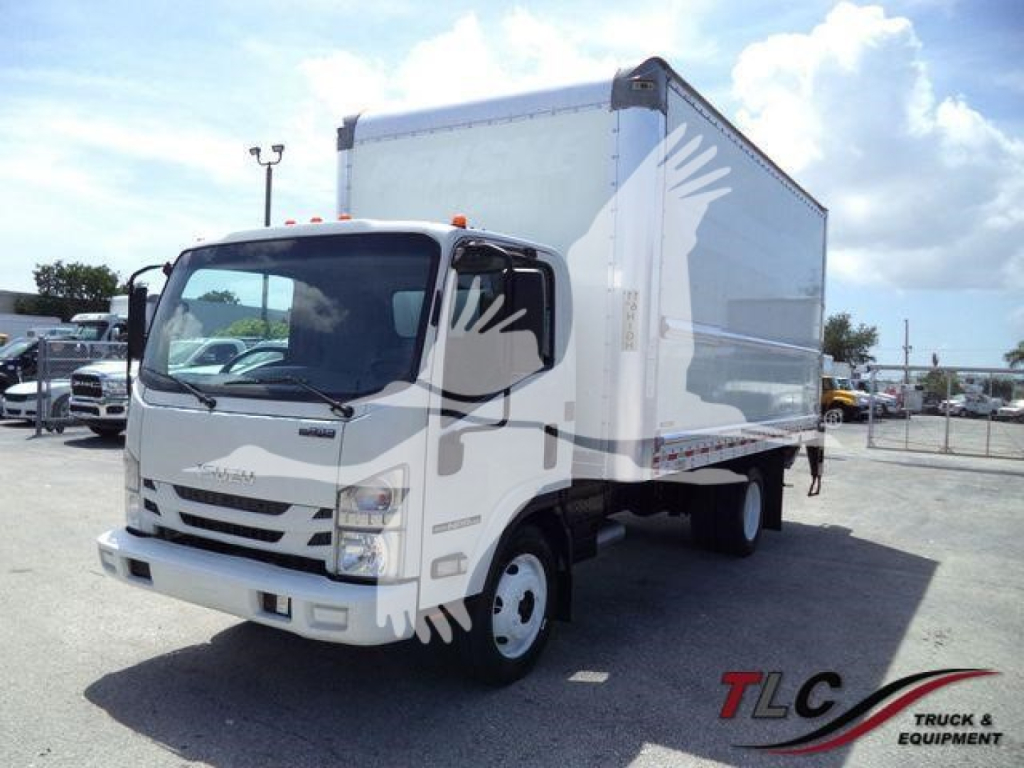
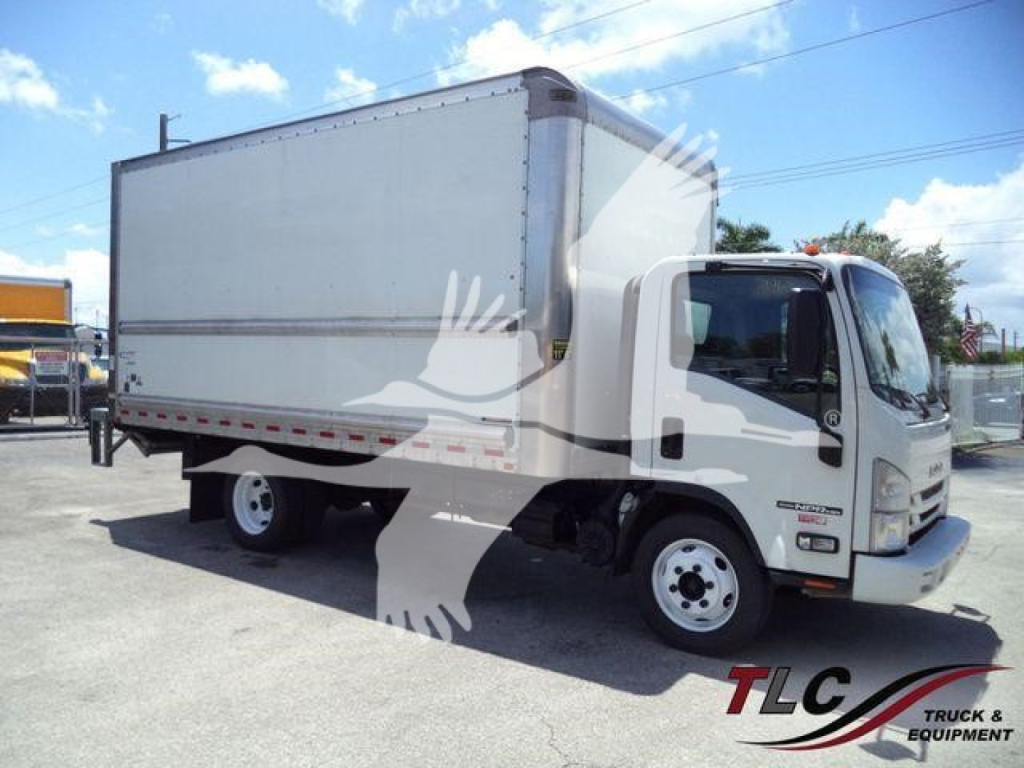
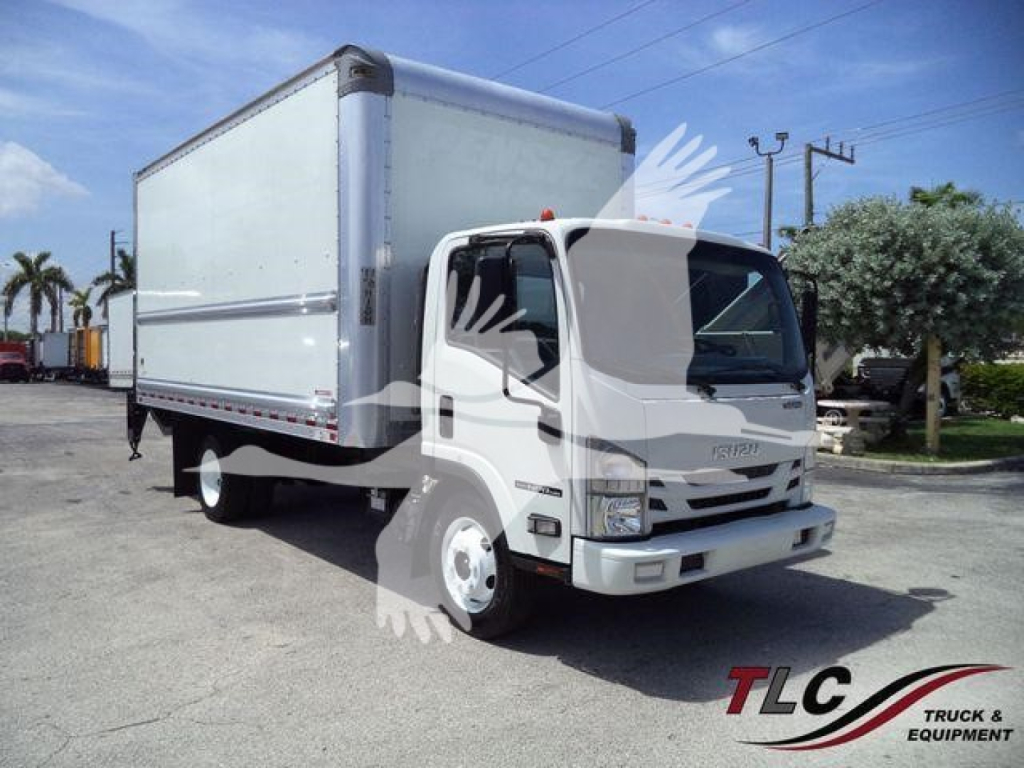
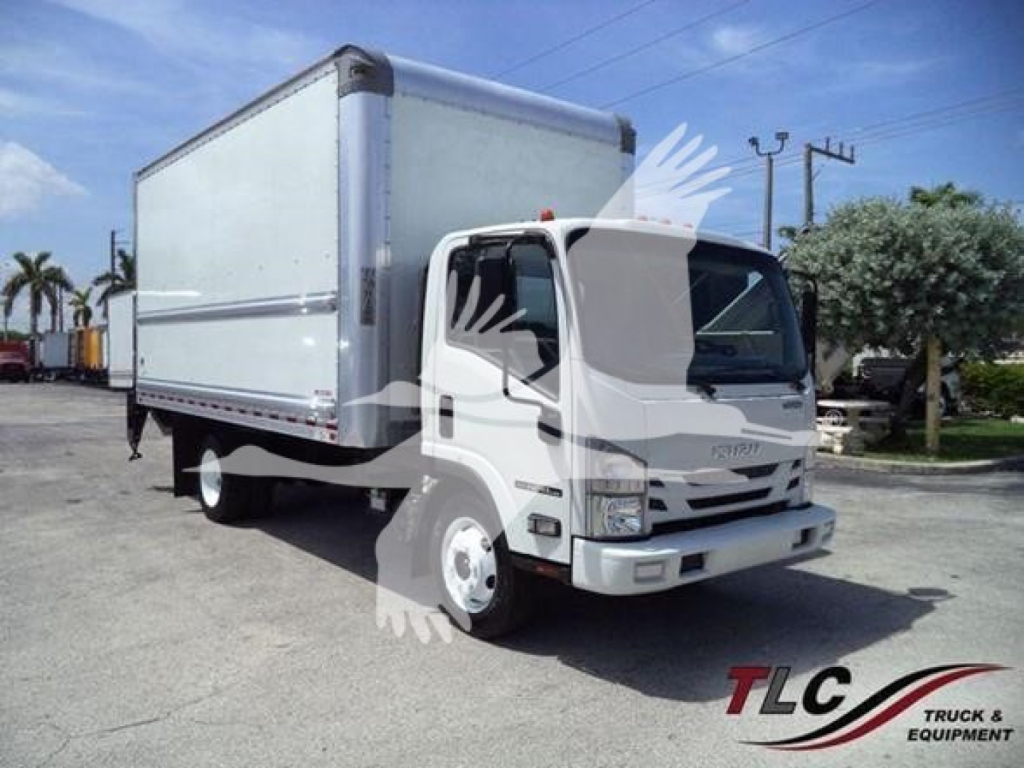
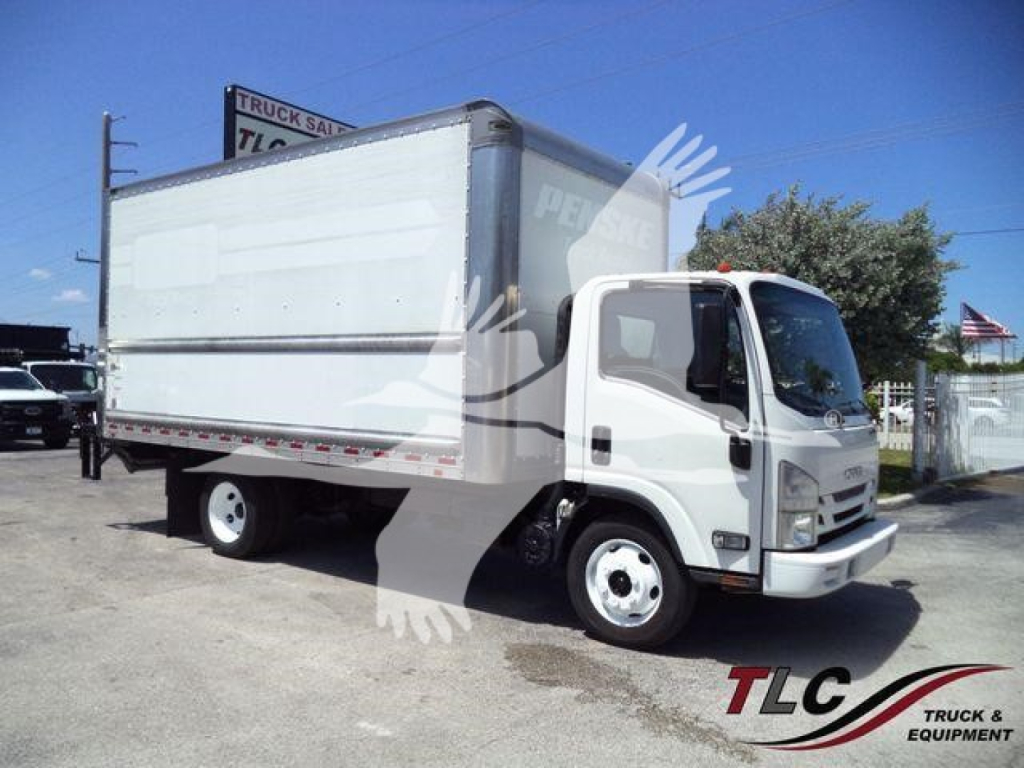
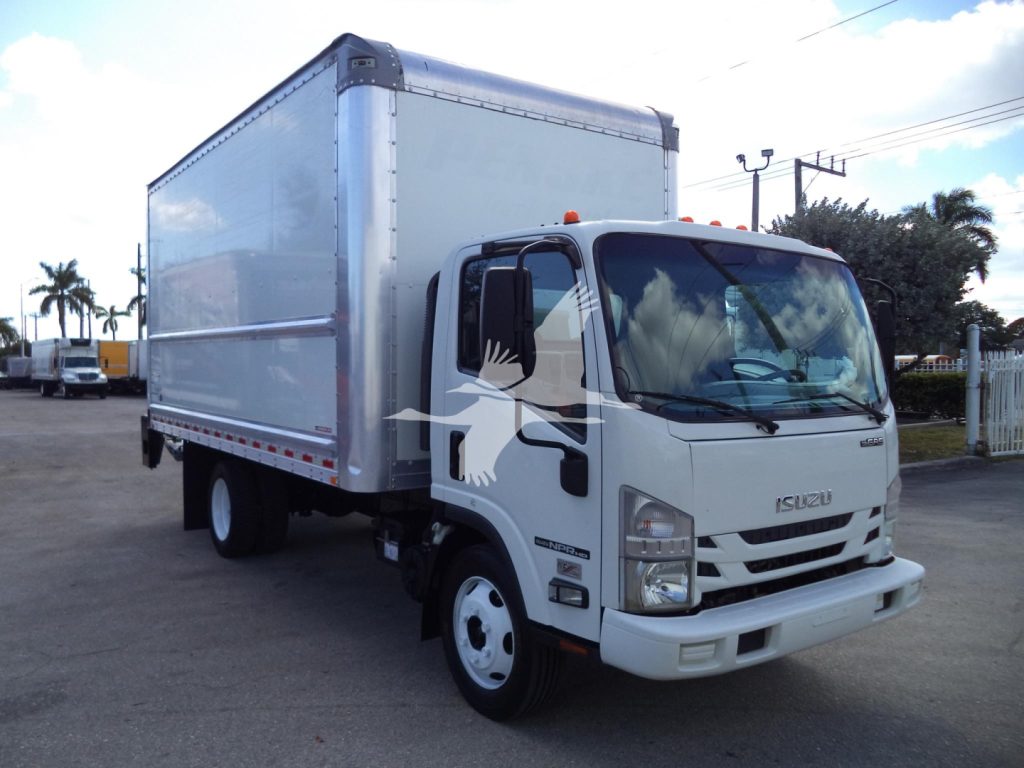
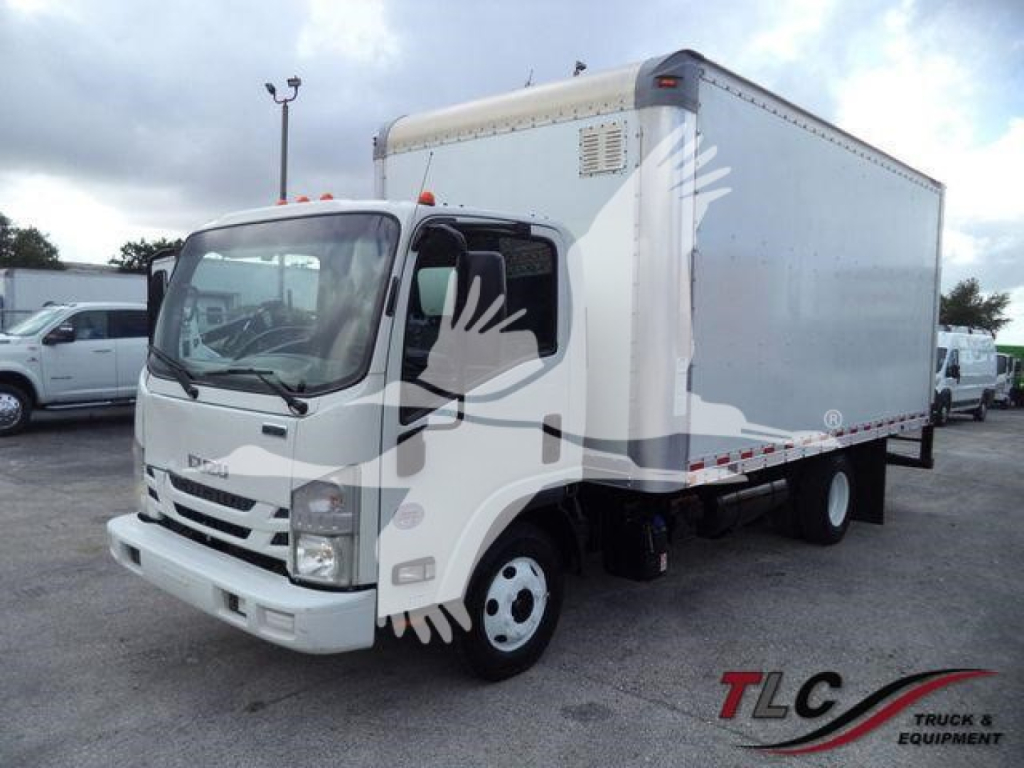
Selling a 2020 isuzu box truck? List your 2020 isuzu box truck for sale and reach thousands of commercial buyers.
2020 Isuzu Box Trucks
The first buying decision is usually GVWR and powertrain. Lighter 2020 Isuzu box trucks often fall into NPR or NPR-HD territory, commonly set up with 14,500-lb class ratings and 16-foot to 20-foot bodies. Step up to NQR or FTR models and you start seeing more payload capacity, longer wheelbases, and bodies in the 20-foot to 24-foot range. Depending on configuration, a 2020 Isuzu box truck may carry a diesel engine such as the 4HK1-TC or a gas V8 on certain NPR-HD applications. Diesel units are often favored for torque delivery, fuel economy under steady route work, and longer-term durability in higher-mileage service. Gas units can make sense for lower annual miles, simpler acquisition cost, and fleets standardized around gasoline maintenance.
Body spec is just as important as chassis spec. Buyers should pay close attention to box length, inside height, door opening dimensions, floor material, and whether the body has E-track, scuff liners, translucent roof panels, or a side door. Liftgates are common on 2020 Isuzu dry vans, with tuck-under designs frequently rated around 2,000 to 2,500 pounds for palletized freight, foodservice equipment, or retail deliveries. Roll-up rear doors are the norm, but the exact opening height still affects dock compatibility and hand-unload efficiency. Wheelbase, cab-to-axle, and body builder details also matter because they determine weight distribution, turning radius, and how well the truck fits your route profile.
A strong 2020 Isuzu box truck candidate should be evaluated like a working revenue asset, not just a cab and box. Check brake type, rear axle ratio, tire size, suspension rating, and service history. On diesel trucks, confirm emissions system health, DEF system operation, and any history of downtime related to aftertreatment components. On higher-mileage route trucks, inspect the box structure for floor wear, front wall damage, roof leaks, and liftgate condition as closely as you inspect the engine and transmission. Isuzu remains a common choice in the box truck market because parts support, driver familiarity, and route-friendly packaging are well established, but the right unit still comes down to matching the chassis class and upfit to the actual freight, cube, and stop count you run every day.
Frequently Asked Questions about 2020 Isuzu Box Trucks
What is the most important thing to compare on a 2020 Isuzu box truck?
GVWR, body length, and powertrain should be compared first because they determine if the truck can legally and efficiently handle your freight. A 14,500-lb GVWR NPR-HD with a 16-foot body fits different work than an NQR or FTR with a longer wheelbase and more payload. After that, review liftgate capacity, door openings, box height, and service history. A truck that matches your route and loading method will usually outperform a larger truck that carries unused capacity.
Are 2020 Isuzu box trucks good for city delivery routes?
Yes. The low-cab-forward design is one of the main reasons buyers choose Isuzu for city and suburban delivery. It gives the driver better visibility, a tighter overall package for the same cargo body length, and easier maneuverability around docks, narrow streets, and parking areas. That makes 2020 Isuzu box trucks a common fit for final-mile freight, moving, vending, bakery, parcel, and appliance delivery work.
Should I buy a diesel or gas 2020 Isuzu box truck?
That depends on route intensity and maintenance priorities. Diesel engines are typically preferred for heavier payloads, higher annual miles, and applications where low-end torque matters. Gas engines can be a practical option for lighter-duty routes, lower yearly mileage, and fleets that want simpler fueling and potentially lower upfront cost. The better choice is the one that matches your payload, stop count, idle time, and technician support.
What box features matter most on a used 2020 Isuzu box truck?
Floor condition, interior dimensions, and liftgate specification usually have the biggest day-to-day impact. A damaged floor, bent crossmembers, leaking roof, or weak liftgate can create immediate operating costs even if the chassis runs well. Buyers should also look for E-track, scuff liners, side access doors, translucent roof panels, and the exact rear door opening size. Those details directly affect loading speed, cargo protection, and labor efficiency.
How do I know if a 2020 Isuzu box truck is sized correctly for my business?
Start with the weight and cube of a normal day’s freight, then compare that to the truck’s payload rating and body dimensions. Next, look at route conditions such as dock height, alley access, residential deliveries, and the number of stops per day. A truck that is too small creates overload risk and extra trips, while a truck that is too large can be harder to maneuver and more expensive to run. Matching chassis class, wheelbase, and box design to your actual operation is the key decision.