
2011 Box Trucks For Sale in Florida
Browse 2011 box trucks for sale in Florida. Compare dry freight bodies, liftgates, GVWR classes, diesel and gas options for delivery work.
Selling a 2011 box truck? List your 2011 box truck for sale and reach thousands of commercial buyers.
2011 Box Trucks in Florida
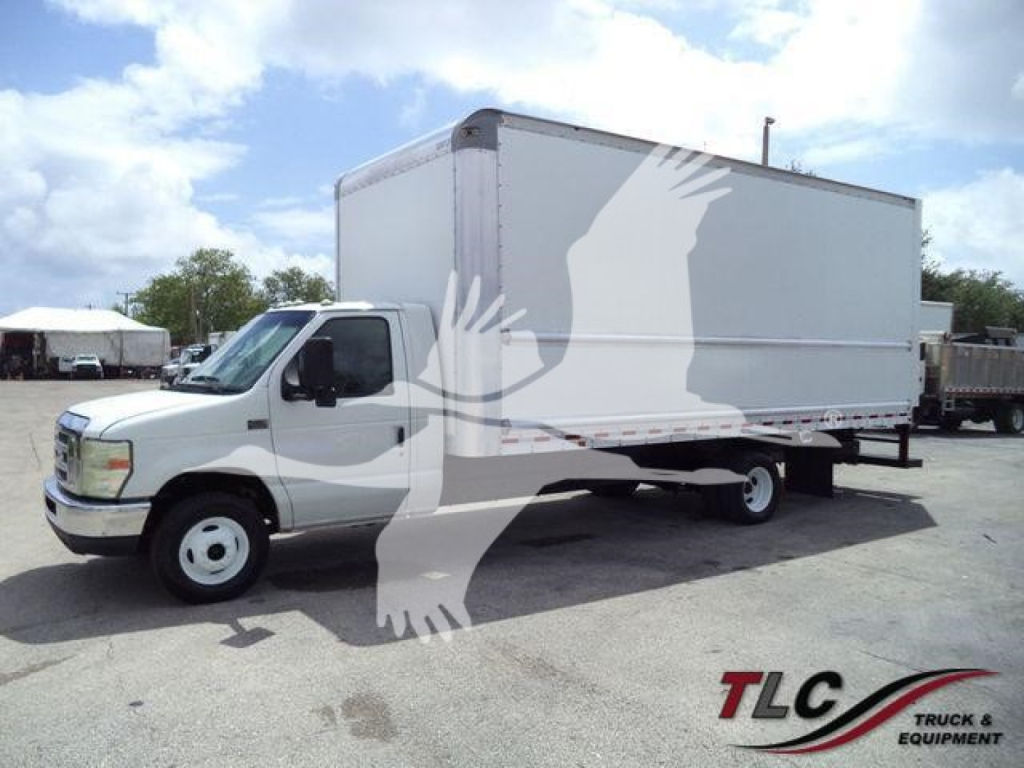
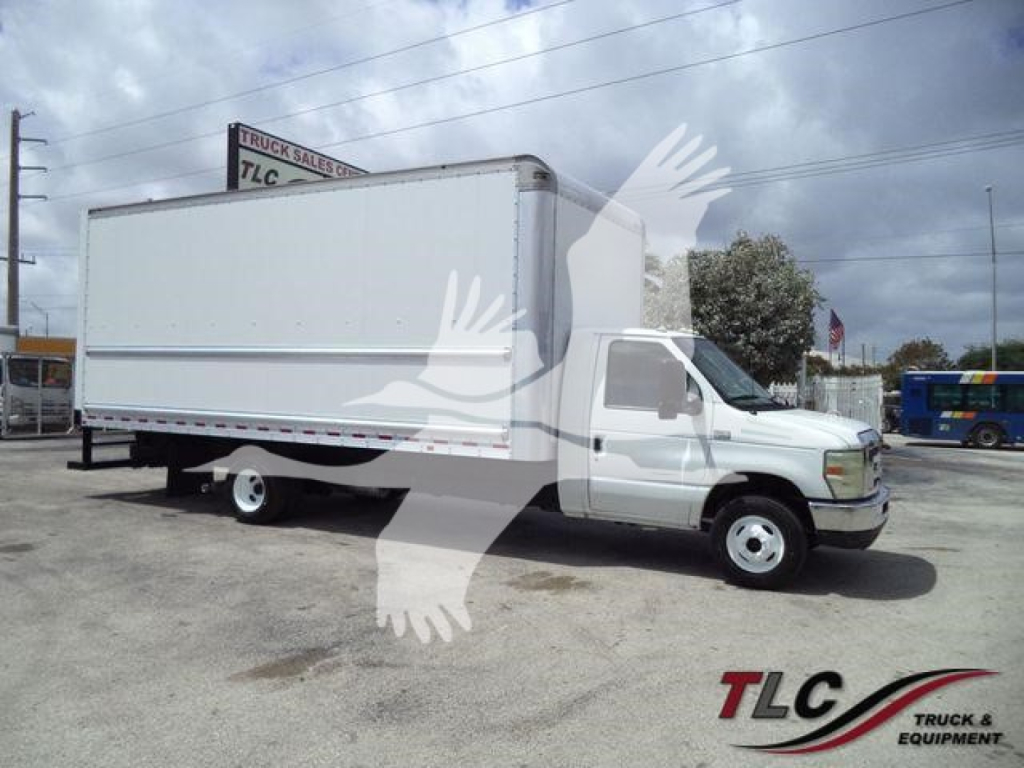
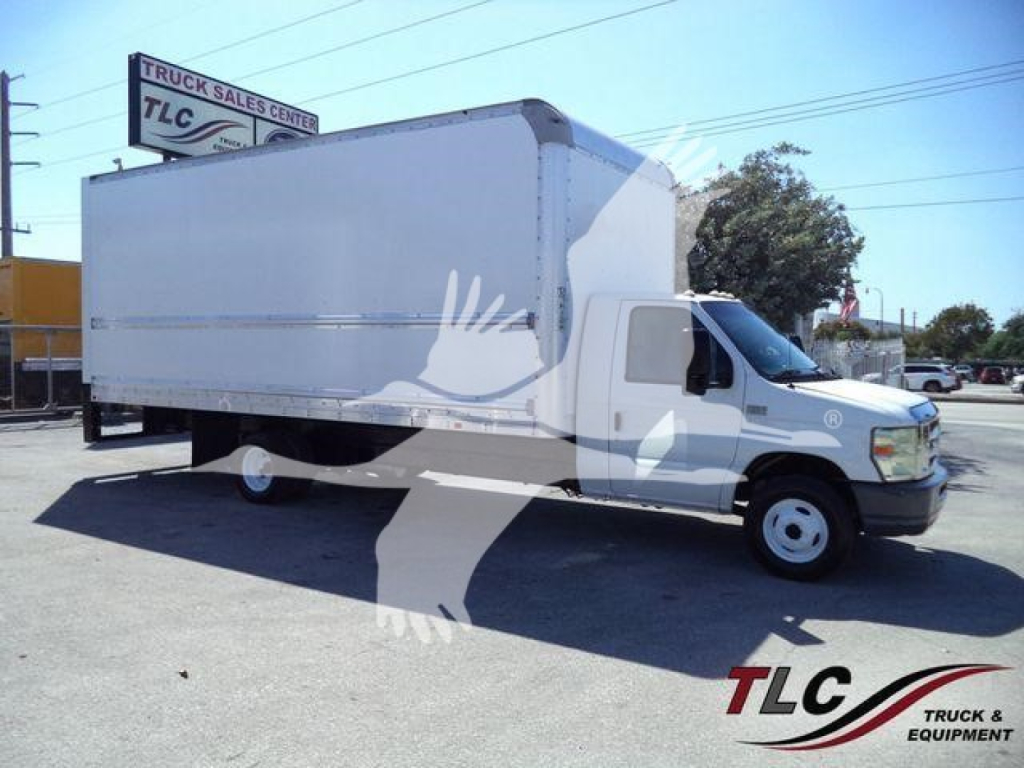
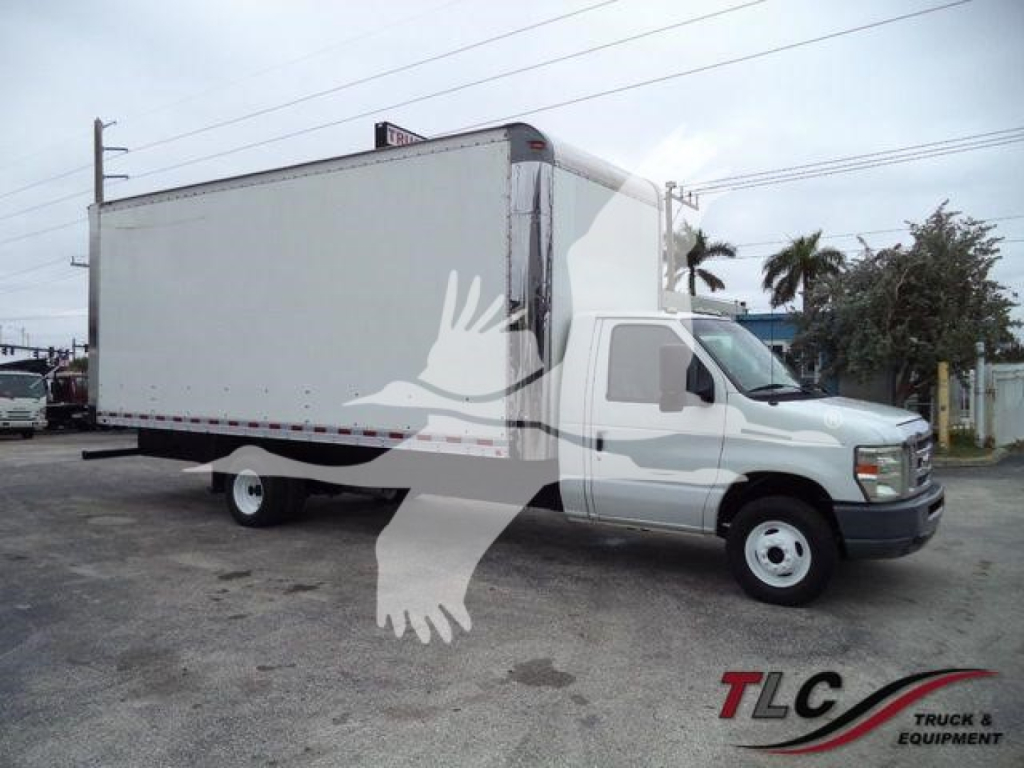
The first decision is usually size and GVWR. Many 2011 box trucks fall into common ranges such as 12-foot to 16-foot bodies on lighter chassis, or 20-foot to 26-foot dry freight boxes on Class 5 through Class 7 platforms. Buyers often focus on 19,500-lb to 26,000-lb GVWR trucks for local freight and final-mile work because they balance payload, box space, and maneuverability. A 26,000-lb GVWR truck is especially common for non-CDL operation when spec'd at or below that threshold, but payload still depends on body weight, liftgate, fuel load, and axle ratings. Roll-up rear doors, curbside access doors, hardwood or laminated floors, E-track, translucent roofs, and tuck-under liftgates are all common upfits that can materially change day-to-day usability.
Powertrain choice on a 2011 model depends heavily on route type and maintenance history. Diesel box trucks from this era are common on Isuzu, International, Hino, Freightliner, and similar medium-duty chassis, often paired with automatic transmissions and either hydraulic or air brakes depending on GVWR. Gas V8 options are also common on smaller Ford and GM-based box trucks used in local delivery or service applications. On any 2011 truck, buyers should pay close attention to emissions-system service records, transmission behavior under load, injector or turbo history on diesels, cooling system condition, and front-end wear from urban routes. If the truck has a liftgate, verify platform capacity, hinge wear, pump operation, and cycle speed, since liftgate repairs can quickly affect operating cost.
Body configuration matters as much as the badge on the hood. A furniture hauler may want a 26-foot box with slat lining and a smooth floor, while parcel, appliance, or beverage work may favor a shorter wheelbase, lower deck height, and frequent-stop maneuverability. In Florida, reefer buyers will look elsewhere, but dry freight box trucks remain a strong choice for enclosed cargo that needs weather protection and security. The best 2011 box truck for the job is the one with the right body length, door configuration, GVWR, and service history, not simply the lowest miles.
Frequently Asked Questions about 2011 Box Trucks in Florida
What should I check first on a 2011 box truck?
Start with the box, floor, roof, and rear door condition, then review the chassis service history. On a 2011 unit, water intrusion, floor rot, door track wear, liftgate issues, and deferred cooling or transmission maintenance can matter more than cosmetic appearance. Mileage alone does not tell the full story on a route truck that has seen frequent stops, idling, and loading cycles.
Is a 26,000-lb GVWR 2011 box truck non-CDL?
In many cases, yes, a box truck rated at 26,000 lbs GVWR can be operated without a CDL if the actual configuration and use do not trigger other licensing requirements. Buyers should still confirm state rules, brake type, cargo type, and any business-specific requirements. Staying at or below 26,000 lbs GVWR is a common target for operators who want maximum box size without moving into CDL territory.
What body length is most common on used 2011 box trucks?
Common body lengths include 12-foot to 16-foot boxes on lighter cutaway chassis and 20-foot to 26-foot bodies on medium-duty straight trucks. The right length depends on freight density, loading dock access, turning radius needs, and whether the truck will carry pallets, furniture, appliances, or parcel freight. Longer bodies add cube but can reduce maneuverability in tight urban service areas.
Are diesel or gas 2011 box trucks better for local delivery?
Diesel trucks usually make more sense on heavier GVWR units and higher-payload applications, especially with larger boxes and liftgates. Gas trucks can be a good fit for shorter routes, lighter loads, and lower acquisition cost on smaller chassis. The better choice is often the one with stronger maintenance records, a body that matches the work, and lower expected repair exposure for the specific route.
Why does the box condition matter so much on a used straight truck?
The cargo body directly affects uptime, loading efficiency, and cargo protection. A worn floor, leaking roof, damaged scuff area, or bent roll-up door can create daily operational problems even if the engine runs well. Buyers should inspect roof bows, corner caps, body mounts, door seals, threshold plates, and any interior logistics equipment such as E-track or shelving before making a decision.