
2011 Box Trucks For Sale
Shop 2011 box trucks for sale. Compare GVWR, box length, liftgate options, diesel powertrains, and delivery-ready body specs.
Selling a 2011 box truck? List your 2011 box truck for sale and reach thousands of commercial buyers.
2011 Box Trucks
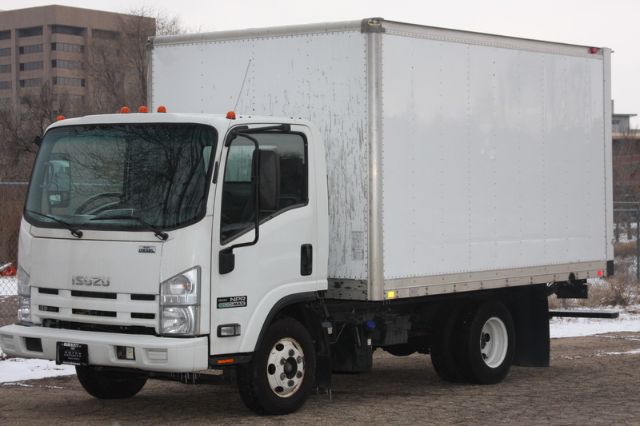
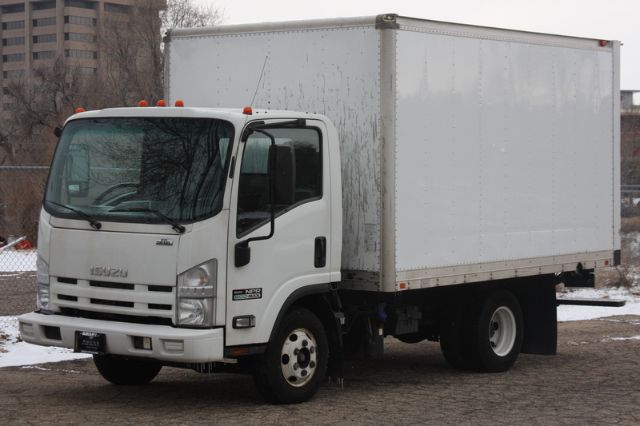
Powertrain choice matters on a 2011 model year because emissions systems, maintenance history, and duty cycle have a direct effect on operating cost. Many 2011 box trucks are diesel-powered and may include early DEF-equipped engines depending on make and model. Buyers should look closely at engine hours versus odometer miles, transmission type, rear axle ratio, brake system, and tire size because those details tell you how the truck was actually used. An Allison automatic is common in medium-duty delivery work and usually preferred for stop-and-go routes. Cabovers from Isuzu or Hino offer tight turning radius and easier urban maneuvering, while conventional chassis like Freightliner or International generally provide easier engine access, a larger cab, and more options in heavier GVWR ranges.
The box itself often matters as much as the truck. A 2011 unit may have an aluminum or FRP body, wood or aluminum floor, translucent roof, E-track, plywood or slat lining, scuff boards, curbside door, and either a roll-up or swing rear door. Liftgates are a major value point. Common capacities range from about 2,000 to 3,300 lbs, and condition is critical because hydraulic leaks, corroded platforms, and worn hinges can turn a useful delivery truck into a repair project. Check inside dimensions, rear door opening height, and floor condition if the truck will handle pallets, carts, or appliance loads. If forklifts will load from dock height or from grade, body reinforcement and gate style should match that use.
For a buyer comparing multiple 2011 box trucks, the best units are usually the ones with a clean maintenance record, a straight and dry body, and specs that fit the route instead of simply the lowest price. Pay attention to frame condition, roof leaks, roll-up door operation, cab corrosion, and signs of repeated overloading such as cracked floors or sagging suspension. A well-matched 2011 box truck can still be a dependable local work truck for delivery fleets, contractors, moving operations, and municipal service, especially when the chassis rating, cargo box configuration, and liftgate setup are aligned with the actual freight.
Frequently Asked Questions about 2011 Box Trucks
What GVWR is most common on a 2011 box truck?
2011 box trucks are commonly found in GVWR ranges from about 14,500 lbs up to 26,000 lbs, with 17,950 lb, 19,500 lb, and 25,950 to 26,000 lb configurations being especially common. The right rating depends on payload, body length, and whether you want to stay in a non-CDL setup. Many buyers target 25,950 or 26,000 lbs because it maximizes legal capacity for local delivery without requiring a CDL in many situations, though driver qualification rules still need to be verified by application and jurisdiction.
Are 2011 box trucks good for local delivery work?
Yes, many 2011 box trucks are well-suited for local and regional delivery if the truck has been maintained properly and the body is still structurally sound. This model year is common in parcel, beverage, appliance, furniture, and route service fleets. The best fit for city work is often a shorter wheelbase cabover with a medium box, while higher-cube 24 to 26 foot bodies are more useful for furniture, final-mile, and general freight operations where dock access and liftgate performance matter more than tight-turn maneuverability.
What should I inspect first on a used 2011 box truck?
Start with the body and the maintenance history. A dry, straight box with a solid floor, functioning rear door, and no roof leaks can save significant repair cost. After that, inspect engine service records, transmission operation, brake type and condition, suspension wear, tire date codes, and any liftgate function under load. On a 2011 diesel, emissions components should be checked carefully because deferred maintenance in the aftertreatment system can become expensive. Rust at the frame, cab mounts, door thresholds, and underbody crossmembers is also important, especially on trucks that worked in northern climates.
Is a liftgate worth having on a 2011 box truck?
A liftgate is worth it when deliveries are made without a loading dock or when cargo is heavy, wheeled, or palletized. Common liftgate capacities on box trucks in this class run from around 2,000 lbs to over 3,000 lbs. The key is matching gate style and platform size to the freight. Tuck-under gates preserve rear access and are popular in multi-stop delivery, while rail gates can be useful for heavier repetitive lifting. On a 2011 truck, buyers should verify cylinder condition, hydraulic performance, platform corrosion, and control operation because replacement or major repairs can be costly.
Which is better on a 2011 box truck, a cabover or a conventional chassis?
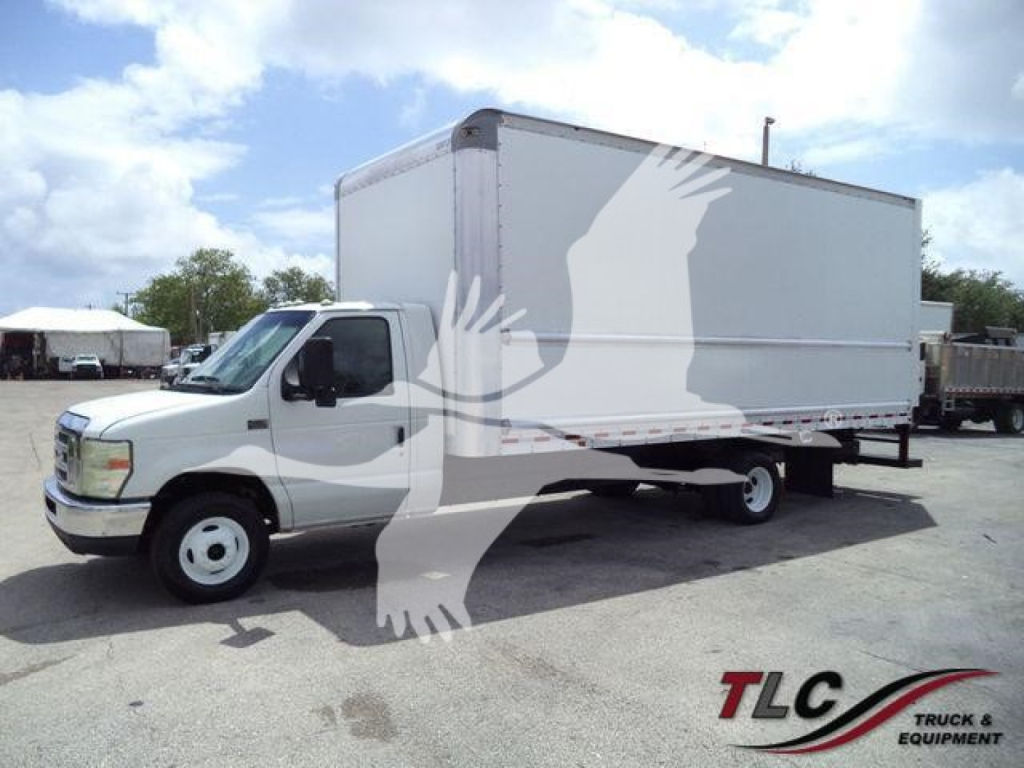
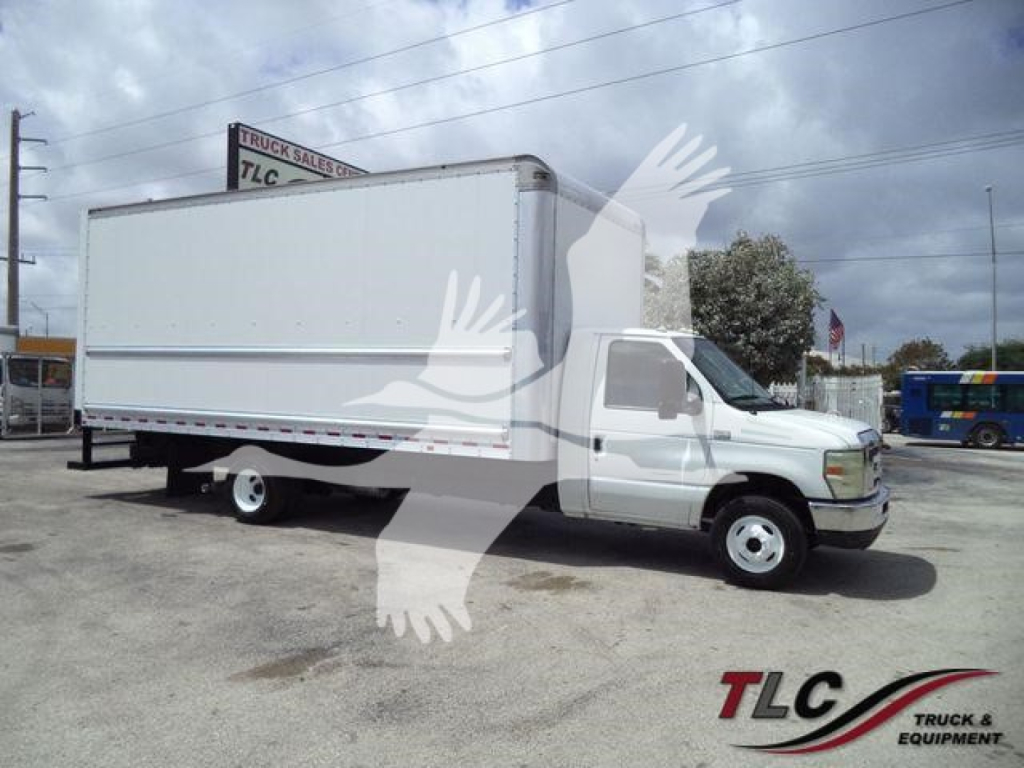
A cabover is usually better for dense urban routes because it offers a shorter overall length for the same box size and a tighter turning radius. That makes it easier to back into alleys, navigate city docks, and park in restricted spaces. A conventional chassis is often better for heavier applications, longer day routes, and easier engine access during service. It can also provide a more familiar driving position and a larger cab. The better choice depends on route density, service access, driver preference, and the body length you need.