
2021 Box Trucks For Sale in Florida
Browse 2021 box trucks for sale in Florida. Compare GVWR, box lengths, liftgates, engines, and non-CDL straight truck options.
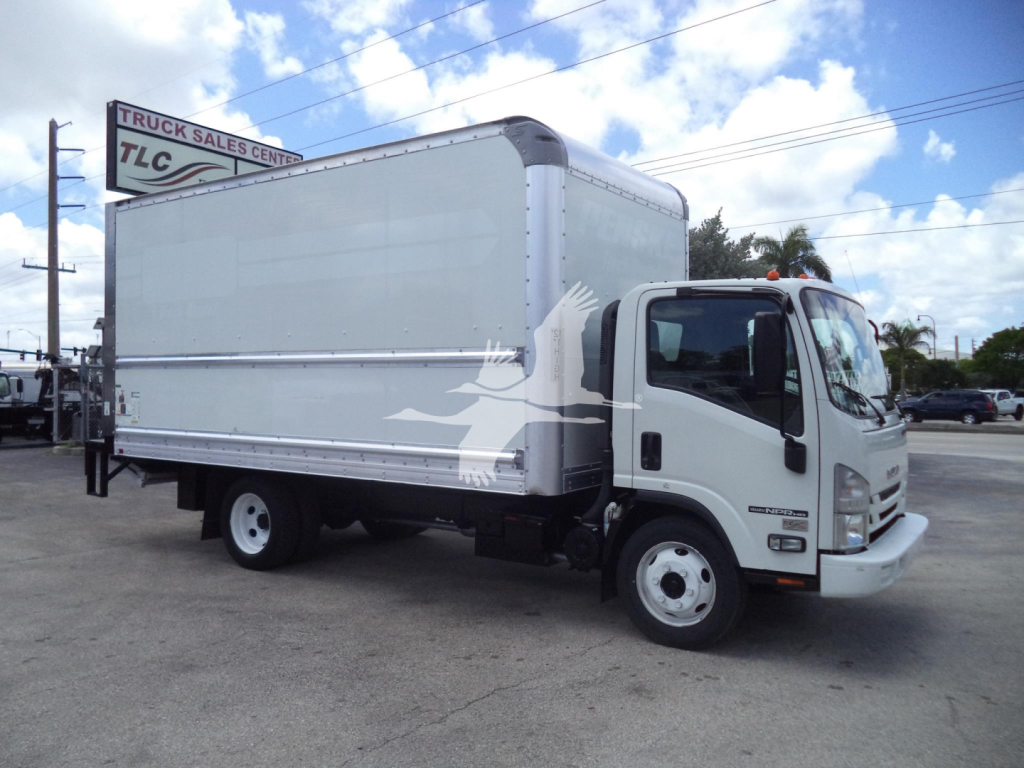
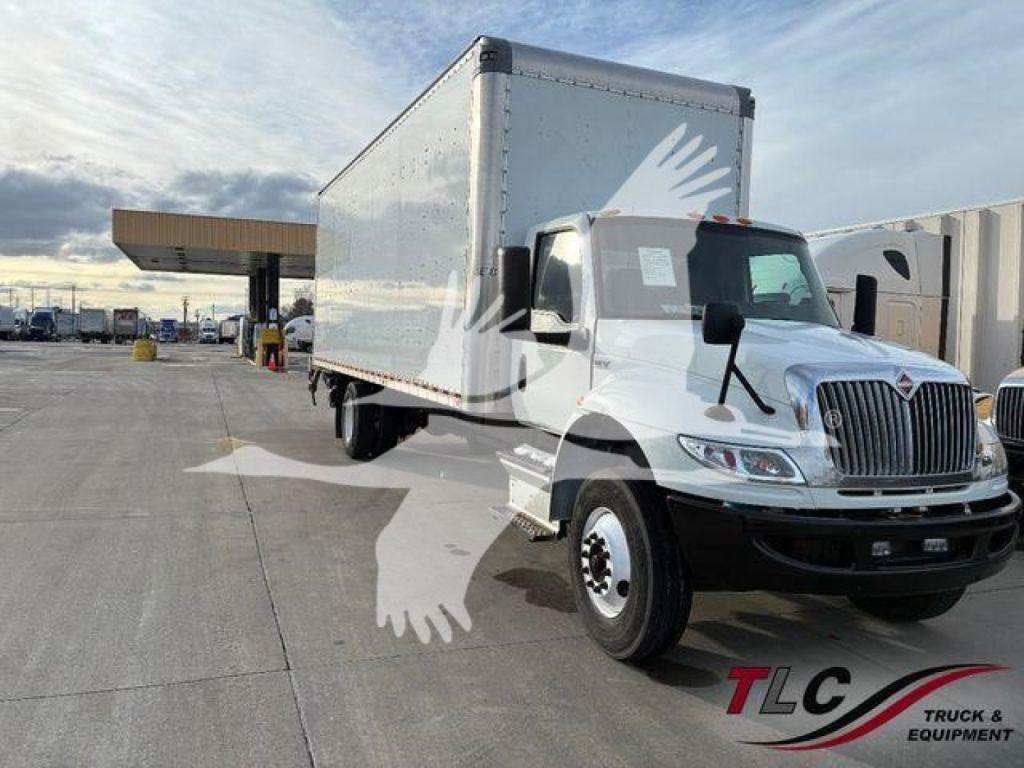
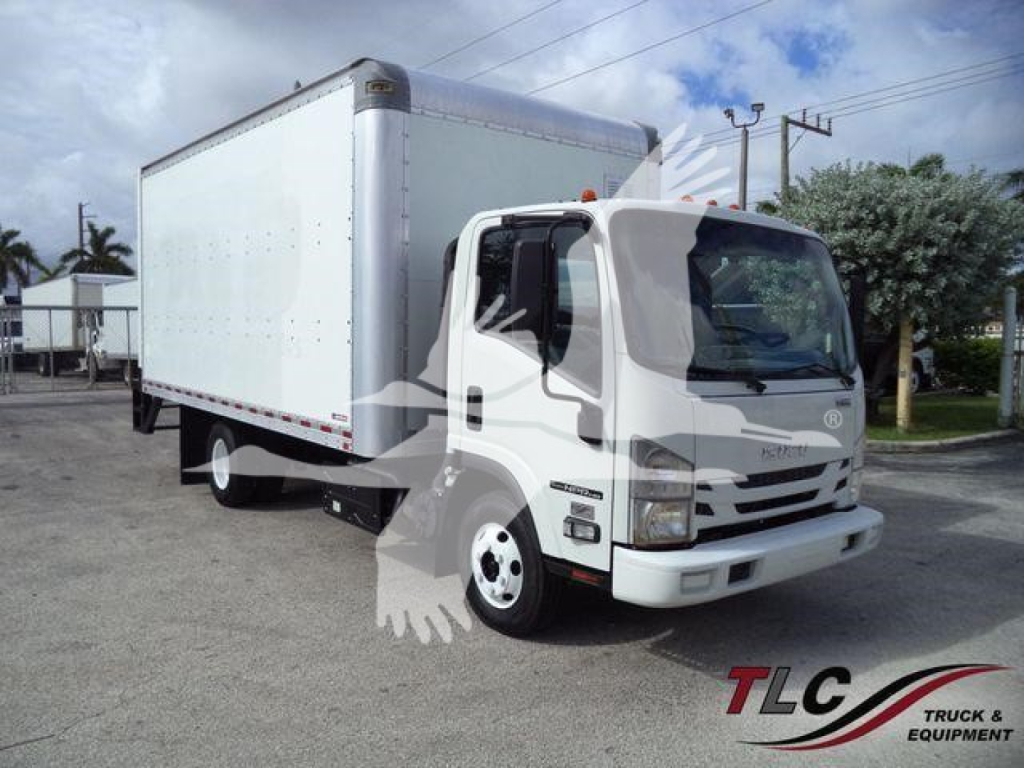
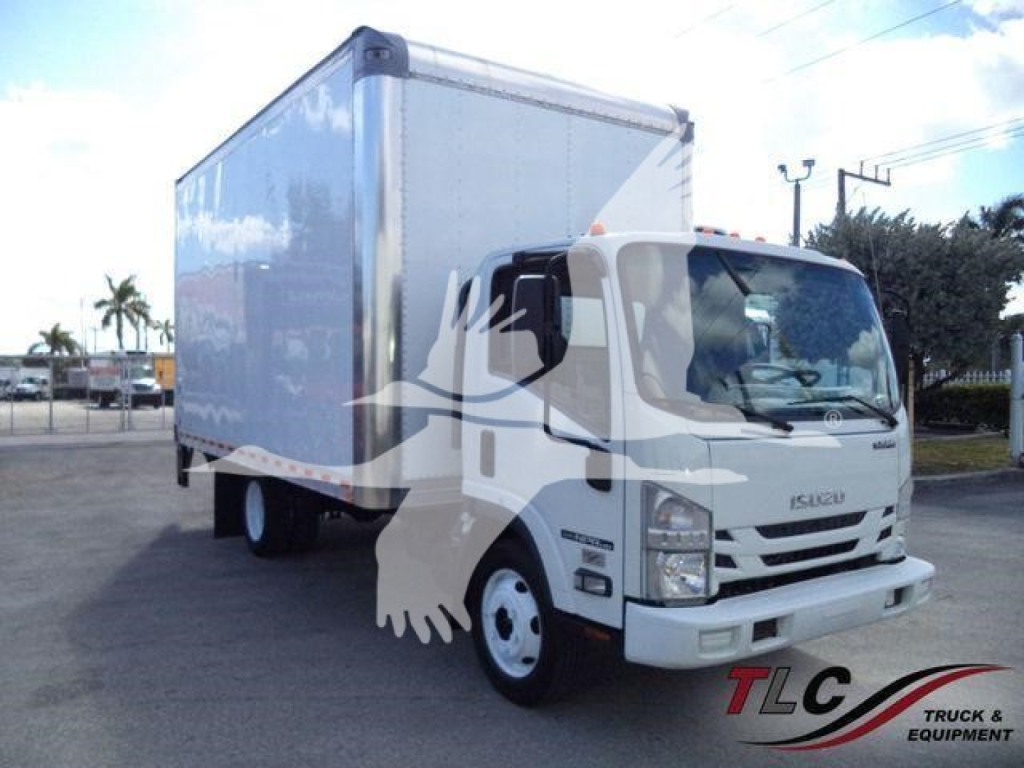
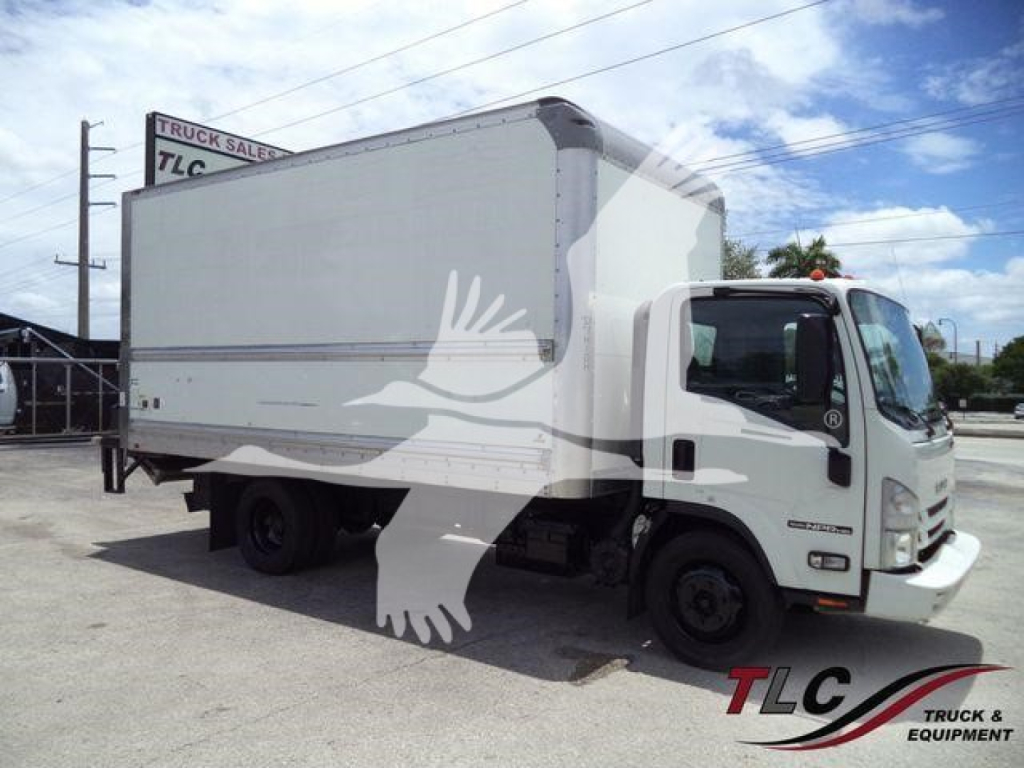
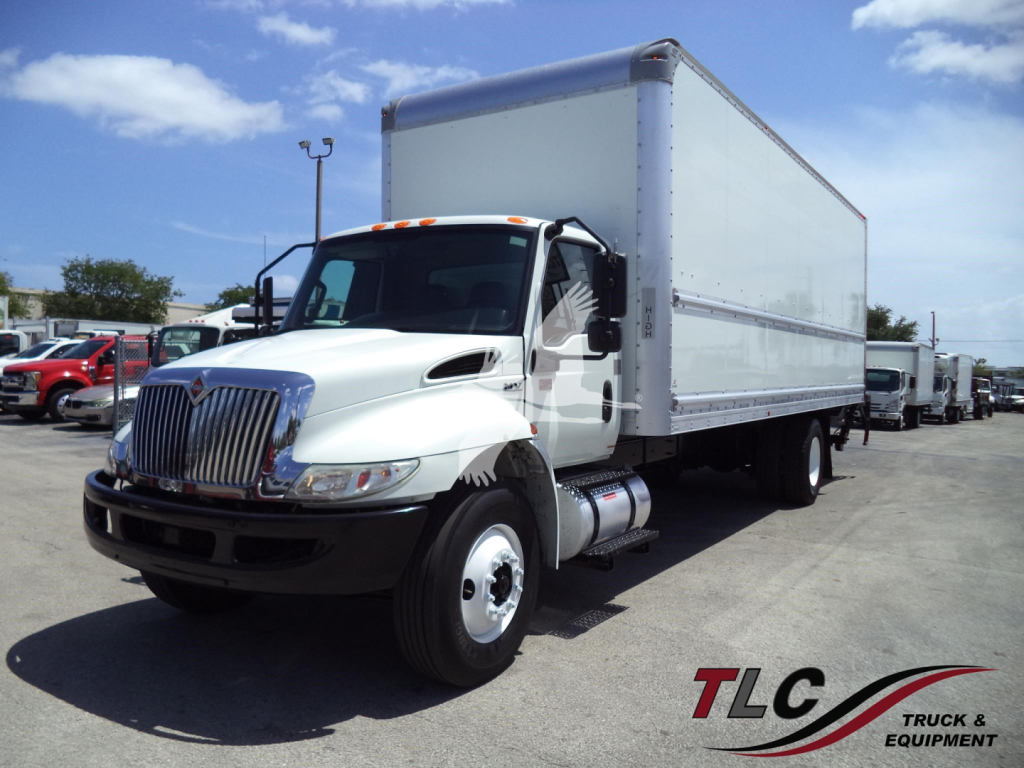
Selling a 2021 box truck? List your 2021 box truck for sale and reach thousands of commercial buyers.
2021 Box Trucks in Florida
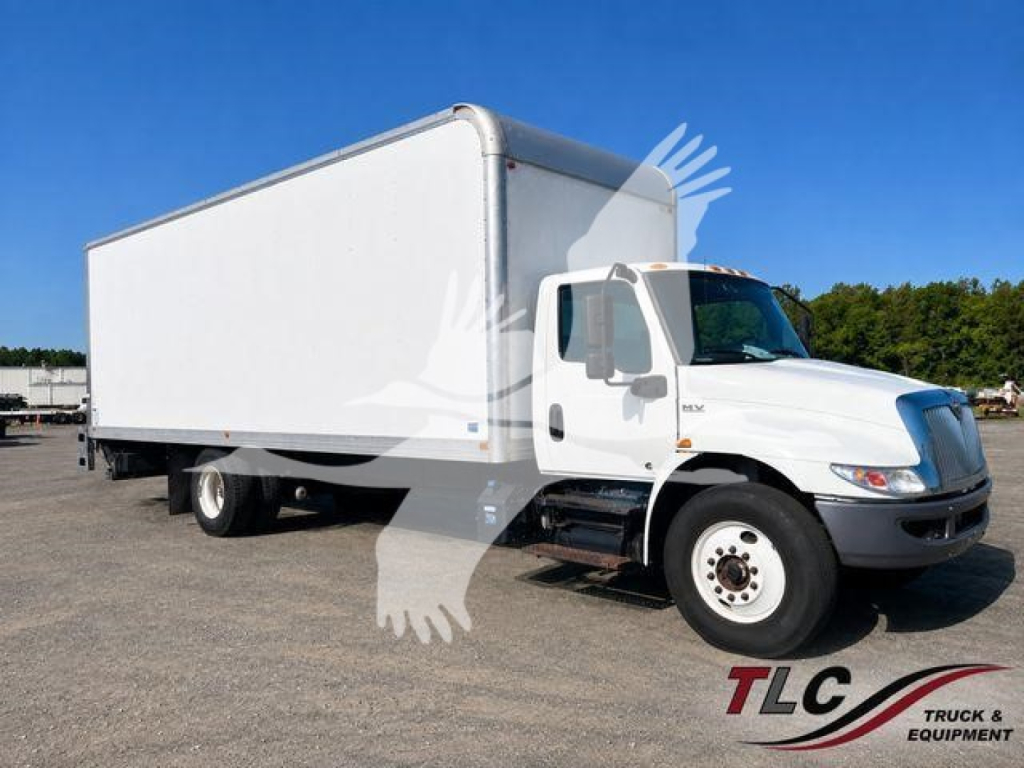
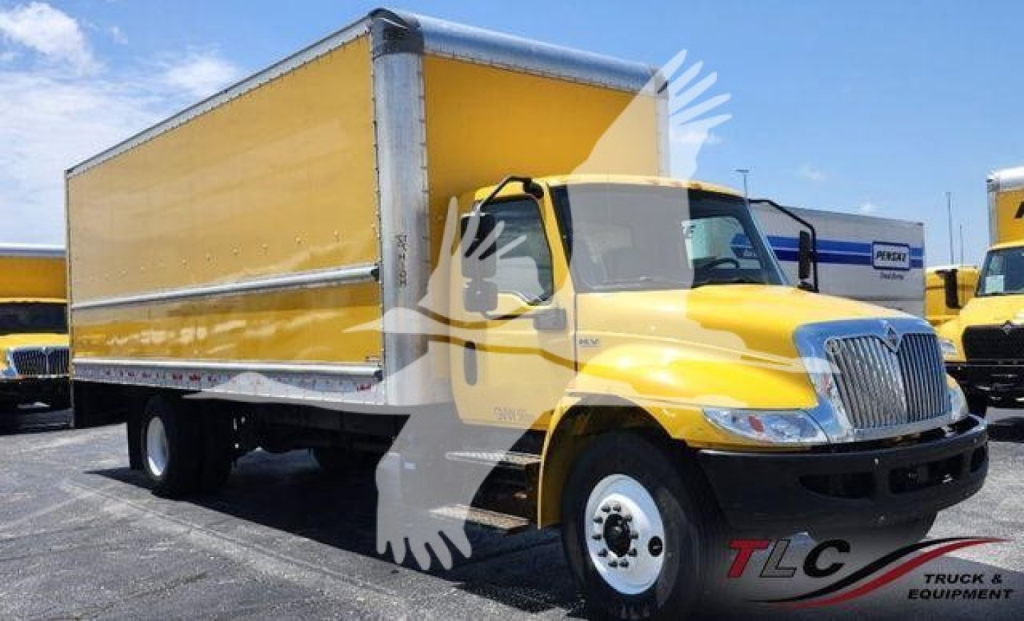
Body configuration matters as much as the chassis. Common 2021 box truck specs include 16-foot, 20-foot, 22-foot, 24-foot, and 26-foot dry van bodies, usually with roll-up rear doors, hardwood or laminated floors, and optional e-track for load securement. A tuck-under liftgate from Maxon or Waltco is one of the most useful options for palletized freight, appliance delivery, and final-mile work, with 2,500 to 3,500 pound capacities being common in this class. Buyers should also check inside body height and width, door opening dimensions, and whether the body has translucent roof panels, scuff liners, grab handles, and threshold plates. If the truck will handle frequent hand unloads, step height and rear access setup can affect productivity more than engine output.
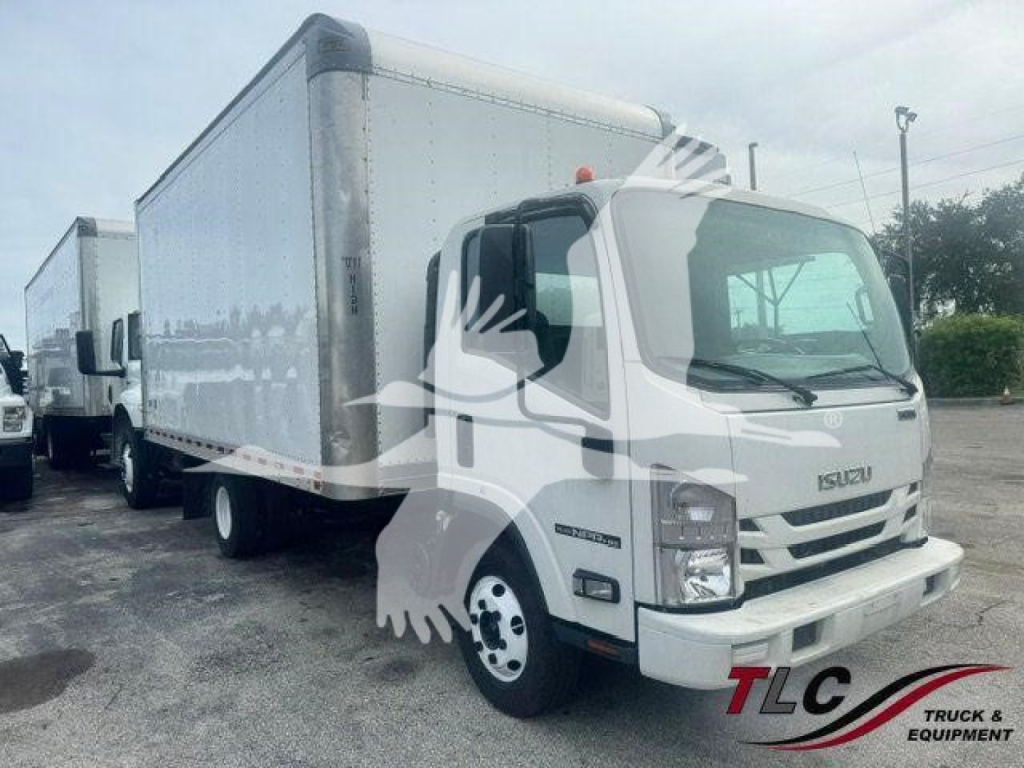
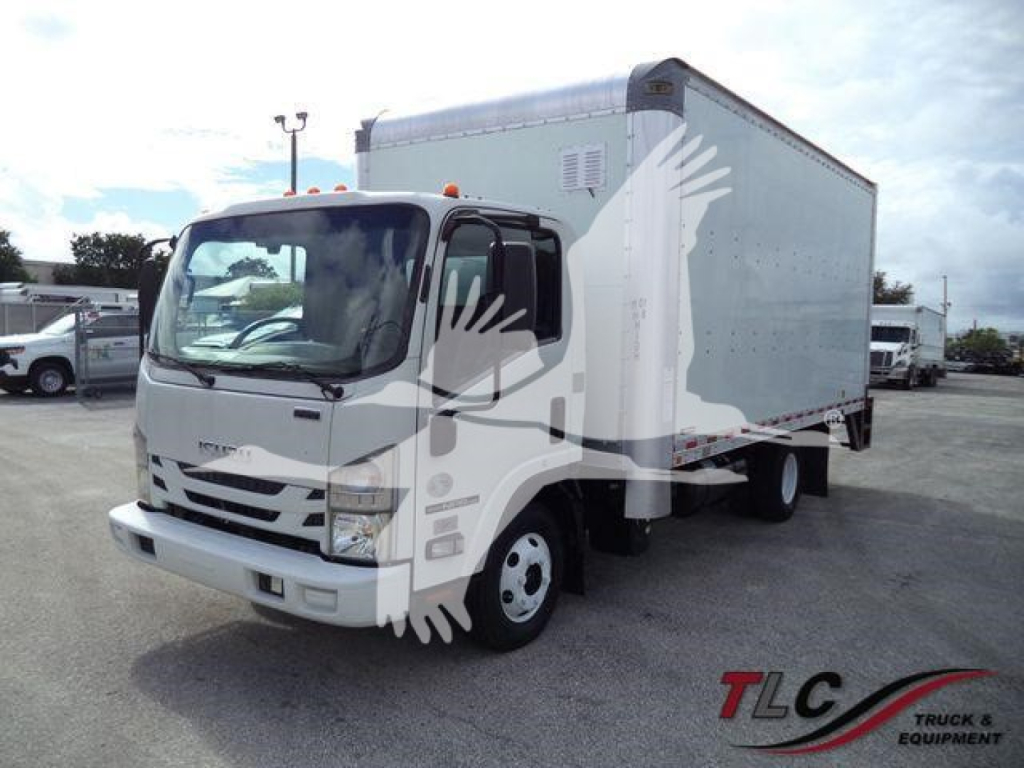
Powertrain choice usually comes down to diesel versus gas, route profile, and service preference. In this segment, diesel engines such as the Cummins ISB or Isuzu diesel platforms are popular for higher mileage operations and heavier payloads, while gas engines remain common on lighter GVWR units and lower annual-mileage fleets. Automatic transmissions dominate the 2021 box truck market, often paired with either hydraulic brakes on lighter trucks or air brakes on larger medium-duty specs. Suspension, tire size, and wheelbase also deserve attention because they change ride quality, turning radius, and dock approach. Cab-over trucks generally offer better maneuverability in tight Florida metro areas, while conventional chassis can provide a more familiar service network and highway feel.
A 2021 model year box truck can be a practical middle ground for buyers who want newer emissions equipment, modern safety features, and updated cab ergonomics without stepping into new-truck pricing. In Florida, corrosion is usually less of a problem than in northern markets, but buyers should still inspect body seams, roof condition, floor wear, liftgate operation, and signs of water intrusion. For business use, it is smart to match the box length, GVWR, axle rating, and liftgate capacity to the actual freight profile instead of buying on box size alone. The right 2021 box truck should balance payload, cargo cube, loading method, and local licensing requirements so the truck stays productive on every stop.
Frequently Asked Questions about 2021 Box Trucks in Florida
What GVWR is best for a 2021 box truck in Florida?
The best GVWR depends on payload, box length, and whether staying under CDL limits matters to your operation. Lighter 14,500 pound GVWR trucks work well for furniture, parcel, and light commercial deliveries in urban areas. Medium-duty units around 19,500 pounds handle more payload and often support larger liftgates. A 25,950 pound GVWR box truck is a common choice because it can carry a 24-foot to 26-foot body and still remain under the 26,001 pound CDL threshold in most applications.
What size box truck is most common for delivery and moving work?
The most common box lengths are 16 feet, 20 feet, 22 feet, 24 feet, and 26 feet. A 16-foot or 20-foot body is easier to maneuver and often suits city routes, contractor supply, and lighter moving jobs. A 24-foot or 26-foot box provides more cargo cube for household goods, route distribution, and palletized freight, but it also adds wheelbase and can limit maneuverability in tight areas. The right choice should be based on actual freight dimensions, stop frequency, and dock access.
Should I buy a diesel or gas 2021 box truck?
Diesel usually makes more sense for higher mileage routes, heavier loads, and medium-duty chassis where torque and durability matter. Gas engines are often found in lighter GVWR trucks and can be a good fit for shorter routes, lower annual mileage, and buyers focused on lower upfront cost or simpler service familiarity. The decision should include fuel type availability, local service support, idle time, and the truck's expected payload rather than engine preference alone.
Is a liftgate worth having on a box truck?
A liftgate is one of the most valuable options if the truck handles palletized cargo, appliances, vending equipment, medical freight, or deliveries to locations without a dock. Common tuck-under liftgates in this class are rated around 2,500 to 3,500 pounds. Buyers should verify not only the liftgate rating, but also platform size, cycle speed, control placement, and how much rear clearance is needed during operation. For dock-only freight, a liftgate may add weight without adding much value.
What should I inspect first on a used 2021 box truck?
Start with the body and cargo area because that is where hidden operating costs often show up. Check the box roof, front corners, floor condition, rear frame, roll-up door tracks, seals, and signs of leaks or previous repairs. Then inspect the liftgate, tires, brake type, suspension, and axle ratings to confirm the truck is matched to its intended work. Service history, emissions system condition, and any evidence of overload wear are also important on a 2021 model that may have seen heavy delivery use.