
2021 Box Trucks For Sale
Shop 2021 box trucks for delivery, moving, and route work. Compare body lengths, GVWR, liftgates, diesel or gas power, and cargo features.
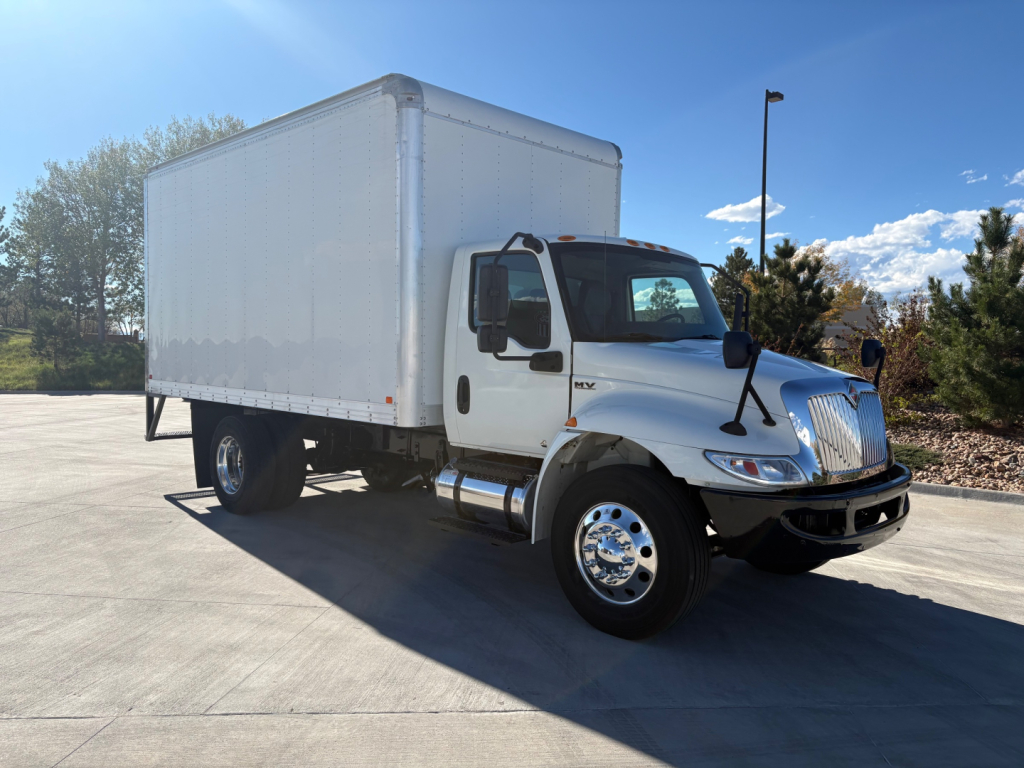
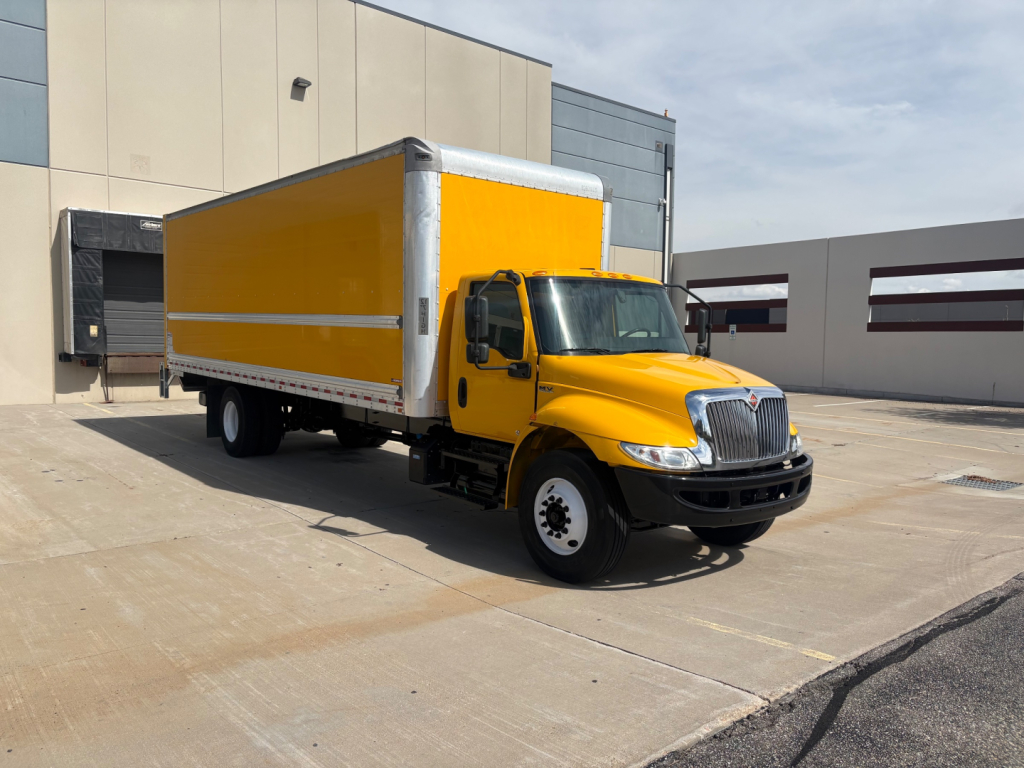
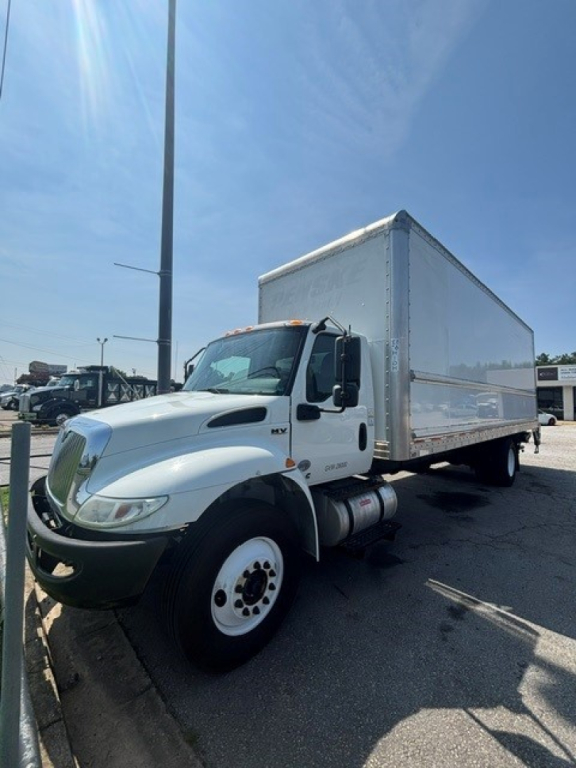
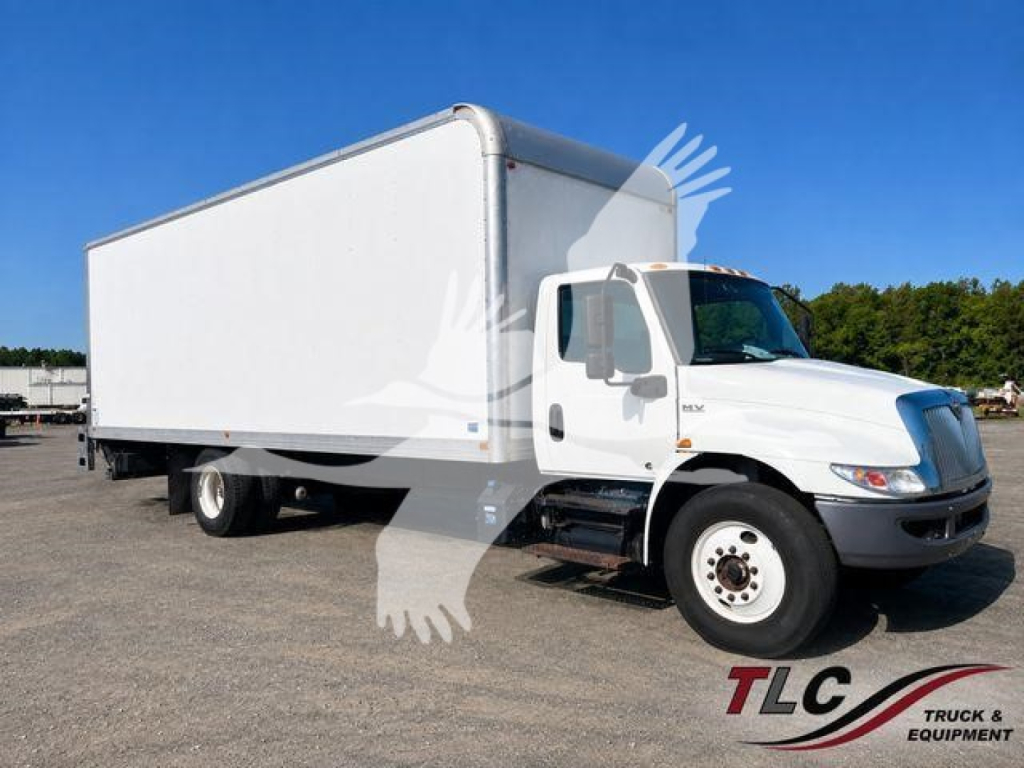
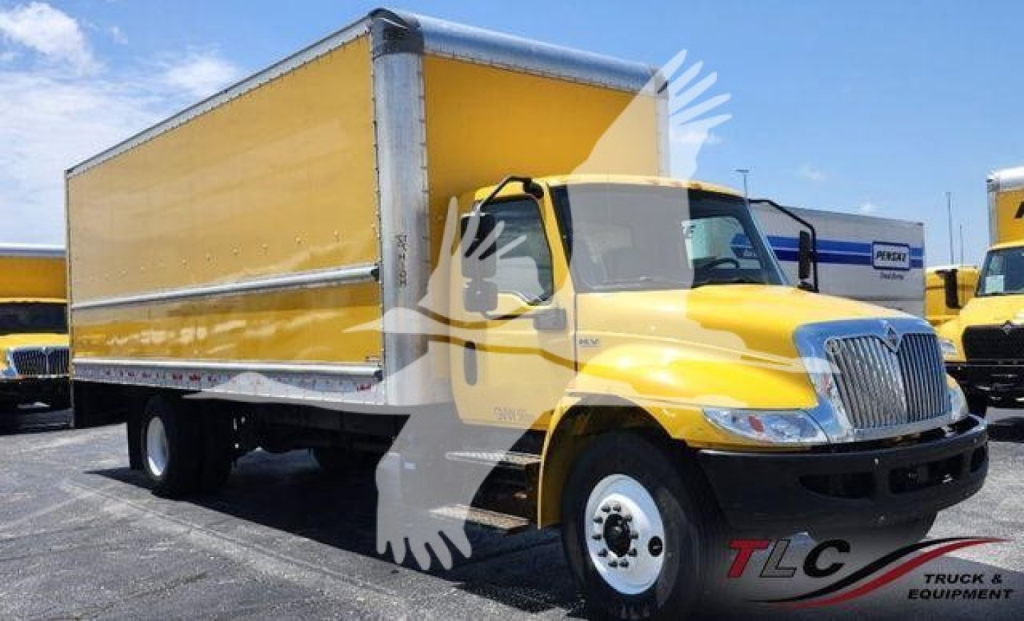
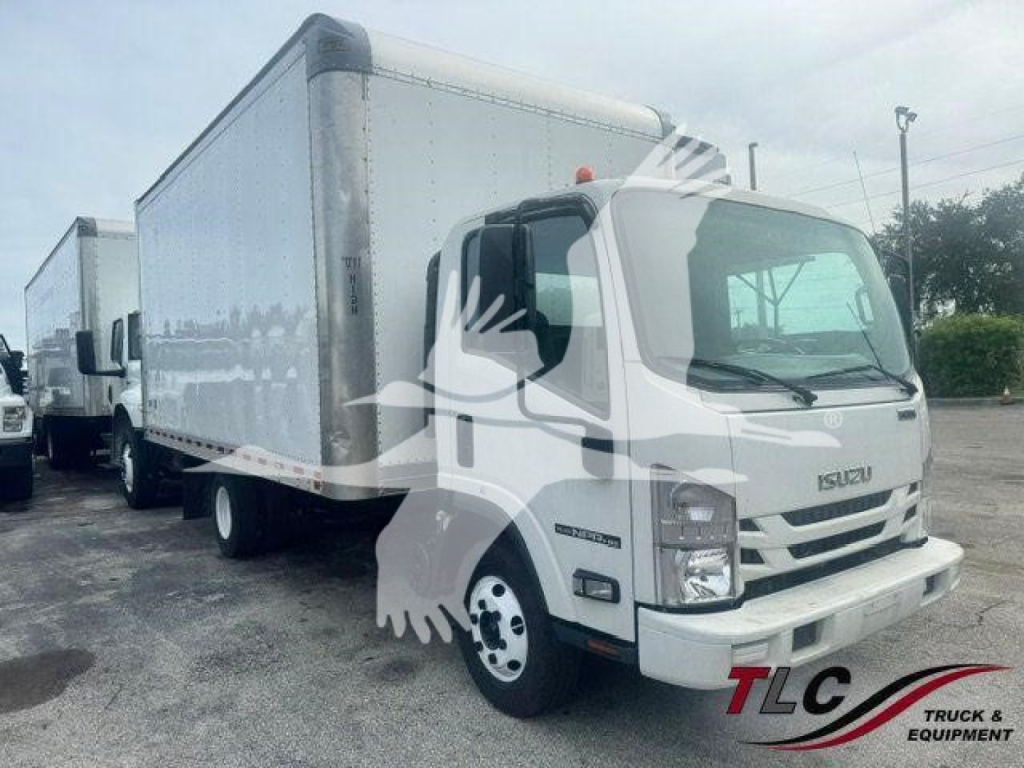
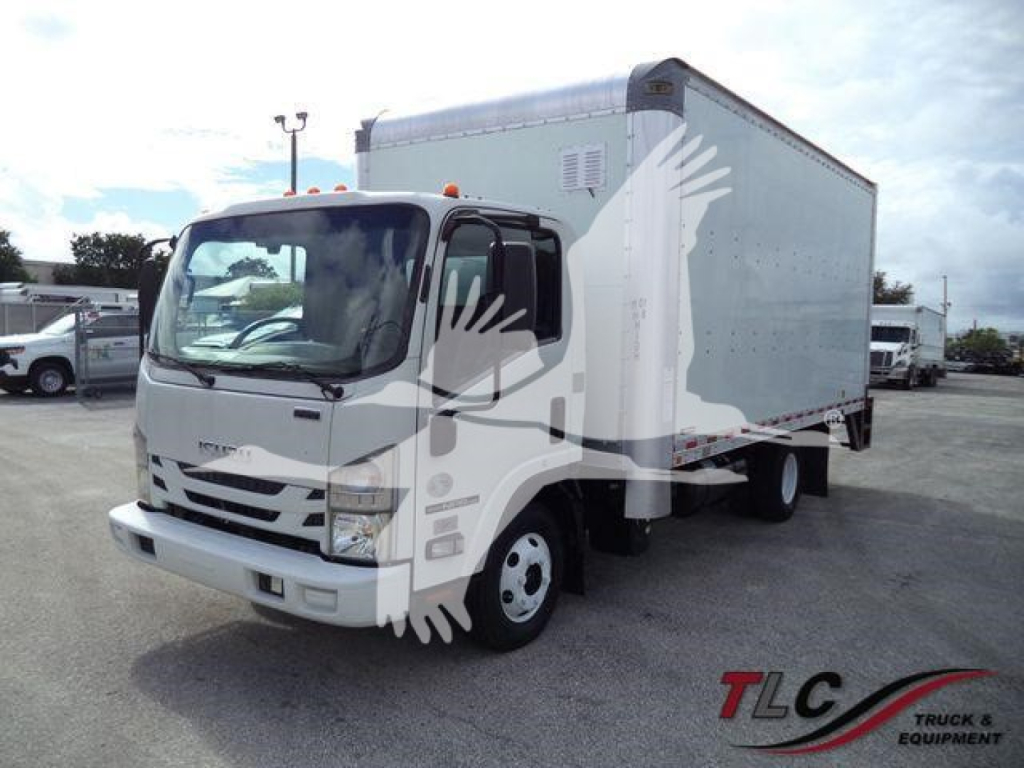
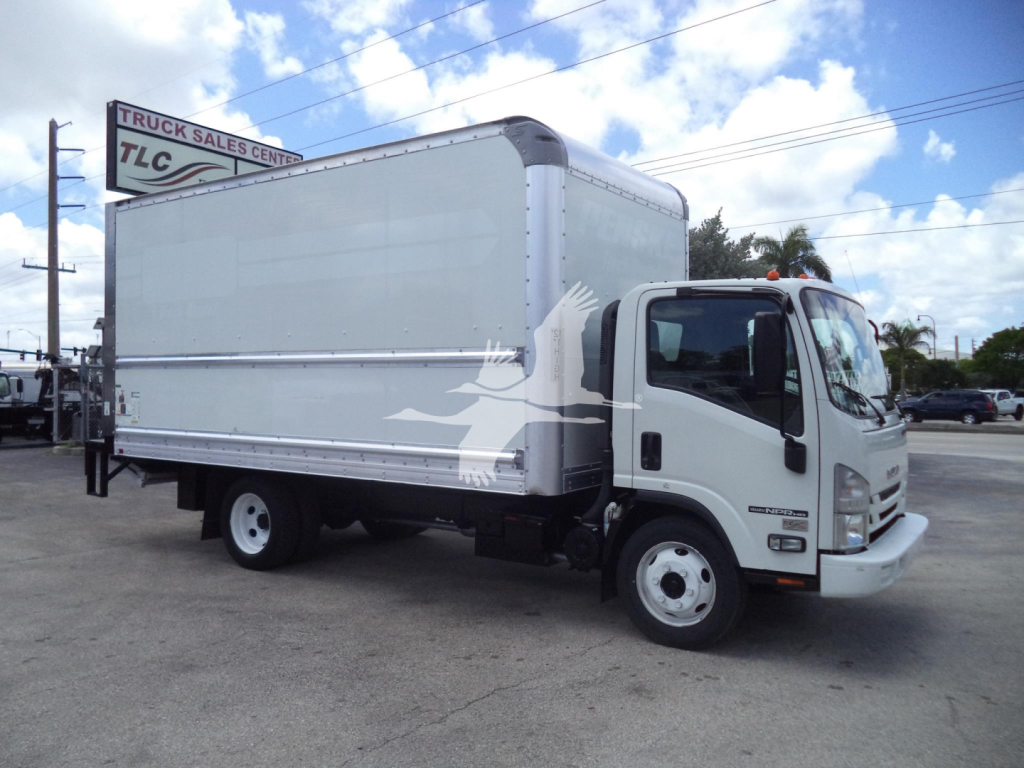
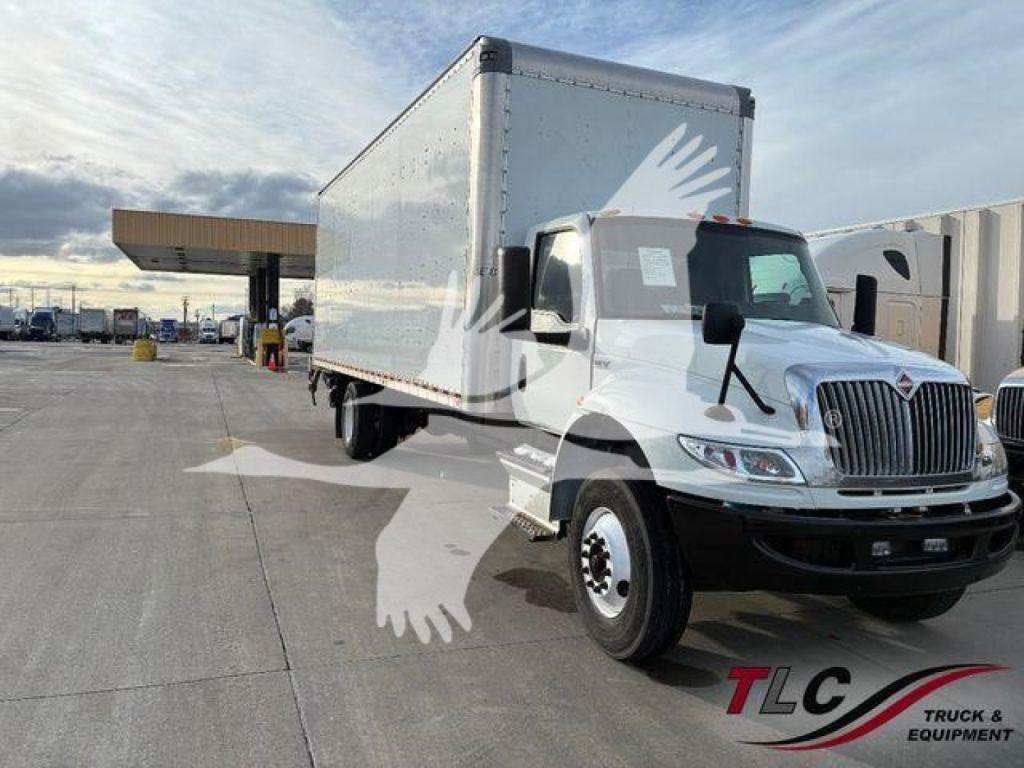
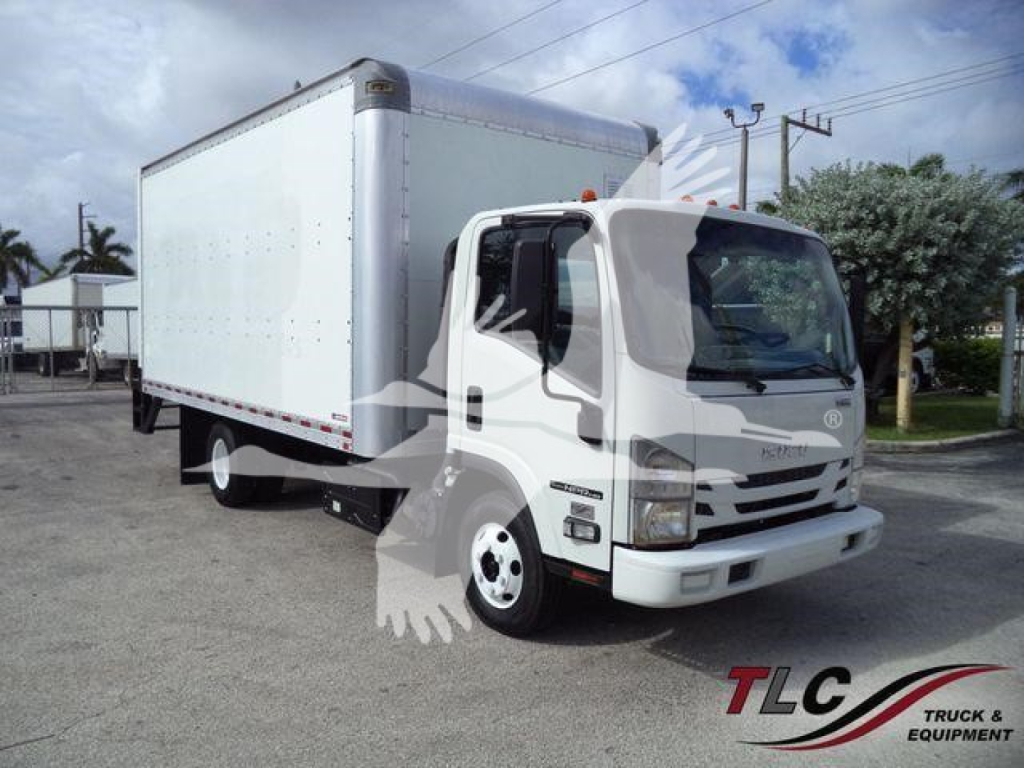
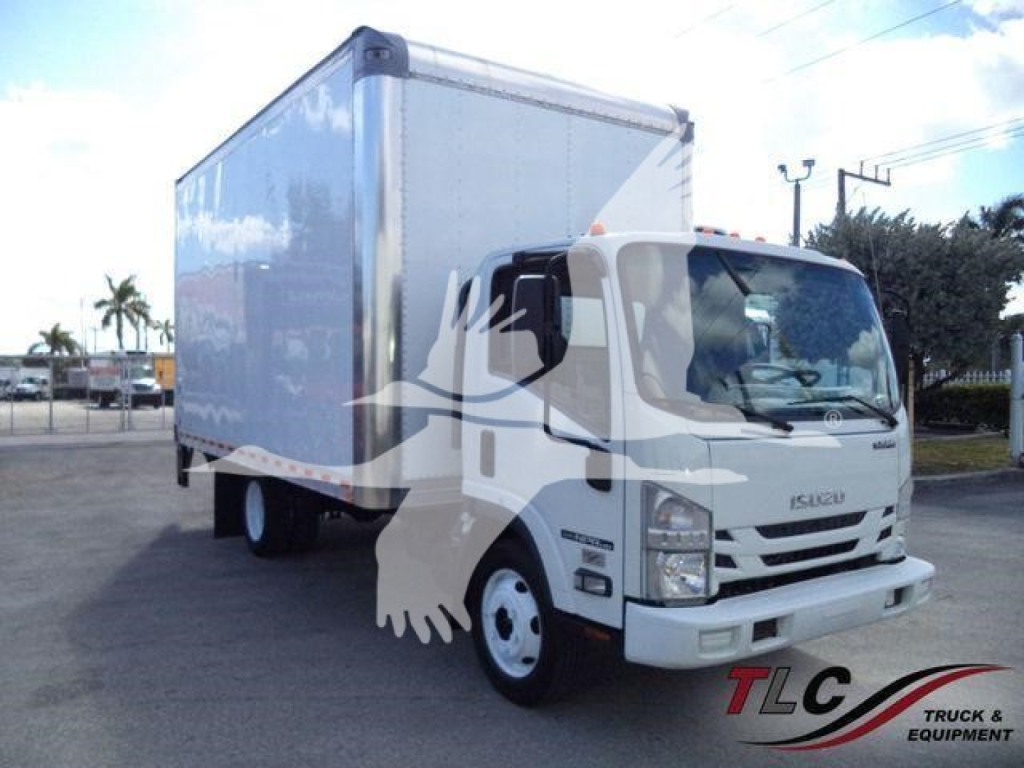
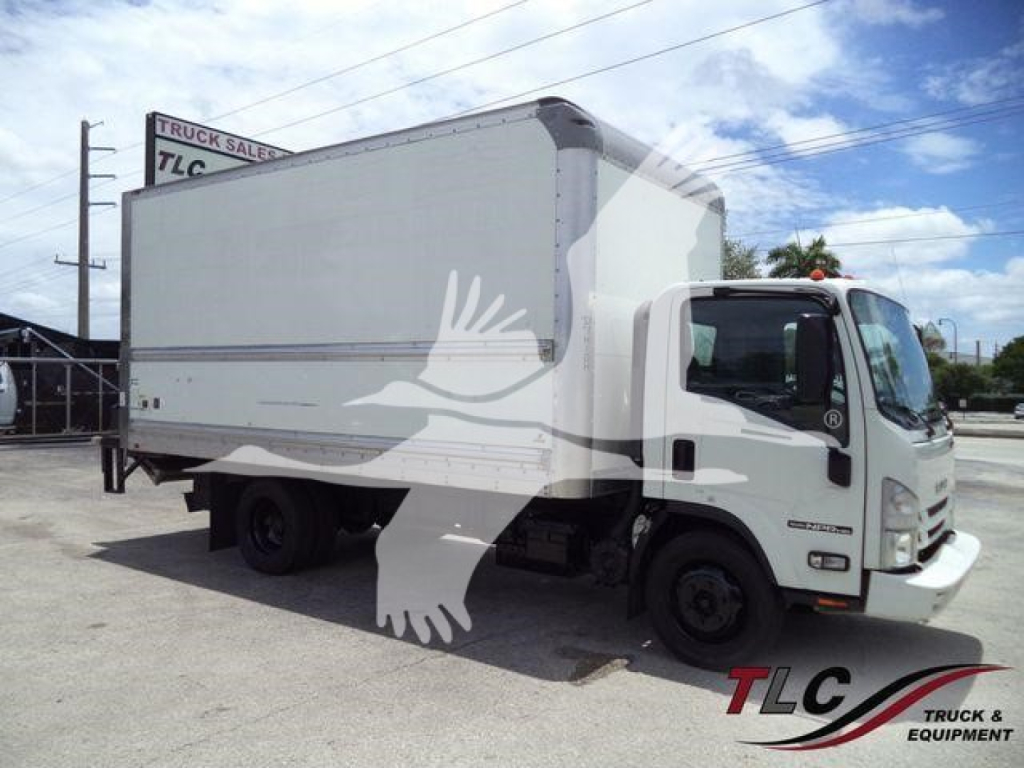
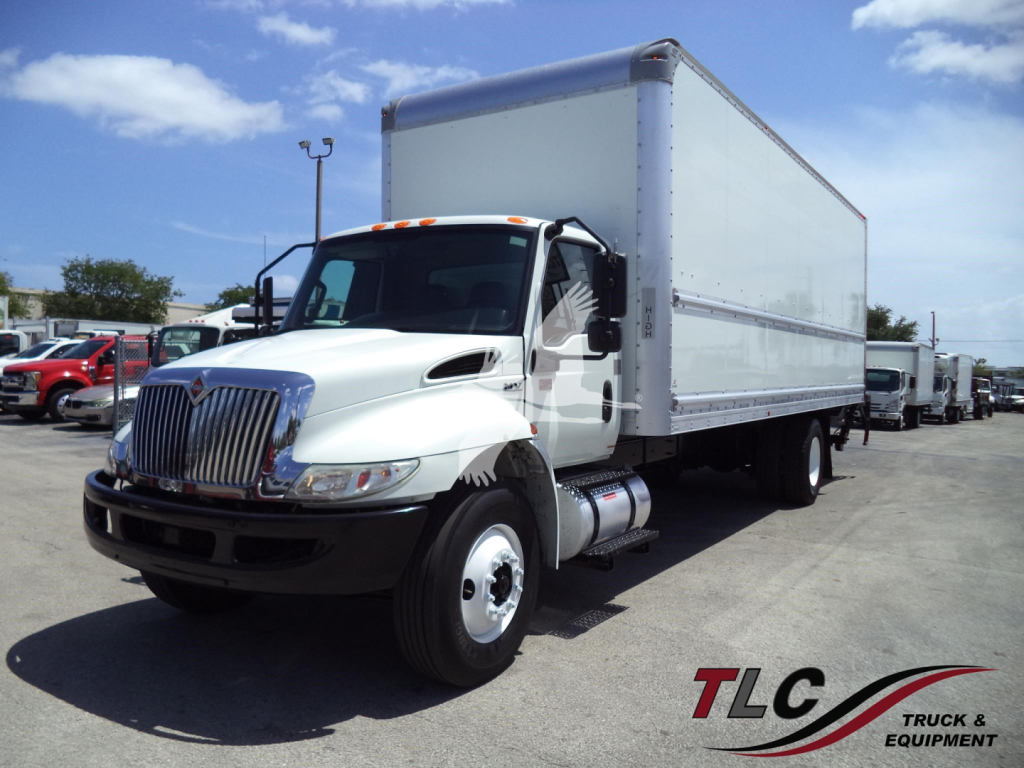

Selling a 2021 box truck? List your 2021 box truck for sale and reach thousands of commercial buyers.
2021 Box Trucks
Body specification matters as much as the chassis. Buyers should look closely at box length, inside height, body width, floor construction, and cargo securement. Typical features include hardwood or laminated floors, scuff liners or scuff boards, translucent roofs, E-track, slat lining, and roll-up rear doors. Side doors can improve route efficiency for beverage, linen, and parcel work. Liftgate selection is another major factor. Tuck-under and rail liftgates are common on 2021 box trucks, and capacity should match the freight profile, especially for palletized loads, appliances, and route stops without dock access. Forklift reinforcement, logistics posts, and threshold protection are worth noting on trucks that see heavy daily loading.
On the chassis side, 2021 box trucks commonly use gas V8 power in lighter cutaway applications and diesel engines in heavier medium-duty configurations. You will often see automatic transmissions such as Allison units, with hydraulic brakes on lighter GVWR trucks and air brakes on larger models. Front axle ratings, rear axle ratings, wheelbase, and cab-to-axle dimensions directly affect body fit and payload balance. Suspension choice also changes the truck's behavior in service. Spring suspension is straightforward and durable, while air ride can improve cargo protection and driver comfort on longer or rougher routes. If the truck will spend most of its life in dense urban work, visibility, wheel cut, step-in height, and door access deserve as much attention as horsepower.
A good 2021 box truck buyer also checks the details that impact uptime over the next several years. Review engine hours if available, maintenance history, tire date codes, liftgate service records, and signs of floor or roof leaks. On diesel units, it is smart to confirm aftertreatment health and fault history. On any used box truck, inspect the body mounts, rear frame extension, roll-up door tracks, crossmembers, and the condition of the cargo floor around the threshold and liftgate area. The best fit is the truck whose body, GVWR, and loading equipment match the route, freight, and driver requirements without carrying more chassis than the job needs.
Frequently Asked Questions about 2021 Box Trucks
What body size is most common on a 2021 box truck?
The most common body sizes on a 2021 box truck are typically 16 feet for lighter cutaway applications and 24 to 26 feet for medium-duty delivery work. A 16-foot body is common for local delivery, moving, and service companies that need easier maneuverability. A 24-foot to 26-foot body is more common for palletized freight, furniture, appliances, and higher cube route work. The right size depends on freight dimensions, stop frequency, dock access, and whether the truck must remain non-CDL.
Do all 2021 box trucks require a CDL?
No. Many 2021 box trucks are built to stay under the 26,001-pound GVWR threshold, which allows non-CDL operation in many applications if no other CDL-triggering factors apply. That said, larger medium-duty box trucks can exceed that threshold, and air brake rules, state regulations, cargo type, and company policy can still matter. Buyers should confirm GVWR on the door label and match it to their driver pool and operating requirements before choosing a truck.
What should I inspect on a used 2021 box truck body?
The cargo body should be inspected for floor wear, water intrusion, damaged crossmembers, loose body mounts, rear frame corrosion, and roll-up door alignment. Pay close attention to the threshold area and liftgate mounting points because these areas see concentrated loading stress. Inside the box, inspect the scuff liner, E-track, sidewalls, roof bows, and any signs of patching or impact damage. A truck can run well mechanically and still need expensive body work if the cargo box has structural issues.
Is diesel or gas better in a 2021 box truck?
Gas power is often a strong fit for lighter-duty local service with lower upfront cost and simpler operation, especially in cutaway-style box trucks. Diesel is more common in heavier GVWR applications where payload, durability, torque, and higher daily utilization matter more. For a buyer, the better choice depends on route length, idle time, maintenance capability, payload targets, and total cost of ownership. A heavier 24-foot to 26-foot box truck used for pallet work usually favors diesel, while lighter city delivery may pencil out well with gas.
Why does cab-to-axle matter on a 2021 box truck?
Cab-to-axle, or CA, determines what body length can be installed correctly and how the weight is distributed on the chassis. If the CA is wrong for the body, the truck can have poor balance, compromised axle loading, or limited room for accessories such as liftgates and underbody equipment. CA also affects turning characteristics and bridge between the cab and body. Buyers comparing 2021 box trucks should verify that the wheelbase and CA match the installed body rather than focusing only on box length.