
2023 Box Trucks For Sale in Florida
Shop 2023 box trucks for sale in Florida. Compare cargo body lengths, GVWR, liftgates, powertrains, and delivery-ready specifications.
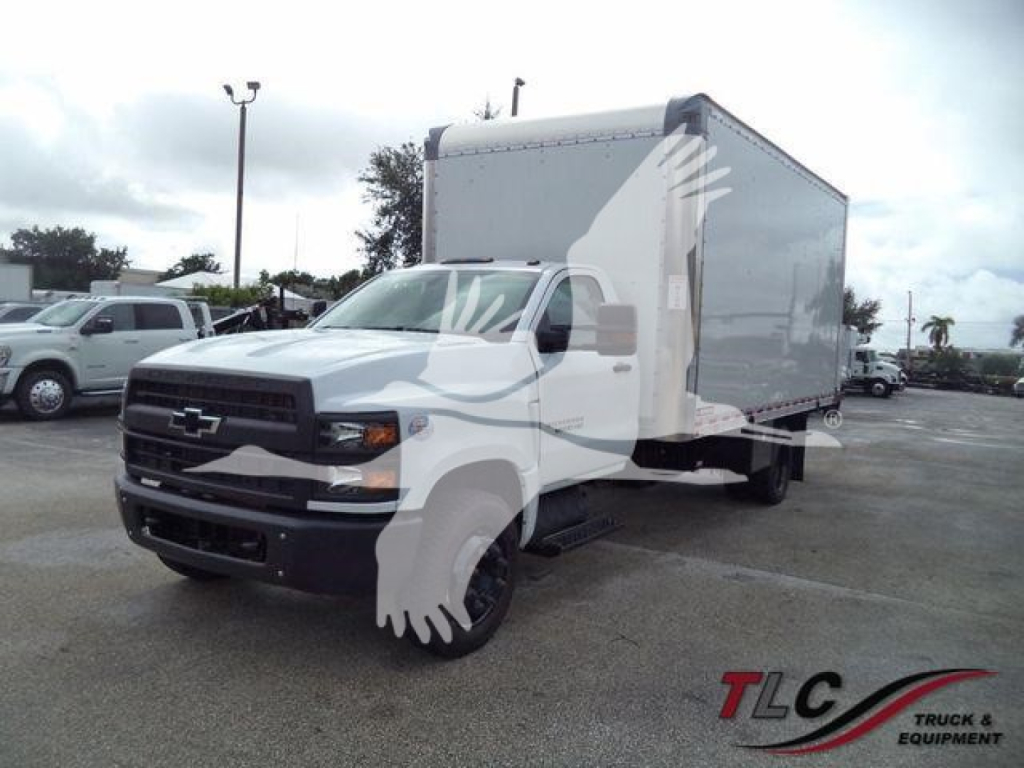
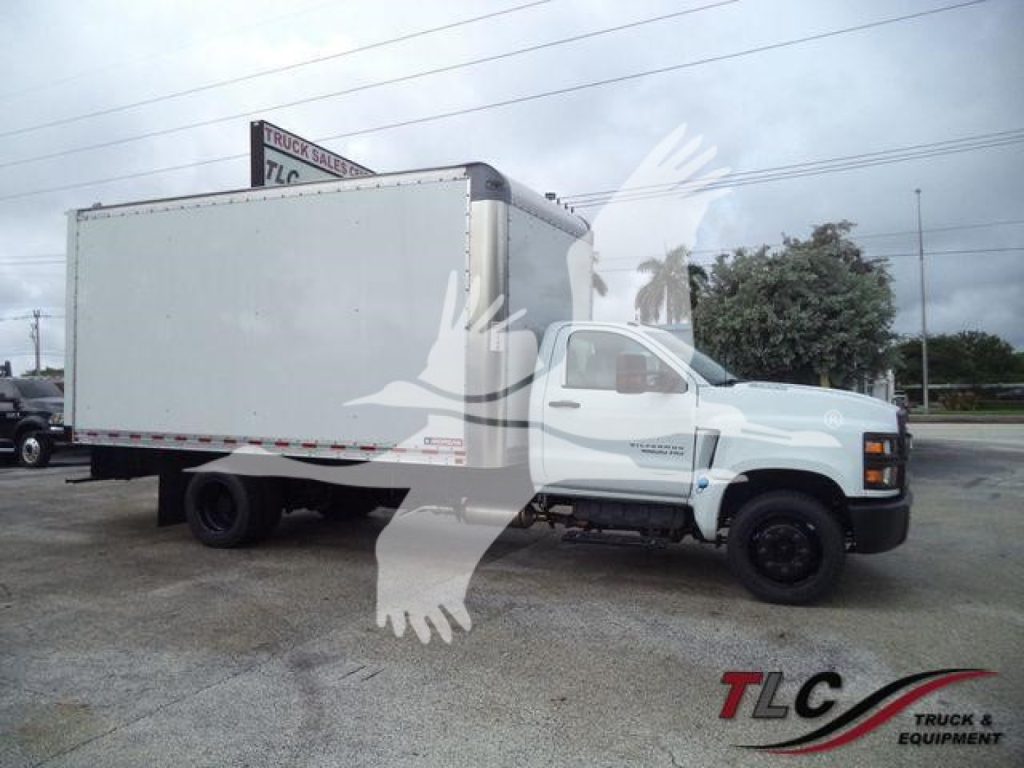
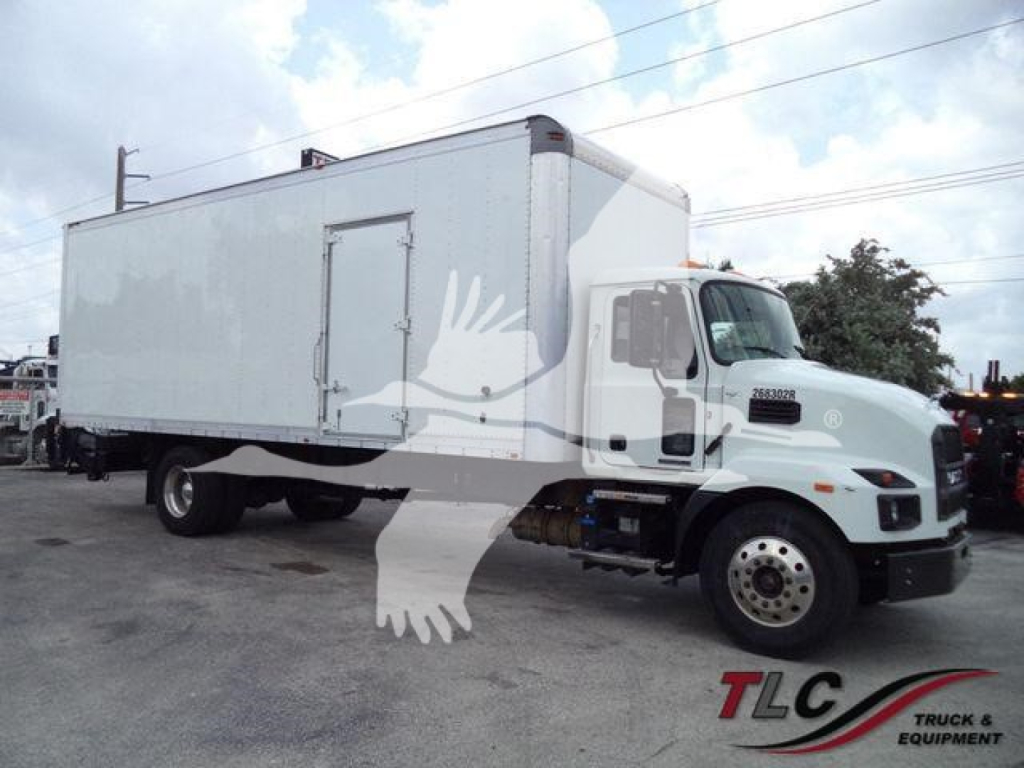
Selling a 2023 box truck? List your 2023 box truck for sale and reach thousands of commercial buyers.
2023 Box Trucks in Florida
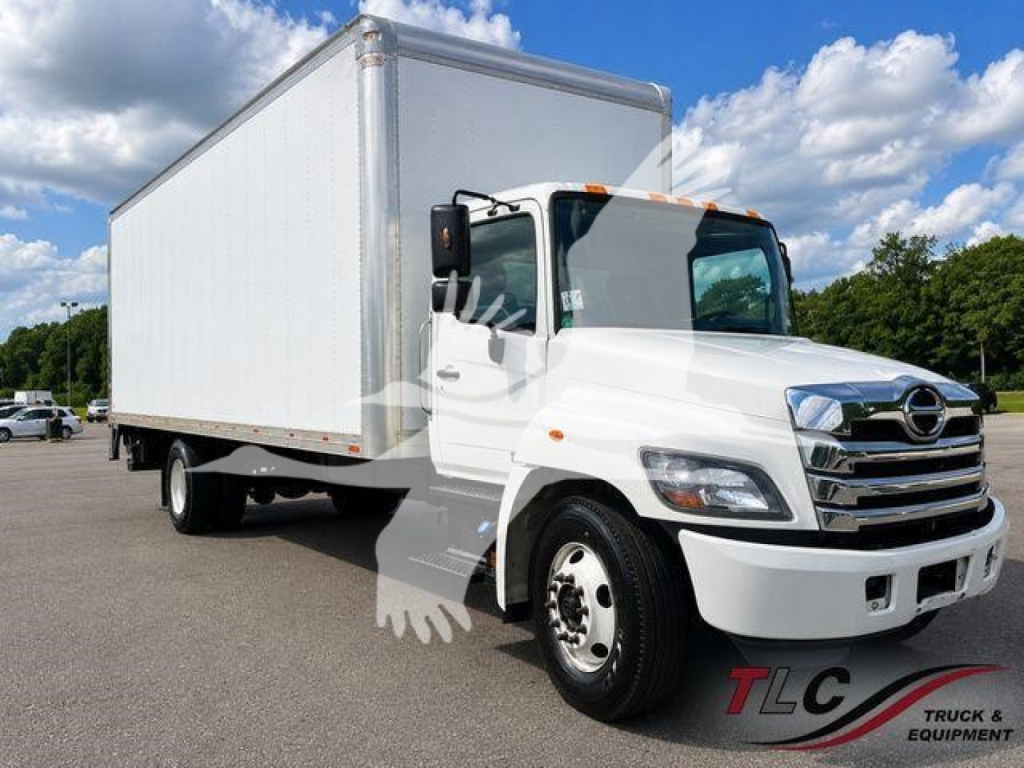
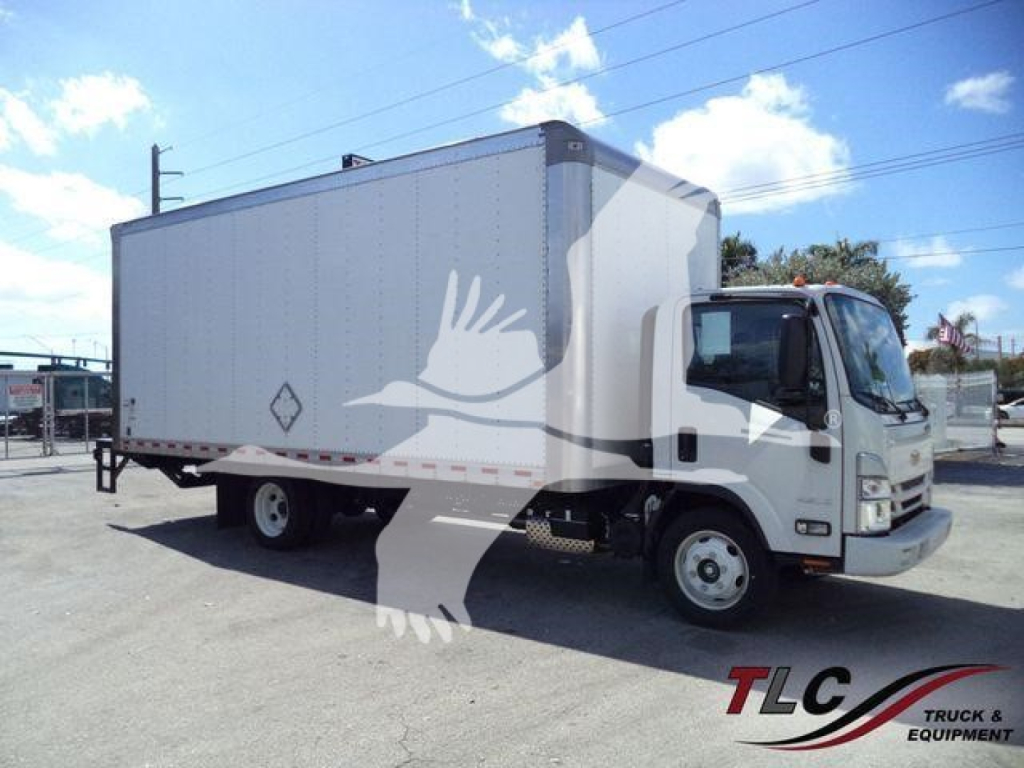
The first decision is usually chassis size and GVWR. Common 2023 box trucks include lighter gas or diesel models in the 12,000 to 19,500 lb GVWR range, plus heavier medium-duty units around 25,950 lb GVWR and up for larger payloads or bigger bodies. Body lengths commonly run from 14 to 26 feet, with 16-foot, 20-foot, 22-foot, and 26-foot boxes being the most common setups. Cabover platforms such as Isuzu-style low-cab-forward trucks stay popular because they tighten turning radius and improve visibility in city work, while conventional chassis can offer a more familiar driving position and easier parts access. Buyers should also match the rear opening to the job, with roll-up doors favored for dock work and frequent stops, and swing doors sometimes preferred where full opening clearance matters.
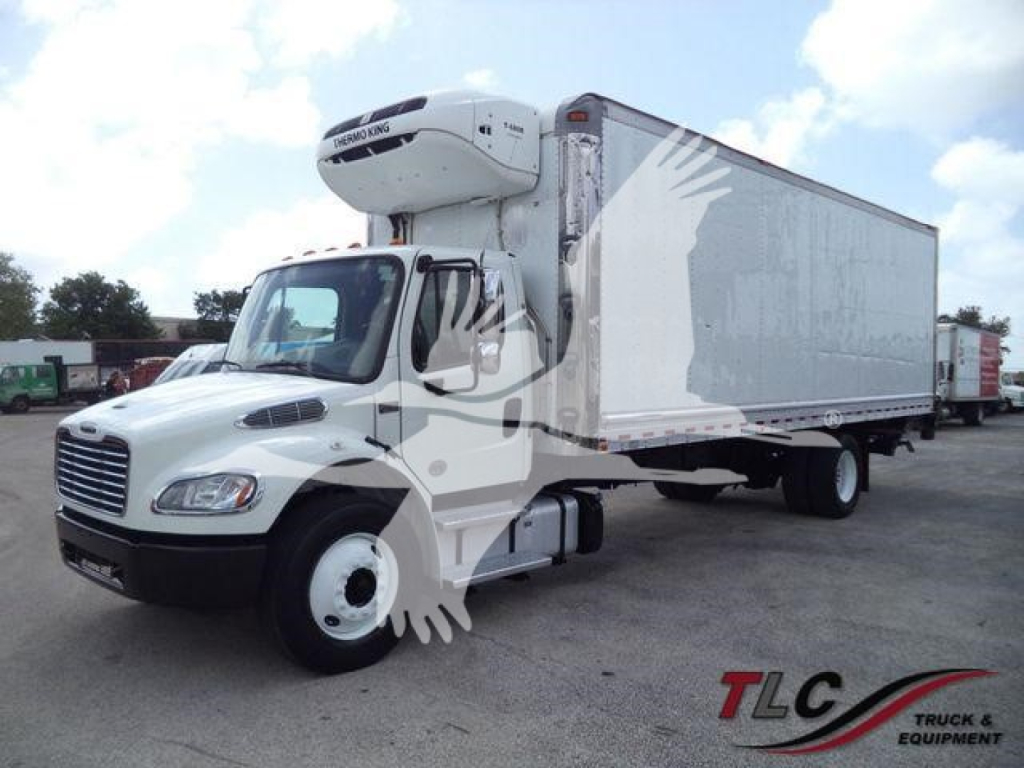
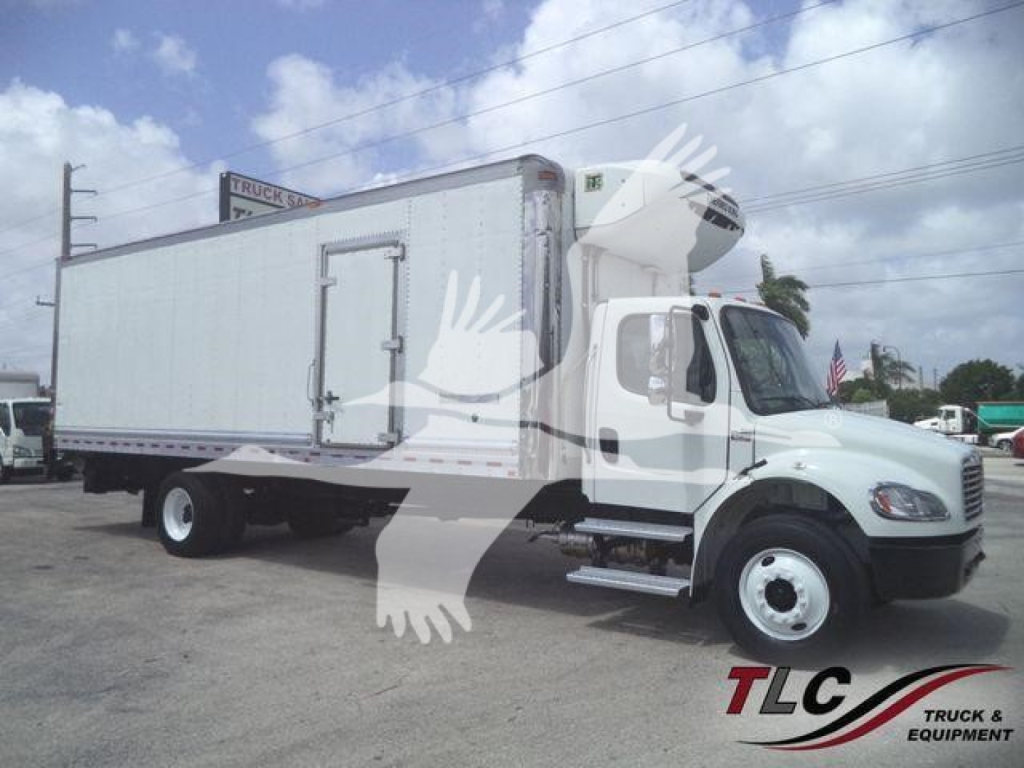
Cargo body spec is just as important as the truck itself. Look at inside height, flooring material, wall construction, roof condition, E-track placement, translucent roof panels, and whether the body has scuff liners for carton freight, appliance work, or furniture moves. Liftgates are often the difference between a usable delivery truck and one that slows every stop, so capacity matters. A 2,000 lb tuck-under may be enough for lighter route freight, while 3,000 to 3,500 lb liftgates are common on trucks handling pallets, vending equipment, or heavier commercial deliveries. On heavier units, air brakes, air ride suspension, and 22.5-inch rubber may make sense for better control and durability under higher gross loads.
For a 2023 model, buyers often expect newer safety and drivability features, but the real value is still in the build spec and serviceability. Check axle rating, wheelbase, body-to-axle relationship, ramp angle if equipped, and how much legal payload remains after the body and liftgate are installed. Diesel power remains common for higher-mileage delivery cycles, while gas power can fit lower annual mileage or lighter regional service. In Florida, cooling system condition, cab air conditioning performance, door seals, and box leak prevention deserve extra attention because heat, humidity, and sudden rain can affect uptime and cargo condition. The best 2023 box truck is the one sized correctly for its route, loading method, and freight profile, not simply the one with the longest box.
Frequently Asked Questions about 2023 Box Trucks in Florida
What size box truck is best for local delivery work?
The right size depends on cubic capacity, payload, and where the truck will operate. A 14-foot to 16-foot box often works well for tighter city routes, lighter freight, and frequent parking maneuvers. A 20-foot to 26-foot body makes more sense for furniture, appliances, palletized freight, or moving applications where cube is critical. Buyers should match body length to wheelbase, loading dock access, and the weight of the typical load, not just the amount of floor space.
Is a diesel or gas 2023 box truck the better choice?
Diesel usually makes more sense for higher mileage, heavier payloads, and demanding route cycles because it typically delivers stronger low-end torque and longer-duty driveline characteristics. Gas engines can be a good fit for lighter GVWR trucks, lower annual mileage, and operations that want simpler fueling or lower upfront cost. The best choice depends on average daily miles, idle time, cargo weight, and expected maintenance strategy.
Do I need a liftgate on a box truck?
A liftgate is essential if the truck regularly handles palletized freight, heavy carts, appliances, or deliveries without dock access. Tuck-under liftgates are common because they preserve rear access and work well for route delivery. Capacity should be chosen around the heaviest real-world load, with 2,000 lb gates common for lighter service and 3,000 lb to 3,500 lb gates more appropriate for heavier commercial work.
What should I check on a 2023 used box truck before buying?
Focus on GVWR, actual payload capacity, body condition, door function, floor wear, liftgate operation, tire size, brake type, and service history. It is also important to inspect roof seams, sidewall integrity, water intrusion, reefer prep if applicable, and the relationship between wheelbase and body length. On Florida trucks, pay close attention to air conditioning performance, cooling system health, corrosion around body hardware, and the condition of seals that keep out rain and humidity.
Are cabover box trucks better than conventional box trucks?
Cabover box trucks are often better for dense urban work because they offer a tighter turning radius, strong forward visibility, and more cargo body length on a shorter overall footprint. Conventional chassis can appeal to buyers who want a more traditional cab layout, easier engine access, and a different ride feel at highway speed. The better design depends on route density, driver preference, service access, and the amount of maneuvering required each day.