
2023 Box Trucks For Sale
Browse 2023 box trucks for sale, including medium-duty delivery and moving trucks with common body lengths, liftgates, roll-up doors, and diesel power.
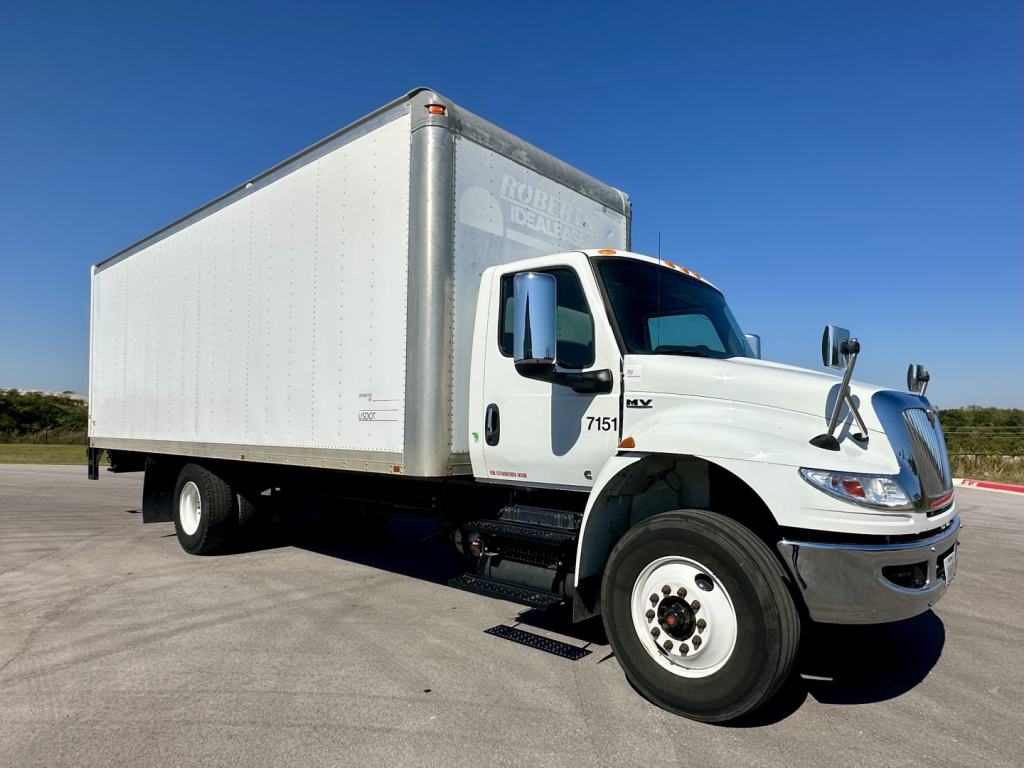
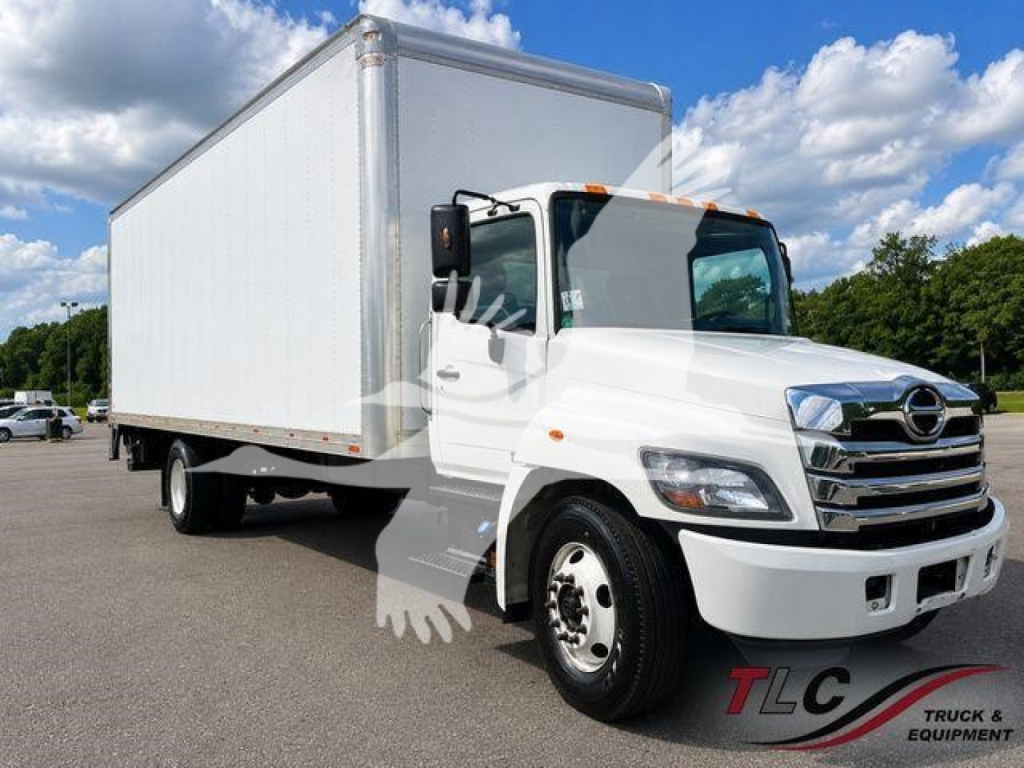
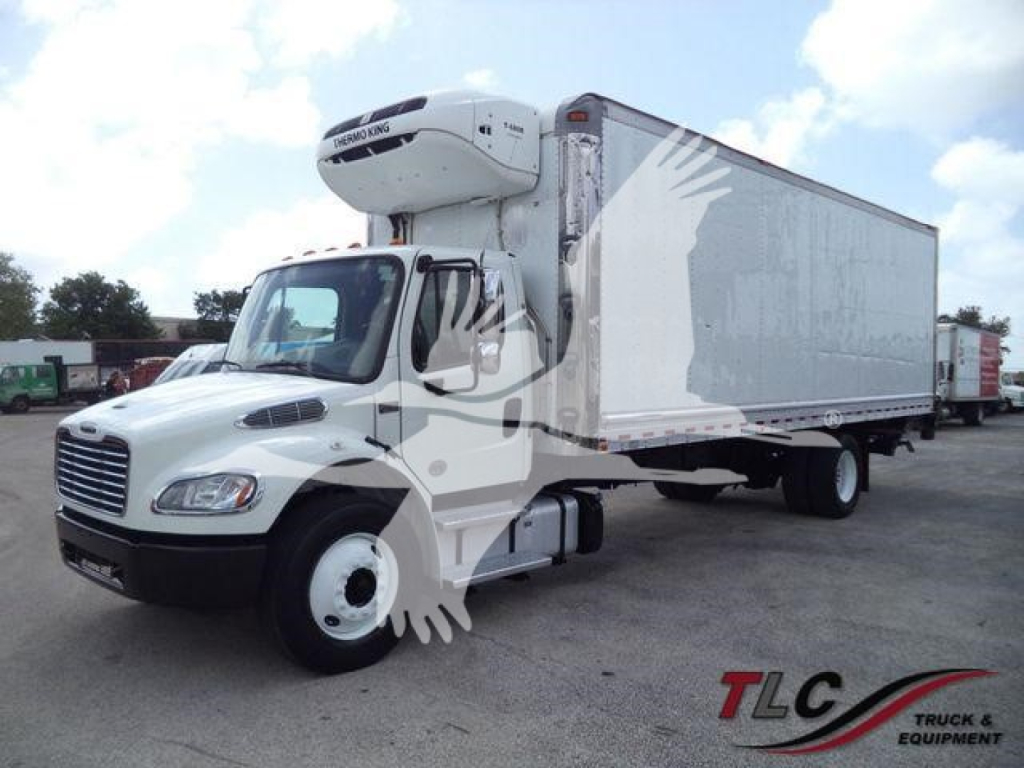
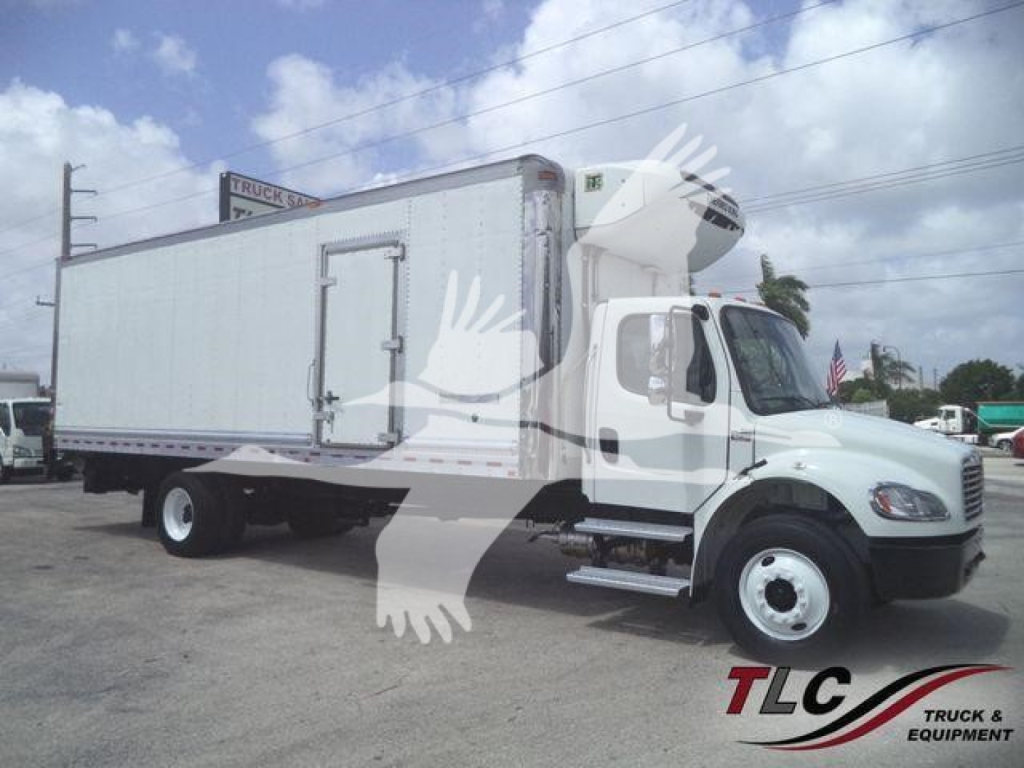
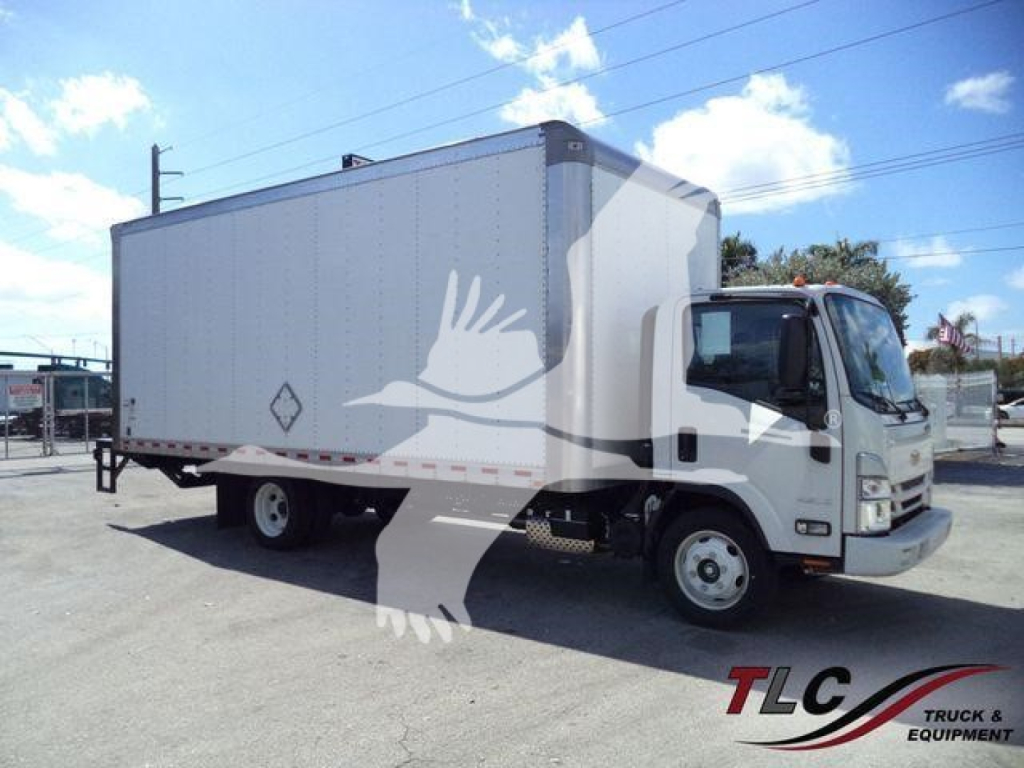
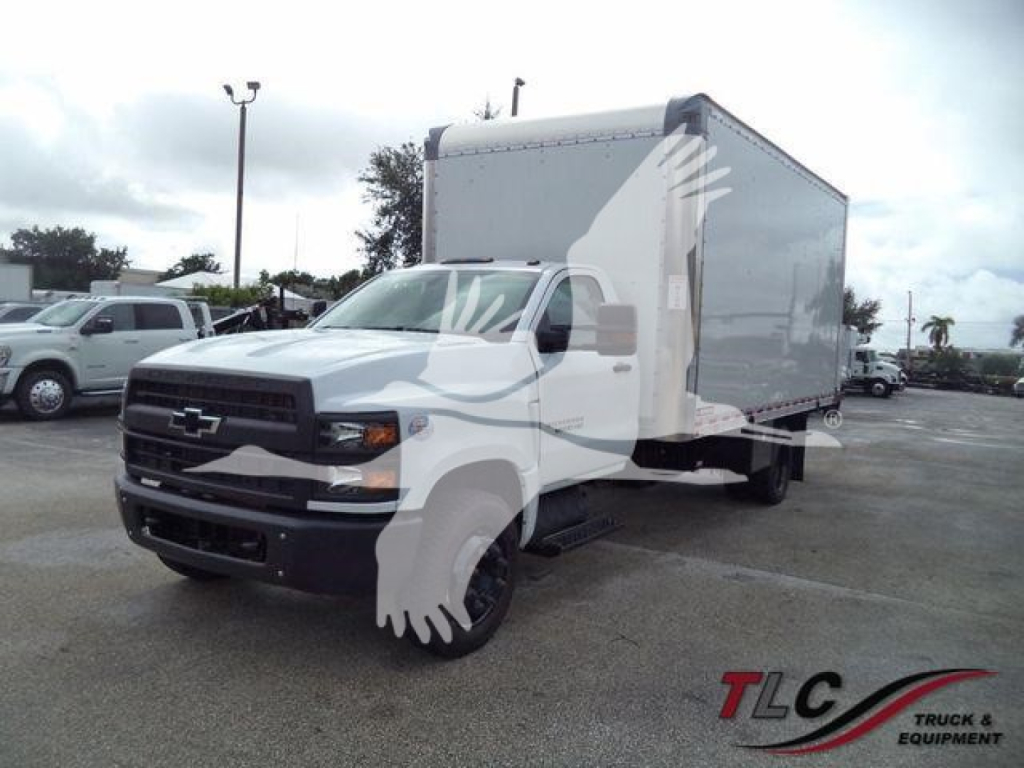
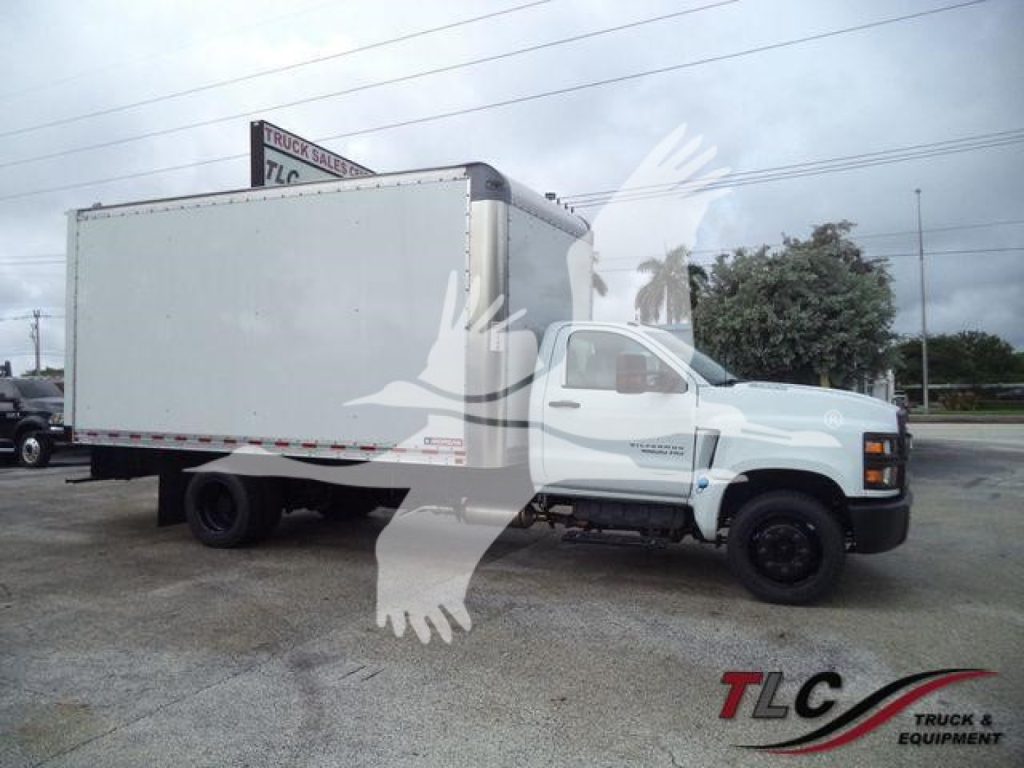
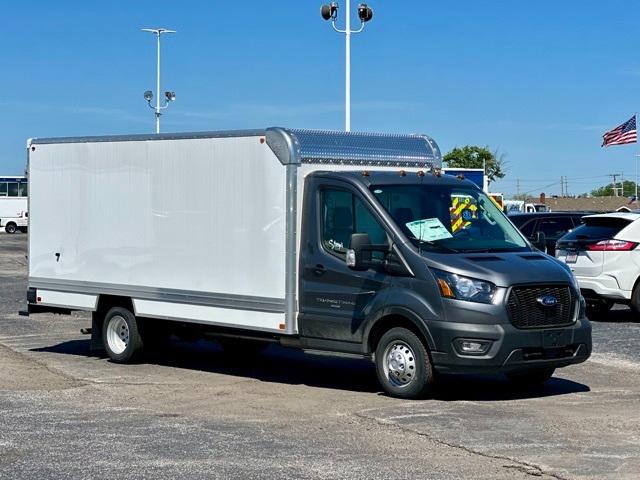
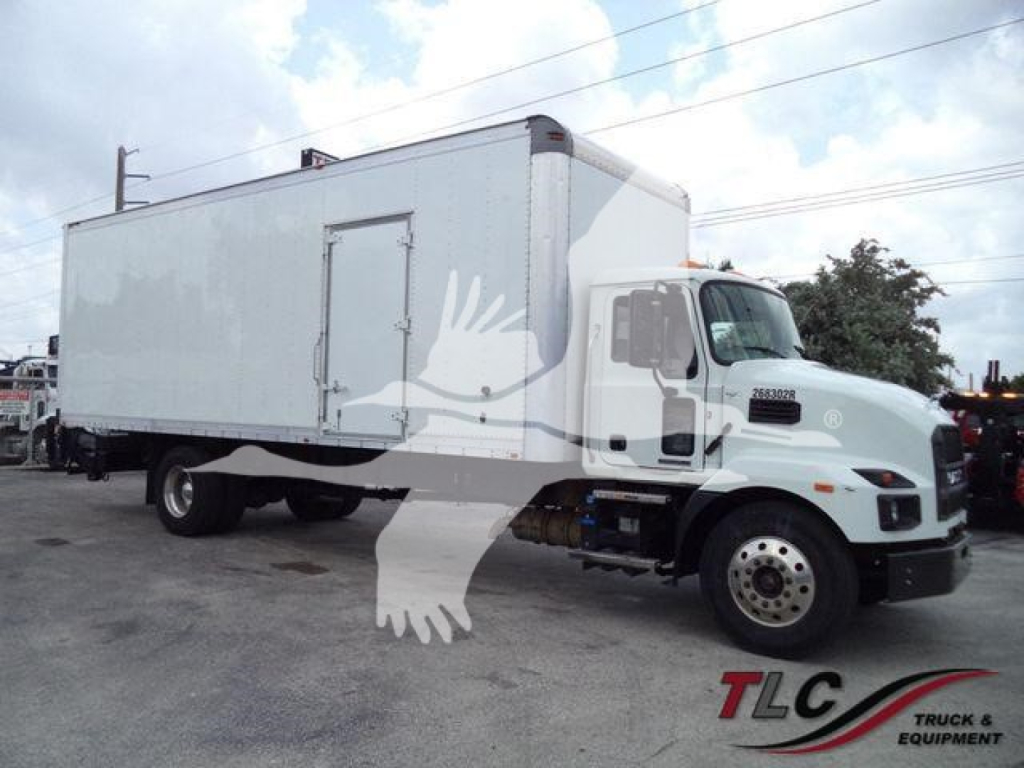
Selling a 2023 box truck? List your 2023 box truck for sale and reach thousands of commercial buyers.
2023 Box Trucks
The key buying decision is matching GVWR, body length, and door configuration to the route. Lighter 2023 box trucks on cutaway or cab chassis platforms are common in urban delivery, often with gas engines and lower step-in height. Medium-duty models from OEMs such as Freightliner, International, Hino, Isuzu, Ford, Chevrolet, and Mack are more common when payload, dock-height loading, and daily route durability are priorities. Typical specs include roll-up rear doors, swing doors, pull-out ramps, tuckunder liftgates, E-track, translucent roofs, hardwood or laminated floors, and aluminum or FRP body construction. Buyers moving palletized freight should pay close attention to interior width between wheel wells, door opening height, and liftgate capacity, since these details affect real-world loading efficiency more than advertised box length alone.
On 2023 units, drivetrain choice matters because operating cost and service access can vary by application. Gas engines can make sense for lighter payloads, shorter routes, and fleets focused on simpler maintenance. Diesel-powered box trucks usually remain the better choice for heavier bodies, higher annual miles, and applications that need stronger torque and durability. Wheelbase-to-body compatibility is also critical. A well-matched chassis and body combination will track better, distribute weight correctly across the axles, and leave enough room for accessories such as liftgates, side doors, tool compartments, or reefer units if the body is temperature-controlled. Cab features on newer trucks also deserve attention, including backup cameras, collision mitigation, lane departure warning, power takeoff capability, and air ride seats that help reduce driver fatigue on stop-and-go routes.
Body condition and upfit quality still matter on a 2023 truck, even in a newer model year. Look closely at roof seams, front wall construction, floor wear, door frame alignment, and signs of water intrusion around marker lights or corners. Check that the body manufacturer, liftgate brand, and chassis builder all have parts and service support in your market. For fleet buyers, a 2023 box truck can hit a useful middle ground: modern enough to offer current safety and emissions systems, but old enough in many cases to provide more pricing flexibility than a new order. The best unit is the one spec'd for the freight, not just the one with the biggest box.
Frequently Asked Questions about 2023 Box Trucks
What is the typical GVWR range for a 2023 box truck?
A 2023 box truck commonly falls between 12,000 and 33,000 pounds GVWR, depending on chassis class and body size. Lighter Class 3 to Class 5 trucks are common for parcel, furniture, and local delivery work, while heavier Class 6 and Class 7 models are better suited for larger payloads, dock loading, and more demanding commercial routes. The right GVWR depends on cargo weight, body weight, liftgate weight, and how much legal payload you need after the truck is fully equipped.
What body length is most common on a 2023 box truck?
Common body lengths for a 2023 box truck are roughly 16, 20, 22, 24, and 26 feet. Smaller bodies are easier to maneuver in dense urban areas and tighter delivery zones, while 24-foot and 26-foot bodies are often preferred for moving, appliance delivery, and higher-cube freight. Body length should be matched with wheelbase, rear overhang, and turning radius so the truck remains practical for the routes it will run every day.
Is a diesel or gas engine better in a 2023 box truck?
A gas engine can be a smart choice for lighter-duty routes, lower annual mileage, and operations that want simpler service requirements. A diesel engine is usually the better fit for heavier payloads, longer service life expectations, and frequent use on routes where torque and fuel efficiency under load matter. Buyers should compare not just fuel type, but also local technician support, emissions system familiarity, and the truck's expected average payload.
What features should buyers look for on a 2023 box truck used for delivery work?
Important delivery-oriented features include a roll-up rear door, a properly rated liftgate or pull-out ramp, E-track or logistic track for cargo securement, durable flooring, and a cargo body with good interior height and width. In the cab, backup cameras, collision mitigation, lane departure warning, and comfortable seating can make a measurable difference in productivity and safety. For palletized freight, door opening dimensions and liftgate platform size are just as important as overall box length.
What is the difference between a box truck and a straight truck?
In most commercial truck listings, a box truck is a type of straight truck. Straight truck means the cab and cargo body are mounted on a single chassis rather than being a tractor and separate trailer. Box truck is the common term used when that body is an enclosed van body designed to protect cargo from weather and theft. Some buyers also refer to these as cube trucks or moving trucks depending on the body style and end use.