
Ford Box Trucks For Sale in Florida
Shop Ford box trucks for sale in Florida. Compare E-350 and E-450 cargo and moving trucks with roll-up doors, ramps, and multiple box sizes.
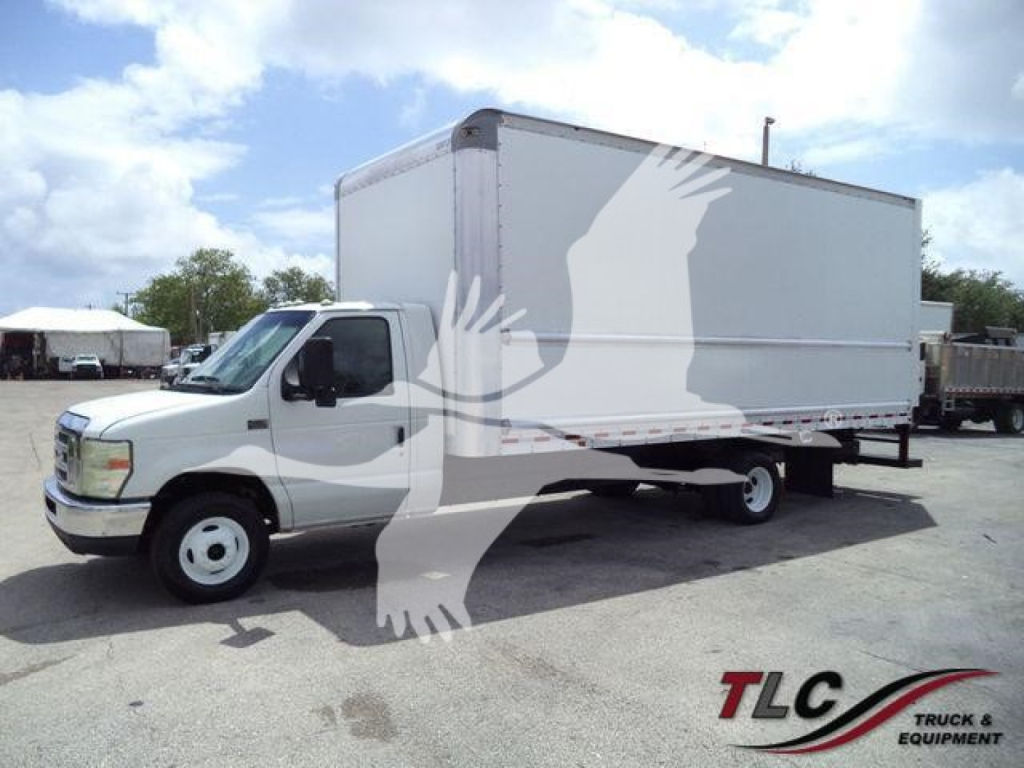
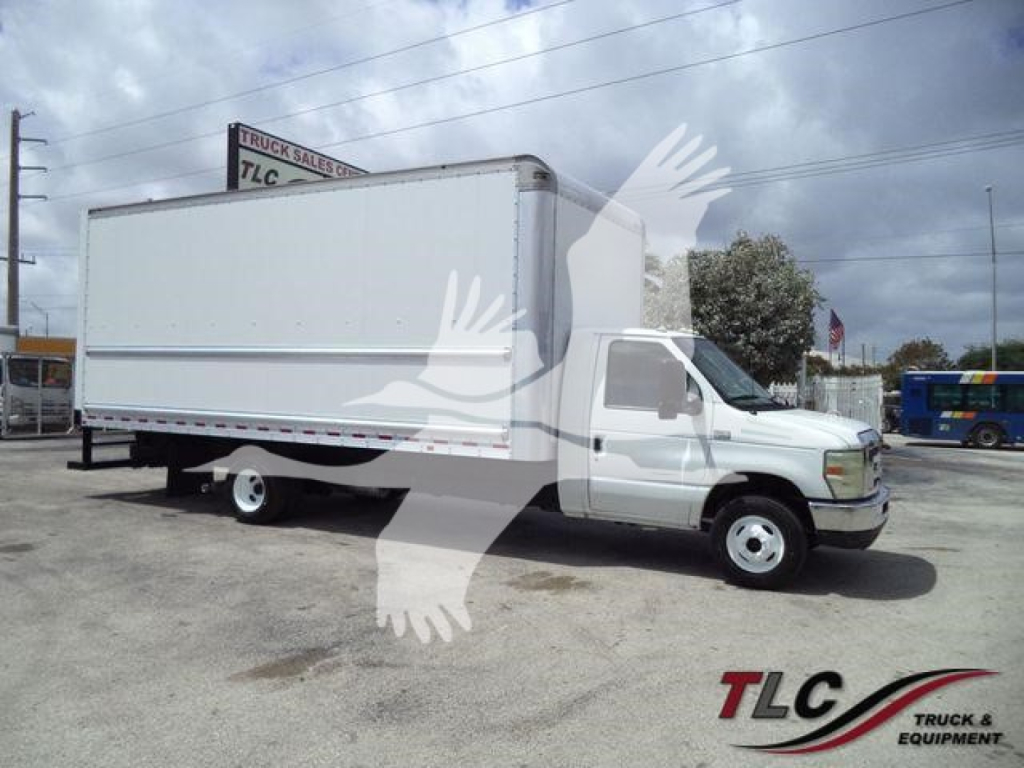
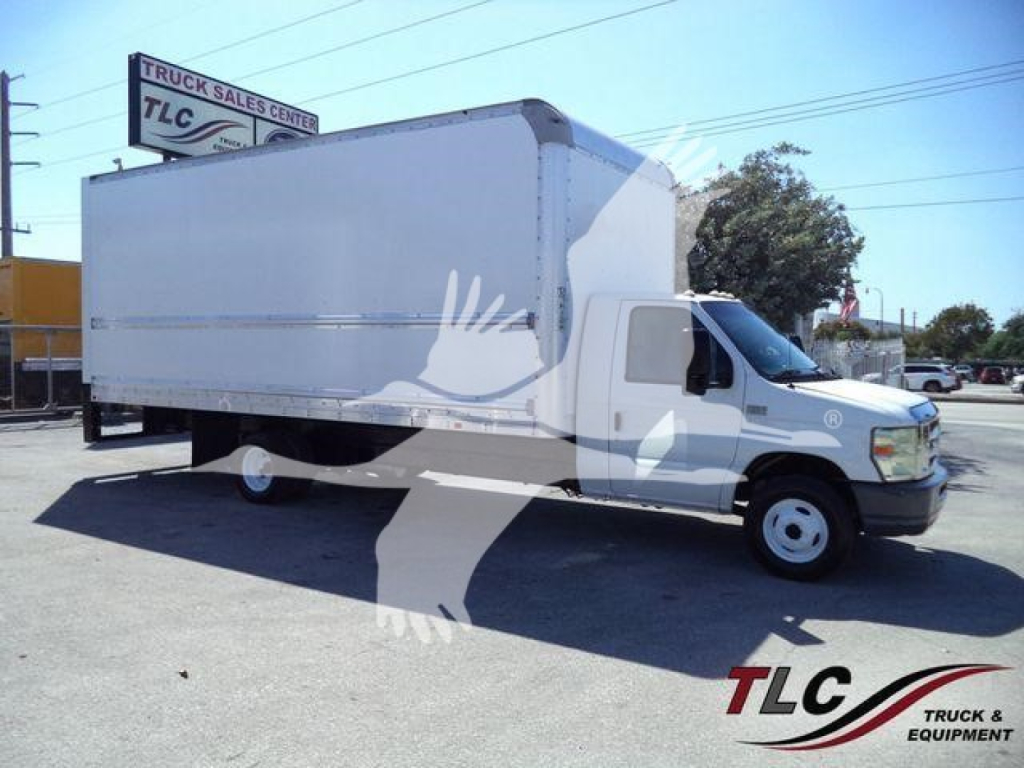
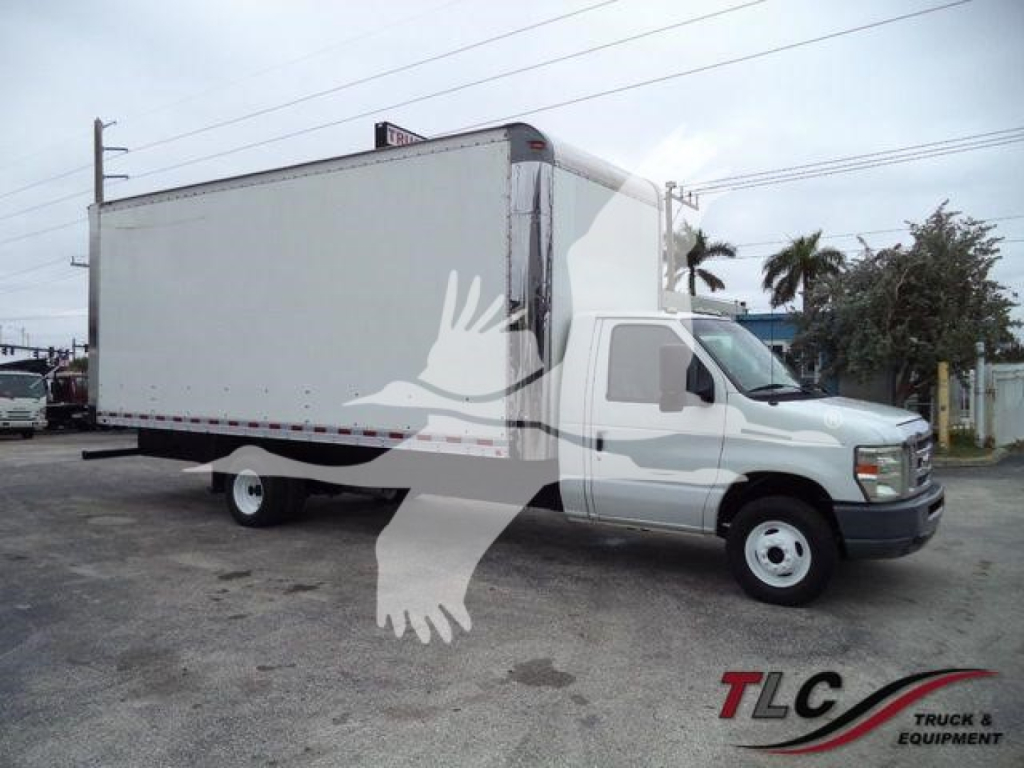
Selling a ford box truck? List your ford box truck for sale and reach thousands of commercial buyers.
Ford Box Trucks in Florida
The first buying decision is usually chassis capacity and body length. An E-350 is often a fit for lighter payloads and tighter city work, while an E-450 is better suited for longer 18-foot to 20-foot boxes, higher GVWRs, and heavier daily loading. Many Ford units in this class use the 6.8L V10 gas engine or gas V8 configurations paired with an automatic transmission and 4x2 drivetrain. Spring suspension, single rear axle setups, and standard cab layouts are common. Buyers should match the box length, interior height, rear door opening, and floor construction to the freight. Furniture, parcel freight, retail deliveries, event equipment, and contractor materials all place different demands on cubic capacity and payload.
Body spec matters as much as the truck itself. A fiberglass or aluminum box changes repair cost, curb weight, and corrosion behavior. Roll-up doors are standard for dock and route work, while pull-out ramps help with carts, appliances, and hand-loaded deliveries. Some Ford box trucks carry specialized upfits such as liftgates, rollback deck systems, shelving, tie-down rails, or reinforced floors. Inside the body, buyers should inspect for wall damage, soft flooring, roof leaks, and prior patchwork. On the chassis side, pay attention to front-end wear, brake condition, transmission shift quality, cooling system service history, and how the truck behaves under load. In Florida, A/C performance is not optional, and rust is often less of a concern than sun exposure, body seal condition, and corrosion from coastal use.
Registration, licensing, and operating cost should be part of the comparison. Many Ford box trucks in this class stay under CDL thresholds, which broadens the driver pool and makes them attractive for small fleets and independent operators. Gas engines can be a practical choice for shorter routes and lower acquisition cost, but payload, fuel economy, and daily mileage still need to pencil out against the job. A well-matched Ford box truck is less about brand familiarity and more about getting the right GVWR, wheelbase, box configuration, rear access, and service history for the work it will actually do.
Frequently Asked Questions about Ford Box Trucks in Florida
What is the difference between a Ford E-350 box truck and a Ford E-450 box truck?
The E-350 generally serves lighter-duty applications with smaller bodies or lower payload requirements, while the E-450 is typically chosen for heavier loads, higher GVWR ratings, and longer box lengths such as 18-foot or 20-foot bodies. The E-450 usually gives buyers more chassis capacity and better suitability for moving, rental, or commercial delivery work where the truck is loaded hard on a regular basis. The right choice depends on payload, box size, route density, and how often the truck will operate near its rated capacity.
Are Ford box trucks usually gas or diesel?
Many Ford box trucks, especially E-Series cutaway models, are commonly found with gasoline engines such as the 6.8L V10 or gas V8 setups. Gas power is popular in local delivery and moving applications because acquisition cost can be lower, service is widely available, and the trucks perform well in stop-and-go duty cycles. For buyers running shorter daily routes in Florida, a gas Ford box truck can be a practical fit if fuel economy is balanced against maintenance simplicity and expected payload.
What box length is most common on a Ford box truck?
Ford box trucks are often configured with bodies from about 12 feet to 20 feet, with 14-foot, 16-foot, and 20-foot boxes being common depending on the chassis. Shorter bodies work well in dense urban service, specialty delivery, or restricted parking areas. Longer bodies provide more cubic capacity for moving, furniture, parcel, or retail freight but also require closer attention to wheelbase, turning radius, and loading habits.
What should I inspect on a used Ford box truck before buying?
Focus on both the chassis and the body. On the truck side, inspect engine performance, transmission operation, brakes, steering play, suspension wear, tires, and cooling system history. On the body side, check the roof, corners, door frame, floor condition, ramp or liftgate function, and signs of water intrusion. A box truck can look clean outside and still have expensive issues in the floor, rear door hardware, or body mounting points, so the upfit deserves the same level of inspection as the chassis.
Do most Ford box trucks require a CDL?
Many Ford box trucks are spec'd below the 26,001-pound GVWR threshold, which means they often do not require a CDL for operation, assuming no other licensing triggers apply. That makes them attractive for local businesses, delivery contractors, and fleets that want access to a broader labor pool. Buyers should still confirm the exact GVWR on the door tag and review any state, cargo, air brake, or business-use requirements that may affect compliance.