
2019 Box Trucks For Sale
Browse 2019 box trucks with common specs, body sizes, GVWR classes, liftgate options, and delivery applications for commercial fleets.
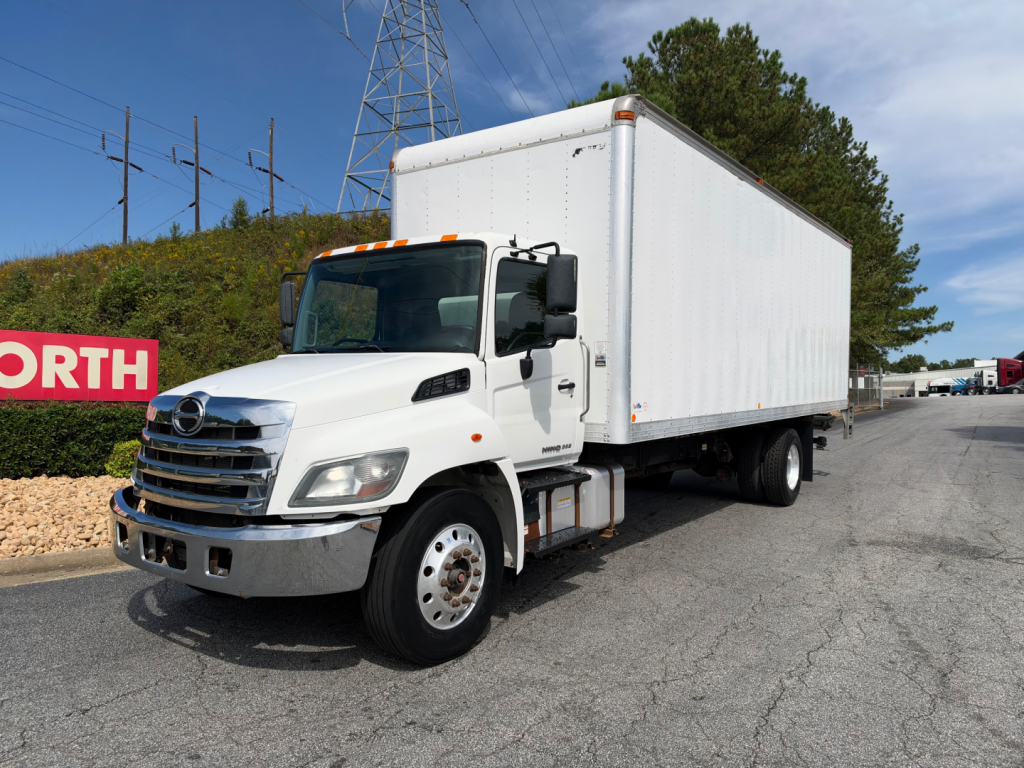
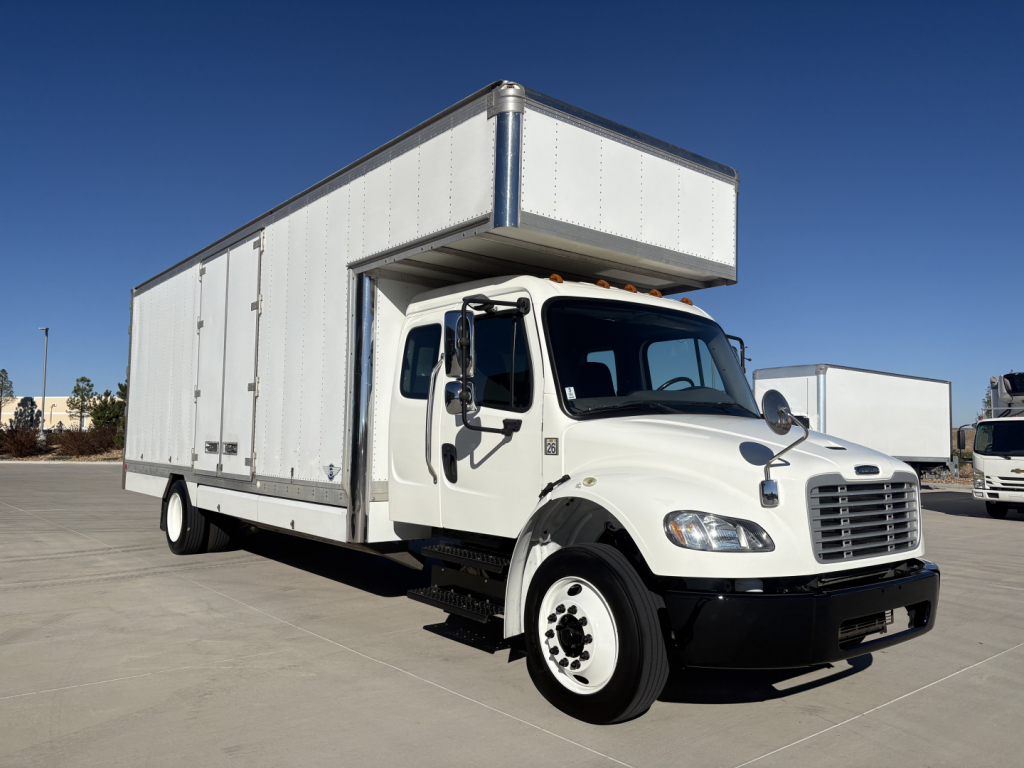
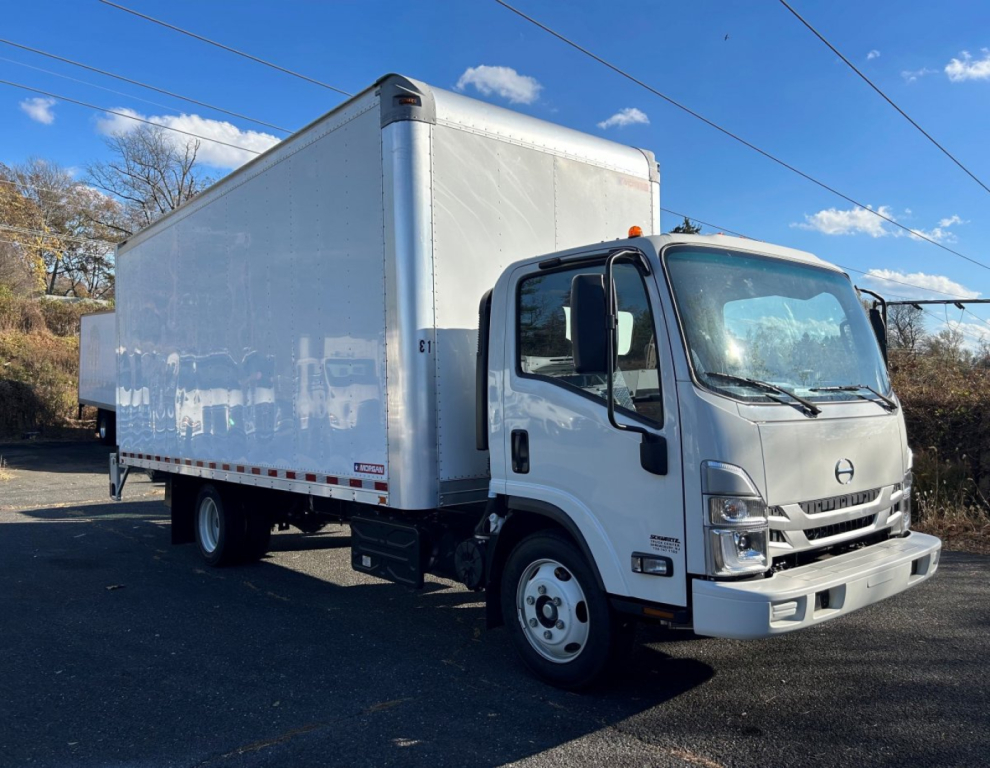
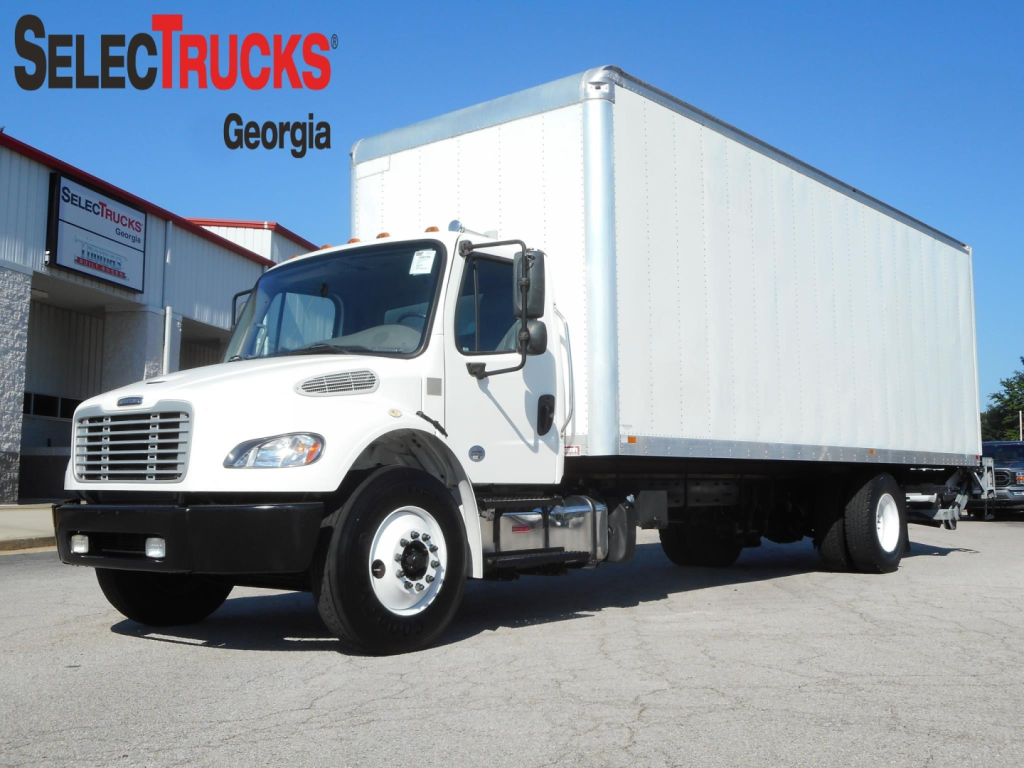
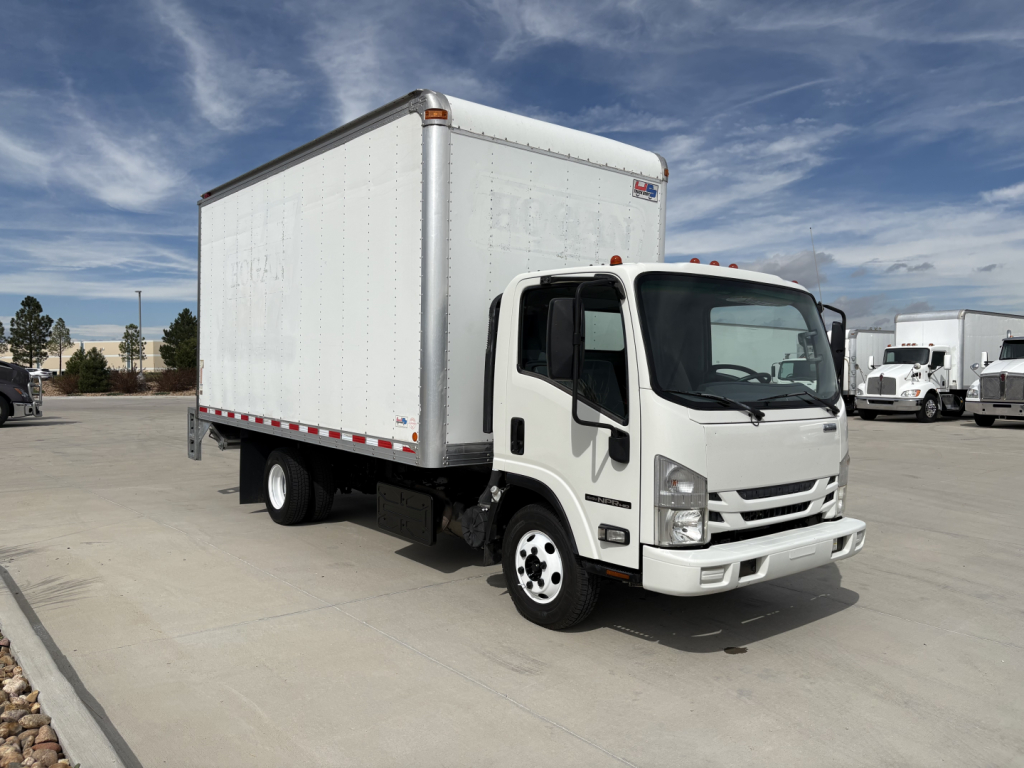
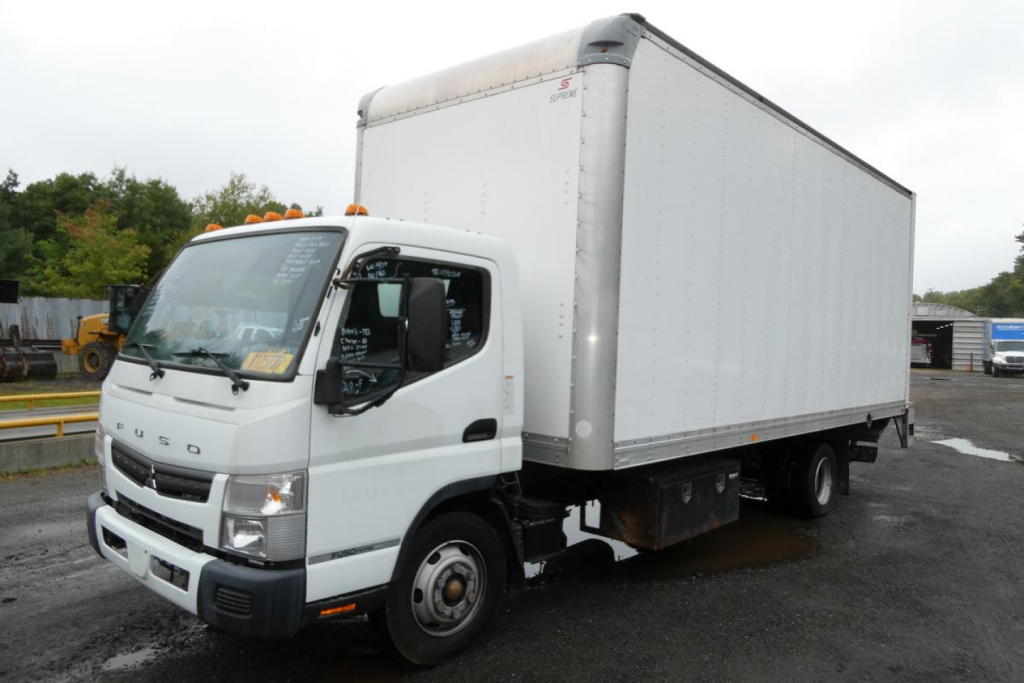
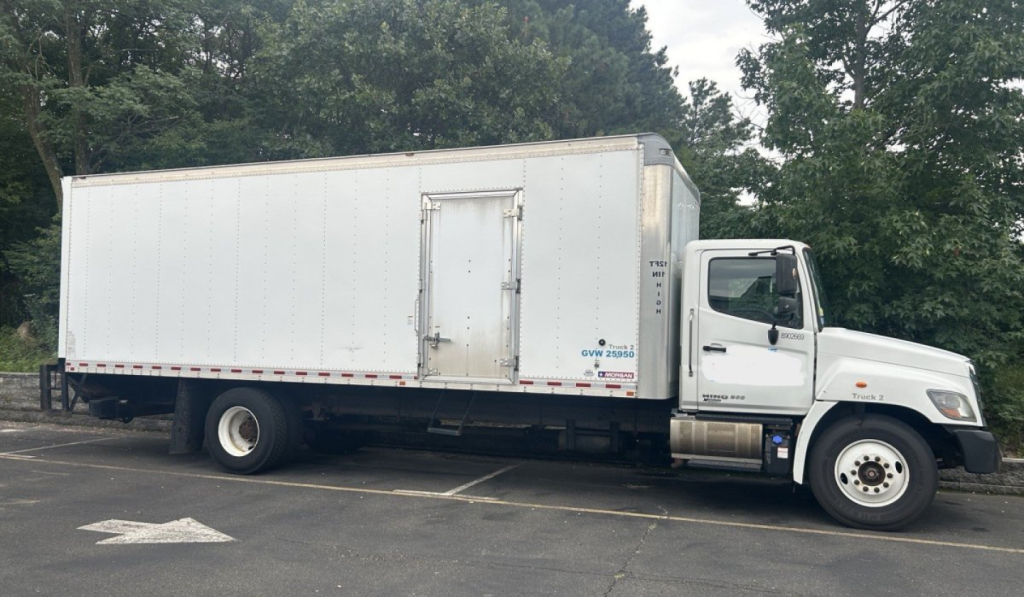
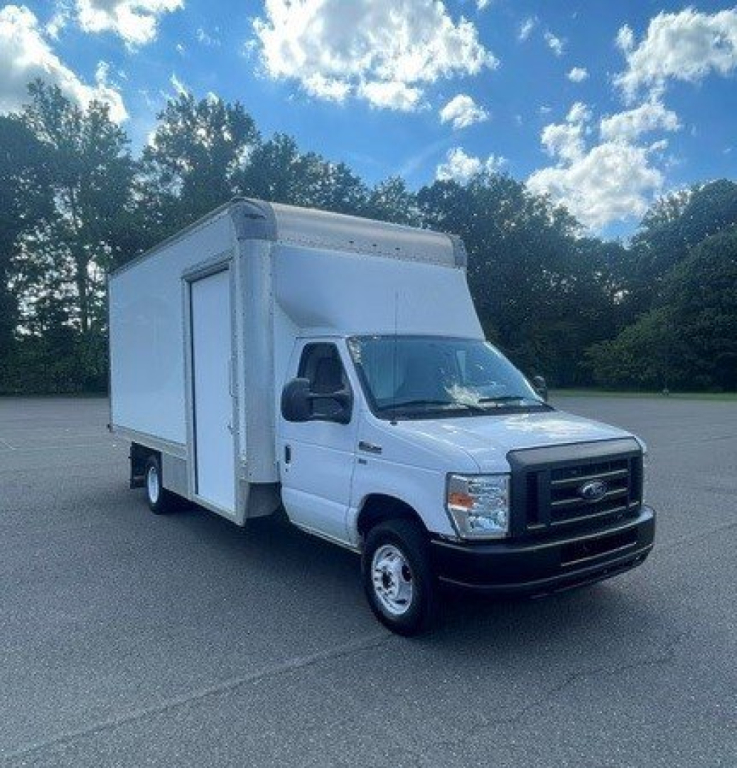
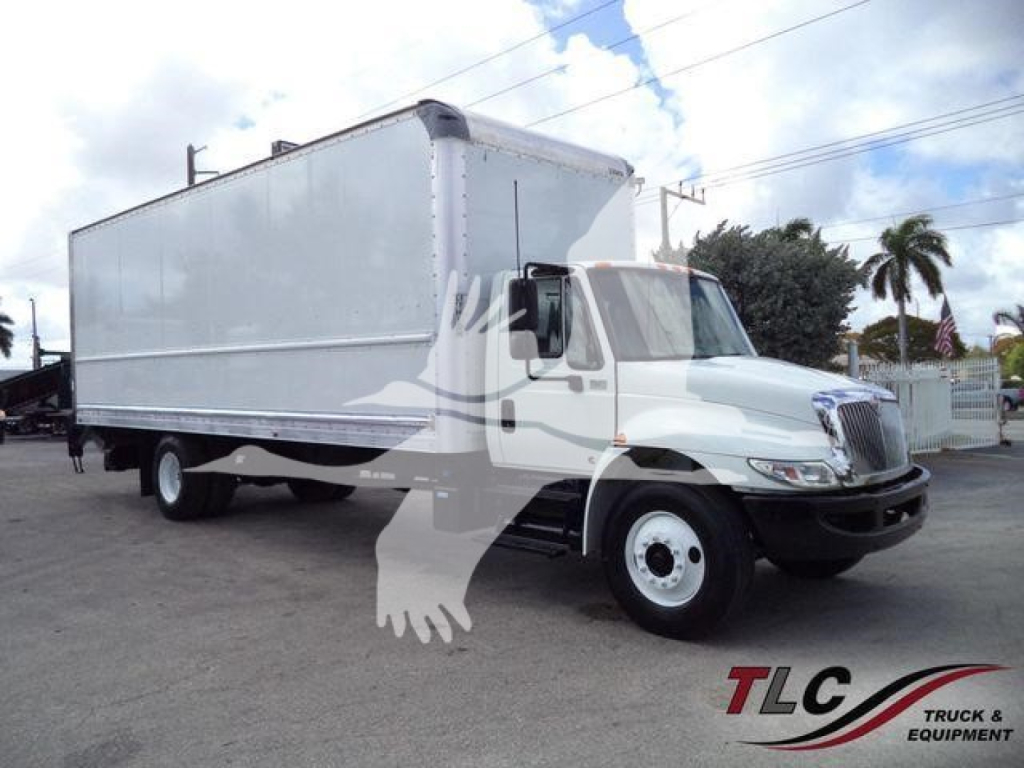
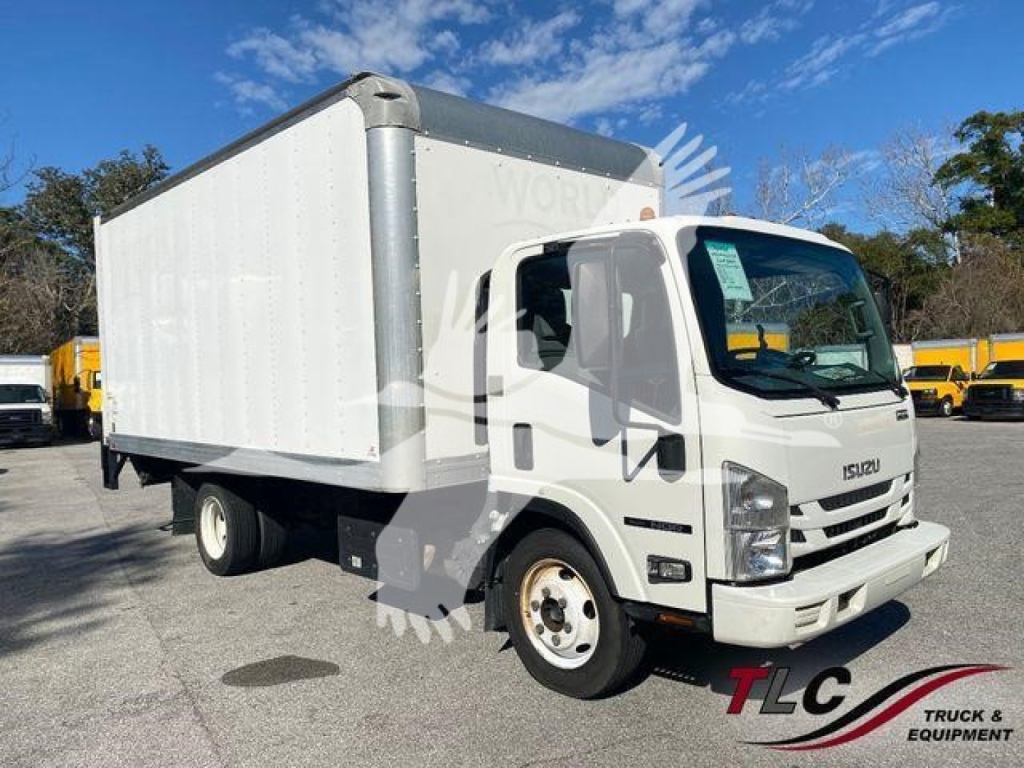
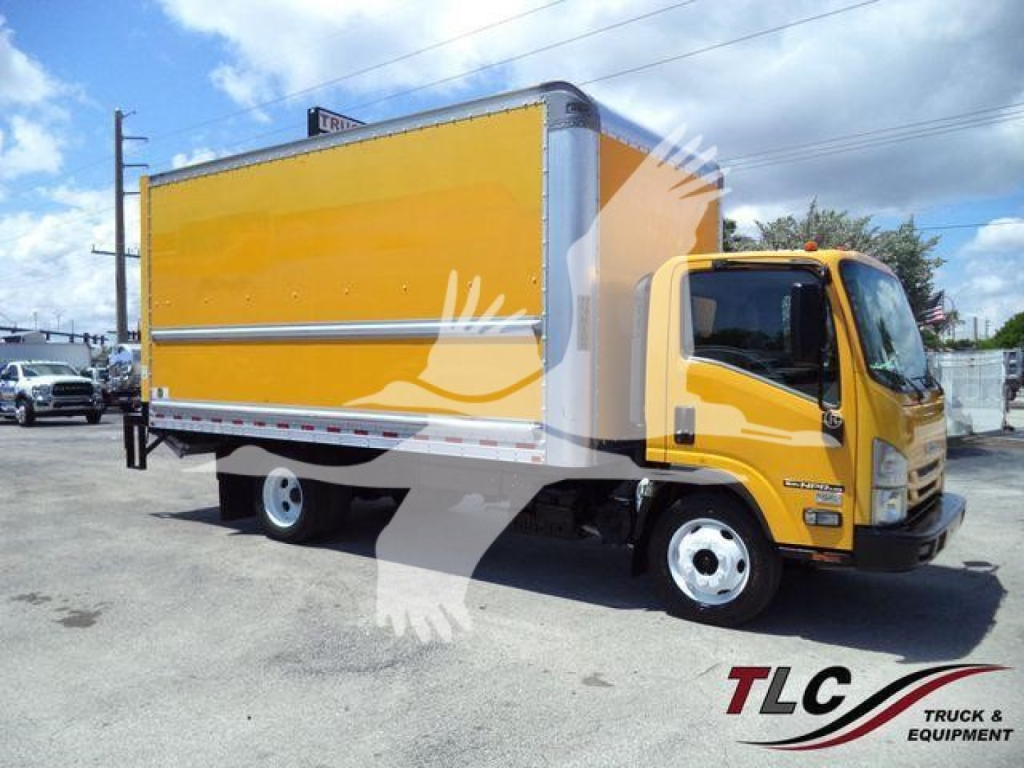
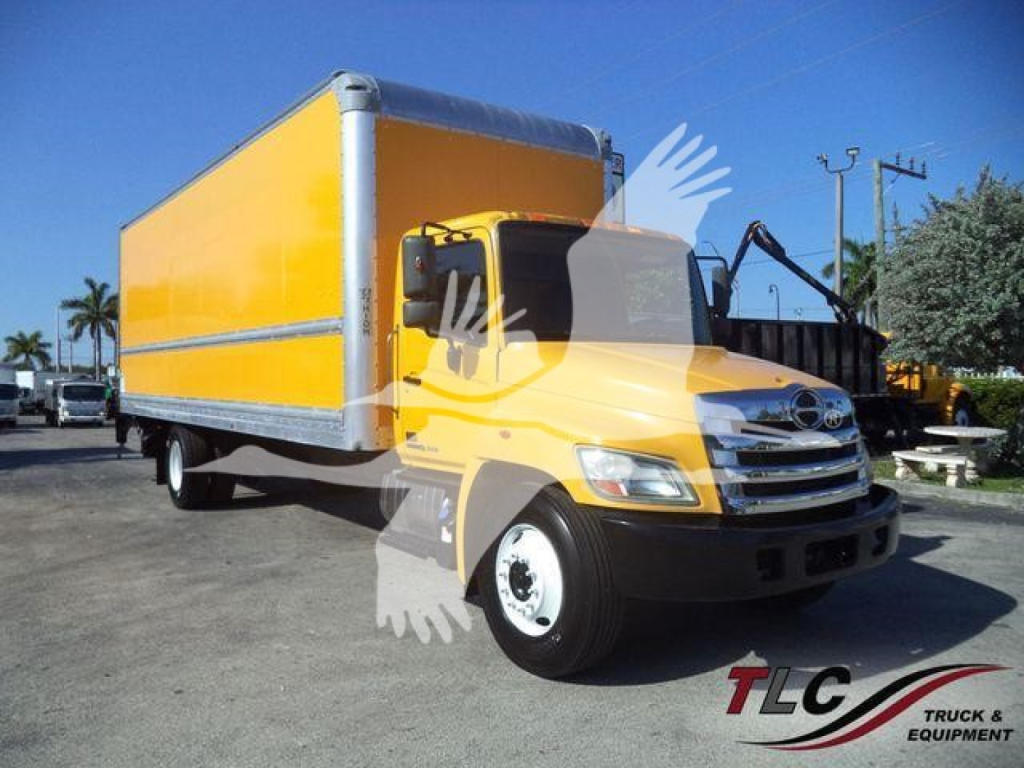
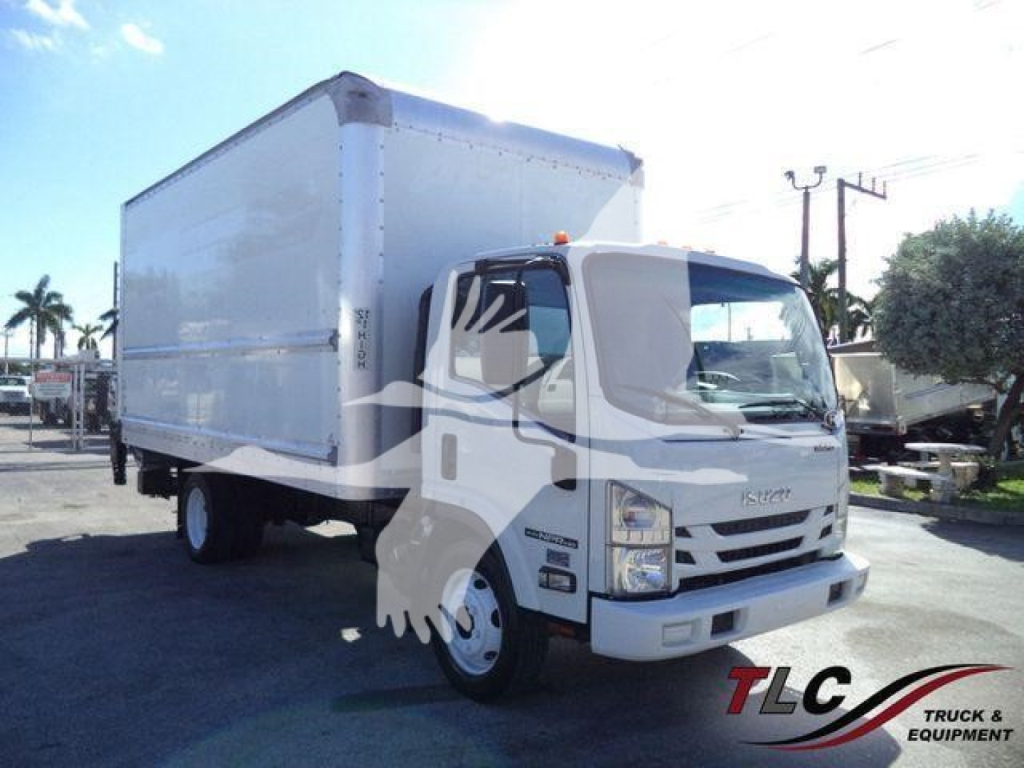
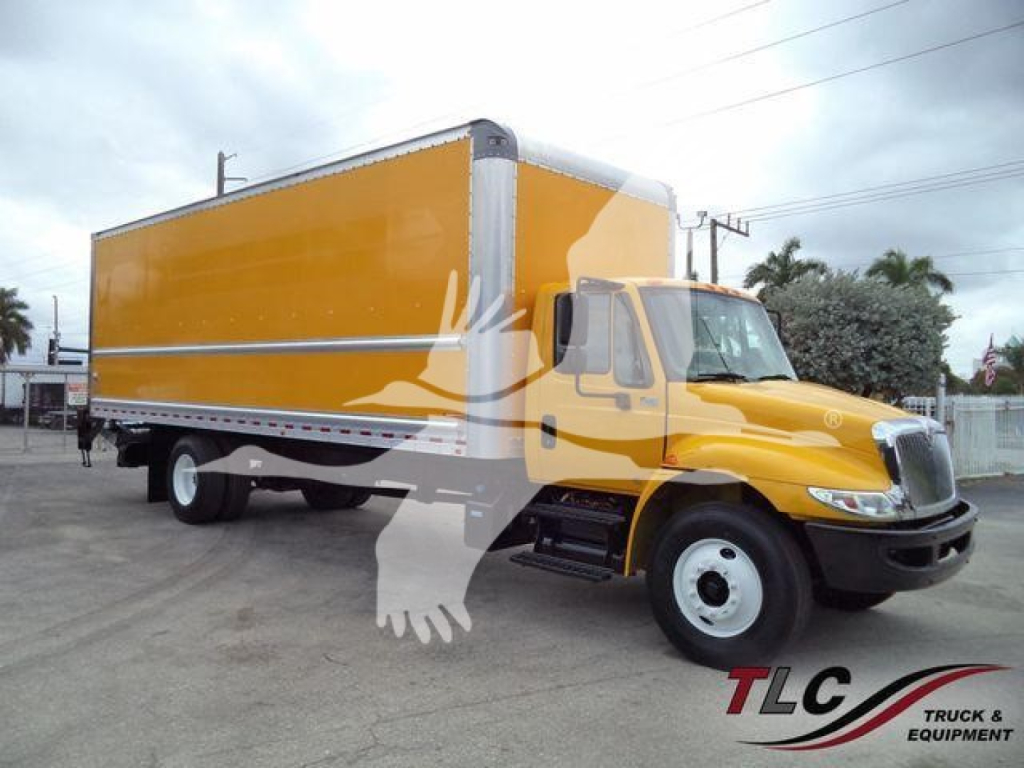
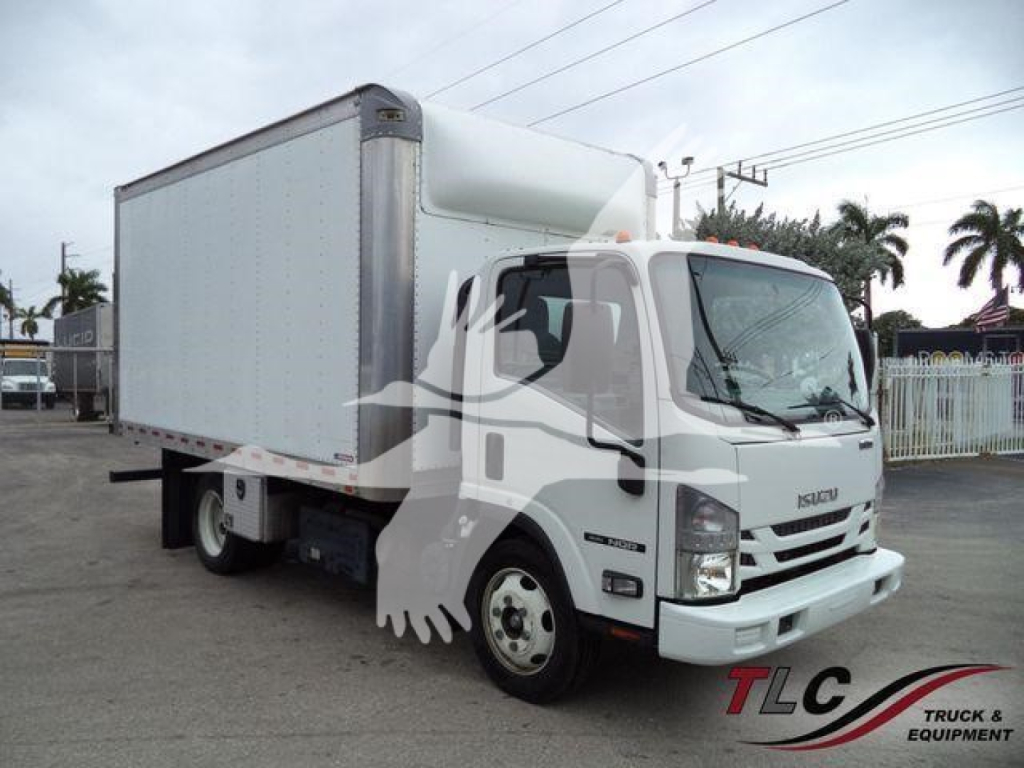
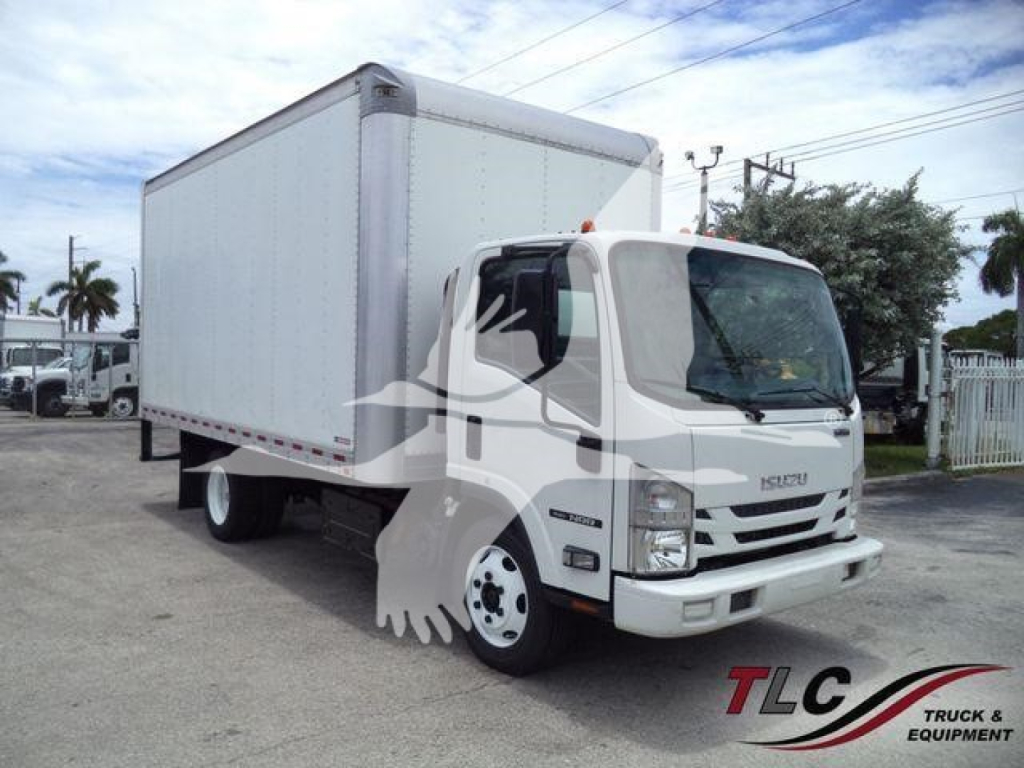
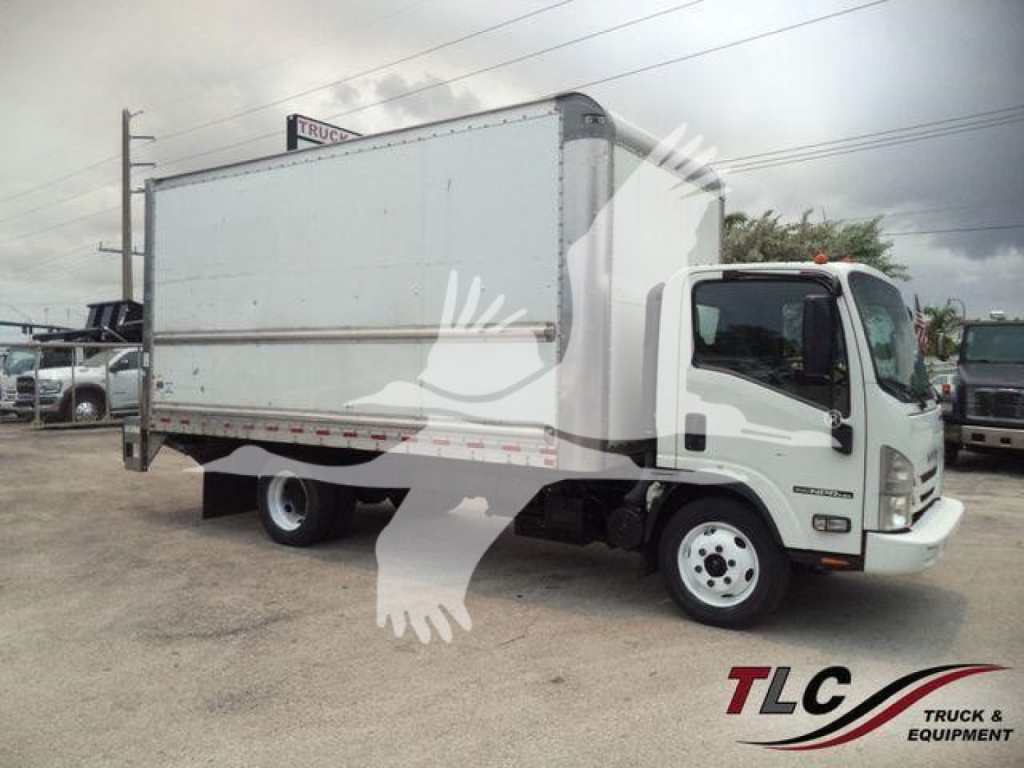
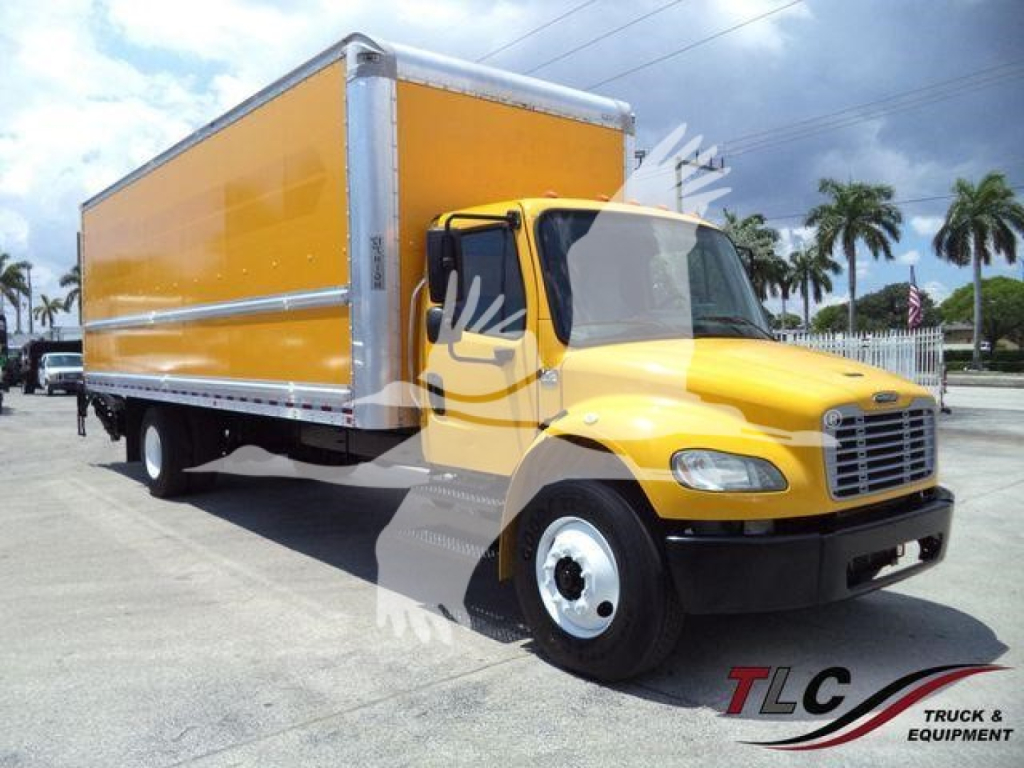
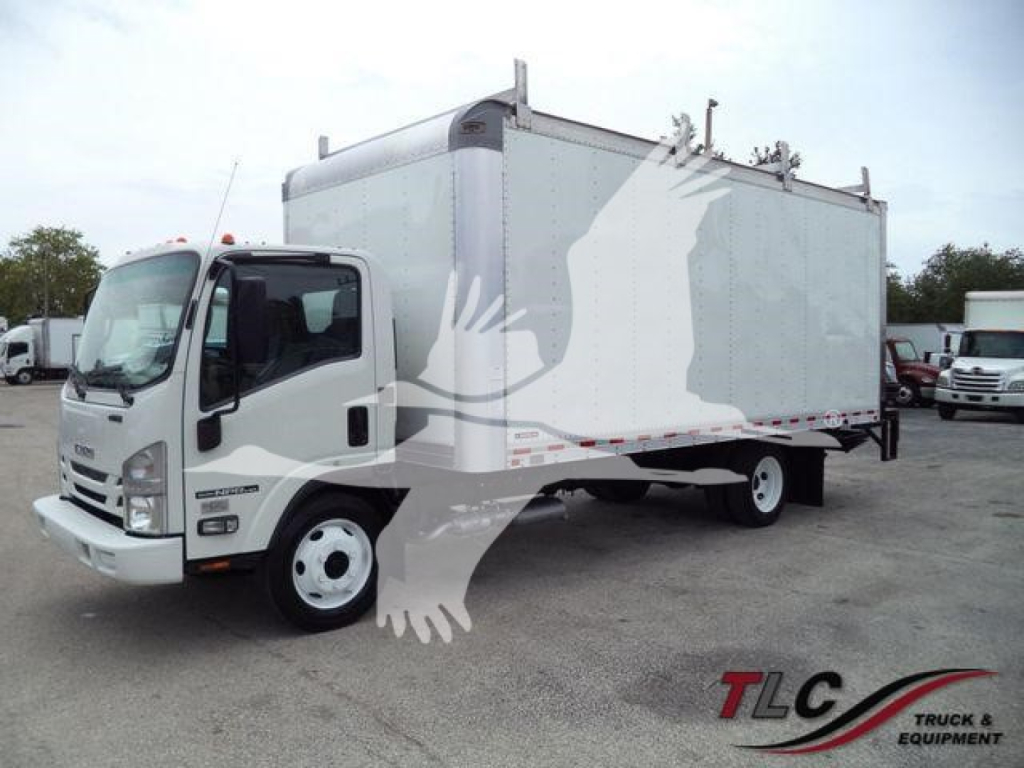
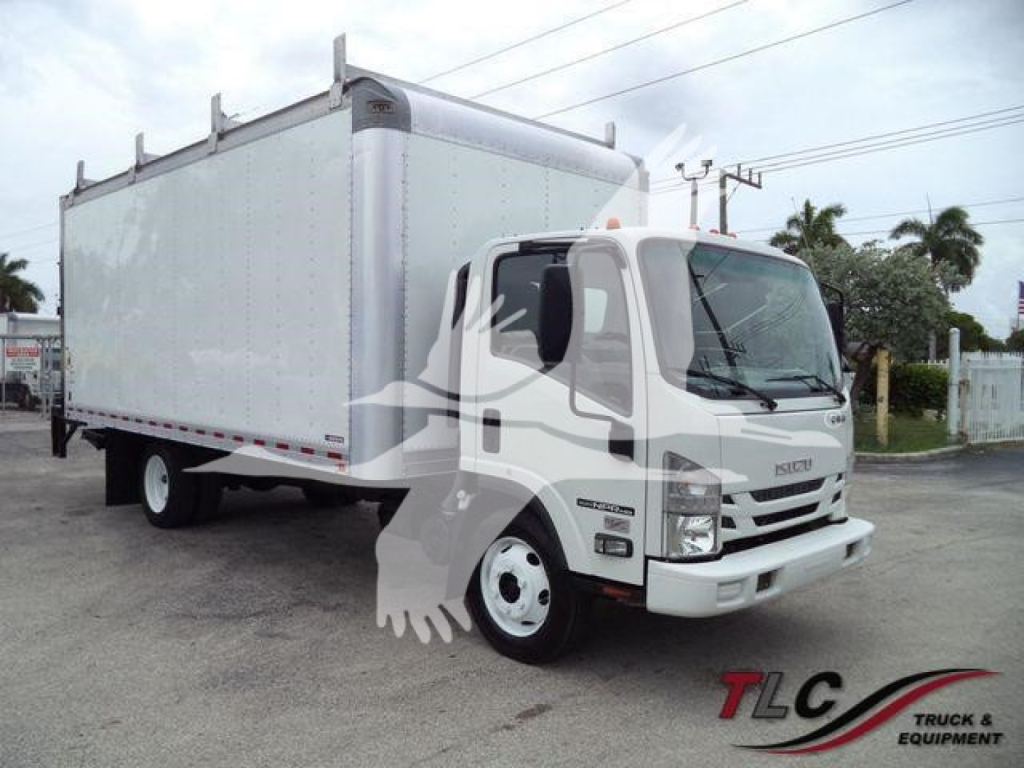
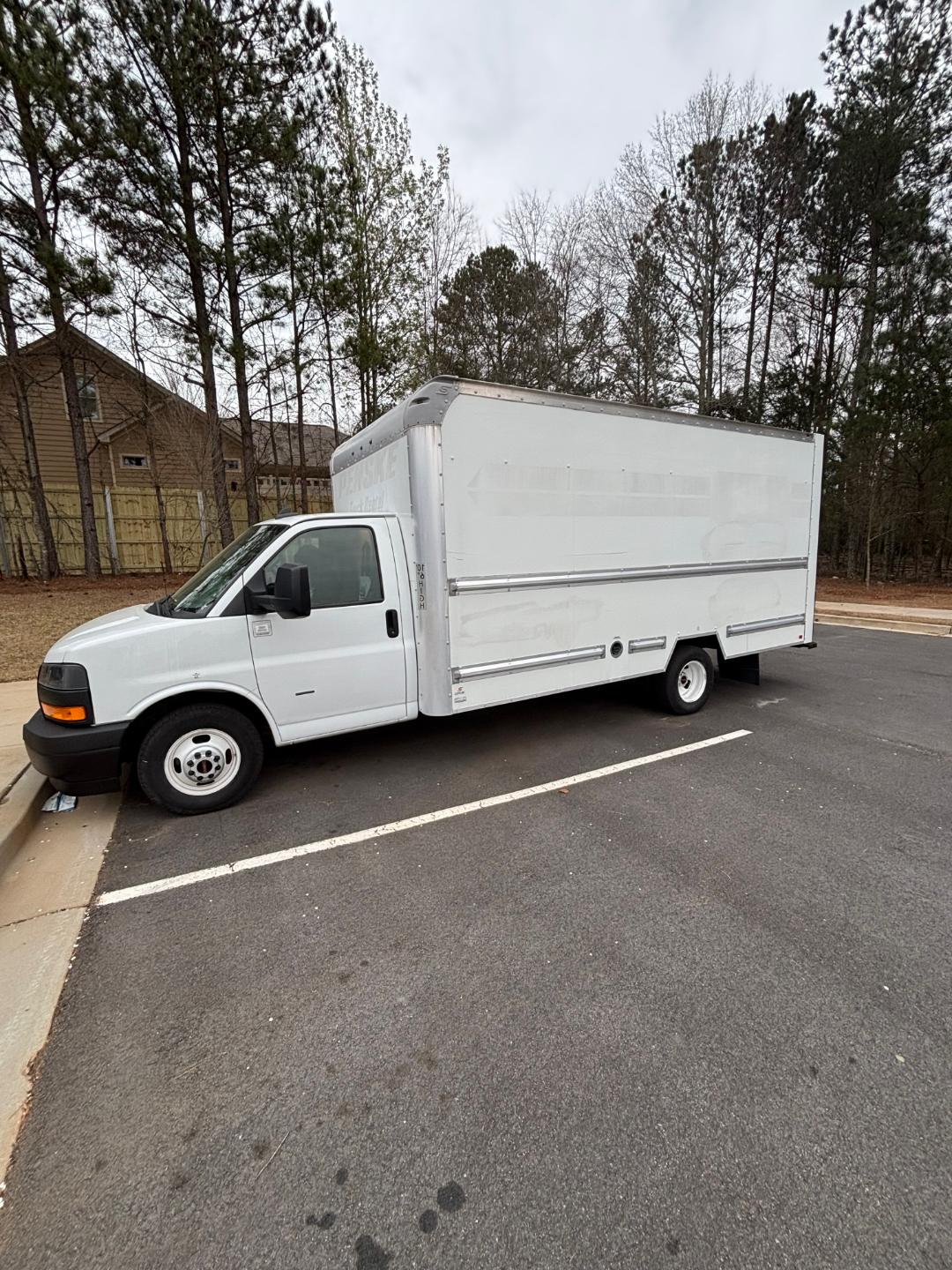
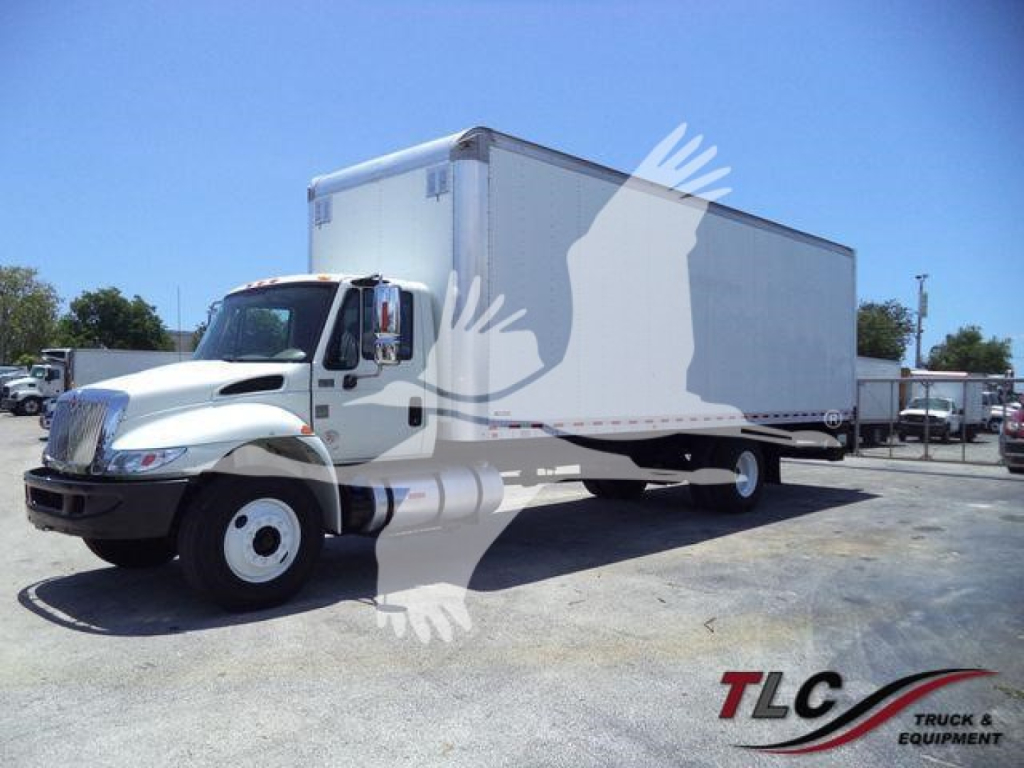
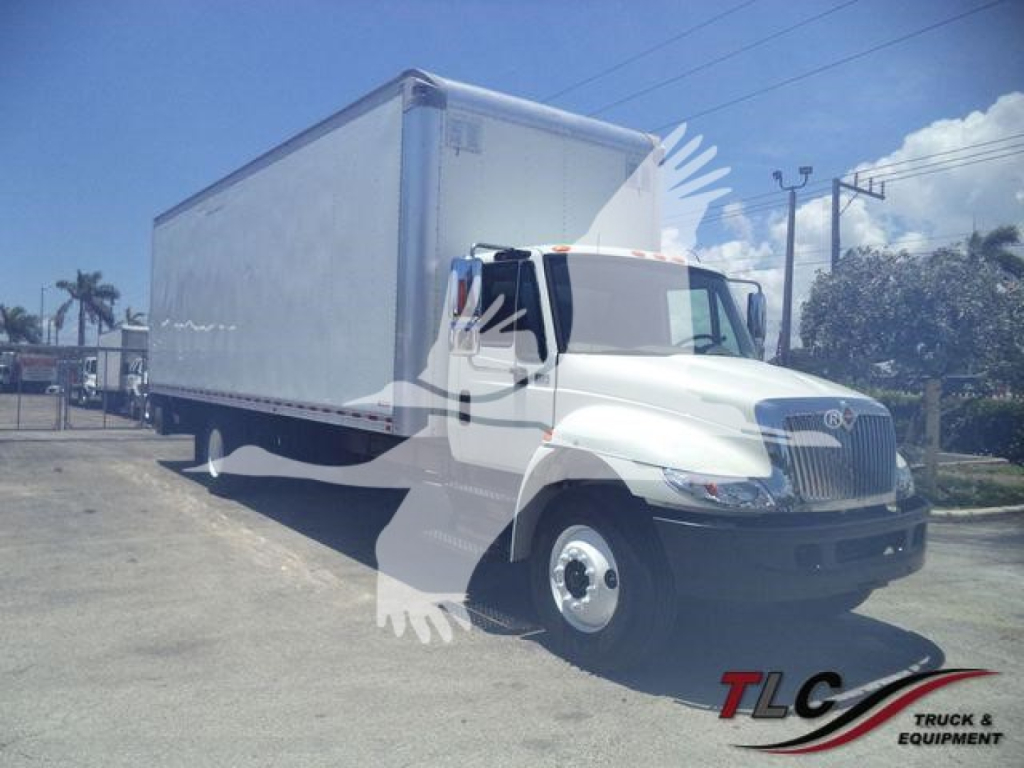
Showing 1 to 28 of 42 results
Selling a 2019 box truck? List your 2019 box truck for sale and reach thousands of commercial buyers.
2019 Box Trucks
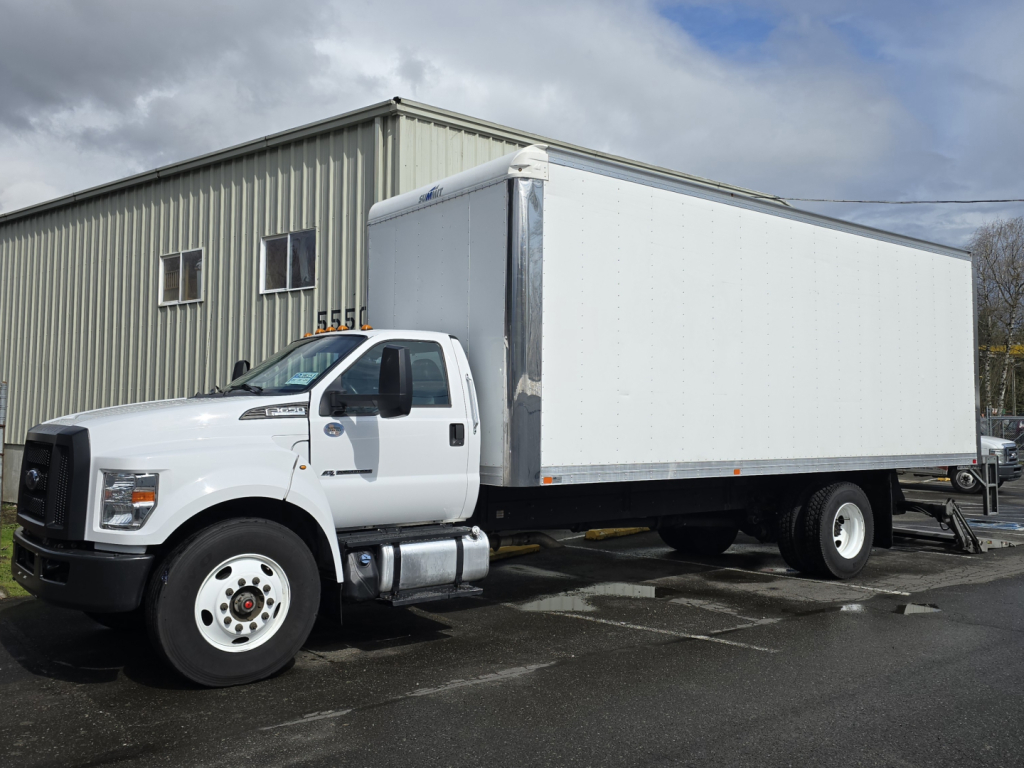
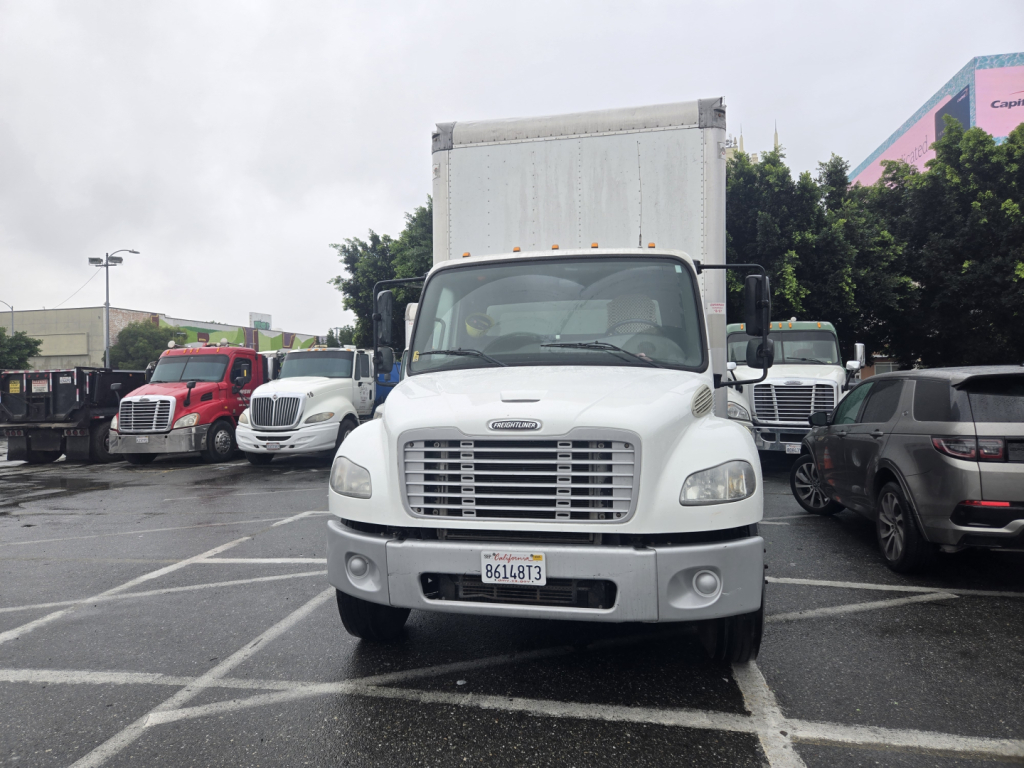
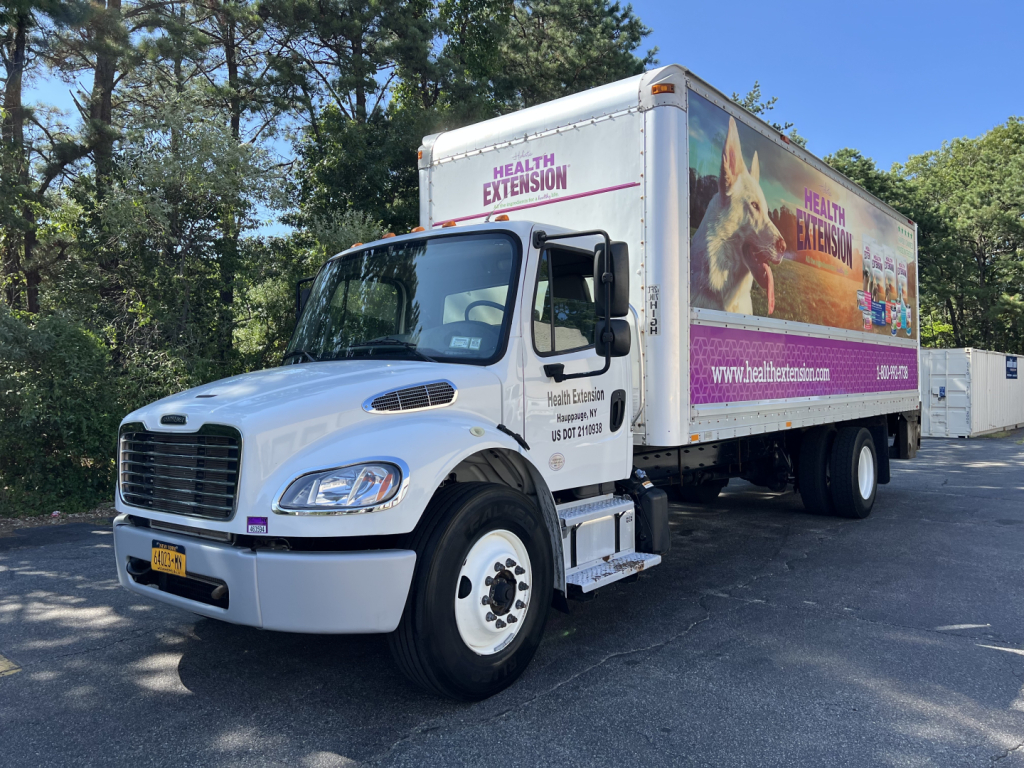
The first decision is usually chassis class and payload. Many 2019 box trucks fall into Class 4 through Class 7, with GVWRs commonly around 14,500, 17,950, 19,500, 25,999, and into the 33,000-pound range on heavier models. Non-CDL demand is especially strong in 25,999-pound GVWR trucks because they can maximize legal capacity without requiring a CDL in many applications, although local laws, air brake rules, and actual use still matter. Diesel engines are the norm in this segment, including popular 4-cylinder and 6-cylinder platforms paired with automatic transmissions. Buyers comparing a low-cab-forward model like an Isuzu NRR to a conventional cab model like a Freightliner M2 or Ford F-650 should think about turning radius, cab access, serviceability, and driver comfort on stop-and-go routes.
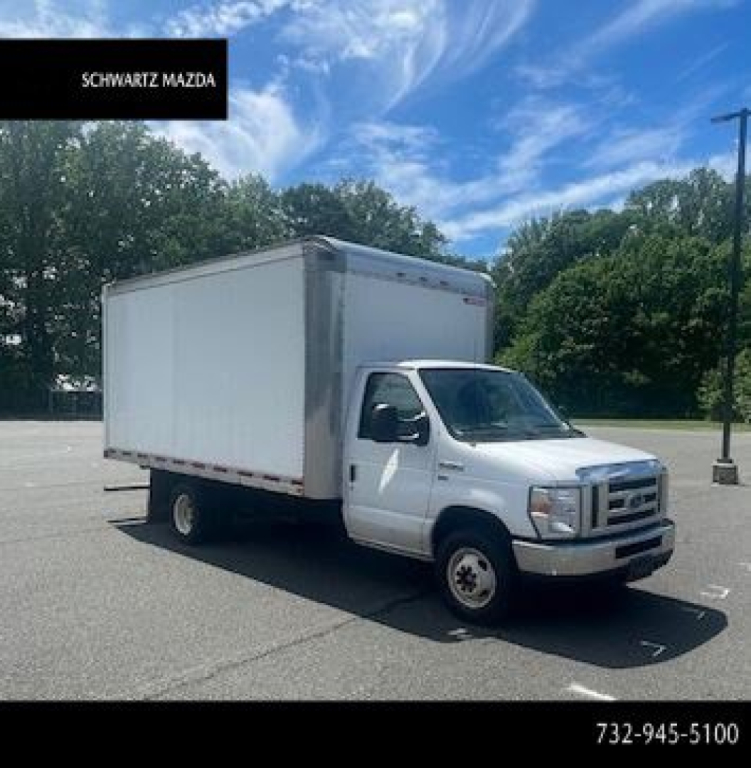
Body configuration matters as much as the truck itself. A 16 to 18 foot box fits urban delivery and tighter loading areas, while 20 to 26 foot bodies are common for moving, appliance delivery, and higher-cube route work. A 28 foot body can add volume but may change dock access and maneuverability. Check inside height, door opening dimensions, floor type, wall construction, and tie-down setup before focusing on mileage alone. Hardwood floors, scuff liners, and logistics track help protect the body and secure mixed freight. Liftgate capacity is another major buying point. Many 2019 box trucks are equipped with 2,500 to 4,000 pound liftgates, which can be essential for palletized freight, vending equipment, and heavy residential deliveries.
On a used 2019 box truck, condition should be judged at both the chassis and the body. Look closely at rear frame extension work, body mounting points, roof seams, floor wear, roll-up door tracks, and liftgate operation under load. On diesel models, maintenance records for emissions components such as the DPF, DEF system, and EGR system can be as important as engine mileage. Tire size, wheelbase, axle ratio, and suspension setup all affect ride quality and payload behavior. A well-matched 2019 box truck should fit the freight first, then the route, then the licensing and maintenance profile of the business operating it.
Frequently Asked Questions about 2019 Box Trucks
What is the most important spec to compare on a 2019 box truck?
GVWR and usable payload are usually the most important starting points because they determine how much freight the truck can legally and practically carry. After that, compare box length, inside height, wheelbase, and liftgate rating. A truck with a large box but limited payload may not fit dense freight, while a heavier chassis with a shorter body may be the better choice for palletized deliveries or equipment transport.
Are 2019 box trucks usually diesel or gas?
Most 2019 box trucks in medium-duty commercial use are diesel, especially cab-over and heavier conventional models. Diesel engines are common because they offer strong torque, good durability in route service, and broad availability in Class 4 through Class 7 applications. Gas engines do exist in some lighter box truck configurations, but diesel is still the standard choice for higher GVWR, longer body lengths, and frequent commercial use.
What box length is best for a 2019 box truck?
The right box length depends on the freight and the route. A 16 to 18 foot body works well for city deliveries, tighter streets, and operations that need easier parking and backing. A 20 to 26 foot box is a common middle ground for moving, distribution, and appliance work because it offers more cube without becoming overly restrictive. Larger 28 foot bodies can be useful for high-volume freight but may reduce maneuverability and limit access at some docks or customer locations.
Do I need a liftgate on a 2019 box truck?
A liftgate is a major advantage if the truck will handle pallets, heavy carts, machinery, appliances, or residential deliveries without dock access. It can reduce loading time and lower the physical strain on drivers. Buyers should match liftgate capacity to the heaviest routine loads and confirm platform size, operating speed, and hydraulic condition. If most deliveries are dock-to-dock, a liftgate may be less critical than interior cargo securement or body volume.
What should I inspect on a used 2019 box truck besides the engine?
The cargo body deserves a full inspection because body repairs and water intrusion can be expensive and easy to overlook. Check the roof, front wall, floor, corners, roll-up door, and body-to-frame mounts for damage or corrosion. Test the liftgate under load if equipped. On the chassis side, review service history for brakes, suspension, tires, transmission, and diesel emissions components such as the DPF and DEF system. A clean-running engine is only part of the value if the body or rear structure needs major work.