
Box Trucks For Sale in Washington
Browse box trucks for sale in Washington. Compare dry van bodies, liftgates, GVWR classes, and delivery-ready specs for local and regional work.
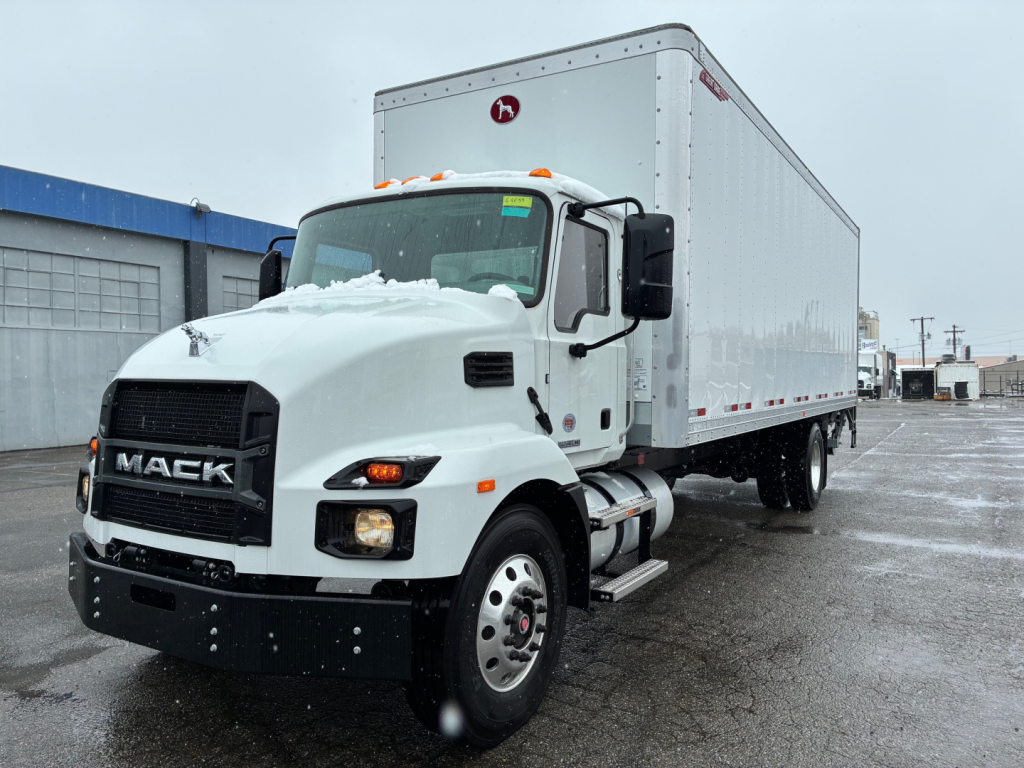
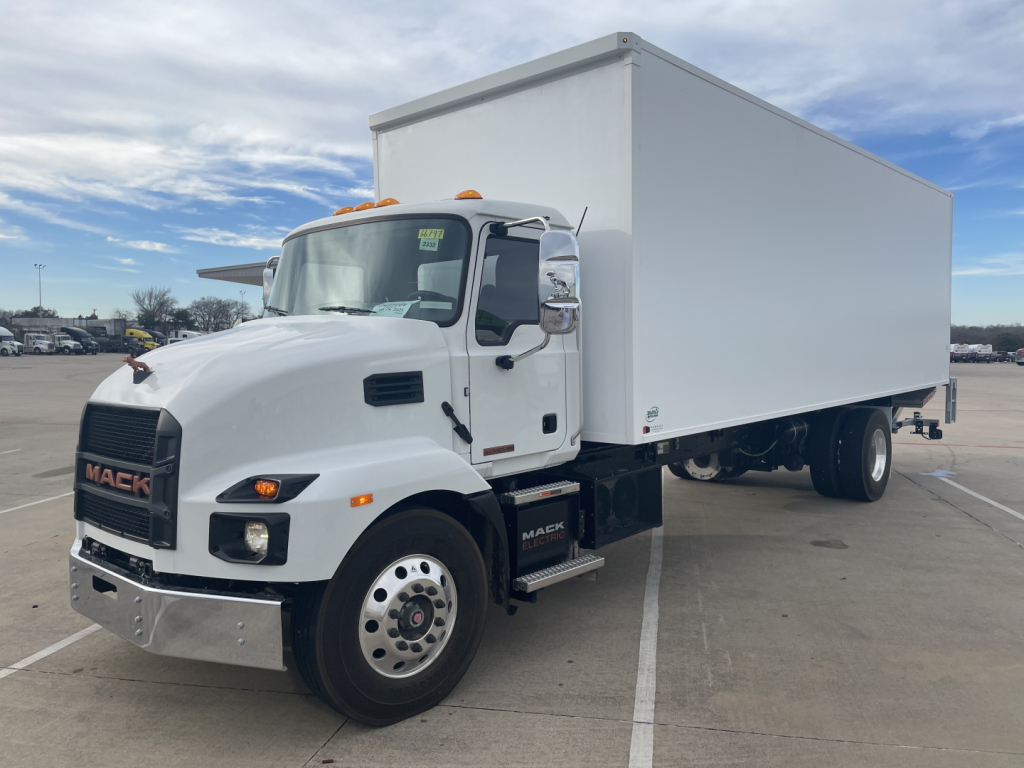
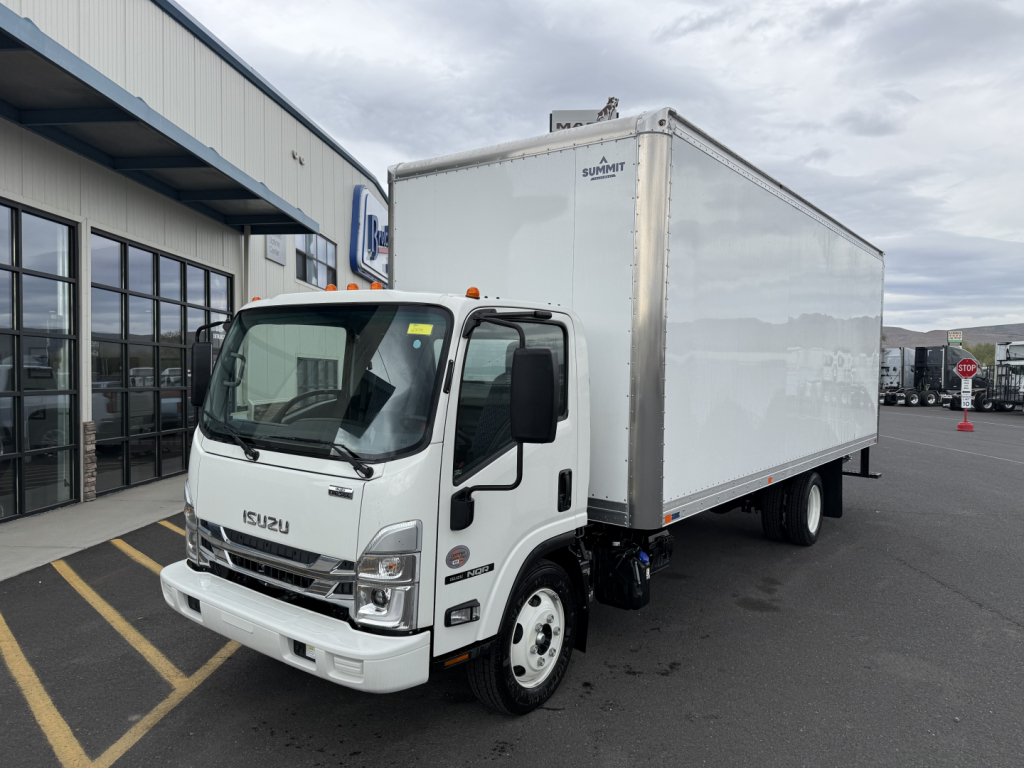
Selling a box truck? List your box truck for sale and reach thousands of commercial buyers.
Box Trucks in Washington
Body configuration matters as much as chassis spec. Common lengths run from about 16 to 26 feet, with 24-foot and 26-foot bodies especially common in final-mile and regional delivery. Buyers should look closely at inside height, body material, floor construction, rear frame design, and cargo control. Aluminum bodies help reduce tare weight, while hardwood or laminated floors hold up well under pallet jack traffic. E-track, scuff liners, translucent roofs, grab handles, and reinforced bulkheads all add practical value in daily use. If dock access is limited, a tuckaway liftgate can be one of the most important options on the truck. A 3,000-pound liftgate is common for palletized freight, but the right rating depends on what actually goes on and off the body each day.
On the chassis side, medium-duty box trucks in this class are often spec'd with diesel engines in the 220 to 300 horsepower range and automatic transmissions such as an Allison, especially for stop-and-go urban work. Wheelbase, rear axle ratio, and suspension setup affect turning radius, ride quality, and how well the truck carries a full body with dense freight. In Washington, route conditions can vary from downtown Seattle delivery stops to longer regional runs across the Cascades, so cooling capacity, brake type, traction, and service network support deserve attention. Electric box trucks are also entering more urban fleets, particularly where predictable daily mileage, depot charging, and emissions goals make battery-electric operation a good fit.
A smart purchase comes down to matching body volume, payload, and loading method to the freight profile. Light, bulky goods need cube space. Dense pallet freight needs axle capacity and floor strength. Multi-stop delivery work benefits from automatic transmissions, low step-in height, and durable rear door hardware. Buyers comparing box trucks for sale in Washington should focus on GVWR class, body length, liftgate spec, door style, and the truck's ability to stay productive in tight delivery environments as well as on highway segments between cities.
Frequently Asked Questions about Box Trucks in Washington
What GVWR box truck can I drive without a CDL?
In most cases, a box truck with a GVWR of 26,000 pounds or less can be operated without a CDL, provided the truck is not carrying placarded hazardous materials and is not otherwise used in a way that triggers CDL requirements. This is why non-CDL box trucks are so popular for local delivery, moving, and route work. Buyers should still confirm state and federal rules, driver medical requirements, and any company insurance standards before making a final spec decision.
What body length is most common for a box truck?
The most common box truck body lengths are typically 24 feet and 26 feet in medium-duty delivery applications, though shorter 16-foot to 22-foot bodies are also common in urban and residential work. A longer body gives more cube space for furniture, parcel, and light freight, but it can reduce maneuverability in alleys, loading zones, and tight parking lots. The best body length depends on the freight mix, route density, and whether the truck is working mostly city streets or regional lanes.
Is a liftgate necessary on a box truck?
A liftgate is necessary when the truck regularly handles freight at locations without a loading dock or forklift. Many delivery fleets consider it essential because it speeds unloading, reduces manual handling, and broadens the type of stops the truck can service. Tuckaway liftgates are common on box trucks because they store neatly under the rear frame when not in use. The right capacity should be matched to the heaviest real-world pallet or equipment load, not just the average shipment.
What is the difference between a diesel and electric box truck?
A diesel box truck usually offers longer range, faster refueling, and strong flexibility for mixed city and regional work. An electric box truck can reduce fuel and maintenance costs in the right duty cycle and is often best suited for predictable daily mileage, return-to-base routing, and fleets with charging access. Buyers should compare route length, payload impact from battery weight, charging time, climate effects, and local emissions goals before choosing between the two.
What features should I look for inside the box body?
Important box body features include floor type, wall construction, scuff liners, E-track or logistics posts, interior lighting, door style, and roof design. Hardwood or laminated floors help with pallet jack durability, while scuff liners protect the lower walls from repeated contact. E-track improves load securement flexibility. Roll-up rear doors are common for route delivery, and translucent roof panels can improve daytime visibility inside the body. These details have a direct effect on uptime, cargo protection, and daily ease of use.