
Box Trucks For Sale in Georgia
Shop box trucks for sale in Georgia, including 16 ft to 26 ft van bodies, liftgate-equipped delivery trucks, and non-CDL Class 6 options.
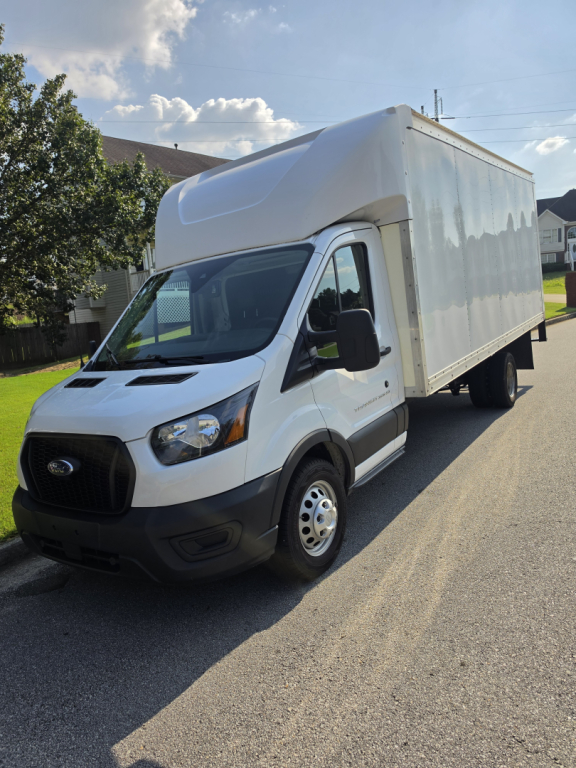
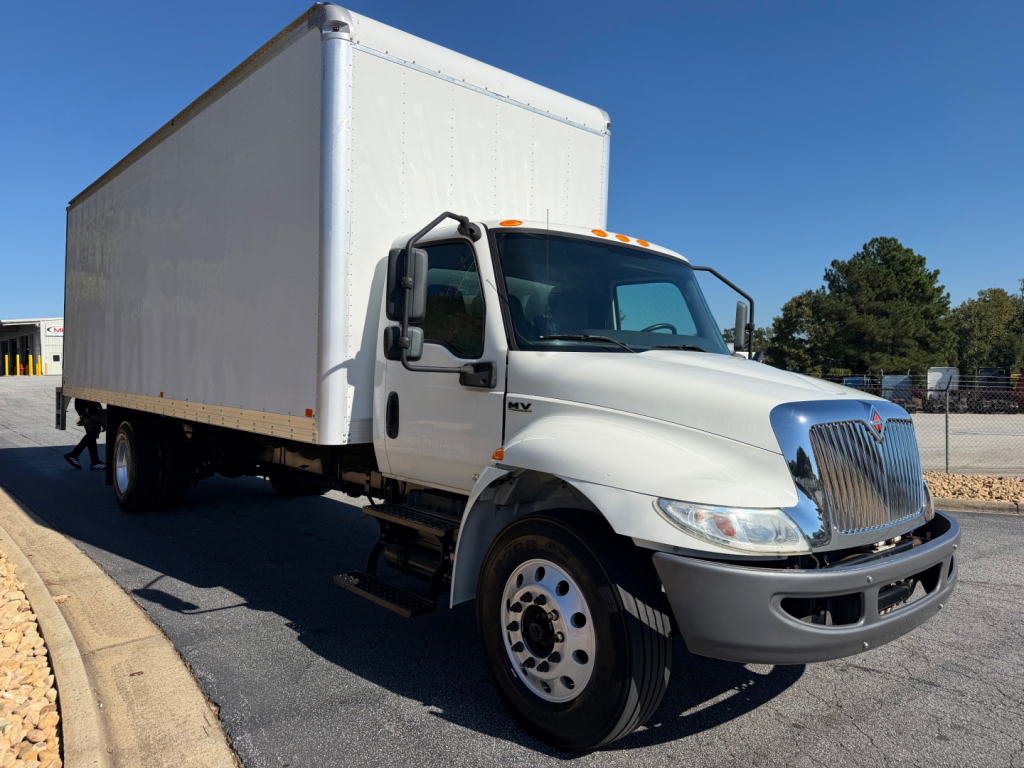
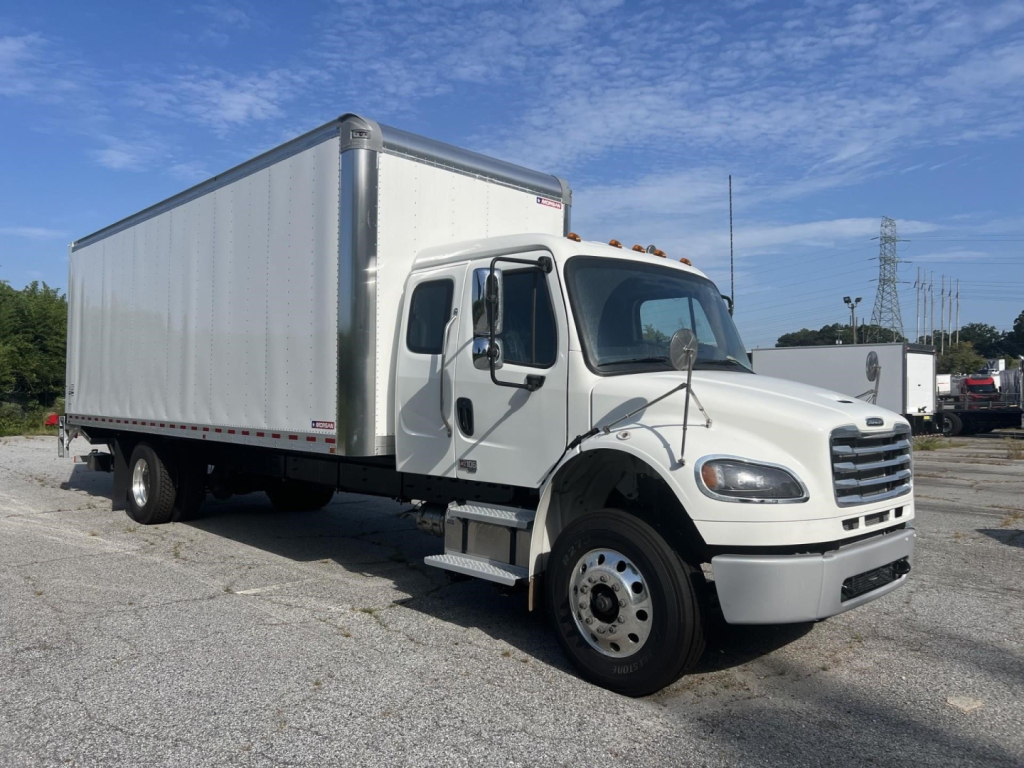
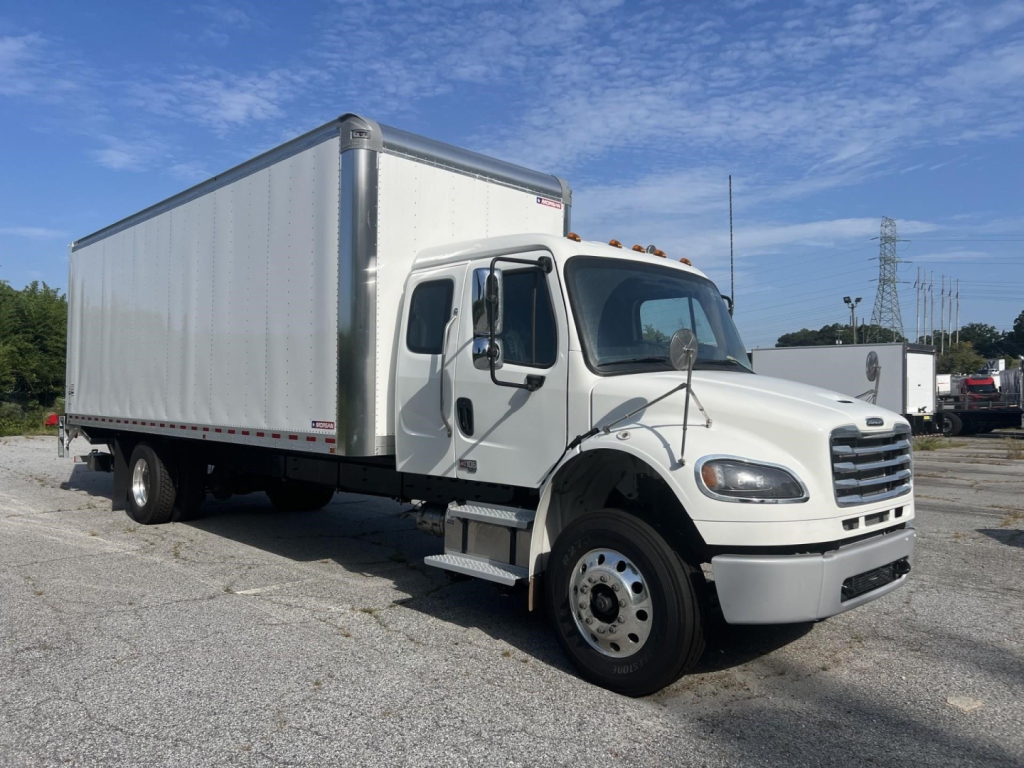
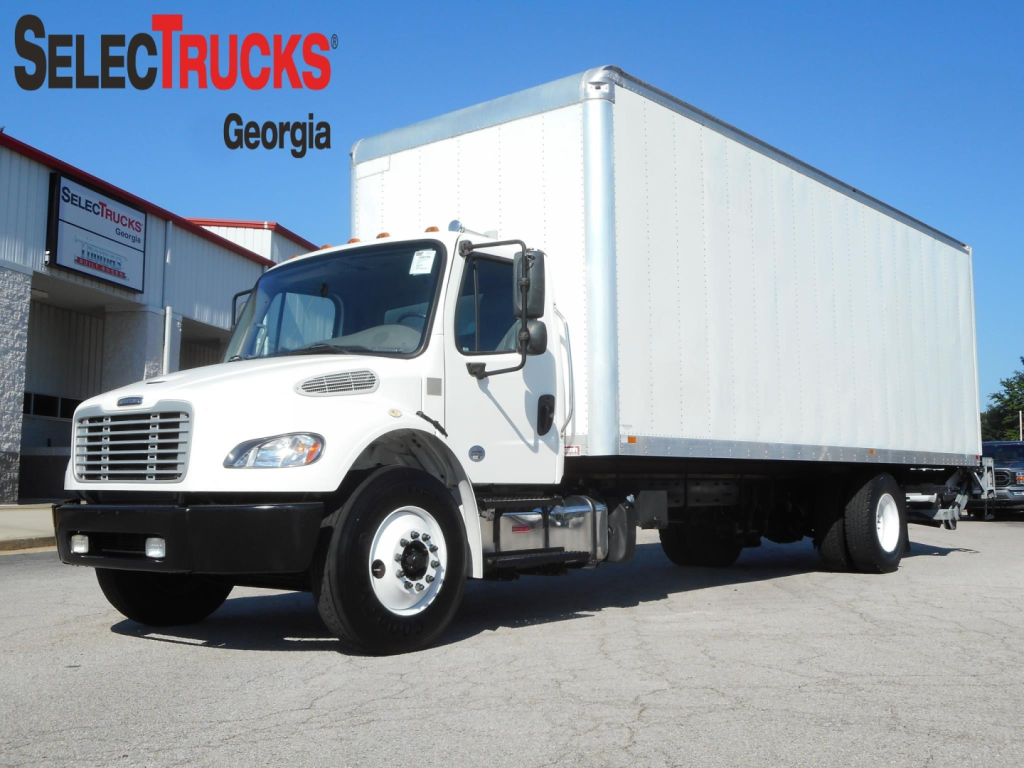
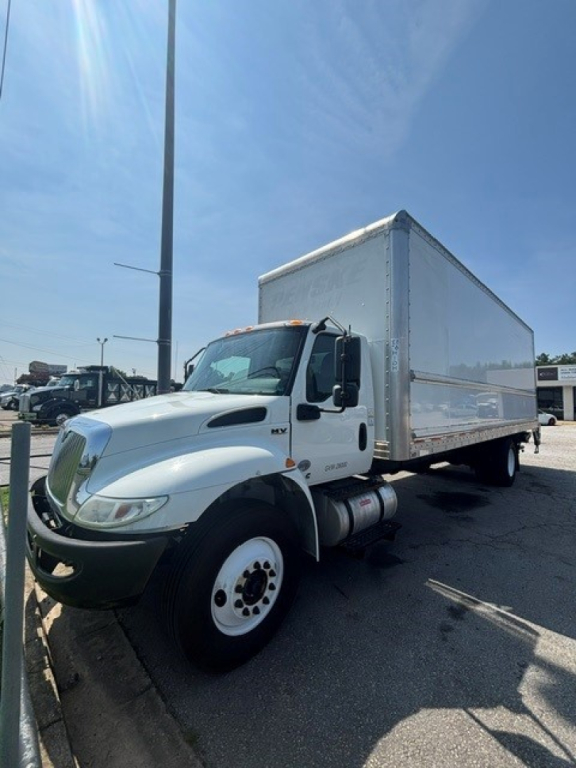
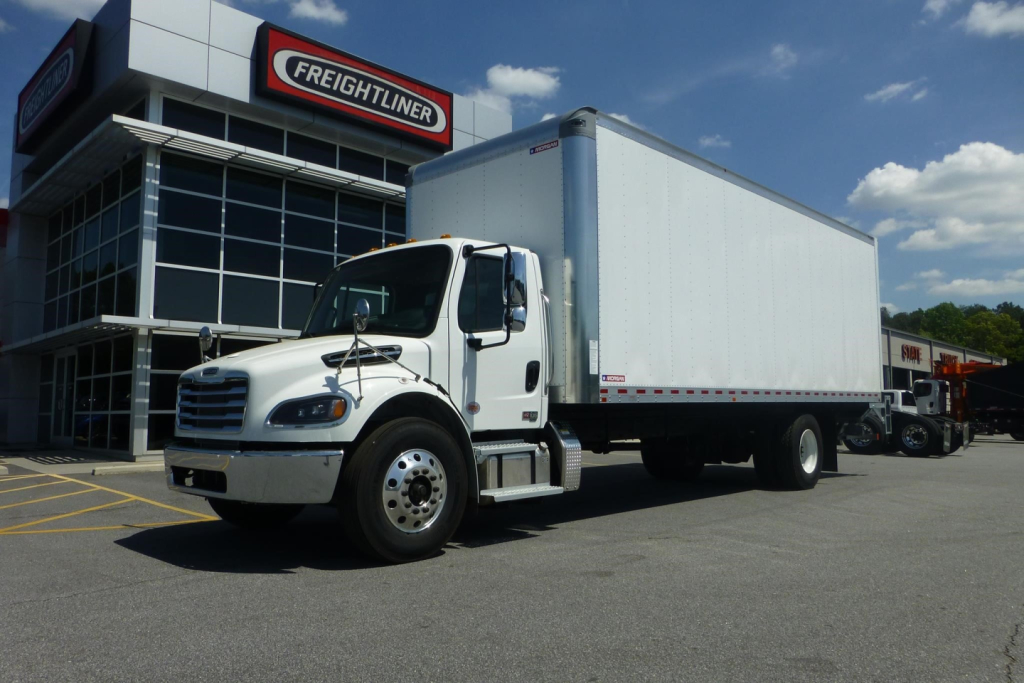
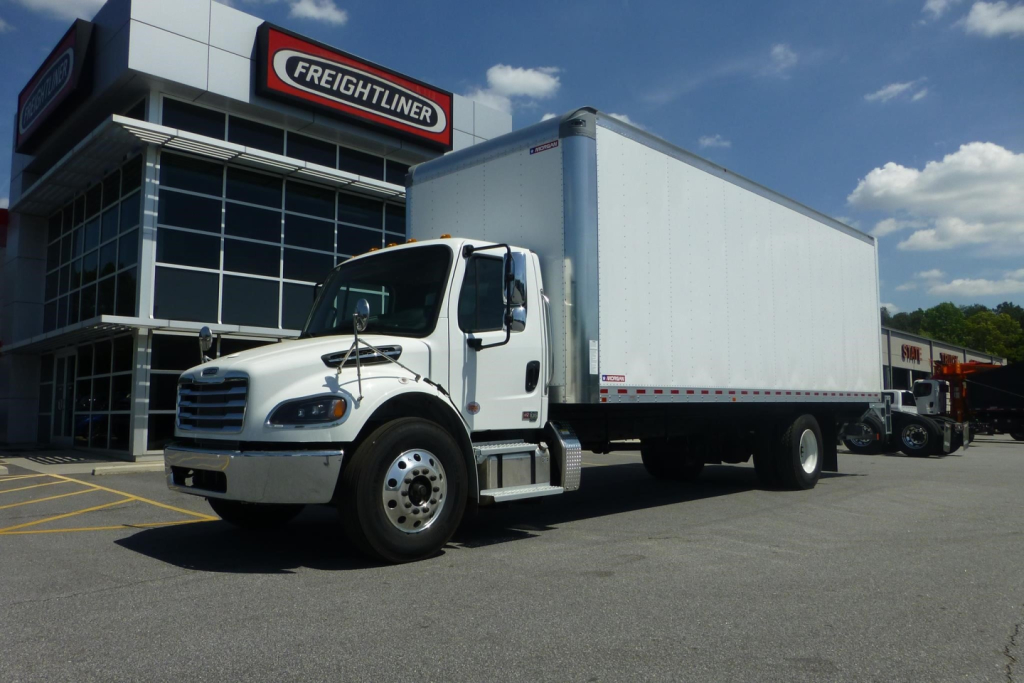
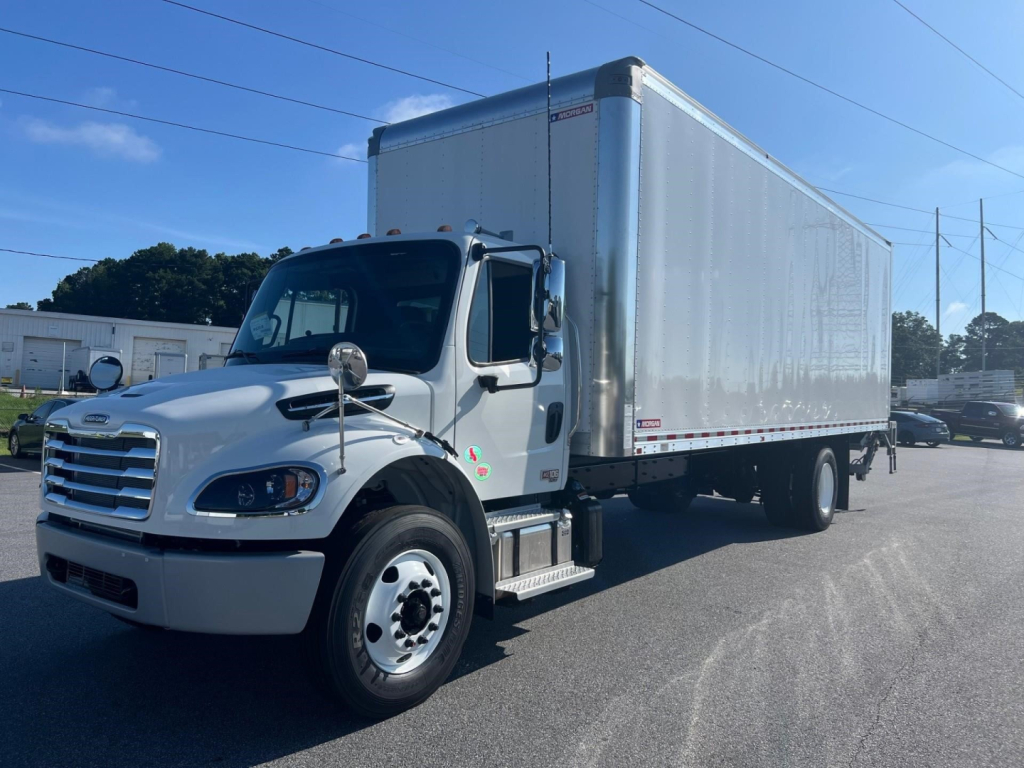
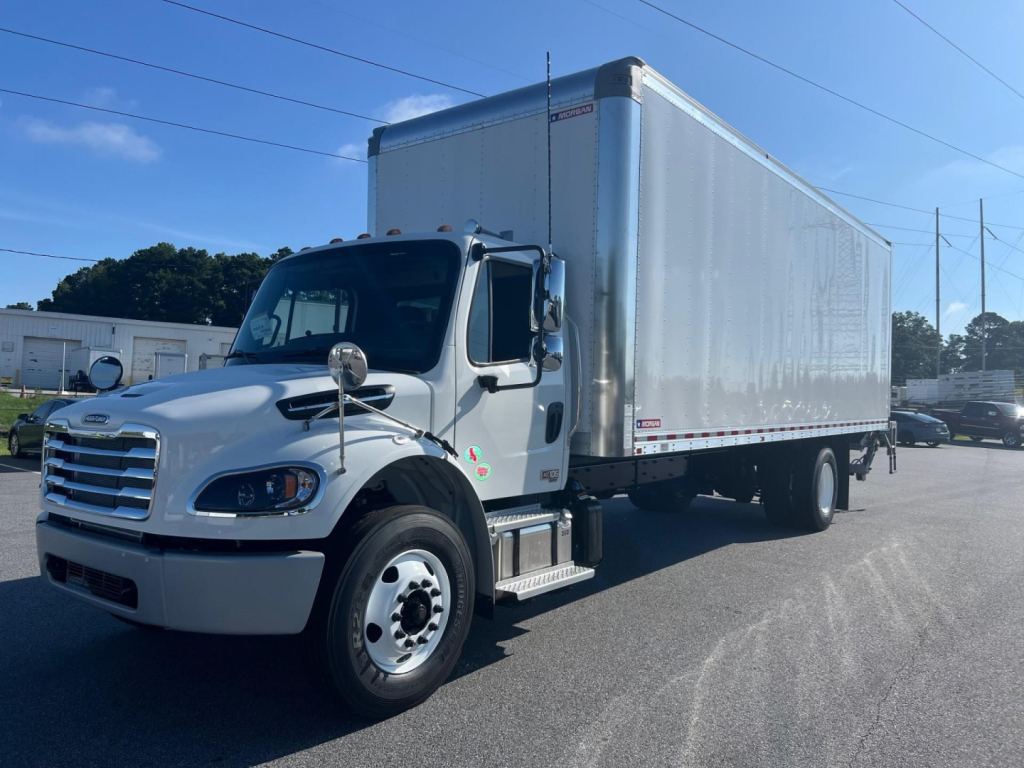
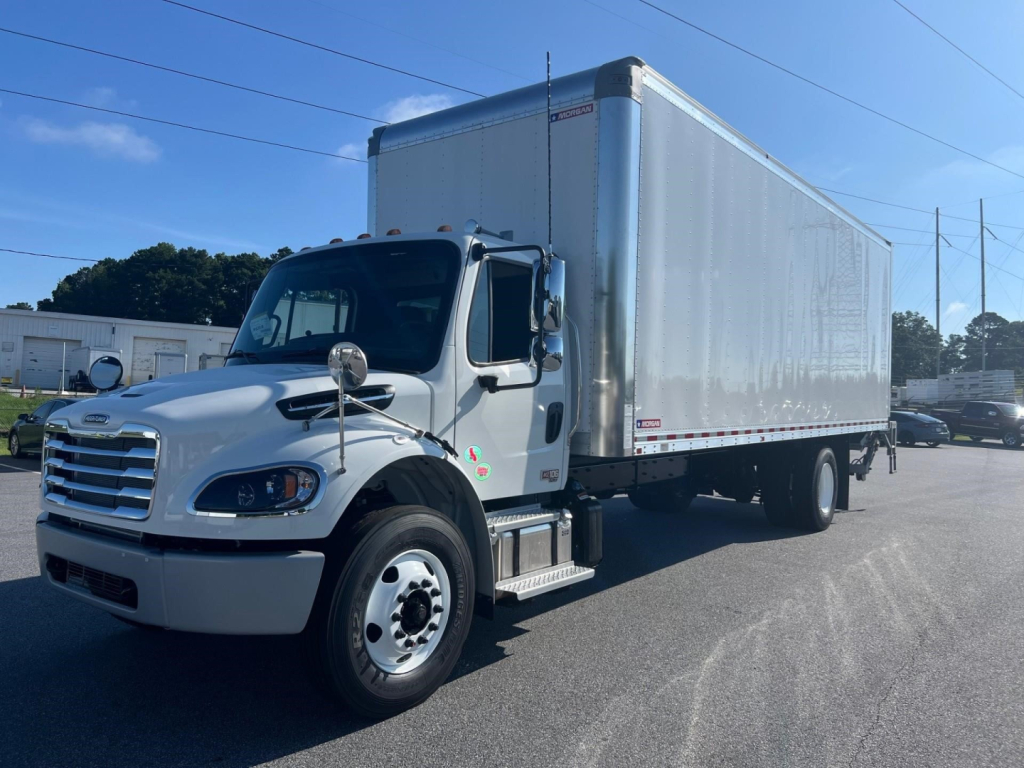
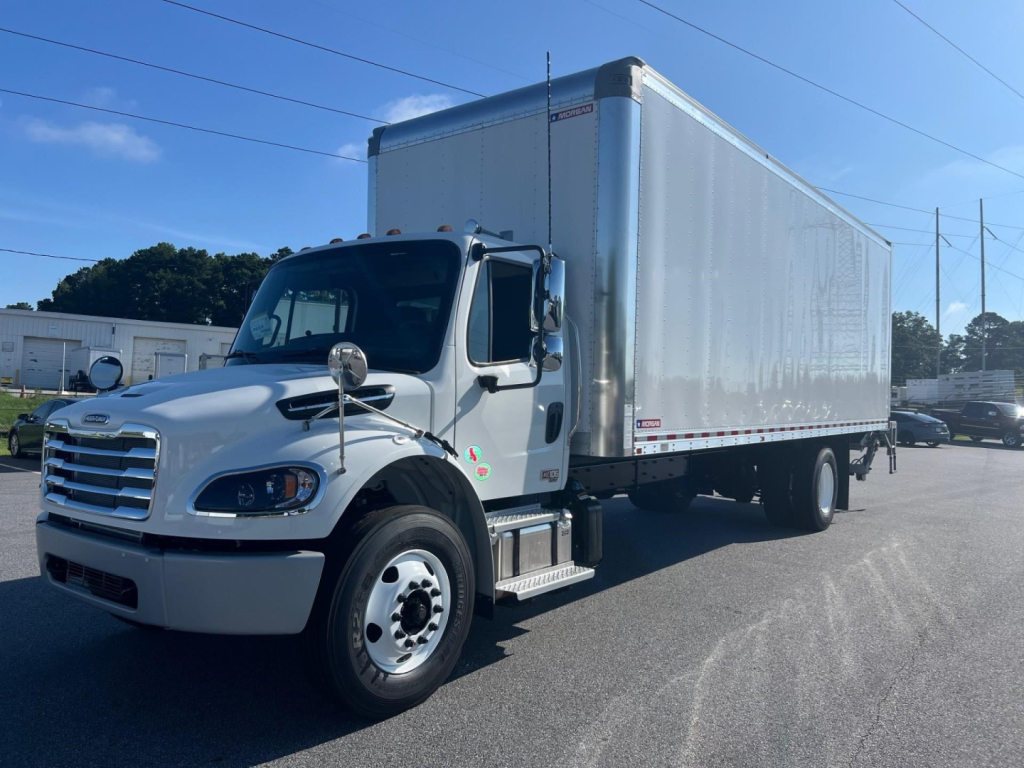
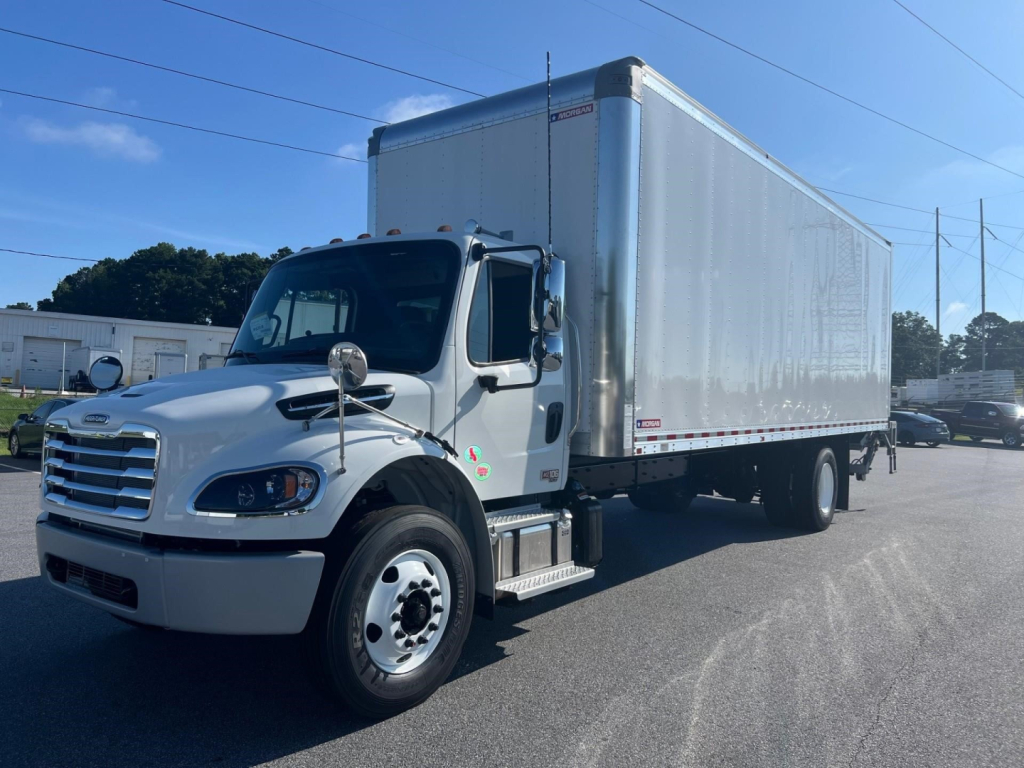
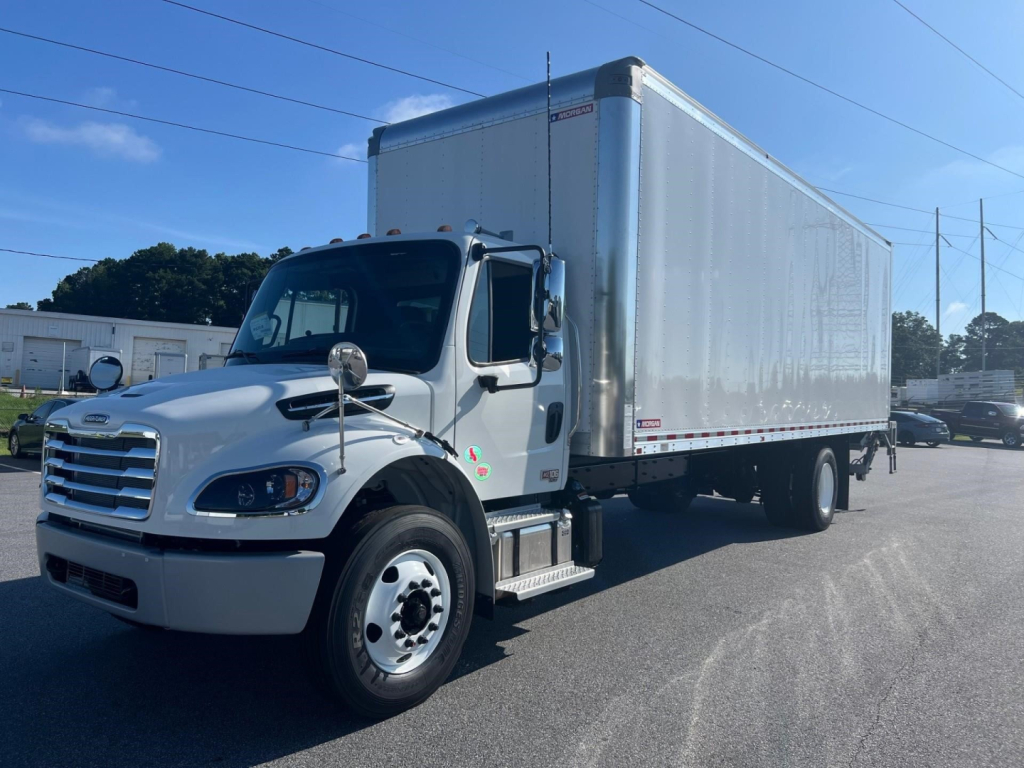
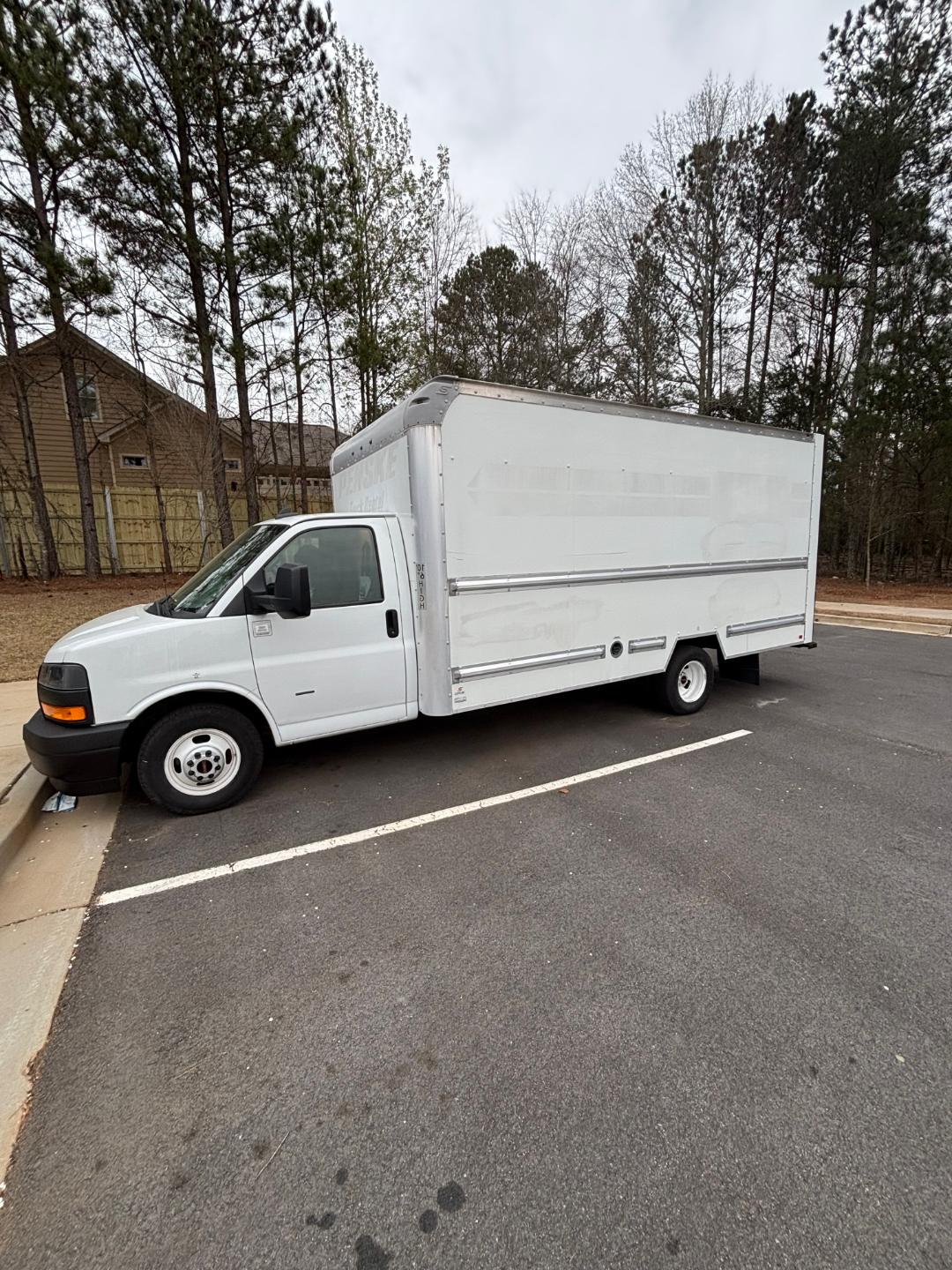

Selling a box truck? List your box truck for sale and reach thousands of commercial buyers.
Box Trucks in Georgia
A box truck, also called a van body truck, straight truck, or cube truck depending on the application, is built around cargo protection and efficient loading. Common features include roll-up rear doors, translucent roofs, plywood lining, aluminum scuff liners, E-track, step bumpers, and tuck-away liftgates. Liftgate capacity is an important buying point. A 3,000-pound Maxon-style gate is common on medium-duty units and works well for palletized freight, appliances, and route deliveries where dock access is inconsistent. If the truck will be loaded by forklift, buyers should pay attention to threshold plates, forklift packages, floor condition, and front wall reinforcement.
The chassis side matters just as much as the body. In this category, buyers will usually compare diesel medium-duty platforms like the Freightliner M2 106 or Ford F-750 against lighter gas-powered cutaway trucks such as a GMC Savana 3500. Diesel box trucks generally make more sense for higher annual mileage, heavier payloads, and multi-stop commercial routes. Gas units can be a practical fit for lighter local service with lower acquisition and maintenance costs. Key specs to compare are engine output, transmission type, rear axle ratio, wheelbase, front and rear axle ratings, suspension, brake type, tire size, and cab configuration. A longer wheelbase can improve body fit and ride quality, but it also affects turning radius and dock access.
Georgia buyers should also think about operating environment. Urban delivery around Atlanta favors visibility, backup cameras, automatic transmissions, and manageable overall length. Regional freight and contractor supply runs may justify larger fuel capacity, air brakes, and heavier rear axle ratings. Inside the body, E-track rows, interior height, scuff protection, and cargo lighting can directly affect how quickly the truck goes to work. A clean cargo box with sound flooring, a tight roll-up door, and a properly functioning liftgate often tells you more about day-to-day usability than paint or brightwork. The best box truck is the one matched to payload, stop frequency, driver requirements, and loading method, not just the one with the biggest box.
Frequently Asked Questions about Box Trucks in Georgia
What size box truck is best for local delivery work?
For dense local delivery, 16-foot to 20-foot box trucks are easier to park, back, and route through tight city streets. A 24-foot to 26-foot box truck is usually the better fit when cubic capacity matters more than maneuverability, such as moving, furniture, appliance, and multi-stop freight service. The right choice depends on average load size, loading dock access, and how often the truck operates in residential or downtown areas.
Do I need a CDL to drive a box truck?
Not always. Many box trucks are spec'd at 25,999 or 26,000 GVWR specifically to stay below the CDL threshold for most applications. That said, CDL requirements can still depend on actual GVWR, air brake rules, endorsements, state regulations, and how the truck is used. Buyers should verify the door sticker GVWR and confirm driver qualification requirements before purchase.
Is a diesel or gas box truck better?
Diesel box trucks are typically better for heavier payloads, longer routes, and higher annual miles because they offer stronger torque and are common on medium-duty Class 6 and Class 7 chassis. Gas box trucks are often attractive for lighter-duty work because the upfront cost can be lower and service can be simpler in some fleets. The better value depends on payload, route length, idle time, and total cost of ownership, not just fuel type.
What features matter most inside the cargo box?
The most useful cargo box features are the ones that protect freight and speed up loading. Buyers should look closely at E-track placement, plywood lining, aluminum scuff liners, cargo lighting, floor condition, door seal condition, and interior height. If pallet freight or heavy wheeled cargo is part of the job, a liftgate, cart stops, and forklift package can make a major difference in daily productivity and damage prevention.
What should I inspect on a used box truck?
On a used box truck, inspect both the chassis and the van body with equal attention. Check engine and transmission operation, brake wear, tire condition, suspension, steering feel, and maintenance history. Then inspect the box floor for soft spots, the roof for leaks, the front wall for impact damage, the roll-up door for smooth operation, and the liftgate for proper function under load. Body condition and cargo-area usability often determine how quickly a used unit can be put into service.