
2027 Box Trucks For Sale in Georgia
Shop 2027 box trucks for sale in Georgia. Compare 16 ft to 26 ft bodies, liftgates, GVWR, payload, and delivery-ready specs.
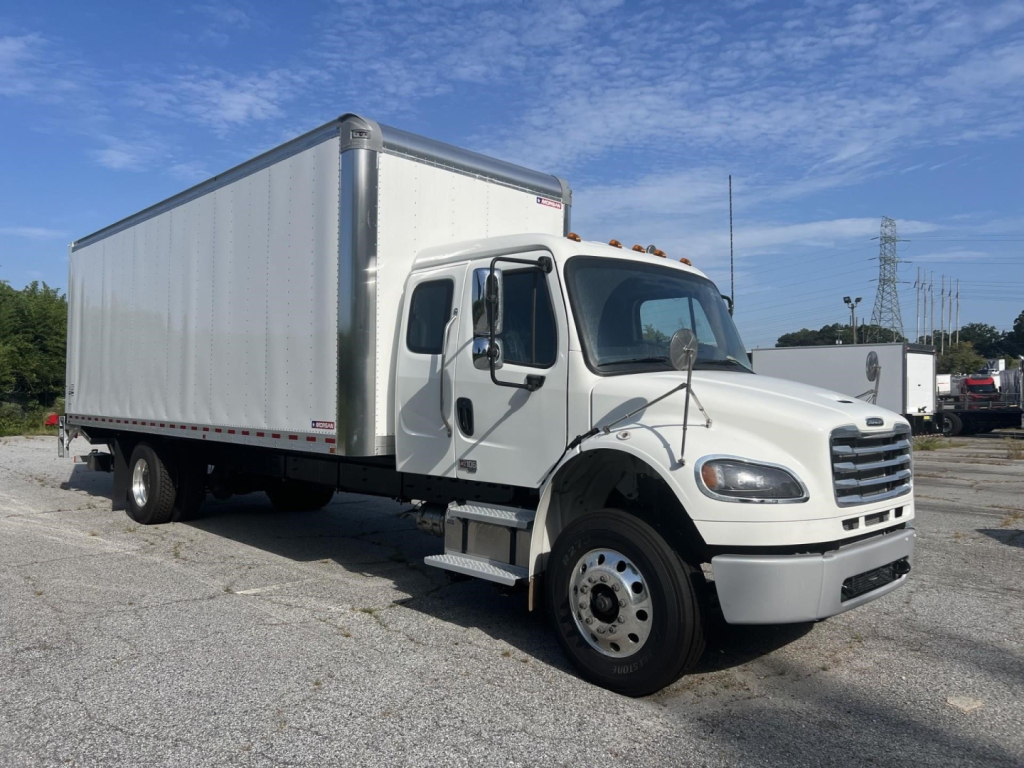
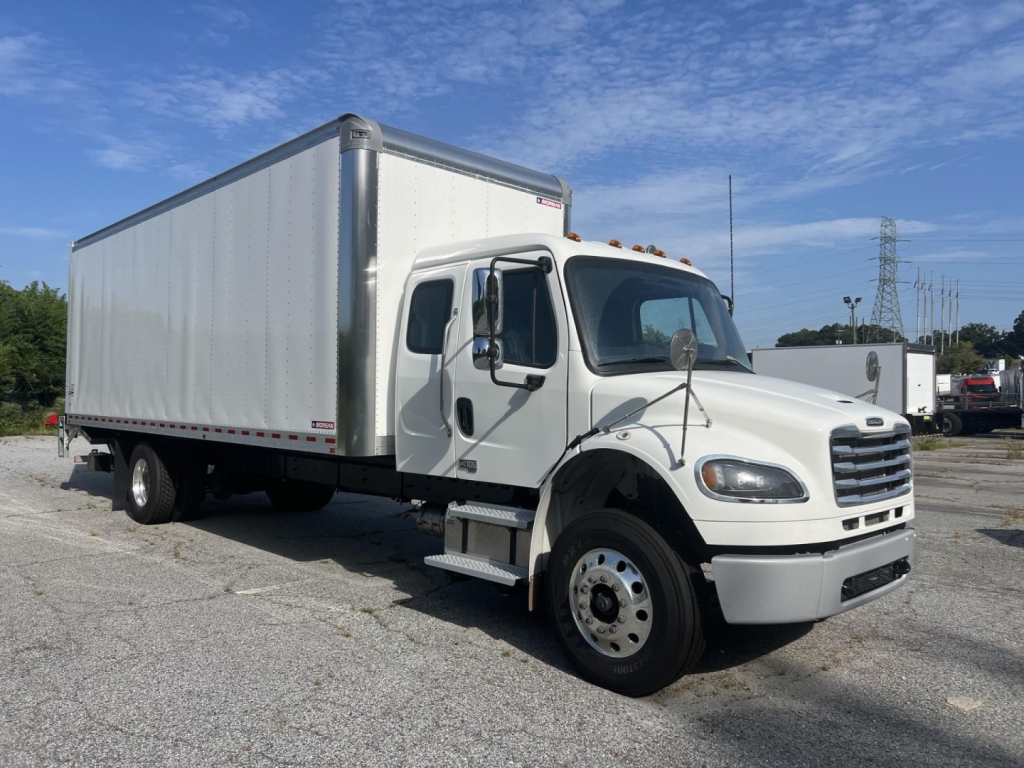
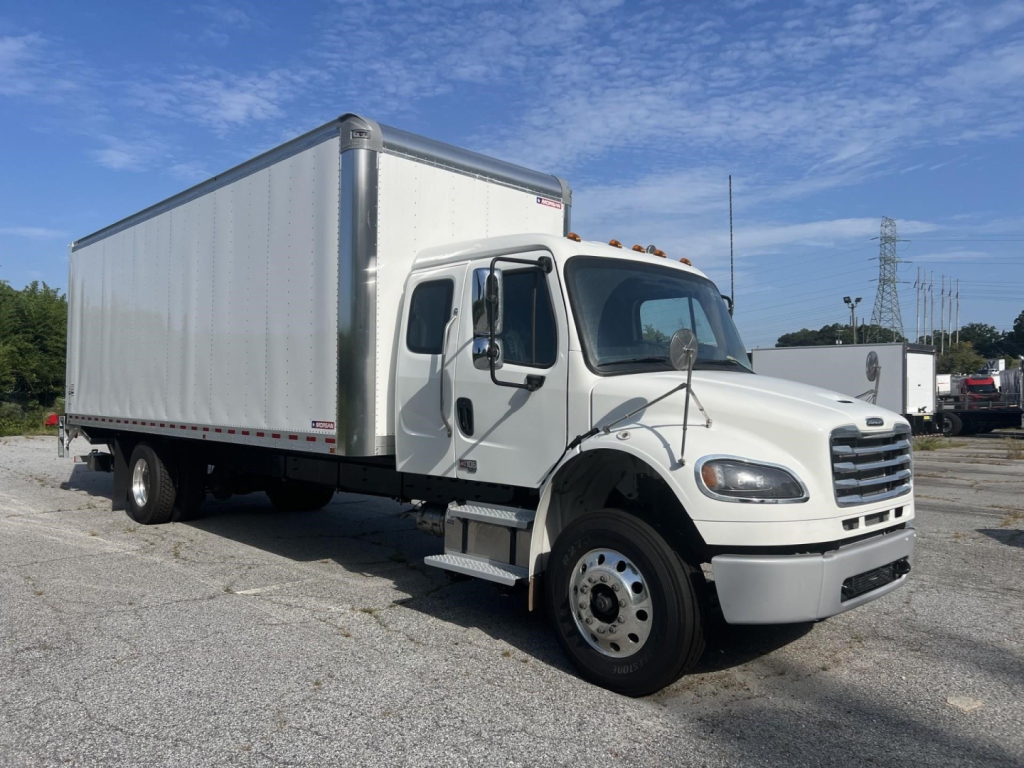
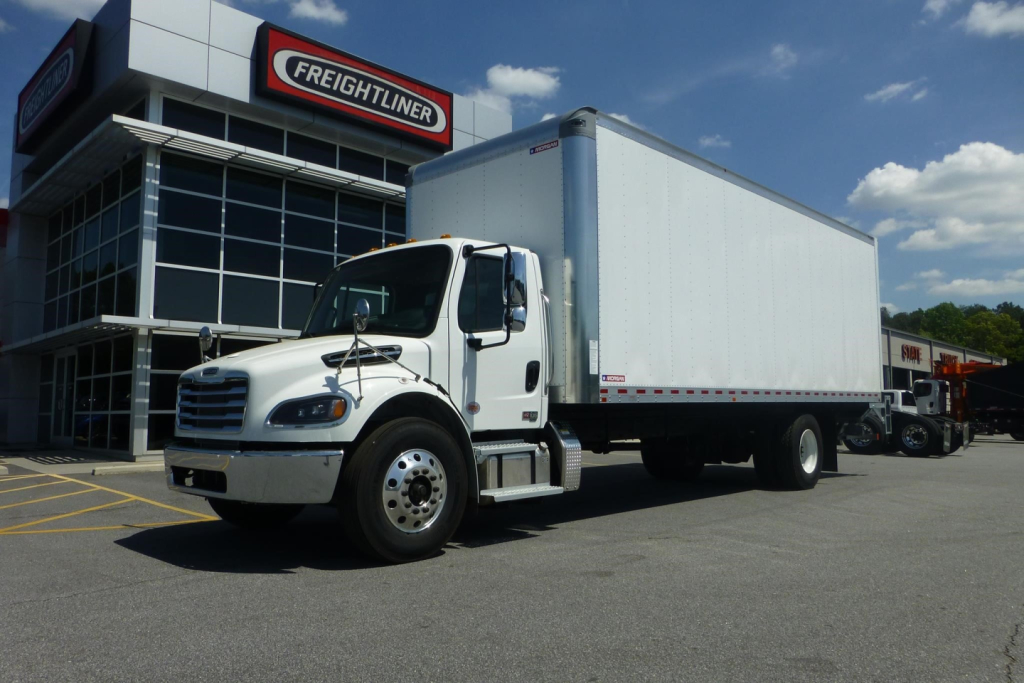
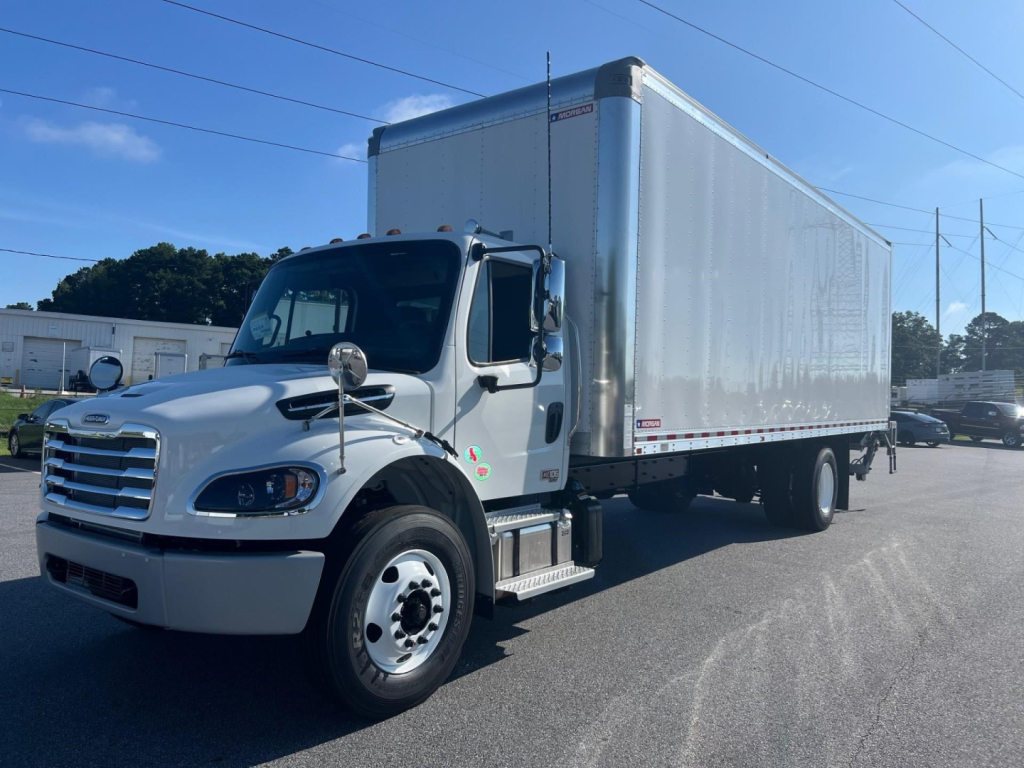
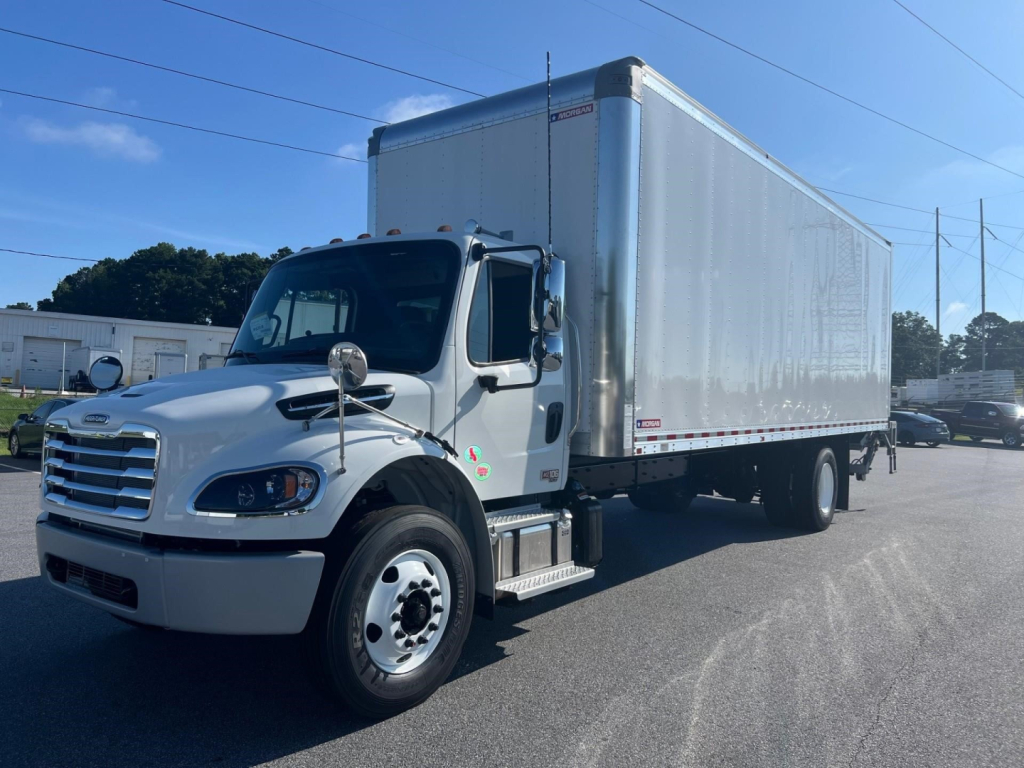
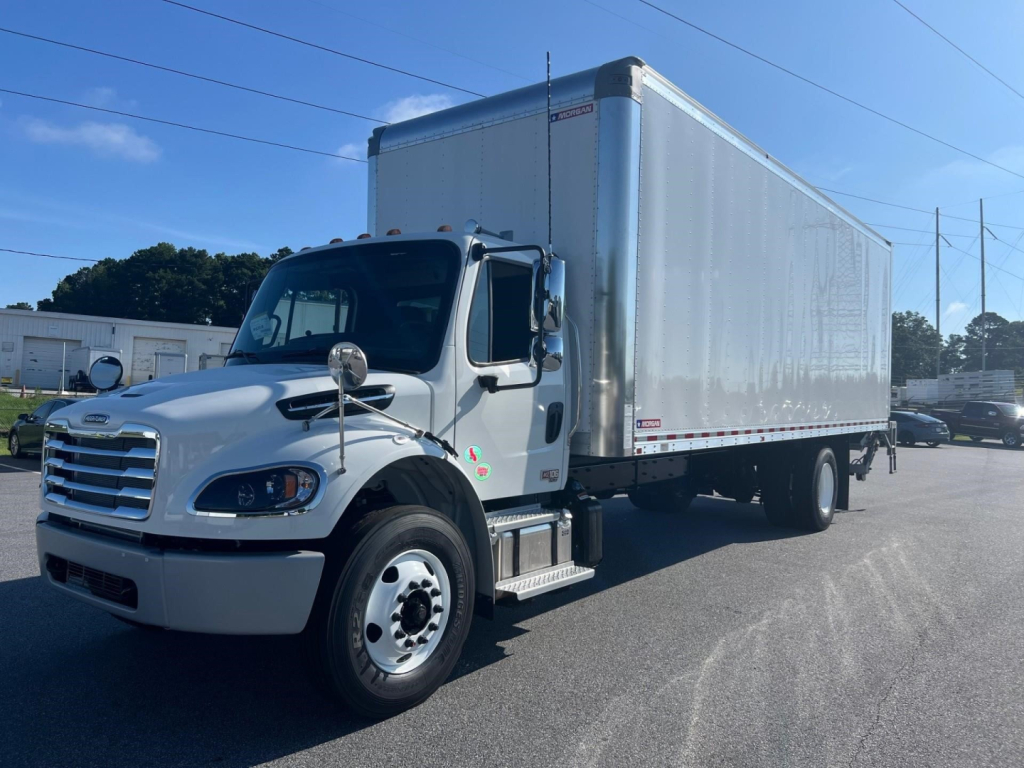
Selling a 2027 box truck? List your 2027 box truck for sale and reach thousands of commercial buyers.
2027 Box Trucks in Georgia
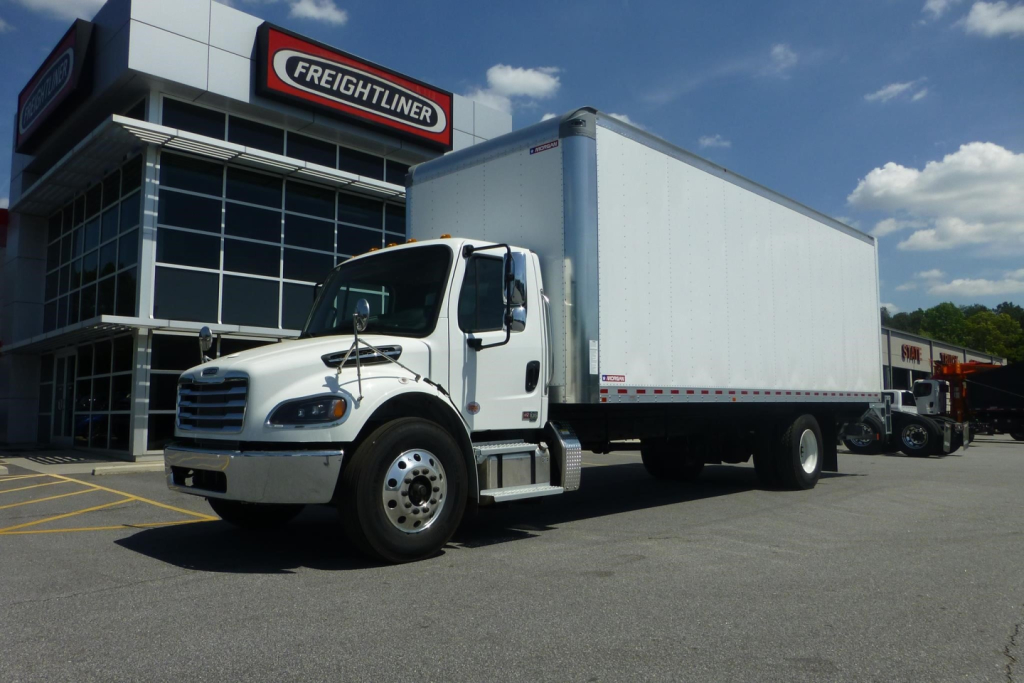
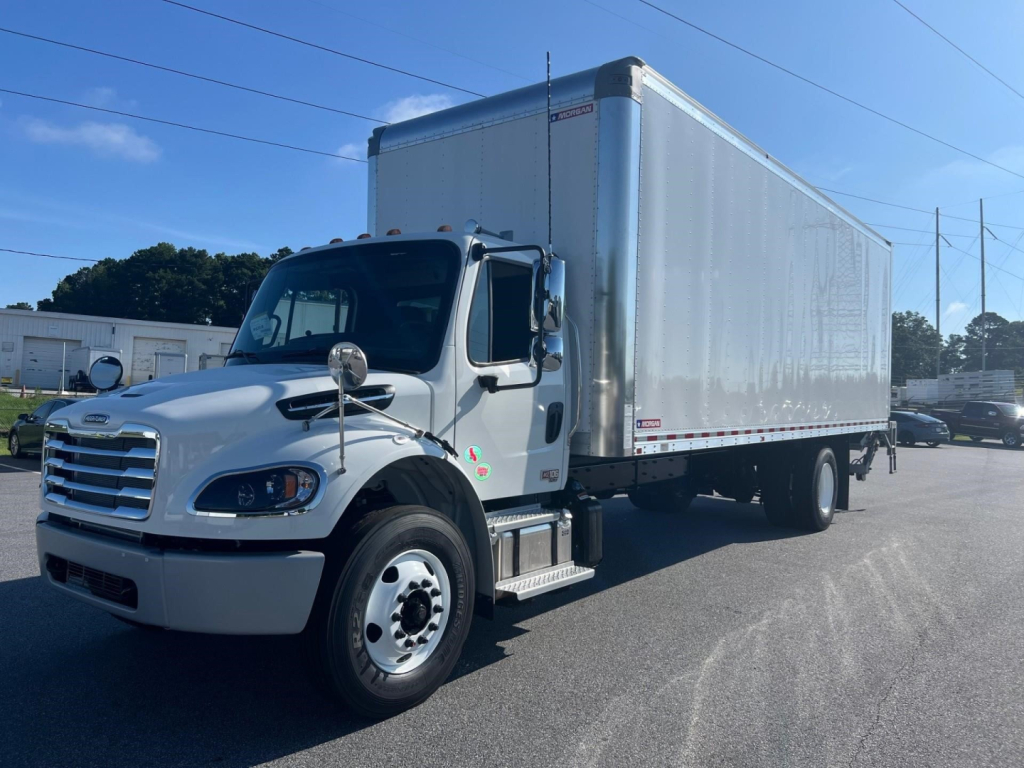
A box truck, also called a straight truck, dry van truck, or van body truck, is built for enclosed cargo that needs weather protection and secure loading. Buyers should pay close attention to GVWR, wheelbase, rear axle rating, body construction, and liftgate capacity. Common features in this category include roll-up rear doors, aluminum or hardwood floors, translucent roof panels, E-track, pull-out ramps, and tuck-under or rail liftgates. A 3,000-lb liftgate is a popular spec for palletized freight and route delivery, but it still needs to match the actual freight mix and pallet jack use. Interior height, door opening width, and floor-to-ground loading height matter just as much as published payload numbers.
Powertrain choice depends on route density and total operating weight. Gas engines still show up on lighter Class 3 to Class 5 box trucks, but many 2027 medium-duty box trucks in the 24-foot to 26-foot range are diesel-powered for better torque and durability under continuous commercial use. An automatic transmission is standard in most applications. If the truck will run metro Atlanta, Savannah, Macon, or regional lanes across the Southeast, look closely at axle ratio, fuel capacity, and cab comfort features that affect driver uptime. Visibility, backup cameras, seating layout, and easy cab entry all matter on multi-stop routes where drivers are in and out of the truck all day.
Body spec and chassis spec need to be matched as one package. A new box on an undersized chassis can leave payload on the table, while an overbuilt truck can add cost and empty weight without helping the application. For Georgia buyers, it is smart to think about bridge clearances, tight delivery sites, heat exposure on cargo, and whether a dock-high rear, liftgate, or side door will improve daily efficiency. The best 2027 box trucks are the ones sized correctly for cube, weight, and stop frequency, with a body and liftgate that fit the freight instead of forcing the operation to work around the truck.
Frequently Asked Questions about 2027 Box Trucks in Georgia
What size box truck is best for local delivery work?
The best size depends on cargo cube, route density, and delivery location access. A 16-foot to 20-foot box truck is typically easier to maneuver in neighborhoods, downtown streets, and tight commercial lots. A 24-foot to 26-foot box truck is more common when maximizing cargo volume matters more than tight turning radius, especially for furniture, appliances, retail freight, and palletized final-mile work.
Do I need a CDL to operate a box truck?
A CDL requirement is based primarily on the truck's gross vehicle weight rating, or GVWR, and the way it is equipped, not just the box length. Many lighter box trucks fall under the CDL threshold, while larger medium-duty models may approach or exceed it depending on chassis specification. Buyers should verify GVWR, state licensing rules, air brake requirements, and how the truck will actually be used before making a decision.
Is a liftgate worth it on a box truck?
A liftgate is worth the cost when freight is loaded or delivered without consistent dock access. It improves unloading efficiency for palletized goods, heavy carts, appliances, and route freight, and it can reduce manual handling injuries. The key is choosing the right platform style and weight rating. A 3,000-lb liftgate is common on medium-duty box trucks, but the real requirement depends on pallet weight, load dimensions, and whether a pallet jack will be used on the platform.
What should I check when comparing 2027 box trucks?
Focus on GVWR, payload capacity, body length, wheelbase, interior dimensions, rear door opening, floor type, and liftgate capacity. Then compare engine type, transmission, axle ratio, cab layout, and serviceability. Body details like E-track, scuff liners, cargo lighting, and side access can make a major difference in day-to-day use, especially on multi-stop delivery routes.
What is the difference between a box truck and a straight truck?
In most commercial truck listings, the terms box truck and straight truck are often used interchangeably. Straight truck refers to a truck with the cab and cargo body mounted on the same chassis, unlike a tractor-trailer combination. Box truck usually refers to the enclosed dry freight body itself. On category pages like this, both terms generally describe the same type of delivery and utility vehicle.