
2027 Freightliner Box Trucks For Sale in Georgia
Shop 2027 Freightliner box trucks in Georgia. Compare M2 106 specs, 26 ft bodies, liftgate options, GVWR, payload, and delivery use.
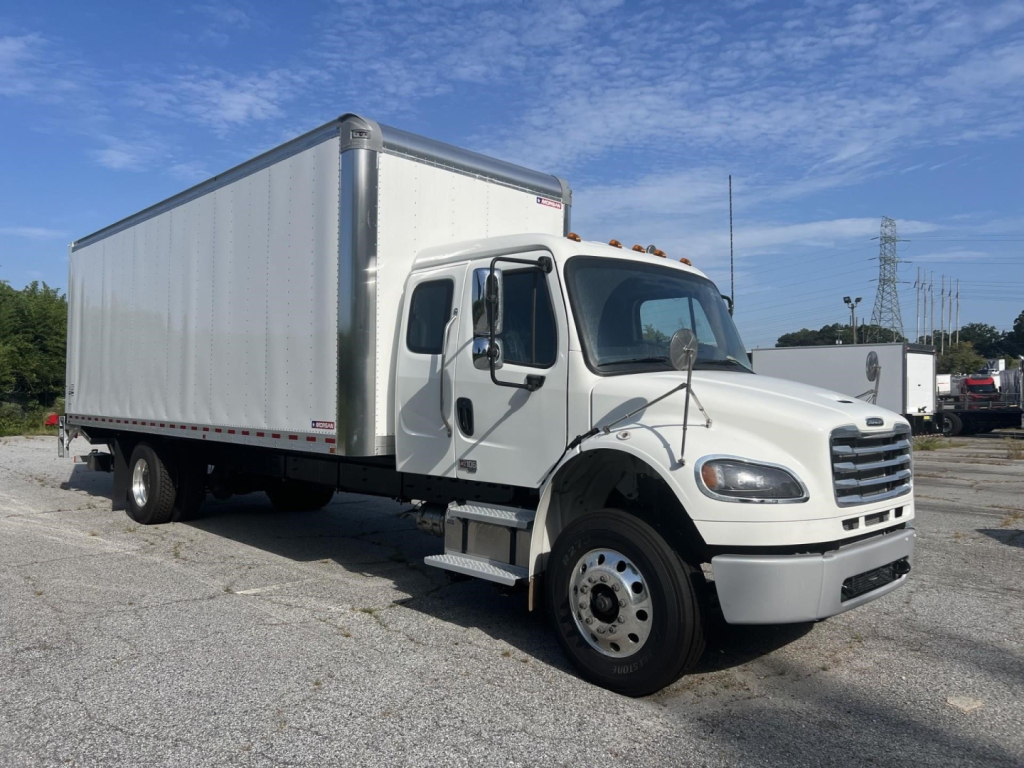
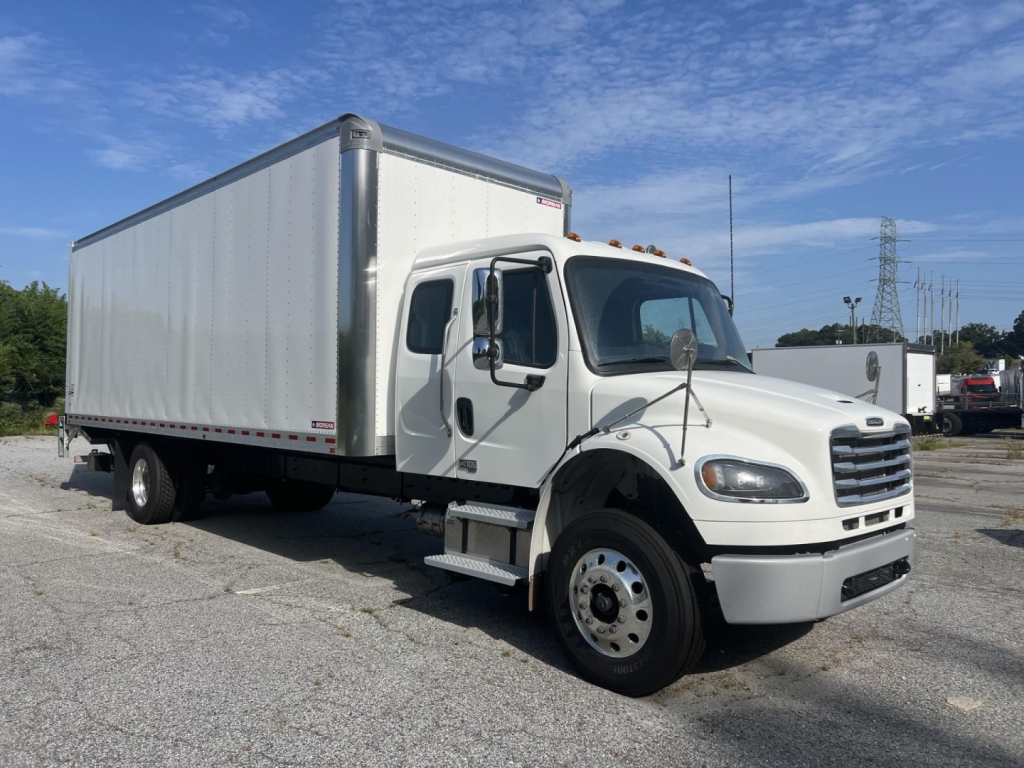
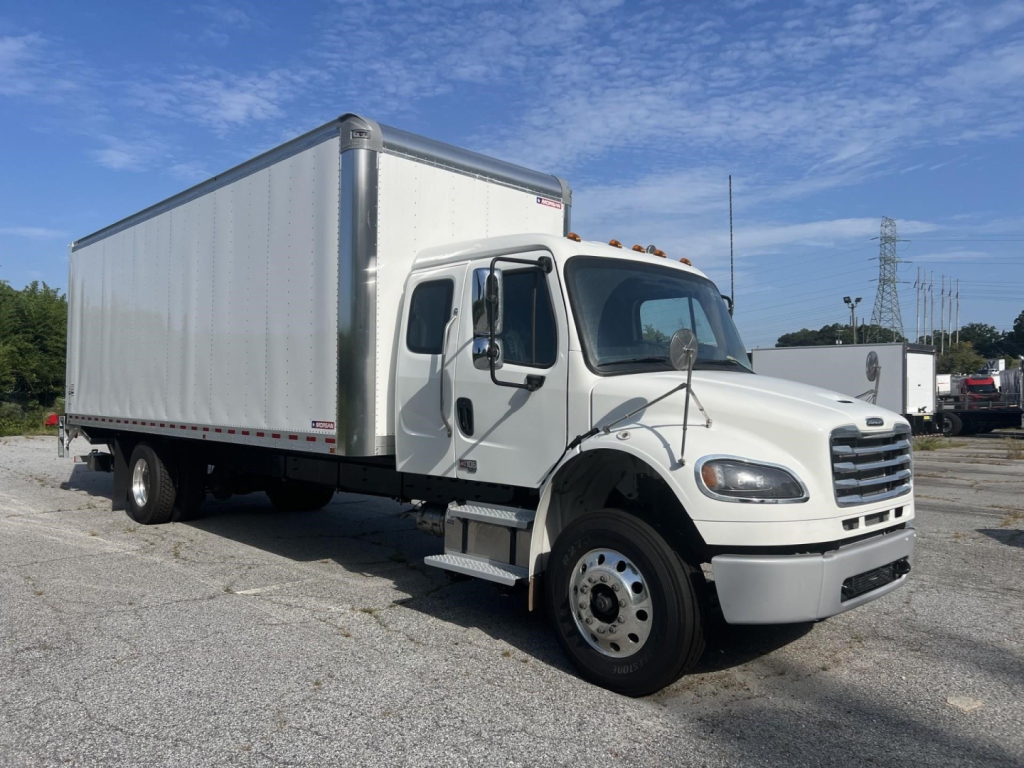
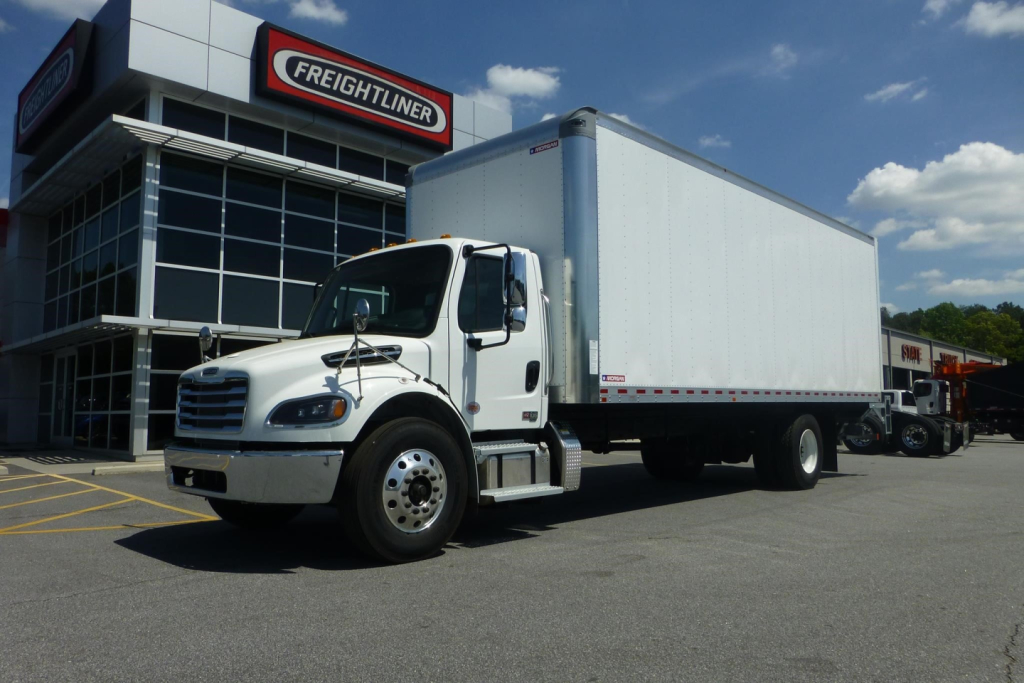
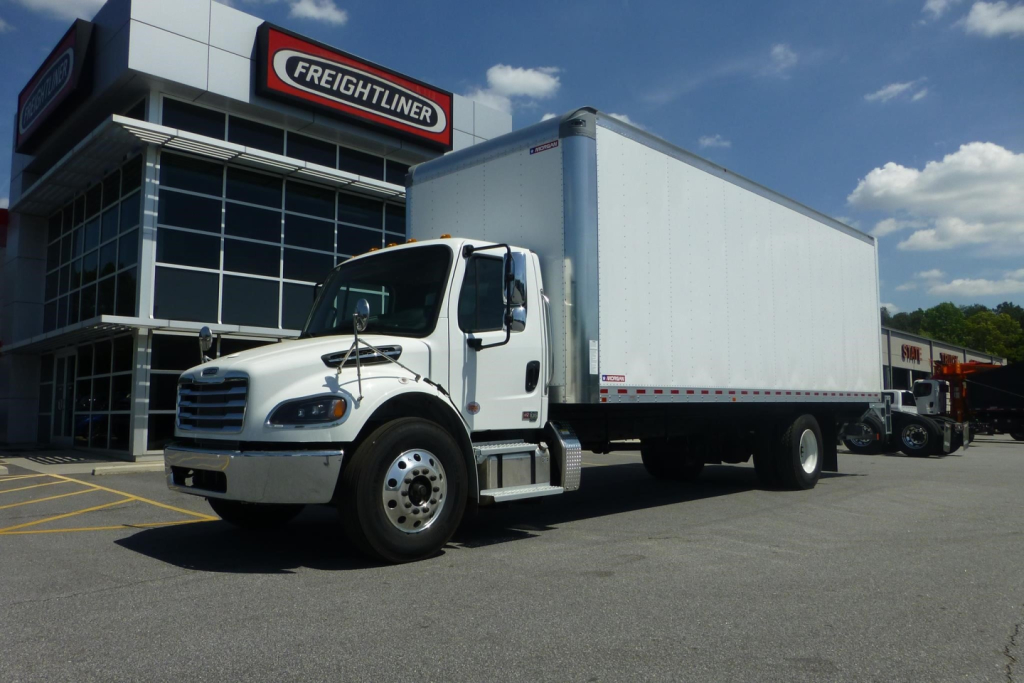
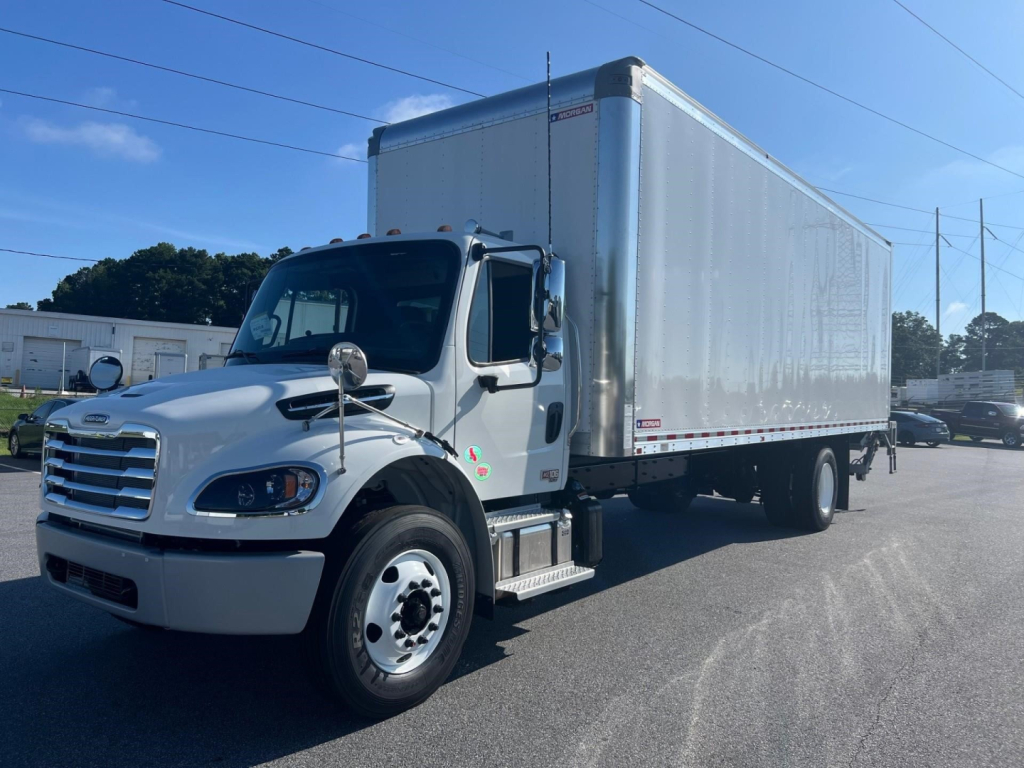
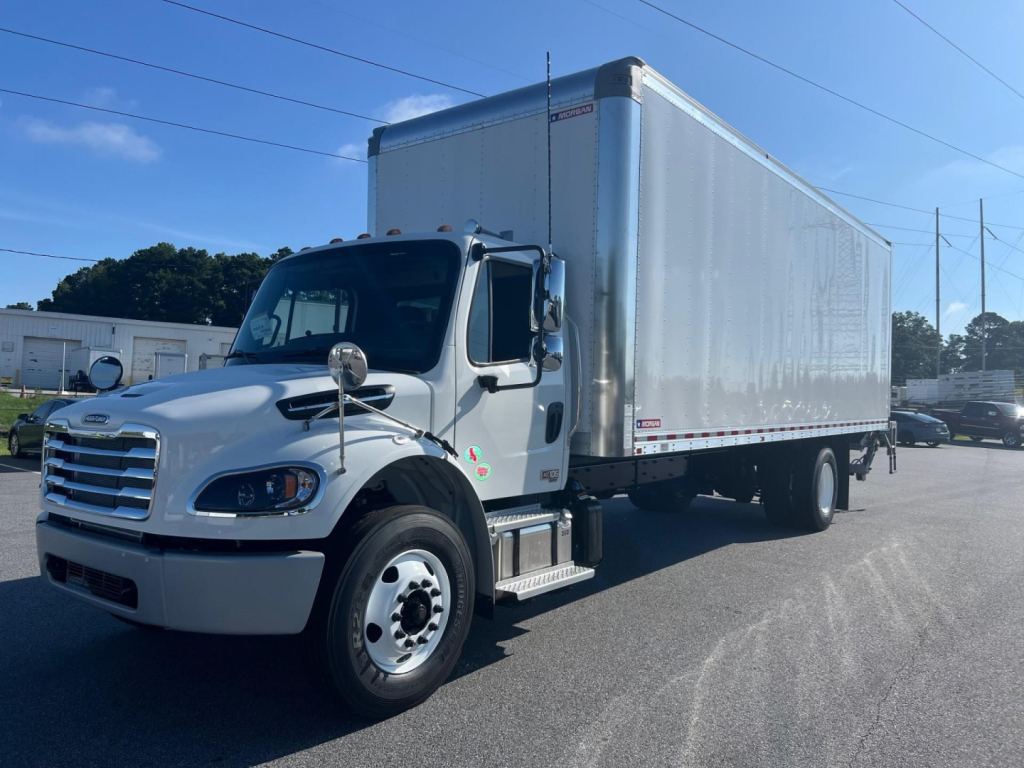
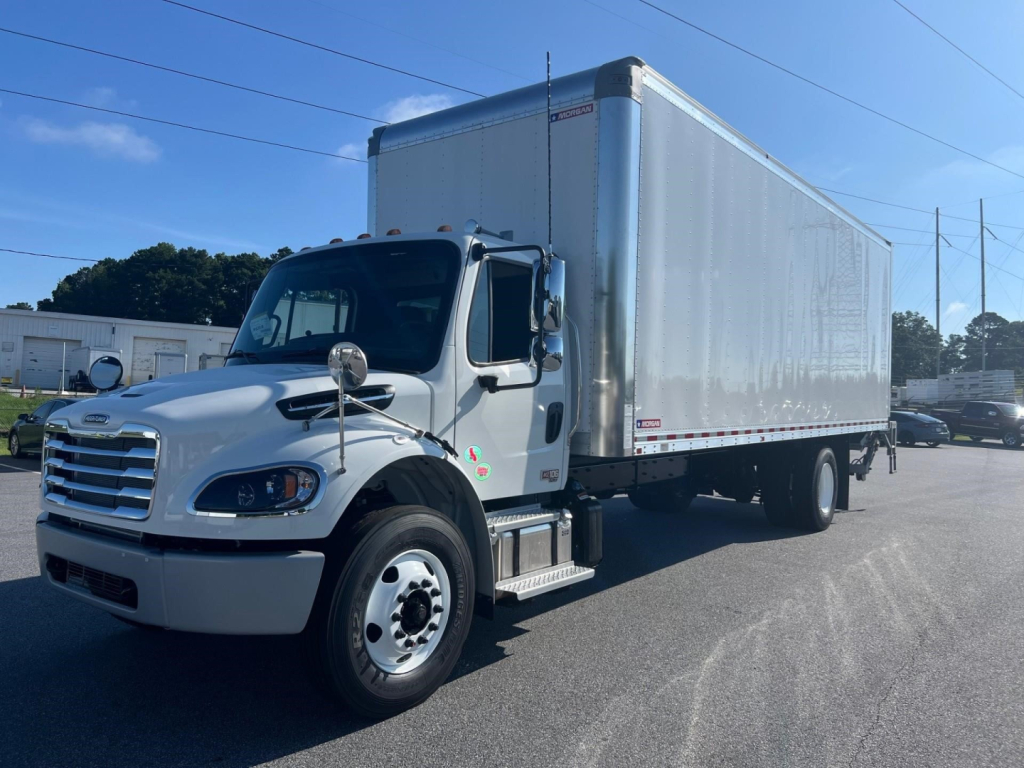
Selling a 2027 freightliner box truck? List your 2027 freightliner box truck for sale and reach thousands of commercial buyers.
2027 Freightliner Box Trucks in Georgia
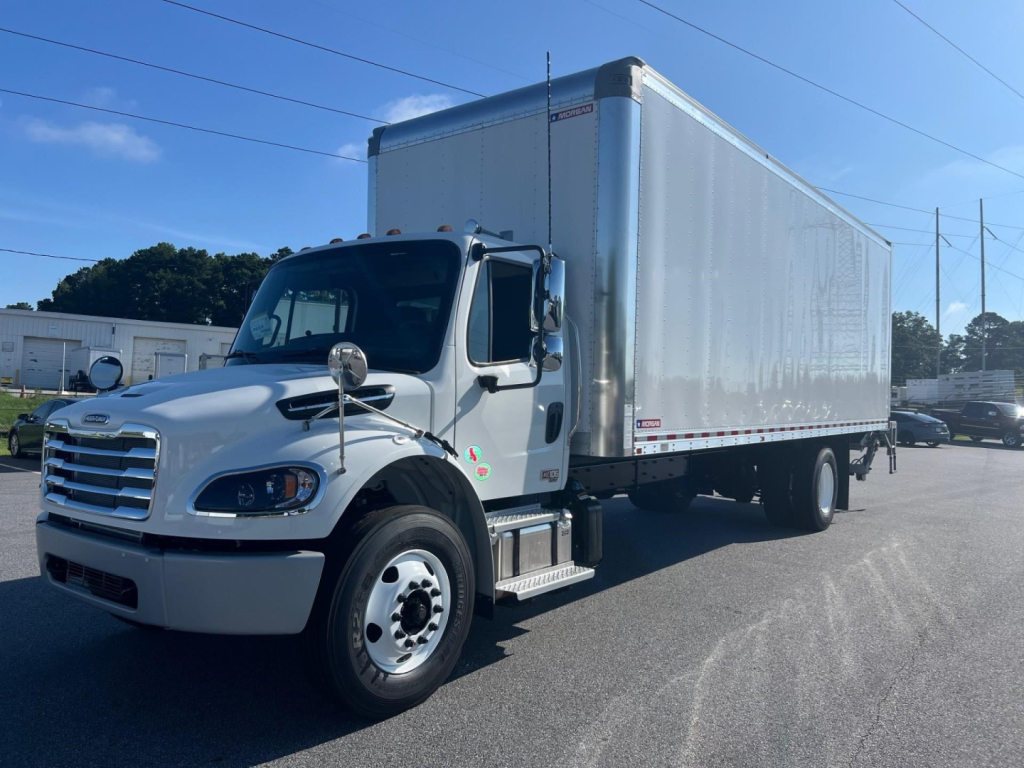
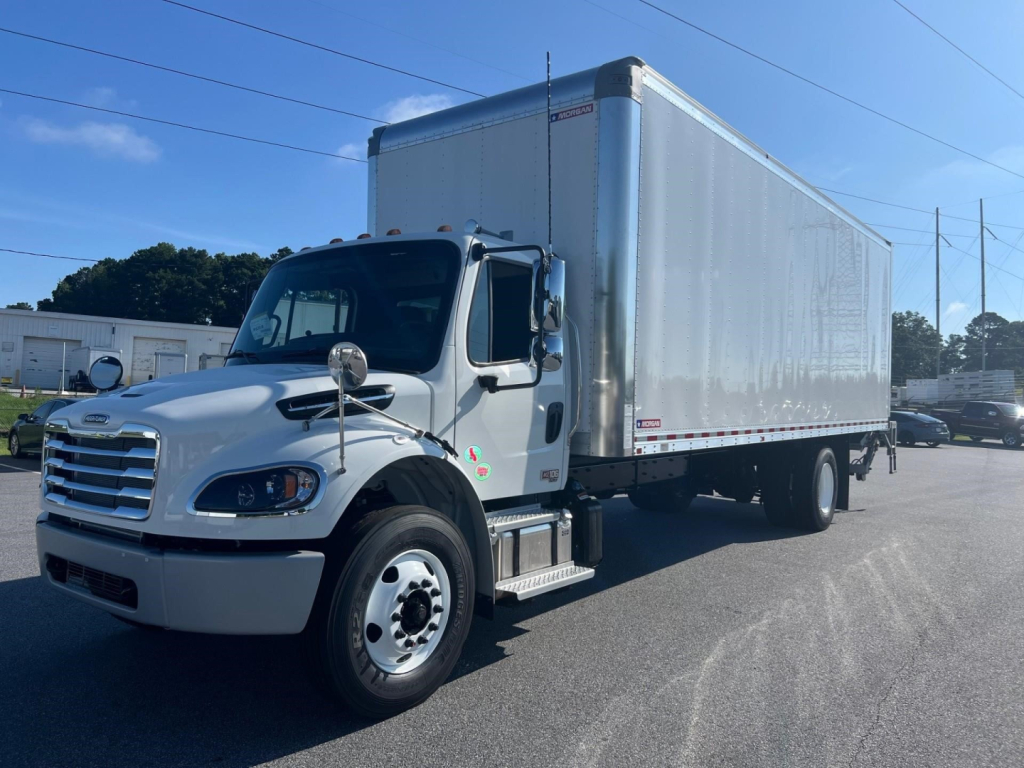
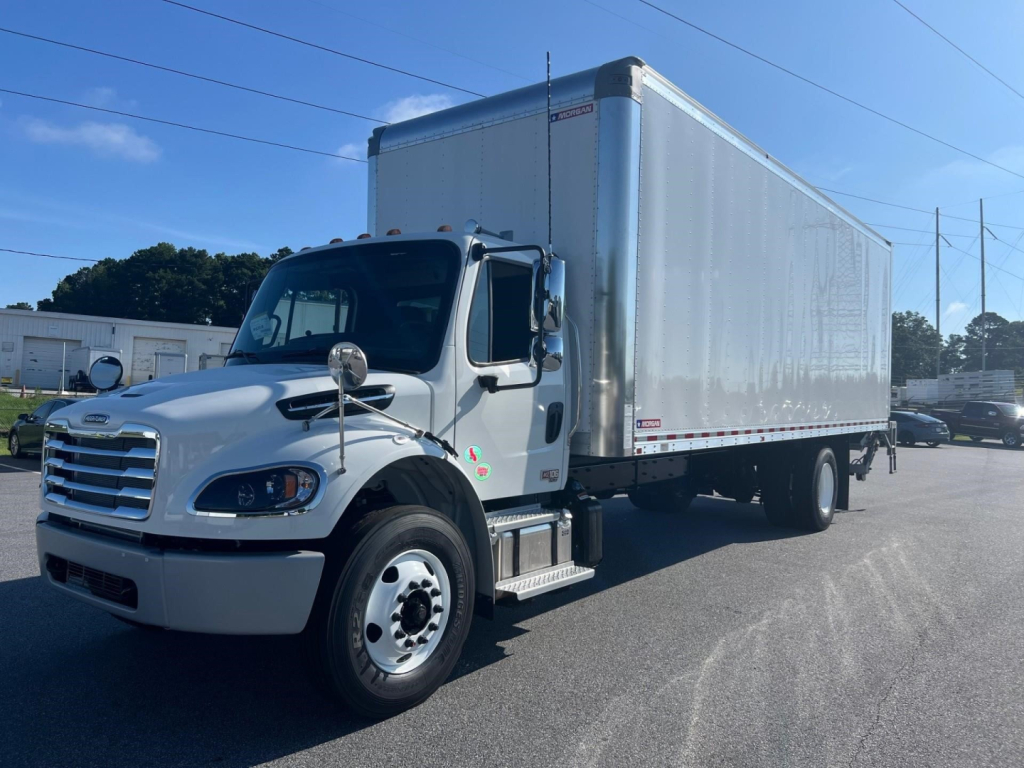
A common configuration in this class is a 26-foot van body paired with a roll-up rear door and a tuck-under or rail-style liftgate. That size is popular because it gives strong cube without pushing into tractor-trailer territory for route planning, driver hiring, or urban access. Many Freightliner box trucks in this segment are spec'd with Morgan or similar bodies, hardwood or laminated floors, E-track, translucent roof panels, and optional scuff liners for damage control. Buyers comparing units should pay close attention to wheelbase, rear axle rating, inside body height, and the actual payload after the body and liftgate are installed. A 3,000-lb Maxon liftgate is a common fit for palletized freight, appliances, beverages, and general delivery, but heavier or high-frequency unloading may justify a different gate style or rating.
On the chassis side, the Freightliner M2 106 is widely used because it balances maneuverability with commercial-grade durability. Typical considerations include diesel engine rating, Allison automatic transmission spec, air brake versus hydraulic brake setup, fuel tank capacity, and suspension tuning for stop-and-go service. In Georgia, heat, traffic, and mixed urban-highway routes make cooling performance, cab comfort, and easy ingress-egress important on daily runs. If the truck will spend most of its life in metro Atlanta, shorter wheelbase and visibility can matter as much as total cube. For regional delivery across the state, buyers may lean toward higher horsepower, better seat and storage options, and body specs that reduce loading time at docks and curbside stops.
The best 2027 Freightliner box truck setup is the one that matches freight profile and loading method. Furniture and moving work may need more cubic capacity and logistics track. Beverage, foodservice support, and retail freight often put more value on liftgate reliability, flooring durability, and frequent-stop drivability. Reefer bodies are a separate category, so standard box trucks in this class are aimed at dry freight that needs to stay enclosed and secure. When comparing listings, focus less on model name alone and more on the complete build: body manufacturer, interior dimensions, door opening height, GVWR, front and rear axle ratings, and how much legal payload remains after every upfit component is accounted for.
Frequently Asked Questions about 2027 Freightliner Box Trucks in Georgia
What is the most common body size for a Freightliner box truck in this category?
A 26-foot body is one of the most common configurations for Freightliner M2 106 box trucks because it offers strong cargo volume for delivery and moving applications while remaining easier to route and park than a tractor-trailer. Buyers should still verify inside length, inside height, and wheelbase, because two trucks listed as 26-foot box trucks can have different usable cube, dock approach characteristics, and payload capacity depending on the body build and chassis spec.
How important is liftgate capacity on a box truck?
Liftgate capacity is critical if the truck will handle palletized freight, appliances, vending loads, or deliveries without dock access. A 3,000-lb liftgate is common in this class and works well for many general freight applications, but the real decision should be based on the heaviest single piece handled, pallet jack weight, and how often the gate cycles each day. Gate style also matters, since tuck-under, rail, and cantilever designs affect loading speed, rear access, and maintenance exposure.
What should buyers check for payload on a 2027 Freightliner box truck?
Payload should be calculated from the truck's actual weight after the box body, liftgate, fuel, and any interior equipment are installed. GVWR alone does not tell the full story. A heavier body, larger liftgate, or added cargo-control equipment reduces legal carrying capacity, so buyers should review axle ratings, empty weight, and the expected freight profile before deciding. This is especially important for dense freight, not just high-cube freight.
Is the Freightliner M2 106 a good platform for city and regional delivery?
Yes. The M2 106 is widely used in medium-duty delivery fleets because it offers a practical balance of maneuverability, serviceability, and body compatibility. It fits well in city routes with frequent stops, but it can also handle regional work when spec'd with the right engine, transmission, fuel capacity, and driver comfort features. The best choice depends on route density, average trip length, and whether the truck loads at docks, curbside, or both.
What features matter most inside the box body?
The most important body features depend on freight type, but many buyers prioritize floor strength, E-track or logistics posts, scuff liners, interior lighting, and rear door opening dimensions. A durable floor and wall protection matter in high-touch operations, while sufficient inside height and clear door access matter for rolling containers, stacked product, and hand unloads. If freight shifts easily or the route includes multiple stops, cargo-control hardware can be just as important as the chassis itself.