
Box Trucks For Sale in New Jersey
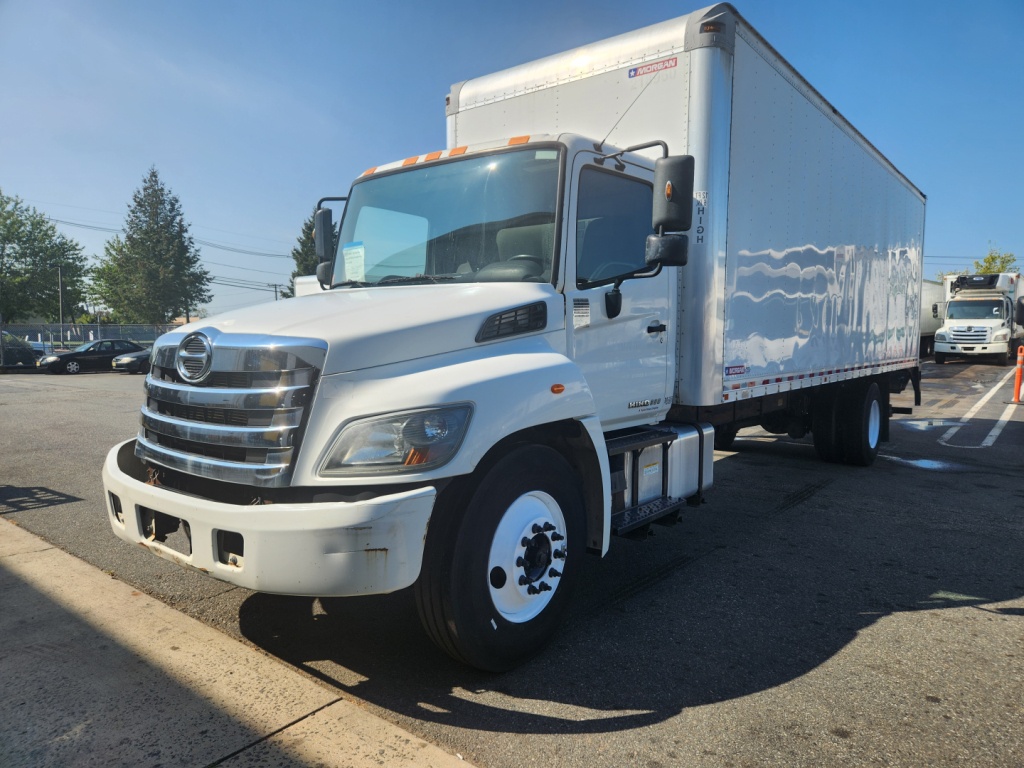
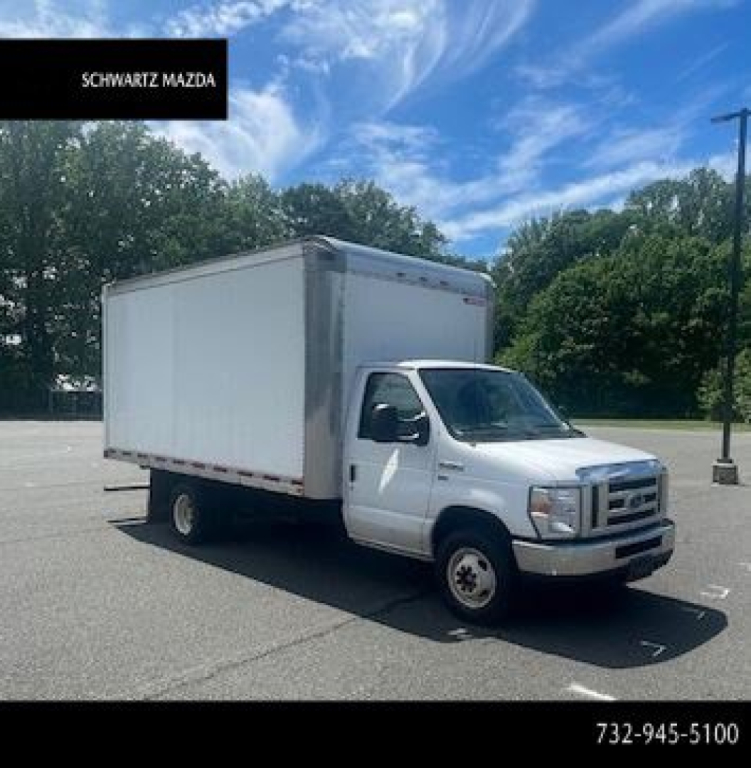
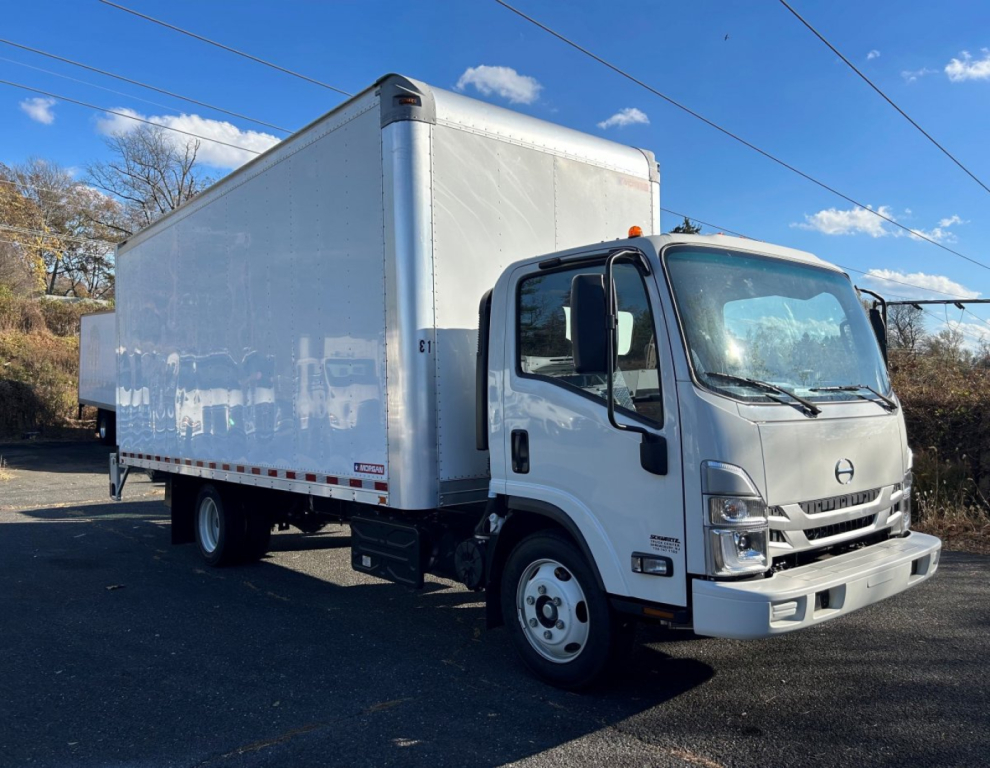
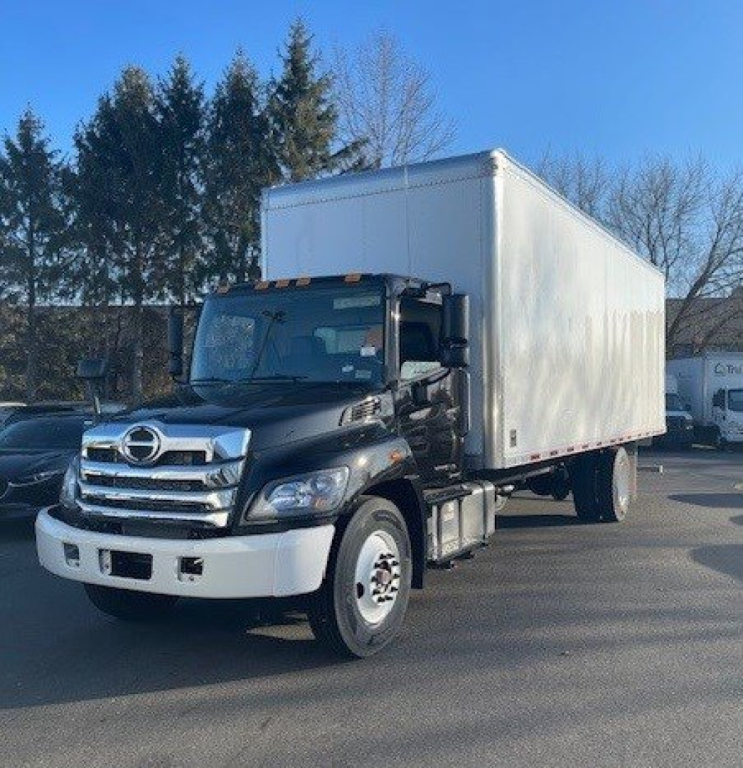
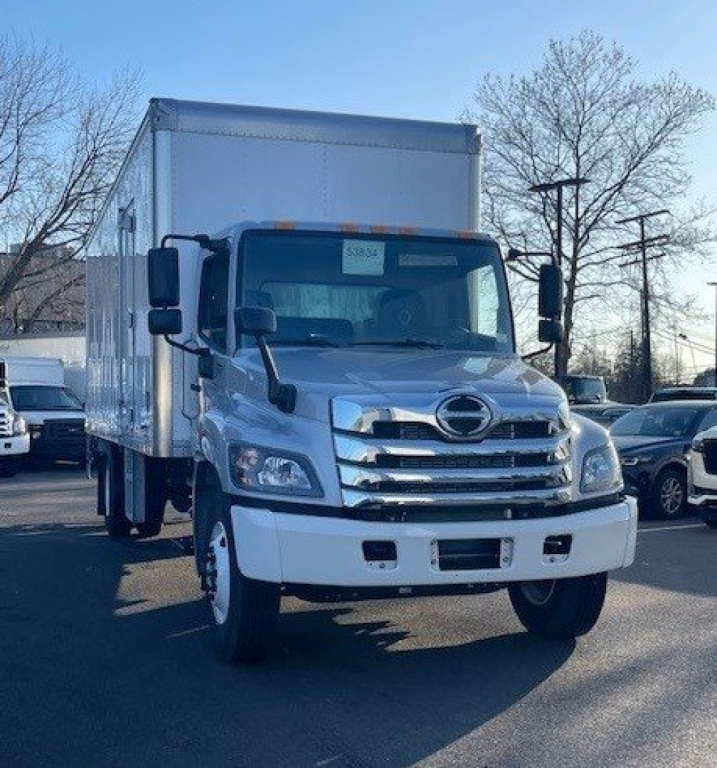
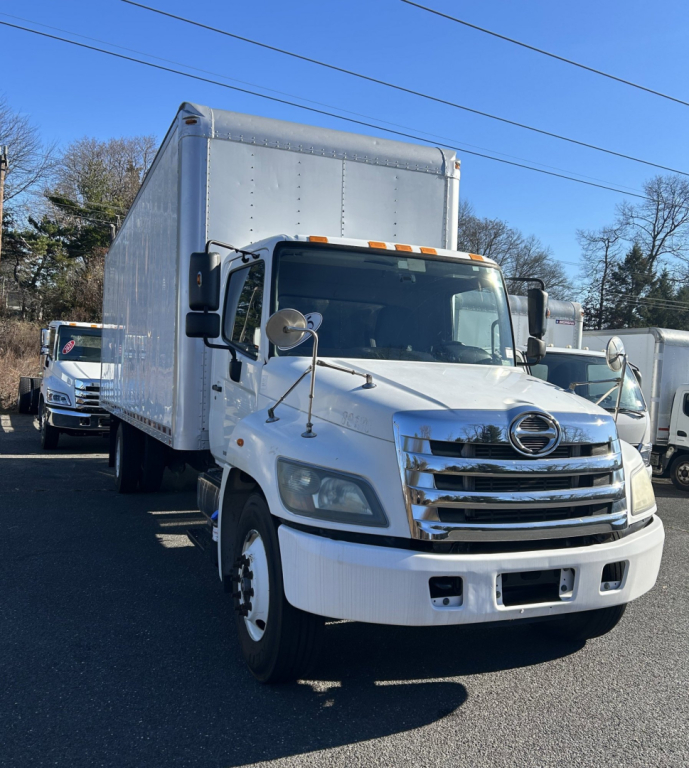
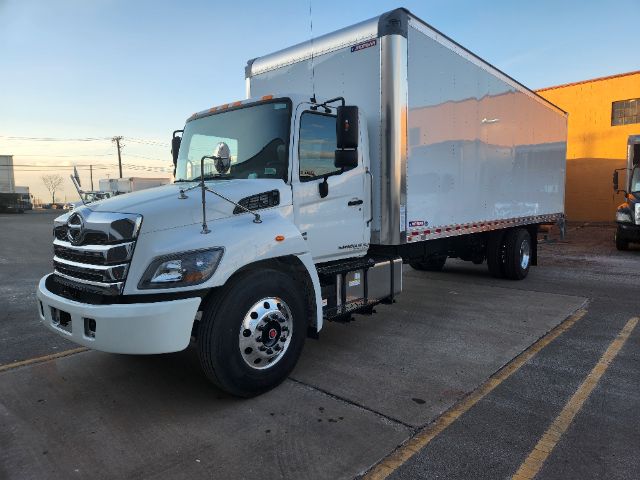
Browse box trucks for sale in New Jersey, including diesel straight trucks with 16-26 ft bodies, liftgates, E-track, and Non-CDL options.
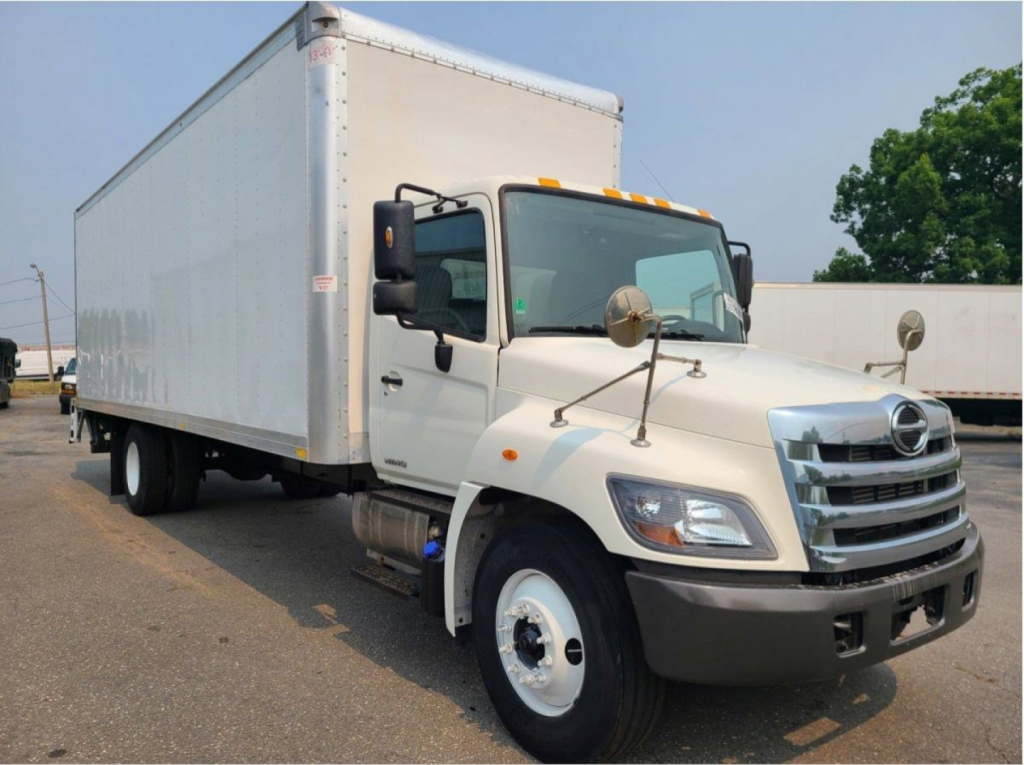
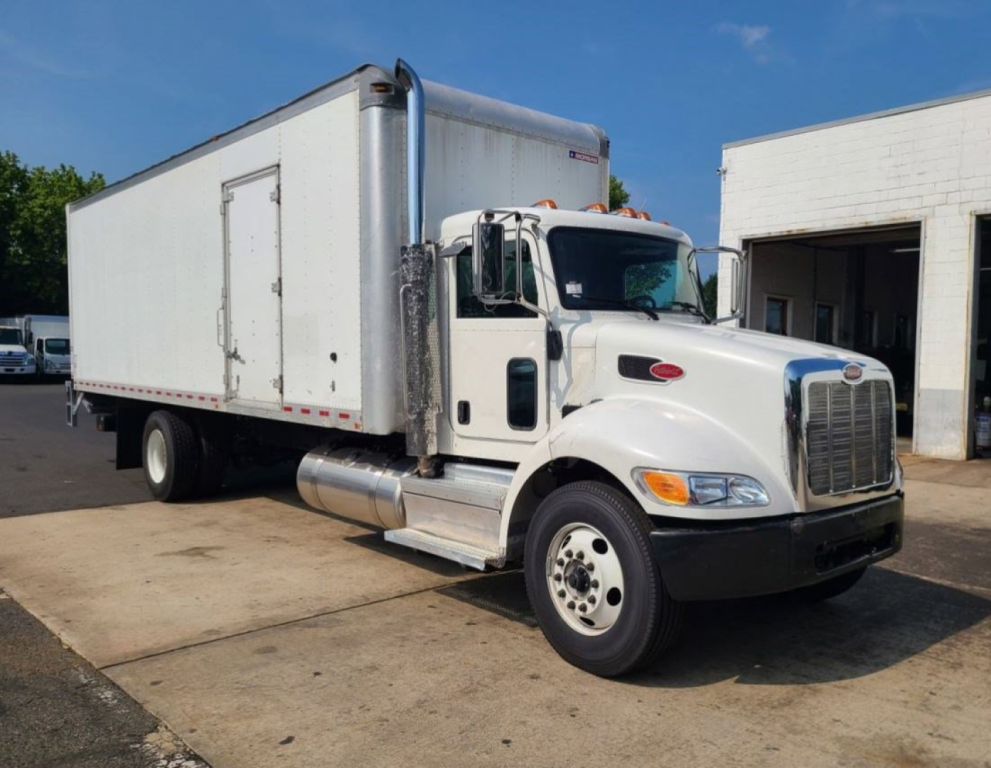
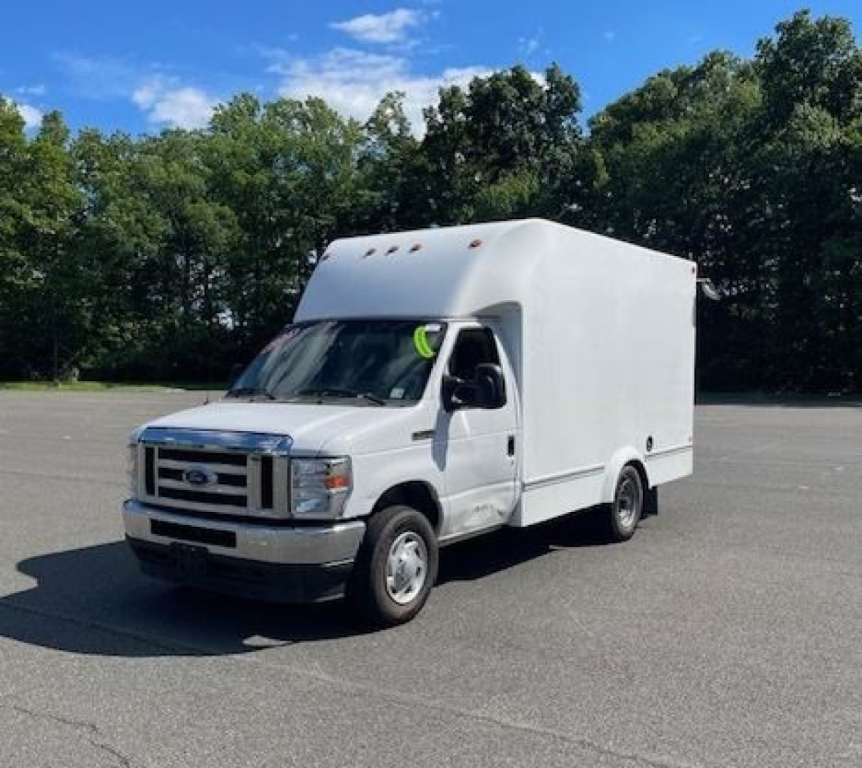
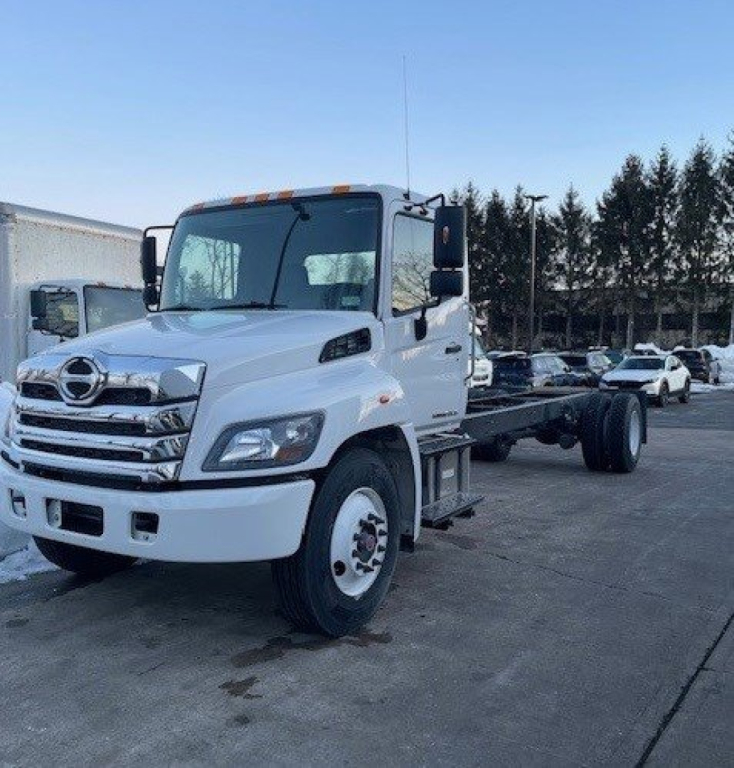
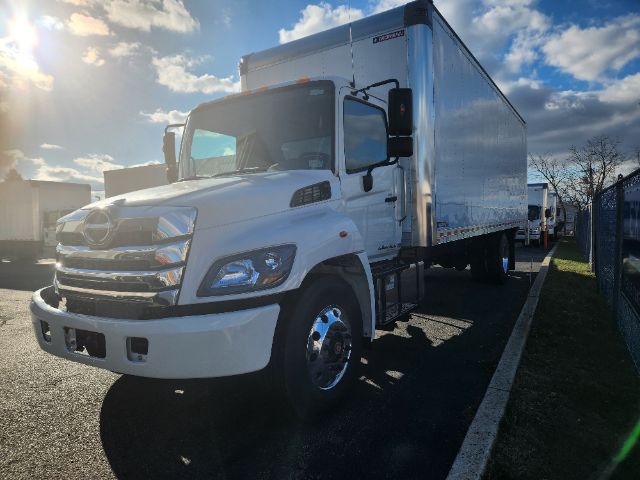
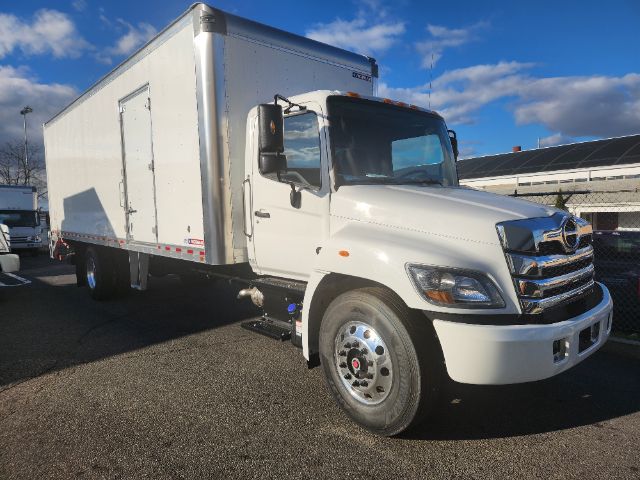
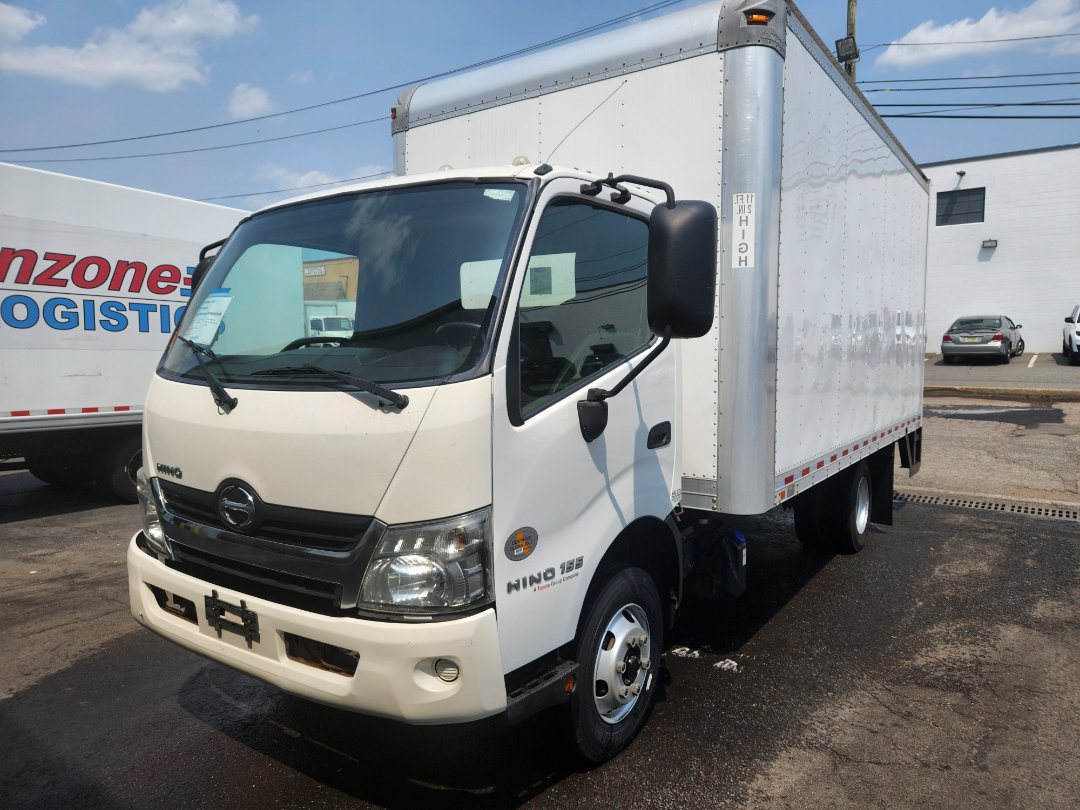

Selling a box truck? List your box truck for sale and reach thousands of commercial buyers.
Box Trucks in New Jersey
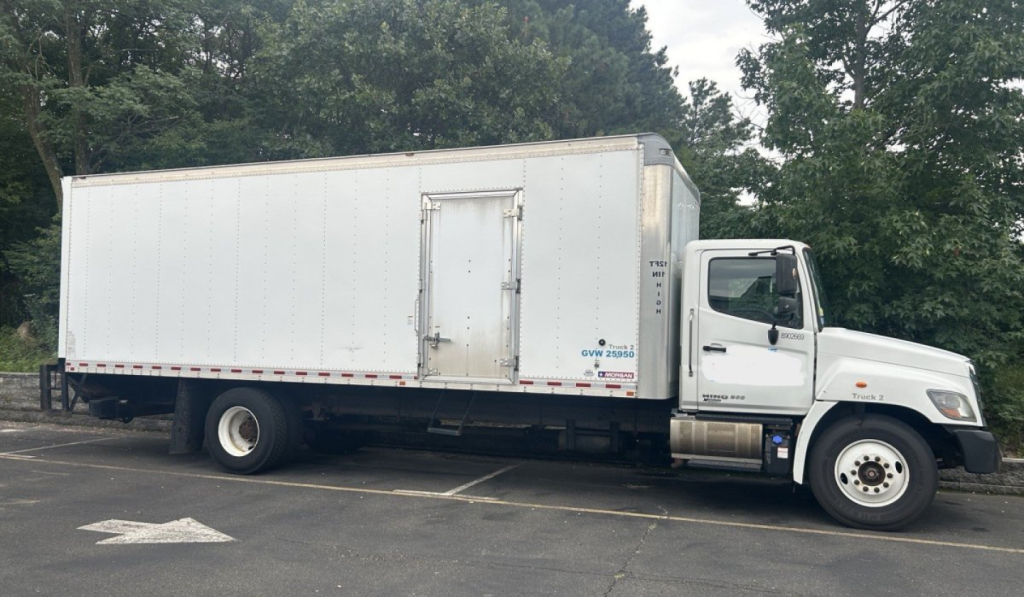
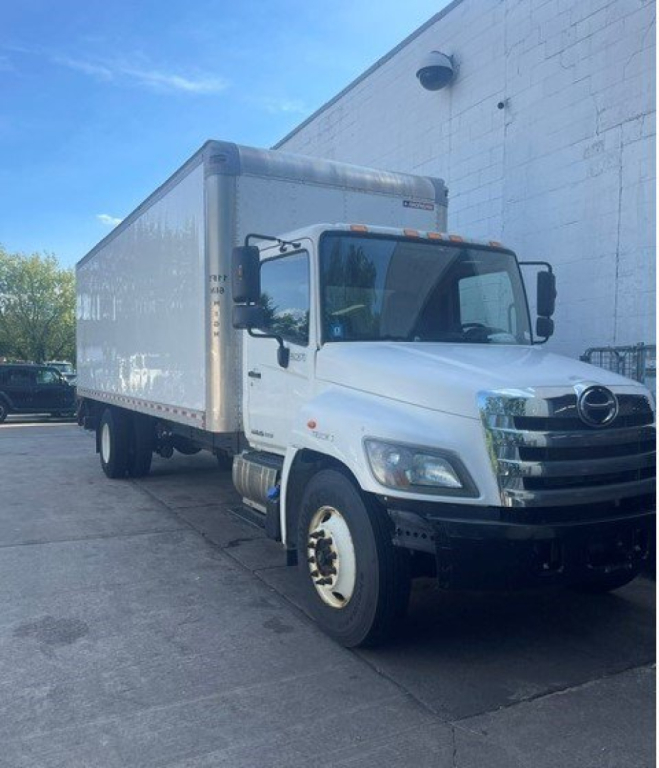
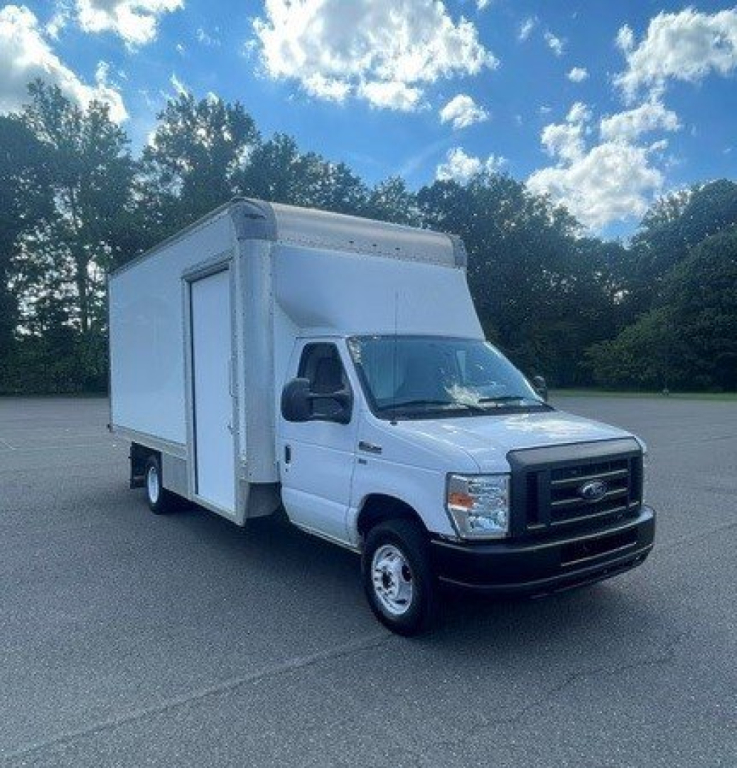
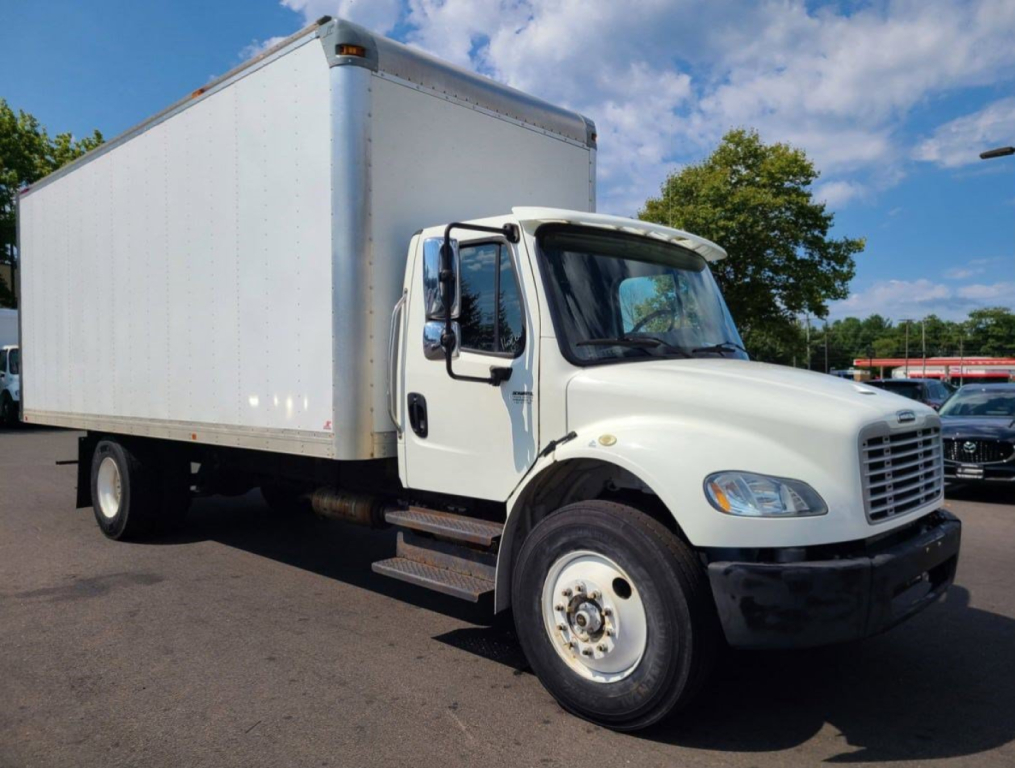
A buyer should look closely at the relationship between wheelbase, body length, and intended route density. A 16 foot body on a shorter wheelbase is easier to work through tight streets, alleys, and loading docks, while a 26 foot body brings more cube for furniture, parcel, and route delivery work. Most medium-duty box trucks in this category are equipped with diesel engines in the 210 to 240 horsepower range and automatic transmissions from Allison or Aisin, which are popular for stop-and-go service. Spring suspension, hydraulic or air brakes depending on class, 19.5 or 22.5 inch rubber, and 4x2 single-axle configurations are all common. Buyers comparing Hino, Isuzu, and similar chassis should pay attention to parts support, cab ergonomics, fuel capacity, and the service history of emissions components used in city driving.
The body spec matters as much as the chassis. Morgan and similar van bodies are often ordered with plywood or slat lining, scuff protection, LED interior lighting, roll-up rear doors, and rows of E-track for cargo control. Liftgates are a major value point for delivery work, and capacity can vary widely, from lighter 2,000 lb platforms up to tuck-away gates rated around 4,000 lbs or more. If the truck will handle palletized freight, a level floor, door opening height, and gate platform size should be checked carefully. For moving or route work, interior wall protection, tie-down layout, and overall cargo cube are just as important as raw payload.
For New Jersey operations, maneuverability, bridge and street restrictions, and dense multi-stop routing often matter more than long-haul comfort. A lower cab height, strong visibility, heated power mirrors, backup cameras, and tight turning radius can make a real difference in urban service. Buyers should also confirm axle ratings, empty weight, and body upfit details before comparing trucks with the same advertised GVWR, because actual usable payload can vary significantly. A well-matched box truck should fit the freight, loading method, driver requirements, and route environment first. Once those basics line up, features like air ride seats, aluminum wheels, extended fuel capacity, and factory warranty support become meaningful tie-breakers.
Frequently Asked Questions about Box Trucks in New Jersey
What size box truck is best for local delivery work?
The right size depends on freight type, stop density, and where the truck operates. A 16 to 18 foot box truck is often better for city routes, residential deliveries, and tighter loading areas because it is easier to park and turn. A 24 to 26 foot box truck offers more cargo volume and is common for furniture, appliance, parcel, and moving applications. In dense New Jersey service areas, buyers often balance maximum cube against overall maneuverability and dock access.
Are 26 foot box trucks Non-CDL?
Many 26 foot box trucks are spec'd at 25,950 GVWR specifically to stay under the 26,001 lb CDL threshold, but body length alone does not determine licensing. Buyers need to verify the actual GVWR on the door tag and confirm any state, route, or business-specific requirements. Payload, liftgate weight, and body construction can also affect whether a truck still meets the intended operating profile without overloading.
What features matter most on a used box truck?
The highest-value items are usually body condition, liftgate operation, maintenance history, and actual payload capacity. Check the box floor, roof, front wall, roll-up door, scuff liners, E-track, and signs of water intrusion or impact damage. On the chassis side, review engine and transmission service records, brake and tire condition, suspension wear, and emissions system history. A clean cab and low mileage help, but body integrity and route-ready mechanical condition usually matter more on a working box truck.
Is a liftgate worth having on a box truck?
A liftgate is essential for many delivery applications where docks or forklifts are not consistently available. It improves unloading speed, reduces labor strain, and expands the range of customers and stops a truck can service. The key is matching the gate type and weight rating to the cargo. A lighter platform may work for hand trucks and small pallets, while appliance, beverage, or heavier pallet freight often needs a higher-capacity tuck-away or rail gate.
What is the difference between a box truck and a straight truck?
A box truck is a type of straight truck. Straight truck means the cab and cargo body are mounted on a single chassis, unlike a tractor and trailer combination. Box truck usually refers to a straight truck with an enclosed van body used for dry freight, deliveries, and moving. The terms are often used interchangeably in the market, but box truck is the more specific description for an enclosed cargo body.