
2022 Box Trucks For Sale in New Jersey
Browse 2022 box trucks for sale in New Jersey. Compare body lengths, GVWR, liftgates, diesel and gas engines, and delivery-ready specs.
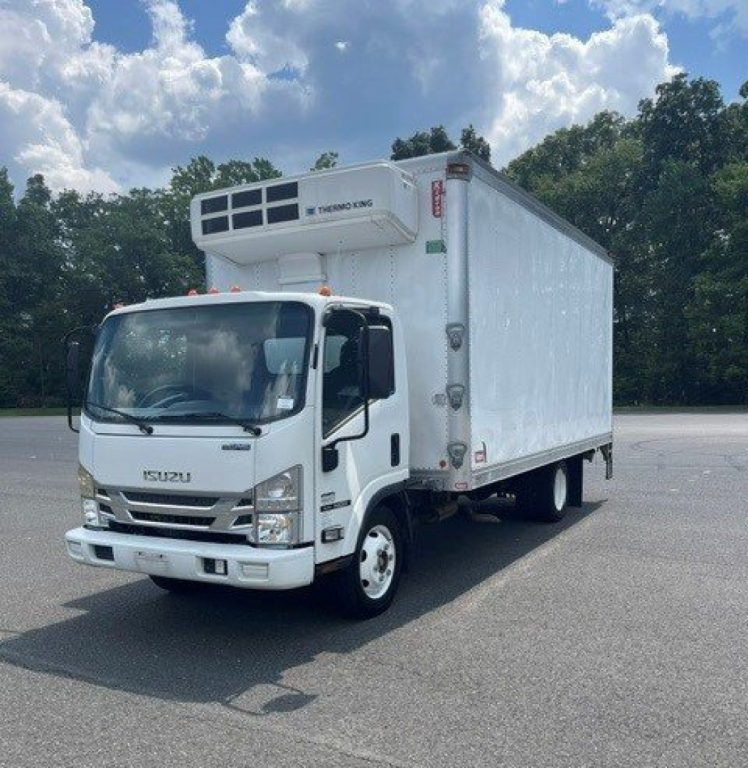
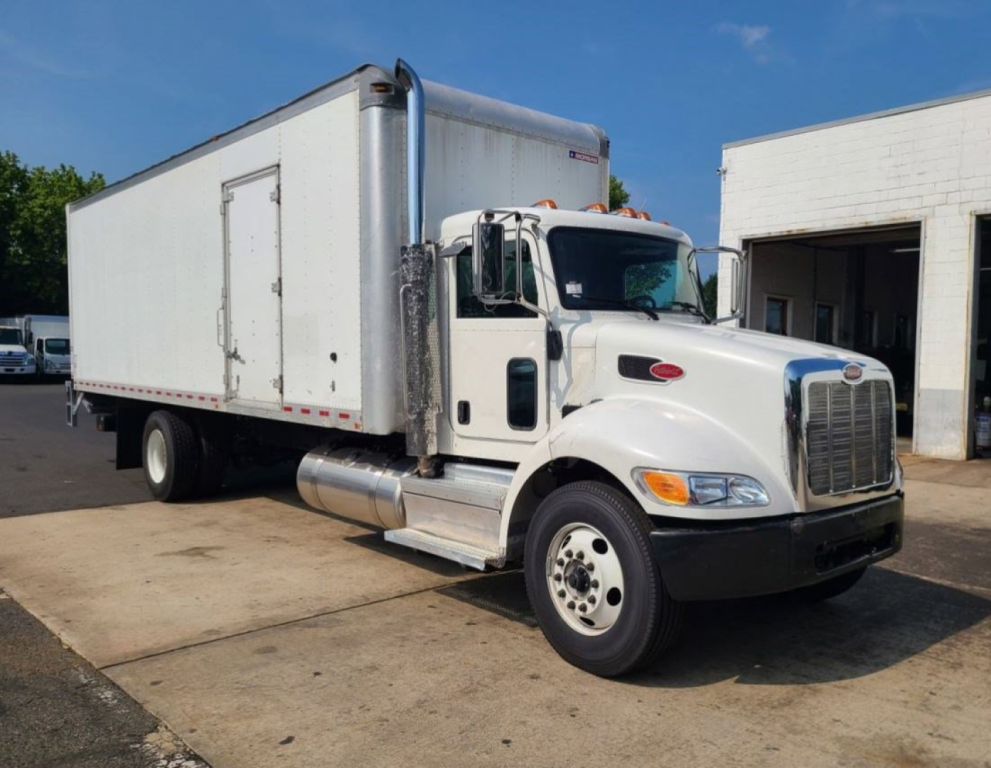
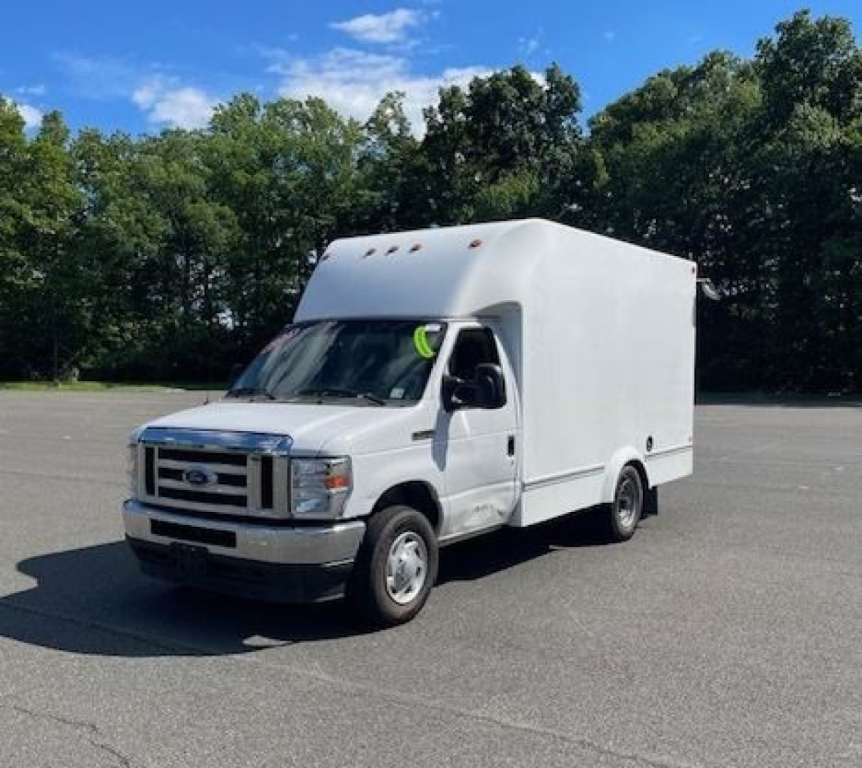
Have 2022 box truck to sell? List it here to reach thousands of buyers.
2022 Box Trucks in New Jersey
Buyers comparing 2022 box trucks should look closely at body spec, not just the cab and engine badge. Interior height, roll-up versus swing doors, curbside access doors, E-track, plywood liners, scuff plates, and liftgate capacity all affect daily productivity. Common liftgates on this class range from roughly 3,000 to 4,400 pounds, which matters for palletized freight, appliances, and beverage or foodservice work. Body length also needs to match route conditions. A 16-foot or 18-foot body is easier around Newark, Jersey City, and older downtown corridors, while a 24-foot or 26-foot box makes more sense for higher cube loads and regional delivery runs.
Powertrain choice on a 2022 box truck often comes down to duty cycle. Gas V8 platforms are common on cutaway and lighter straight truck applications and can make sense for lower annual miles or fleets prioritizing simpler service. Diesel engines remain popular in heavier box trucks because they deliver better low-end torque under load and typically pair with proven Allison automatic transmissions in medium-duty applications. Check axle ratio, wheelbase, fuel tank size, and braking system along with horsepower and torque. If the truck will spend time on parkways, port traffic, or stop-and-go suburban delivery routes, cab visibility, turning radius, and step-in height deserve as much attention as drivetrain specs.
A well-matched 2022 box truck should be evaluated like a working tool. Verify cargo body construction, roof condition, floor wear, door seal integrity, and liftgate operation. In New Jersey, corrosion exposure from winter road treatment makes frame condition, crossmembers, brake lines, and underbody components especially important. Buyers running multi-stop routes may also want backup cameras, power mirrors, air-ride seats, and interior cargo lighting, while fleets handling retail or final-mile freight may prioritize low deck height and easy rear access. The best unit is the one whose body, payload, and route profile line up cleanly with the work.
Frequently Asked Questions about 2022 Box Trucks in New Jersey
What GVWR is best for a 2022 box truck?
The right GVWR depends on payload, body length, and how the truck will be routed. Class 3 to 5 box trucks are common for lighter local delivery and easier maneuverability, while 25,950 GVWR Class 6 trucks are popular for heavier freight because they offer strong payload capacity and often stay below the 26,001-pound CDL threshold. Buyers should calculate real cargo weight, pallet count, liftgate weight, and any shelving or equipment before choosing a chassis.
What body length is most common on a 2022 box truck?
Common body lengths range from 16 feet to 26 feet. Shorter bodies work better in dense city delivery, residential moving, and tighter loading areas. A 24-foot or 26-foot body is common for higher cube freight, retail replenishment, and regional route work. The best length is a balance between cargo volume, legal parking realities, dock access, and the turning space available on your typical route.
Is diesel or gas better in a 2022 box truck?
Diesel is often preferred in heavier medium-duty box trucks because it provides strong torque under load and tends to fit higher-mileage, heavier-duty cycles. Gas engines are common in cutaway and lighter straight truck configurations and can be a good choice for lower annual mileage, shorter routes, and fleets focused on lower upfront cost or simpler maintenance. The decision should be based on payload, annual miles, idle time, and service support in your operating area.
What should I inspect on a used 2022 box truck in New Jersey?
Focus on both the chassis and the cargo body. Inspect the frame, suspension, brakes, tires, and underbody for corrosion or winter road salt exposure. On the box itself, check the roof, front wall, floor, crossmembers, roll-up door, door seals, and any curbside door for leaks or impact damage. If equipped with a liftgate, confirm rated capacity, smooth cycling, and structural condition at the platform and hinge points.
Why does liftgate capacity matter on a box truck?
Liftgate capacity directly affects what freight the truck can handle efficiently and safely. A 3,000-pound gate may be enough for general route freight, while heavier palletized goods, appliances, or beverage loads may need a 4,000-pound-plus rating. Buyers should account for the weight of the heaviest routine load, pallet jack use, dock conditions, and how often the gate will cycle during a day.