
2025 Box Trucks For Sale in New Jersey
Shop 2025 box trucks for sale in New Jersey. Compare cargo lengths, GVWR, liftgates, diesel or gas power, and delivery-ready specs.
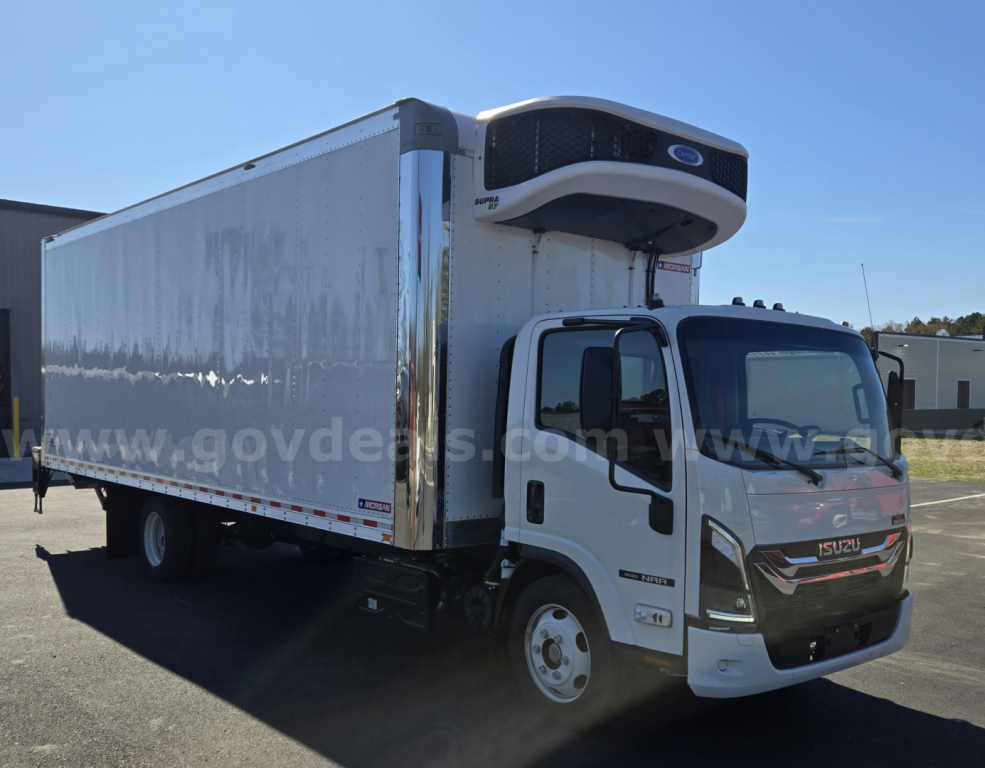
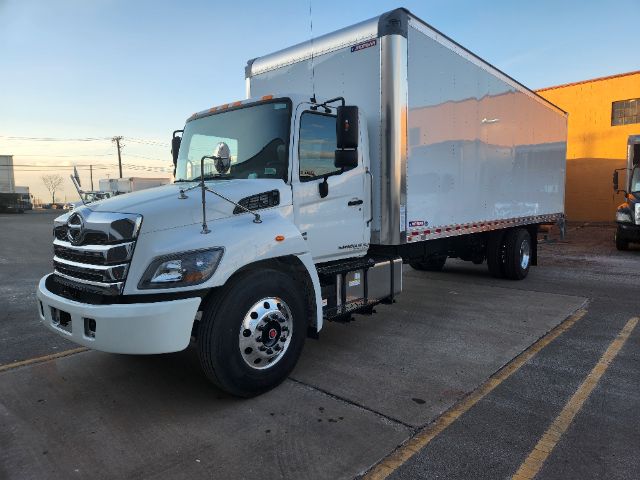
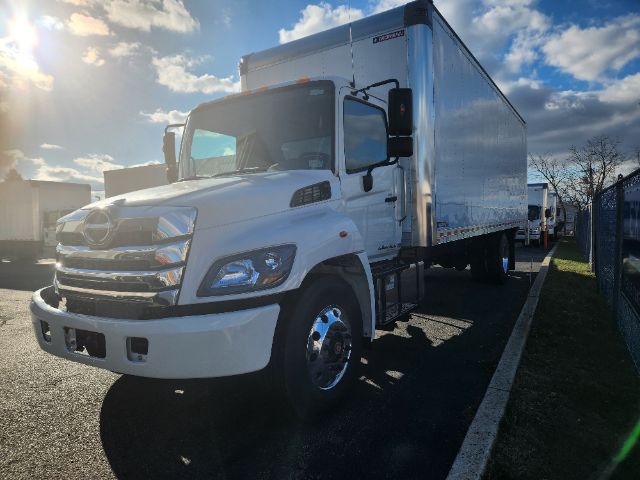
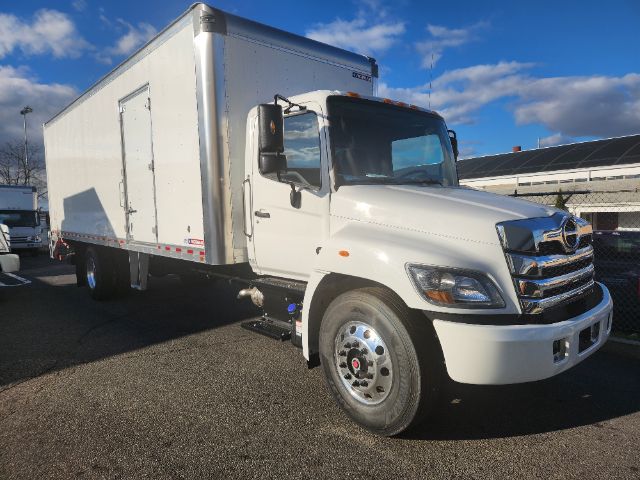
Selling a 2025 box truck? List your 2025 box truck for sale and reach thousands of commercial buyers.
2025 Box Trucks in New Jersey
One of the first decisions is chassis size. Light-duty gasoline models on Ford E-Series, Ford F-59, Chevy Express, or similar platforms are common for local delivery and moving jobs, especially when a lower acquisition cost and simpler maintenance are priorities. Medium-duty diesel box trucks from Freightliner M2, Hino, International, or Isuzu are better suited for heavier payloads, longer routes, and more demanding daily cycles. Buyers should compare GVWR closely because that number affects payload, registration, CDL requirements, and bridge law considerations. Many operators specifically target de-rated 25,950-lb GVWR trucks to stay below CDL threshold while still running a full 24-foot to 26-foot body.
Body spec is where a box truck either fits the job or creates daily headaches. Common lengths run from 14 feet to 26 feet, with body height, door opening, and interior width all affecting usable cube. Roll-up rear doors are standard, but a curbside door is valuable for multi-stop delivery work. Liftgates are one of the most important options on this category, with capacities often ranging from 2,500 to 4,000 pounds depending on freight type. Inside the body, hardwood floors, E-track, translucent roof panels, and scuff liners make a real difference in durability and cargo control. If dock loading is routine, pay attention to floor height and rear frame design. If residential delivery is the main application, a low step-in height, good visibility, and tight turning radius matter just as much as payload.
For a 2025 box truck, buyers should also look hard at cab and driveline specs that affect uptime. Automatic transmissions dominate this segment because they reduce driver fatigue and make urban operation easier. Wheelbase, rear axle ratio, suspension type, and brake system all shape ride quality and load behavior. Air brakes and air ride rear suspension are more common on larger medium-duty units, while hydraulic brakes are typical on lighter non-CDL trucks. In cold-weather and all-season Northeast operation, heated mirrors, traction control, backup cameras, and telematics are practical features, not luxury items. The best box truck choice is the one with the right cargo body, legal weight rating, and delivery equipment for the routes it will run every day.
Frequently Asked Questions about 2025 Box Trucks in New Jersey
What size box truck is best for local delivery work?
The best size depends on freight density, stop frequency, and where the truck operates. A 14-foot to 16-foot box truck is often a strong fit for city routes, parcel work, and lighter loads because it is easier to park and maneuver. A 20-foot to 26-foot box truck makes more sense when the priority is maximizing cubic capacity, handling palletized freight, or reducing the number of trips. Buyers should match body length to actual cargo profile, not just choose the biggest box available.
Do I need a CDL to operate a box truck?
Not always. Many box trucks are spec'd under 26,001 pounds GVWR, with 25,950 pounds being a common target for non-CDL operation. Once the truck's GVWR exceeds 26,000 pounds, a CDL is generally required, subject to state and application-specific rules. Buyers should verify GVWR on the door label and confirm driver licensing, registration, and insurance requirements before choosing a chassis.
Is a diesel or gas box truck better?
Gasoline box trucks are often preferred for lighter local work because purchase price can be lower and service can be simpler. Diesel box trucks usually offer better torque, stronger performance under load, and better suitability for heavier bodies and longer-duty cycles. The right choice depends on annual mileage, payload, idle time, maintenance resources, and whether the truck will spend most of its life in urban delivery or heavier regional hauling.
What should I look for in a liftgate on a box truck?
Liftgate capacity should match the heaviest freight you expect to handle, with enough margin to avoid operating at the limit every day. Platform size, level-ride capability, and compatibility with carts or pallets are just as important as rated capacity. For multi-stop delivery, a properly spec'd liftgate improves productivity, reduces cargo damage, and cuts driver strain. Buyers should also confirm how the liftgate affects rear frame clearance, loading dock access, and maintenance needs.
Why are 25,950-lb GVWR box trucks so common?
A 25,950-lb GVWR box truck gives many operators a useful balance between payload and regulatory simplicity. It allows a medium-duty chassis and larger van body while generally staying below the CDL threshold. That makes it popular in furniture delivery, appliance delivery, rental fleets, and regional distribution. The tradeoff is that payload must still be calculated carefully once the box, liftgate, fuel, driver, and cargo are all factored in.