
2025 Hino Box Trucks For Sale in New Jersey
Shop 2025 Hino box trucks with medium-duty specs, efficient diesel power, van bodies, and liftgate-ready configurations for delivery fleets.
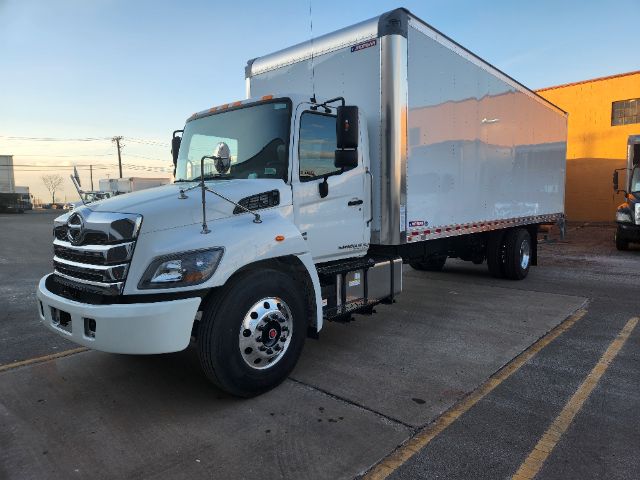
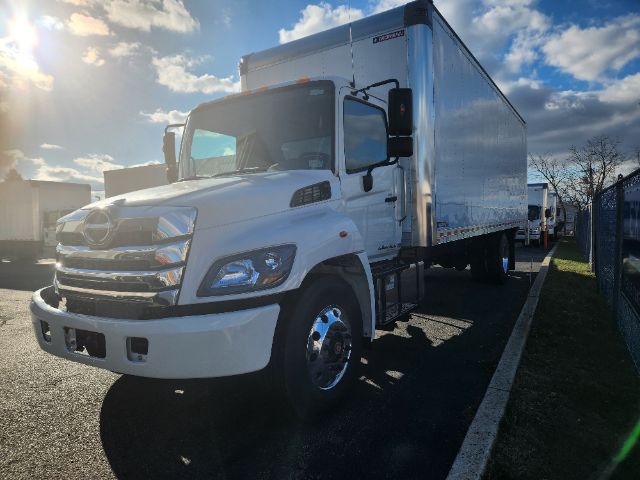
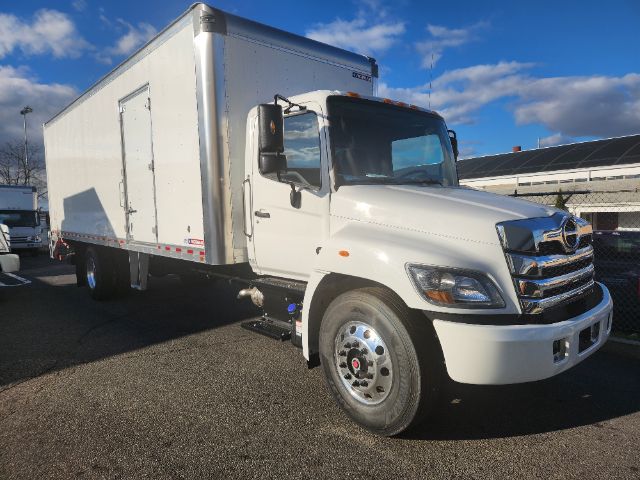
Selling a 2025 hino box truck? List your 2025 hino box truck for sale and reach thousands of commercial buyers.
2025 Hino Box Trucks in New Jersey
For many buyers, GVWR is the first decision. A 25,950-lb GVWR setup is common because it delivers strong payload capacity while staying under the 26,000-lb CDL threshold in many applications, assuming the truck is not otherwise configured to require a CDL. That makes it a practical choice for fleets trying to widen the driver pool without stepping down too far in body size. Typical configurations in this segment include 102-inch wide dry van bodies, roll-up rear doors, aluminum or FRP construction, and liftgates in the 3,000-lb to 3,500-lb range for palletized freight and dock-independent deliveries.
On newer Hino box trucks, buyers should pay close attention to the powertrain and operating environment. Current Hino medium-duty models are commonly paired with the Cummins B6.7 diesel and an Allison automatic, a combination that most fleet managers already know well for service support, drivability, and parts access. If the truck will run dense New Jersey routes, stop-and-go delivery cycles, and tight urban loading zones, cab ergonomics and visibility matter almost as much as engine spec. Features like air-ride driver seats, heated power mirrors, power windows and locks, extended bumpers, and larger fuel tanks can make a real difference in daily use and route efficiency.
The body spec deserves as much scrutiny as the chassis. A 26-foot box may be the right answer for maximizing cube, but buyers should confirm inside height, floor construction, wall lining, tie-down setup, rear door opening dimensions, and liftgate style against the freight they actually move. Beverage, foodservice, furniture, final-mile, and general freight operators all use box trucks differently. A well-matched Hino box truck should balance payload, cubic capacity, dock compatibility, and ease of loading, not just sticker price. When comparing listings, the best value is usually the truck with the right body equipment and GVWR for the route, because retrofitting a van body or liftgate after purchase can add significant cost.
Frequently Asked Questions about 2025 Hino Box Trucks in New Jersey
What GVWR is common on a 2025 Hino box truck?
A common medium-duty configuration is 25,950 lbs GVWR, especially on Hino L6 box trucks with 24-foot to 26-foot van bodies. That rating is popular because it offers useful payload and body capacity while staying just under the 26,000-lb threshold that often affects CDL planning. Buyers should still verify local rules, actual truck spec, and intended use before assigning drivers.
What engine and transmission are typical in newer Hino box trucks?
Many newer Hino medium-duty box trucks are spec'd with the Cummins B6.7 diesel engine and an Allison automatic transmission. That combination is widely used in delivery fleets because it is familiar to technicians, easy for drivers to operate, and well suited to stop-and-go regional work. Earlier Hino models may use Hino J-series engines or Aisin automatics, so it is important to confirm the exact powertrain in each listing.
What body length is most common for a Hino box truck?
Common body lengths range from about 16 feet on lighter Hino models up to 26 feet on medium-duty chassis such as the L6. The right length depends on freight density, route type, and loading conditions. A 26-foot body maximizes cubic capacity for furniture, package, and general dry freight work, while shorter bodies can be easier to maneuver in urban areas and tighter delivery sites.
What liftgate capacity should I look for on a box truck?
Many box trucks in this class are equipped with liftgates rated around 2,000 lbs to 3,500 lbs. The correct capacity depends on the heaviest pallet, cart, or equipment piece you expect to load without a dock. Buyers should look beyond the headline rating and confirm platform size, tuck-away versus rail style, level-ride function, and how the liftgate affects rear access and daily delivery efficiency.
What should I compare besides price on a 2025 Hino box truck?
Price matters, but body spec usually drives long-term value. Compare GVWR, wheelbase, body length, inside height, floor type, wall lining, E-track or slat liner setup, curbside door configuration, rear door opening, liftgate brand and capacity, and fuel tank size. A cheaper truck with the wrong body equipment can cost more after purchase than a properly spec'd unit that is ready for the freight and routes you run.